

Table of Contents
- Introduction: Core Principles for Effective Farm Management
- Trivia: Did You Know?
- Principle Comparison Table
- 1. Clear Objectives and Strategic Planning
- 2. Resource Optimization and Efficiency
- 3. Financial Discipline and Risk Management
- 4. Integrated Farming Systems and Diversification
- 5. Sustainable Soil and Ecosystem Stewardship
- 6. Market Orientation and Value Creation
- 7. Innovation, Knowledge, and Continuous Improvement
- Applying the Seven Principles in Modern Farming
- Farmonaut: Satellite Technology for Sustainable Resource Management
- Farmonaut Video Tutorials & Insights
- Key Takeaways, Pro Tips & Highlights
- Advanced Practices in Sustainable & Profitable Agriculture
- Trivia: Resource Optimization in Action
- Frequently Asked Questions (FAQs)
- Get Started with Farmonaut
📈 7 Principles of Farm Management & Agribusiness Practices:
A Sustainable Framework for Success
“Sustainable farm management can increase crop yields by up to 30% while reducing resource waste by 20%.”
The principles of farm management are the bedrock for achieving tangible productivity, resilience, and responsible resource stewardship across agriculture, forestry, and related sectors. Today, every action on the farm—from field to forest, and from seed to sale—must align with demanding sustainable expectations. The essence of modern farm management lies in disciplined decision-making, optimizing assets such as soil, water, labor, and capital to balance short-term performance against long-term stewardship and market opportunity.
This blog unpacks the 7 principles of farm management, integrating principles of agribusiness management and sustainable forest management principles for a ready-to-apply framework. Whether your context is agriculture, forestry, or mixed land-use, these principles offer practical guidance for thriving in volatile markets, unpredictable climates, and evolving regulatory landscapes.
Let’s explore how strategic planning, resource optimization, financial discipline, integrated systems, sustainable stewardship, market orientation, and continuous innovation can transform both the land and livelihoods that depend on it.
Comparison Table: The 7 Principles of Farm Management
| Principle Name | Definition | Estimated Yield Increase (%) | Estimated Profitability Impact (%) | Environmental Sustainability Level |
|---|---|---|---|---|
| 1. Clear Objectives & Strategic Planning | Set long-term, measurable goals and link inputs to outputs via adaptive plans. | 8–12% | 10–15% | High |
| 2. Resource Optimization & Efficiency | Maximize yields per input, minimize waste, and apply precision approaches. | 15–20% | 15–25% | High |
| 3. Financial Discipline & Risk Management | Budgeting, cost control, risk mitigation, & diversification strategies. | 5–8% | 12–18% | Medium |
| 4. Integrated Systems & Diversification | Combine crops, livestock, timber, and agroforestry for risk reduction and resilience. | 10–17% | 12–20% | High |
| 5. Sustainable Stewardship | Maintain soil and ecosystem health for long-term productivity. | 12–20% | 10–16% | High |
| 6. Market Orientation & Value Creation | Align production with market demand and develop products/services for greater returns. | 7–12% | 15–30% | High |
| 7. Innovation & Continuous Improvement | Adopt technology, track performance, and learn from outcomes to improve over time. | 10–15% | 12–20% | High |
1. Clear Objectives and Strategic Planning
Success in agriculture and agribusiness rests on disciplined management with clear objectives that align resource use and actions with both immediate results and long-term viability. Effective farm management begins with a coherent plan:
- 🔑 Define tangible goals: Focus on profitability, resilience, and stewardship—not just yield.
- 📊 Strategic planning: Link inputs—land, water, labor, capital—to outputs like crops, timber, and livestock.
- 👁 Review and adapt: Regularly review targets and adapt to market signals, climate variability, and technological advances.
- 🛤 Long-term viability: Ensure actions contribute to sustainable outcomes rather than short-term gains.
Setting clear strategic objectives tailored to your farm’s realities—rainfall, land class, labor, and market access—is the most effective insurance against future challenges and shifting markets.
2. Resource Optimization and Efficiency
Among the principles of agriculture, resource optimization is foundational. Every drop of water, kilogram of nutrients, or hour of labor used must generate maximum productivity while minimizing waste and environmental impact.
- 💧 Treat land, water, and nutrients as precious, finite assets.
- ⚗️ Apply precise input use: Soil testing, variable-rate application (VRA), and integrated pest management are essential tools.
- 🌱 Enhance soil health: Soil structure, organic matter, and biological activity multiply yields and resilience.
- 🌳 Emphasize biodiversity and carbon storage: Ecosystem services such as pest reduction and pollination depend on diversity and healthy soils.

Optimize irrigation and nutrient application with precision agriculture tools to cut costs and boost yields. Farmonaut’s carbon footprinting solutions monitor environmental impacts, enhancing both resource efficiency and sustainability reporting.
3. Financial Discipline and Risk Management
All successful farm management frameworks require robust financial discipline and risk management. Only by tracking every rupee or dollar flowing in and out can managers make decisions grounded in reality:
- 💸 Budgeting and cost control: Evaluate costs, manage depreciation, and monitor cash flow.
- 🧾 Farm-level finance methods: Use partial budgets, enterprise analysis, and investment appraisals to plan for growth.
- 🌾 Diversification and insurance: Hedge against climate shocks, weather variability, and market downturns.
- 🛡 Contingency planning: Be ready for disease, pest outbreaks, or market price crashes with mitigation strategies in place.

Overlooking risk mitigation strategies and regular budget reviews is a common source of financial stress in farms. Use satellite-based verification via Farmonaut for speeding up loan and crop insurance processes, reducing fraud and streamlining access to finance.
4. Integrated Farming Systems and Diversification
Encompassing principles of farm management, integrated systems and diversification encourage the design of farms that mimic nature, enhance resilience, and stabilize income:
- 🌿 Integrate crops, livestock, timber, and trees (agroforestry): Exploit synergistic relationships—livestock manure feeds soil; hedgerows host pollinators.
- 📦 Diversify outputs: Timber, fruit, honey, and ecosystem services expand market options and reduce dependency on single-product volatility.
- ♻️ Enhance nutrient cycling and ecosystem services: Mixed farming or agroforestry boosts overall resource use efficiency.
- 💡 Balance timber and non-timber forest products: Include sustainable forest management principles to broaden revenue.

Diversified farms and integrated forestry enterprises are less exposed to commodity price shocks and climate extremes, making them more attractive for sustainability-driven investment.
5. Sustainable Soil and Ecosystem Stewardship
A farm’s potential is only as great as its most basic resource: the soil. Sustainable stewardship demands ongoing care for soil health, water quality, and biodiversity:
- 🌏 Protect soil structure and organic matter: Use cover crops, reduced tillage, and organic amendments.
- 🦋 Support ecosystem services: Encourage habitats for beneficial insects and microbes.
- 🌊 Protect water: Reduce runoff, avoid overfertilization, and use vegetative buffers along waterways.
- 🌐 Cut emissions: Use responsible fertilizer application, composting, and green manure incorporation to minimize greenhouse gases.
Sustainable farms and forests—whether in Punjab, Kerala, Maharashtra, or globally—reap the compounded benefits of healthy, resilient soils.
- ✔ Crop rotation
- ✔ Cover cropping
- ✔ Compost application
- ✔ Contour farming
- ✔ Minimal soil disturbance

Building up soil organic carbon not only captures atmospheric CO2 but dramatically boosts yields and resilience. Farmonaut’s satellite-based tools measure vegetation health (NDVI) and soil condition at scale—informing regenerative and carbon farming strategies.
6. Market Orientation and Value Creation
Today’s agriculture and forestry operations succeed by aligning production with market signals:
- 📦 Value chain thinking: Plan right from input purchase to post-harvest handling, processing, and supply chain traceability.
- 💰 Target market demand: Use market-oriented production to meet rapidly shifting consumer preferences.
- 🏷 Certification and branding: Appeal to “green”, “fair”, or “traceable” markets for premium prices.
- 🔗 Build relationships: Engage with buyers, cooperatives, extension agents for scale and consistency.
Farmonaut’s blockchain-driven traceability solutions enable businesses to meet global market demand for transparency and authenticity.
- ✔ Traceable, certified produce
- ✔ Diversified farm outputs
- ✔ Direct-to-market channels
- ✔ Cooperative marketing
- ✔ Value-added processing
Standing out in global markets requires more than good produce. Build verifiable stories of responsible practices using blockchain traceability and raise product value—see how Farmonaut’s Product Traceability solutions help.
7. Innovation, Knowledge, and Continuous Improvement
The final core principle among principles of farm management is a culture of innovation and continuous learning:
- 🔬 Data-driven decisions: Use farm management information systems, precision agriculture, and remote sensing tools.
- 🤖 Embrace technology: Select technology that fits local conditions and scale.
- 📝 Pilots and trials: Test on a small scale before scaling up.
- 📈 Document outcomes: Measure, record, and share lessons for ongoing improvement.
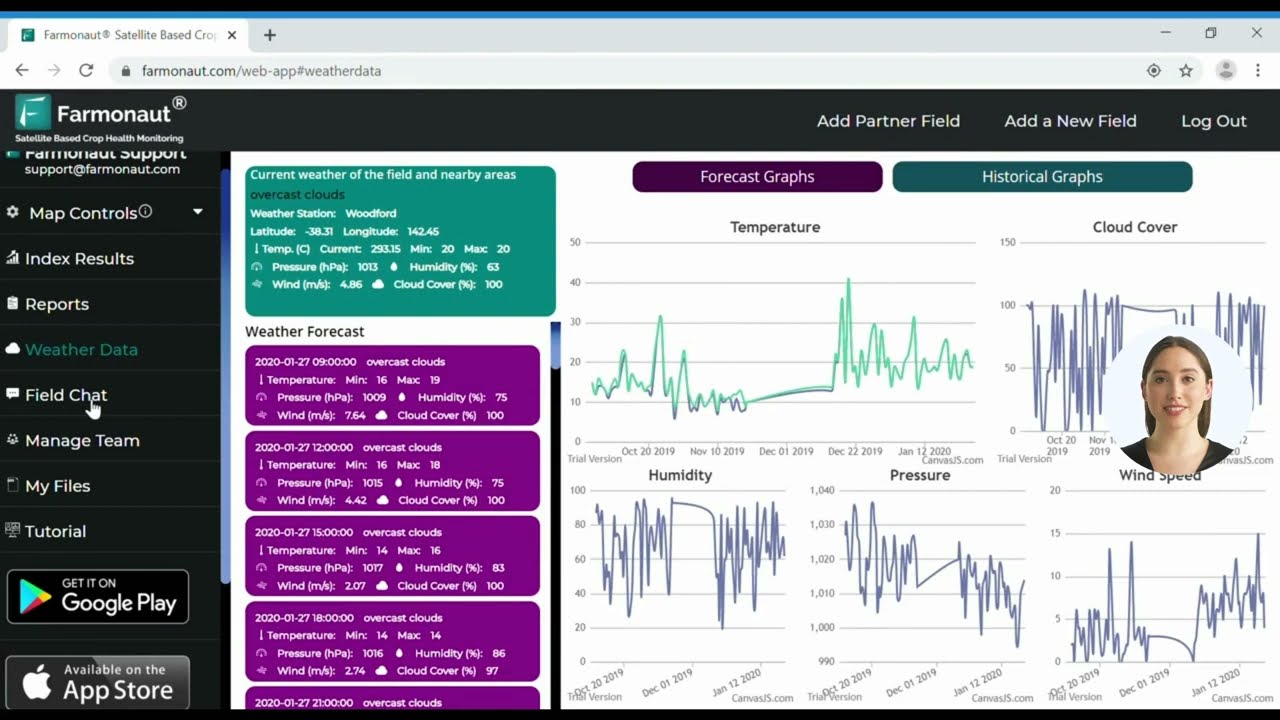
Our Farmonaut satellite system brings AI-based advisory, resource use dashboards, and fleet monitoring for real-time learning and outcome documentation.
Applying the 7 Principles of Farm Management in Modern Farming
When woven together, these core principles of farm management shape a framework that’s adaptable, resilient, and responsive to both opportunity and risk:
- 📈 Increased yields and profitability: Smarter resource allocation leads to higher returns per unit input.
- 🌱 Sustainable stewardship: Environmental care assures sustained productivity over generations.
- 🔗 Market opportunity: Products aligned with global trends attract premium prices and investor attention.
- 📉 Reduced risks: Diversification, climate adaptation, and financial discipline buffer income shocks.
- 👩🔬 Continuous improvement: Data, monitoring, and innovation foster ongoing advancement.
Farmonaut’s platform empowers users with fleet and resource management, environmental monitoring, and open API access for seamless integration with existing farm systems.
Farmonaut: Leading with Satellite Technology in Sustainable Farm Management
We at Farmonaut are dedicated to advancing sustainable resource management across agriculture, forestry, and allied sectors with our powerful, satellite-enabled platform. Our mission is to make satellite-driven insights affordable, actionable, and accessible for every producer, manager, and government agency.
- 🛰 Satellite imagery and AI: Monitor crop health, soil conditions, and water stress remotely for optimal input use and yield prediction.
- 🌡 Real-time monitoring: Detect field-level changes instantly and respond to pest, water, or weather risks.
- 🌍 Environmental sustainability: Carbon footprinting tools help users track emissions and promote zero-waste practices.
- 🔗 Blockchain: Enhance traceability and build supply chain trust using verifiable data at every stage.
- 🚜 Fleet management: Optimize logistics and asset use with fleet management dashboards.
- 🔑 API integration: Seamlessly connect satellite intelligence with ERP/management systems using our developer API.
See API Documentation →
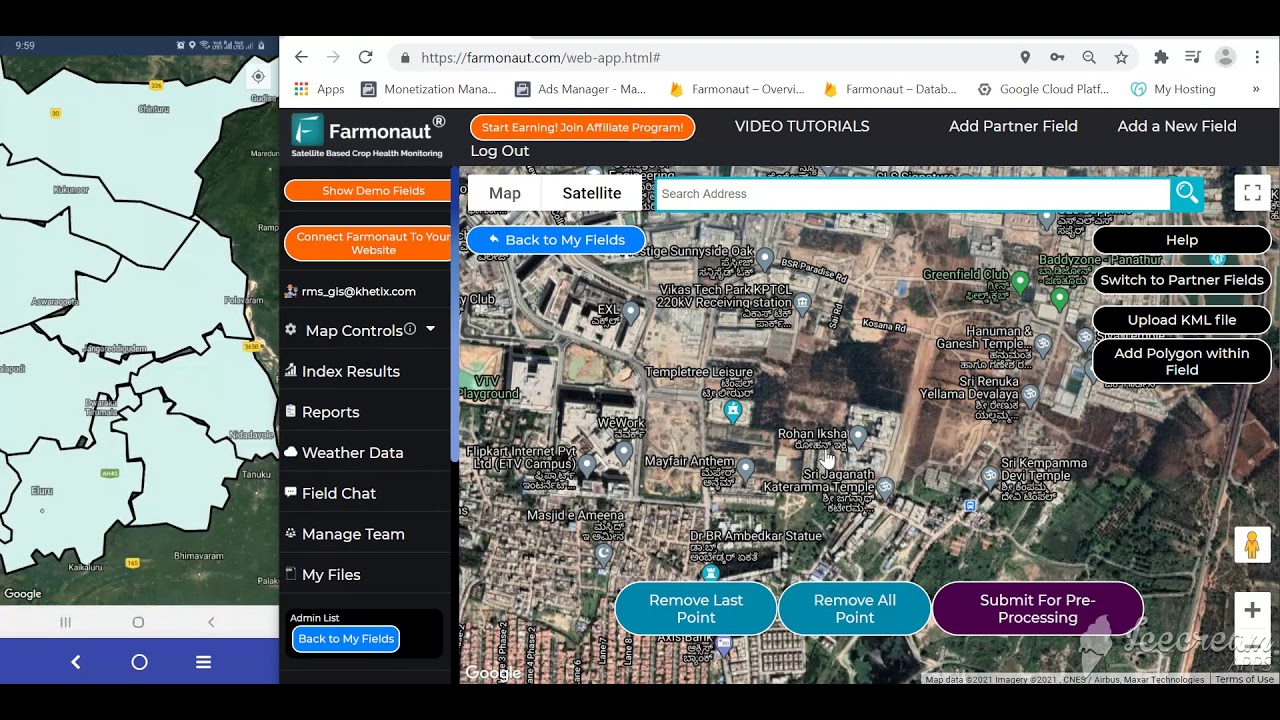
Satellites allow for cost-effective, scalable monitoring of even the largest landholdings—delivering precise data for strategic planning, optimization, and sustainability certification.
Farmonaut in Action: Video Tutorials & Insights

Key Takeaways, Pro Tips & Highlights
- ✔ Productivity is best achieved through disciplined planning and innovation.
- 💡 Efficient input use — enabled by technology — can dramatically reduce waste and improve environmental outcomes.
- 🌱 Sustainability and resilience are now core to both profitability and regulatory compliance in farm management.
- 🔗 Market-driven diversification and traceability unlock new revenue streams and consumer trust.
- 📈 Continuous monitoring and data-driven decisions are the foundation for ongoing improvement and competitiveness.
Advanced Practices in Sustainable & Profitable Agriculture
Broader Principles of Agribusiness Management
Beyond the “7 principles of farm management,” success across related sectors like forestry and agroforestry relies on additional guiding concepts:
- Governance, Ethics, and Social Responsibility
Transparent record-keeping, fair labor, and environmental compliance are essential for market and community trust. - Climate Resilience and Adaptation
Implement adaptive cropping calendars, diversify varieties/species, and invest in water-holding soil practices. - Monitoring, Evaluation, and Learning
Use indicators (yield, soil health, biodiversity) to track trends and refine actions for measurable progress.
Enterprises demonstrating robust environmental stewardship and transparent governance consistently outperform industry benchmarks for growth and risk-adjusted returns.
“Efficient resource optimization in agriculture can cut water usage by 40% and boost profitability by 25%.”
Frequently Asked Questions (FAQs)
What are the “7 principles of farm management”?
The 7 principles of farm management include: clear objectives and strategic planning; resource optimization and efficiency; financial discipline and risk management; integrated farming systems and diversification; sustainable soil and ecosystem stewardship; market orientation and value creation; and innovation with continuous improvement.
Why is resource optimization so important in sustainable agriculture?
Resource optimization ensures every input—land, water, nutrients—is used to maximum effect, reducing waste and climate impact while enhancing yields and profitability.
How do farm managers adapt to market signals and climate variability?
By regularly reviewing strategic objectives, leveraging technologies like satellite monitoring, and embracing flexible production systems that align with changing market and climate realities.
Where does technology fit into farm management?
Technology—especially remote sensing and farm management software—enables real-time monitoring, efficient resource use, and data-driven decision-making, all of which are vital for modern sustainable farm management.
What role does Farmonaut play in advancing sustainable farm management?
We at Farmonaut use satellite imagery, AI, blockchain, and intuitive apps to provide actionable, cost-effective solutions for real-time monitoring, advisory, traceability, fleet management, and environmental reporting—enabling farms, forestry, and resource managers to thrive sustainably.
Get Started: Access Farmonaut’s Solutions Today


We provide affordable, scalable subscriptions for businesses, individuals, and governments—see latest pricing below:
Final Thoughts: Unlocking Long-Term Value Through Practical & Sustainable Principles
By integrating the 7 principles of farm management into daily operations, farm and forestry managers can achieve a new level of profitability, sustainability, and market resilience. The framework offered here—drawn from proven principles of agribusiness management, sustainable forest management, and advanced technology—serves as your roadmap for meeting tomorrow’s agricultural and environmental challenges.
Intelligent management aligns resource use with stewardship. Consistent monitoring, actionable data, and agile strategy—powered by innovation and a commitment to environmental health—are what define future-ready, high-performing farms across the world.
Start your journey with Farmonaut and transform your approach to sustainable resource management today.
- ✔ Strategic planning and flexibility underpin profitability
- 🌊 Water and input efficiency = bigger yields, lower waste
- 💵 Robust financial management helps weather risk
- 🪴 Diversification and ecosystem stewardship reduce volatility
- 📱 Technology adoption (like Farmonaut) is now essential for scalable, sustainable growth
Discussion
Questions, corrections or field experience? Share them below. First-time comments are reviewed before they appear, and your email is never published.
No comments yet. Be the first to add a question or your experience.

 Misteo
 Tres Valles
 LACOS Geoinformation
 Pulsar Supernova
 Magrifly
 LatConnect 60
 WebsEdge
 Blickwinkel
 Agricultural Credit Policy Council
 MCSOD
MCSOD Marei Nursery
 eKGIS
eKGIS Mostas Tech
 Andex
Andex FCF India
 Unifrutti Gulf
 Deluxe Conseil
 Licence holder · Niger · Gold
 Licence holder · Nigeria · Gold + lithium










