

7 Steps of Farming with Pictures: Essential Guide for 2025
“Over 80% of farmers follow a 7-step process, from soil testing to harvesting, for optimal crop yield.”
Table of Contents
- Summary: 7 or 8 Steps of Farming with Pictures
- Step-by-Step Process Table: 7 Steps of Farming with Pictures
- Introduction: The Cornerstone of Modern Agriculture
- Step 1: Land Preparation
- Step 2: Selection of Seeds / Planting Material
- Step 3: Sowing / Planting
- Step 4: Irrigation
- Step 5: Fertilization and Nutrient Management
- Step 6: Weed Control
- Step 7: Pest and Disease Management
- Step 8: Harvesting
- Farmonaut: Advanced Technology for Every Farming Step
- Frequently Asked Questions
- Conclusion
Summary: 7 or 8 Steps of Farming with Pictures – A Comprehensive Guide to Modern Agriculture in 2025
7 or 8 Steps of Farming with Pictures: A Comprehensive Guide to Modern Agriculture in 2025
Farming stands as the cornerstone of agriculture and continues to play a vital role in feeding our ever-growing global population. Understanding the 7 steps of farming with pictures is crucial for both beginners and experienced farmers looking to enhance productivity, ensure sustainability, and maximize yield in 2025. This essential guide offers a detailed overview of each step—supported by visual references, farming explanations, and the latest updates in agricultural technology.
Why Visual, Step-by-Step Farming Guides Matter in 2025
- The world’s population is projected to reach 8.5 billion by 2030—making efficient, modern agriculture more essential than ever.
- Combining traditional farming wisdom with advanced technologies (like satellite monitoring, AI, and sensor-based systems) is key to sustainability and yield maximization.
- Using steps of farming with pictures makes it easier to understand, adopt, and implement best practices, no matter the experience level or location.
“Modern irrigation methods can increase water efficiency by up to 50% in the 7-step farming process.”
Step-by-Step Process Table: 7 Steps of Farming with Pictures
| Step Number | Step Name | Key Actions | Estimated Duration (days) | Important Tools/Equipment | Visual Reference |
|---|---|---|---|---|---|
| 1 | Land Preparation | Clearing field, removing weeds, plowing, leveling soil, creating seedbed | 3–5 | Tractor, plow, harrow, hoe |  |
| 2 | Selection of Seeds / Planting Material | Choosing high-quality seeds/plants; sorting, treating, and preparing for sowing | 2–3 | Seed trays, nursery tools, sieves |  |
| 3 | Sowing / Planting | Sowing or transplanting at proper depth and spacing, using seed drills or by hand | 1–2 | Seed drill, dibbler, hoe |  |
| 4 | Irrigation | Providing water: drip, sprinkler, or manual systems based on crop and stage | Throughout crop cycle | Drip lines, sprinklers, water pumps |  |
| 5 | Fertilization and Nutrient Management | Soil testing, applying organic or chemical fertilizer according to crop needs | 1–4, then as per crop schedule | Spreaders, tanks, testing kits |  |
| 6 | Weed Control | Manual, mechanical, or chemical methods to remove weeds and prevent competition | 3–10 (depends on crop & weed load) | Weeder, hoe, herbicide sprayer |  |
| 7 | Pest and Disease Management | Monitoring, integrated pest management, biological or chemical controls | Throughout crop cycle | Sprayer, monitoring traps, drones |  |
| 8 | Harvesting | Manual or mechanized harvest at crop maturity, grading & storage | 2–7 | Harvesters, sickles, knives, storage bins |  |
Introduction: The Cornerstone of Modern Agriculture
In 2025, farming steps with pictures represent not only the legacy of traditional agricultural wisdom but also the dramatic leaps enabled by precision technologies. For both forestry and field agriculture, understanding each step—from initial soil preparation to final harvesting—helps maximize yield while reducing losses and environmental impact. Whether you are a beginner or an experienced farmer, comprehending the 7 steps of farming with pictures and leveraging modern visual resources is essential for sustainable and efficient food production.
Why Focus on the Steps of Agriculture?
- They offer a structured pathway to achieve good yield and optimize resources.
- Every step of farming with pictures clarifies processes and minimizes errors for newcomers and seasoned professionals.
- We now have tools—like satellite monitoring, AI, and smart irrigation—that go far beyond what was possible with only manual or traditional methods.
Step 1: Land Preparation
Description:
Land preparation is the fundamental first step of every modern farming process. It involves clearing the field of weeds and debris, plowing and turning the soil (either manually with hoes or using tractors), and leveling the surface to create a suitable seedbed. This step is vital for the following reasons:
- Improves soil aeration and drainage
- Facilitates deep root penetration
- Ensures even water distribution and nutrient availability
- Reduces weed and pest pressure by removing old crop residues and weed seeds

Modern Update:
- Use of GPS-guided tractors enables more precise plowing and tillage—minimizing soil disturbance and optimizing fuel usage.
- Soil health is monitored using advanced sensors and drone-based mapping (see Farmonaut’s Crop, Plantation, and Forest Advisory for real-time field monitoring).
Time taken: Usually 3–5 days (depending on field size and equipment).
Common tools: tractor, hoe, harrow, rotavator, plow

The 5 Essential Stages of Crop Farming : A Visual Guide for Modern Agriculture
Step 2: Selection of Seeds / Planting Material
Description:
The selection of seeds and planting material is a crucial step that defines your likely harvest and yield. Choosing quality seeds (or healthy saplings) best adapted to local climate and soil type directly influences disease resistance, growth, and productivity.
- Sorting seeds removes defective or infected ones, ensuring only the best specimens are used.
- In crops like tomato, brinjal, or forest trees, nurseries with saplings are often preferred.
- The adoption of improved, hybrid, or genetically resilient seed types (as available in 2025) maximizes success and climate resilience.

Modern Update:
- Farmers now access digitally traceable seeds via blockchain systems, ensuring genuine origin and certification (read about Farmonaut Traceability solutions).
- Seed treatments with bio-inoculants or fungicides are recommended to increase germination rates and resist soil-borne pests (see below video on modern seedling care).
Time taken: 2–3 days (including sorting, treating, and preparing seeds or saplings).
Common tools: Clean trays, seed treaters, sieves.

Mastering Potato Growing : From Planting to Pest Control – A Complete Guide for Healthy Crops
Step 3: Sowing / Planting
Description:
Sowing or planting is the activity where seeds or prepared seedlings are placed either manually (by hand or simple tools) or using mechanical drills and precision planting machines. Proper depth, row spacing, and seed rate are critical:
- Avoid seed crowding (proper spacing optimizes sunlight and nutrient access, prevents disease spread).
- Timing must be adapted to seasonal variations and local weather forecasts. (Tip: Use Farmonaut’s app for up-to-date weather-based advisories!)
- Mechanical planters improve uniformity and reduce seed wastage.

Modern Update:
- Precision sowing machines manage seed rate, spacing, and depth automatically—maximizing germination and plant vigor.
- Satellite-based soil moisture and temperature maps (Farmonaut App) help farmers decide the best time and location for planting.
Time taken: 1–2 days.
Common tools: Mechanical seeders, hand dibblers, seed drills, automatic planters.

2025 Veg Equipment Boom ? Smart Farming, AI Telematics & $2.3B Market Powered by Farmonaut
Step 4: Irrigation
Description:
Ensuring proper irrigation is essential for crops at every stage of growth. The method depends on crop type, climate, and field conditions:
- Drip irrigation systems deliver water directly to plant roots with minimal waste (~50% more efficient than traditional methods).
- Sprinklers distribute water evenly over large areas—suitable for many row crops and commercial farms.
- Old methods like furrow or basin irrigation are still widely used, but less efficient compared to modern techniques.
Advanced water management and soil moisture sensors result in major savings for both traditional and modern farms.

Modern Update:
- Smart irrigation controllers integrate weather, field maps, and soil sensors (see Farmonaut fleet management for managing irrigation machinery and logistics!).
- Remote monitoring and automation using IoT and real-time data optimize water efficiency and minimize losses.
Time taken: Throughout crop cycle as needed.
Common tools: Drip lines, pipes, pumps, sensors, timers.
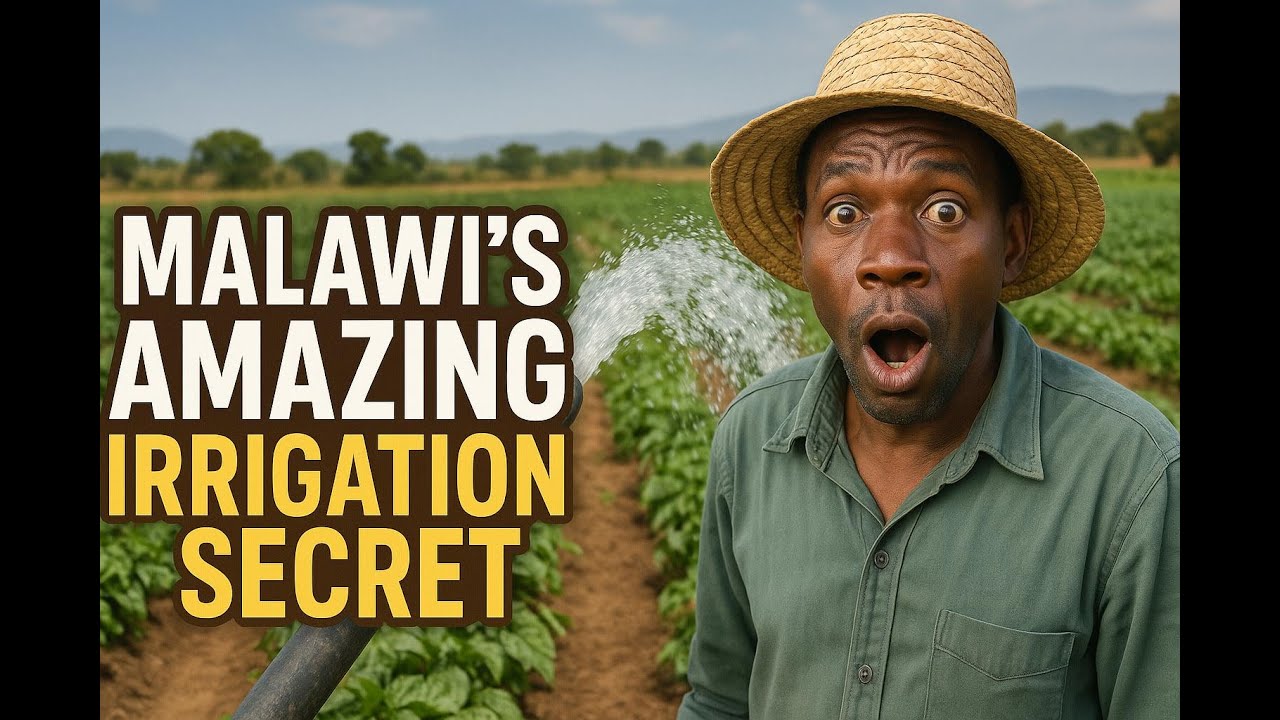
Malawi Irrigation Tech 2025 | 3 Solar-Pump Secrets That Triple Yields in Mzimba!
Step 5: Fertilization and Nutrient Management
Description:
Providing essential nutrients to the soil is vital for growth and yield. Balanced nutrient application includes nitrogen (N), phosphorus (P), potassium (K), and other micronutrients. Both organic (farmyard manure, compost) and chemical fertilizers are common.
- Soil testing determines the quantity and type of fertilizer needed, preventing excess use.
- Application can be manually spread or with motorized/mechanical spreaders for efficiency.
- Advanced nutrient management uses real-time soil data, satellite/aerial imagery (see Farmonaut Carbon Footprinting for sustainable fertilizer use).

Modern Update:
- Use of precision fertilizer applications through drones, smartphone apps, and sensors.
- AI-based crop nutrient mapping (like with Farmonaut Jeevn AI) recommends dosage and substitutes based on current crop health, reducing waste and cost.
- Block-chain traceable fertilizer supply chains are being implemented for greater transparency in 2025.
Time taken: Initial 1–4 days, then as per crop schedule.
Common tools: Fertilizer spreaders, tanks, drones, testing kits.

Florida Fertilizer Ban 2025 ? 7 Rules to Save Indian River Lagoon & Stop Algae Blooms!
Step 6: Weed Control
Description:
Weeds compete with crops for nutrients, water, and light. Effective weed control is critical to prevent yield losses. Methods include:
- Mechanical control (pulling, hoeing, and tilling manually or with machines).
- Chemical control (herbicide spraying).
- Mulching and cover crops to suppress weed growth naturally.

Modern Update:
- Robot weeders and AI-driven weed identification make mechanical weeding more efficient and precise, reducing chemical usage.
- Satellite and drone imagery help monitor weed density in large fields to target interventions precisely (explore Farmonaut for large scale farm management and weed mapping).
Time taken: 3–10 days per cycle, depending on weed load.
Common tools: Weeder, hoe, robot, herbicide sprayer.
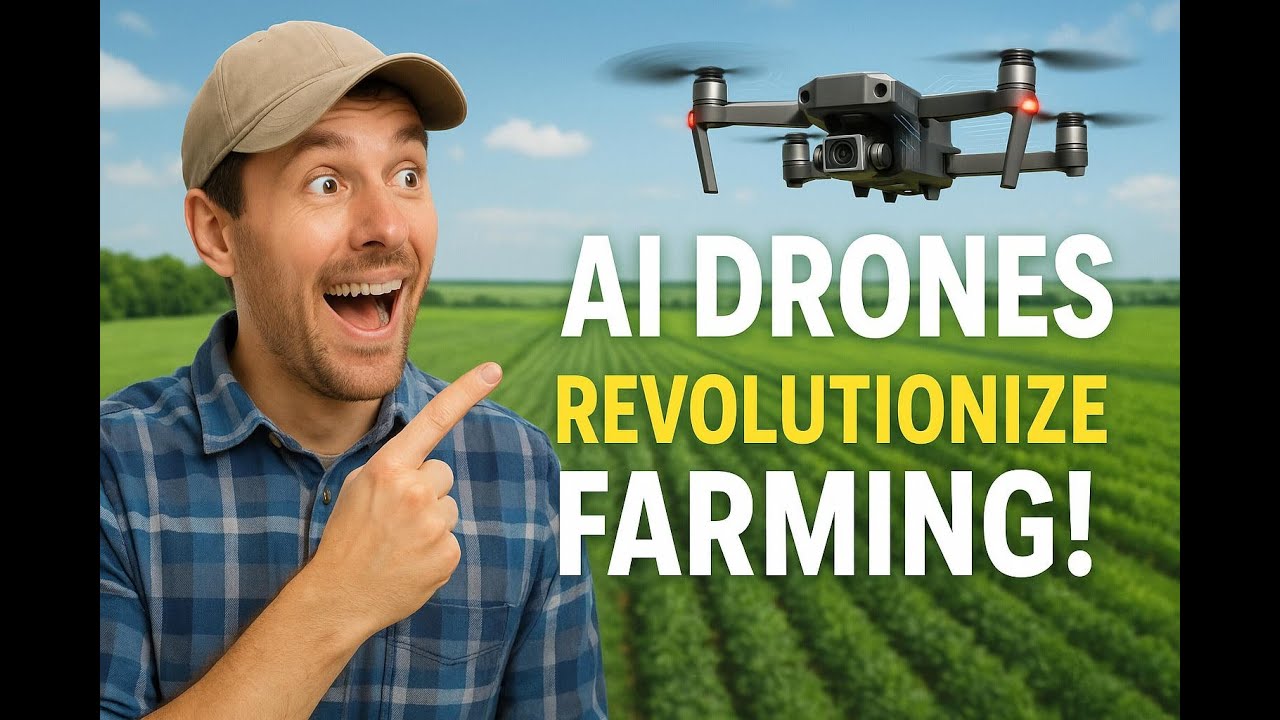
How AI Drones Are Saving Farms & Millions in 2025 ? | Game-Changing AgriTech You Must See!
Step 7: Pest and Disease Management
Description:
No farming guide is complete without pest and disease management. Pests and pathogens can devastate an otherwise healthy crop. To protect yield and ensure quality, consider:
- Monitoring crops daily—look for signs of infestation or infection early.
- Integrated Pest Management (IPM)—combines:
- Biological controls (using natural predators or parasites like ladybugs/Trichogramma)
- Chemical controls (safe pesticide application)
- Cultural practices (resistant varieties, crop rotation)
- Minimizing over-spraying to avoid resistance and protect beneficial species.

Modern Update:
- Drone-based pest and disease surveillance detects and targets infestations with pinpoint accuracy, minimizing environmental impact (see how Farmonaut crop health data supports insurance and risk control).
- AI-advisory apps alert farmers about upcoming risks in their exact field location (weather, pest migration, or outbreaks).
Time taken: Throughout crop cycle as needed.
Common tools: Sprayers, traps, drones, protective gear.

Farmonaut® Satellite Based Crop Health Monitoring
Step 8: Harvesting
Description:
Harvesting marks the culmination of the farming cycle. Action must be taken at exactly the right time when the crop reaches full maturity—ensuring the highest nutritional and market value and minimizing post-harvest losses.
- Traditional harvesting is done manually with sickles, knives, or specialized tools—still common for smaller fields or delicate crops.
- Mechanized harvesting employs combine harvesters or specialized machines for large-scale farming, greatly increasing efficiency.
- Post-harvest management (cleaning, grading, storage) is just as important to preserve quality.

Modern Update:
- Harvesters with sensors can monitor grain quality, speed, and losses—ensuring optimal performance at every pass.
- Satellite imagery (from solutions like the Farmonaut App) assists in determining the best harvest dates and in managing logistics on large or remote fields.
Time taken: 2–7 days, depending on crop and equipment.
Common tools: Sickle, harvester, grading tables, wagons, bins.

Regenerative Agriculture 2025 ? Carbon Farming, Soil Health & Climate-Smart Solutions | Farmonaut
Farmonaut: Advanced Technology for Every Farming Step
At Farmonaut, we believe precision agriculture should be accessible, affordable, and practical for all farmers. Our technology integrates seamlessly into every step, from land preparation and sowing to fertilizer application and harvesting.
-
Satellite-Based Crop Health Monitoring: Track indices like NDVI and soil moisture at each field stage, receive crop health alerts, and minimize unnecessary interventions.
Try the Farmonaut Web & Mobile App →

- AI Advisory System (Jeevn): Receive personalized, step-specific suggestions—when to plant, irrigate, or harvest—based on live data.
-
Blockchain Traceability: Guarantee seed, fertilizer, and harvest authenticity for markets and certifications.
Explore Traceability Tools → - Fleet & Resource Management: Monitor and optimize tractors, harvesters, and other machinery—learn more
-
Crop Loan & Insurance Management: Get easier access to finance, validated by satellite-based field verification.
Check Crop Insurance Tools → - Large-Scale & Forestry Solutions: Manage multi-location, large holdings or forest plantations efficiently (see details).
-
Carbon Footprinting & Sustainability: Track your field’s emissions and reduce ecological impact.
See Carbon Footprinting Module →


To integrate Farmonaut satellite or weather data into your own platforms or agri-business solutions, visit our Farmonaut API and review the developer documentation.
Get Started with Farmonaut Subscription Plans
Frequently Asked Questions: 7 Steps of Farming with Pictures
Q1: Why are visual guides important in farming steps?
Pictures and visual guides make it easier for all farmers (even beginners) to understand and implement every step correctly. Combining explanations and images reduces errors, increases technical skills, and speeds up learning.
Q2: How do I know which seeds or planting material are best for my soil and climate?
Selecting the right seed variety depends on local soil type, climate, and disease pressures. Look for certified or hybrid seeds resistant to pests, suited to your agro-climatic zone. Platforms like Farmonaut Traceability System allow you to check seed authenticity before purchase.
Q3: What are some of the most effective modern irrigation methods?
Drip irrigation and automated sprinkler systems (often combined with soil moisture sensors) are the most efficient for conserving water and maximizing yield. These systems can now be remotely monitored and controlled via apps and satellite-assisted maps.
Q4: Can I use only organic fertilizers in the nutrient management step?
Yes, but regular soil testing is essential to avoid nutrient deficiencies. Many modern farmers blend organic and minimal chemical fertilizers, optimizing both yields and sustainability. Precision tools (such as those by Farmonaut) help balance applications.
Q5: How does smart farming technology integrate with traditional steps?
Technologies like satellite imaging, drone monitoring, AI-based advisories, and farm apps (e.g., Farmonaut) add data-driven precision to each step—making tasks easier, faster, and oftentimes more profitable and sustainable.
Q6: Is the 7-step process applicable to forestry and plantation crops as well?
Absolutely. The 7 steps of farming with pictures model applies to forestry, agroforestry, and plantation systems with minor changes in seedling establishment and harvesting machinery.
Conclusion: Towards Sustainable, High-Yield Farming in 2025 and Beyond
The farming steps with pictures, as described in this guide, provide a crystal-clear, actionable pathway for sustainable agriculture in 2025. Integrating the fundamental 7 or 8 steps of farming—from land preparation and seed selection right through to pest management and harvesting—ensures better resource efficiency and productivity, serving farmers and forestry professionals alike.
The combination of traditional knowledge and advanced tools such as satellite monitoring, Jeevn AI advisory, blockchain for traceability, and smart fleet management (offered by Farmonaut) enables both smallholders and large-scale producers to thrive. The visual, step-by-step explanations in this blog are intended to help maximize your field’s potential while protecting environmental balance.
- Apply these steps for any major crop—grain, vegetable, oilseed, fruit, or even timber.
- Use visual cues, images, and technology wherever possible for accuracy and confidence in each stage.
- Stay updated with the latest apps and platforms to maintain high yields, lower costs, and increase sustainability in your operation.
Explore Farmonaut for real-time, step-wise field guidance or visit our carbon footprinting and traceability modules to future-proof your farm practices!
For more on integrating advanced farming data in your systems, check our API Platform and developer documentation.

 Progenseed
 SkyHarvest
 Sarvome
 Polaris Digitech
 Teledarbas
 Wild Oak Farm
 SFX
SFX BACF Africa
 Doodlakine
 Exurbia Geospatial
 FieldZero
 Indico Company
 Kubota
 FFBS
FFBS Jontra
