

Agri Business Ideas 2026: Top Agriculture Business Ideas for a Sustainable Future
Table of Contents
- Introduction
- The New Era of Agri Business: Opportunities & Transformation
- Precision Farming and Smart Agriculture Solutions
- Organic and Specialty Crop Farming
- Vertical Farming and Controlled Environment Agriculture (CEA)
- Agri Waste Management and Bioenergy Production
- Aquaculture and Integrated Farming Systems
- Farm-to-Table Supply Chain Innovations
- Top Agri Business Ideas 2026: Key Features, Market Trends, and Estimated Investment
- Leveraging Farmonaut Satellite Technology for Agri Business
- Frequently Asked Questions (FAQ)
- Conclusion
Top Agribusiness Ideas for 2025: Innovating Agriculture for a Sustainable Future
The agriculture sector is experiencing a significant transformation—driven by technological advancements, the rising global demand for food, and an imperative for sustainable practices. Agribusiness ideas are evolving quickly, opening opportunities for entrepreneurs and farmers in 2025 and beyond. From precision farming to vertical farming and organic crop production, this article explores the most viable, innovative agri business ideas that align with current trends, ensuring long-term relevance and impact throughout the coming years.
Readers focused on the American market can check US farm businesses that pay before settling on an idea.
The New Era of Agri Business: Opportunities & Transformation
Agri business ideas for 2026 and beyond are shaped by a convergence of technologies, shifting consumer preferences, and environmental imperatives. The future of agriculture is not just about higher yields, but about sustainability, optimized resource management, and resilience in the face of climate change and food security challenges.
- Technological advancements like IoT, AI, blockchain, and drone-based surveillance are making farms smarter and more efficient.
- Global trends around organic produce, sustainable practices, and vertical farming are reshaping supply chains and consumer demand.
- Environmental stewardship is now an imperative for future-proofing any agribusiness venture.
In this comprehensive blog, we delve into the top agriculture business ideas to watch out for in 2026—including a comparative table for your quick reference.
Precision Farming and Smart Agriculture Solutions: Leading Agri Business Ideas for 2026
Precision farming is one of the most promising agriculture business ideas for 2026, leveraging technologies such as GPS, IoT sensors, drones, and AI-powered analytics to monitor crop health, soil conditions, and water usage. By providing real-time data, these technologies enable farmers to optimize input use—fertilizers, pesticides, and irrigation—thus reducing costs and environmental impact while boosting yields.
- GPS-guided tractors and machines minimize overlaps and missed spots in the field.
- IoT sensors track moisture levels, nutrient content, and plant health for precision interventions.
- Drones enable rapid field surveillance, pest scouting, and crop mapping.
- AI-powered decision support systems predict pest outbreaks, irrigation needs, and optimal harvest windows.
Entrepreneurs can capitalize on this trend by developing agritech platforms or offering specialized precision farming services. Solutions may include:
- Satellite-based monitoring and crop health mapping
- Custom soil testing kits and analytics
- Drone surveillance services for large-scale farms
- AI-integrated advisory platforms
Key Benefits:
- Reduces resource usage and environmental footprint
- Enhances decision-making with actionable data
- Increases yields and profitability
- Makes farms more resilient and adaptive

To explore satellite-driven agri advisory tools that support precision farming, check out the Farmonaut Large Scale Farm Management platform. It enables real-time satellite-based crop health monitoring and resource management for businesses, governments, and individual users.

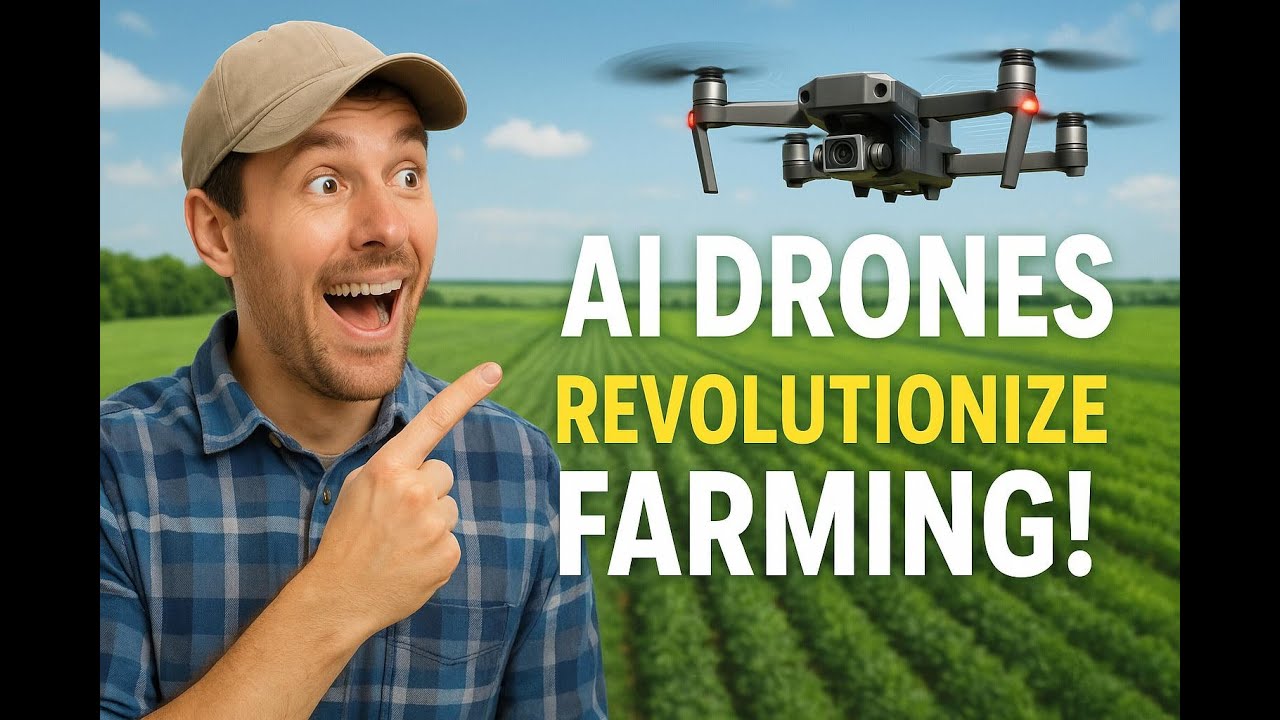
Precision Agriculture: The Future of Smart Farming
Using platforms like Farmonaut, users can receive real-time insights, monitor crop health using NDVI, and benefit from fleet and resource management tools—optimizing machinery usage, reducing operational costs, and enhancing efficiency at scale. For developers, the Farmonaut Satellite API and developer docs allow seamless integration of satellite-driven services into agritech solutions.
Organic and Specialty Crop Farming: Emerging Agriculture Business Ideas
Organic farming and the cultivation of specialty crops (like medicinal herbs, exotic vegetables, and superfoods such as quinoa and moringa) represent one of the most viable agri business ideas for the next decade. Consumer preferences are rapidly shifting towards organic, non-GMO, and value-added produce due to concerns around health, environmental impact, and food safety.
- Organic produce commands premium prices in domestic and export markets.
- Certification (e.g., USDA Organic, EU Organic) enhances credibility and market reach.
- Specialty crops like moringa, stevia, medicinal herbs (ashwagandha, tulsi), and exotic vegetables (bell peppers, purple carrots) cater to niche markets with growing demand.
- Agripreneurs can tap into segments such as organic food processing, herbal cosmetics, or health supplements.

Smart Certification and Traceability Solutions
With a surge in conscious consumers and regulatory scrutiny, having transparent traceability of organic produce is essential. Using blockchain-based traceability solutions like those offered by Farmonaut, businesses can securely document every step of the supply chain, ensuring authenticity, building trust, and meeting both certification and export requirements.
Furthermore, platforms that offer carbon footprinting—such as Farmonaut Carbon Footprinting—help growers demonstrate their commitment to sustainable practices. This not only adds value to organic and specialty crops but also opens new markets for climate-smart agricultural produce.

Vertical Farming and Controlled Environment Agriculture (CEA): Top Vertical Agri Business Ideas
As urbanization increases and arable land shrinks, vertical farming and controlled environment agriculture (CEA) are set to disrupt conventional farming models. This forward-thinking agriculture business idea involves cultivating crops (mainly leafy greens, herbs, and vegetables) in vertically stacked layers using hydroponic, aeroponic, or aquaponic systems, all within climate-controlled spaces.
- Uses far less land, and recirculating systems use much less water per kilo of leafy greens than field growing; pesticide needs are low
- Enables year-round production regardless of weather
- Farms can be established inside urban warehouses, shipping containers, or even retrofitted buildings—shortening supply chains and reducing food miles
- Improves resource efficiency and environmental impact compared to traditional field agriculture
Vertical farms are costly to build and power, and several heavily funded firms have failed, including Bowery Farming in November 2024 (TechCrunch). New entrants do best with small, contracted production.
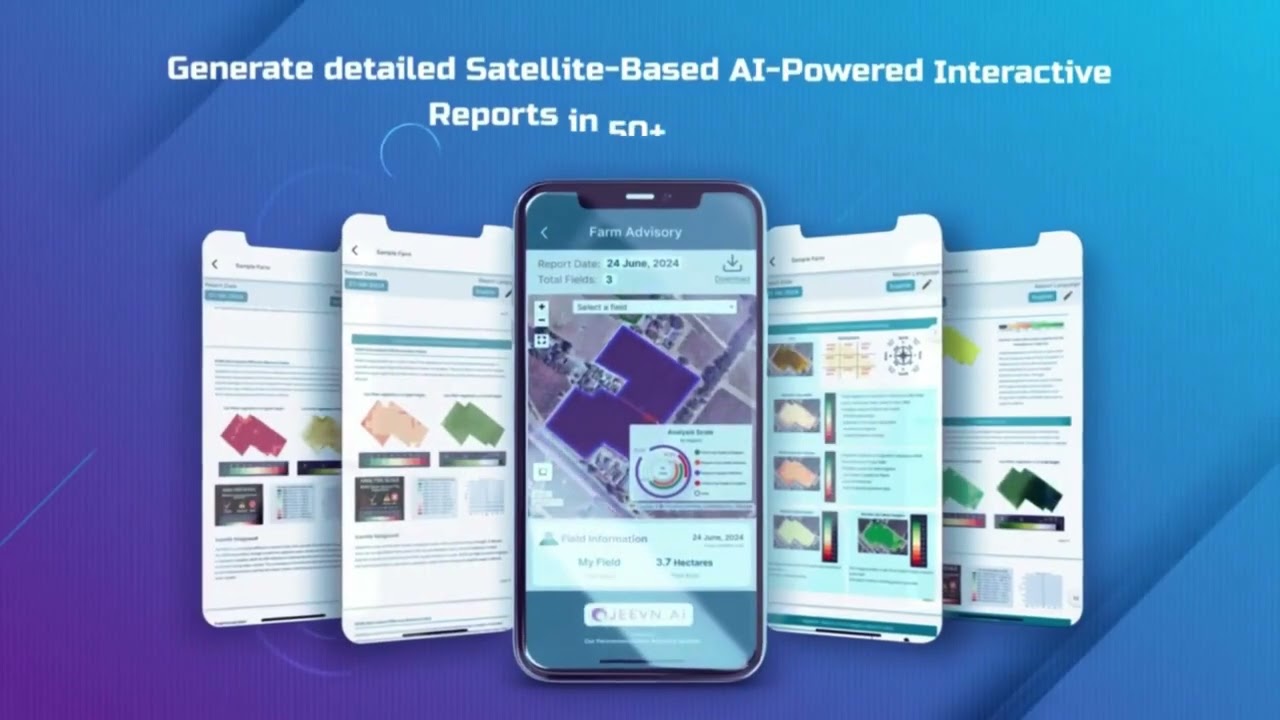
Monitoring and managing such intensive systems demands robust analytics and data. The Farmonaut app provides actionable insights for vertical and controlled environment farms, integrating satellite and AI-powered tools for crop health, environmental tracking, and efficient resource allocation.

Access Farmonaut Web App

Download Android App

Download iOS App

Agri Waste Management and Bioenergy Production: Eco-Friendly Agribusiness Ideas
In the context of agriculture’s environmental challenges, waste management and bioenergy production have emerged as promising and sustainable agri business ideas for 2026. Agricultural residues—crop stalks, husks, animal manure—often pose disposal and pollution issues but can be transformed into valuable energy or organic fertilizers.
- Innovative business models convert crop residue into biogas, biofuels, electricity, or compost.
- This not only reduces waste but supports farmers with additional revenue streams.
- Implementing bioenergy solutions helps meet rising global energy demand and supports climate goals.
- On-farm composting or biochar production improves soil health and fertility.
Entrepreneurs and startups can develop decentralized agri-waste processing units, mini-bioenergy plants, or offer consultancy on waste-to-energy systems. Monitoring environmental compliance and reporting emissions are made easier using platforms like the Farmonaut Carbon Footprinting solution, which tracks resource usage and carbon outputs for agricultural operations.
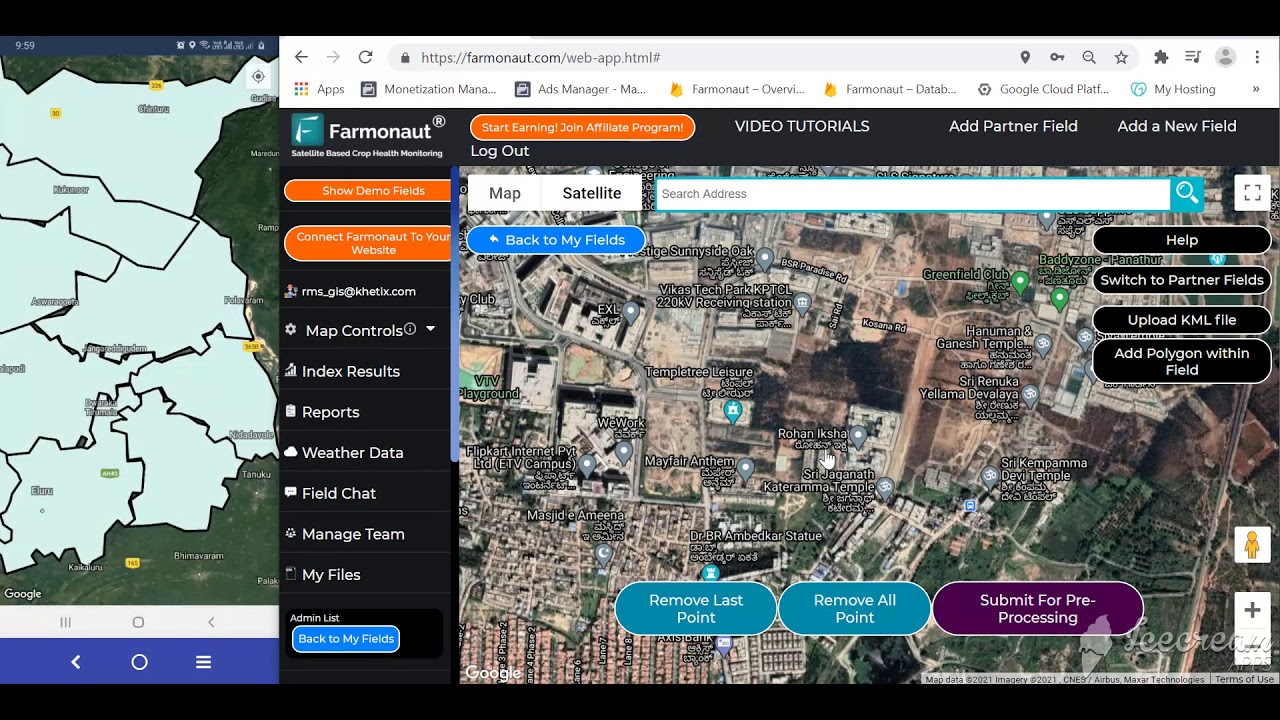
Leveraging Environmental Monitoring for Compliance and Profit
Real-time tracking of waste management and emissions—available via satellite-based platforms—allows agribusinesses to meet regulatory standards and gain certification for sustainability. Such data-driven approaches reduce environmental risks, optimize resource cycles, and support newer, cleaner business models.
Aquaculture and Integrated Farming Systems: Sustainable Business Ideas for 2026
Aquaculture—or fish farming—combined with integrated farming systems is gaining pace as a solution to protein demand and resource efficiency concerns. These agriculture business ideas blend crop cultivation, livestock, and fish production within closed-loop systems.
- Rice-fish co-culture, duck-fish ponds, and aquaponic greenhouses exemplify these multi-tier systems.
- Fish not only provide protein, but also control pests and fertilize crops naturally.
- Such models optimize water usage and ensure year-round productivity.
- Entrepreneurs can set up small-scale hatcheries, feed production units, or offer advisory services for adopting integrated systems.
Integrated approaches help stabilize farmer incomes, diversify supply, and build resilience against market and climate shocks. Digital advisory systems such as AI-driven platforms allow precise monitoring and management of complex, multi-output agri systems.
To scale integrated farming ventures, real-time resource management via platforms such as the Farmonaut mobile app is invaluable, providing holistic insights into soil, water, environmental, and biological factors.
Farm-to-Table Supply Chain Innovations: Future-Proof Agri Business Ideas
A disrupted supply chain is a top challenge for the agricultural sector. Thus, farm-to-table business models that optimize post-harvest handling, traceability, and distribution are thriving. By integrating digital market platforms, cold chain logistics, and certification systems, these ventures enable farmers to access better prices and ensure fresh produce for consumers.
- Direct-to-consumer (D2C) models cut down intermediaries, improving transparency and farmer earnings.
- Blockchain-based certification fosters trust and authenticates organic/specialty produce.
- AI-enhanced cold chain monitoring reduces spoilage in perishable goods.
- Digital platforms facilitate bulk orders for restaurants, retailers, and individual buyers.
By combining logistics management (for instance, using Farmonaut’s fleet management solution) and blockchain traceability, businesses can guarantee food quality, ensure efficient transport, and meet rapidly evolving consumer and regulatory demands.
Which agriculture business ideas have demand behind them
Before choosing an idea, check the market it sells into. Recent official and industry figures for the main options:
- Selling direct to consumers. In the 2022 Census of Agriculture, 116,617 US farms sold food directly to consumers, worth $3.3 billion, up 16% in value from 2017, although fewer farms did it (USDA Economic Research Service). Farm stands, CSA boxes and farmers’ markets need little capital but a lot of selling time.
- Organic crops. US organic sales reached $71.6 billion in 2024, up 5.2% on the year (Organic Trade Association). Expect a three-year transition before land can be certified.
- Aquaculture. In 2022 farmed fish and shellfish overtook wild catch for the first time, at 51% of aquatic animal output (FAO State of World Fisheries and Aquaculture 2024).
- Agritech services. Investors put $16 billion into agrifood technology start-ups in 2024, about 4% less than in 2023 (AgFunder). Service businesses such as drone spraying, soil testing and crop monitoring can start small and grow with clients.
- Vertical farming. High capital and energy costs have sunk several well-funded firms. Bowery Farming, which raised about $700 million, closed in November 2024 (TechCrunch). Start small or under contract with a buyer.
The safest first step for most is a business that sells to customers you can already name.
Top Agri Business Ideas 2026: Key Features, Market Trends, and Estimated Investment
Affordable Access to Satellite-Powered Agri Business Solutions
Farmonaut provides scalable, cost-effective tools for agriculture business ideas that require real-time crop, soil, and environmental monitoring—without hefty hardware investments. Whether a smart farming entrepreneur or a large-scale agribusiness owner, our platform delivers AI-advised, data-driven insights supporting precision, sustainability, and profitability.
Leveraging Farmonaut Satellite Technology for Next-Gen Agri Business Success
At Farmonaut, we are committed to advancing agriculture business ideas through game-changing satellite-based technology and AI-driven intelligence. Here’s how our solutions empower farmers, startups, agribusiness leaders, and governments globally:
- Satellite-Based Monitoring: High-resolution crop, soil, and infrastructure analysis for timely interventions and maximum yield.
- AI & Machine Learning: Prognostications on pest, weather, and irrigation needs for precise action plans.
- Blockchain Traceability: Build trust by transparently documenting your supply chain from seed to sale.
- Fleet & Resource Management: Optimize logistics, cut costs, and minimize environmental impact with real-time vehicle and machinery tracking.
- Environmental Impact Monitoring: Track and control emissions, adopt best practices, and align with sustainability standards easily.
Our subscription-based model ensures that businesses of all sizes—from smallholder farmers to large agribusiness firms—can tap into advanced geospatial intelligence without upfront capital barriers. Learn more about how our technology can support your specific farming, organic, or sustainable agribusiness ideas via the Farmonaut platform.
Want your business to stand out? Explore API integration opportunities at Farmonaut API — see developer docs for implementation details.
Frequently Asked Questions (FAQ) on Agri Business Ideas 2026
What are the most promising agri business ideas for 2026?
Precision agriculture services, vertical farming, organic crop production, agri waste management and bioenergy, aquaculture and integrated farming systems, and farm-to-table supply chain innovations are expected to dominate the agriculture landscape in 2026 and beyond.
How do technologies like drones, IoT, and AI power modern agricultural businesses?
These technologies enable real-time monitoring of crops, soil, and water, optimizing resource use, remotely diagnosing field problems, predicting pest outbreaks, and automating decisions—resulting in higher yields, reduced operational costs, and environmental benefits.
Is organic farming still a profitable agriculture business idea?
Yes. Demand is still growing: US organic sales reached $71.6 billion in 2024 (Organic Trade Association). Price premiums can pay, but certification costs, a three-year transition and lower yields mean profit is not guaranteed. Traceability and climate-smart certifications further boost market access.
What support is available for startups and entrepreneurs entering agribusiness?
Many countries offer grants, subsidies, and technical support for innovative agribusiness ventures—especially those adopting digital technologies or sustainable practices. Farmonaut, for example, provides accessible satellite-driven platforms to support data-driven decisions.
How can Farmonaut help agribusinesses with compliance and sustainability goals?
Through its satellite-based monitoring and AI analytics, Farmonaut enables users to track carbon footprints, monitor environmental impact, and document sustainable practices. Integration with blockchain ensures traceability and authenticity in supply chains.
Conclusion: Shaping the Future of Agriculture Business
The agri business ideas outlined in this article highlight the power of technology, precision, and sustainable innovation in addressing the urgent challenges and opportunities facing the agriculture sector in 2026 and beyond. Whether you’re an aspiring entrepreneur, a farmer seeking new growth, or an established agribusiness innovator, these transformative models—from vertical farms to bioenergy ventures—offer both profitability and environmental stewardship.
By leveraging modern solutions such as AI, drones, IoT, blockchain certifications, and satellite analytics, your agribusiness can thrive in an era of climate volatility, changing consumption patterns, and regulatory evolution. The time is now to invest in innovation, build resilient food systems, and ensure a sustainable future for generations to come.
Start your journey into smart, sustainable agribusiness with real-time data and actionable insights—visit the Farmonaut platform today!
Discussion
Questions, corrections or field experience? Share them below. First-time comments are reviewed before they appear, and your email is never published.
No comments yet. Be the first to add a question or your experience.

 Patrick America
 Red Dog Management
 Liquify Digital
 Ascentya
 CU Foods
 BeyondTech Global
 Rouge VC
 AgroGreen Dynamics
 AgroRisk
 Oath Inc
 Reddane Farming
 Esri North East Africa
 Cresol
 MDCV UK
 Zerella Group
 Etech Consulting Madagascar
 Vestlandsforsking
 Delicio
 WB Dev
 Sama Premium
 Prochecker
 Tres Valles
 Exploration consultancy · South Africa · Gold
 Licence holder · Niger · Gold










