

Agri Voltaics: Transforming Sustainable Farming in 2025
“By 2025, agrivoltaics can increase land productivity by up to 70% by combining solar panels and crop cultivation.”
Introduction: The Rise of Agri Voltaics in 2025
We are witnessing a profound shift in sustainable agriculture as agrivoltaics—also known as agrovoltaics, agrivoltaic farming, agrivoltaic systems, or agriphotovoltaics—becomes a focal point for maximizing the productivity of our finite arable land. In 2025, the urgency to address the mounting challenges of climate change, land scarcity, and the need for renewable energy has catalyzed the adoption of this groundbreaking approach.
Agrivoltaics synergizes solar energy and crop production, allowing for simultaneous harvesting of sunlight as both electricity and plant energy. This innovative method preserves the ecosystem and increases resilience against environmental threats.
As agrivoltaic farming gains traction worldwide, we explore how this technology integrates with digital platforms such as those offered by Farmonaut—delivering carbon footprinting, traceability, and real-time farm management for the next era of smart and sustainable agriculture.
Understanding the Agrivoltaic System
The core of agrivoltaics is the dual use of agricultural lands for both solar power generation and food production. In a typical agrivoltaic system, photovoltaic (PV) panels are strategically installed above fields or grazing areas, creating a multifunctional landscape.
- Simultaneous harvesting: Crops grow beneath elevated solar panels while energy is captured and converted into clean electricity.
- Maximized land use: Agrivoltaics eliminates the need to choose between farming and solar energy production, thus increasing overall output per hectare.
- Climate adaptation: By adjusting solar structures and crop choices, farmers can tailor microclimates to improve resilience against extreme weather or heat stress.
This approach is especially effective in regions where arable land is limited or where urbanization and environmental degradation threaten food security and energy independence.
How Agrivoltaics Works: Core Principles & Technology
Agrivoltaic systems are more than just panels positioned above crops. Let’s explore the key technological elements behind their growing popularity in 2025:
Key Principles
- Dual land use: Combining solar and agricultural activities on the same footprint.
- Elevated or tiltable PV panels: Created to facilitate mechanized operations and optimize shade.
- Bifacial panels: These photovoltaic systems absorb sunlight on both sides, capturing reflected rays from the ground and increasing energy yield.
- Microclimate creation: The partial shading by panels reduces plant stress by moderating temperature and controlling humidity.
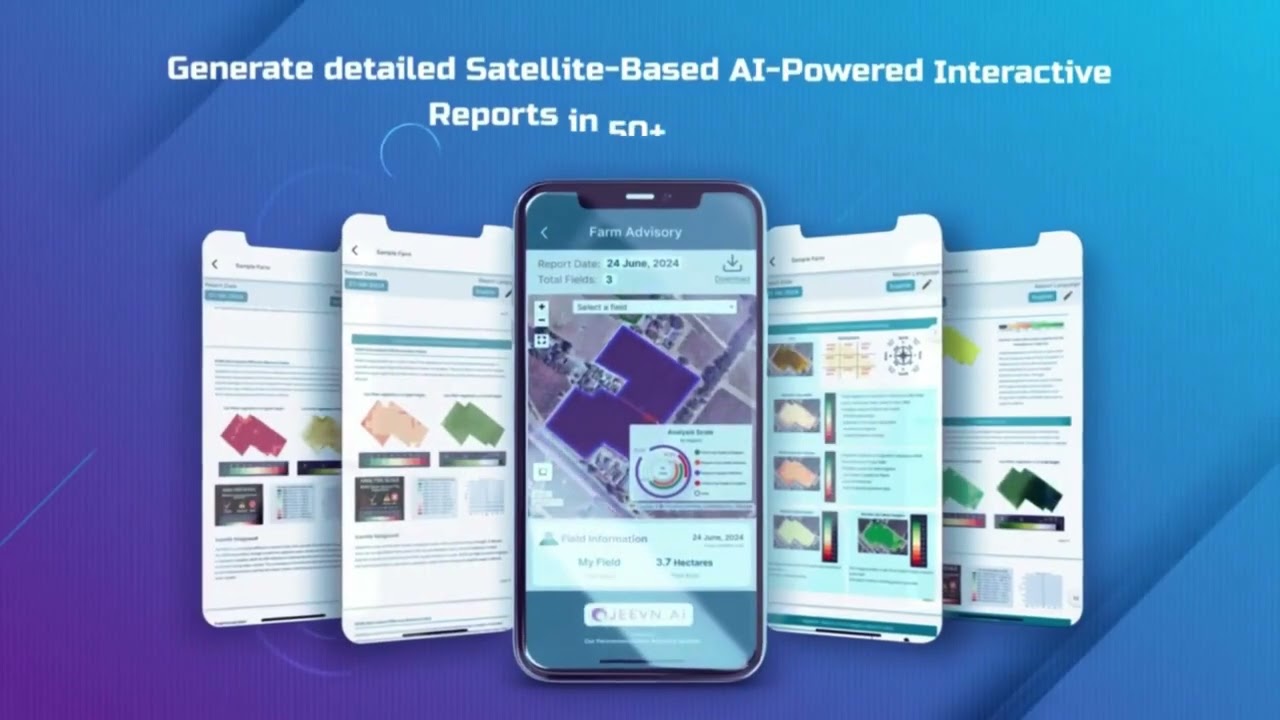
- Integration with smart sensors and data analytics: Leveraging satellite and AI-driven solutions for real-time farm and energy management.
Photovoltaic Panels & Structures
The success of agrivoltaics relies on designing structures well-suited to local crops and farming operations:
- Panel height and spacing are adjusted according to crop species (e.g., leafy greens, berries, or vegetables require different canopy distances).
- Movable panel systems track the sun, maximizing power generation while allowing flexibility for differing seasonal light needs.
- Foundation types are selected to limit soil disruption and preserve soil moisture.



The Benefits of Agrivoltaics in Sustainable Agriculture
Agrivoltaics offers a transformative suite of benefits for farmers, energy producers, and society by combining dual land uses. Here’s a breakdown of the biggest advantages in 2025 and beyond:
1. Maximized Land Use & Productivity
-
Key advantage: Optimized land output.
By combining solar panel arrays and crops, agrivoltaic systems can output more food and energy per hectare than separate uses. This is critical where arable land is threatened by urbanization or environmental degradation. -
Preserved ecosystems:
Dual use reduces pressure to clear more land, preserving biodiversity and natural habitats in hot-spot regions. -
Addressing land scarcity:
Especially impactful in densely populated or climate-vulnerable areas where land scarcity is mounting.
2. Climate Resilience for Crops
-
Microclimate benefit:
Partial shading created by solar panels protects plants from heat stress and reduces evapotranspiration. -
Soil moisture conservation & longer growing seasons:
Shaded fields retain soil moisture better, enabling yield improvement in hot, arid regions. -
Protection against extreme weather:
The structures formed by PV arrays act as a physical barrier against storms like hailstorms and heavy rains. -
Crop diversification:
Enables farmers to grow a wider variety of crops—including leafy greens, berries, and shade-tolerant vegetables.
3. Boosting Renewable Energy Generation
-
Clean, renewable power:
PV panels generate electricity for the grid or to power farm operations like irrigation, storage, and processing. -
Energy security & rural electrification:
Reduces dependence on fossil fuels and extends energy access to rural regions. -
Decarbonization & emissions reduction:
Transitions agricultural operations to clean energy, helping achieve net-zero climate targets.
4. Economic Benefits
-
Diversified income streams:
Farmers can sell both crops and solar-generated electricity, increasing financial stability. -
Lower operational costs:
Self-generated electricity reduces outlays for farm energy needs. -
Financial resilience:
Dual income sources buffer farmers against market price volatility and climate risks.
Example integration: Farmonaut’s system empowers farmers to track and compare large-scale farm management metrics, optimize irrigation, get real-time microclimate insights, and take data-driven actions to maximize crop- and energy-related returns. Digitized monitoring ensures the full value of agrivoltaics is realized and maintained sustainably.

Table: Agrivoltaics vs Conventional Farming (2025 Data)
| Key Factor | Conventional Farming | Standalone Solar | Agrivoltaics (2025, Projected) |
|---|---|---|---|
| Land Use Efficiency (acres per MW) | 8–12 | 4–5 | 4–5 (plus simultaneous crop yield) |
| Estimated Annual Energy Production (kWh/acre) | 0 | 250,000–300,000 | 200,000–275,000 (plus crop revenue) |
| Water Usage Reduction (%) | 0 | Insignificant | 15–40% |
| Crop Yield Impact (%) | 100% (baseline yield) | 0 | 95–160% (depending on crop type, often higher for shade-tolerant crops) |
| CO₂ Emission Reduction (tons/acre/year) | 0 | 80–110 | 80–110 (plus reduction due to sustainable farming possible) |
“Agrivoltaic systems can generate up to 2.5 times more energy per hectare than traditional solar or farming alone.”
Innovative Agrivoltaic System Designs in 2025
As we progress into 2025, agrivoltaic system design has evolved, responding to climate, energy, agricultural and operational demands. Modern installations feature:
- Adjustable-height PV arrays: Mechanically raise or lower based on crop type or farming season.
- Intelligent tracking systems: Automate angle of solar panels based on sun movement for optimized power generation.
- Transparent/bifacial panel options: Allow more natural light for crops and bi-directional energy production.
- Integrated water management: Collection of rainwater runoff from panels for irrigation, plus enhanced water efficiency due to shading.
By combining real-time satellite monitoring and analytics offered by Farmonaut, these systems become more intelligent and impactful for agricultural productivity, environmental monitoring, and resource efficiency—directly aligning with sustainable farming goals for 2025.
Global Regions Gaining Traction with Agri Voltaics
Agri voltaics is rapidly expanding in diverse geographic regions owing to its ability to turn critical climate and land-use challenges into sustainable solutions. Let’s spotlight major regions and rationale for rapid adoption:
Europe
- Supportive agri-energy policies in countries like Germany, France, and Italy drive pilot projects across arable lands facing urbanization threats.
- Focus on biodiversity preservation and clean energy.
Asia (notably India, China, Japan)
- High population density and land scarcity make agrivoltaics a strategic imperative. The need to address food security, energy security, and decarbonization, all in one.
- Innovation led by agricultural modernization and renewable energy mandates.
North America
- Market volatility and climate-related challenges (droughts, severe weather) incentivize agrovoltaics as a buffer for farm operations and rural electrification.
- Strong incentives for clean energy integration.
Africa & Middle East
- Addresses extreme arid climates and poor grid infrastructure, while maximizing local crop yields and boosting resilience.
As agrivoltaic farming is gaining traction worldwide, digital systems like Farmonaut’s help both small farm owners and large businesses tap into region-specific weather, water, and satellite data for optimized planning and output.

Addressing Challenges: Key Factors for 2025 and Beyond
The transition to agrivoltaics is not without its hurdles. Deployment at scale in 2025 and beyond must address:
1. Initial Investment & Economics
- Upfront costs of PV panels and infrastructure can be significant; returns depend on local energy prices and policy incentives.
- Farmers need access to crop loan and insurance systems that responsibly recognize their diversified revenue streams.
2. System Design and Agronomic Factors
- Optimal panel configuration varies with crop type, regional climate, and soil properties.
- Continuous real-time monitoring—like Farmonaut’s fleet management and satellite crop health analytics—is crucial for adaptive system management.
3. Regulatory and Land Use Policy
- Zoning, tariff, and grid interconnection policies are evolving; current regulations may not fully accommodate the needs or benefits of agrovoltaic systems.
4. Knowledge & Training
- Site selection, calibration, and ongoing management require new skill sets. Farmonaut’s satellite APIs—available at Farmonaut Satellite API and API Developer Docs—can enable third-party apps and advisory tools for precision farming.

Farmonaut: Satellite Solutions to Enhance Agrivoltaic Resilience
As a pioneering satellite technology company, we at Farmonaut help bridge gaps in agrivoltaic deployment and maximize system benefits for sustainable agriculture, mining, and land-use projects in 2025 and beyond. Our platform brings these advantages:
- Satellite-based monitoring: Utilizing AI and machine learning, our platform tracks real-time crop health, soil conditions, and structural integrity of farm and agrovoltaic sites.
- Jeevn AI advisory: Our proprietary AI delivers data-driven farming and energy management insights (irrigation, weather forecasts, panel efficiency optimization, etc.).
- Blockchain-based traceability: Through traceability solutions, we ensure transparency in the flow of farm products and energy across supply chains.
- Carbon impact & sustainability tools: We empower crop/energy operators to monitor carbon footprinting and drive continual improvement in sustainable practices.
- Resource, machinery, and fleet management: Our fleet management tools support agricultural and energy equipment optimization, crucial for efficient operations over hybrid land uses.
Our mission is to democratize precision data for all users, whether you’re a smallholder integrating solar or a large-scale operator deploying advanced agrivoltaic structures on thousands of hectares.
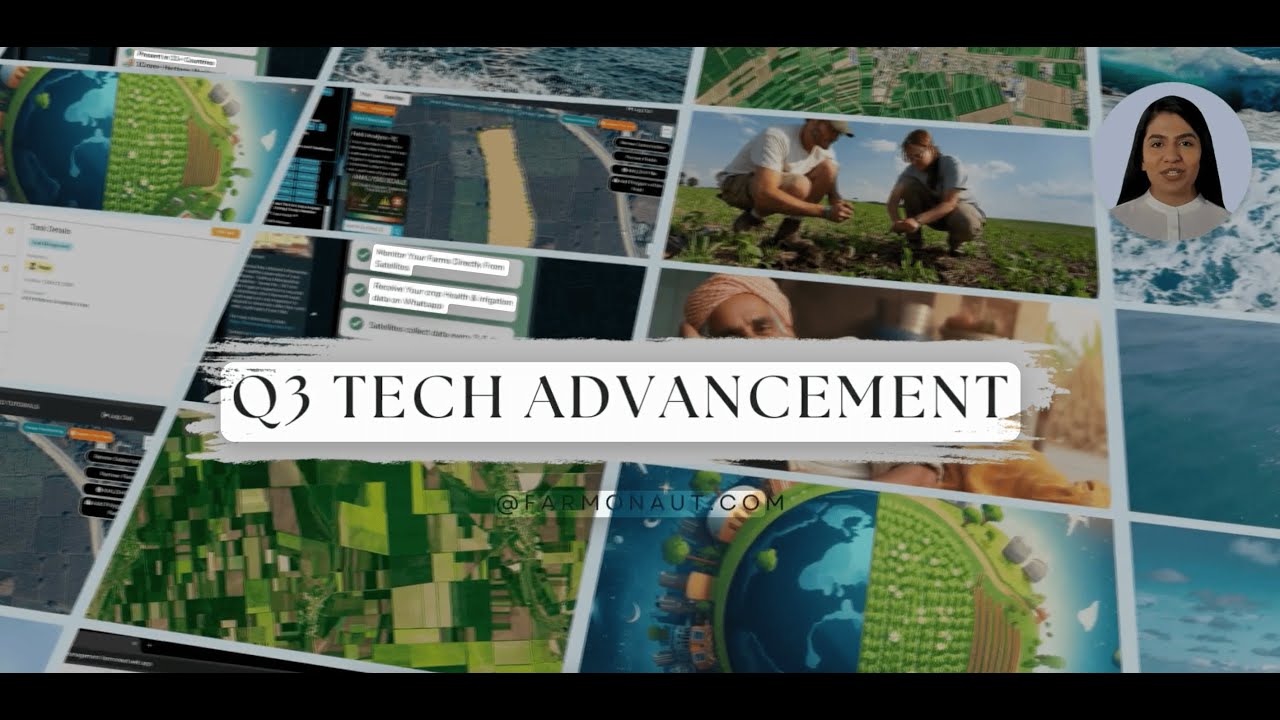
Beyond Agriculture: Mining, Forestry & Renewable Power Integration
While agrivoltaic systems are most prominent in farming, their principles inspire innovative solutions for related domains:
Mining Restoration & Solar Power
- Reclaimed mining lands become sites for solar power and/or limited replanting, maximizing economic return and environmental restoration.
- Our satellite platform supports environmental impact monitoring and auditing of carbon offsets from such hybrid uses.
Agroforestry & Multifunctional Land Use
- Combining tree crops, traditional food crops, and renewable energy generation opens new avenues for sustainable rural development.
- Farmonaut offers plantation and forest advisory tools powered by satellite intelligence.
Getting Started with Agrivoltaics: Tools & Links
Entering the world of agri voltaics and agrovoltaics requires the right mix of planning, data, and technology:
- Planning support: Use Farmonaut’s advanced satellite monitoring, available on web and mobile apps, to assess land, crop health, and PV-suitable locations.
- Insurance & financing: Secure your crop and solar investments with satellite-verified crop loan and insurance solutions.
- Traceability: Guarantee transparency for all products—farm and energy—using blockchain-based traceability.
- Fleet & resource optimization: Manage agricultural and renewable operation fleets with our AI-driven dashboards.
- Integration for developers: Build custom apps on top of satellite insights using our Farmonaut API (developer documentation here).
Frequently Asked Questions (FAQ) on Agrivoltaics & Sustainable Farming
Q1: What are the biggest environmental benefits of an agrivoltaic system in 2025?
A: Agrivoltaics reduces carbon emissions by supplying clean, renewable energy, increases land productivity by combining food and energy generation, conserves water through microclimate effects, and preserves biodiversity by minimizing land-use expansion.
Q2: Which crops work best under agrovoltaic or agrivoltaic systems?
A: Shade-tolerant crops, such as leafy greens (lettuce, spinach), berries, certain root vegetables, and some grains, thrive under partial-shade systems. Crop selection should be adapted to local climate and solar array design.
Q3: Can small farms benefit from agrivoltaics, or is it only for large commercial operators?
A: Both small and large farms benefit. Smallholders can gain from dual-use income, improved crop resilience, and lower energy bills. Digital monitoring tools, like those from Farmonaut, level the playing field for smaller operators by providing affordable access to real-time farm data.
Q4: Do solar panels interfere with farm machinery or livestock movement?
A: Modern agrivoltaic designs incorporate elevated and widely spaced panels, making them compatible with machinery, animal grazing, and most standard farming operations. Customization is possible for all farm types.
Q5: How do I monitor and maximize my agrivoltaic investment?
A: Use satellite-based analytics and digital dashboards for ongoing, precise management. Farmonaut’s platform allows tracking of crop health, energy output, soil health, carbon footprint, and more—all critical to optimizing your dual-use system.
Conclusion: Shaping the Future of Sustainable Agriculture
Agri voltaics, agrivoltaic farming, and agriphotovoltaic systems represent a decisive leap forward in the pursuit of resilient, sustainable agriculture in 2025 and beyond. By combining solar energy generation and food production on the same land, we maximize efficiency, address urgent climate, environmental, and land-use challenges, and offer a realistic pathway to meeting global food and energy needs.
As technologies evolve and policy frameworks adapt, the future of farming will be shaped by integrated, data-driven strategies. Farmonaut’s platform—offering affordable, real-time satellite monitoring, AI-based advisory, blockchain traceability, and digital management—is at the forefront, empowering every stakeholder to take part in this sustainable transformation.
The time is now to embrace agrivoltaics, turn challenges into opportunities, and create a multi-functional agricultural landscape poised for maximum productivity and resilience.
Discussion
Questions, corrections or field experience? Share them below. First-time comments are reviewed before they appear, and your email is never published.
No comments yet. Be the first to add a question or your experience.

 Fyllo
Fyllo FieldZero
 Indico Company
 Kubota
 FFBS
FFBS Jontra
 Kalustyan
 Tucor
Tucor Geno
Geno Hayleys Agriculture
 Linx Agritech
 Adinet
 Save Your Soils
 Licence holder · Niger · Gold










