

Arable Land & Sustainable Use: Transforming Farming in 2026
Table of Contents
- Introduction: The Paramount Importance of Arable Land
- Arable Farmland in 2026: The Backbone of Worldwide Food Security
- Sustainable Land Use Practices: Boosting Soil and Climate Health
- Precision Technologies: Enabling Sustainable Management of Arable Farmland
- Challenges & Innovations in Arable Land Sustainability
- Key 2025-2026 Insights: Sustainable Land, Food Security, and Climate
- How Satellite Technology Empowers Sustainable Land Use
- Sustainable Land Use Practices and Outcomes: Comparative Table
- FAQ: Arable Land & Sustainable Land Use for 2026
- Conclusion: Safeguarding Sustainable Arable Farming for Generations
“By 2026, sustainable practices could increase global arable land productivity by up to 20%, supporting greater food security.”
Introduction: The Paramount Importance of Arable Land
Arable land has never been more vital to agriculture, climate resilience, and the security of billions. Defined as land capable of being ploughed and used for crop cultivation, arable farmland forms the backbone of our global food system. As we move into 2025 and beyond towards 2026, the future of arable farming faces growing challenges—from increasing population pressures to worsening environmental degradation. Sustainable land use is not just a desirable strategy; it is essential for future-ready agriculture, food security, and planetary health.
Why focus on arable land now? Because maintaining, improving, and regenerating this precious resource is the cornerstone of ensuring high-yield, resilient, and climate-smart crop production for future generations. The decisions we make regarding arable land use in 2026 will directly affect the health of our soils, the productivity of our crops, the viability of our ecosystems, and the well-being of farmers worldwide.
Arable Farmland in 2026: The Backbone of Worldwide Food Security
The importance of arable land in agriculture remains paramount, especially as the global population surpasses eight billion. Arable farmland is the starting point for the cultivation of major arable crops—including wheat, maize, barley, rice, various vegetables, and pulses—which collectively feed billions and support the economies of nations.
This land, however, is under pressure:
- Urban expansion and industrialization threaten fertile soils.
- Population growth increases demand for food and arable space.
- Environmental degradation from poor farming practices and climate change reduces the productive capacity of existing arable land.
Efficient use of arable farmland in 2026 involves:
- Optimizing soil fertility via nutrient management and organic amendments.
- Managing water resources with precision irrigation and conservation.
- Practicing crop rotation and diversification to maintain soil health and biodiversity.
- Employing responsible pest control and integrated management for minimal chemical input.
By 2026, sustainable arable farming means boosting *yields* while preserving, or even enhancing, productive capacity for future generations.
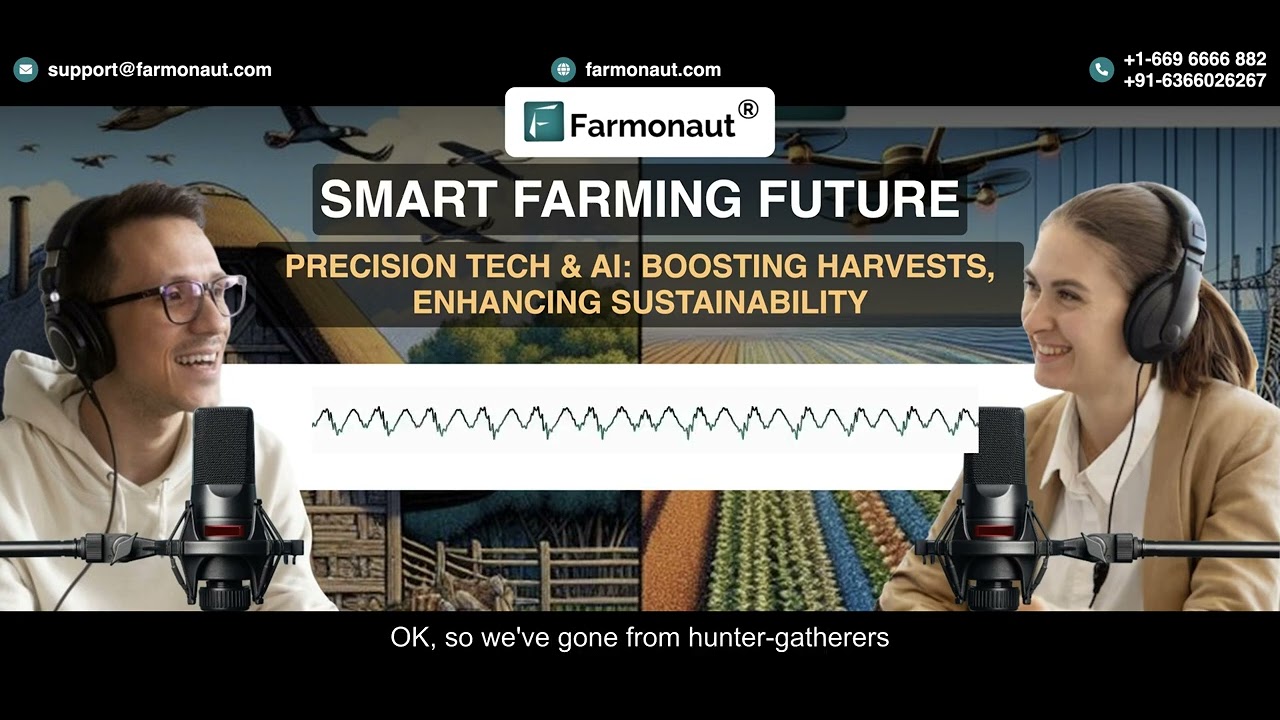
Arable Crops: Which Crops Remain Fundamental in 2026?
Arable crops form the core of food security and economic stability. By 2026, global production is dominated by time-tested crops alongside climate-adapted hybrids:
- Wheat, barley, and rice—feed billions and anchor the diets of Asia, Europe, and Africa.
- Maize (corn)—pivotal for human consumption, animal feed, and industrial uses worldwide.
- Legumes and pulses—support soil nitrogen cycles and human nutrition.
- Vegetables—ensure dietary diversity and micronutrition for thriving communities.
Preserving the Productive Capacity of Farmland
The need to ensure high yields while safeguarding the long-term productivity of arable land in 2026 emphasizes the adoption of methods that build soil organic matter, optimize nutrient cycles, and prevent erosion or loss of ecological services.


Sustainable Land Use Practices: Boosting Soil and Climate Health
Sustainable land use on arable farmland targets three priorities: protecting soil health, fostering food security, and enhancing climate resilience. In 2026, recognized best practices support long-term viability and tackle the challenges of climate change and biodiversity loss.
“Adopting sustainable land use by 2025 may reduce soil degradation rates by 40%, enhancing climate resilience in farms.”
Key Sustainable Land Use Methods for Arable Farming
- Crop Rotation — Alternating plant families each season breaks pest cycles and improves soil structure, maintaining arable farmland fertility.
- Conservation Tillage — Reduces tillage intensity to minimize soil disturbance, mitigating soil erosion and promoting water retention.
- Organic Amendments — Compost, green manure, and biochar applications increase organic matter and build healthy soils.
- Cover Cropping — Planting species between main crops shields soil from erosion, enriches nitrogen, and nurtures beneficial soil organisms.
- Integrated Pest Management (IPM) — Blends biological and targeted chemical pest control methods to reduce inputs and safeguard biodiversity.
- Agroecological Integration — Encourages diversification and balances crops, livestock, and agroforestry for enhanced system resilience.
- Water Conservation — Technologies and methods reducing water waste and optimizing irrigation, crucial for climate adaptation in 2026.

Primary Outcomes of Sustainable Land Use
- Maintaining and improving soil health: Building more robust and fertile soils that increase yields and longevity of arable land.
- Minimizing environmental harm: Reducing fertilizer and pesticide waste lowers climate emissions, protects biodiversity, and conserves water.
- Enhancing productive capacity: Ensuring that arable farmland remains capable of supporting crop production for future generations.
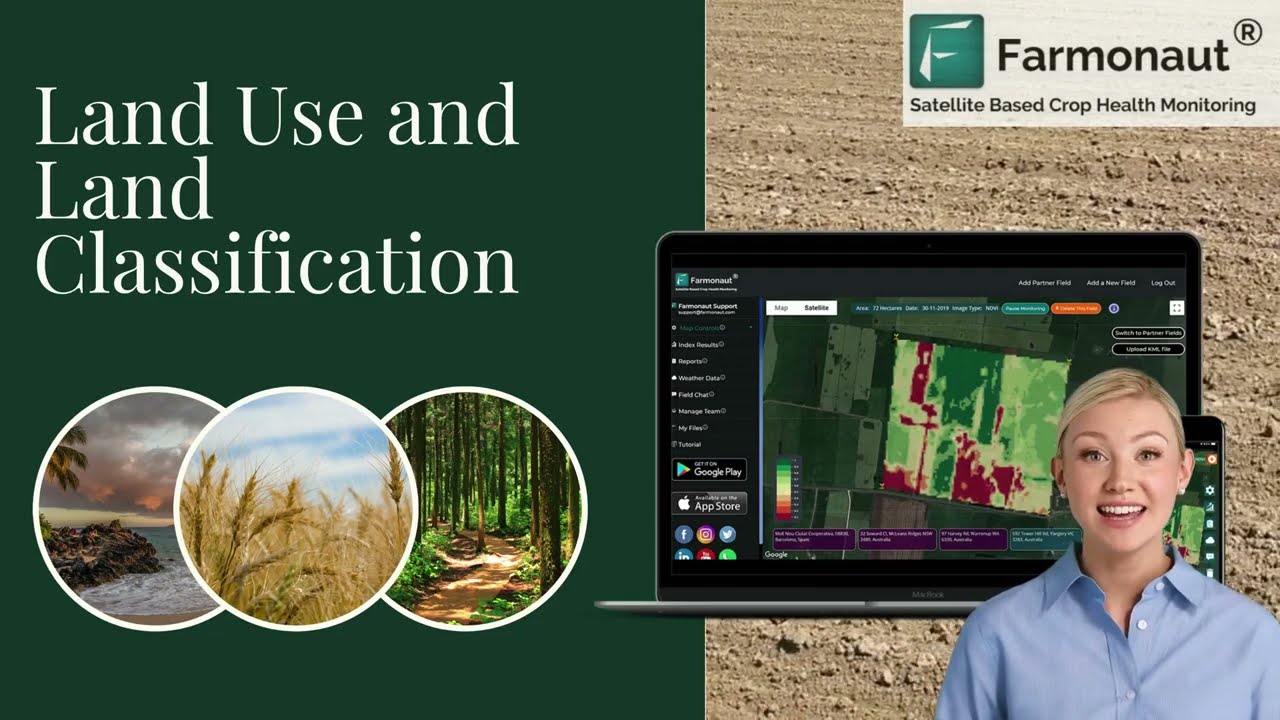
For growers and stakeholders, the focus in 2026 is on practices that regenerate soils, close nutrient cycles, foster beneficial organisms, and strengthen ecosystem services—all while feeding a growing population and reducing climate risks.
Precision Technologies: Enabling Sustainable Management of Arable Farmland
The transformation of arable farming for 2026 hinges on the development of precision agriculture and digital technologies. These solutions are enabling a new era of efficient, sustainable land use, and the optimization of every field.
Key Precision Tools for Arable Crop Production and Management
- Sensors and Satellite Imaging — Real-time field monitoring through multispectral imaging provides accurate data on vegetation, soil health, and moisture levels.
- AI-Driven Analytics and Advisory Systems — Artificial intelligence platforms interpret data, offering actionable advice for crop management, irrigation, and pest control.
- Blockchain Traceability — Linking agricultural inputs, farm operations, and harvest outcomes for transparency and trust.
- API Integration for Developers — Seamless data flow for businesses via Farmonaut’s API and accessible technical documentation (Developer Docs).
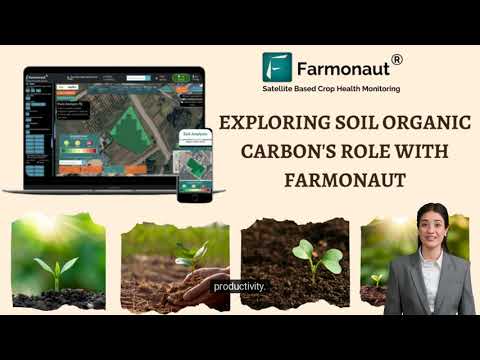
Benefits of Precision and Satellite Technology for Farmers
- Efficient fertilizer and input use — Targeted applications based on measured needs, reducing waste and optimizing nutrient cycles.
- Water and irrigation management — Real-time tracking of soil moisture ensures crops get the right amount of water, while conserving scarce supplies.
- Improved pest management — Early identification of pest outbreaks and stress zones for timely intervention with minimal chemicals.
By 2026, these technologies are revolutionizing the way we monitor, manage, and protect arable farmland, making sustainable land use far more precise and affordable.
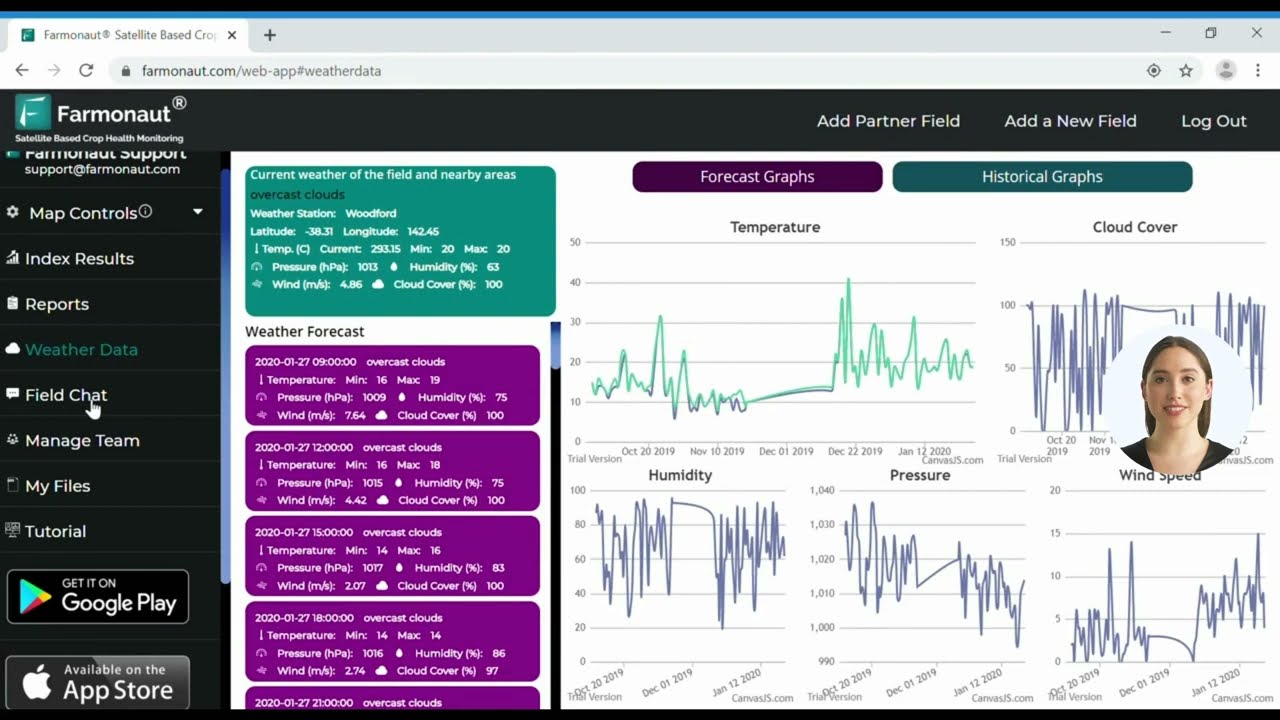


Challenges & Innovations in Arable Land Sustainability
The balance between increasing food production and safeguarding the environment stands as the great challenge for arable farming in 2025–2026.
Key Challenges for Arable Farmland
- Soil Degradation — Over-farming, excessive chemical input, and poor management have depleted soil organic matter and reduced productive capacity.
- Climate Change — Droughts, floods, heatwaves, and erratic weather threaten arable crops, disrupt planting cycles, and reduce yields.
- Biodiversity Loss — Intensive monoculture diminishes beneficial organisms, impacting resilience and increasing crop vulnerability to pests and diseases.
- Increasing Emissions — Unsustainable practices contribute to agricultural greenhouse gas emissions, undermining mitigation goals.
- Competition for Land — Urban sprawl and non-agricultural developments put pressure on remaining arable landstock.
Sustainable Solutions & Regenerative Approaches in 2026
- Regenerative Agriculture — Focusing not just on sustaining but rebuilding soil health, improving carbon sequestration, and encouraging ecosystem restoration.
- Agroforestry Integration — Blending trees with crops (and livestock) increases biodiversity, water retention, and shelters arable land from erosion.
- Advanced Resource Management — Leveraging AI and remote sensing, like those provided by us at Farmonaut, to inform sustainable land management strategies on every field.
- Reduced Reliance on Synthetic Inputs — Prioritizing organic amendments and sustainable pest management to minimize harmful side effects.
- Closing the Nutrient Cycle — Composting, cover cropping, and intercropping contribute to effective nutrient cycling and reduction of waste.

Adopting regenerative and sustainable practices is now central to arable land viability and climate-smart agriculture. Technologies that track and verify these methods, like our carbon footprinting tools, also empower land managers to demonstrate—and monetize—their climate-positive outcomes.
Key 2025-2026 Insights: Sustainable Land, Food Security, and Climate
What does the future hold as we cross into 2026? Analysis of data from arable lands worldwide, coupled with technological advances and evolving policy frameworks, offers important insights:
- Increasing Global Demand — By 2026, arable farming must continue feeding a growing world population, while shifting to sustainable land use to lower environmental impact.
- Food Security through Resilience — Sustainable and regenerative practices reduce risk for farmers by making cropping systems more resilient to climate variability and shocks.
- Carbon Sequestration and Reduced Emissions — Methods like cover cropping, agroforestry, and organic amendments enable soils to act as carbon sinks, supporting climate action targets.
- Smart Monitoring and Verification — Technologies such as satellite-based crop monitoring (see our large-scale farm management platform) provide real-time insights, supporting both daily management and long-term sustainability reporting.
- Incentives From Policy and Markets — Governments and buyers are increasingly rewarding sustainable crop production, making environmental stewardship a profitable path.
- Focus on Circular Economy — Agricultural systems in 2026 aim to close nutrient and waste cycles, repurposing residues and reducing overall input dependency.

How Satellite Technology Empowers Sustainable Land Use
The future of sustainable arable land use is inseparable from the integration of advanced monitoring and management solutions. At Farmonaut, we offer a full suite of tools—combining satellite imagery, AI, machine learning, and blockchain—that deliver actionable, data-driven insights for effective sustainable land use.
What Makes Our Platform Unique for Sustainable Arable Land Management?
- Affordable, Scalable Satellite Monitoring — Our multispectral analytics track soil conditions, vegetation health, water usage, and more, offering essential information for every field at any scale.
- Real-Time AI Advisory — The Farmonaut Jeevn AI system delivers tailored, field-specific recommendations to boost productivity and minimize inputs, directly aligning with the objectives of sustainable land use.
- Blockchain-Based Traceability — We secure the integrity of agricultural supply chains, ensuring that sustainable practices translate into transparent, trustworthy food systems.
- Environmental Impact Tracking — Monitor and report carbon footprint and resource use, helping comply with market standards and climate pledges.
- Accessible Tools — Download our Android or iOS apps, or connect via the API, to unlock precision agriculture for both small farm holders and large agribusinesses around the globe.
Sustainable use of arable land, as facilitated by Farmonaut, is already helping agricultural producers thrive amid evolving climate, security, and environmental challenges.
Sustainable Land Use Practices and Outcomes: Comparative Table
| Sustainable Practice | Estimated Impact on Soil Health (2025) | Estimated Impact on Food Security (2025) | Estimated Climate Resilience (2025) | Relevance to Arable Land |
|---|---|---|---|---|
| Crop Rotation | High (+25% organic matter, pathogen suppression) | High (diverse yields, more resilient) | High (better adaptation to climate shocks) | Foundational for sustainable arable cropping |
| Cover Cropping | High (up to 30% erosion reduction) | Moderate (improved soil, indirect yield gains) | High (drought buffer, improved water cycling) | Critical during fallow seasons for arable land |
| Reduced Tillage | Moderate to High (soil aggregation, microbe boost) | High (sustained productivity, lower input needs) | Moderate (limits erosion, mitigates microclimate risks) | Widely adopted in sustainable arable systems |
| Organic Amendments | High (+30% C sequestration, fertility up) | Moderate (steady yield benefits, improved food safety) | Moderate (buffer against drought, improves water retention) | Key in revitalizing degraded arable land |
| Agroforestry | High (boosts biodiversity, stabilizes soil) | Moderate (added supply of wood/fruits, risk buffer) | High (microclimate regulation, storm resilience) | Growing relevance in mixed arable landscapes |
FAQ: Arable Land & Sustainable Land Use for 2026
What is arable land and why is it important in 2026?
Arable land is land capable of being ploughed and used for growing crops. Its importance in 2026 remains paramount, as it forms the foundation for feeding billions, supporting economies, and addressing climate challenges through sustainable practices.
How does sustainable land use improve food security?
Sustainable land use enhances food security by preserving soil health, promoting biodiversity, optimizing water and nutrient management, and building resilient farming systems—all of which ensure reliable, high-quality yields for future generations.
What technologies are revolutionizing arable farming?
In 2026, satellite imaging, multispectral sensors, AI-based advisory platforms, blockchain traceability, and resource optimization tools are transforming how arable land is monitored and managed, making sustainability scalable and affordable.
Why are regenerative practices “essential” for arable land?
Regenerative practices restore and enhance soil health, improve carbon sequestration, close nutrient cycles, and make farmland more resilient to climate risks—going beyond sustainability toward a net-positive impact on land and livelihoods.
How can Farmonaut help optimize and sustain arable farmland?
We at Farmonaut empower users through satellite-based crop monitoring, AI-driven recommendations, environmental impact tracking, and blockchain-based product traceability, making sustainable land management accessible to farmers, agribusinesses, and governments globally.
What role does circular agriculture play in future arable land use?
Circular agriculture in 2026 minimizes waste and closes resource cycles by reusing nutrients, implementing composting, integrating crop-livestock systems, and reducing reliance on finite external inputs, fostering long-term sustainability for arable lands.
Conclusion: Safeguarding Sustainable Arable Farming for Generations
As we confront the realities of population growth, climate change, and environmental degradation, the health and continued productivity of arable land stand as global priorities. Sustainable arable farming is the pathway to reconciling food production with ecosystem stewardship. By 2026, the fusion of regenerative methods, technology-driven management, and circular, transparent supply chains will define the future of farming.
Technologies like those provided by Farmonaut are democratizing precision agriculture, elevating sustainability, and empowering a new generation of farmers, agribusinesses, and decision-makers. When we choose to manage arable land wisely, we choose a future of increased food security, richer soils, greater climate resilience, and thriving communities worldwide.
Arable land remains the backbone of food and environmental security. The essential shift to sustainable land use is under way—leveraging innovation, technology, and ecological wisdom to ensure that future generations inherit a healthy, productive, and resilient landscape. Start your transformation for 2026 now.

 Godrej Agrovet
 Hayleys Agriculture
 Linx Agritech
 Adinet
 Save Your Soils
 GalaxEye Space
 Grandstream Algérie
 XOS Realty
 Geospatial Lab Africa
 Agro La Gándara
 HIPSAC
 ZOL Zimbabwe
 Juligerm
 AdBio
AdBio MISE Maroc
 NWNS
NWNS Red August Group
 Farm Inc
 WeMe Global
 Agrotoken
 Blue BearX
 Insignito
 DnCubed
 Indosistim Teknologi
 Liquify Digital
 CU Foods
 BeyondTech Global
 Rouge VC
 AgroRisk
 Oath Inc
 Esri North East Africa
 MDCV UK
 Etech Consulting Madagascar
 Vestlandsforsking
 WB Dev
 Sama Premium
 Tres Valles
 Blickwinkel
 Agricultural Credit Policy Council
 eKGIS
eKGIS Mostas Tech
 Andex
Andex Deluxe Conseil
 WICO
WICO Chimera Innovation
 SkyHarvest
 Teledarbas
 Exurbia Geospatial
 FieldZero
