

Agricultural Applications Genetic Engineering & AI in 2026: Revolutionizing Crops, Farming, and Sustainability

Access Farmonaut’s Smart Satellite Monitoring Platform
Table of Contents
- Introduction: The Transformation of Agriculture in 2026
- Genetic Engineering: Precision Crop Enhancement
- Artificial Intelligence: Pioneering Agriculture AI Applications
- Synergy of Genetic Engineering & AI: A New Benchmark
- Comparative Feature-Impact Table: Innovation at a Glance
- Farmonaut: Satellite Intelligence in Action
- Challenges, Limitations & Ethical Considerations
- Agricultural Applications Genetic Engineering & AI: What 2026 Holds
- Lists: Benefits, Insights & Potential Risks
- FAQ: Smart Agriculture, Genetics & AI in 2026
- Conclusion: Securing the Future with Technology & Intelligence
Introduction: The Transformation of Agriculture in 2026
Global agriculture is at a pivotal moment as we approach 2026. Driven by profound advancements in agricultural applications genetic engineering and agriculture ai applications, the sector is undergoing a transformative evolution. Population rise, climate change, resource constraints, and the need for resilient food systems have pushed traditional farming practices towards the adoption of innovative technologies.
Genetic engineering has become more precise, enabling the creation of engineered crop varieties once unattainable through conventional breeding methods. Simultaneously, artificial intelligence (AI) has entered mainstream agriculture applications—transforming everything from field management and crop health monitoring to supply chain transparency.
This blog explores the revolutionary breakthroughs in agricultural applications genetic engineering and AI. We’ll analyze their integration, highlight how they are setting benchmarks for the sector, assess current adoption, and discuss Farmonaut’s role in enabling farmers, businesses, and governments to meet the growing demands for sustainable, productive, and resilient agriculture in 2026 and beyond.

Genetic Engineering: Precision Crop Enhancement for Resilient Agriculture
From Conventional Breeding to Gene Editing Breakthroughs
The science of genetic engineering has leapt forward, moving past basic genetic modification and into the sophisticated realm of CRISPR-Cas9 and other editing techniques. With these tools, researchers now unlock previously unattainable plant traits—from drought and heat tolerance, to advanced pest resistance, and even enhanced nutritional value.
AI and big data models increasingly guide and accelerate the process, helping scientists and plant breeders analyze thousands of gene sequences to identify the most promising edits for targeted conditions and regions.
The Emerging Landscape: 2025–2026 Crop Innovations
- ✔️ Genetically engineered staples (wheat, maize, rice) that thrive in extreme weather conditions and are resilient against droughts and flooding.
- 🌾 Biofortification: Engineered plants enriched with vital micronutrients (zinc, vitamin A), tackling widespread malnutrition in developing regions.
- 🧬 Microbial engineering: Beneficial microbes created to improve nutrient uptake and bolster soil health, suppressing diseases and reducing fertilizer reliance.
- ⚡ Precision trait stacks: Combining drought, salt, and disease resistance in one crop genome to maximize yield potential.
- 📉 Engineered crops requiring fewer chemical fertilizers and pesticides, minimizing environmental impact and input cost.
The shift is not only about higher yield but producing staple crops that can withstand prolonged droughts, flooding, and extreme conditions—key for food security in an increasingly unpredictable climate. New plant varieties can even help maintain productivity despite catastrophic weather events, thereby reducing risk of food shortages.
With over 60% of agtech startups now focusing on genetic engineering and agriculture ai applications, this sector presents major growth opportunities as technology adoption accelerates globally.
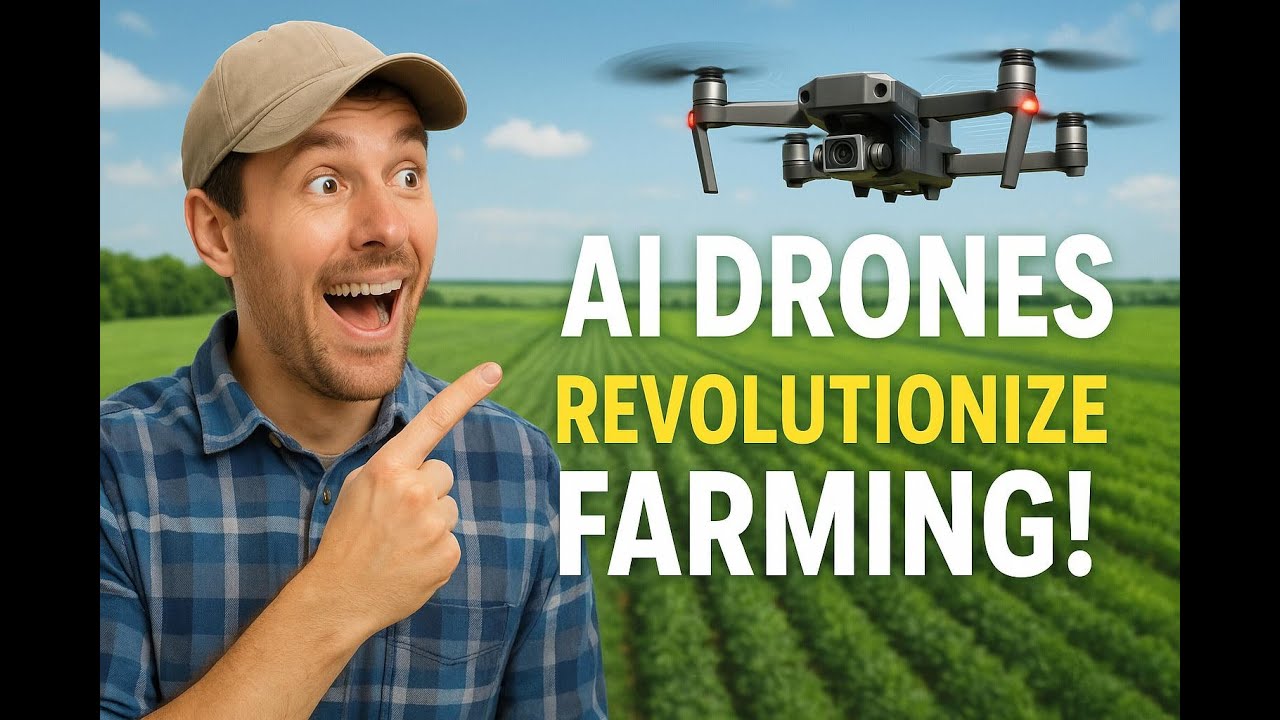
Genetic Engineering in Action: Core Benefits
- 🔥 Enhanced resilience under rising climate volatility
- 💧 Improved water and nutrient use efficiency
- 🌱 Engineered crops exhibiting biofortification for better health
- 🦠 Microbial innovations supporting sustainable, low-input farming
- 📉 Minimized environmental impact and increased yield
These supercharged plants are not limited to food crops alone. Many industrial crops are being modified for higher productivity and resource efficiency as well.
For agri-entrepreneurs and food tech investors, look for genetically engineered biofortified crops with traceable blockchain records to meet the expanding demands of health- and transparency-conscious markets.
Artificial Intelligence: Pioneering Agriculture AI Applications
Beyond Precision: AI Transforming Every Layer of Agriculture
Artificial intelligence has transitioned from an emerging technology to a transformative engine underpinning the modern agriculture sector. It integrates seamlessly through agriculture ai applications that utilize satellite imagery, field sensors, IoT devices, weather stations and near-instant processing, providing actionable insights at scales previously unimaginable.
AI-powered **precision farming systems** can analyze real-time data from **satellites, drones, and in-field sensors**. They help optimize **irrigation**, **fertilization**, and **pest control**—often customizing recommendations for each crop row or field zone. As a result, **farmers** can minimize **inputs**, lower costs, and reduce **environmental impact**.
**Key AI-Driven Tools for Smart Agriculture in 2026:**
- 📊 Crop health & disease monitoring: Multispectral/hyperspectral imagery detects issues before the human eye can see them.
- 🌦️ Weather prediction models: Forecast microclimates to schedule irrigation, spraying, and harvesting with precision.
- 🤖 Autonomous farming equipment: Guided by AI, these robots handle planting, weeding, and harvest, addressing labor shortages and reducing errors.
- 📡 Drones & satellite-enabled analytics: Enable rapid field assessment and early warning for adverse conditions.
- 🌀 Real-time AI-based advisory systems: Recommend daily actions to maximize yield and resilience.
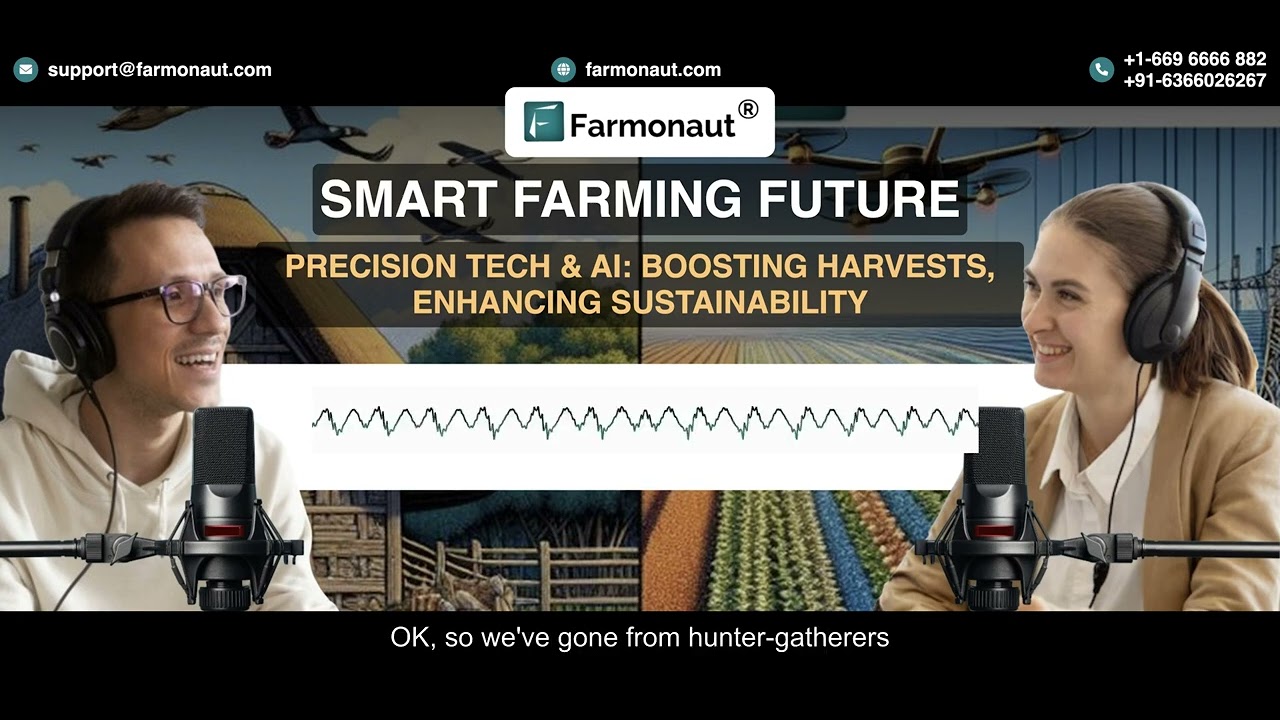
Precision agriculture powered by AI reduces water and fertilizer use by up to 35%, and cuts agricultural greenhouse gas emissions—crucial for carbon footprint minimization and sustainability goals.
Enhancing Yield, Sustainability, and Decision-Making
- Targeted irrigation: AI sensing soil moisture in real time enables water-saving systems for drought-prone regions.
- Real-time pest/disease alerts: AI models on leaf images or drone scans prompt interventions before infestations spread.
- Adaptive input application: Fertilizer and chemical use are tailored to plant demands, reducing run-off and improving environmental health.
- Yield prediction: Forecasting with machine learning allows logistical planning, reducing waste and price shocks.
Visual List: Top 5 AI Contributions to Agriculture
- Efficient water management
- Optimized plant nutrition
- Smart pest & disease detection
- Operational automation via robotics
- Decision support for strategic crop planning
Over-reliance on AI without regular field/audit checks—data errors can skew recommendations, risking crops and yield. Always combine AI insights with local knowledge for best results.
The Synergy of Agricultural Applications Genetic Engineering & AI
The real paradigm shift for agriculture emerges when genetic engineering and AI applications converge. AI accelerates gene discovery and breeding by quickly analyzing massive datasets—genome sequences, phenotype data, weather patterns—and accurately predicting which trait modifications will yield the biggest resilience and productivity boosts for given conditions.
AI also plays a feedback role—monitoring how new genetically engineered crops perform in real-world environments via satellite and sensor data. This enables rapid iterations and continual refinement in plant breeding strategies. The result is an adaptive system poised to cope with climate uncertainties and continuously meet growing food demands.
Visual List: How AI Powers Genetic Engineering in Agriculture
- Genome-to-field optimization using big data analytics
- Faster breeding cycles by predicting trait efficacy
- On-farm performance monitoring of engineered varieties
- Rapid response to new pest/disease threats
- Scalable, affordable agri-technologies accessible via cloud and app platforms
Comparative Feature-Impact Table: Innovation at a Glance
To summarize the advancements, estimated uptake, and impact of genetic engineering and AI applications in agriculture for 2025–2026, review the following comparative table. It highlights leading innovations, their adoption stage (2025 estimates), and quantifiable outcomes in yield uplift and sustainability improvement.
| Application/Technology | Type (Genetic Engineering/AI) | Estimated Adoption Rate (2025, %) | Estimated Yield Improvement (%) | Sustainability Impact (Scale 1-5) |
|---|---|---|---|---|
| CRISPR-edited Drought-Resistant Crops | Genetic Engineering | 37% | +21% | 4 |
| AI-Powered Precision Farming Systems | AI | 44% | +17% | 5 |
| Automated Disease Detection (Vision AI) | AI | 19% | +11% | 4 |
| Biofortified, Micronutrient-Enriched Crops | Genetic Engineering | 23% | +8% | 5 |
| AI-Guided Variable Rate Irrigation Systems | AI | 33% | +12% | 5 |
| Microbial Engineering for Soil Health | Genetic Engineering | 28% | +7% | 4 |
| Blockchain Traceability in Crop Supply Chains | AI + Blockchain | 15% | 0% (Traceability Focus) | 5 |
The highest-rated sustainability gains come from AI-powered precision farming and blockchain traceability—ideal for those aiming to future-proof against regulatory risk and climate impact.
Farmonaut: Satellite Intelligence Fueled by AI for Agricultural Applications Genetic Engineering
At Farmonaut, we empower the global agriculture sector by enhancing access to affordable, actionable data through our satellite-based solutions. Our mission is centered on making advanced agriculture ai applications such as real-time monitoring, blockchain traceability, environmental impact tracking, and AI-powered advisory systems available to everyone—from smallholder farmers to corporations and governments.
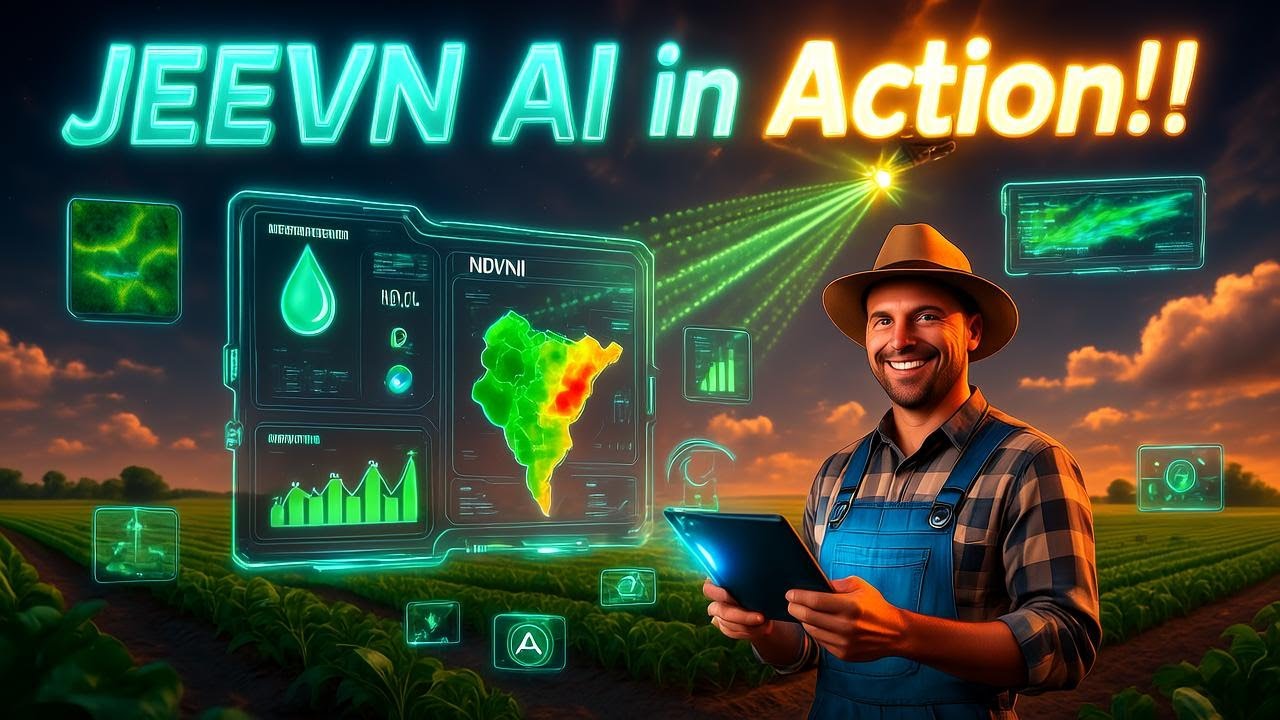
- Satellite-Based Crop Health Monitoring: We provide near real-time NDVI and soil condition insights to detect issues early and optimize input use—enabling farmers to act before conditions worsen or yield is compromised. Explore our Crop Plantation & Forest Advisory app.
-
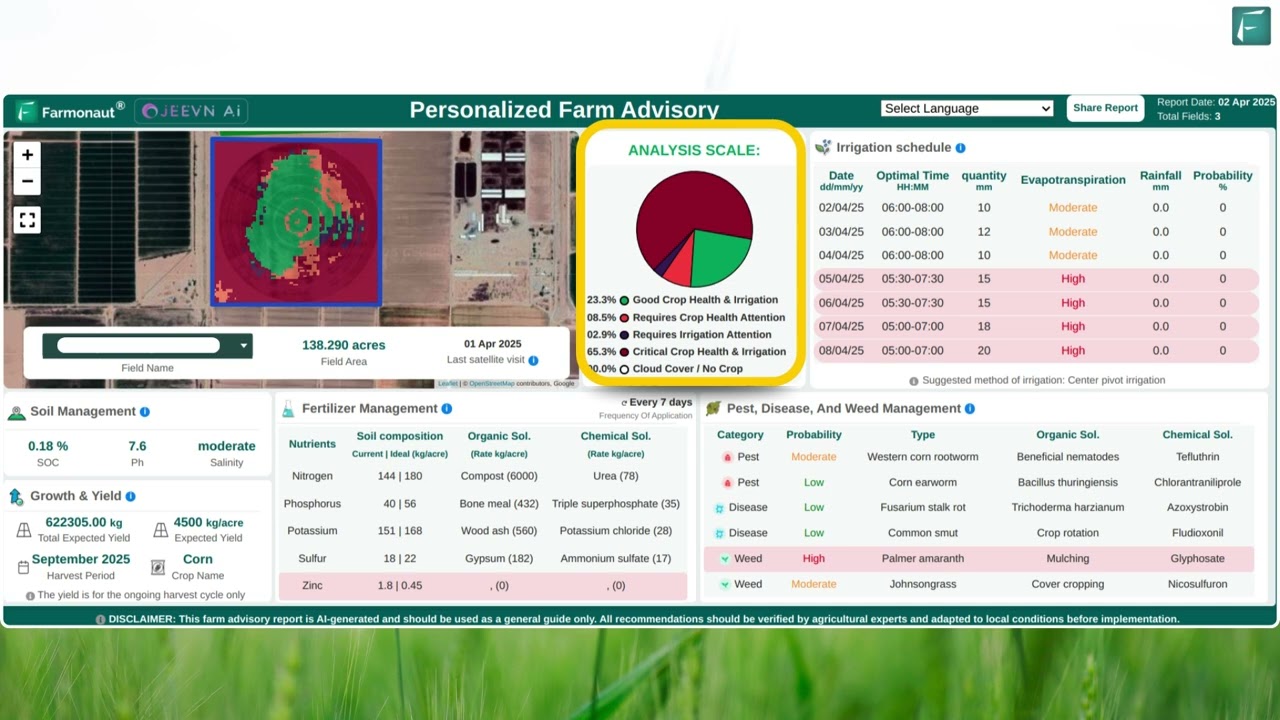
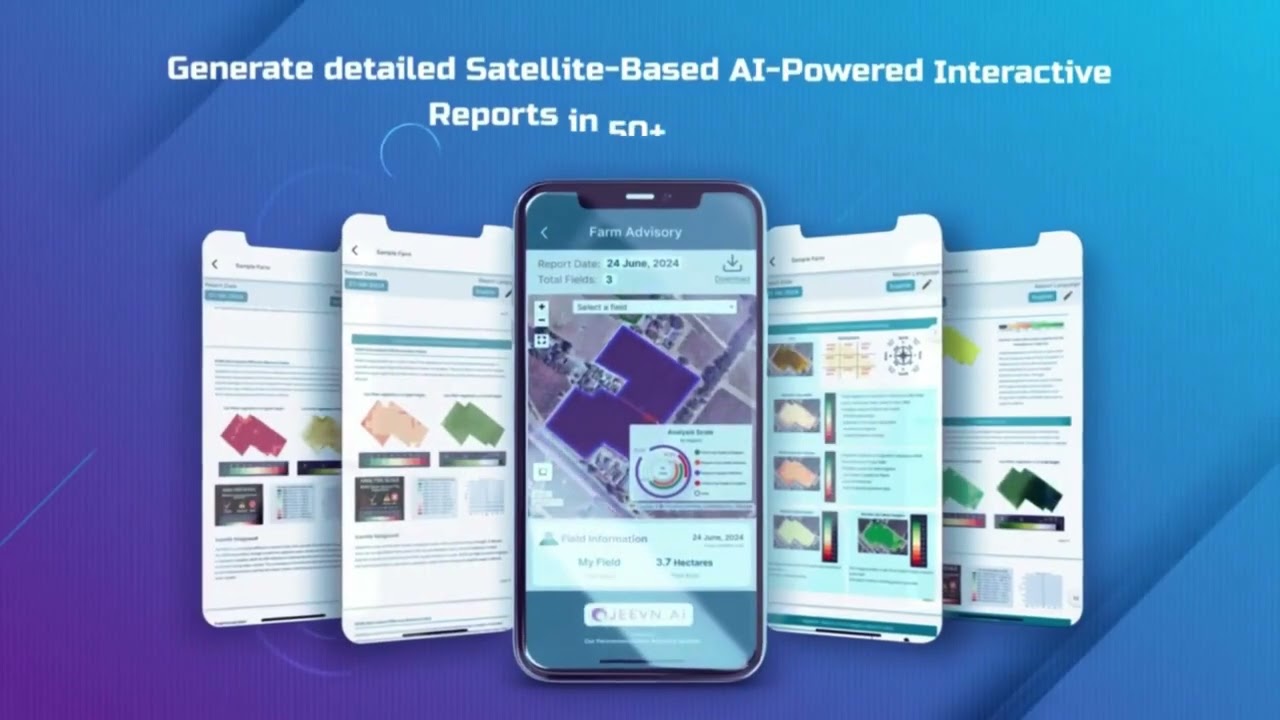
Jeevn AI Advisory System: Our proprietary AI tool analyzes satellite data to deliver robust advisory—covering weather forecasts, crop status, and tailored recommendations. This boosts efficiency and helps manage risk for crop production.
Watch the demo:
- Blockchain-Based Traceability: Transparency and trust are critical for food and resource supply chains. Our traceability platform leverages blockchain and satellite verification to ensure every crop consignment is authentic, secure, and verifiable.
- Environmental Impact and Carbon Footprinting Tools: Companies and farms can now reliably track their carbon emissions, resource use, and sustainability scores via our carbon footprinting solutions.
- Large-Scale Farm, Resource & Fleet Management: Enterprise and government users optimize machinery, labor, and logistics using our fleet management suite and large-scale farm management system.
- APIs for Seamless Integration: Developers and agri-businesses can easily integrate Farmonaut’s monitoring and weather APIs into their platforms to scale up innovation. Explore the API here or read the API developer documentation.



Challenges, Limitations & Ethical Considerations in AI and Genetic Engineering
Navigating the Path to Responsible Adoption
- ⚠️ Regulatory Uncertainty: International standards for genetically modified and edited crops, as well as AI in farming, remain fragmented and subject to change.
- ⚖️ Ethical Concerns: Issues around gene editing, data privacy, and supply chain transparency require careful governance frameworks and open communication with the public.
- 🔒 Data Security: Protecting farm-level and satellite-derived data is vital to prevent misuse or unfair competitive practices.
- 🌍 Accessibility: Ensuring smallholder farmers and developing regions have affordable access to technologies and aren’t left behind in the digital divide.
- 🛑 Over-Reliance Risks: Automation and AI must support rather than fully detach decision-making from lived, on-ground experience.
Not planning for data governance and equitable access at the start—this can cause resistance among farmers and bottleneck technology deployment in crucial regions.
Agricultural Applications Genetic Engineering & AI: What 2026 Holds
- Smarter, Adaptive Crop Systems: Crops will not only survive but thrive in unpredictable climates thanks to rapid-cycle gene editing roots guided by AI.
- Farm-to-Fork Traceability: Blockchain integration will guarantee authentic, sustainable agricultural supply chains globally.
- Carbon Neutrality & Regenerative Practices: Paired with carbon footprinting tools, sustainability tracking becomes seamless.
- Full Automation & AI Advisory: Many farms will automate planting, irrigating, and harvesting, driven by satellite and AI insights—improving labor efficiency.
- Broad Adoption in Developing Regions: Tools accessible on mobile and with low hardware requirements, like Farmonaut, will empower even smallholder farmers in remote geographies.
The synergy of agricultural applications genetic engineering and AI applications will help us not only meet growing food demands in 2026 but do so while minimizing environmental impact and boosting farmer incomes.
At a Glance: Benefits, Data Insights & Potential Risks
- ✔ Engineered crops offer drought, heat & pest resistance for more reliable yields
- 📊 AI farm management tools optimize every field operation—cutting costs and resource waste
- ⚠ Ethical data use and privacy must be a priority for every emerging agri-tech system
- 📱 Mobile-first solutions (like Farmonaut’s platform) broaden access to smart agriculture
- 🚀 Accurate, early warning for climate risk and crop disease is now possible thanks to AI, drones & satellites
Visual List: Next-Gen Agricultural Practices Enabled by Technology
- Fully automated precision irrigation based on AI and sensor data
- Satellite-based soil health assessment & crop vigor tracking
- Genetic ‘stacking’ for multi-trait resistance in staple crops
- Blockchain-powered supply chain transparency
- Machine learning advisory for daily, crop-specific interventions
For policy-makers and agri enterprises, pairing adoption of technology with farmer education programs ensures the full benefits of agriculture ai applications and genetic engineering reach the last mile.
FAQ: Smart Agriculture, Genetics & AI in 2026
- What are agricultural applications genetic engineering?
These refer to scientific approaches that alter plant genes to enhance traits like yield, drought tolerance, or nutrition, using advanced editing techniques such as CRISPR-Cas9. - How do agriculture ai applications help farmers?
AI applications analyze satellite, sensor, and environmental data to provide targeted recommendations for irrigation, fertilizer, pest management, and planting schedules—minimizing waste and maximizing yield. - Is Farmonaut a marketplace or a regulatory body?
No. Farmonaut is a satellite technology solutions provider, offering data-driven services and AI advisory for agriculture, mining, and infrastructure via app and API. - How secure is blockchain-based traceability?
Blockchain ensures every transaction and product journey is recorded, immutable, and auditable—enhancing both transparency and data security for crop and food supply chains. - Can small farms use these technologies?
Yes! Many AI and satellite tools (including Farmonaut’s offerings) are designed for scalability and mobile accessibility, enabling smallholders to benefit from advanced agricultural innovation.
Regulatory and consumer momentum will increasingly reward agri-companies demonstrating secure blockchain traceability, quantifiable sustainability impact, and adoption of advanced crop genetics—start prepping portfolios for these criteria.
Conclusion: Securing the Future with Technology & Intelligence
As we look ahead to 2026 and beyond, the convergence of agricultural applications genetic engineering and agricultural AI applications is revolutionizing how the world produces, manages, and distributes food. This new era will be defined by:
- Technology-enabled resilience amid climate disruption
- Higher, more stable yields using less land, water, and fertilizer
- Sustainable, traceable, and ethical food systems powered by data transparency and secure supply chains
Farmers, businesses, and governments choosing to adopt smart systems—like those made accessible by Farmonaut—will not only meet the demands of a growing global population, but do so while minimizing environmental impact and maximizing farmer livelihood.
The path forward will require ongoing investment, research, ethical governance, and broad dissemination of knowledge. Stakeholders who thoughtfully deploy genetic and AI innovations will define the agricultural benchmarks of the future.
Discover, adapt, and thrive with emerging technologies—be it genetic engineering for next-level crops, AI for transformative farming applications, or smart-data solutions for environmental and yield sustainability. The time to shape the food future is now.
By 2026, the leaders in agriculture will combine science, intelligence, and data stewardship—creating food systems that are truly ready for the future.
Discussion
Questions, corrections or field experience? Share them below. First-time comments are reviewed before they appear, and your email is never published.
No comments yet. Be the first to add a question or your experience.

 Etherspace Network
 Teledarbas
 Wild Oak Farm
 SFX
SFX BACF Africa
 Doodlakine
 Exurbia Geospatial
 FieldZero
 Indico Company
 Kubota
 FFBS
FFBS Jontra
 Tucor
Tucor
 Licence holder · Niger · Gold
 Licence holder · Nigeria · Gold + lithium










