

Agricultural Drone & Biotechnology Applications: 2026 Trends
Summary: Agricultural Applications of Biotechnology and Drones: Transforming Farming in 2025 & Beyond
“In 2025, over 40% of large farms worldwide are expected to use biotech-modified seeds for optimized yields.”
“By 2026, agricultural drone market size is projected to surpass $6.5 billion globally, leading farm technology innovation.”
Introduction: Meeting the Global Food Challenge with Technology
The global demand for food is rising steadily, driven by accelerating population growth and changing dietary preferences. By 2026, the agriculture sector is under immense pressure to meet these challenges sustainably — and agricultural applications of biotechnology, coupled with advanced drone technologies, are revolutionizing the way farming is practiced in every corner of the world.
These innovations are not simply about maximizing yield or reducing labor. They are about fundamentally transforming farming to boost productivity, enhance sustainability, optimize resource use, and create resilient systems fit for the emerging climate landscape of the next decade.
In this comprehensive analysis, we will delve deeply into the latest agricultural drone applications and agricultural applications of biotechnology shaping 2025 and 2026 — from gene editing and crop trait optimization to drone-enabled precision management and data-driven decision making. We’ll spotlight key trends, explore the synergy of merging these technologies, and show how data-centric platforms (like those provided by Farmonaut) are making these capabilities accessible and actionable for farmers, agribusinesses, and governments worldwide.



By combining biotech-modified crops and UAV-enabled precision management, farmers can achieve consistent yield increases of 15-30% while minimizing environmental impact in 2026 and beyond.
Agricultural Applications of Biotechnology: The Cornerstone of Modern Productivity (2025-2026)
Biotechnology has rapidly become a cornerstone of modern agriculture, driven by innovations in genetic engineering, molecular markers, and sophisticated bioinformatics tools. In 2025 and looking forward to 2026, the agricultural application of biotechnology is focused on enhancing crop resilience and yield, reducing chemical dependencies, and supporting sustainable farming systems.
Gene Editing & Trait Optimization: Precision Improvement in Crops
The adoption of advanced gene-editing techniques — like CRISPR-Cas9 — has enabled precise modifications to plant genomes. These modifications produce genetically optimized varieties with tailored attributes:
- ✔ Resistance to pests, diseases, drought, and salinity
- ✔ Improved nutritional quality: fortified with vitamins and essential minerals
- ✔ Enhanced yields with reduced input requirements
- ✔ Stable performance in adverse environmental conditions
- ✔ Consistent quality tailored for processing, transport, or regional taste preferences
In 2026, biotech crop varieties are widely adopted for staple cereals (rice, wheat, maize) and key horticultural crops. With continually rising global demand for food, these biotech crops are essential in combating malnutrition in both developing and developed regions.
Stat: The adoption rate of biotech-modified seeds is projected to exceed 45% on large farms by 2026.

Beyond Genes: Microbial Biotechnology for Soil & Crop Health
Microbial biotechnology is transforming not only plants but also soil health through deploying:
- 🌱 Beneficial microorganisms that enhance nutrient availability
- 🛡️ Natural disease suppression via antagonistic microbes
- 📈 Bioinoculants promoting robust plant growth
- 👩🔬 Biological nitrogen fixation in legumes and cereals
- 💧 Improved water uptake efficiency by microbiome engineering
These advances mean much less reliance on synthetic chemical fertilizers and pesticides, serving sustainability goals and minimizing ecological disturbances.
Rotating biotech crops with bioinoculant-treated soil promotes long-term soil fertility while enabling precision nutrient management.
Bio-fertilizers & Bio-pesticides: Sustainable Input Alternatives
Biotechnology-driven bio-fertilizers and bio-pesticides are increasingly replacing traditional chemical inputs. They deliver:
- ✅ Targeted pest and disease suppression with minimal off-target impact
- ✅ Reduced residue and environmental run-off
- ✅ Improved crop yield and product quality
Such innovations are referenced in global sustainability guidelines and are key to regenerative agricultural practices as we approach 2026.

Data-Driven Breeding Programs: Using AI, Sensors & Drones in Biotech Research
Breeding the next generation of optimized crops is increasingly assisted by drone-based sensors and satellite remote sensing:
- 🛰️ High-throughput phenotyping in real-world, variable field conditions
- 📊 Machine learning algorithms to forecast desirable trait combinations
- ⚡ Accelerated selection cycles and faster new variety release to market
This approach is essential for future global food security and making agricultural applications of biotechnology truly scalable.
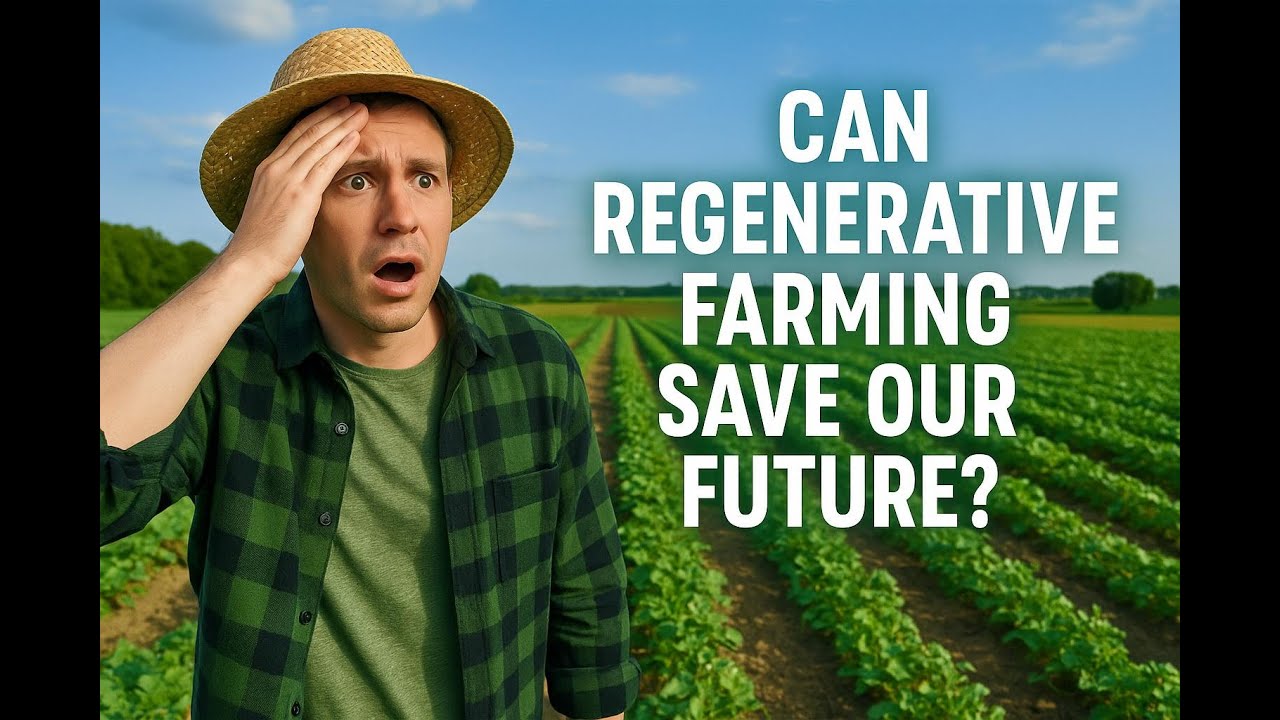
- 📊 Gene-edited rice, maize, and wheat varieties are projected to increase average yields by 18-22% in 2026.
- 🧬 Bioinoculants adoption is expected to surpass 50% in large-scale horticulture by 2026.
- 🌍 Biotechnology innovations are most prominent in Asia, the Americas, and Africa’s rapidly modernizing farms.
- 💪 Resistant seed types can cut pesticide use by up to 40%, reducing residues in water and soil.
- ⚠ Regulatory frameworks for GMOs continue to evolve, impacting adoption rates by region in 2026.
Agricultural Drone Applications: Revolutionizing Precision Farming (2025-2026)
The integration of drones (unmanned aerial vehicles or UAVs) into agriculture has skyrocketed. By 2026, the agricultural drone market is set to exceed a value of $6.5 billion globally, a testament to the rise of precision farming and the need for data-driven management tools.

Core Drone Technologies Powering Agricultural Innovations
- 🛰️ Multispectral Imaging: Analyzes crop health via NDVI and other indices
- 🌡️ Thermal Sensors: Detect irrigation, water stress, or livestock anomalies
- 📷 High-resolution RGB Cameras: Provide visual crop monitoring and field mapping
- 📦 Payload Adaptability: Sprayers, seeders, and environmental sensors
- 🌎 GPS Auto-Piloting: Enables precise, autonomous field operations
Precision Crop Monitoring and Resource Optimization
The era of blanket field management is fading. With real-time drone-based crop monitoring:
- 🕵️ Early detection of pest outbreaks, nutrient deficiencies, or disease stress
- 💧 Targeted irrigation and efficient water management
- 🍀 Selective fertilization or pesticide application reduces costs and waste
- 🌱 Monitor field variability for precise decision-making
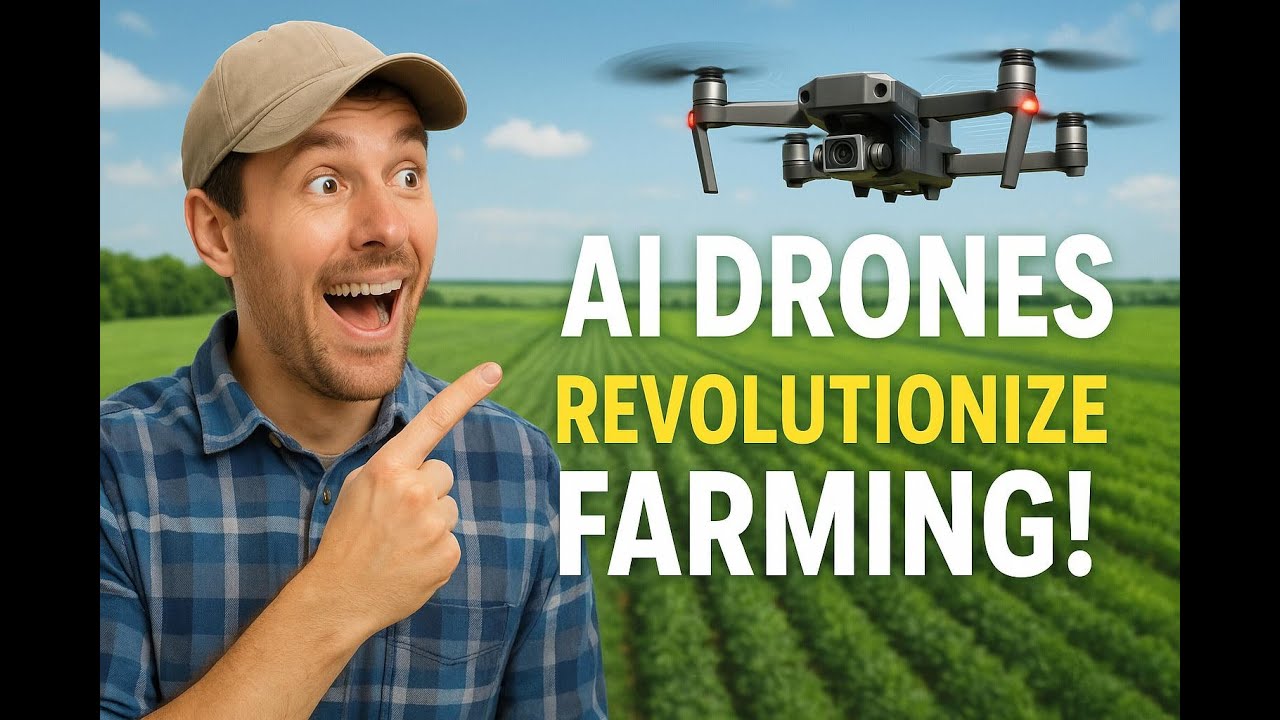
Precision Spraying, Planting, and Livestock Applications
- 🚁 Spraying drones deliver chemicals, fertilizers, or biostimulants only as needed, maximizing efficacy and reducing runoff
- 🌱 Drone seeding enables rapid afforestation or field cropping, including hard-to-reach or difficult terrain
- 🐑 Livestock monitoring helps in tracking animal movement and detecting anomalies remotely
Such improvements drastically cut fuel cost, human exposure, and input waste, supporting sustainability in agricultural practices.
Not calibrating drone flight plans and payload settings can lead to uneven input application and suboptimal crop outcomes. Always update drone software and train operators regularly.
Data Integration & Decision Support: The Role of Farm Management Systems
The greatest gains of agricultural drone applications come when drone data is fully integrated with broader farm management platforms and AI-powered advisory tools. Farmers receive:
- ✔ Real-time recommendations on fertilizer, pesticide, and water application
- ✔ Long-term yield forecasting and supply chain management
- ✔ Cost and resource use optimization
- ✔ Automated compliance reporting for environmental monitoring
For example, Farmonaut’s Jeevn AI advisory system harnesses satellite and drone data to provide actionable, localized insights — supporting large scale farm management and fleet management for seamless operations.
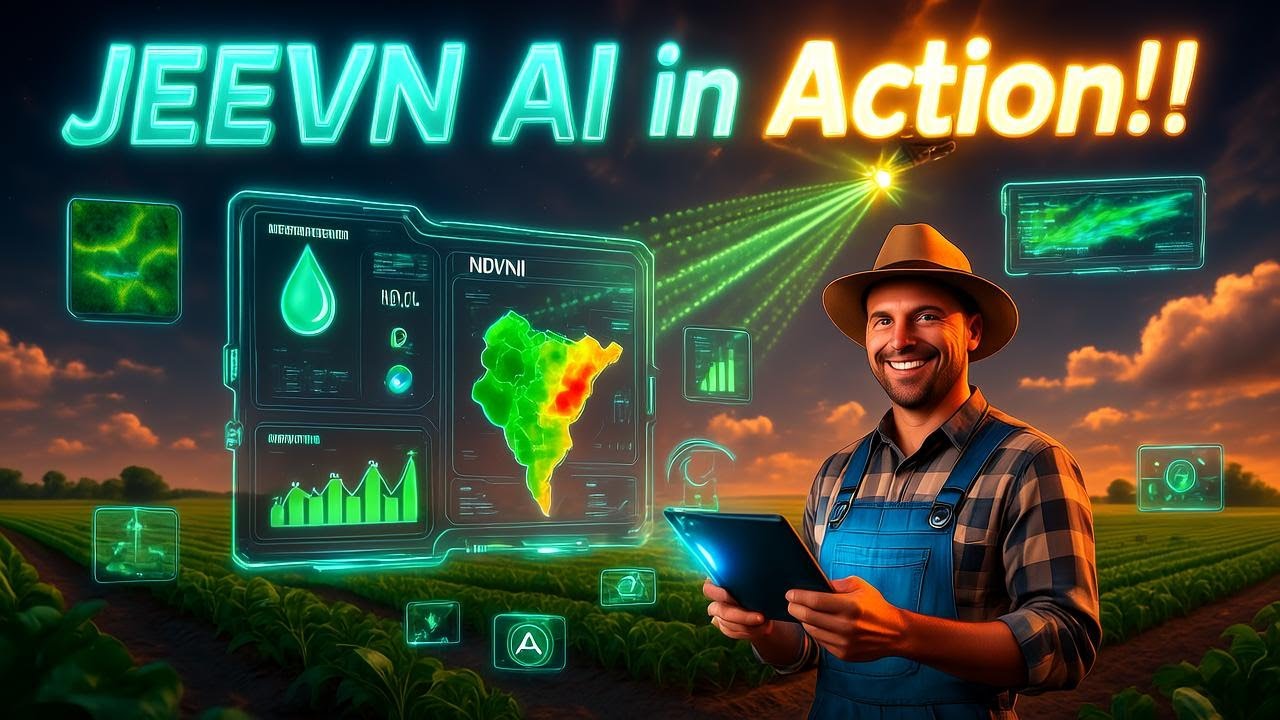
The integration of agricultural drone applications and biotech traits is a transformative opportunity for innovation in both agri-tech product development and farm service delivery.
Synergizing Agricultural Applications of Biotechnology & Drone Technologies: The Road Ahead
When we combine the precision and speed of drones with the targeted improvements of biotechnology, the result is a new era of climate-smart agriculture:
- 🌾 Drone-based monitoring enables early detection of pest resistance or stress factors in biotech crops, informing timely interventions
- 🧬 Accelerated breeding cycles: Drones rapidly phenotype large populations, selecting elite lines for future cultivation
- 🌱 Biosafety and ecological impact monitoring is improved via aerial surveys and NDVI trend analysis
- 🌏 Adaptive management programs tailor input use based on crop genetic profiles and in-field data
The synergy between genetically optimized crops and drone-powered decision support can reduce input use per ton of yield by up to 50% compared to traditional practices by 2026.
Comparative Trends Table: Key Applications & Estimated Impacts (2026)
The following table compares major biotechnology and drone-driven technology trends, their estimated global adoption by 2026, and their direct impacts on crop productivity and sustainability.
Reviewing trends together allows farmers and investors to prioritize solutions with maximum productivity, resource efficiency, and regulatory acceptance for 2026.
Farmonaut’s Satellite-Driven Ecosystem: Satellite, AI & Blockchain for Agriculture
We at Farmonaut are committed to democratizing access to advanced monitoring, traceability, and environmental solutions for agriculture and allied industries globally. Our platform is purpose-built to assist users — from individual farmers to government agencies — in leveraging data-driven insights for operational excellence and sustainability.
Our Technologies for the Next Generation of Agriculture Application
- 🛰️ Satellite-Based Monitoring: Track crop health, soil variability, and environmental impact via multispectral satellite imagery and real-time analytics. Supports large-scale farm management and efficient resource allocation.
- 🤖 Jeevn AI Advisory System: Offers weather forecasting, pest prediction, and crop advisories powered by satellite and UAV data. Enables data-informed management decisions.
- 🔗 Blockchain-Based Traceability: Ensures secure and transparent supply chains, vital for market access and consumer confidence.
- 🚛 Fleet and Resource Management: Manages farm vehicles and machine usage for cost and safety optimization. Ideal for scalable agricultural businesses; see fleet management.
- 🌿 Environmental Impact Monitoring: Tracks carbon footprint and supports sustainability programs for responsible food and commodity production.
- 💳 Loan and Insurance Verification: Enables satellite-based loan and insurance solutions for the agriculture sector — see Crop Loan & Insurance.
Access our API or get started with our developer documentation to integrate satellite-driven insights into your workflows.
Harness integrated satellite and UAV imagery for field anomaly detection, optimizing both biotech variety placement and input use.

Our flexible API allows seamless integration of satellite data into existing agricultural software, boosting real-time farm management precision and interoperability.
Challenges and the Path Forward for 2026
While agricultural applications of biotechnology and agricultural drone applications are driving productivity and resilience, the journey is not without its hurdles.
- ⚠ Regulatory Uncertainty: GMO and biotech crop policies differ globally; clear, science-based regulation and public engagement are essential for accelerated adoption.
- 💸 Cost and Accessibility: High initial costs for drones and biotech seeds limit access for smallholders; affordable solutions are critical.
- 🧑💻 Technical Skills Gap: Precision technologies require regular training for farmers and agronomists.
- 🏞️ Infrastructure Limitations: Rural connectivity and service access must improve for full benefits.
- 🌱 Environmental Stewardship: Maintaining ecosystem balance and soil fertility needs ongoing, evidence-based management supported by platforms like Farmonaut.
Widespread adoption is challenged by limited digital infrastructure in emerging markets. Targeted investment and government support are vital for bridging this divide.
Moving Forward: Recommendations
- 🔗 Supportive Policy Frameworks: Encourage safe adoption of GMOs and biotech tools through robust, science-led regulation.
- 👩🌾 Extension Training Programs: Expand digital and hands-on skill-building for drone use, biotech varieties, and data analysis.
- 💡 Affordable, Scalable Platforms: Use cloud-based solutions and integrated subscription models (see Farmonaut’s offerings above) to widen access and reduce costs.
- 🌎 Localization and Customization: Tailor recommendations to local agronomic contexts and emerging climatic realities.
Frequently Asked Questions (FAQ)
-
What are the most impactful agricultural applications of biotechnology in 2026?
Gene-edited crops for pest and climate resilience, microbe-enhanced soil health, and biofertilizers replacing synthetic inputs are projected to be the most widely adopted.
-
How do drones contribute to sustainable agriculture?
Drones enable targeted input application, reduce waste, monitor fields at scale, and support regulatory compliance for both yields and environmental impact.
-
Are these technologies suitable for smallholder farmers?
While initial adoption is higher on large farms, affordable, subscription-based platforms and shared drone services are making them increasingly accessible to smallholders.
-
What role do platforms like Farmonaut play?
Platforms like Farmonaut provide cost-effective access to real-time satellite analytics, decision-support AI, resource management, and supply chain traceability — all from mobile or web apps.
-
Can these technologies help reduce agriculture’s carbon footprint?
Yes. Both biotech and drone tools minimize input use, avoid resource wastage, and make compliance with carbon footprint standards feasible at scale.
Conclusion: Shaping the Future of Sustainable Farming
As we move into 2026, the combined advancements in agricultural applications of biotechnology and agricultural drone applications have set the stage for a smarter, more resilient, and resource-efficient global farming landscape.
Such technologies — gene-edited crops, microbe-powered soil, and UAV-driven intelligence — are no longer fringe experiments, but the mainstay of modern agriculture. With platforms like Farmonaut making precision data, traceability, environmental accountability, and crop management accessible from the palm of your hand, the journey towards food security, sustainability, and profitability is more accessible than ever.
The challenges of population growth, climate volatility, and changing consumer expectations are immense. Yet, the tools to meet and exceed these demands are now available — and their adoption will continue to define the next generation of agriculture.
- 🌍 Global scalability through modular, cloud-based farm management
- 🧬 Resilient crop varieties available for every major climate zone
- 🚁 Drone/UAV ecosystem in every major farming region
- 👨🌾 Farmer empowerment through actionable, location-specific insights
- 🌱 Sustainability and profitability achieved through reduced input waste and compliance
Ready to evolve your farm with 2026’s smartest technologies?
Experience the future of precision agriculture, wherever you are. Satellite. AI. Drone. Blockchain. Farmonaut.
Discussion
Questions, corrections or field experience? Share them below. First-time comments are reviewed before they appear, and your email is never published.
No comments yet. Be the first to add a question or your experience.

 Lunar Edge IT
 FieldZero
 Indico Company
 Kubota
 FFBS
FFBS Jontra
 Kalustyan
 Tucor
Tucor Geno
Geno Hayleys Agriculture
 Linx Agritech
 Adinet
 Save Your Soils
 Licence holder · Niger · Gold










