

Table of Contents
- Introduction: The Transformative Role of Agricultural Apps in Modern Farming (2025 & Beyond)
- How Agricultural Apps Are Revolutionizing Modern Farming Practices
- Precision Agriculture: At the Heart of Digital Transformation
- Weather Forecasting, Alerts & Climate Adaptation in Modern Agriculture
- Pest & Disease Management With Advanced Agricultural Apps
- Market Access and Financial Services: Empowering Rural Farmers Digitally
- Sustainability, Resource Management & Environmental Monitoring
- Top Agricultural Apps Revolutionizing Farming in 2025
- Farmonaut: Satellite-Enabled Digital Excellence for Agriculture
- Challenges in the Landscape and Future Prospects of Agricultural Apps
- Key Insights, Tips, and Visual Lists
- Frequently Asked Questions: Agricultural Apps and Digital Farming
- Conclusion: Charting the Future — A 2026 Perspective
“By 2025, over 70% of farmers in major agricultural regions will use digital apps for real-time crop monitoring.”
Agricultural Apps: Empowering Farmers for 2026 Success
The transformative role of agricultural apps in the rapidly evolving landscape of agriculture cannot be overstated. As technology continues to revolutionize traditional farming practices, digital tools and agricultural apps are emerging as the game-changers shaping the future of farming. From enhancing productivity, weather management, to ensuring sustainability and smart resource management, these applications are now indispensable for progressive and modern farms in 2025 and beyond.
This comprehensive guide will explore how agricultural apps are driving innovation, empowering farmers, and addressing the most pressing challenges of the agricultural sector. We go beyond the basics, offering a deep dive into digital solutions—from precision agriculture to financial services—that enable success in the complex, connected, and climate-resilient world of 2026.



How Agricultural Apps Are Revolutionizing Modern Farming Practices
The adoption of digital apps in agriculture is not just a trend—it represents a shift in the very foundations of farm management and decision-making. Agricultural apps are designed to assist farmers in making informed decisions, optimizing inputs such as water and fertilizers, and increasing overall productivity. The integration of these tools into day-to-day operations is creating a new class of digital farmers who are empowered to address both traditional challenges and emerging risks.
The impact of agricultural apps grows yearly—with adoption rates, integration depth, and user sophistication multiplying due to easier internet connectivity, expanded mobile interfaces, and demand for actionable data in rural and urban settings alike.
- ✔ Enhanced productivity via real-time monitoring and actionable data
- 🔔 Instant alerts on weather, pest outbreaks, and market price fluctuations
- 📊 Advanced analytics for precision agriculture and resource optimization
- ✅ Effortless market access with real-time pricing and direct buyer connectivity
- 🌱 Sustainable practices promoted through smart irrigation, organic input guides, and environmental management
“In 2026, data-driven farming is expected to boost yields by up to 25% using advanced agricultural apps.”
Precision Agriculture: At the Heart of Digital Transformation
Precision agriculture stands at the forefront of the agricultural apps revolution. The practice relies on technologies that use data to optimally manage inputs (water, fertilizers, pesticides) with pinpoint accuracy—maximizing yields while reducing costs and waste. Agricultural apps leverage AI, machine learning algorithms, multispectral satellite imagery, and connected sensors to provide real-time data on every stage of the crop cycle.
For example, applications with satellite-based crop monitoring can instantly detect soil moisture levels, nutrient deficiencies, and the onset of plant stress. Farmers can then implement targeted interventions instead of blanket spraying or fertilization, saving both resources and money.

How Agricultural Apps Enable Precision Agriculture:
- 📡 Remote Monitoring: Use of satellite images, IoT sensors, and mobile apps for continuous monitoring of fields and soil.
- 🔬 Data-Driven Inputs: Get precise recommendations for fertilizer, water, and pesticide inputs based on real-time crop health data.
- ⚙️ Automation Integration: Apps can interface with automated irrigation and farm machinery for site-specific resource application.
- 📱 Mobile Accessibility: Farmers can view field maps and intervention guides from any location with mobile connectivity.
Leveraging satellite crop monitoring and soil moisture analysis allows for early detection of stress and disease, resulting in significant reduction in yield losses and input costs.

Weather Forecasting, Alerts & Climate Adaptation in Modern Agriculture
Weather conditions are among the most significant variables affecting agricultural productivity and sustainability. Agricultural apps now incorporate hyperlocal forecasting models to provide timely alerts on rainfall, temperature fluctuations, frost, drought, and other risks. This powerful integration helps farmers schedule planting, irrigation, and harvesting with unprecedented accuracy, minimizing losses due to unpredictable weather.
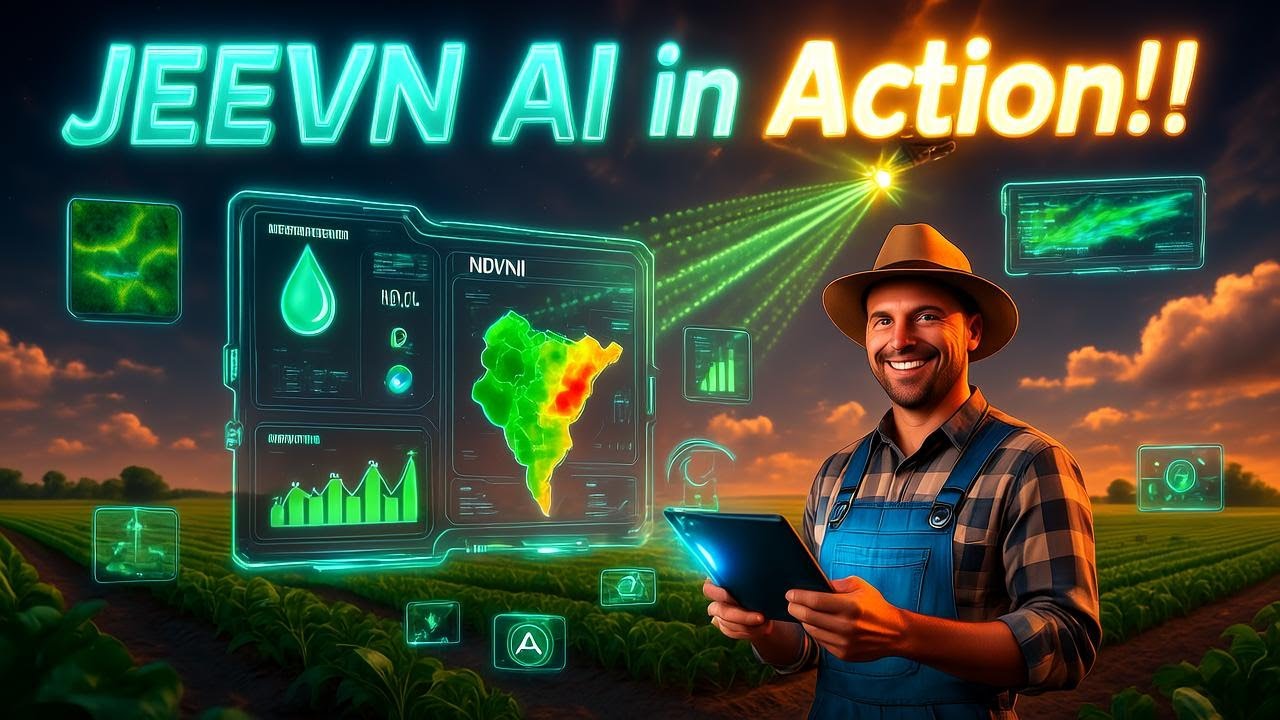
Benefits of Weather-Integrated Agricultural Apps:
- 🌦️ Hyperlocal Forecasts for each farm plot, drastically reducing weather uncertainties
- 📅 Scheduling optimized activities like planting and harvesting
- 💧 Efficient irrigation timing aligned to real-time rainfall and soil moisture data
- 🚨 Instant notifications about frost, drought, or extreme temperature events
- 🌾 Climate adaptation modules—helping in selecting resilient crop varieties and adjusting practices
Moreover, by connecting real-time weather and agronomic advisory modules, agricultural apps directly contribute to climate-smart agriculture for both rural and peri-urban areas.
Pest & Disease Management With Advanced Agricultural Apps
Crop protection is a critical component of farm management. Advances in apps empower farmers with instant alerts, diagnostic tools, and region-specific outbreak warnings—drastically reducing losses from pest and disease attacks. Using AI-driven image recognition, farmers can instantly upload photos of unhealthy plants. The app’s algorithms identify the problem—be it a pest attack, nutrient deficiency, or fungal disease—and recommend an evidence-based treatment.
Many farmers still over-apply pesticides due to lack of proper diagnosis. Modern agricultural apps can reduce chemical waste and costs by providing targeted interventions—supporting both environmental health and farm profits.
- 🕵 Instantly diagnose pest or disease with a photo upload and AI-driven analysis
- 🚨 Rapid alerts for waves of pest outbreaks within the farmer’s region
- 📈 Track and optimize control methods, reducing unnecessary applications
- 🌱 Encourage organic practices and integrated pest management (IPM)
- 🤝 Connect with agronomists for further field-specific advisory and support
Market Access and Financial Services: Empowering Rural Farmers Digitally
Access to fair markets and reliable financial services has long been a barrier for farmers, especially in rural regions. Agricultural apps are mitigating these challenges by connecting producers to real-time price data, digital marketplaces, and trusted buyers—strengthening market negotiation power and income stability.
On the financial side, apps help farmers secure microloans, access crop insurance, and apply for government subsidies. By linking app data to official loan and insurance evaluations, the approval process becomes more transparent, cutting fraud and speeding up access.
The digital transformation of agricultural finance lowers entry barriers for new players—disrupting traditional lending and risk-assessment systems with greater accuracy and scalability, particularly as more crop loan and insurance solutions are enabled by real-time satellite data.
- 💲 Instant access to market price information for informed negotiation
- 🔁 Bypass intermediaries, selling directly to buyers via the apps
- 📑 Apply for loans and crop insurance digitally (backed by on-field satellite verification)
- 🔒 Blockchain-based traceability builds transparency and trust, especially for high-value organic and export-oriented production
- ⚡ Faster payouts and easier claim settlements for insured farmers
Sustainability, Resource Management & Environmental Monitoring
In the era of climate-smart agriculture, sustainability is not optional—it’s a necessity. Agricultural apps increasingly enable eco-friendly farming practices by offering modules to guide water usage, organic input selection, crop rotation, and soil health improvement. Some even incorporate carbon footprint calculators for farms, making the measurement and reduction of environmental impact both accessible and actionable for smallholders and large operators.

Core Sustainability Features in Digital Agricultural Apps:
- 🌳 Carbon Footprinting: Monitor and reduce your environmental footprint, meeting market demands for climate-friendly produce
- 🚰 Smart Irrigation: Data-driven water scheduling conserves limited resources without sacrificing yields
- 🪴 Organic Advisory: Modules for organic fertilizer use and biological pest control adoption
- 👨🌾 Soil Health Monitoring: Continuous tracking of nutrient levels and soil moisture for optimal productivity
- 📄 Certification Support: Guidance for environmental compliance and certification processes—empowering traceability and premium market access
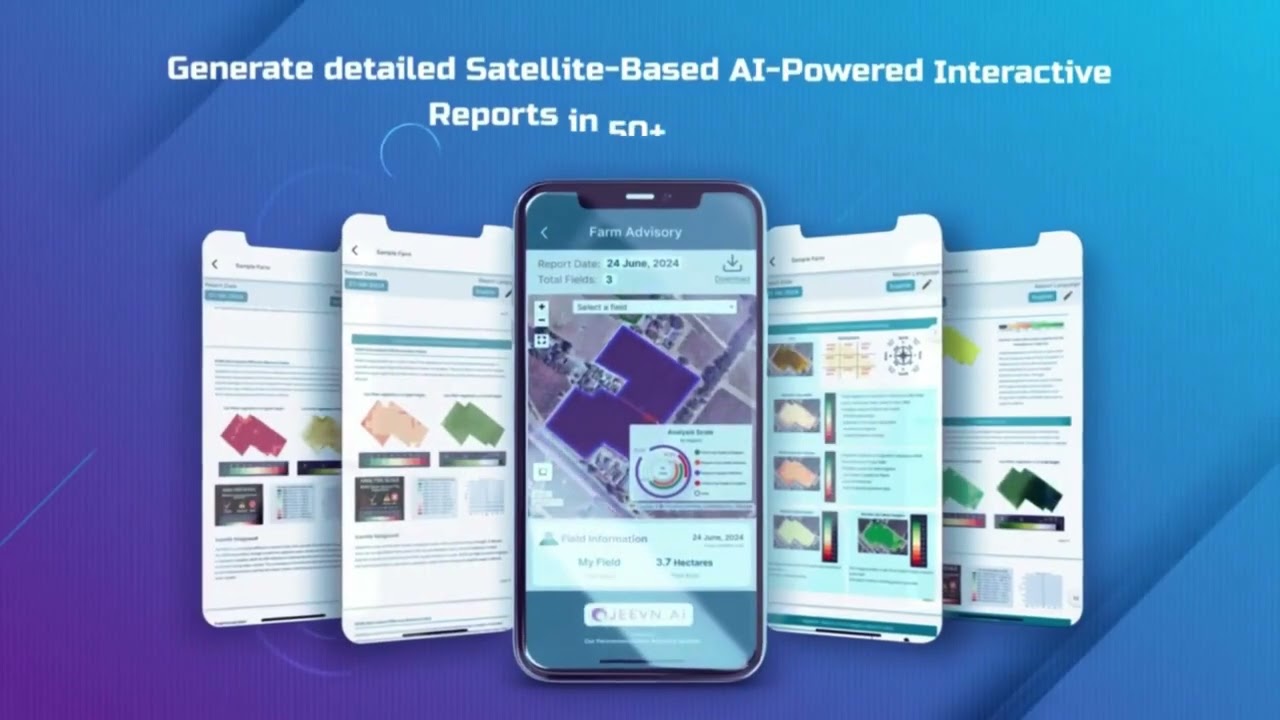
Top Agricultural Apps Revolutionizing Farming in 2025
As the landscape matures, a handful of leading agricultural apps stand out for their innovation and proven impact on productivity, weather management, sustainability, and market access. The table below enables readers to quickly compare features, user base estimates, unique selling points, and anticipated gains in productivity.
| App Name | Main Functionality | Estimated User Base (2025) | Unique Feature | Estimated Productivity Gain (%) |
|---|---|---|---|---|
| Farmonaut | Satellite crop & resource monitoring, weather AI, climate & environmental impact tracking | 750,000+ | Affordable satellite-based intelligence suite; blockchain traceability; AI-enabled Jeevn Advisory | 22–27% |
| Climate FieldView | Yield Mapping, Variable Rate Input, Weather Analysis | 500,000+ | In-depth weather/soil data integration with legacy equipment | 20–24% |
| AgriApp | Crop Diagnosis, Market Prices, Advisory Content | 1,300,000+ | Multilingual video-based learning/advisory | 15–18% |
| CropIn | Farm Management, Traceability, Climate Intelligence | 800,000+ | AI-driven record keeping for compliance, export readiness | 17–20% |
| MyAgriGuru | Farm Community, Real-time Advice, Market Linkage | 120,000+ | Community peer-to-peer advisory platform | 12–16% |
| SmartFarm | IoT Sensor & Drone Data, Operations Automation | 80,000+ | Deep IoT integration for large scale automation | 18–26% |
For robust, scalable, and affordable satellite intelligence, soil health, pest alerts, blockchain traceability, carbon footprinting, and operational monitoring, Farmonaut stands out as a mature, multi-featured ecosystem for 2025 and beyond.
Farmonaut: Satellite-Enabled Digital Excellence for Agriculture
As a pioneering satellite technology company, Farmonaut provides next-generation agricultural apps that combine satellite-based monitoring, AI-driven advisory (Jeevn), and blockchain-based traceability into a single accessible platform (Web, Android, iOS, and API).
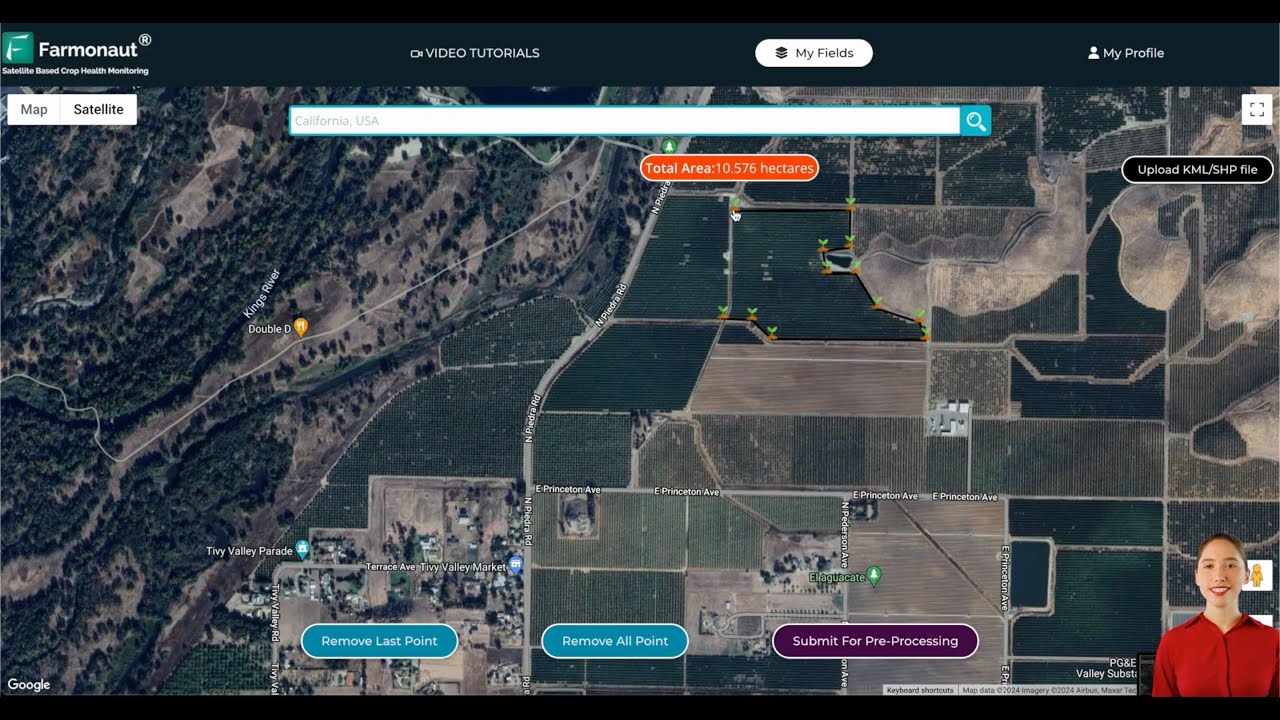
Our commitment is to empower farmers, agribusinesses, and governments across the globe by democratizing access to affordable satellite-driven data—supporting crop health, soil fertility, water use, pest control, environmental impact, compliance, and financial eligibility. Farmonaut reduces technology barriers with an API and app suite tailored for smallholders and large-scale enterprises alike.
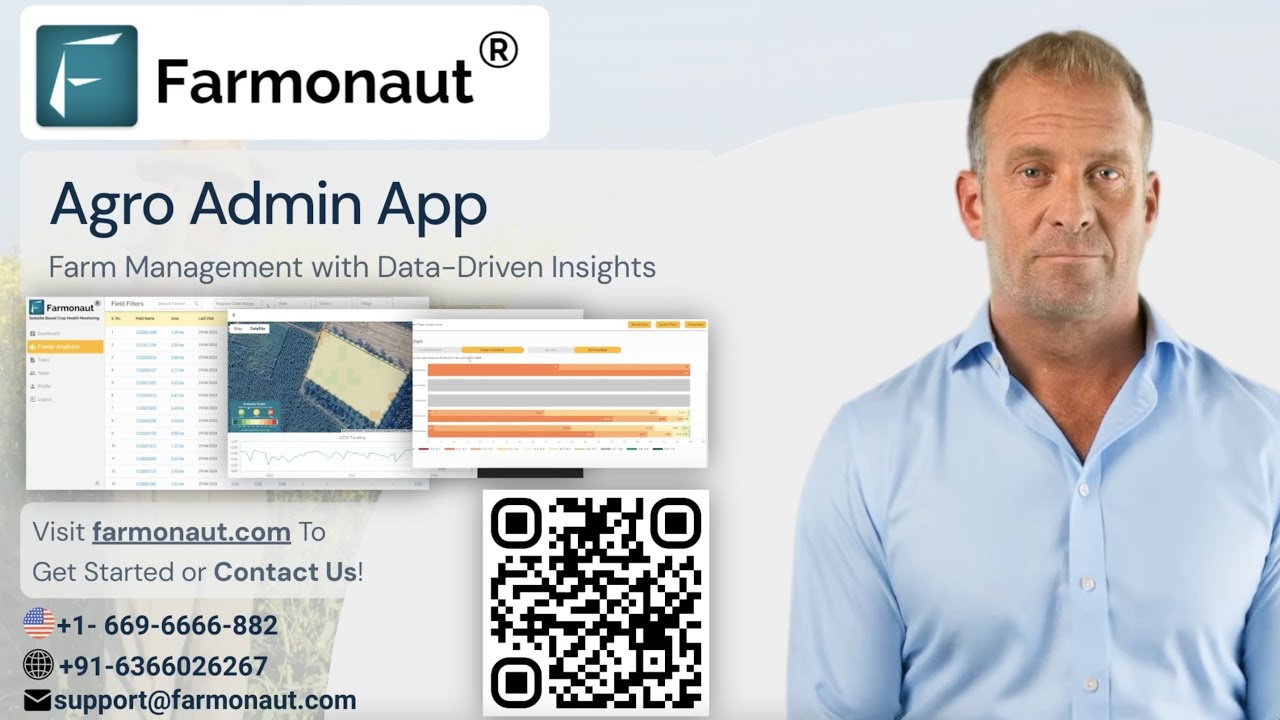
Farmonaut’s modular, API-ready platform makes it easy for businesses, innovators, and government bodies to integrate real-time satellite, weather, and advisory data, unlocking new models of sustainability, compliance, and insurance in every region.
- 🌐 Multi-channel access: Web, Android, iOS—including admin dashboards for large enterprise needs
- 👓 Remote field & soil monitoring (NDVI, soil nutrients, moisture, stress mapping)
- 🧠 AI-driven advice systems (Jeevn) streamline climate risk management
- 🔗 Blockchain-powered traceability modules
- 🌱 Environmental impact and carbon tracking for premium market access and compliance
- 🛠️ Advanced fleet management tools for agri-logistics optimization
- 📈 Affordable, scalable subscription model for smallholders and enterprise clients globally:
Get Started Today
Access Farmonaut’s satellite-powered agricultural apps and APIs or API developer docs and see how our technology can transform your agricultural productivity for 2026.
Challenges in the Landscape and Future Prospects of Agricultural Apps
While the benefits of agricultural apps are extensive, adoption is not without challenges. Internet connectivity remains inconsistent across certain rural geographies, and digital literacy gaps can limit the effectiveness of even the most intuitive apps. Data privacy and ethical use within digital ecosystems are also rising priorities as the sector evolves.
However, these barriers are rapidly being overcome:
- 📶 Expansion of rural broadband and mobile networks
- 🙋 Increasing ease-of-use in app design, with local language support and visual guides
- 🔒 Stronger data protection standards and protocols for sensitive user data
- 🤖 Greater integration with AI, IoT, and satellite data for automation and predictive analytics
- 🌾 Rising focus on sustainability and compliance in response to environmental and market demands
Agricultural apps in 2026 will drive the convergence of machine learning, satellite monitoring, and blockchain—ushering in a new era of transparency, compliance, and data-driven success for all farming segments.
As technology and regulation rapidly advance, digital platforms will become the standard—enabling every farmer to harness the power of data, optimize for sustainability, and maximize profitability in a volatile environment.
Key Insights, Tips, and Visual Lists
Essential Takeaways for 2026
- ✔ Precision agriculture will remain the most effective practice, with digital apps providing critical input data
- 📊 Real-time monitoring is essential for yield optimization and loss reduction
- 🚨 Early alerts and diagnostics protect against pest/disease outbreaks and environmental threats
- 🌍 Integration of AI, blockchain, and satellite data will be the hallmark of effective app ecosystems
- 🧑💻 APIs and multi-platform accessibility will determine how broadly solutions can scale
- ⚠ Digital literacy training and internet access must remain priorities to ensure full adoption and equitable benefit
Visual List 1: Benefits of Modern Agricultural Apps
- 🌱 Drives sustainable practices
- 🚀 Boosts productivity and profitability
- 📈 Provides crucial market linkages
- 🛡️ Protects investments through smart weather and pest management
- 🧩 Customizable for all farm sizes and types
Visual List 2: Farmonaut’s Feature Highlights
- 🛰️ Satellite-based NDVI & soil moisture monitoring
- 🤖 AI-driven weather advice and management
- 🔗 Blockchain-powered traceability for transparent supply chains
- 🚜 Fleet & resource management tools for full-scale operations
- 🌿 Environmental impact tracking for climate-resilient farming
Frequently Asked Questions: Agricultural Apps and Digital Farming
Agricultural apps enable farmers to remotely monitor crop health, soil moisture, and weather conditions, make data-driven decisions about the use of water, fertilizers, and pesticides, receive timely pest and disease alerts, and optimize crop calendars. The result: higher yields, less input waste, and improved profitability—especially as automation and AI-integrated platforms mature by 2026.
Leading apps are increasingly designed for ease-of-use, often supporting multiple languages and intuitive, icon-based interfaces. Basic digital literacy is useful, and many companies, including Farmonaut, provide tutorials and support to help users become proficient.
Apps guide best-practice sustainable farming by offering data on efficient water use, soil health, carbon footprinting, and traceability, all crucial for resilience against climate variability. This ensures both environmental responsibility and access to premium, climate-compliant markets.
Yes! Many agricultural apps, including those from Farmonaut, provide APIs for real-time data integration, enabling seamless connectivity with machinery, other apps, and enterprise resource planning platforms.
Best-in-class agricultural apps prioritize user privacy by implementing strong encryption, adhering to local and international data protection laws, and using blockchain for secure traceability—especially important as more sensitive field and production data is digitized and monetized.
Conclusion: Charting the Future — A 2026 Perspective
The transformative role of agricultural apps in shaping modern farming is clear: these digital tools empower farmers to thrive amid climatic uncertainty, market volatility, and rising sustainability requirements. As apps gain features and integration with emerging technologies, they are set to become essential companions for every progressive farmer and agricultural business by 2026 and beyond.
We can expect further convergence of AI, IoT, blockchain, and satellite remote sensing, making informed, data-driven decisions accessible to all. By embracing these powerful digital solutions today, the agricultural sector collectively advances toward a smarter, greener, and more profitable future.
Discussion
Questions, corrections or field experience? Share them below. First-time comments are reviewed before they appear, and your email is never published.
No comments yet. Be the first to add a question or your experience.

 Raintree Computing
 Agricultural Credit Policy Council
 BayWa
BayWa MCSOD
MCSOD Marei Nursery
 eKGIS
eKGIS Mostas Tech
 Native Seeds
 Andex
Andex FCF India
 Unifrutti Gulf
 Deluxe Conseil
 TVS Electronics
 WICO
WICO Chimera Innovation
 SkyHarvest
 Licence holder · Niger · Gold
 Licence holder · Nigeria · Gold + lithium










