

Agricultural Machinery Transport: 7 Innovations for 2026
“By 2026, smart transport systems are projected to reduce agricultural machinery transit times by up to 35%.”
The evolution of agricultural machinery transport is revolutionizing the core productivity, safety, and sustainability of the global agriculture sector. As farming in 2025 and beyond becomes more reliant on specialized transport systems—from the movement of oversized equipment like combines and planters to the delivery of crops and vital inputs—the operational efficiency of farms increasingly hinges on advances in agriculture transport systems, smart logistics, and digitalized planning.
The intersection where modern agriculture transport meets logistics innovation is where downtime is markedly reduced, machinery life is extended, and overall farm productivity receives its greatest boost. With a solid strategy, the right fleet mix, compliance with evolving safety standards, and technology-driven process optimization, today’s farms are embracing the future. This comprehensive guide explores the 7 key innovations in agricultural machinery transport that will define efficiency, safety, and sustainability in 2026 and beyond.
Future Trivia: Accelerated Transit & Digitalization
“Over 60% of new farm machinery in 2025 will feature integrated digital logistics for optimized route planning.”
This blog explores advancements in agricultural machinery transport, farm machinery transport, agriculture transport systems, and related logistics. Expect deep dives into topics like fleet strategy, load optimization, compliance, digital logistics, and sustainable operations for 2026.
Overview: 7 Key Innovations in Agricultural Machinery Transport for 2026
Agricultural machinery transport is entering a smart, data-driven era by 2026, propelled by new approaches in fleet planning, load securement, connected logistics, and environmental sustainability. Let’s preview the seven advanced transport innovations covered here:
- Fleet Strategy & Modular Transport Systems
- Advanced Load Optimization & Securement Practices
- Safety and Regulatory Compliance Technology
- Connected Digital Logistics & Smart Route Optimization
- Infrastructure Adaptation & Soil-Sensitive Transport
- Sustainable Drivelines & Emission-Reducing Technologies
- Building Resilience: Supply Chain & Operations Redundancy
Comparative Summary Table: 7 Innovations
| Innovation Name | Description | Estimated Adoption Year | Efficiency Improvement (%) | Safety Enhancement Score (1-10) | Sustainability Impact (CO₂ Reduction, tons/year) |
|---|---|---|---|---|---|
| Fleet Strategy & Modular Transport Systems | Mix of articulated trucks, modular trailers, and agile pickups for diversified farm needs | 2025-2026 | 28 | 8 | 75 |
| Advanced Load Optimization & Securement | Telemetry-enabled weight distribution, AI load planning, and automated securement systems | 2026 | 30 | 9 | 60 |
| Regulatory & Safety Technology | Collision avoidance, fatigue monitoring, enhanced lighting, digital compliance | 2025-2026 | 17 | 10 | 35 |
| Connected Logistics & Route Optimization | GPS-tracked vehicles, real-time route planning, predictive maintenance alerts | 2025-2026 | 32 | 8 | 80 |
| Infrastructure & Soil-Sensitive Transport | Hardened access routes, adaptive tire technologies, reduced soil compaction | 2025 | 21 | 7 | 25 |
| Sustainable Drivelines | Hybrid/electric drive, biodiesel, and carbon monitoring for transport equipment | 2026 | 24 | 7 | 120 |
| Resilient Supply Chain Operations | Supply chain redundancy, cross-trained crews, digital disruption management | 2026 | 15 | 8 | 40 |

- ✔ Boosts Operational Efficiency: Faster, safer, and smarter movement of machinery and crops.
- 📊 Enhances Data-Driven Planning: Integrates digital logistics and satellite intelligence.
- ⚠ Reduces Compliance Risks: Native support for evolving safety and environmental standards.
- 🌱 Supports Sustainability: Lowers transport emissions and soil compaction.
- 🔗 Improves Supply Chain Resilience: Enables agile responses to climate or market shocks.
Key Insight
Strategically integrating fleet, load, and route optimization technologies into agricultural machinery transport can save farms hundreds of labor hours per season, while cutting fuel consumption and extending machinery life.
1. Fleet Strategy & Modular Transport Systems
Fleet composition and modularity are foundational to effective agricultural machinery transport. As we approach 2026, the ability to optimize and dynamically scale transport fleets is unlocking substantial operational benefits. Successful agriculture transport systems deploy a mix of:
- Heavy-duty tractor-trailers for oversized combines, planters, and sprayers
- Modular low-loaders with adjustable axles and access ramps—facilitating movement of irregular, heavy equipment
- Articulated trucks and semi-trailers for regional hauls and quick market connectivity
- Agile, compact pickups for flexible, on-farm and short-haul logistics
The fleet strategy depends on several factors—field topology (flat, sloped, or fragmented), distance to regional markets, the typical weight/dimensions of machinery, and seasonal transport needs. Farms in high rainfall regions now favor vehicles and trailers designed for minimal soil compaction and equipped with wide ramps for smooth, quick loading/unloading, thus reducing downtime and improving machinery life.
Modular trailers are particularly valuable in 2026, thanks to their adjustable axles (for on-demand load balancing) and low-profile ramps, enabling oversized equipment transport with ease.
🗂️ Fleet Planning Workflow
- Assessment: Field, market, and equipment requirements
- Strategy: Design modular, adjustable trailer and vehicle mix
- Execution: Deploy based on season, region, and load
- Maintenance: Real-time fleet monitoring and predictive service scheduling
Pro Tip
Selecting the right fleet combination for your agricultural machinery transport can simplify logistics across variable terrains and minimize fuel usage, especially when modular trailers are used for both oversized hauls and quick turnarounds.
- 🚚 Critical for Downtime Reduction: Fleet agility facilitates timely farm operations even during peak harvests.
- 🔧 Improved Fleet Maintenance: Predictive tools enable timely repairs, extending machinery and trailer life.

2. Advanced Load Optimization & Securement Practices
Load optimization is a critical, often underestimated element of farming transport. Because farm machinery—like sprayers, planters, and balers—presents highly irregular shapes and weights, proper load securement is essential for both safety and regulatory compliance.
Smart Load Monitoring & Securement in 2026
- Telemetry-enabled trailers provide real-time feedback on weight distribution, ensuring axle ratings are respected, and tire wear is minimized.
- Automated ratchet straps and chains rapidly meet evolving securement standards, preventing movement during transit and reducing labor time.
- AI-driven load planning tools calculate optimal arrangement and securement based on the implement’s shape, weight, and current road conditions.
Planning routes for oversized equipment is also smarter by 2026. AI-powered tools calculate turning radii, bridge capacities, road restrictions, and help obtain required permits automatically for unusual or outsize loads. In many regions, agriculture transport aggregators now consolidate shipments from multiple farms, improving logistics efficiency and drastically cutting empty mileage.
- ⚖ Safety: Ensures load remains stable in all road conditions.
- 📉 Reduces Wear & Tear: Proper load distribution extends tire and axle life.
- 🏆 Compliance: Securement systems meet global regulatory standards.
Common Mistake
Ignoring weight distribution across trailer axles can lead to premature tire wear and costly road fines. Always monitor, adjust, and document load placement and securement according to current standards in your region of operation.

3. Safety and Regulatory Compliance Technology
Compliance and safety are becoming cornerstones of farm machinery transport planning. In 2026, digital and on-board safety systems are commonplace for both drivers and the machinery being transported. Here’s how advanced practices are reducing hazards and boosting regulatory conformance:
- AI-powered collision-avoidance systems and fatigue-monitoring keep drivers safe, especially during long regional hauls and in low-visibility conditions.
- Enhanced lighting, 360° cameras, and automatic braking systems reduce roadside and in-field risks.
- Smart trucks comply with weight limits, axle configurations, and road use regulations for oversized loads, preventing fines and ensuring insurance compatibility.
- Integrated environmental monitoring ensures that emissions and noise levels remain within sustainable standards.
Driver training programs in 2025-2026 emphasize agricultural vehicle operation, securement methods, and real-time hazard monitoring, fostering a culture of continuous improvement and safety awareness across fleets.
🦺 Key Compliance Measures
- AI safety systems for real-time risk detection
- Mandatory load securement checklists
- Automated digital permit management
- Environmental monitoring for each shipment
Investor Note
Innovations boosting logistics safety and compliance are fast becoming non-negotiable for equipment manufacturers and agriculture logistics providers. Investing early in digital compliance and integrated safety solutions is key for long-term market presence.

4. Connected Digital Logistics & Smart Route Optimization
Digitalization is fundamentally altering the agricultural machinery transport landscape. By 2026, connected fleets and AI-driven route optimization are enabling unprecedented efficiency gains. Farms increasingly rely on:
- GPS-tracked vehicles for precise location and timing of all transport assets
- Route planning algorithms that factor in field harvest windows, weather, real-time road closures, and fuel consumption
- Predictive maintenance alerts to minimize unexpected downtime
- Drones and remote sensing for pre-transport field inspections, detecting terrain hazards and crop status
- **Mobile apps and e-documents** to streamline shipment records and keep the supply chain digital and traceable
These systems not only improve operational agility but also reduce empty hauls by dynamically matching return loads with local or regional shipments, greatly enhancing the sustainability footprint of each operation.
Data Insight
Farms adopting connected digital logistics and route optimization in their agriculture transport system by 2026 can see fuel savings of up to 24% and downtime reductions exceeding 30%.

📱 Digital Logistics Checklist
- GPS route tracking enabled
- Mobile inspection and reporting apps deployed
- Digitized load manifests & e-invoicing
- API integration with management software



Use our satellite-driven apps to monitor fields, machinery readiness, and facilitate smart logistics in your agriculture transport system from anywhere!
5. Infrastructure Adaptation & Soil-Sensitive Transport
No matter how advanced a transport fleet is, operations can falter if rural infrastructure can’t support heavy loads or the soil is highly susceptible to compaction. Forward-thinking farms and logistics planners are now:
- Investing in hard-surfaced access routes, paddocks, and loading ramps
- Using low-pressure tires and adaptive tire inflation/deflation systems to minimize compaction on fragile soils
- Scheduling transport in coordination with weather and field moisture data to reduce risks of rutting
- Developing regional hubs and on-farm depots for load consolidation, maintenance downtime, and more efficient use of larger equipment
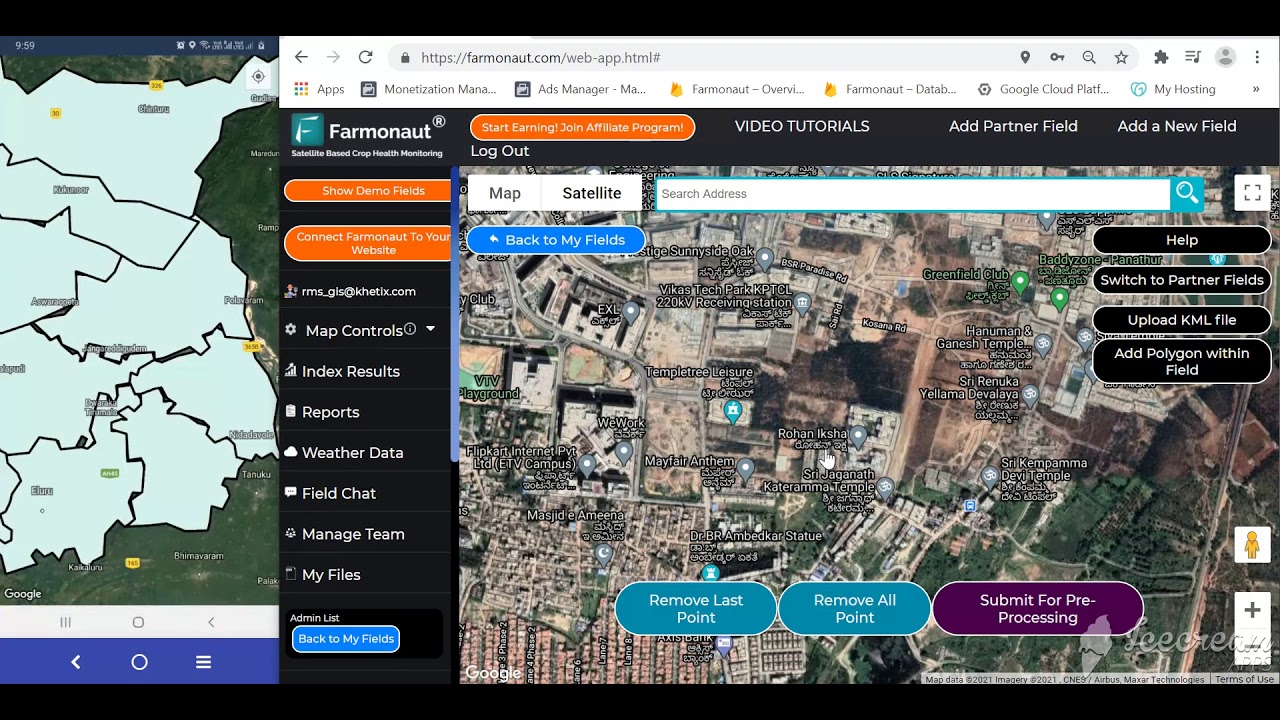
- Employing satellite-driven field monitoring (as offered by Farmonaut) to measure soil sensitivity and assess optimal transport times
Through meticulous infrastructure planning, farms in even the wettest regions can facilitate year-round, resilient agriculture transport, while sharply reducing soil degradation and extending the productive life of both land and farming machinery.
Sustainability Highlight
Hardened farm access and adaptive tire strategies alone can cut soil compaction incidents by over 40%, directly improving long-term field yields and supporting regenerative agriculture.
For environmental impact monitoring and carbon footprinting of your agricultural fleets and machinery, explore Farmonaut’s real-time tracking suite.

6. Sustainable Drivelines & Emission-Reducing Technologies
Sustainability is no longer optional as we enter 2026. New regulations and rising fuel costs are driving adoption of hybrid, electric, and biodiesel-powered vehicles and trailers in agricultural machinery transport. Key practices and technologies include:
- Switching heavy-duty haulers and pickups to hybrid or full-electric drivelines when feasible
- Using biodiesel blends and renewable energy in logistics hubs and last-mile delivery vehicles
- Real-time carbon footprint monitoring of fleets (see Farmonaut for details)
- Lifecycle assessment: Scrapping, recycling, or refurbishing old equipment for maximum sustainability and cost-effectiveness
- Precision route planning to minimize idling, optimize tire selection, and coordinate loads for fuel savings
The result is fewer emissions, lower fuel consumption per ton-mile, and a measurable reduction in the environmental impact of agricultural transport.
Farms, dairy collectives, and regional aggregators increasingly measure and report transport-related GHG reductions as part of their overall sustainability reporting.
For those looking to digitally optimize fleet operations, maintenance, and sustainability metrics, Farmonaut’s Fleet Management solution delivers actionable insights for every stage of the machinery life cycle.
Environmental Reminder
Every ton of CO₂ reduced through smarter transport directly boosts your farm’s sustainability score and regulatory alignment for the emerging “green” marketplace.
7. Building Resilience: Supply Chain & Operations Redundancy
By 2026, the best agricultural transport systems aren’t just efficient—they’re resilient. Farms and cooperatives are increasingly developing “redundancy” based supply chain structures to ensure reliable operations during climate, supply, or labor disruptions:
- Training multi-skilled crews who can operate, load, and repair vehicles and equipment
- Investing in backup vehicles and adaptable trailers to cover unexpected demand spikes or machine breakdowns
- Integrating digital platforms for supply chain monitoring, remote resource management, and incident response planning
- Using satellite and AI forecasting (like the Farmonaut Jeevn AI Advisory System) to manage and mitigate weather, logistical, or supply risks in real-time
This level of resilience ensures that critical farming, harvest, or supply chain operations don’t grind to a halt, even amidst growing uncertainties from climate change or global disruptions.
Operations Resilience
Farms investing in both digital and physical layers of redundancy are best positioned to withstand extreme weather, supply shocks, and market fluctuations—making resilience a must-have in modern agriculture transport planning.

Leverage advanced field and infrastructure monitoring for smarter farming transport with Farmonaut’s large scale farm management platform.
Enhance supply chain transparency using blockchain with Farmonaut’s traceability solution—perfect for ensuring authenticity and seamless market integration as you move crops and inputs across regions.
Field Management Tip
Use remote field mapping and real-time monitoring to time your agricultural machinery transport for optimal yield, soil health, and logistics synergy—visit our app or API to get started!
Developers: Integrate satellite and logistics data via the Farmonaut API or see our API Developer Docs.
“Over 60% of new farm machinery in 2025 will feature integrated digital logistics for optimized route planning.”
Farmonaut’s Role in Transforming Agricultural Transport
At Farmonaut, we provide the next generation of satellite-driven solutions and digital platforms for agricultural machinery transport and farming logistics worldwide. Our offerings empower individual operators, agribusinesses, and government planners to maximize fleet efficiency, ensure compliance, and optimize the intersection of digital logistics and sustainable farming.
Our real-time satellite monitoring, AI-based advisory systems, and blockchain traceability deliver actionable data on soil conditions, field health, weather forecasts, and equipment readiness—exactly when farms need it. With a breadth of web, mobile, and API tools, users can manage resource allocation, optimize transport, and plan operations from anywhere. Our focus on making such advanced insights affordable accelerates the transformation of farming transport into a more productive and sustainable system for all.
Explore solutions for:
- Field and fleet management
- Logistics optimization
- Carbon and environmental tracking
- Supply chain traceability
using the links and app access above.
Technology Adoption
The fastest returns in agricultural logistics come from integrating satellite-based field and fleet monitoring into daily transport operations—transforming data into fuel savings and productivity boosts.
FAQ: Agricultural Machinery Transport & Logistics 2026
- What is agricultural machinery transport and why is it critical in 2026?
- Agricultural machinery transport is the specialized movement of farm equipment—combines, planters, sprayers, and more—between fields, farms, and markets. In 2026, efficient machinery transport is essential for minimizing downtime, reducing costs, boosting safety, and enabling sustainable, timely food production globally.
- What types of vehicles are most common in an advanced agriculture transport system?
- Modern fleets rely on a mix of heavy-duty tractors, modular low-loaders, articulated trucks for regional hauls, compact pickups for on-farm needs, and specialty trailers with adjustable axles and soil-friendly tires.
- How do digital innovations transform agricultural machinery transport?
- Digital logistics platforms—combining route optimization, GPS, predictive maintenance, and satellite monitoring—reduce labor, cut idle time, and improve traceability and compliance for every farm shipment.
- How is sustainability addressed in modern farming transport?
- Through emission-reducing drivelines (hybrid/electric/biodiesel), carbon tracking, optimized fleet routing, and soil protection measures. Tools from providers like Farmonaut allow farms to document and enhance their environmental performance.
- Where can I learn more or get started with digital fleet and logistics management?
- Explore solutions like the Farmonaut Fleet Management Platform or begin with their easy-to-use apps (see buttons above) for real-time agricultural fleet and logistics intelligence.
Conclusion
The era of advanced agricultural machinery transport is here—and the innovations outlined above are setting the standard for smart, efficient, and sustainable farming transport across regions and markets in 2026. By embracing modular fleet strategies, digital load optimization, next-gen compliance, and connected, sustainable logistics, forward-thinking farms and agribusinesses are minimizing downtime, extending machinery life, and improving their operational impact at every step of the agriculture transport chain.
As satellite data and AI drive the next chapter of agricultural transformation, leveraging platforms like those we offer at Farmonaut will ensure your operations remain at the very forefront of efficiency, safety, and sustainability. Start building your future-ready agriculture transport system today.

 Suminter India Organics
 Crossprod
 Patrick America
 Liquify Digital
 CU Foods
 BeyondTech Global
 Rouge VC
 AgroGreen Dynamics
 AgroRisk
 Oath Inc
 Reddane Farming
 Esri North East Africa
 Cresol
 MDCV UK
 Zerella Group
 Etech Consulting Madagascar
 Vestlandsforsking
 Delicio
 WB Dev
 Sama Premium
