

Guide to Eco-Friendly Pest Control: 7 Proven Methods
Reviewed August 2026 against USDA Economic Research Service, USDA National Agricultural Statistics Service, and UK Department for Environment, Food & Rural Affairs (Defra) data.
Try it: Run your own numbers →
Yes — eco-friendly pest control works, and the strategies that work best are the ones combined, not used alone. USDA’s Economic Research Service lists Integrated Pest Management (IPM) as one reason pesticide use on 21 major US crops fell from 632 million pounds in 1981 to 516 million pounds in 2008, alongside more efficient active ingredients and genetically engineered seed. This guide breaks down seven methods — what each one actually reduces, what it costs to implement, and where the evidence comes from — so you can build a plan instead of just reading about one.

Table of Contents
Eco-Friendly Pest Control: An Overview
Eco-friendly pest control — sometimes searched as “sustainable pest control,” “green pest control,” or “planet friendly pest control” — covers seven overlapping method families: integrated pest management, biological controls, cultural practices, physical barriers, organic pesticides, monitoring technology, and preventive scouting. None of these are new inventions; what has changed is the adoption data behind them. In the United States, 4.89 million acres were certified organic in 2021, per USDA’s National Agricultural Statistics Service (NASS), and USDA’s Economic Research Service (ERS) found in its 1996 survey that insects were scouted on 67% of major field-crop acres, the first step of Integrated Pest Management. In the United Kingdom, market analysts report the insect pest-control market leaning toward more sustainable products.
Where a figure does not exist publicly, such as cost-per-acre comparisons, we say so and point to where you can generate it for your own operation.
Why Eco-Friendly Pest Control Matters
- Regulatory direction, not just preference: Defra’s UK Pesticides National Action Plan 2025 targets a cut of at least 10% in each of the 20 metrics of the Pesticide Load Indicator by 2030, against a 2018 baseline. That is a compliance horizon UK growers and agribusinesses are already planning against.
- Market growth is already priced in: The UK insect pest-control market (residential and commercial) was estimated at USD 763.54 million in 2024 and is projected to reach USD 1,182.22 million by 2035, a 4.0% compound annual growth rate over 2025–2035, per Market Research Future.
- Biopesticides are the fastest-growing segment: The US biopesticides market is projected to grow from USD 1.66 billion in 2024 to USD 3 billion by 2029, a 12.56% annual rate, according to Mordor Intelligence.
- Profitability, not just yield: Organic yields average 19.2% below conventional (Ponisio et al., Proceedings of the Royal Society B, 2015), yet a global meta-analysis by Crowder and Reganold (PNAS, 2015) found organic farming 22–35% more profitable — because input costs and price premiums more than offset the yield gap.
Each of the seven strategies below targets a different point of leverage — timing, biology, physical access, chemistry, or data — and they compound when combined, which is the entire premise of IPM.
1. Integrated Pest Management (IPM): The Holistic Approach
Integrated pest management is the coordinating framework, not a single technique. USDA ERS survey data show scouting is widespread (weeds were scouted on 80% of major field-crop acres in 1996), but far fewer acres used extension thresholds to decide when to spray. That gap is what IPM exists to close.
- Monitoring: Regular scouting and trap counts establish a baseline pest population before any control decision is made.
- Action thresholds: Controls are triggered only once populations cross a documented economic-injury level, cutting unnecessary applications.
- Diversified control methods: IPM sequences biological, cultural, physical, and organic pesticide controls, choosing the least disruptive option first.
USDA ERS credits IPM, along with more efficient active ingredients and genetically engineered seed, for the fall in US pesticide use on 21 major crops from 632 million pounds in 1981 to 516 million pounds in 2008. That is the single most citable data point in this guide, and it is also the answer to “does eco-friendly pest control work” — the reduction is measured, not anecdotal, though ERS does not publish a matching yield or cost delta at the national level; a farm-level cost comparison requires USDA’s Quick Stats database (quickstats.nass.usda.gov) filtered to your state and crop, since ERS’s IPM adoption figures aren’t broken out by cost per acre.

Key IPM Components: Eco-Friendly Pest Control in Practice
- Biological pest control methods: introducing or conserving natural enemies such as ladybugs, lacewings, or parasitic wasps to target specific pests like aphids and caterpillars.
- Cultural pest control techniques: adjusting planting times, rotating crops, and maintaining soil health to disrupt pest lifecycles.
- Physical pest control methods: barriers like row covers, traps, or manual removal for direct pest suppression.
- Safe, targeted use of organic pesticides: products like neem oil, applied only when other controls are insufficient.
The regulatory backdrop matters here too: Defra’s 2025 National Action Plan reports that 20 of the 24 low-risk active substances approved in Great Britain are biopesticides, so much of the low-risk toolkit IPM depends on is already available to UK growers.
How to Run IPM on a Farm, Step by Step
The US EPA describes IPM as a four-tiered approach. Each tier decides whether the next one is needed.
| Step | What you do |
|---|---|
| 1. Set an action threshold | Decide the pest level at which control pays for itself. Below it, you watch and wait. |
| 2. Monitor and identify | Scout fields and name the pest correctly. Many insects are harmless or beneficial, so a wrong ID leads to a wasted spray. |
| 3. Prevent | Use rotation, resistant varieties, clean seed and field sanitation so the pest has less chance to build up. |
| 4. Control | When the threshold is crossed, pick the method with the lowest risk that will work, such as a targeted biological or narrow-spectrum product, before a broadcast spray. |
A worked threshold: SDSU Extension advises treating soybean aphid at 250 aphids per plant on 80% of examined plants. That gives about seven days before the population reaches the 674 aphids per plant where economic losses begin.
Scouting is already common. In USDA’s 1996 survey, ERS found insect scouting on 67% and weed scouting on 80% of major field-crop acres, but far fewer acres compared scouting counts with extension thresholds before treating (for insects, from 11% of soybean acres to 46% of cotton acres).
2. Biological Controls: Harnessing Nature for Pest Management
Biological controls use living organisms — predators, parasites, or pathogens — to suppress pest populations without synthetic chemical inputs. How well they work depends on the pest, crop and agent, and no national US or UK agency publishes a single blended reduction figure.
Advantages of Biological Pest Control
- Enhanced biodiversity: supports pollinators, soil organisms, and resilience against future infestations.
- Sustainability: works through natural reproductive and predatory cycles rather than repeat chemical applications.
- Reduced resistance: pests adapt to biological pressure more slowly than to repeated synthetic chemistries.
Common Biological Agents Used in Pest Control
- Predatory insects: ladybugs and lacewings feed on aphids; parasitic wasps target caterpillars and other crop-damaging larvae.
- Microbial pesticides: Bacillus thuringiensis (Bt) produces toxins targeting specific insect larvae while leaving beneficials unharmed — effective against caterpillars and certain beetle larvae.
- Entomopathogenic fungi and nematodes: these microbes infect or repel soil-dwelling insect pests, adding a below-ground layer of control.

Best Practices for Implementing Biological Controls
- Select compatible biocontrol agents for the crop and target pest species.
- Minimize broad-spectrum pesticide use that would harm beneficial insects, including bees — a direct answer to “bee-friendly pest control”: methods that target specific pest biology are generally far safer for bees than broad-spectrum insect knockdown, but check each product’s label.
- Monitor outcomes and maintain habitat or shelter that helps biocontrol agents establish.

3. Cultural Controls: Building Resilient Farms
Cultural pest control changes the farming system itself — rotation, spacing, timing — to make conditions harder for pests and easier for beneficial organisms. It needs no special equipment, which makes it a practical starting point for growers with no existing IPM infrastructure.
Examples of Cultural Pest Control Methods
-
Crop rotation: growing different crops in succession disrupts pest lifecycles and improves soil health.
More on crop rotation and natural pest control - Intercropping: planting two or more crops together prevents the monocultures that favor pest outbreaks, while also supporting beneficial insects.
- Cover cropping: clover or rye during the off-season keeps soil healthy, suppresses weeds, and shelters beneficial insects.
- Companion planting: pest-repelling species — marigolds for nematode suppression, basil for mosquito deterrence — placed next to vulnerable crops.
- Organic soil enrichment: composting and mulching improve soil health and plant resistance, making crops less attractive to pests.
Benefits of Cultural Controls in Sustainable Agriculture
- Long-term, low-cost and low-toxicity.
- Encourages beneficial insects and soil microorganisms for natural pest regulation.
- Supports the yield and margin outcomes cited above: organic farming was 22–35% more profitable than conventional in a global PNAS meta-analysis (Crowder and Reganold, 2015), despite a 19.2% average yield gap (Ponisio et al., 2015).
- Reduces reliance on emergency chemical interventions by addressing pest pressure structurally.
4. Physical Controls: Simple Barriers, Major Protection
Physical pest control relies on barriers, traps, and manual removal to prevent pest access or remove pests directly. It carries no chemical exposure risk and suits organic-certified and smallholder operations, though it demands more labor per acre than chemical or biological alternatives.
Physical Pest Control Methods
- Row covers: lightweight fabric barriers that block flying insects and small mammals while letting sunlight, air, and rain reach the crop.
- Traps: sticky and pheromone traps capture target pests, giving early warning or reducing populations before mating.
- Manual removal: hand-picking insects, egg masses, or larvae — effective for small plots and early-stage outbreaks.
- Mechanical barriers: mulches and netting suppress weeds and block soil-dwelling pests.
- Physical soil disturbance: targeted tilling exposes larvae or pupae to predators and environmental stress.
When and Why to Use Physical Controls
- Best suited for organic and smallholder farms.
- Valuable for spot treatments or protecting high-value crops.
- Zero environmental toxicity with minimal disruption to beneficial insects — the direct answer to “planet friendly pest control” among the seven methods here.
Soil Solarization: Heat-Treating Soil for Insects, Diseases and Weeds
Soil solarization is an environmentally friendly way to control many soil-borne diseases, weeds and some soil pests. It uses the sun to heat moist soil under clear plastic until many pests die. No chemicals are applied.
How to do it, per UC IPM (University of California):
- Irrigate the bed to at least 12 inches deep, then cover it.
- Use transparent plastic, not black. 1 mil heats best; 1.5 to 2 mil suits windy sites.
- Leave it on for 4 to 6 weeks in the hottest part of summer. Cooler weather may need up to 8 weeks.
- Aim for daily soil highs of 110 to 125°F in the top 6 inches.
What it controls: fungal and bacterial diseases such as Verticillium wilt, Fusarium wilt, Phytophthora root rot and damping-off, most annual weeds, and some nematodes and soil insects. It works best in the upper 6 inches of soil. Perennial weeds with deep roots, heat-tolerant pathogens and nematodes that move deeper can survive, so treat it as one tool within IPM.
5. Organic Pesticides: Nature-Powered Solutions
Organic pesticides are often a lower-toxicity alternative to synthetic chemicals, not a zero-risk one: Defra’s UK National Action Plan 2025 notes that biopesticides do not inherently pose less risk to the environment and should be used in a targeted, responsible way.
Popular Organic Pesticides for Eco-Friendly Pest Control
- Neem oil: disrupts pest feeding and reproduction; effective against aphids, whiteflies, and certain caterpillars.
- Insecticidal soaps: plant oils and salts that break down the outer shell of soft-bodied pests, causing dehydration.
- Diatomaceous earth: fossilized diatom powder that damages insect exoskeletons; harmless to humans and pets when dry.
- Botanical sprays: clove oil, pyrethrum, and garlic — check local regulations and crop compatibility before use, since approval status differs by country.
Safe Use and Limitations
- Follow label instructions and apply only when action thresholds are met.
- Rotate methods and use spot treatments — overuse of even organic substances can disrupt beneficial insect populations.
- The US biopesticides market is projected to grow about 12.6% a year from 2024 to 2029 per Mordor Intelligence, and 20 of the 24 low-risk active substances approved in Great Britain are biopesticides, per Defra’s 2025 plan — meaning product choice in this category is expanding faster than in conventional chemistry on both sides of the Atlantic.
What Counts as a Biopesticide
“Organic” or “natural” on a label is not a regulatory category. The US EPA sorts biopesticides into three classes:
- Biochemical pesticides: naturally occurring substances that control pests by non-toxic means, such as insect sex pheromones and plant extracts that lure insects into traps.
- Microbial pesticides: a bacterium, fungus, virus or protozoan as the active ingredient. Bacillus thuringiensis (Bt) is the most widely used.
- Plant-incorporated protectants: pesticidal substances a plant makes from added genetic material, such as a Bt gene.
EPA counted 390 registered biopesticide active ingredients as of 31 August 2020. Even canola oil and baking soda qualify. In Great Britain, Defra’s 2025 National Action Plan reports that 20 of the 24 approved low-risk active substances are biopesticides, and that biopesticide approvals in the UK rose from 2 in 1997 to 44 in 2020. Defra also cautions that biopesticides do not inherently pose less risk to the environment and should be used in a targeted, responsible way. Every product still has to be registered, and you still need to follow the label.
6. Technological Innovations: AI and Data-Driven Pest Control
Technology does not replace the six methods above — it makes the timing decisions behind them sharper. AI advisory platforms, satellite imagery, IoT sensors, and automated traps let farmers act on action thresholds precisely, rather than on a fixed calendar.
Tech Tools for Managing Pest Populations Naturally
- IoT-based monitoring: smart traps with sensors and AI detection report insect presence in real time, supporting precise, timely interventions instead of blanket spraying.
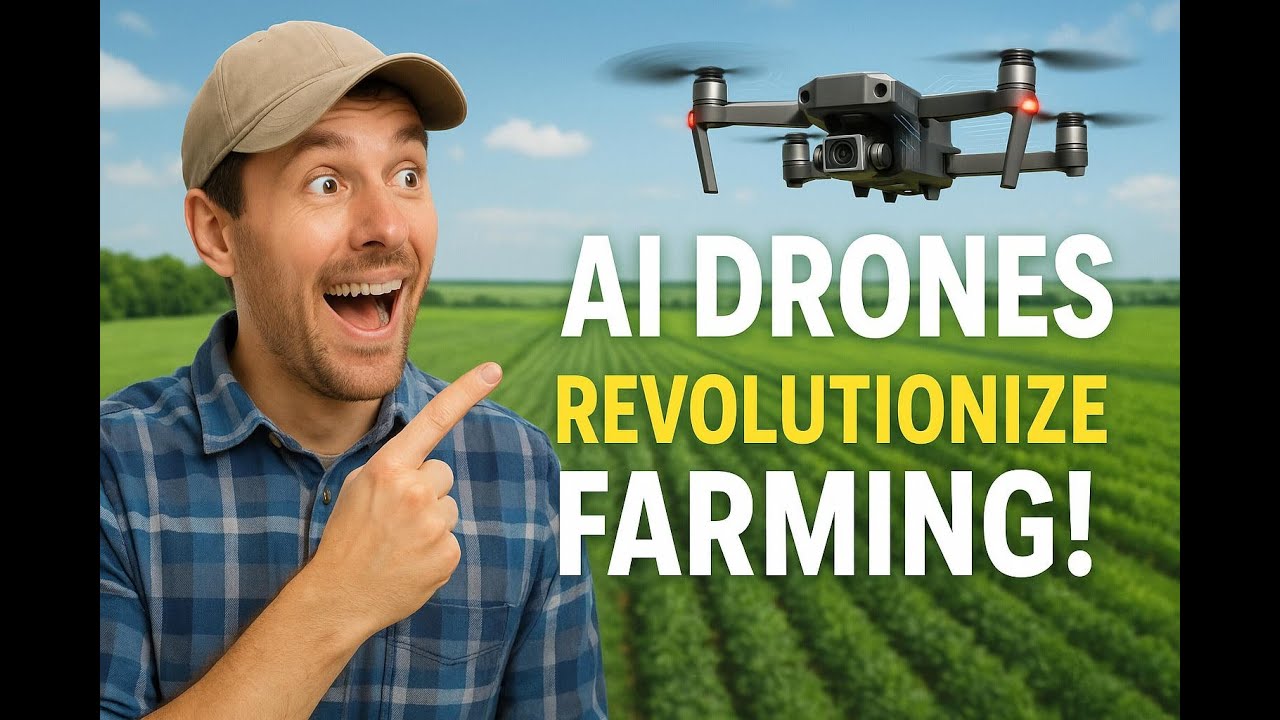
- Drones and satellite imagery: identify early crop stress or infestation hotspots, directing action to the affected zone rather than the whole field.
- Automated detection systems: combine weather, soil sensor, and pest monitoring data into predictive alerts for data-driven scheduling.
Defra’s 2025 National Action Plan notes that Defra, with Innovate UK, has committed over £127 million through the Farming Innovation Programme to agricultural research and innovation, which includes pest-management technology.
Explore Farmonaut’s approach to sustainable pest control strategies




Using Farmonaut’s Carbon Footprinting tool, farmers and agribusinesses can also monitor and minimize their environmental impact — supporting the same sustainability goals behind eco-friendly pest control.
Developers integrating real-time satellite data and AI-based insights into farm management systems can access the Farmonaut API and API Developer Docs.
7. Prevention & Monitoring: Staying Ahead of Pest Problems
Prevention and monitoring are what make action thresholds possible in the first place — without a monitoring baseline, “reduced pest control” spending decisions are guesswork rather than data.
Effective Monitoring Practices
- Regular surveys: walking fields, inspecting leaves, and using handheld detection devices to catch early pest stages.
- Smart traps: sticky, pheromone, or automated traps for early warning and population measurement.
- Satellite monitoring: real-time crop health maps, provided by platforms like Farmonaut, to identify and respond to pest hotspots at scale.
- Record-keeping: detailed logs of infestations, weather, crop rotation, and pest management activity to refine future decisions.
Why Focus on Prevention?
- Catch problems early and intervene locally rather than field-wide.
- Cut the volume of chemical intervention needed per season.
- Protect crop yields and farm revenue over the long term.
Comparative Table: Eco-Friendly Pest Control Strategies at a Glance
Cost & Reduction Calculator
The reduction ranges in this calculator are illustrative planning assumptions, not measured results. Replace them with figures from your own scouting and spray records where you can.
Run your own numbers
Assumes the low end of the selected method’s illustrative pest-reduction range applies uniformly across all acres, and that spend reduction scales linearly with pest reduction — it does not account for crop type, regional pest pressure, labor cost, or the higher end of each range, which requires favorable conditions this calculator cannot model. Setup cost is a one-time input you supply; it is not amortized automatically.
The Benefits of Eco-Friendly Pest Control in Agriculture
Adopting sustainable pest management has measurable impacts on both farm economics and the surrounding ecosystem:
- Lower environmental impact: reduces soil, water, and air contamination compared to broad-spectrum pesticide-centric programs.
- Preservation of beneficial insects: safeguards pollinators and natural pest enemies, supporting the natural regulation cycles biological control depends on.
- Human health protection: minimizes chemical residue exposure for farm workers and consumers.
- Costs and efficiency: setup costs for monitoring and biological controls are moderate, but a global meta-analysis found organic farming 22–35% more profitable than conventional when price premiums were paid, despite a 19.2% average yield gap (Crowder and Reganold, PNAS, 2015).
- Resistance management: rotating control methods and limiting chemical use slows pest adaptation.
- Holistic farm resilience: biodiversity and soil health gains build resilience against both climate shocks and market volatility.
For a per-acre or per-hectare cost comparison specific to your crop and region — a figure not yet published at national level in the US or UK — USDA's Quick Stats database (quickstats.nass.usda.gov) and Defra's Pesticide Usage Survey are the two primary sources to query directly; Defra tracks progress against its 2030 Pesticide Load Indicator target using a 2018 baseline.
Farmonaut: Technology for Sustainable Pest Management
Farmonaut supports farmers, agribusinesses, governments, and institutions implementing data-driven pest control with accessible tools:
- Satellite-based crop health monitoring: multispectral imagery for real-time detection of crop stress, potential pest outbreaks, and soil condition, supporting timely action and reduced pesticide use.
- AI-driven advisory (Jeevn AI): data-driven recommendations for pest management, fertilization, and resource optimization on any device.
- Blockchain-based traceability: transparency and authenticity across agricultural supply chains. Learn how traceability supports eco-friendly agriculture and supply chain trust.
- Resource, fleet, and carbon footprint management: digital tools for machinery, emissions, and field operations. Fleet Management Solutions and Carbon Footprinting Solutions.
For large operations or government-scale programs, the Agro-Admin App enables centralized farm or plantation management, while the Crop Loan & Insurance Solution speeds up remote verification and insurance processing.
Farmonaut Subscriptions & API Access
Farmonaut's subscription model provides scalable access to crop health monitoring, pest risk mapping, resource and fleet management, and AI-powered decision support — on mobile, desktop, or via API integrations for agritech businesses.
Ready to plan your pest control mix? Visit the Farmonaut Web, Android, or iOS Apps today.
FAQs on Eco-Friendly Pest Control
Does eco-friendly pest control actually work?
Yes. USDA ERS lists IPM, alongside more efficient active ingredients and genetically engineered seed, as a reason US pesticide use on 21 major crops fell from 632 million pounds in 1981 to 516 million pounds in 2008. The method matters — a single organic spray applied without monitoring performs far worse than a combined IPM programme.
What is eco-friendly pest control and how is it different from conventional methods?
It combines natural, biological, cultural, and physical methods with targeted, minimal use of organic pesticides. Unlike conventional calendar-based spraying, it prioritizes action thresholds, biodiversity, soil health, and water quality while reducing chemical dependency.
Is eco-friendly pest control bee-friendly?
The methods in this guide that avoid broad-spectrum chemistry — biological controls, cultural controls, physical barriers, and targeted biopesticides — are the bee-safe options, because they target specific pest biology rather than knocking down all insect activity in a field. Confirm any specific product's pollinator rating on its label before use.
What's the easiest eco-friendly pest control method to start with?
Cultural controls — crop rotation, cover cropping, companion planting — are low-cost, easy to implement, and require no specialized equipment.
How can I start implementing IPM on my farm?
Begin with regular pest monitoring, set action thresholds specific to your crop, and layer in biological, cultural, and physical controls before reaching for organic pesticides. Document outcomes each season to refine thresholds. Platforms like Farmonaut support the monitoring and early-warning stage.
Can I combine multiple strategies?
Yes — IPM is explicitly the framework for combining biological, cultural, physical, and technological methods for compounding, lower-risk results, which is why it is the recommended framework rather than any single method.
How does Farmonaut help with eco-friendly pest management?
Real-time crop monitoring, AI-powered advisory tools, traceability solutions, and automated resource management support data-driven, sustainable pest management decisions across crop, forest, and plantation operations at any scale.
Conclusion: Shaping the Future through Eco-Friendly Pest Control
Eco-friendly pest control is not a single technique to adopt but a set of seven levers — IPM, biological, cultural, physical, organic, technological, and monitoring — that compound when combined. The regulatory and market direction is already set: Defra's target of cutting each Pesticide Load Indicator metric by at least 10% by 2030, a UK insect pest-control market forecast to grow 4.0% a year to USD 1,182.22 million by 2035 (Market Research Future), and a US biopesticides market forecast to grow about 12.6% a year through 2029 (Mordor Intelligence) all point the same way.
The durable takeaway is the method, not the numbers: monitor first, set an action threshold, choose the least-disruptive control that clears it, and only escalate when the data says so. That sequence works whether this year's biopesticide market figure is higher or lower than the one cited here — check USDA Quick Stats and Defra's next Pesticide Usage Survey update for the current figures when you plan your season.
Explore precision agriculture tools that support this approach with Farmonaut today.
Discussion
Questions, corrections or field experience? Share them below. First-time comments are reviewed before they appear, and your email is never published.
No comments yet. Be the first to add a question or your experience.

 Azure Clouds
 MCSOD
MCSOD Marei Nursery
 eKGIS
eKGIS Mostas Tech
 Native Seeds
 Andex
Andex FCF India
 Unifrutti Gulf
 Deluxe Conseil
 TVS Electronics
 WICO
WICO Chimera Innovation
 SkyHarvest
 Polaris Digitech
 Licence holder · Niger · Gold










