

Agricultural Urea: Powering Sustainable Farming for 2026+
“By 2026, agricultural urea is projected to increase crop yields by up to 40% while reducing nitrogen losses.”
Introduction: The Cornerstone Role of Agricultural Urea
Agricultural urea remains one of the most widely used, high-content nitrogenous fertilizers in global agriculture, and its significance has grown even more critical in 2025 and beyond. Faced with dual challenges—the need to enhance crop yields and reduce environmental impacts—fertilizer management and innovative application techniques are in sharp focus worldwide.
For farmers and stakeholders navigating these evolving requirements, understanding the role of agricultural urea as a pivotal input is essential. This comprehensive guide explores:
- How urea boosts crop productivity and nutrient efficiency
- The most effective application methods and technological innovations for 2025–2026+
- The environmental implications and sustainability benchmarks for urea use
- The future of farming with digital, data-driven, and climate-resilient approaches
In 2025 and beyond, agricultural urea is at the heart of both food security and ambitious sustainability targets—making it a cornerstone fertilizer for modern farming systems worldwide.
What is Agricultural Urea?
Agricultural urea (sometimes named agriculture urea or simply urea) is a synthetic nitrogen fertilizer produced by combining ammonia and carbon dioxide. Its principal characteristics include:
- Exceptionally High Nitrogen Content: Approximately 46%—the highest among all commercially available nitrogenous fertilizers.
- Granular, Versatile Form: Available as white solid granules, urea is easy to handle, store, and apply in various cropping systems.
- Wide Usage: Predominantly used worldwide for cereals, pulses, cash crops, and vegetable production.
-
Essential Role in Plant Growth: Supplies key nitrogen—a
fundamental component
of amino acids, proteins, and chlorophyll—which drives plant development, photosynthesis, and ultimately, yield.

Why Is Urea So Widely Used?
- Cost-Effective & High-Impact: The most nitrogen-concentrated fertilizer means smaller quantities deliver larger results.
- Supports Sustainable Food Security: Crucial to meeting global crop production demand, especially as arable land continues shrinking in key regions by 2025.
- Facilitates Modern Agricultural Practices: Adapts well to advanced application methods and digital soil management strategies, enabling precise, sustainable farming.

Canada Fertilizer Boom 2025 | Green Ammonia, AI Precision & $2.3 B Granular Surge
The Role of Agricultural Urea in Modern Agriculture and Sustainable Food Security
The global agricultural sector faces mounting dual challenges: dramatically increased food demand due to population growth and the imperative to reduce environmental impacts from intensive fertilizer use. In this context, agricultural urea plays a pivotal role in enhancing productivity while supporting sustainable farming systems.
Critical Functions of Urea-Based Nitrogen in Crop Development
- 🌱 Boosts Crop Growth: Supplies essential nitrogen that drives cell division, leaf expansion, and photosynthesis.
- ✔ Key for Yield: Deficiency in nitrogenous nutrients often limits yield in cereals, vegetables, pulses, and cash crops.
- 📊 Improves Nutrient Use Efficiency: High content allows smaller, targeted applications that optimize plant uptake and lower costs.
- ⚡ Supports Protein Formation: Component of amino acids and proteins—key building blocks in all plant tissues.
- ⚠ Reduces Input Wastage: When applied with modern techniques, urea helps reduce total fertilizer input requirements and associated environmental pollution.
Smart Farming Future : Precision Tech & AI: Boosting Harvests, Enhancing Sustainability
How Agricultural Urea Addresses Modern Food Challenges
- 🌐 Globally Available: Found in almost every farming region, serving as the backbone fertilizer for agriculture.
- 📉 Reduces Transportation Costs: High concentration (46% nitrogen) means fewer shipments for the same nutrient effect.
- ⌛ Enables Timely Nutrient Supply: Can be applied to match critical growth stages and boost yields efficiently.
- 📈 Improves Farmer Livelihoods: Higher yields with optimized fertilization translate to better incomes and reduced hunger.
“Optimized urea use in 2025 could cut agricultural greenhouse gas emissions by nearly 20%, supporting sustainable farming.”
Crops That Benefit Most from Urea Application
- Cereals: Wheat, Rice, Maize, Barley
- Pulses: Lentils, Peas, Chickpeas, Beans
- Vegetables: Tomatoes, Potatoes, Leafy Greens
- Cash Crops: Sugarcane, Cotton, Oilseeds
- Fodder & Forage: Alfalfa, Clover
- Industrial Crops: Tobacco, Rubber, Jute
Advanced Urea Application Techniques in 2025–2026+
Traditional (broadcasting) approaches to urea fertilizer application—spreading granules directly onto fields—often result in ammonia volatilization, leaching, and runoff, all of which decrease efficiency and cause environmental impacts. Fortunately, 2025 brings a wave of innovations in how farmers apply urea, making modern agriculture more sustainable.
Top Innovative Urea Application Methods
- 🟦 Deep Placement: Burying urea granules near plant roots reduces nitrogen losses and volatilization, boosting uptake and yield.
- 🟩 Urease Inhibitors: Adding chemical inhibitors (e.g., NBPT, Agrotain) slows the breakdown of urea, minimizing ammonia volatilization.
- 🟨 Precision Agriculture: Leveraging drones, satellite data, and AI (like Farmonaut’s solutions) delivers site-specific application, matching nitrogen dose to real-time crop need and soil data.
- 🟧 Controlled-Release Formulations: Specially coated urea granules release nitrogen slowly over weeks, cutting leaching losses and environmental impacts.
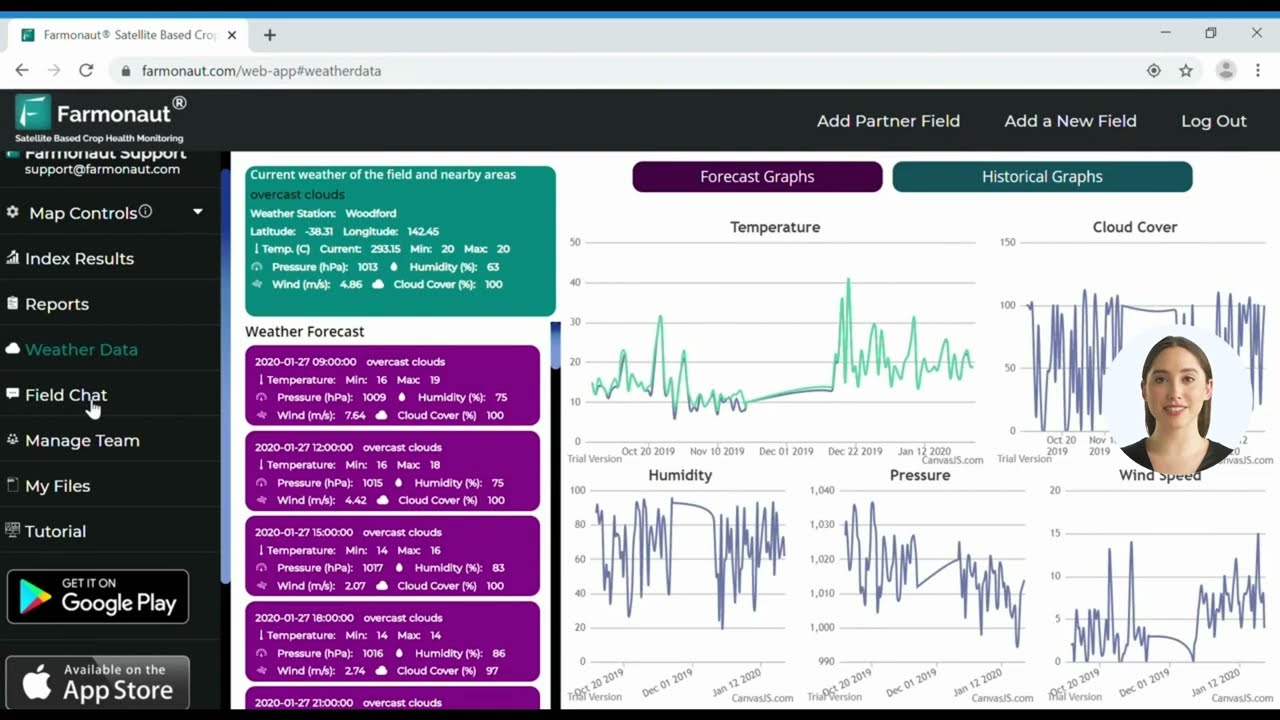
Precision Agriculture and Fertilizer Application | Farmonaut
🔍 Bullet List: Best Practices for Efficient Urea Application
- ✔ Match fertilizer rate to soil test results and crop-specific demand
- ✔ Apply urea at the right growth stage (active vegetative periods give best returns)
- ✔ Combine with inhibitors or slow-release products in high-rainfall or sandy areas
- ✔ Favor band or deep placement over surface broadcasting to reduce volatilization
- ✔ Monitor weather forecasts to avoid application before heavy rain (which can induce leaching and runoff)
Environmental Considerations: Minimizing Impacts from Urea Use
Strong support for sustainable agriculture requires rigorous management of urea fertilizer to minimize environmental externalities. Poorly managed urea application can cause:
- 🌍 Ammonia Volatilization: Contributes to air pollution, particulate matter, and lost nitrogen efficiency
- 💦 Nitrate Leaching: Excess nitrogen percolates into groundwater, leading to contamination and eutrophication of surface water
- ☁ Greenhouse Gas (GHG) Emissions: Particularly nitrous oxide (N₂O), a potent climate-warming gas arising from soil denitrification
The environmental benefits of optimized urea use are significant, especially through improved application strategies, inhibitors, and precision farming tools.
Ignoring the “4Rs” stewardship framework (Right Source, Right Rate, Right Time, Right Place) often leads to nitrogen pollution and regulatory scrutiny in sensitive regions.

Florida Fertilizer Ban 2025 🚫 7 Rules to Save Indian River Lagoon & Stop Algae Blooms!
Best Management Practices (“4Rs” Stewardship Framework) in Urea Application
- Right Source: Enhanced efficiency formulations, inhibitors, and blends matching crop need.
- Right Rate: Precision dosing based on soil testing and anticipated yield.
- Right Time: Synchronize with plant nutrient uptake.
- Right Place: Fertigation, band placement, or deep placement near plant roots.
Estimated Impacts of Agricultural Urea on Sustainable Farming Indicators (2025)
| Indicator | Urea Application (Estimated Values) | No Urea / Fallow (Estimated Values) | Environmental Implication |
|---|---|---|---|
| Crop Yield Increase (%) | +35 to +40% | 0 to +5% | Significant food security benefit with proper management |
| Nitrogen Use Efficiency (%) | 55–68% | 10–20% | Optimized urea use outperforms organic/natural alone |
| Soil Health Score | Medium–High* (with best management) | Medium–High (less risk of over-application effects) | Requires rotation and organic matter inputs |
| GHG Emissions (kg CO₂e/ha) | 50–130 | 15–30 | Can be reduced ~20% with inhibitors/precision tech |
| Groundwater Impact (Nitrate mg/L) | 4–9 | 1–3 | Monitoring, inhibitors, and soil management essential |
*When agricultural urea is used in conjunction with precision tools and integrated nutrient management practices for soil health. Table figures are representative; actual performance varies by region and cropping system.

Regenerative Agriculture 2025 🌱 Carbon Farming, Soil Health & Climate-Smart Solutions | Farmonaut
Farmonaut’s Satellite Solutions for Sustainable Urea Use
As climate urgency and regulatory requirements reshape the future of fertilizer management, real-time monitoring and data-driven decision-making are essential. At Farmonaut, we are committed to making sustainable urea management affordable, transparent, and actionable for farmers, agronomists, and governments worldwide.
How Farmonaut Empowers Precise and Responsible Urea Application
- 🌍 Satellite Monitoring: We deliver multispectral crop health maps (NDVI) and soil moisture analytics to precisely target urea application, identifying nitrogen-deficient areas in real time.
- 🧠 AI-Based Advisory: Our Jeevn AI delivers weather- and crop-stage-based recommendations—minimizing urea losses, optimizing crop nutrient efficiency, and supporting record yields.
- 🛰️ Environmental Impact Monitoring: We provide real-time carbon footprint tracking (carbon footprinting product), enabling farms and institutions to comply with emission regulations and sustainability standards.
- 🔗 Blockchain Traceability: Our digital platform leverages blockchain for transparent nitrogen fertilizer traceability—from application to harvest—ensuring responsible practices.
- 🔒 Integrated Resource Management: By combining crop monitoring, fleet management, and traceability (see solutions), we help users cut fertilizer transportation costs and improve input efficiency.



Farmonaut Web System Tutorial: Monitor Crops via Satellite & AI
🌱 Visual List: Farmonaut Platform Benefits for Urea and Nutrient Application
- 🌐 Global Access: Digital, satellite-driven solutions available on mobile, web, and via robust APIs
- 🚀 Higher Productivity: Real-time nitrogen nutrition advice and input optimization
- ✅ Sustainability: Environmental impact tracking for compliance and transparency
- 🔐 Trust: Blockchain-based product traceability (learn more here)
- 💹 Cost-Effective: Subscription-based scalable plans for every farm size (see pricing below)

Smart Farming Future: Precision Tech & AI Boosting Harvests, Enhancing Sustainability
Our satellite carbon footprinting and supply chain traceability enable farms, agribusinesses, and institutions to report climate impact and progress toward United Nations SDGs—making sustainable farming with urea a measurable, bankable reality.
Economic Impact: Urea as a Pivotal Input for Rural Livelihoods
Optimized urea application delivers significant economic value for farmers and entire rural communities:
- 📈 Yield-Driven Profit: 35–40% average crop yield increases mean higher marketable output per hectare.
- 💲 Lower Input Costs: High nitrogen content enables targeted, cost-efficient fertilization compared with alternative nitrogenous fertilizers.
- 🚚 Reduced Transportation & Handling: Less bulk to ship and store means direct savings.
- ⚙ Enhanced Access to Financing: With Farmonaut’s loan and insurance verification tools, farmers can use real-time satellite insights to secure credit and protect investments against environmental risks.
- 🌎 Enabling Rural Resilience: Secure urea supplies mean smallholders are better protected against food insecurity and market shocks.
As nations invest in green ammonia/urea production and advanced nitrogen management platforms, the economic and environmental returns for sustainable agriculture will only accelerate through 2026+.
Future Outlook: Agricultural Urea for 2026 and Beyond
The future of agricultural urea is characterized by smarter integration—combining synthetic fertilizers with organic matter, climate intelligence, and digital solutions. The most notable trends shaping the future include:
- Bio-Based and Green Urea: Development of “green ammonia” and bio-fertilizers as climate-resilient alternatives.
- Integrated Nutrient Management: Rotating organic manures and leguminous cover crops alongside synthetic urea maintains soil health and mitigates risks.
- Data-Driven Placement: AI-powered platforms recommend site-specific, minimal-loss urea dosing for every unique field, optimizing productivity and sustainability.
- Coupling Urea with Carbon Credits: Digital tracking of fertilizer-associated emissions supports access to carbon credit markets.
- Regenerative and Climate-Smart Approaches: As regulations tighten, adoption of precision agriculture and regenerative soil practices (see Farmonaut’s advisory platform) grows rapidly across farming regions worldwide.

Canada Fertilizer Boom 2025 🌱 Zero-Waste Granules, Green Ammonia & Precision AgTech Revolution
Frequently Asked Questions
What is agricultural urea and why is it important?
Agricultural urea is a synthetic, high-nitrogen fertilizer (46% nitrogen content) that is commercially available worldwide. It is key to sustaining food security by boosting crop productivity, providing essential nutrients, and supporting sustainable farming practices.
How can urea be applied most efficiently?
Efficient urea application relies on:
- Deep placement or banding near plant roots
- Use of urease inhibitors to minimize ammonia volatilization
- Site-specific application using precision agriculture tools
- Applying at the right time and rate for each crop
What are the main environmental risks of urea use?
Environmental risks include:
- Ammonia emissions (air pollution, particulate formation)
- Nitrate leaching (groundwater pollution, eutrophication)
- GHG emissions (carbon and nitrous oxide release)
Proper management with inhibitors, precision tools, and soil care minimizes these risks.
How does Farmonaut help optimize urea fertilizer usage?
At Farmonaut, we combine satellite monitoring, AI-driven insights, and digital resource management to help users apply agricultural urea more efficiently—raising yields, lowering costs, and reducing environmental impacts for a more sustainable farming future.
Is there a sustainable future for urea in farming?
Yes—especially as data-driven placement, bio-fertilizer integration, green ammonia production, and advanced stewardship practices take root globally. Urea remains a cornerstone of sustainable agriculture for 2026+ when used responsibly.
Conclusion: Sustainable Growth with Agricultural Urea
For 2026 and beyond, agricultural urea remains irreplaceable in modern, sustainable farming. As a cornerstone fertilizer, it meets critical nutrient demands for crop growth, supports food security, and enables economic stability for farming communities worldwide. Through advanced application techniques, environmental stewardship, and innovative digital solutions like those we offer at Farmonaut, farmers, businesses, and policymakers alike can harness the full potential of urea—ensuring both productivity and sustainability for generations to come.
The future of agriculture is smart, connected, and climate-resilient. With agricultural urea at the core—and empowered by digital tools like Farmonaut—every field becomes part of the global solution for sustainable food, land, and environmental security.
Smart Farming Future : Precision Tech & AI: Boosting Harvests, Enhancing Sustainability
- ✔ Cornerstone nutrient supply for crop growth, protein formation, and yield optimization
- 📊 Precision application and use of inhibitors exponentially boosts nitrogen use efficiency
- ⚠ Improper urea use can drive environmental issues—use stewardship and digital tools for best results
- 🌿 Blending synthetic & organic inputs secures soil health while sustaining high yields
- 🛰️ Farmonaut satellite tools empower real-time monitoring, transparent traceability, and smart financial access for every farmer
Discussion
Questions, corrections or field experience? Share them below. First-time comments are reviewed before they appear, and your email is never published.
No comments yet. Be the first to add a question or your experience.

 Native Seeds
 Fresh Platter
 Andex
Andex FCF India
 Unifrutti Gulf
 Deluxe Conseil
 TVS Electronics
 BW Pipelines
 WICO
WICO Gen Chayat
 Chimera Innovation
 SkyHarvest
 Polaris Digitech
 Teledarbas
 Wild Oak Farm
 Licence holder · Niger · Gold










