

Table of Contents
- Overview: Cambodia’s Agricultural Landscape in 2026
- Current State of Agriculture in Cambodia
- Technological Advancements & Modernization
- Climate Change and Environmental Challenges
- Infrastructure, Market Access, and Value Chains
- Key Policy Challenges Facing Agriculture
- Future Outlook: Sustainable Growth to 2026 and Beyond
- Comparative Table: 2023 vs 2026 Agricultural Indicators
- Farmonaut: Satellite-Based Solutions for Cambodian Agriculture
- Key Insights & Highlights
- Frequently Asked Questions (FAQs)
“By 2025, over 50% of Cambodia’s workforce will still depend on agriculture for their primary livelihood.”
Agriculture in Cambodia: 2026 Growth & Challenges
Summary:
Agriculture in Cambodia stands at a pivotal juncture in 2025 and beyond. This sector remains the backbone of the country’s economy, employing nearly half of its workforce and contributing significantly to GDP. Navigating the complexities of modernization, climate change, evolving market demands, and rural transformation, Cambodia’s agricultural sector is striving to sustain livelihoods, ensure national food security, and foster sustainable development for a resilient future. Read on for a deep dive into Cambodia’s progress, challenges, and future outlook to 2026.
- Agriculture in Cambodia: Sectoral significance, role in economy, and employment
- Climate & Environment: Challenges from climate change & sustainability imperatives
- Modernization: Technology, mechanization, and digital transformation
- Growth Outlook: Future trends, 2026 projections, and sector resilience
- Rural Livelihoods: Smallholder empowerment and rural economy
Current State of Agriculture in Cambodia
Cambodia’s agricultural sector remains vital, employing nearly half of the country’s workforce and contributing significantly to GDP. As of 2025, the sector is characterized by:
- ✔ Rice dominance – Rice accounts for over 80% of all cultivated land; the Tonle Sap basin and Mekong river plains are the primary production regions (Focus Keyword: rice, tonle sap, mekong, regions).
- ✔ Diversification: Cambodia also produces maize, cassava, rubber, pepper, cashew nuts, mango, and durian (beyond rice).
- ✔ Smallholder Structure: Most Cambodian farmers are smallholders managing plots under two hectares, dominating the agricultural landscape (smallholder, plots, holdings).
- ⚠ Traditional methods: Largely depend on limited mechanization and traditional irrigation approaches, constraining productivity.
- 📉 Yield Challenges: Despite improvements, average yields remain below regional averages due to fragmented land, lack of quality inputs, and insufficient extension services.

The current state shows that agriculture in Cambodia still faces complex challenges as it seeks to improve productivity, increase incomes, and meet the demands of a growing population. Smallholder farmers play a dominant role, with many relying on traditional farming methods. This over-reliance, coupled with limited mechanization and irrigation, is a major factor in constrained productivity and insufficient adaptation to climate risks.
Fragmented land holdings and lack of access to quality inputs continue to hinder yield improvements for Cambodian farmers, making investment in modernization and better extension services crucial for the sector’s growth to 2026.
Primary Crops & Production Regions
The Tonle Sap basin and Mekong River plains remain vital for national food security, serving as major rice-growing regions. Beyond rice, Cambodia cultivates a variety of other important crops including maize, cassava, rubber, pepper, cashew nuts, mango, and durian. These crops boost export revenue and improve dietary diversity but still occupy a smaller share of cultivated land compared to rice.

Cambodian agricultural exports have grown, with the country ranking among the world’s top rice exporters. This is a testament to the productive potential of Cambodia’s rural and regional landscapes, but also highlights opportunities for greater diversity and value addition.
Focusing solely on rice without investing in crop diversification exposes Cambodia’s agricultural sector to risks from climate change, pest outbreaks, and global price fluctuations.
Rural Livelihoods & Workforce
Rural livelihoods in Cambodia are intimately tied to the agricultural sector. Nearly half the workforce is employed in agriculture, with smallholder farmers responsible for the majority of food production. Despite their economic importance, these rural communities often face limited extension services, inadequate infrastructure, and insufficient market access.
- Over 70% of Cambodians live in rural areas, depending on agriculture for income (workforce, rural).
- Small-scale farms remain the norm (plots, two hectares), constraining economies of scale.
- Limited market linkages often result in low farm-gate prices and income volatility.
- Women and youth constitute a major share of rural agricultural labor, but face added barriers to land access and finance.
Technological Advancements & Modernization in Cambodian Agriculture
The modernization of agriculture in Cambodia has accelerated in recent years, with a growing focus on smart farming techniques, mechanization, and digital extension services to drive productivity gains and resilience to climate change.
“Cambodia’s agricultural sector faces a climate risk loss potential of up to 3% of GDP by 2026.”
Precision Agriculture, Drones, and Smart Farming
Precision agriculture, satellite-driven insights, and drone technology are increasingly introduced to Cambodian farmers—though often still at pilot scale. These emerging technological advancements are designed to help farmers monitor crops, manage soil and water efficiently, and reduce input waste while boosting yields and profitability.
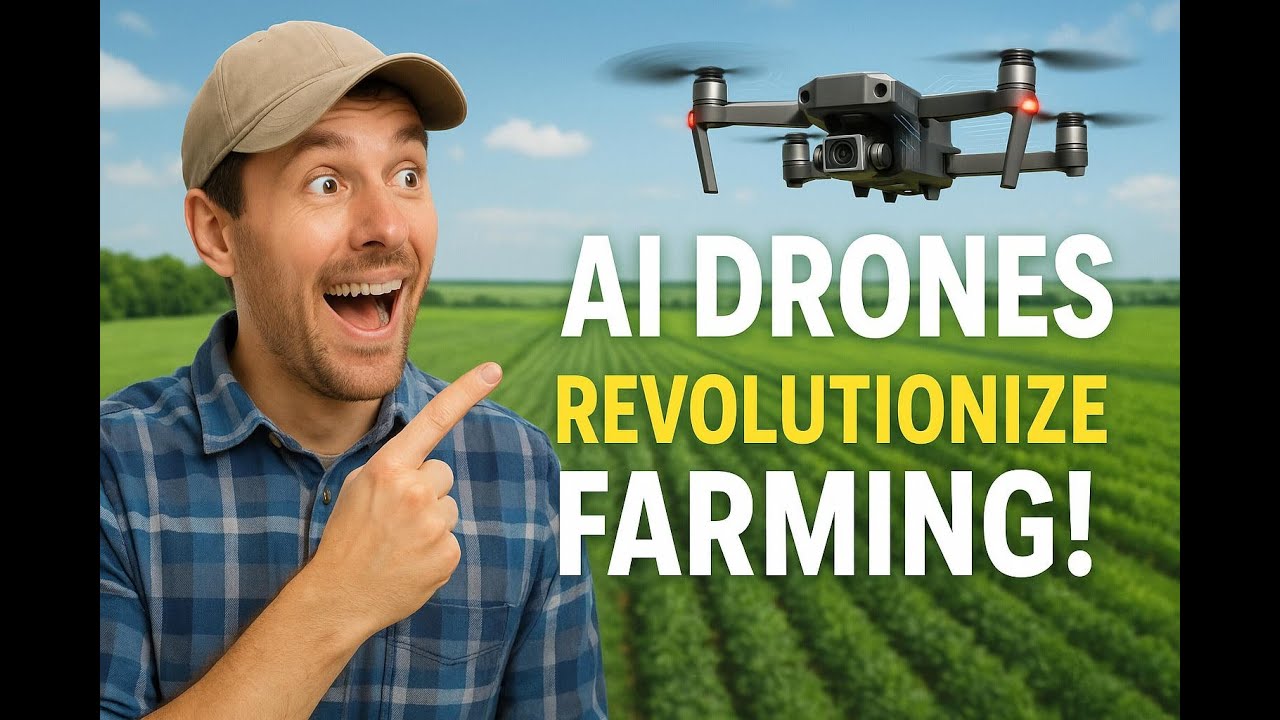
- ✔ Remote Sensing: Satellite images help assess crop health, irrigation levels, and soil quality with real-time accuracy.
- ✔ Drone & Aerial Imaging: Enables precise mapping and pest/disease surveillance, supporting timely interventions.
- ✔ Automation: Mechanization, AI-driven decision tools, and smart sensors improve efficiency and resource management.
- ✔ Digital Platforms: Mobile and web apps link farmers to markets, cooperatives, weather data, and financial services—essential for reducing reliance on middlemen.
- ✔ Improved Varieties & Practices: Widespread adoption of improved rice varieties (drought, flood, or pest resistant) has started to strengthen sector resilience to climate change.

Mechanization & Sustainable Intensification
Limited mechanization has long constrained labor productivity and yield growth in Cambodian agriculture. Recent government policy is prioritizing increased access to machinery solutions, irrigation infrastructure, and extension services—especially for smallholders. Mechanization not only accelerates land preparation and harvesting but reduces post-harvest losses and labor demand, making agriculture more attractive for youth and women.
Farmonaut provides real-time crop monitoring, environmental impact assessment, and AI-driven advisory through our web, Android, and iOS platforms. Learn how to leverage these tools for Cambodian agriculture by visiting our App.



Sustainable intensification—including improved crop rotations, integrated pest management, and organic inputs—is gaining traction to preserve soil health and enhance long-term productivity.
Climate Change & Environmental Challenges in Cambodian Agriculture
Climate risks in Cambodia have become significant threats to agricultural output, rural livelihoods, and food security. The increased frequency and severity of droughts, floods, and temperature extremes directly impact staple crops like rice and the reliability of Traditional water cycles in regions like Tonle Sap and the Mekong plains.
Environmental Concerns & Soil Management
The expansion of agricultural land through deforestation is accelerating soil erosion, biodiversity loss, and reduced soil fertility. In response, government and international agencies are encouraging agroforestry, regenerative agriculture, and conservation methods to restore the health of farming systems.
Agroecological approaches, such as cover cropping, mulching, integrated livestock, and precision irrigation, are key to improving Cambodia’s resilience against climate shocks.
- Enhanced soil fertility and organic matter retention
- Reduced water usage with efficient irrigation & scheduling
- Lower carbon emissions; adoption of carbon footprinting and environmental monitoring
- Biodiversity protection through agroforestry and diversified planting
- Greater resilience to droughts and floods
Sectoral adoption of carbon footprinting for agriculture (see Farmonaut’s Carbon Footprinting Solution) can help Cambodian agribusinesses meet climate compliance, unlock green finance, and boost international market access.

Key Environmental Goals for Cambodian Agriculture (2025-2026):
- ✔ Reduce CO2 emissions per hectare of farmed land
- ✔ Expand land under conservation or regenerative farming methods
- ✔ Strengthen climate adaptation plans in public policy and sector strategies
- ✔ Protect river and wetland ecosystems (Tonle Sap, Mekong)
- ✔ Enhance soil & water management for year-round cropping
Integrate real-time satellite and environmental insights into your agri-business!
Access the Farmonaut Satellite API: API Access |
Developer Docs
Infrastructure Development, Market Access & Value Chain Strengthening
Infrastructure remains a critical bottleneck in Cambodia’s agricultural progress. Although rural roads, irrigation, cold storage, and processing facilities are improving gradually, significant gaps cause post-harvest losses and reduce market competitiveness.
Improving Connectivity and Market Linkages
- ✔ Expanding irrigation networks and resilient rural roads—especially in Tonle Sap and Mekong regions
- ✔ Investing in cold chains, storage, and processing units for perishables and value addition
- ✔ Strengthening regional export linkages with ASEAN, China, and Vietnam
- ✔ Enabling digital quality certification and meeting international phytosanitary requirements
- ✔ Boosting farmer group access for bulk input purchase and collective marketing
Blockchain-based traceability—as deployed through Farmonaut’s traceability solution—offers transparency and trust for agricultural exports. This technology secures supply chains, fosters market confidence, and unlocks premium pricing for Cambodian producers.

Bulk Marketing & Cooperative Strengthening
Government initiatives are increasingly focused on strengthening farmer cooperatives and groups to consolidate market access, purchase inputs collectively, and improve post-harvest management. This group approach reduces costs and improves bargaining power, making smallholder farming more profitable and sustainable.
Upgrading Cambodia’s agri-infrastructure—especially cold chains and digital certification—is a high-potential area for investment, poised to drive rural jobs and export growth to 2026.
Key Challenges & Policy Directions in Cambodian Agriculture
The Cambodian agricultural sector faces intertwined, multi-faceted challenges that demand coordinated policy action through 2026. Key issues include:
- Land tenure insecurity: Many farmers lack formal titles, constraining credit, investment, and modernization (land, smallholders).
- Insufficient credit and finance: Limited tailored loans for smallholders—particularly women and youth (access, market, services).
- Climate vulnerability: Ongoing exposure to drought, flood, and disease risk, especially for rice in Tonle Sap/Mekong regions (climate, resilience).
- Education and skills gap: Need for large-scale expansion of agricultural extension and digital literacy (extension services, technology).
- Market shocks: Price volatility, lack of storage, and overreliance on a few export crops (market, diversification).

Neglecting agricultural education and digital upskilling can leave rural communities disconnected from market trends and climate adaptation tools.
Satellite-based verification with Farmonaut (crop loan & insurance) streamlines loan disbursal and insurance for Cambodian agriculture. This reduces risk and increases accessibility for smallholder and women farmers.
Prioritized Policy Solutions (2025-2026):
- ✔ Strengthen land governance for secure, transferable titles
- ✔ Expand agricultural finance and microcredit—focused on smallholders/women
- ✔ Invest in youth engagement in agriculture to stem rural-urban migration
- ✔ Enhance extension services and digital training for technology transfer
- ✔ Foster climate adaptation, disaster risk reduction, and market diversification
Future Outlook: Cambodia’s Agriculture Towards 2026 & Beyond
The outlook for agriculture in Cambodia is increasingly defined by innovation, climate adaptation, and sustainable development. With continued investment in mechanization, infrastructure, and supportive policy, the sector is poised for transformation, inclusive rural growth, and enhanced resilience to global shocks.
Sustainable Growth Pathways
- ✔ Greater digital and data-driven agriculture leveraging satellite, remote sensing, and smartphone technologies
- ✔ Upscaling sustainable practices for soil health, lower emissions, and environment protection
- ✔ Expanded market access and value chain integration for rural producers
- ✔ Youth and women participation for future-ready rural economies
- ✔ Resilience planning for climate uncertainty and geopolitical risk
For scaling up operations, Farmonaut’s large-scale farm management solution empowers producers and administrators to monitor, plan, and sustainably intensify farming in Cambodia.
Cambodia’s agricultural future will depend on integrating conservation practices, value chain strengthening, and digital innovation—securing food sovereignty and rural prosperity for 2026 and beyond.
Comparative Table on Key Agricultural Indicators: Cambodia 2023 vs. Projected 2026
| Indicator | 2023 Estimated Value | 2026 Projected Value | Notable Change/Trend |
|---|---|---|---|
| Rice Yield (tonnes/ha) | 3.2 | 3.6 | Modest improvement due to modernization & improved varieties |
| Farmed Area under Sustainable Practices (%) | 8% | 20% | Ambitious growth driven by agroecology/adoption incentives |
| Rural Agricultural Employment (% of workforce) | 52% | 49% | Gradual decline as youth transition to non-farm sectors |
| CO₂ Emissions per Hectare (tonnes) | 2.8 | 2.2 | Emissions reduced via sustainable intensification |
| Irrigated Land Percentage (%) | 18% | 26% | Significant expansion in rural irrigation programs |
| Land with Secure Tenure (%) | 41% | 55% | Accelerated land titling policy implementation |
| Value of Agricultural Exports (USD Billion) | 4.1 | 5.5 | Export growth from market access and certification |
| Area under Irrigation (ha) | 520,000 | 730,000 | Expanded via public-private investment |
Farmonaut: Satellite-Based Solutions for Sustainable Agriculture in Cambodia
At Farmonaut, we provide affordable, satellite-based agricultural monitoring, AI-driven advisory, and traceability solutions designed to help Cambodian stakeholders navigate modernization, climate adaptation, and market challenges.
Our key offerings include:
- 📊 Satellite crop health & resource monitoring (land, soil, water, vegetation analysis)
- 🤖 AI-powered Jeevn advisory for farm management, weather risk, and operational optimization
- ⛓ Blockchain-based traceability for transparent supply chains (traceability product page)
- ⚙ Fleet & resource management tools for logistics and sustainability (fleet management)
- 🌱 Environmental impact monitoring including real-time carbon footprinting (carbon footprinting page)
Integrate Farmonaut API into your agri-business applications for next-level real-time insights. Learn more here:
Farmonaut API |
Developer docs
Key Insights & Highlight Boxes
Policy reforms, digital transformation, and climate-smart investments will be the main levers for sustaining Cambodia’s agricultural growth to 2026.
Use Farmonaut’s satellite-based fleet management to optimize transport, reduce losses, and improve service delivery in Cambodia’s agricultural value chain.
Learn more
Underestimating the impact of fragmented land holdings and failing to consolidate plots or support cooperative farming can lead to persistent inefficiencies and low yields.
As Cambodia expands sustainable areas, investors with an eye for climate adaptation, digital traceability, and irrigation networks stand to benefit from large market shifts to 2026.
Cambodian agriculture’s medium-term resilience relies on scaling environmentally regenerative practices and agri-tech adoption in both rice and diversified crop systems.
Frequently Asked Questions (FAQs) on Agriculture in Cambodia
What are the biggest challenges facing agriculture in Cambodia by 2026?
The sector faces major challenges such as climate change threats (drought, flood), land tenure insecurity, insufficient credit/finance for smallholders, limited mechanization, weak market linkages, and low adoption of sustainable farming.
How does climate change affect smallholder farmers in Cambodia?
Climate change increases rainfall unpredictability, causes more droughts and floods, and disrupts planting schedules—especially in Tonle Sap and Mekong regions. Smallholders, who lack resources for resilience, are especially vulnerable.
What strategies are most effective for modernization?
Adoption of smart farming (precision agriculture, drones, satellite data), mechanization, improved crop varieties, and digital market linkages are proven strategies for sector modernization. Scaling these across the rural economy is pivotal.
How can Cambodian agriculture reduce environmental impact?
By investing in regenerative agriculture, reducing chemical inputs, protecting wetlands, and using carbon footprinting tools, Cambodia can lower emissions and sustain productivity.
How does Farmonaut support agriculture in Cambodia?
We offer real-time crop monitoring, AI advisory (Jeevn), blockchain traceability, and environmental analytics through web, Android, and iOS platforms, empowering rural and agribusiness stakeholders to meet the challenges of modernization and sustainability.
- ✔ Agriculture in Cambodia remains critical to GDP and rural employment.
- ✔ Modernization—from mechanization to digital services—is gaining ground.
- ✔ Climate change and land tenure issues pose ongoing threats to food security.
- ✔ Policy reforms and infrastructure investments are needed for resilience to 2026 and beyond.
- ✔ Farmonaut satellite solutions help drive sustainable growth with affordable, data-driven tools.
Ready to transform Cambodian agriculture with satellite data and AI?
Experience Farmonaut’s tools for crop monitoring, advisory, and supply chain traceability.

 CU Foods
 BeyondTech Global
 Consulthink Global
 Rouge VC
 Yutz Automation
 AgroGreen Dynamics
 AgroRisk
 Oath Inc
 Reddane Farming
 Esri North East Africa
 Cresol
 Atur Kuliner
 MDCV UK
 Zerella Group
 Etech Consulting Madagascar
 Vestlandsforsking
 Delicio
 WB Dev
 Sama Premium
 Prochecker
 Tres Valles
 LACOS Geoinformation
 Magrifly
 LatConnect 60
