

Agriculture Scale & ERP Show Software: Top 7 for 2026
Explore How Agriculture Scale Software, ERP Solutions, & Digital Tools Are Transforming Farming Efficiency, Yields, and Sustainability in 2025 & Beyond
Meta Description: Discover the best agriculture scale software, agriculture ERP software, and agricultural show software for 2026. Learn how digital tools are revolutionizing farming for higher yields, efficiency, and sustainability.
Introduction: The Digital Revolution in Agriculture
Agriculture is in the midst of a profound digital transformation, with agriculture scale software, agriculture ERP software, and agricultural show software at the forefront. These advanced platforms are modernizing farming worldwide—boosting productivity, enhancing operational efficiency, and enabling sustainable practices crucial for food security in 2026 and beyond.
- ✔ Scale software delivers precision and accuracy in weighing produce from field to storage.
- ✔ ERP platforms unify diverse tasks: crop planning, machinery management, compliance, resource allocation, and more.
- ✔ Show management systems empower community connections, innovation showcases, and global stakeholder engagement.
By leveraging these intelligent digital agriculture tools, farmers and stakeholders are streamlining workflows, reducing costs, enhancing traceability, and advancing toward data-driven decision-making—a necessity for thriving in an era of climate volatility and competitive global markets.
Key Insight
Digital agriculture solutions are no longer optional—they’re indispensable for forward-thinking farms seeking to remain competitive, sustainable, and profitable in 2026.
The 2026 Landscape: Why Software Innovation Is Critical in Agriculture
Several factors are accelerating software adoption in agriculture as we approach 2026:
- 📊 Climate and Regulatory Pressures: Growing demand for sustainable practices and compliance with governmental schemes is driving digitalization for easier reporting and traceability.
- 📊 Global Supply Chain Complexity: As produce moves through longer supply chains, precise data management becomes essential for transparency and error reduction.
- 📊 Labor & Input Costs: Smart platforms automate scheduling, labor tracking, and input management, helping farmers counter rising expenses.
- 📊 Demand for Higher Yields: AI-driven insights and IoT integration support better crop forecasting and resource optimization.
- 📊 Community & Collaboration: Show software builds networks among farmers, traders, and industry experts to accelerate technology adoption.
📈 How Digital Tools Are Transforming Agriculture
- ✔ Automated Crop-Weighing: Eliminates traditional manual errors, improves traceability, and ensures compliance in produce transactions.
- ✔ Integrated Farm Management: Enables single-platform oversight of resources, finances, labor, and field activities.
- ✔ Event Optimization: Digital show platforms facilitate global reach, virtual interactions, and data-driven event analytics.
- ✔ Real-Time Monitoring: Cloud and mobile apps allow farmers to monitor farm status, yields, and transactions remotely—anytime, anywhere.
Investor Note
The agricultural software sector is projected to exceed $15B globally by 2026, with leading innovation centered on ERP, scale management, and AI-driven platforms.
Agriculture Scale Software: Precision Meets Productivity
From smallholders to vast commercial farms, the need for accurate weighing of agricultural produce has always been critical. Traditional manual processes are inherently prone to errors and inconsistencies, and cannot meet modern demands for traceability or regulatory compliance.
Agriculture scale software integrates digital weighing scales with robust data management systems to:
- ✔ Record yields in real time during harvest and storage
- ✔ Sync weights with mobile and cloud platforms for remote monitoring
- ✔ Automatically generate and distribute reports for buyers and compliance
- ✔ Facilitate transparent, error-free transactions
🌟 Major Advantages of Agriculture Scale Software
- ✔ Reduce manual errors by eliminating the need for handwritten logs
- ✔ Enable traceability by tracking produce weights throughout the entire supply chain
- ✔ Support compliance by storing transaction and regulatory data securely in the cloud

By 2026, scale software often syncs with apps, integrates automated data feeds into ERP platforms, and supports advanced analytics. This seamless integration boosts operational efficiency for farmers and traders alike—streamlining post-harvest workflows and enhancing yield reporting. Farms that struggle to configure these complex integrations internally often find that an agriculture software consultancy can accelerate the setup and ensure data flows correctly across systems from day one.
Pro Tip
Automate your crop weighing and reporting with cloud-connected scales and ERP system integration to ensure seamless data flow and reduce costly errors.
Agriculture ERP Software: Unifying Operations for Excellence
Agriculture ERP software has rapidly become indispensable for efficiently managing the complex operations of modern farms and agribusinesses. Unlike generic ERPs, agriculture-focused solutions address sector-specific challenges.
2025 and 2026 mark the era where ERP platforms are tailored to handle:
- ✔ Integrated crop & field planning
- ✔ Input usage/scheduling and inventory tracking
- ✔ Machinery and fleet maintenance
- ✔ Labor and seasonal workforce management
- ✔ Financial accounting, subsidy access, and compliance reporting
- ✔ Automated data analytics and predictive insights
With AI/IoT integration, such software enables:
- ✔ Yield forecasting based on historical yields, weather patterns, and real-time crop stress data
- ✔ Automated logistics and harvest scheduling
- ✔ Resource optimization to reduce waste and promote sustainability
🛠️ What Makes a Strong Agriculture ERP?
- ✔ Tailored for agriculture (Covers crop cycles, regulatory needs)
- ✔ Single integrated platform (Combines labor, finance, compliance, inputs, & more)
- ✔ Predictive analytics (AI-driven insights for yield and risk)
- ✔ Cloud/mobile compatibility (Access and manage data on the go)
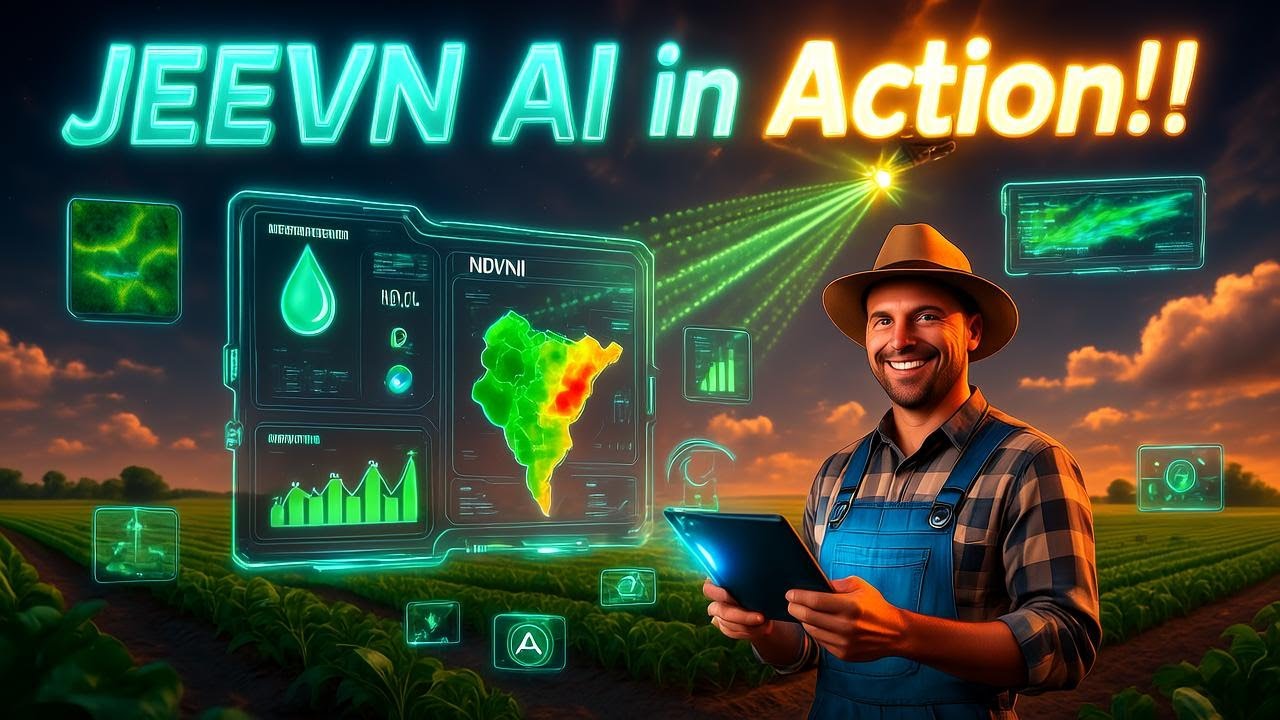
Moreover, the integration between ERP systems and governmental interfaces is streamlining access to vital agricultural loans and insurance, blockchain-based traceability, and subsidy documentation—eliminating paperwork bottlenecks and speeding up financial support for farmers.
Common Mistake
Many farmers still rely on generic ERP tools that lack agriculture-specific workflows. For maximum benefit, ensure your ERP software addresses crop cycles, compliance, and resource management unique to farming.
Agricultural Show Software: Powering Events & Partnerships
Agricultural show software is revolutionizing how trade shows, expos, and community events are managed in the increasingly digital global agriculture sector. These platforms provide:
- ✔ Online registration and participant management
- ✔ Booth allocation and digital floor planning
- ✔ Automated program scheduling for speakers, demos, forums
- ✔ Real-time visitor analytics and feedback collection
- ✔ Virtual reality and livestream for hybrid and remote participation
- ✔ Integrated networking tools to foster collaboration
By 2026, agricultural show software enables exhibitors to showcase new seeds, machinery, and digital tools to a global audience—expanding market reach and knowledge sharing.
Collaboration Highlight
Agricultural show software is not just about events—it’s a catalyst for collaboration among farmers, researchers, traders, and tech leaders, propelling the adoption of next-generation agricultural solutions worldwide.
Top 7 Agriculture Scale & ERP Software for 2026
To help you navigate the digital transformation sweeping agriculture, here’s a detailed feature and benefit comparison for the Top 7 platforms in scale, ERP, and show management software for 2026. This matrix is your go-to resource for selecting the right tools to enhance productivity, streamline farm management, and ensure sustainability.
| Platform Name | Core Features | Estimated Pricing Range (USD/ANNUM) |
Integration Capabilities | User Rating (Out of 5) |
Target Farm Size | Sustainability Impact (% resource savings) |
|---|---|---|---|---|---|---|
| Farmonaut | Crop & resource monitoring, yield analytics, fleet management, AI advisory, blockchain traceability, mobile/web/API access | $600–$2,500 | API, satellite, IoT, ERP, show platforms, Farmonaut API | 4.7 | Small to Large Farms, Enterprises, Governments | 25–40% |
| AgriScale Pro | Automated produce weighing, inventory control, supply chain traceability, ERP integration, mobile access | $350–$1,200 | ERP, digital scales, mobile apps | 4.5 | Small-Medium | 17–24% |
| AgriSoft ERP 360 | Comprehensive ERP, crop planning, compliance, AI/IoT, farm show module | $2,500–$9,000 | IoT, satellite, cloud, show platforms | 4.6 | Medium-Large | 23–35% |
| ShowConnect Agri | Show registration, virtual booths, real-time analytics, community engagement | $150–$1,000 | ERP, CRM, web/mobile | 4.4 | Any Size, Agri-organizations | 8–15% |
| CropChain X | Blockchain traceability, scale integration, ERP, compliance automation | $1,000–$4,500 | Blockchain, ERP, cloud, mobile/API | 4.3 | Medium to Large | 18–25% |
| YieldMax Suite | AI yield forecasting, input management, supply chain optimization, mobile snapshot dashboard | $1,200–$5,800 | IoT, ERP, cloud/web, show software | 4.5 | Small to Large | 21–31% |
| HarvestOps Cloud | Field activity scheduling, machinery monitoring, multi-farm analytics, show event planner | $900–$2,700 | ERP, show tools, cloud/mobile | 4.4 | Medium to Large | 15–22% |
Note: Feature highlights, pricing ranges, ratings, and sustainability impacts are estimates based on typical 2025-2026 offerings and industry reports.
🎯 Choosing the Right Agriculture Software for Your Needs
- ✔ Size & Complexity: Match platform features to your operational scale and compliance needs.
- ✔ Integration: Opt for solutions offering robust API, cloud, and ERP compatibility.
- ✔ Analytics & Reporting: Prioritize platforms with strong real-time and predictive analytics tools.
- ✔ Mobile Accessibility: Ensure remote access for your team wherever they are.
- ✔ Sustainability Goals: Choose software that helps monitor and reduce your environmental impact.
Farmonaut Special
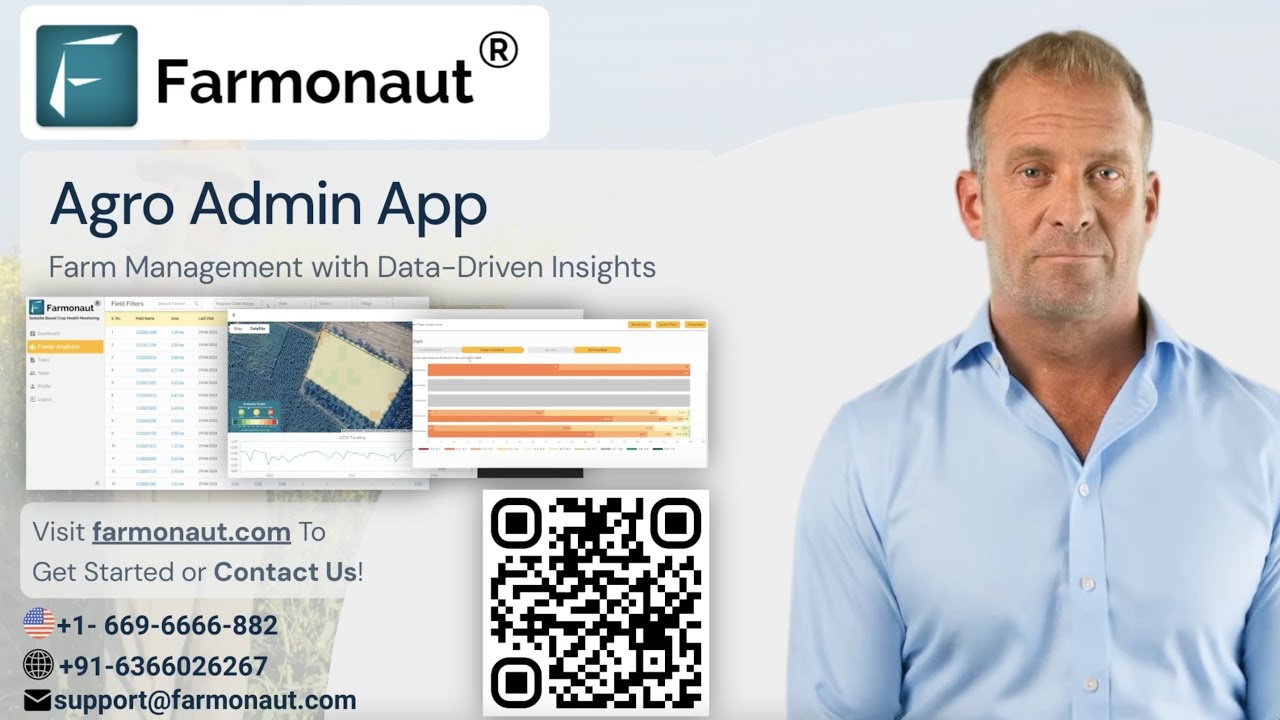
Start advanced satellite-powered monitoring with Farmonaut’s real-time web & mobile app suite—affordable, scalable, and packed with AI, blockchain, and fleet management to meet the unique needs of global agriculture.



Farmonaut’s Satellite-Powered Agricultural Solutions
At Farmonaut, we deliver advanced satellite technology for agriculture through accessible apps and APIs—empowering farmers, businesses, and governments to optimize crop yields, resource use, sustainability, and compliance.
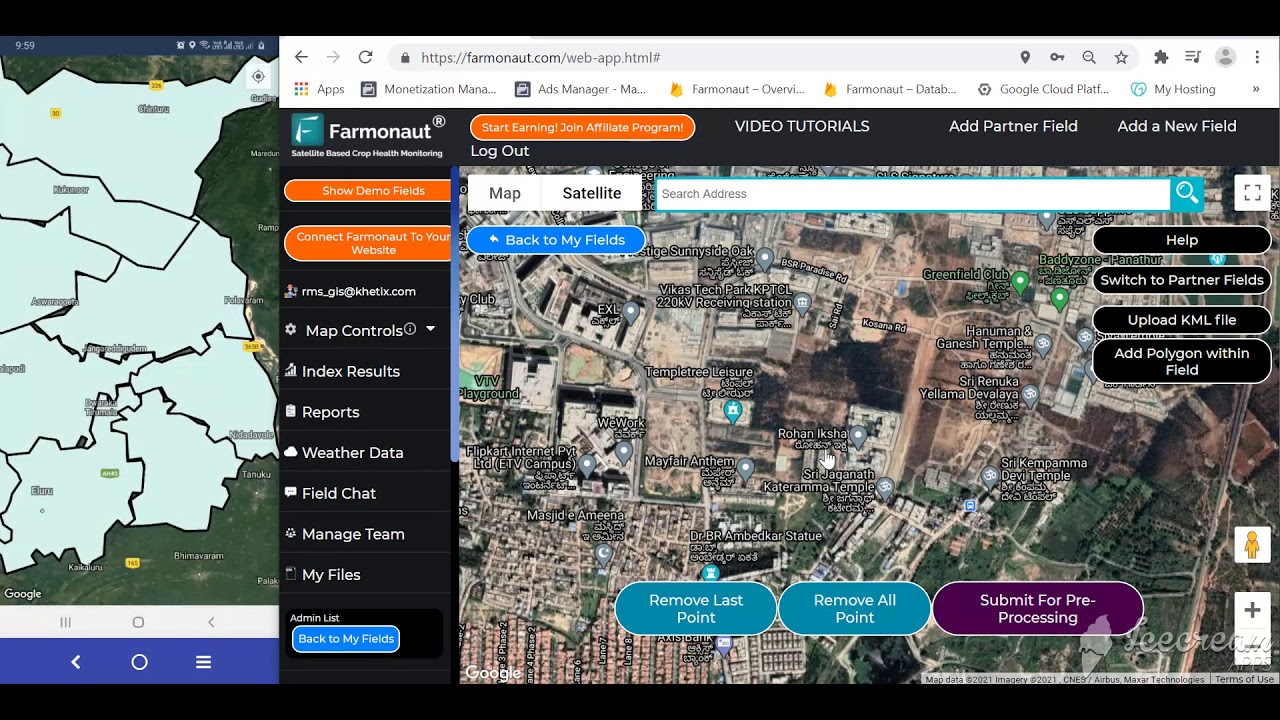
Our platform integrates satellite imagery, AI, and machine learning to deliver daily and historical analytics on carbon footprinting, yields, and soil/vegetation health. We support smallholders to large enterprises with large scale farm management tools for comprehensive digital transformation.
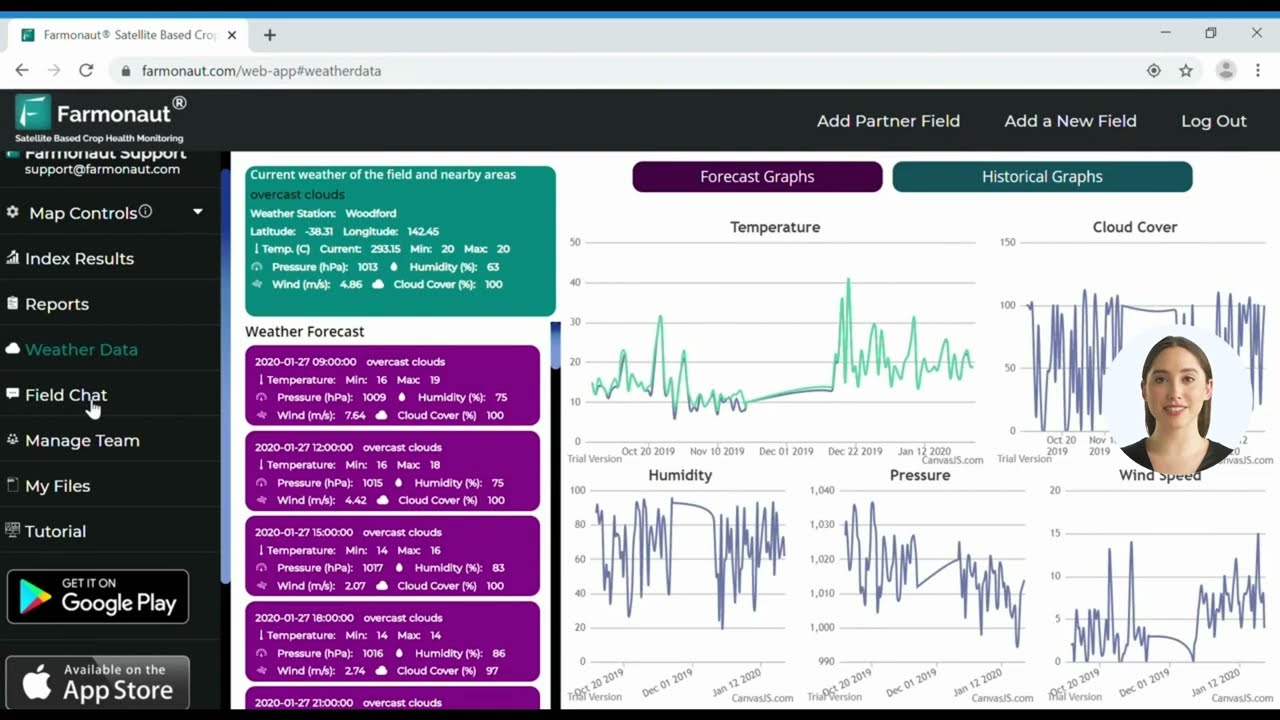
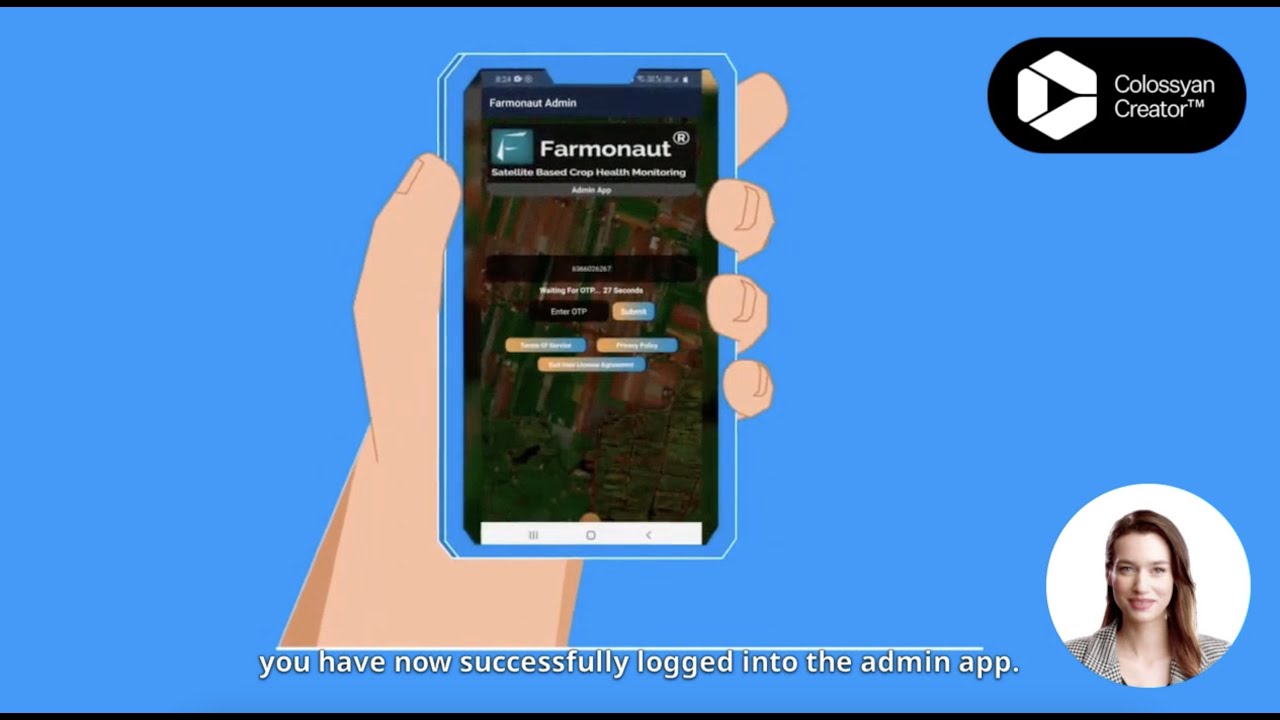
Accessible via Android, iOS, Web App, and API, we make real-time, actionable insights affordable and scalable for the entire agri-ecosystem.
API Spotlight
Developers and businesses can integrate Farmonaut’s data into any ERP or agricultural platform via our flexible API and developer docs.
The Broader Impact: Data, Sustainability, & the Future of Farming
The convergence of agriculture scale software, ERP software, and show software is not just a matter of convenience—it’s a vital step forward in facing the challenges of modern agriculture. By integrating accurate input and output data (scale software), streamlining management (ERP Software), and enabling knowledge exchange (show platforms), the sector is rapidly advancing toward:
- 📊 Data-driven resource optimization (fertilizer, water, machinery use)
- ✔ AI-based yield forecasting & risk management
- 🫱 Reduced environmental footprint through advanced carbon tracking tools
- ✔ Simplified regulatory compliance & subsidy access
- 🫱 Global market connectivity and real-time community engagement
These advancements are empowering farmers, agribusinesses, and supply chain stakeholders to build resilient, transparent, and sustainable food systems necessary to support a growing world population.
Sector Transformation
Agriculture in 2026 and beyond will be defined by real-time intelligence, connected supply chains, and digital collaboration—all enabled by powerful, integrated software solutions.
Frequently Asked Questions
What is agriculture scale software and why is it important?
Agriculture scale software automates the weighing and tracking of farm produce, eliminating manual errors and supporting transparent transactions. It is critical for supply chain traceability, yield analytics, and compliance with trade and regulatory standards.
How does agriculture ERP software differ from generic ERP systems?
Unlike generic ERP, agriculture ERP software is tailored for crop, fleet, and resource management—handling unique sector challenges such as seasonality, field activities, and agri-subsidy interface. 2026 trends include AI, IoT, and satellite integration for predictive insights and automation.
What are the biggest benefits of using agricultural show software?
Agricultural show software streamlines event logistics (registration, booths, programs), broadens global participation through virtual access, and provides powerful analytics to enhance ROI. It builds knowledge-sharing communities and accelerates technological adoption across agriculture.
How does Farmonaut support digital agriculture?
Farmonaut empowers users with satellite-driven crop monitoring, AI-based advisories, blockchain supply chain traceability, and comprehensive resource management—all accessible via Android, iOS, and web apps. Try our app or integrate via API.
Does digital software help with sustainability?
Absolutely! Integrated agriculture software platforms collect and analyze data to optimize fertilizer and water use, monitor carbon footprint, reduce waste, and ensure compliance—all driving systematic sustainability across global farming.
Conclusion: Embracing Agriculture’s Digital Future
The transition to digital tools is accelerating agriculture’s evolution into a highly efficient, intelligent, and sustainable global sector. Agriculture scale software, agriculture ERP software, and agricultural show software are pivotal in:
- ✔ Modernizing operations and minimizing manual bottlenecks
- ✔ Enhancing yields, profit margins, and market visibility
- ✔ Ensuring environmental and regulatory compliance
By embracing technology-driven farming practices, the world’s agriculture sector continues to undergo transformation—ensuring enough, safe, and sustainable food for generations to come.
Ready to lead the digital transformation in agriculture?
- ✔ Try Farmonaut’s satellite-powered platform for real-time, actionable insights
- ✔ Explore our blockchain traceability, fleet, and carbon management modules for holistic resource oversight
Explore more on our product pages:
Traceability |
Carbon Footprinting |
Large Scale Farm Management |
Crop Loan & Insurance
To access our full suite, download the app for Android or iOS, or get started with the Web App.
The agriculture sector’s future is intelligent, collaborative, and sustainable—and software innovation is the catalyst leading us forward.
Discussion
Questions, corrections or field experience? Share them below. First-time comments are reviewed before they appear, and your email is never published.
No comments yet. Be the first to add a question or your experience.

 WB Dev
 Sama Premium
 Mahaswami
 Prochecker
 Tres Valles
 LACOS Geoinformation
 Pulsar Supernova
 Magrifly
 LatConnect 60
 WebsEdge
 Blickwinkel
 Agricultural Credit Policy Council
 MCSOD
MCSOD Marei Nursery
 eKGIS
eKGIS Mostas Tech
 Andex
Andex FCF India
 Unifrutti Gulf
 Deluxe Conseil
 Licence holder · Niger · Gold
 Licence holder · Nigeria · Gold + lithium










