

Agriculture in Deserts: 2025 Innovations & Solutions
Table of Contents
- Introduction: The Urgent Need for Agriculture in Deserts in 2025
- Environmental Challenges of Desert Agriculture
- Desert Agriculture Trivia #1
- Water Management and Irrigation Innovations in Deserts
- Soil Improvement and Crop Selection for Arid Regions
- Innovative Technologies Transforming Agriculture in Deserts
- Comparison Table: Desert Agriculture Innovations 2025
- Desert Agriculture Trivia #2
- Farmonaut and Satellite-Based Desert Agriculture Solutions
- Sustainability and Climate Resilience in Desert Farming
- Socioeconomic Impacts and Future Prospects
- FAQ: Agriculture in Deserts 2025
- Conclusion: The Future of Agriculture in Deserts
- Farmonaut Subscriptions
Introduction: The Urgent Need for Agriculture in Deserts in 2025
Agriculture in desert environments has long been considered one of the world’s most challenging endeavors for farmers.
Deserts, with their harsh climatic conditions, extreme temperatures, scarce water resources, and poor soil fertility, have traditionally limited productivity and made farming in these areas extremely difficult.
However, pressing needs amid rising global populations and climate change impacts, growing food demand, and advances in technology have propelled a transformation. In 2025, agriculture in desert regions is being reimagined not only as a viable but an increasingly productive sector for future generations.
Environmental Challenges of Agriculture in Deserts
To fully appreciate the state and advances in agriculture desert in 2025, we must understand the core challenges faced by farmers in these unique environments:
-
Extreme Temperatures & Fluctuations:
Day-night temperature swings and frequent heat waves stress both crops and soils, affecting fertility and yields.
-
Low Annual Rainfall:
Arid lands receive less than 250 mm of rain a year, per the USGS, and many deserts far less, which greatly restricts water availability for irrigation and crop growth.
-
High Evaporation Rates:
– Intense sun causes rapid evaporation, leading to loss of moisture from soils and plants.
-
Soil Constraints:
– Sandy or rocky soils have minimal organic matter and poor nutrient retention.
– Salinization: Salt accumulates due to improper irrigation or natural desert processes, reducing soil fertility and hampering crop yields.
-
Scarce Water Resources:
– Water scarcity is one of the most significant constraints in agriculture in deserts. Efficient irrigation and freshwater management are essential.
-
Environmental Degradation & Erosion:
– Intense wind and water erosion can strip away fertile soils in these regions, complicating cultivation.
Given these constraints, the transformation of agriculture in the desert depends on a combination of innovative management practices, advanced technologies, sustainable resource use, and targeted crop selection.

Water Management and Irrigation Innovations in Deserts (2025)
Water is the “lifeblood” of agriculture desert success. In 2025, effective water management and irrigation technologies are at the forefront of transforming productivity in the world’s arid regions:
Key Innovations in Desert Water Management
- Drip Irrigation 2.0:
- Advanced drip systems deliver water directly to plant roots with minimal evaporation or runoff loss.
- Automated with AI-based soil moisture sensors and real-time data for optimized water use.
- Drip reaches about 90% field application efficiency, against about 60% for surface irrigation, per FAO.
- Desalination Powered by Renewable Energy (Solar Power):
- Cutting-edge, solar-powered desalination plants provide freshwater supply in coastal arid areas.
- Desalinated water is increasingly used for agriculture in the desert, especially in the MENA region and Gulf states.
- Reuse of Treated Wastewater:
- Municipal and industrial effluents are now treated and recycled for irrigation, expanding water availability with minimal freshwater use.
- Rainwater Harvesting and Groundwater Recharge:
- Innovative projects integrate rainwater storage, capturing rare precipitation events.
- Artificial infiltration and underground reservoirs help recharge depleted aquifers with minimal evaporation losses.
- IoT-Enabled Precision Water Application:
- AI, IoT sensors and data analytics optimize every drop: delivering irrigation only when and where needed for each crop.

Why does this matter?
Because effective water management is the single most critical constraint in desert agriculture—yet also the biggest opportunity for boosts in yields and sustainability.
Learn more about water-tech for arid farming in the desert: Farmonaut Crop, Plantation & Forest Advisory—our platform provides real-time moisture, soil, and irrigation insights via satellite to optimize resource management in agriculture deserts globally.
How can we grow food in the desert with less water?
Arid lands receive less than 250 mm of rain a year and semiarid lands 250 to 500 mm, according to the US Geological Survey, which puts about a third of Earth’s land surface in the desert category. Farming there works only if nearly every litre applied reaches the root zone. In practice that means five things:
- Use drip or micro-irrigation. FAO puts typical field application efficiency at about 90% for drip, 75% for sprinkler and 60% for surface irrigation (FAO). Drip was commercialised by Netafim, founded in 1965 in Israel’s Negev desert (Netafim).
- Schedule by soil moisture, not the calendar. Probes or satellite moisture and crop-stress data show when a block actually needs water.
- Cut evaporation. Mulch, shade netting and night irrigation reduce losses from the soil surface.
- Match crops to water. Sorghum, millet, barley, date palm and salt-tolerant crops need less, or poorer, water than rice or alfalfa.
- Add new water sources. Treated wastewater and, near coasts, desalinated water extend supply, but both cost more than fresh groundwater and need salinity management.
Greenhouses and hydroponics go further by recirculating water, at the price of higher energy and capital costs. For most desert growers, drip plus careful scheduling is the first and cheapest step.
Soil Improvement and Crop Selection for Arid Regions
Next to water, soil management is the other decisive factor for productive agriculture in desert environments. In 2025, a combination of organic amendments, biological interventions, and cutting-edge crop breeding are overcoming long-considered fertility limitations in deserts.
2025 Strategies for Enhancing Desert Soils
- Organic Matter and Biochar Addition:
- Adding compost, manure, and especially biochar increases moisture retention and nutrient supply.
- Soil microbial inoculants (beneficial bacteria, fungi) restore biological processes and improve structure.
- Conservation Tillage & Mulching:
- Minimal soil disturbance (no-till farming) reduces erosion and retains moisture.
- Surface mulching (crop residues, plastic films) shields soil from direct sun, lowering evaporation.
- Salt Management:
- Desalinization of soils and selection of salt-tolerant crops address persistent salinity issues.

High-Potential Crop Selection for Desert Environments
-
Drought-Resistant Varieties:
- Millet, sorghum, certain legumes, and hardy grains routinely outperform water-hungry staples.
-
Salt-Tolerant Crops (Halophytes):
- Barley, quinoa, Salicornia, and innovative genetically bred crops can thrive with saline soil and water.
-
Modern Breeding and Gene Editing:
- By 2025, cutting-edge tools like CRISPR and marker-assisted selection enable scientists to develop crops tailored to arid environments at unprecedented speed.

When combined with smart water and resource management, effective soil and crop solutions are fundamentally transforming agriculture in deserts into a viable and expanding sector worldwide.
Innovative Technologies Transforming Agriculture in Deserts
The integration of digital agriculture, remote sensing systems, and AI-driven tools stand at the heart of the 2025 desert agriculture revolution.
How Digital and Satellite Tech Powers Desert Agriculture
-
Satellite-Based Remote Sensing
- Satellites monitor crop health, soil moisture, and irrigation needs with NDVI/NDWI indices for vast, hard-to-reach areas.
- Farmonaut Carbon Footprinting—enables continuous environmental monitoring and carbon impact reduction for desert agriculture projects.
-
AI, IoT and Big Data Analytics:
- AI and machine learning systems analyze environmental data to optimize planting schedules, fertilizer and irrigation application, and predict pest outbreaks.
- IoT sensors, drones, and cloud platforms make smart farming scalable across large desert landscapes.
-
Controlled Environment Agriculture (CEA):
- High-tech greenhouses and indoor vertical farms allow year-round cultivation, minimizing water and nutrient losses, and shielding crops from extreme weather.
- Hydroponics, aquaponics, and aeroponics excel in farming in the desert—creating “oases of productivity”.
-
Blockchain for Traceability:
- Blockchain-based traceability tools support secure, transparent agricultural supply chains.
-
Fleet and Equipment Management:
- Fleet management solutions optimize logistics, reduce fuel waste, and ensure that expensive desert agriculture resources are used efficiently.
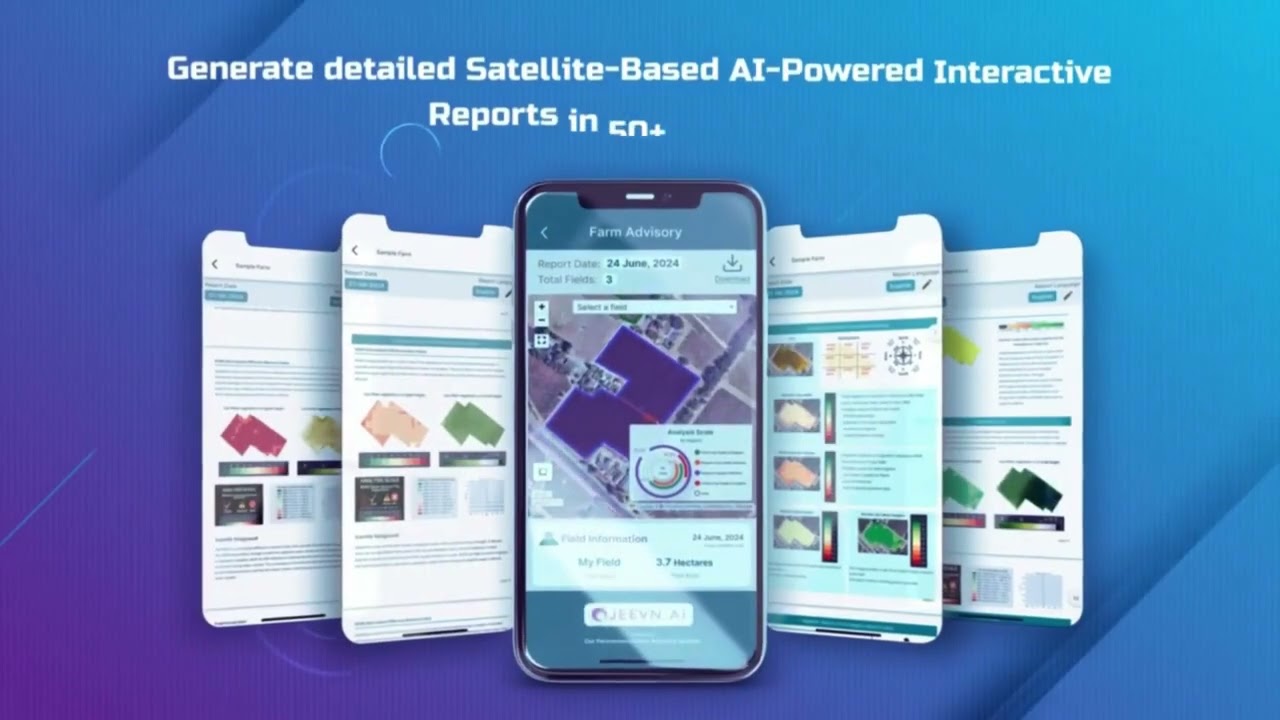
Comparison Table: Desert Agriculture Innovations 2025
Farmonaut and Satellite-Based Desert Agriculture Solutions
At Farmonaut, our core mission is to make satellite-driven insights affordable and accessible for farmers, businesses, and governments worldwide—especially in challenging environments such as desert agricultural regions. Our satellite-based API and developer tools allow the integration of earth observation, weather, and crop condition analytics directly into farm management and irrigation platforms.
Farmonaut’s technologies enable:
- Continuous crop health monitoring (NDVI/NDWI), detecting plant stress, and optimally scheduling irrigation, fertilizer, and pest management.
- Jeevn AI Advisory system delivers real-time, customized advice for desert farmers, integrating weather, moisture, and soil data to help optimize resource management.
- Blockchain traceability tools to ensure food supply chain security for desert agricultural products (learn more here).
- Fleet and equipment oversight to maximize efficiency and sustainability for large-scale operations (Fleet Management).
- Environmental impact monitoring (carbon footprinting) so arid region farming operations can reduce emissions and gain market/financier benefits (Carbon Footprinting).
We offer these services to individual users, businesses, and governments, from small farms in the Thar or Sahara Desert to mega-agriculture projects in the MENA or Southwest US.
Farmonaut apps:



Find our API information here: Farmonaut Satellite API and Developer Docs.
Sustainability and Climate Resilience for Desert Farming
The importance of sustainable agriculture in the desert cannot be overstated in 2025, especially as the planet faces escalating climate change impacts. Sustainability goes beyond resource efficiency—it means ensuring that food production in arid regions is resilient, regenerative, and low-carbon.
Top 2025 Sustainable Desert Agriculture Practices
-
Agroforestry and Perennial Systems:
- Integrating trees or woody plants alongside crops reduces wind erosion, creates microclimates, and improves biodiversity (e.g., date palm and intercropping).
-
Renewable Energy Use:
- Solar power for irrigation pumps, desalination plants, and even cold storage, minimizes energy costs and carbon emissions.
-
Carbon Sequestration:
- Soil building (through organic matter), perennial crops, and restoration of degraded lands capture and store more carbon.
-
Low Carbon Footprint Traceability:
- With Farmonaut’s Traceability, desert produce can prove its sustainability credentials to demanding global buyers.
-
Restoration Agriculture:
- Rehabilitating marginal lands in deserts (e.g., China’s Loess Plateau, India’s Rajasthan) yields socioeconomic and climate resilience benefits.

Agri-sustainability in deserts means resilience—not just for food security, but for ecosystem health, economic viability, and thriving local communities.
Socioeconomic Impacts and the Future of Agriculture in Deserts
Historically, desert regions have faced limited infrastructure, poverty, and food insecurity. In 2025, agriculture in the desert is increasingly recognized as a tool for social and economic transformation:
- Job Creation and Income Diversification: Desert farm projects provide local jobs and income in arid areas.
- Food Security: By boosting local food production, desert agriculture enhances community resilience to global supply shocks.
- Investment, Policy, and Technology Diffusion: New policies and private funding are spurring rapid adoption of advanced technologies in deserts, from North Africa to California and The Middle East.
- Boosting Access to Financing: Satellite-based verification (Farmonaut Crop Loan and Insurance tools) is reducing fraud and giving desert farmers better access to crop loans and insurance.
The future prospects for desert agriculture—driven by a strategic mix of innovation, sustainability, and resilience—are stronger than ever.
Farmonaut Subscriptions: Affordable Satellite Solutions for Desert Agriculture
We make desert agriculture innovation accessible for farmers, agribusinesses, and governments of all sizes.
Check our flexible subscriptions here:
FAQ: Agriculture in Deserts 2025
- Is agriculture in deserts really sustainable?
Yes; with modern technologies such as drip irrigation, solar-powered desalination, and careful soil and water management, desert agriculture can be both productive and ecologically responsible.
- What crops can grow well in deserts by 2025?
Drought-tolerant grains (millet, sorghum), salt-tolerant crops (barley, Salicornia), legumes, and many fruits & vegetables (in greenhouses) are thriving in modern desert farms. - How does Farmonaut help desert farmers?
We provide satellite insights, AI-driven advisories, environmental monitoring, traceability, and integrated farm management tools for resource and risk optimization in challenging desert environments.
- Are energy costs a problem for desert agriculture?
They can be. Solar power can lower the cost and emissions of pumping and cooling, but desalination and greenhouse cooling remain energy-intensive.
- Can small farmers in deserts use high-tech solutions?
Absolutely. Through affordable SaaS apps and APIs, like Farmonaut, satellite field monitoring and traceability tools can be used on small desert farms as well as large ones.
- How does irrigation efficiency in deserts compare with other regions?
Well-managed drip systems reach about 90% field application efficiency, per FAO, compared with about 60% for surface irrigation.
Conclusion: The Future of Agriculture in Deserts
Agriculture in the deserts is no longer viewed as a marginal or impossible pursuit: it is a vibrant, innovative, and strategic sector, crucial to global food security and environmental stewardship. Powered by data, technology, and holistic management, 2025 marks a turning point in how we view—and value—our planet’s arid regions for food production.
Smart water and soil management, renewable energy, precision agriculture, and advance monitoring technologies are not “future hopes”—they are today’s realities, making desert agriculture both sustainable and profitable. As we look ahead, the integration of traditional knowledge with high-tech solutions is key to unlocking deserts as the world’s new frontiers for resilient and sustainable farming.
For advanced, affordable satellite and AI tools for agriculture in deserts, Farmonaut Large Scale Farm Management is ready to help farmers, agri-businesses, and governments ensure a more food-secure future.
Explore Farmonaut’s satellite-based solutions for agriculture in desert environments and join the future of resilient, productive farming today.

 Raketla
 Polaris Digitech
 Teledarbas
 Wild Oak Farm
 SFX
SFX BACF Africa
 Doodlakine
 Exurbia Geospatial
 FieldZero
 Indico Company
 Kubota
 FFBS
FFBS Jontra
 Tucor
Tucor
