

Desert Farming Technology: 7 Powerful Innovations for 2025
“Drip irrigation can reduce water usage by up to 60% in desert farming compared to traditional methods.”
Agriculture and food security are at a crossroads in the 21st century, with desert farming technology emerging as a critical answer to the challenges posed by climate change, dwindling water resources, and rapidly growing global population. The rapidly expanding arid and semi-arid lands worldwide threaten our traditional agricultural regions. Yet, advanced technology farming agriculture is now enabling new, vibrant production landscapes in places previously deemed too harsh for cultivation.
As we approach 2025 and beyond, desert farming technology is transforming how we manage water, soil, crop selection, and irrigation systems. Integration of digital tools, AI-driven analytics, precision sensors, genetic innovations, and renewable energy sources is unlocking sustainable yields and resilience, even under extreme and arid conditions. Welcome to the new frontier of technology in agriculture farming, where deserts aren’t the end of opportunity—they’re the beginning.
In this blog, we’ll explore:
- Key challenges facing farming in deserts and arid regions
- 7 powerful innovations in desert farming technology reshaping 2025
- Comparative technology table for easy reference
- Future trends and impacts for sustainability, yields, and global food security
- How Farmonaut® (satellite-based agri-management) is enabling digital transformation in desert farming
- Actionable insights for farmers, agribusiness, policymakers, and technology developers



Understanding Desert Farming Challenges
Desert and arid regions pose unique challenges that impact every aspect of agriculture. Let’s break down why farming in desert landscapes traditionally struggled, why innovation is mandatory, and how technology in agriculture farming overcomes nature’s limitations.
- Extreme Temperature Fluctuations: High daytime heat and cold nights stress crops. Climate unpredictability affects plant growth cycles.
- Scarce and Erratic Rainfall: Precipitation may be less than 250 mm annually. Droughts are frequent and rainfall timing is uncertain.
- Poor Soil Fertility: Desert soils are low in organic matter, with poor structure and weak nutrient-retention capacity.
- High Evaporation Rates: Intense heat accelerates water loss from soil and irrigation.
- Limited Water Availability: Fresh groundwater or surface water sources are rare and often overexploited.
- Salinity: Both soil and available water may be saline, damaging conventional crops and systems.
- Logistics & Access: Remote regions lack infrastructure, electricity, and connectivity for farmers.
Solution? Desert farming technology must:
- Optimize every drop of water using advanced irrigation and remote monitoring
- Enhance soil structure or adopt alternative soilless methods
- Leverage climate-smart crops and adapt management to heat, saline environments, and nutrient deficiency
- Integrate renewable energy to run farms sustainably
- Harness digital & AI tools for predictive analytics, transparency, and resource use optimization
7 Powerful Innovations in Desert Farming Technology for 2025
How are we transforming this harsh frontier? Here are the seven leading innovations empowering farming in deserts in 2025:
1. Precision Irrigation Systems: The Bedrock of Water Efficiency
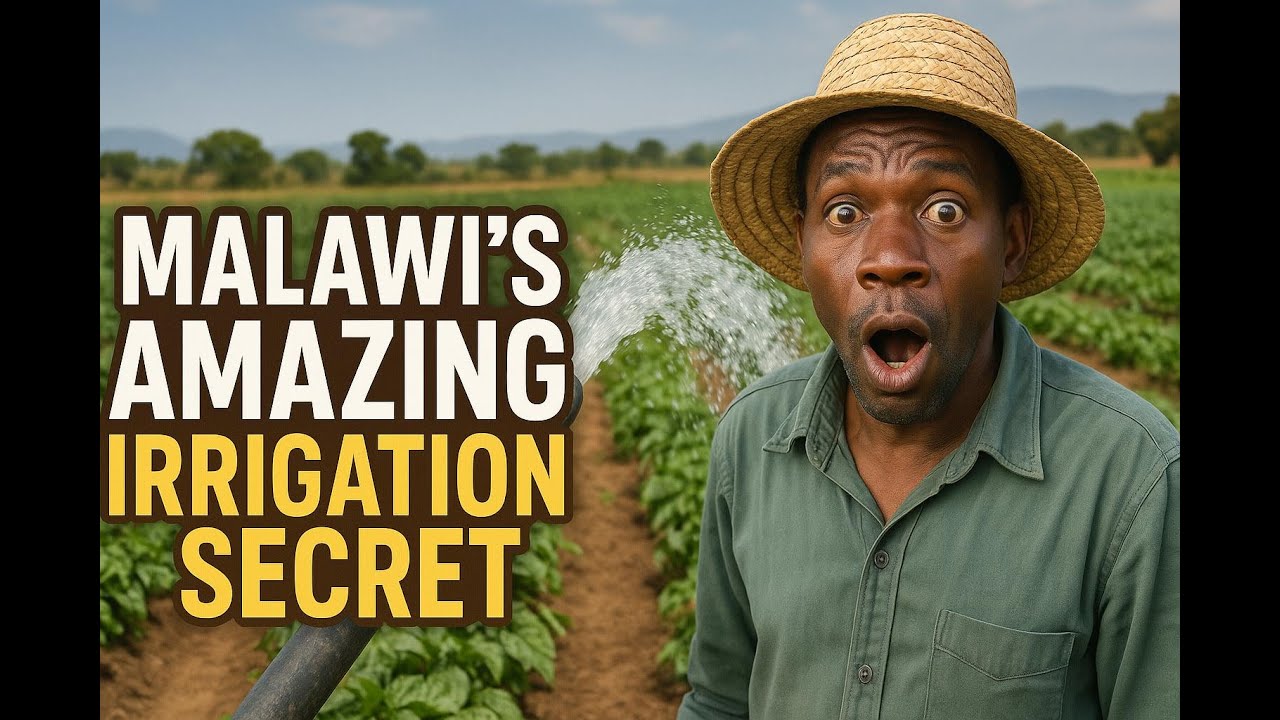
Efficient water management is the lifeblood of desert agriculture. Modern precision irrigation, including drip irrigation and subsurface methods, delivers water directly to plant roots—reducing evaporation and runoff by up to 60%. These systems use sensors, IoT devices, and smart controllers to match real-time plant needs, monitor soil moisture, and dynamically adjust flows.
- Key Features:
- Drip lines under mulch or soil
- Integrated AI-driven scheduling (linked to weather data and crop needs)
- Moisture sensors & remote analytics
- Impact: Up to 50–60% water savings; 20–40% yield improvement; enables year-round production in deserts

Discover more about the power of precision irrigation and AI-driven water management in the video above.
2. Soil Improvement, Hydroponics & Alternative Growing Methods
Because desert soil is poor and low in organic matter, direct improvement strategies unlock productivity. Soil conditioners, compost, biochar, and inoculation with beneficial microbes (mycorrhizal fungi) can enhance nutrient cycling, improve water retention, and restore vital soil structure.
For even greater resource efficiency, hydroponics and soilless systems like aeroponics and aquaponics are being integrated. These innovations allow farming in controlled environments (greenhouses, vertical farms), using nutrient-enriched water and requiring up to 90% less water than traditional methods. They thrive in arid and urban environments, unaffected by external climate.
- Benefits: Year-round output, scalable in deserts and cities alike
- Resource Use: Maximizes water and nutrient efficiency—minimal land and almost zero pesticide use
- Example: Hydroponic greenhouses in the UAE and Israel’s Negev desert supplying fresh produce
3. Renewable Energy Integration: Powering Desert Farms Sustainably
Deserts are ideal for solar power and renewable energy adoption. Solar panels drive pumps, greenhouses, and even desalination units for irrigation water—cutting costs and carbon emissions. In remote places with no grid, off-grid solar and wind systems now enable farming in previously inaccessible environments.
Integration with AI-driven farm management platforms also helps optimize energy use in automated greenhouses and vertical farms.

Solar-powered desalination units can produce over 1,000 liters of fresh water daily for arid region agriculture.
4. Crop Selection & Genetic Innovations: Breeding Resilience for the Desert
Choosing the right crops is vital for farming in desert lands. Traditional crops like millet, sorghum, date palm, and legumes tolerate heat and scarcity. Modern biotechnology is extending these options using gene editing (CRISPR), marker-assisted breeding, and seed coating technologies.
- Traits Targeted: Drought tolerance, salinity resistance, heat stress, and efficient nutrient uptake
- Value: Boosts productivity and extends the crop portfolio for evolving climates
- Seed coating delivers nutrients and beneficial microbes, ensuring better starts in harsh conditions
- Learn about smart crop advisory & plantation choices with digital decision support
5. Digital Agriculture & Remote Sensing: Farming Powered by Data
Digital transformation is central to smart desert farming technology in 2025. Satellite imagery, AI-driven sensors, drones, and cloud-based analytics now empower precision management. Farmers gain real-time data on crop health, weather, soil moisture, and resource needs—allowing instant corrective action while maximizing efficiency.
- Real-time monitoring of crop health (NDVI), soil, weather, and irrigation status
- AI and machine learning algorithms predict disease, optimize nutrition, and forecast yields
- Satellite solutions extend to remote and large-scale farms

Our platform provides satellite-based crop health monitoring and AI-powered insights, integrating NDVI, soil moisture, weather tracking, and personalized advisory. With an easy-to-use web, Android, or iOS interface, farmers and agribusinesses can revolutionize farm management across any size or remote location.
Try the Farmonaut Platform →

Our Jeevn AI-powered advisory system brings data-based, personalized guidance for every farmer. From planting to irrigation, nutrient planning, and risk warnings, AI in agriculture is the keystone of smart desert farming technology as we head into 2025.
6. Water Harvesting & Desalination Technologies
Harnessing every available drop is vital in deserts. Innovative water harvesting techniques—from fog nets (condensing atmospheric moisture) and micro-catchment basins, to large underground cisterns—capture and store scarce rainfall for future irrigation.
Desalination units, often solar-powered, now convert saline & brackish groundwater or seawater into irrigation-ready supply, opening up new arid regions for sustainable farming. Modern units provide over 1,000 liters of fresh water daily, making coastal and salinity-affected lands productive again.
- Integration with drip irrigation and water recycling extends usage even further
- Farmonaut® Large Scale Farm App: For precision water management across vast and scattered fields
“Solar-powered desalination units can produce over 1,000 liters of fresh water daily for arid region agriculture.”
7. Blockchain & Product Traceability for Desert Agriculture
Ensuring food safety, compliance, and market access is increasingly critical for desert-grown produce. Blockchain technology brings full transparency and trust from farm to fork, recording every stage of the product’s journey.
- Prevents fraud, ensures quality, and provides transparency for consumers and agribusiness buyers
- Especially valuable for export markets relying on data-driven food safety verification
- Discover Farmonaut® Blockchain Traceability—maximize your product’s credibility

Comparison Table of Leading Desert Farming Technologies
| Technology Name | Year of Introduction (Est.) | Key Irrigation/Innovation Feature | Estimated Water Savings (%) | Estimated Yield Improvement (%) | Scalability (Farm Size) | Environmental Impact | Example Regions Used |
|---|---|---|---|---|---|---|---|
| Precision Drip Irrigation | 1960s; Modern AI-enabled: 2015+ | AI-driven, remote drip system | 50–60% | 20–40% | Small to Large | Low (efficiency + conservation) | Israel, UAE, India (Rajasthan), Egypt |
| Hydroponics/Vertical Farming | 1980s; Mainstream: 2010+ | Nutrient water, soilless, CEA | Up to 90% | Up to 50% | Urban, Small, Medium | Low (reduced land/water use) | UAE, Saudi Arabia, California |
| Renewable Energy Integration | 2000s+ | Solar-powered pumps, greenhouses | 40–70% (off-grid pumping & desal) | Varies (10–30%) | Small to Large | Low (carbon-neutral) | Australia, Middle East, Africa |
| Genetic & Crop Selection Innovation | 2010+ (CRISPR: 2015+) | Drought/saline-resistant breeds | 20–35% | 15–50% | All sizes | Moderate (biodiversity impact) | India (Thar), Africa, Israel |
| Digital Ag & Remote Sensing | 2015+ | Satellite, AI, drones | Up to 40% (input & water) | 10–35% | Scalable | Low | Global: US, Israel, Australia, Africa |
| Water Harvesting & Desalination | 2010+ advanced units | Fog nets, cisterns, solar desalination | 50–70% extension of supply | 10–40% | Varies | Low–Moderate | Morocco, UAE, Chile |
| Blockchain Traceability | 2018+ | Supply chain transparency | N/A | Market value + premium pricing | All sizes | Low | Europe, Middle East, North America |
How Farmonaut Empowers Desert Farming in 2025
At Farmonaut, we are dedicated to making precision agriculture affordable and accessible for farmers in all regions—including challenging deserts and arid zones. Our technology-first, data-driven tools remove many of the obstacles previously faced in desert farming technology.
- Satellite-Based Crop Health Monitoring: With multispectral satellite images, our platform offers real-time tracking of NDVI, soil moisture, and crop stress—helping optimize irrigation, fertilization, and resource allocation.
- Jeevn AI Advisory System: Delivers personalized, AI-based farm advisory straight to your phone, tablet, or web dashboard for data-driven crop management, risk alerts, and efficiency optimization.
- Blockchain-Based Traceability: Our systems enable traceability from planting to consumer, increasing transparency and value in markets that require verifiable records. Learn more here.
- Resource & Fleet Management: Efficient operations depend on tracking and optimizing farm machinery and input use. Explore our Fleet Management solution.
- Carbon Footprinting: Track and reduce environmental impact with real-time data on emissions, promoting sustainable practices.
- Farm-Finance Solutions: We help farmers and lenders with secure, satellite-based verification for crop loans and agricultural insurance.
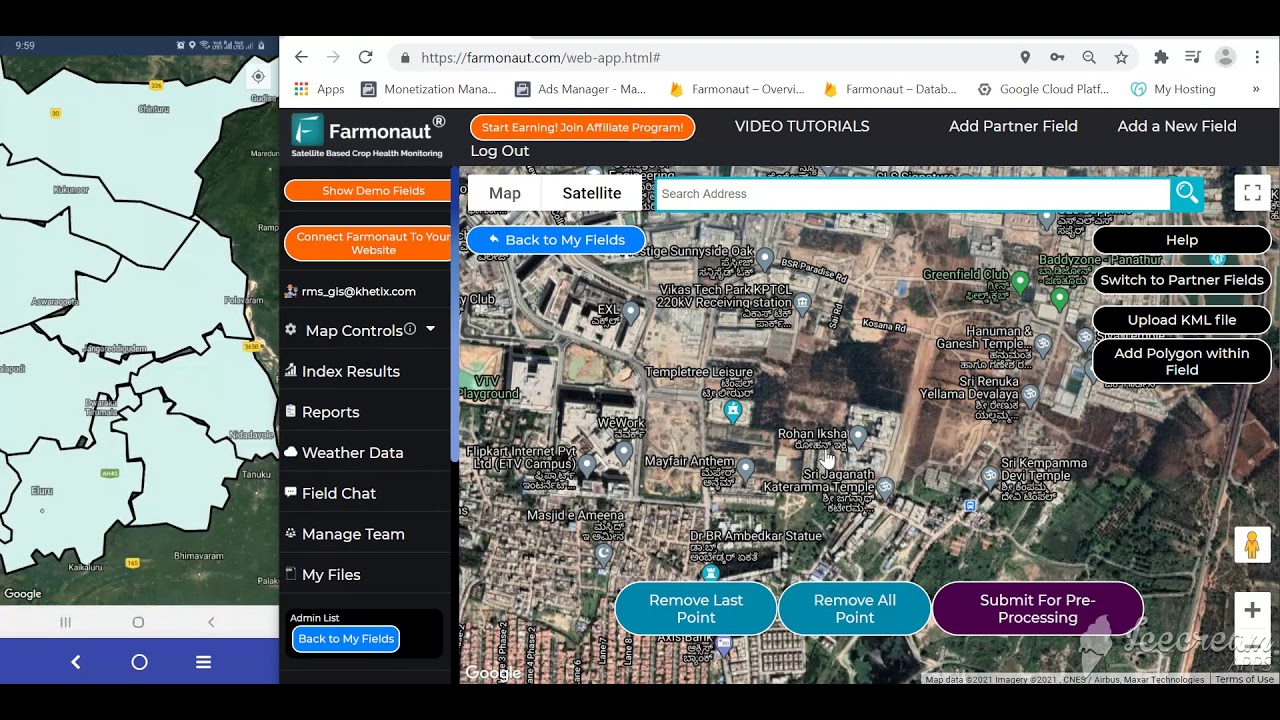
Designed for agribusinesses and farming cooperatives across vast tracts of land—including deserts and arid conditions. Manage multiple plots, monitor large-scale crop health, and optimize irrigation/water management, all from one integrated digital platform.
Learn about Farmonaut’s Large Scale Management App
Future Trends and Opportunities in Desert Agriculture
Heading into 2025 and beyond, desert farming technology will continue to evolve, driven by digital platforms, robotics, AI, biotechnology, and synergetic sustainability approaches. Here are key transformative trends to watch:
- Autonomous Farming Robotics: Robotic systems for planting, weeding, harvesting, and targeted input delivery are reducing labor dependency and improving efficiency even in the most extreme conditions.
- AI-Driven Crop Management Platforms: Personalized farm management plans will become standard, with continuous multi-source data streamed from sensors, satellites, and drones.
- Integrated Desert Agroforestry: Blending perennial woody crops with annuals to create microclimates, sequester carbon, and rejuvenate soils—all monitored via remote sensing.
- Circular Water-Energy-Carbon Systems: Recycling organic waste and water on-site to fuel energy production (biogas), produce fertilizer, and achieve near-zero emissions.
- Urban Desert Farming Expansion: Rooftop and vertical farms rising in cities across arid regions—reducing food transport and delivering fresh produce locally year-round.
Environmental and Socioeconomic Impact
Desert farming technology doesn’t only increase yields—it also delivers transformative environmental and economic benefits:
- Food Security: Sustainable expansion into arid lands supports growing populations.
- Livelihood Creation: High-tech agriculture brings jobs and skills to rural deserts.
- Resource Conservation: Precision and digital management reduce water and chemical inputs, protecting scarce resources.
- Climate Change Mitigation: Integrating carbon tracking and reforestation (agroforestry) helps sequester carbon.
- Landscape & Ecosystem Restoration: Technologies rehabilitate degraded soils and prevent new desertification.
The role of policy, financing, research, and farmer capacity building remains crucial. As technology farming agriculture expands, it will be vital that smallholders and marginalized dryland communities are fully included.
Frequently Asked Questions: Desert Farming Technology in 2025
Q1: What is the most critical innovation in desert agriculture for 2025?
Precision irrigation—especially AI-driven, remote-controlled drip irrigation with moisture sensors—is the game changer. It optimizes every drop of water for maximum crop growth and sustainability in arid conditions.
Q2: How do hydroponics and vertical farms benefit desert regions?
These soilless, controlled-environment systems drastically reduce water usage (up to 90%) and enable year-round, pesticide-minimized vegetable production—even in cities and peri-urban desert zones.
Q3: How does Farmonaut help farmers in challenging desert landscapes?
Farmonaut empowers farmers with real-time, satellite-based crop monitoring, AI-powered farm advice, blockchain traceability, and resource management—making data-driven precision accessible to all.
Q4: Can renewable energy fully power desert farms?
Yes! Solar and wind now power irrigation, greenhouses, and desalination. Farms in off-grid or remote desert areas are increasingly energy independent, affordable, and carbon-neutral.
Q5: What are the top resources for learning more or starting with technology-driven desert farming?
- Farmonaut Web/App: For satellite precision agriculture in deserts
- Farmonaut Satellite API: For integrating deep digital analytics into your ag management stack
- Farmonaut Carbon Footprinting: For sustainable, environmentally responsible operations
- Farmonaut Traceability: For supply chain assurance and premium markets
Farmonaut Subscription Plans
Whether you manage a smallholding or a vast desert agribusiness, Farmonaut’s flexible, subscription-based platform and open API can scale to your needs. Explore package options with real-time, satellite-powered precision agriculture.
Conclusion: Desert Farming Technology and the Future of Agriculture
The future of global agriculture and food security depends on transforming arid landscapes through the thoughtful application of desert farming technology. Thanks to relentless scientific and technological innovation, farming in desert regions is now both possible and sustainable. Precision irrigation, digital crop monitoring, green energy, alternative growing systems, advanced genetics, and data-driven management give us the tools to boost yields, conserve resources, and restore ecosystems.
Farmers, agribusinesses, and policymakers who adopt these innovative techniques will gain resilience to climate change and shifting markets. At Farmonaut, our mission is to make advanced technology in agriculture farming accessible for all—empowering every farmer with data, AI, and transparency.
Embrace the frontier. Transform your desert farm into a sustainable success story for 2025 and beyond!

 Tres Valles
 LACOS Geoinformation
 Pulsar Supernova
 Magrifly
 LatConnect 60
 Disease Free Life
 WebsEdge
 Blickwinkel
 Agricultural Credit Policy Council
 MCSOD
MCSOD Marei Nursery
 eKGIS
eKGIS Mostas Tech
 Andex
Andex FCF India
 Unifrutti Gulf
 Deluxe Conseil
 WICO
WICO
