

Agritech Hub: 5 Ways Agriculture Hubs Boost Innovation

- Introduction: The Rise of Agriculture, Farming, and Agritech Hubs
- What Is an Agriculture Hub? The Heartbeat of Innovation
- 5 Ways Agritech Hubs Drive Innovation
- Comparative Benefits Matrix: Agritech Hubs in Action
- Key Components of a Successful Agriculture Hub
- Impacts on Sustainability, Productivity, and Economy
- How Farmonaut Empowers Modern Agriculture Hubs
- Essential Callouts and Highlights
- Visual Lists: Real-Life Benefits of Agriculture Hubs
- Frequently Asked Questions
Introduction: The Rise of Agriculture, Farming, and Agritech Hubs
Agriculture is more than a profession—it’s a lifeline anchoring the world’s food security, rural prosperity, and ecological balance. In the twenty-first century, the sector faces an unprecedented convergence of challenges and opportunities: rising global food demand, labor shortages, resource scarcity, and climate unpredictability. Modern solutions command us to rethink the traditional farm and embrace collaborative innovation.
Agritech hubs—also known as labor hubs for agriculture, agriculture hubs, farming hubs, and urban farming hubs—are rapidly emerging as the epicenters of transformation. By centralizing skilled labor, precision agri-tech, resource management, and market linkages, these hubs reimagine the very fabric of farming, forestry, and allied industries.
In this comprehensive guide, we examine what makes an agritech hub the heartbeat of innovation in agriculture and forestry, investigate the five ways such hubs drive progress, spotlight the pivotal role of a labor hub for agriculture, and explain how satellite-driven platforms like Farmonaut turbocharge this evolution.
What Is an Agriculture Hub? The Heartbeat of Innovation
A labor hub for agriculture—often framed as an agriculture hub, farming hub, agritech hub, or urban farming hub—is a dynamic center that centralizes skilled labor, streamlines knowledge transfer, and enhances operational efficiency. Its purpose is to elevate productivity not just on an individual farm but throughout entire ecosystems spanning farming, forestry, agroforestry, and even mineral-backed industries.
This concept goes well beyond mere employment. The hub acts as a strategic platform connecting farmers, technicians, agronomists, scientists, researchers, and policymakers. Together, they accelerate innovation, streamline adoption of sustainable practices, and address the resource-intensive needs across sectors.
Core Functions and Benefits of a Labor Hub for Agriculture
- ✔ Workforce Optimization: Coordinates training, certification, and placement of specialized professionals (e.g., agronomists, horticulturists, soil scientists, machinery technicians), aligning skill sets with crop and forestry needs to reduce downtime, improve harvest quality, and lower operating costs.
- ✔ Skill Development & Knowledge Diffusion: Fosters continuous education through programs, field demonstrations, and on-site laboratories. Enables all stakeholders to stay abreast of the latest digital tools and techniques.
- ✔ Technology Adoption & Testing: Provides makerspaces, test plots, and access to pilot programs for innovations—from robotic weeding to advanced sensors and satellite monitoring.
- ✔ Supply Chain & Market Linkages: Connects input suppliers, processors, and buyers. Shared equipment pools and procurement reduce capital barriers for smallholders and rural operators.
- ✔ Sustainable Resource Management: Integrates environmental stewardship via precision analytics, water management, and biodiversity-enhancing techniques.
5 Ways Agritech Hubs Drive Innovation
How do agriculture hubs and agritech hubs truly transform the ecosystem for farmers and related industries?
-
Precision Agritech & Real-Time Data Solutions
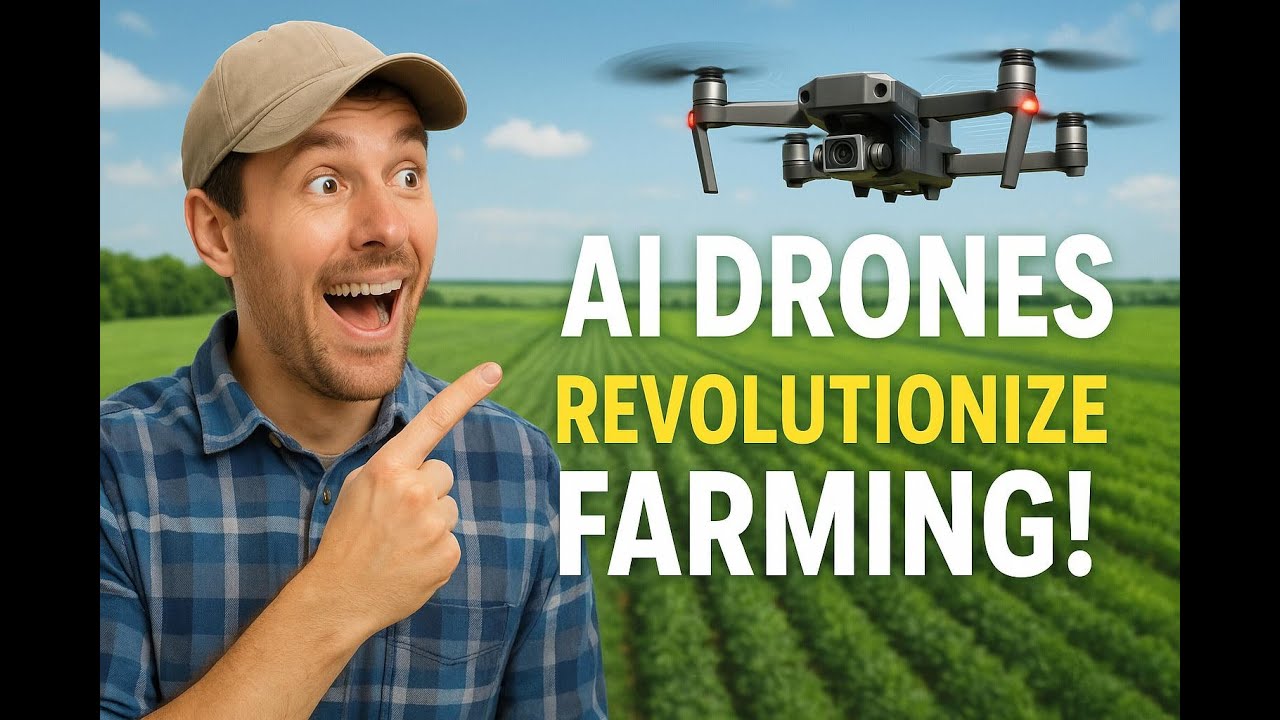
Advanced agriculture hubs deploy precision agritech—satellite-driven analytics, IoT sensors, and AI models—to monitor field, soil, and crop health in real time. Solutions like remote diagnostics, nitrogen mapping, and pest prediction reduce input waste and enable timely interventions.

-
Workforce Optimization & Skill Diffusion
Hubs centralize specialized training, certification, and knowledge diffusion. Whether it’s teaching farmers about precision irrigation, training machinery technicians in advanced maintenance, or enabling researchers and policymakers to collaborate, skills are continuously updated and matched to regional needs.
-
Testing Grounds for Innovation & Technology Adoption
Every agriculture hub acts as a live-in lab—piloting smart equipment, validating new crop varieties or soil amendments, and demonstrating next-gen practices such as robotic weeding or automated supply chain monitoring. These “sandbox” spaces de-risk technology investment.

-
Resource & Environmental Management
Hubs introduce evidence-based conservation practices—precision irrigation, water quality analytics, soil health restoration, and biodiversity mapping. This dimension aligns production gains with environmental stewardship and sustainable land management.
-
Supply Chain and Market Linkages
By acting as a nexus for input suppliers, service providers, buyers, and processors, agriculture hubs unlock cooperative procurement, equipment sharing, and efficient information flow. This stabilizes market access and ensures smaller, rural enterprises are not left behind.
Comparative Benefits Matrix: Agritech Hubs in Action
| Innovation Aspect | Estimated Productivity Gain (%) | Environmental Impact | Technology Example | Sustainability Benefit |
|---|---|---|---|---|
| Precision Agritech | +30% | -30% water use | Satellite remote sensing, NDVI monitoring | Increased yield, reduced water & fertilizer inputs |
| Skilled Labor Optimization | +15% | -20% machinery downtime | AI-driven training, digital certification platforms | Higher harvest quality, lower maintenance costs |
| Resource Management | +20% | -25% soil degradation | Precision irrigation systems, soil analytics | Soil health restoration, resilience to drought |
| Technology Testing & Adoption | +12% | -40% adoption risk | Pilot projects, equipment demo plots | Faster innovation uptake, cost-effective scaling |
| Market Linkages | +18% | -15% post-harvest losses | Digital supply chain platforms, blockchain traceability | Stable income, reduced market volatility |
Key Components of a Successful Agriculture Hub
A successful labor hub for agriculture—be it a rural agriculture hub or a forward-thinking urban farming hub—integrates the following structural components to maximize its impact across farming, forestry, and related industries:
- ✔ Physical & Digital Infrastructure: Blended facilities for on-site demonstrations, classrooms, and laboratories are combined with powerful digital platforms for remote monitoring, online training, and secure blockchain-based traceability of input supply and product flows.
- ✔ Multidisciplinary Teams: Including agronomists, soil and plant health scientists, forestry specialists, veterinarians, equipment maintenance technicians, data scientists, and extension officers, hubs foster holistic problem-solving across the agriculture value chain.
- ✔ Localized & Scalable Programs: Curricula and extension services are tailored for regional crop calendars, local market realities, and rural communities—yet designed to scale as successful models for other regions.
- ✔ Public-Private Partnerships: Collaboration with research institutions and technology providers enables access to the latest tools and credible standards. (Note: Farmonaut does not engage in partnerships but provides technology solutions.)
- ✔ Inclusive Outreach: Youth, women, and marginalized rural groups are empowered with skill-building programs, micro-credentials, and micro-financing access, ensuring broad participation in modern agriculture and forestry.

Vital Elements for an Operational Agriculture Hub
- ✔ Continuous Learning & Demonstrations: Regular field demonstrations and innovation fairs, using real-world plots, maker-space laboratories, and model farms within the hub.
- ✔ Knowledge Transfer & Extension: Digital and on-site extension programs ensure that key findings, research data, and prototype experiences are made accessible to all hub participants.
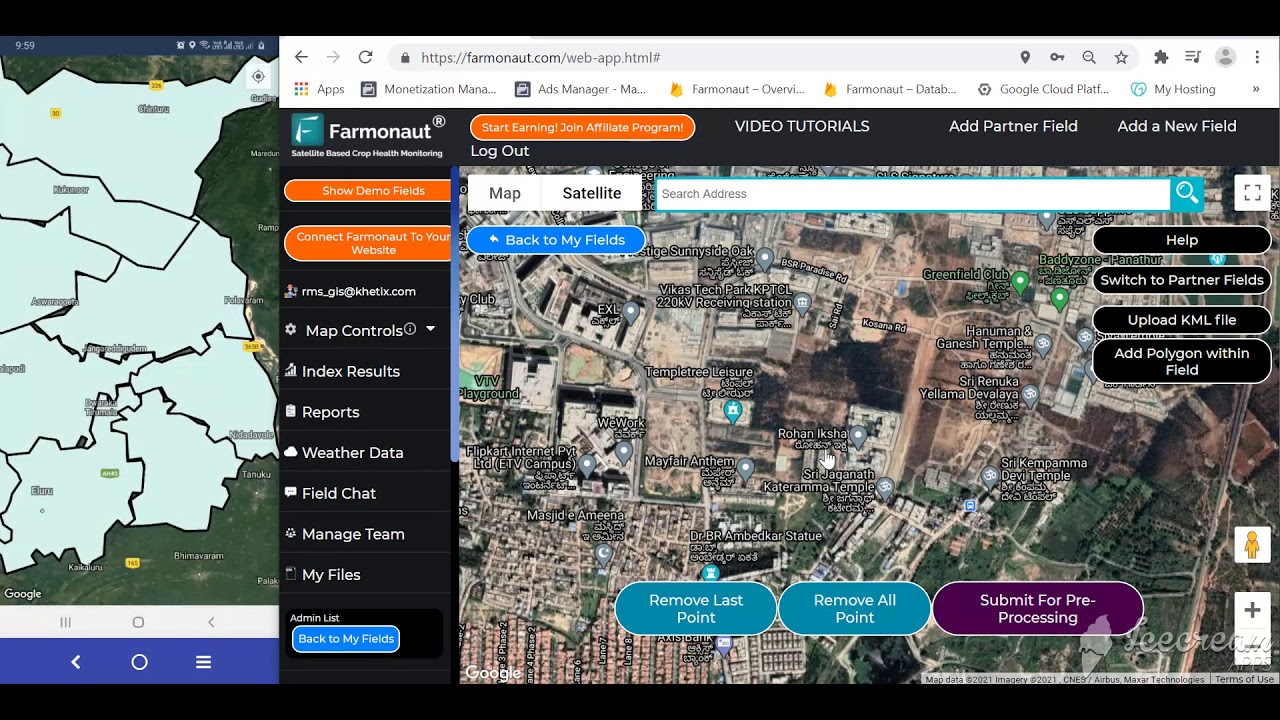
- ✔ Technology Platform Integration: Use of satellite imagery, precision analytics, AI-based advisory tools, and mobile applications for remote and real-time agricultural support.
Impacts on Sustainability, Productivity, and Economic Resilience
Agritech hubs are not just about integrating new devices or algorithms—they transform structural realities by amplifying sustainability, strengthening economic resilience, and accelerating the flow of innovation.
Let’s break down the far-reaching impacts of a modern labor hub for agriculture on:
✔ Productivity and Yield Improvements
- 📊 Yield Increases: Data-driven practices boost crop yields by 20-30% through precise nutrient delivery, pest management, and optimized irrigation.
- 📊 Resource Efficiency: Timely interventions to address deficiencies or disease dramatically reduce waste and operational costs.
✔ Economic Resilience and Market Stability
- 📊 Skilled Labor Access: Quick access to trained technicians and service providers cushions farms against unpredictable labor shortages.
- 📊 Market Reliability: Digital supply chain hubs and blockchain-based traceability reduce instances of post-harvest loss and market fraud.
✔ Environmental Stewardship and Sustainability
- 🌱 Biodiversity Support: Agroforestry integration and habitat mapping support long-term ecosystem services and wildlife corridors.
- 🌱 Soil and Water Health: Satellite-driven monitoring, precision soil sampling, and conservation analytics restore soil fertility and manage water resources responsively.
Learn more about how you can analyze your farm’s environmental footprint with Farmonaut’s Carbon Footprinting Platform
✔ Innovation Pipeline Acceleration
- 📊 Fast-Track Research Adoption: On-site piloting and digital demonstration platforms ensure innovative practices reach the field swiftly.
- 📊 Continuous Up-skilling: Micro-credentialed learning programs ensure that the workforce is always up to date with the latest advances in agritech.
How Farmonaut Empowers Modern Agriculture Hubs
As satellite technology revolutionizes agriculture, Farmonaut stands out by providing advanced, real-time digital monitoring and management tools for agriculture hubs, forestry operations, and resource-intensive ventures worldwide. Let’s explore how Farmonaut’s platform elevates each core aspect of agritech hub innovation:
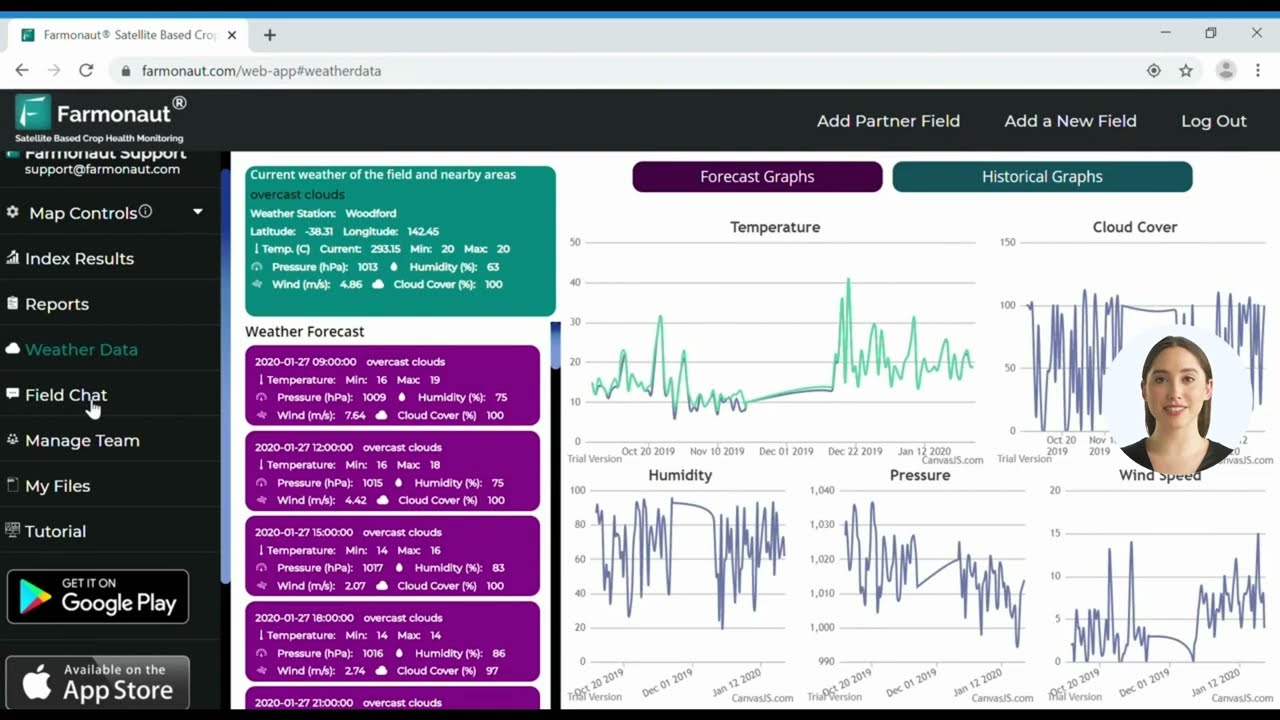
- Real-Time Remote Monitoring: Our satellite-based system offers live field, crop, and soil health insights, using NDVI, NDWI, and other indices to trigger rapid, data-backed decisions.
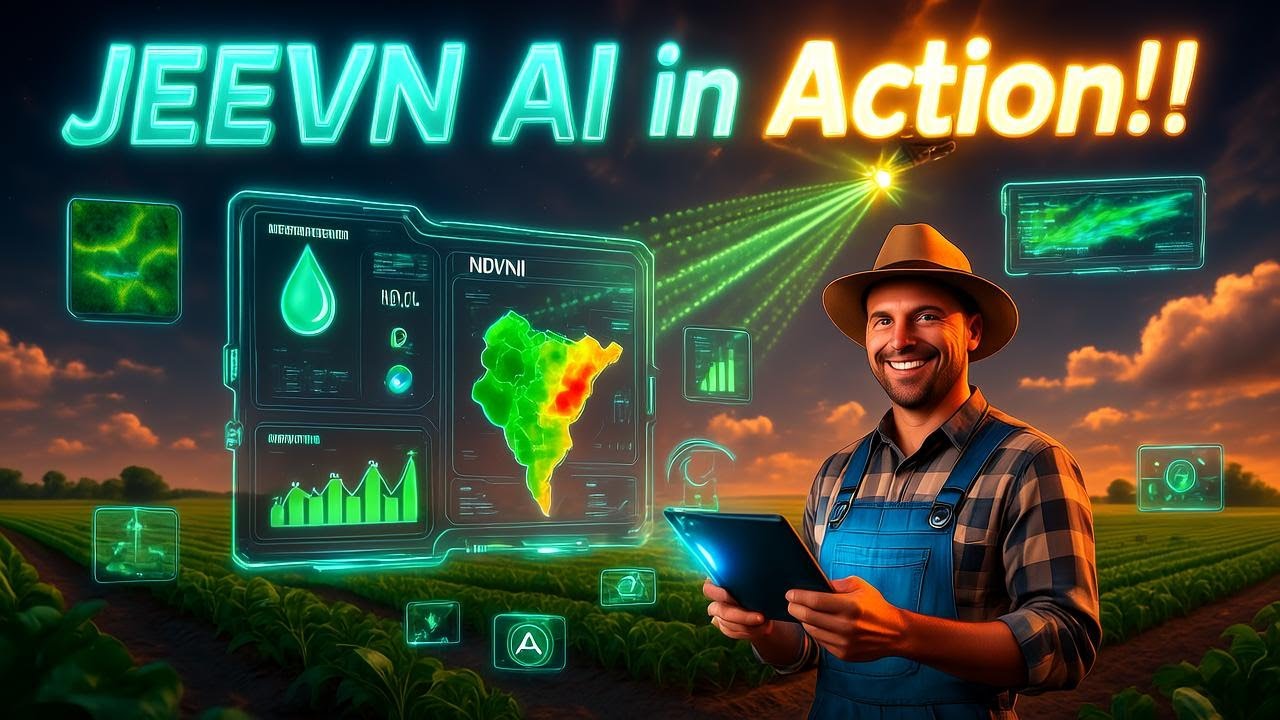
- AI-Based Advisory: Through Jeevn AI, we deliver tailored advice on crop planning, risk management, weather forecasts, and operational optimization—all via intuitive web and mobile apps.
- Blockchain Traceability: With traceability solutions, our platform ensures secure, transparent product flows across the agriculture value chain—stabilizing trust among processors and buyers.
- Environmental Impact Tracking: Our real-time analytics help stakeholders quantify and reduce their carbon footprint, supporting the shift to climate-smart and regenerative agriculture.
-
Fleet and Resource Management: Our tools for fleet tracking and resource allocation ensure the maximum utilization of heavy machinery and equipment pools within the farming hub.
Discover our dedicated Fleet Management Solutions - Finance & Insurance Integration: With satellite-verification, banks and insurers can quickly validate crop condition, streamlining access to loans and insurance services.
-
API Access: Our data APIs empower developers and agri-businesses to build custom integrations, enhancing digital ecosystem connectivity.
Explore the Farmonaut API | API Documentation



Farmonaut’s Commitment to Empowering The Modern Labor Hub for Agriculture
We at Farmonaut believe in making precision agriculture accessible—whether for an urban farming hub in a sprawling metropolis or a rural agriculture hub in remote regions. Our platform is designed to extend the reach of advanced satellite, AI, and blockchain technologies, empowering the full spectrum of agritech hubs to drive productivity, environmental stewardship, and innovation.
Essential Callouts and Highlights
An agriculture hub doesn’t just foster routine labor coordination. It is a center for continuous professional development—providing accredited skill-building, hands-on field learning, and pilot technology testing, resulting in a future-ready and agile agriculture workforce.
For rapid scalability, combine on-site hub-based services with digital platforms like Farmonaut for year-round, real-time monitoring and remote advisory—especially essential for large and geographically dispersed farm, forestry, and mining operations.
Don’t treat the agriculture hub as solely a physical center. Limiting training and knowledge transfer to a classroom reduces impact; a blended model (field-based, digital, and remote learning) maximizes benefits for rural and urban farming hubs alike.
Labor hubs for agriculture, integrated with precision agritech and satellite-driven data, offer high-impact investment opportunities due to their proven ability to enhance productivity, reduce environmental risks, and unlock new market frontiers.
Real-world monitoring reveals that hubs incorporating both environmental stewardship and advanced equipment services achieve the highest yields and resilience in drought-prone and climate-volatile zones.
Visual Lists: Real-Life Benefits of Agriculture Hubs
🌾 Advantages for Farmers & Enterprises
- ✔ Tailored Training: Continuous skill upgrades in equipment, digital monitoring, and agroforestry.
- ✔ Resource Efficiency: Smart input management enables lower costs and higher outputs.
- ✔ Reduced Input Waste: Precision irrigation systems ensure resources are used only when needed.
- ✔ Inclusive Opportunities: Micro-financing and apprenticeships for youth, women, and smallholders.
- ✔ Access to Digital Advisory: Farmonaut’s API brings instant, evidence-based recommendations to all scales of operation.
🛡️ Systemic Improvements Across the Agriculture Ecosystem
- 📊 Standardized best practices in precision agritech and environmental management.
- 📊 Community-wide adoption of digital tools through extension programs.
- 📊 Shared equipment platforms reducing capital overhead for small and medium farms.
- 📊 Transparent supply chains via blockchain traceability, boosting consumer trust.
- 📊 Rapid innovation cycles through pilot projects and field demonstration labs.
Summary: Labor Hubs for Agriculture—The Heartbeat of a Modern Agritech Ecosystem
A labor hub for agriculture—sometimes named an agriculture hub, farming hub, agritech hub, or urban farming hub—is not about mere employment or temporary workforce pools. It centralizes strategic expertise, operational efficiency, technology innovation, digital services, and environmental stewardship across farming, forestry, and mineral-adjacent sectors.
By coordinating training, supporting continuous learning, piloting innovations, and connecting stakeholders across the supply chain, these hubs elevate productivity, accelerate the adoption of modern practices, and foster sustainable management of land and resources.
Platforms like Farmonaut amplify the impact by making satellite-based monitoring, AI-driven advisory, blockchain traceability, and resource optimization affordable and accessible—enabling both rural and urban hubs to thrive as the backbone of the modern agritech ecosystem.
Frequently Asked Questions
Q1. What is a labor hub for agriculture?
A labor hub for agriculture—or agriculture hub, farming hub, or agritech hub—is a centralized platform for skilled labor, training, knowledge transfer, innovation testing, and operational support. It supports continuous professional development and resource optimization for farming, forestry, and related industries.
Q2. How do agriculture hubs drive innovation?
Hubs accelerate innovation by centralizing technology testing, precision digital monitoring, training, and demonstration. This reduces risk around new tech adoption and ensures best practices scale rapidly across the sector.
Q3. What are the environmental benefits of a modern hub?
Benefits include reduced water use through precision irrigation, improved soil health via data-driven interventions, increased biodiversity from agroforestry design, and lower emissions by tracking and optimizing field operations.
Q4. How does Farmonaut support agriculture hubs?
Farmonaut’s platform delivers real-time monitoring via satellite, AI-based crop and risk advisory, blockchain-enabled traceability, and resource management APIs—enabling hubs to scale precision agritech and sustainability across regions.
Q5. Who can benefit from an agritech hub?
Farmers, cooperatives, rural groups, agribusinesses, forestry managers, and even mining or infrastructure sectors gain from the knowledge diffusion, shared services, and digital tools provided by a modern agriculture hub.
Q6. What kinds of technologies are used in modern agriculture hubs?
These include satellite imagery (NDVI/NDWI), IoT sensors, AI advisory systems, blockchain traceability, remote sensing, automated equipment, and digital supply chain platforms like those delivered by Farmonaut.
Q7. Is Farmonaut a regulatory body or online marketplace?
No. Farmonaut is a technology provider, offering digital monitoring, advisory, and traceability solutions—without direct involvement in manufacturing, regulation, or marketplace activities.
Discussion
Questions, corrections or field experience? Share them below. First-time comments are reviewed before they appear, and your email is never published.
No comments yet. Be the first to add a question or your experience.

 Native Seeds
 Fresh Platter
 Andex
Andex FCF India
 Unifrutti Gulf
 Deluxe Conseil
 TVS Electronics
 BW Pipelines
 WICO
WICO Gen Chayat
 Chimera Innovation
 SkyHarvest
 Polaris Digitech
 Teledarbas
 Wild Oak Farm
 Licence holder · Niger · Gold










