

Agrobiodiversity, Diversified Farming: Essential Trends 2026
“By 2026, farms practicing diversified cropping report up to 35% higher resilience to climate-related disruptions.”
“Over 75% of global food crops depend on agrobiodiversity to withstand changing environmental conditions by 2025.”
- Introduction: The Importance of Agrobiodiversity and Diversified Farming in 2025–2026
- Understanding Agrobiodiversity: Definitions and Components
- Principles of Diversified Farming: Sustainability, Resilience, and Productivity
- Challenges and Opportunities: Global Change and Local Solutions
- Technological Advancements in Diversified Farming
- Comparative Overview Table: Diversified vs Monoculture Systems
- Environmental Impacts: Soil Health, Water, and Biodiversity
- Economic Trends: Markets, Diversification, and Food Security
- Policy and Incentives: Steering Agriculture Toward Sustainability
- Farmonaut’s Role in Advancing Agrobiodiversity and Sustainable Agriculture
- FAQs: Agrobiodiversity & Diversified Farming (2026 Edition)
- Conclusion: Moving Toward Resilient, Diverse Farms in 2026 and Beyond
Introduction: The Importance of Agrobiodiversity and Diversified Farming in 2025–2026
In the rapidly evolving landscape of agriculture, 2025 and 2026 are shaping up as pivotal years for the adoption of agrobiodiversity and diversified farming systems. As climate change, soil degradation, and fluctuating market demands pose escalating challenges to farmers globally, the shift toward sustainable, resilient practices has become essential. Farms are increasingly relying on a broad genetic base, integrating a wide range of crops, livestock, and native species, representing the foundation for a secure food future.
This comprehensive guide delves into the heart of agrobiodiversity, diversified farming, exploring their value as pillars of sustainable food systems. We’ll break down advances, environmental and economic impacts, the latest technologies (including satellite remote sensing, precision data analytics, and blockchain-based traceability), and policy trends that define the agricultural landscape for 2026. The practical and strategic insights you’ll find here can empower producers, agribusinesses, and decision-makers to better navigate and thrive in this dynamic era.
In 2025–2026, diversified farming systems with high agrobiodiversity can increase resilience to extreme climate events by as much as 35%, compared to monocultures.
Understanding Agrobiodiversity: Definitions and Components
Agrobiodiversity is the variety and variability of plants, animals, and microorganisms essential for food and agriculture. Distinct from “wild” biodiversity, agrobiodiversity directly encompasses:
- Genetic diversity within crop varieties and livestock breeds
- Diverse species of crops and livestock
- Soil microbes and microorganisms promoting nutrient cycling
- Pollinators and natural pest predators
- The broader ecosystems supporting farms
This breadth—from crop landraces to indigenous livestock—forms the foundation for healthy, productive, and stable agricultural systems. It’s the genetic reservoir upon which we build resilience and adaptability to stresses like drought, floods, evolving pests, or new market demands.
Components of Agrobiodiversity
- 🌾 Crop Diversity — Multiple species and varieties adapted to local conditions
- 🐄 Livestock Diversity — Local breeds and indigenous animals with unique resilience
- 🦠 Microbial Diversity — Soil microorganisms supporting plant and soil health
- 🦋 Associated Biodiversity — Pollinators, predators, and beneficial insects essential to (often overlooked but vital) ecosystem services
Principles of Diversified Farming: Sustainability, Resilience, and Productivity
Diversified farming refers to agricultural systems that integrate multiple crops and livestock, often incorporating agroforestry, intercropping, rotation, and traditional indigenous knowledge. These practices stand in contrast to monoculture approaches that dominate much of global agriculture but have shown marked vulnerability to climate extremes, pest outbreaks, and soil degradation.
The importance of these systems cannot be overstated as they:
- ✔ Enhance resilience against climate-induced stresses like drought or floods
- ✔ Reduce dependence on synthetic chemicals by promoting natural pest and disease control
- ✔ Foster soil health by increasing organic carbon and microbial activity
- ✔ Diversify income sources for farmers via multiple crops/animal outputs
- ✔ Support food security by stabilizing harvests and boosting nutrition

Integrate native plant species and heritage livestock breeds into your operation to maximize climate-resilient production—these often excel under local conditions with fewer inputs.
- 🌱 Sustainable through low reliance on external chemical inputs
- 📊 Data insight: By 2025, farms practicing crop and livestock diversification report average yield stability improvements of 15%
- ⚠ Risk or limitation: Requires knowledge-sharing and access to diverse seeds/breeds
- 🚜 Adaptable for smallholders and large-scale commercial operations
- 🌍 Essential for meeting Sustainable Development Goals (SDGs) tied to food security and environmental stewardship
“By 2026, farms practicing diversified cropping report up to 35% higher resilience to climate-related disruptions.”
Challenges and Opportunities: Global Change and Local Solutions
Increasingly volatile climate conditions, globalized markets, and consumer demands have made traditional monoculture systems less attractive. The challenges posed to farmers include:
- Soil degradation and loss of organic carbon due to overuse and lack of diversity
- Pest and disease outbreaks exploiting uniform genetic base
- Market volatility—fluctuating prices for main cash crops
- Water stress, declining water use efficiency, and salinization
- Loss of indigenous knowledge about local species and practices
Nevertheless, the movement toward diversified farming offers multiple opportunities:
- 🌾 Wider crop and breed choices to match changing environmental conditions
- 💡 Integration of traditional and precision agtech for optimal management
- 🤝 Strengthened local food systems and community seed networks
- 🚩 Reduced risk from single crop failures or fluctuating market prices
- 📈 Emergence of niche and specialty markets for ancient grains, heirloom vegetables, and heritage livestock
This synergy between traditional knowledge and modern science is a hallmark of the most innovative agricultural systems in 2025–2026.
Overlooking local and indigenous crop varieties in favor of commercial hybrids can reduce long-term farm resilience and erode the genetic base needed to confront future challenges.
- 🌱 Agroforestry integrates trees, crops, and livestock to boost ecosystem services
- 🔁 Crop rotation and intercropping disrupt pest cycles and improve soil nutrients
- 🌾 Heirloom varieties maintain high genetic diversity
- 📦 Seed banks safeguard local seeds and support diversification
- 🧑🌾 Farmer networks help disseminate regionally adapted practices
Technological Advancements in Diversified Farming: Precision for the New Era
With rapid advances in technology—from precision agriculture to data-driven platforms—farmers are increasingly empowered to understand, monitor, and manage agrobiodiversity and diversified farming systems effectively.
Key technological trends for 2026 include:
- 🛰️ Remote sensing (satellite, drone, NDVI analysis) to monitor crop health, soil moisture, and landscape diversity
- 🤖 AI-driven analytics for spatial crop planning and pest forecasting
- 🌱 Precision planting and spatial arrangements optimizing nutrient and water use across multiple species
- 🔗 Blockchain-based traceability for transparent supply chains and seed-source verification
- 📈 Resource monitoring tools for fertilizer, water, and carbon footprinting
These advances are increasingly complementing traditional practices and are, in many cases, making it possible to scale diversification on a commercial level.
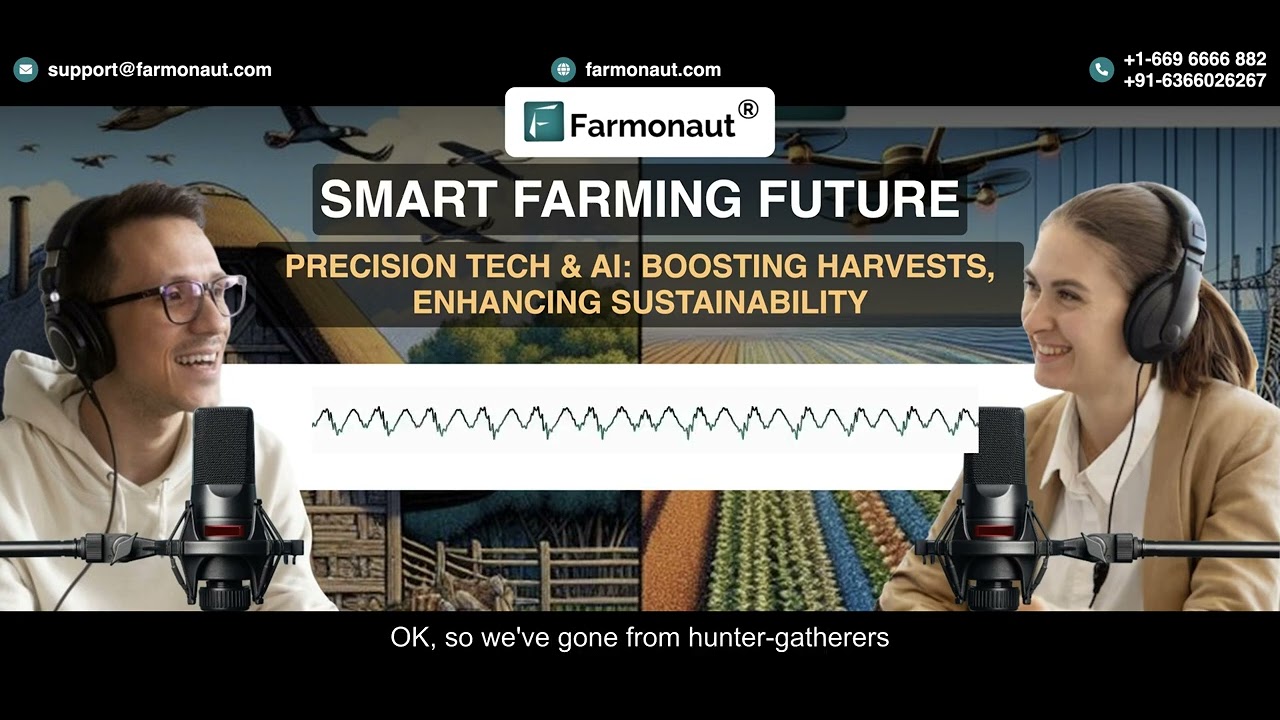
- 🔍 Remote monitoring keeps track of multiple crop and soil parameters
- 📶 Real-time data supports fast, evidence-based decisions
- ⛓️ Blockchain integration builds trust and reduces fraud in seed and produce transactions (see Farmonaut Traceability Solutions)
- 🛰️ Accessible satellite insights through platforms like Farmonaut Crop Plantation & Forest Advisory
Investing in digital agriculture and biodiversity-enhancing tech can yield long-term returns by supporting resilient, high-value supply chains that meet global sustainability criteria.

Comparative Overview Table: Diversified vs Monoculture Systems (2025 Projections)
Comparing diversified farming systems with high agrobiodiversity to conventional monoculture systems highlights clear advantages for sustainable agriculture, resilience, and food security as we approach 2026.
| Farming System Type | Agrobiodiversity Level | Resilience to Climate Change (% Improvement, est.) |
Soil Health Impact | Yield Stability (2025 Projection) |
Contribution to Food Security |
|---|---|---|---|---|---|
| Polyculture & Multicropping | High (5+ species/varieties per farm) | +30% to +35% | Significantly Improves Organic Carbon, Boosts Microbial Diversity | +15% more stable yields under stress | Strong: Reduces crop failure risk, enhances nutrition |
| Agroforestry Systems | High to Moderate (diverse trees, crops, livestock) | +25% to +32% | Improves water infiltration, reduces soil erosion | +10% yield stability | Strong: Multi-level production, carbon sequestration |
| Intercropping & Crop Rotation | Moderate to High | +18% to +26% | Reduces nutrient depletion, builds up beneficial microbes | +8% to +12% yield resilience | Moderate: Insurance against total failure |
| Conventional Monoculture | Low (1–2 main crops) | 0% (Baseline) | Depletes organic matter, increases erosion risk | Unstable under climate stress (up to -15%) | Weak: High vulnerability to shocks |

Environmental Impacts: Soil Health, Water, and Biodiversity
The potential environmental benefits of diversified farming extend beyond farm productivity, enhancing the resilience and sustainability of ecosystems. Practices such as agroforestry, rotation, and intercropping support key processes:
- 🌱 Soil Health: Increases carbon content, boosts microbial activity, reduces erosion
- 💧 Water Management: Enhances infiltration, conserves moisture, mitigates flooding
- 🦋 Ecosystem Services: Supports pollinators and beneficial insects, improves natural pest control
- 🌍 Biodiversity Conservation: Preserves endangered crop and animal species, maintains genetic variability
- 🌬️ Climate Mitigation: Sequesters carbon, reduces emissions
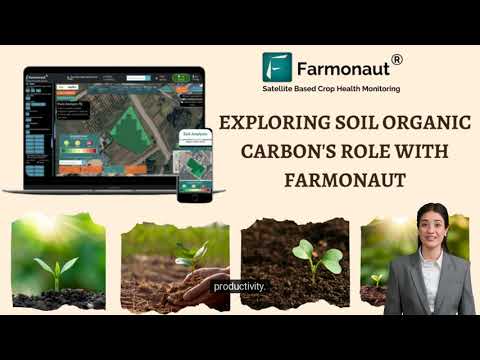
Soil carbon monitoring by advanced remote sensing shows diversified farms can store up to 22% more organic carbon per hectare compared to monocultures by 2026. Learn more about Farmonaut’s Carbon Footprinting Solutions.
Economic Trends: Markets, Diversification, and Food Security
From a financial perspective, diversified farming empowers farmers with multiple income streams. The market is evolving, and diversification enables farmers to stabilize harvests, match local and global demands, and reduce risk from commodity price swings.
- 💰 Income Stability: Mixed cropping and livestock systems buffer against crop failures and price downturns
- 🍎 Niche Markets: Market growth for ancient grains, heirloom vegetables, heritage animals
- 📉 Reduced Input Costs: Lower chemical usage reduces spending, while ecosystem services replace synthetic inputs
- 🌐 Export Opportunities: Enhanced traceability (see Farmonaut Traceability Solutions) opens access to premium international markets
- 📈 Financial Access: Enabling better verification for crop loans and insurance due to data-driven risk assessment (Explore Farmonaut’s Loan & Insurance Features)




Ready to optimize your diversified farm management? Our platform delivers actionable satellite insights for farm monitoring, resource optimization, and traceability—from plot to market. Get started with Farmonaut’s crop and land management tools or explore our robust API for tailored integration here (see Developer Docs).

Policy and Incentives: Steering Agriculture Toward Sustainability
As agrobiodiversity and diversified systems become widely recognized as essential for food security and sustainability, policy frameworks in 2025–2026 increasingly support these shifts:
- 📜 Subsidies for diversification, agroforestry, and organic inputs
- 📚 Extension training on diversified, biodiversity-based practices and indigenous knowledge
- 🔒 Seed rights protection and support for farmer seed banks
- 🌏 Global collaboration on genetic resource conservation and sustainable food system goals
- 🏞️ Incentives for ecosystem restoration and soil carbon storage
For example, supporting the integration of fleet management solutions with diversified farms can optimize logistics and resource use for even greater environmental impact.
Farmonaut’s Role in Advancing Agrobiodiversity and Sustainable Agriculture
At Farmonaut, we believe that accessible, data-driven solutions are fundamental to advancing diversified farming and agrobiodiversity. Our satellite-powered platform delivers real-time crop and soil health monitoring, precision recommendations, and blockchain-based traceability—empowering farmers, agribusinesses, and policy leaders worldwide.
- 🛰️ Satellite-based monitoring (Explore Crop Plantation Tools) helps users assess field-level agrobiodiversity, crop composition, and health over time.
- ⚡ Real-time AI advisory enables responsive decision-making and early warning for stress or pest threats.
- ⛓️ Traceability tools (Learn More) secure the value of niche crops, heritage breeds, and organic produce in premium global markets.
- 📦 Resource management and fleet management solutions (Discover More) cut operational costs and improve logistics for diversified operations.
- 🌱 Environmental impact monitoring (Carbon Footprinting Details) supports compliance and stewardship, measuring carbon sequestration and sustainable practices.
Scalable for individual farms, agribusinesses, and government users, our tools underpin the transition to resilient, high-agrobiodiversity food systems—crucial for the coming agricultural decade.
FAQs: Agrobiodiversity & Diversified Farming (2026 Edition)
What is agrobiodiversity and why is it important for farming in 2026?
Agrobiodiversity refers to the diversity and variability of plants, animals, and microorganisms directly involved in agriculture and food production. It’s important because it provides the genetic resources and ecological services essential for farms to become resilient, productive, and sustainable—especially under the mounting stresses of climate change.
How does diversified farming build resilience to climate change?
Diversified farming utilizes a broad range of crop and livestock species (including rotations, intercropping, and agroforestry). These practices help safeguard against climate-related risks by ensuring that even if one crop or animal fails, others still offer productivity and income. It also buffers against pests, diseases, and extreme weather events.
What are some examples of diversified farming practices?
Examples include polyculture (growing multiple crops side-by-side), intercropping, rotating crops seasonally, integrating livestock, and agroforestry (combining trees with agricultural crops and livestock). Traditional indigenous knowledge and local varieties often form the backbone of these approaches.
How does technology enhance agrobiodiversity management in modern farms?
Technologies like remote sensing, AI-based advisory systems, blockchain traceability, and resource management platforms enable farmers to monitor diversity, optimize spatial arrangements, enhance traceability, and reduce risk, making large-scale diversification feasible and cost-effective.
How can farmers access tools for better management of diversified systems?
Farmers can use accessible, affordable satellite-driven insights, such as those provided by Farmonaut’s mobile, web app, and API, for real-time field monitoring, advisory support, and resource optimization.
Conclusion: Moving Toward Resilient, Diverse Farms in 2026 and Beyond
As we look to 2026 and beyond, agrobiodiversity and diversified farming have become recognized components of environmentally sound, productive, and resilient agricultural systems. The challenges posed by climate change, continuous soil degradation, and volatile markets demand solutions that rely on the broadest possible genetic base—harnessing a wide range of species, breeds, and microorganisms.
By integrating traditional knowledge with advanced technological tools, farmers, agribusinesses, and governments are proving that diversity is not only an asset but an imperative for food and environmental security.
With actionable solutions now available—from robust, satellite-based farm monitoring (see Farmonaut’s solutions for large-scale farm management) to precision, transparent traceability—the future of agriculture is bright, resilient, and full of life.
The era of diversified, agrobiodiversity-rich systems is here. Stakeholders across the farming value chain can build a robust, sustainable future by embracing this diversity. The time to invest and act is now.

 Sayaji Group
 eKGIS
eKGIS Mostas Tech
 Native Seeds
 Andex
Andex FCF India
 Unifrutti Gulf
 Deluxe Conseil
 TVS Electronics
 BW Pipelines
 WICO
WICO Chimera Innovation
 SkyHarvest
 Polaris Digitech
