

Table of Contents
- Introduction: Sustainable Agronomy as a Pillar for Rural Advancement
- Trivia: Fast Facts on Sustainable Agronomy 2026
- Understanding Agronomy for Sustainable Development
- Why 2026 Is a Pivotal Year for Agriculture and Rural Development
- 7 Rural Sustainable Agronomy Practices for 2026 and Beyond
- Comparative Table: 7 Sustainable Practices at a Glance
- Role of Modern Technologies in Sustainable Agronomy (Farmonaut)
- Impact of Sustainable Agronomy on Rural Development
- Policy, Access, and Support Structures for 2026 & Beyond
- Key Insights, Pro Tips & Common Mistakes
- Iconic Benefits & Data Visuals
- Frequently Asked Questions (FAQ)
- Farmonaut Subscription Pricing Table
- Conclusion: Charting Sustainable Pathways for Future Generations
“By 2026, over 70% of rural farms are projected to adopt at least three sustainable agronomy practices.”
Agronomy for Sustainable Development: 7 Rural Practices 2026
As global populations continue to rise and climate change intensifies, we are standing on the threshold of a new era for agronomy for sustainable development. Sustainable agronomy is now recognized as an essential pillar for resilient food systems, rural prosperity, and environmental conservation. In 2026 and beyond, the integration of sustainable development in agriculture will define not only how we feed growing populations but also how rural areas thrive in harmony with our planet.
Sustainable agriculture rural development merges cutting-edge technologies (like those we offer at Farmonaut) with traditional techniques—empowering communities, optimizing resource use, and ensuring future generations inherit healthy soils, clean water, and a robust environment. This blog will explore seven essential, field-tested practices that form the backbone of sustainable agronomy by 2026.
Readers new to the field may want to start with what agronomists actually do day to day.
Sustainable agronomy is not just about higher yields—it’s about balance: supporting food security, economic growth, and ecosystem health together.
Understanding Agronomy for Sustainable Development
Agronomy and sustainable development go hand in hand—as science, practice, and guiding philosophy. Sustainable agronomy refers to the management of soil, water, crops, and other inputs in ways that meet our present food and fiber needs without compromising the ability of future generations to do the same.
- Optimization of inputs (fertilizers, water, labor)
- Minimizing negative environmental impacts (soil degradation, water pollution, biodiversity loss)
- Incorporating technological innovation and ecological principles
- Focus on rural communities and their sustainable livelihoods
Sustainable agronomy aligns closely with the United Nations’ Sustainable Development Goals (SDGs)—notably, Zero Hunger, Clean Water, Climate Action, and Life on Land.

Why 2026 Is a Pivotal Year for Agriculture and Rural Development
The world’s rural areas depend heavily on farming for livelihoods. With technology advancing rapidly and climate change accelerating, 2026 represents a crucial moment:
- New sustainability policies and incentives are being rolled out globally.
- Rural communities are witnessing the integration of precision tools, AI, and data into agriculture.
- Access to resources like soil health monitoring, climate-smart crops, and sustainable water management is improving rapidly.
- By 2026, over 70% of rural farms are projected to implement at least three sustainable agronomy practices.
These transitions are not just necessary—they are already underway and redefining what agricultural productivity and sustainability mean for the planet’s future.
The next five years will witness significant public and private investment flow into sustainable agriculture rural development, precision monitoring, and climate resilience platforms as profitability and eco-impact become inseparable.
The 7 Pillar Rural Practices of Agronomy for Sustainable Development (2026 Edition)
These seven cornerstone sustainable agronomy practices exemplify the integration of ecological wisdom, technological innovations, and traditional farming knowledge. Each is a key pathway for agriculture and rural development—enabling resilient, efficient, and resource-smart growth:
- 1. Crop Rotation & Diversification
- 2. Cover Cropping & Green Manuring
- 3. Reduced Tillage & Conservation Agriculture
- 4. Agroforestry Systems
- 5. Efficient Water Management & Precision Irrigation
- 6. Integrated Pest and Nutrient Management (IPNM)
- 7. Climate-Smart Agronomy Techniques
“Efficient soil and water management can boost crop yields in rural areas by up to 25% sustainably.”
1. Crop Rotation & Diversification
Crop rotation and diversification are centuries-old yet highly relevant practices for sustainable development in agriculture. The approach involves alternating different crops (legumes, cereals, oilseeds, etc.) in the same field across seasons or years. This breaks pest and disease cycles, restores soil nutrients, and increases resilience.
- Reduces dependency on chemical fertilizers
- Boosts soil fertility, structure, and carbon sequestration
- Minimizes soil erosion and nutrient depletion
- Diversifies farm income sources (e.g., grains, pulses, fodder)
Example (2026): A rural farmer rotates maize with legumes and oilseeds, slashing fertilizer costs and enhancing soil health—measurably increasing yield stability over five years. Satellite-based field histories, like those available via our Large-Scale Farm Management Platform, help automate effective rotation planning and monitoring.

Use digital farm platforms with crop history tracking and predictive analytics to customize your crop rotation schedule for maximum gains.
2. Cover Cropping & Green Manuring
Cover crops (such as clover, vetch, or rye) are grown primarily to protect the soil during off-seasons or between main crops. These crops reduce erosion, improve water infiltration, and naturally fix nitrogen.
- Preserves soil carbon and organic matter
- Suppresses weeds, interrupts pest cycles
- Boosts biodiversity in the field ecosystem
- Green manuring: Cover crops plowed into the soil enrich organic content and fertility without chemical inputs
2026 Example: AI advisory tools (like our “Jeevn AI”) can suggest optimal timing for cover crop planting and integration with main crops—improving resource use efficiency and promoting sustainable agronomy practice.

3. Reduced Tillage & Conservation Agriculture
Excessive plowing or soil disturbance (tillage) is a key driver of soil degradation, carbon loss, and erosion. Reduced tillage (or “no-till”) farming disturbs the soil as little as possible, preserving the soil structure and organic matter.
- Reduces soil erosion by up to 90% compared to conventional methods
- Preserves soil microbial life and moisture
- Increases carbon sequestration (a major climate action pathway)
- Enables efficient water use through improved infiltration and retention
Many rural farms now use precision tillage equipment with guidance from satellite imagery (such as those visualized on our Agro Admin App) to minimize soil disturbance and track compaction risks.

4. Agroforestry Systems
Agroforestry systems deliberately integrate trees, shrubs, and crops/livestock on the same plot. This blend emulates natural ecosystems, boosts biodiversity, improves land productivity, and enhances environmental resilience.
- Provides multiple income streams and ecosystem services
- Improves microclimate, increases soil moisture retention, and controls wind/water erosion
- Enhances carbon sequestration and long-term land health
2026 Example: Many rural farms are adding fast-growing native tree species between crop rows; satellite monitoring helps optimize tree-crop combinations for productivity and climate resilience. Discover precision planning for agroforestry via our Crop Plantation Forest Advisory Suite.

5. Efficient Water Management & Precision Irrigation
Water scarcity is a critical global concern, especially in agricultural rural development. Modern water management strategies include:
- Precision irrigation systems (drip, sensor-driven)
- Rainwater harvesting and restoration of traditional tanks/lakes
- Use of mulching, contour bunding, and moisture-retention crops
- Automated irrigation planning via satellite data analysis—incorporated directly within our satellite-driven monitoring platforms
These methods conserve water resources, enhance drought resilience and support ecosystem balance.
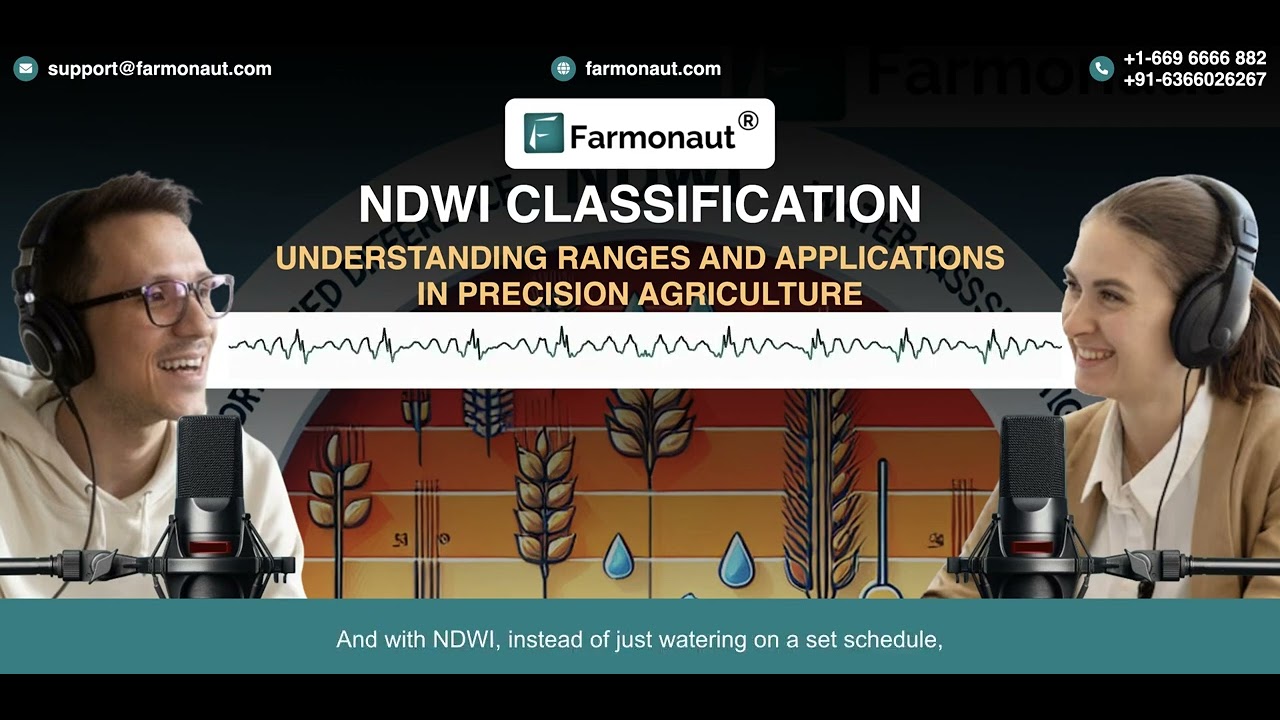
Many farms still over-irrigate due to lack of real-time soil moisture data. Deploy in-field sensors and satellite-based NDWI (Normalized Difference Water Index) tools for smarter irrigation.
6. Integrated Pest and Nutrient Management (IPNM)
IPNM combines biological, cultural, mechanical, and minimal chemical controls to sustain crop health while reducing environmental impacts.
- Promotes use of beneficial organisms and pest-resistant crop varieties
- Employs balanced, site-specific fertilization, often guided by precision soil mapping
- Monitors pests and nutrient status with AI-powered advisory systems
Example for 2026: Use of satellite-derived pest hotspot alerts (from farm management dashboards) plus drone scouting—enabling rapid, localized action, and reducing broad-spectrum chemical use.
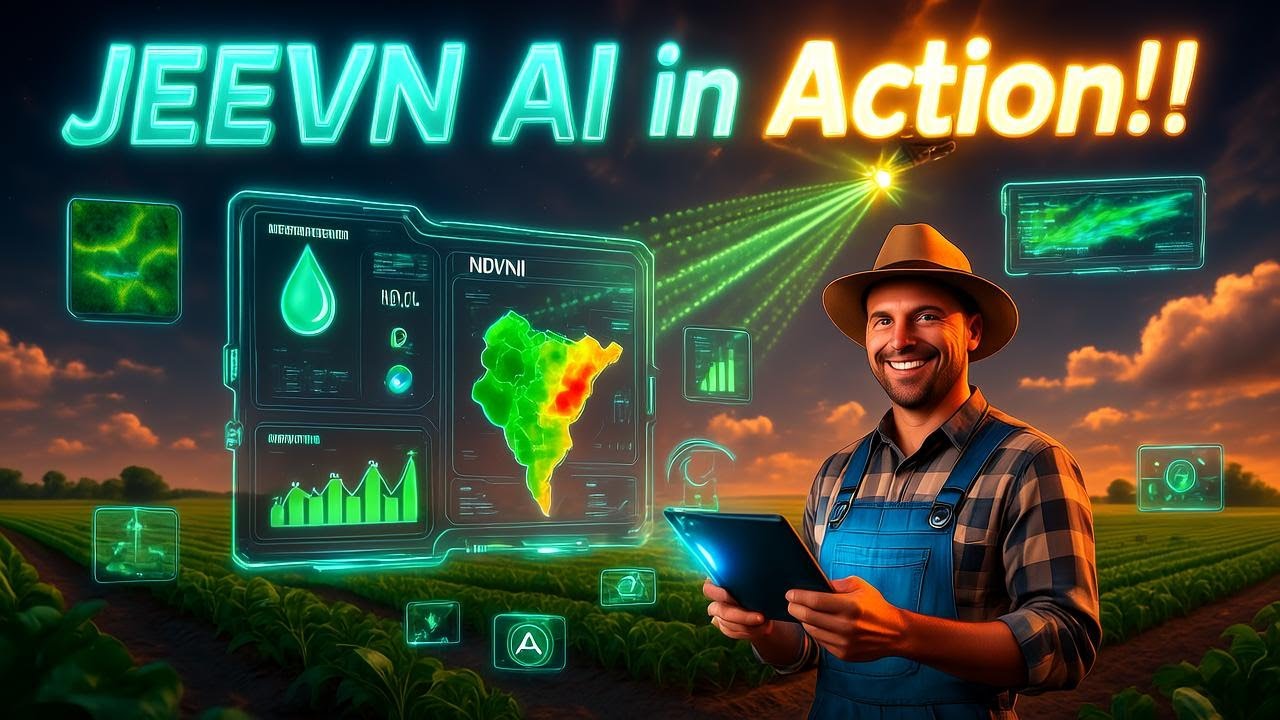
Always begin with diagnostic soil and pest scouting before applying chemical inputs—precision saves resources and protects the ecosystem.
7. Climate-Smart Agronomy Techniques
Climate-smart agronomy means adopting practices that boost farms’ ability to adapt and thrive amid climate change:
- Use of drought/inundation-resistant crop varieties
- Agroecological zoning (matching crops to microclimatic zones)
- Carbon farming, biochar use, and conservation of natural vegetation
- Integrating weather forecasting with on-farm practices via digital platforms (like ours)
Farmers leverage satellite weather data and climate models (for instance, in carbon footprint management tools) to maximize yields and profitability even as climate risks grow.
Comparative Table: Impact of 7 Sustainable Agronomy Practices (2026)



Explore our robust API here or start building with the API Developer Docs.
Sustainable Agronomy: 5 Key Benefits
- ✔ Ecosystem Health: Maintains soil biodiversity and reduces harmful inputs
- 📊 Data Insight: Empowers precision decisions for rural farmers with up to 30% higher yield efficiency
- 🌱 Resource Optimization: Conserves water and nutrients, minimizing costs and maximizing impact
- ⚠ Risk Reduction: Improves climate resilience and crop security during extreme weather events
- 💡 Inclusive Growth: Enhances rural development and empowers communities through access to sustainable technologies
Organic Amendments
Precision Irrigation Tools
AI-Based Advisory Solutions
Agroforestry Elements
Satellite Monitoring Data
Climate Mitigation
Blockchain Traceability*
Efficient Machinery Use
Community Inclusion
Innovations in Agronomy and Sustainable Development: How Technology Is Transforming Rural Practices
Integrating precision technologies into agronomy is accelerating sustainable development in agriculture. We at Farmonaut empower rural communities, governments, and businesses with affordable, satellite-driven solutions:
- Satellite-based crop monitoring: Real-time NDVI, soil moisture, and health analytics
- AI-powered advisory systems via Jeevn AI for weather, crop stress, and input optimization
- Blockchain traceability for transparent supply chains (read more)
- Resource and fleet management tools for operational efficiency (know the benefits)
- Environmental impact monitoring (including carbon footprinting for agriculture)
These digital tools guide farmers in rural areas to:
- Optimize input use (fertilizers, pesticides, irrigation)
- Respond rapidly to climate and crop threats
- Achieve higher productivity with lower environmental impacts
- Access reliable data for credit, insurance, and compliance (see our Crop Loan and Insurance verification services)
By 2026, satellite-driven agronomy will be the backbone of sustainable agriculture rural development—making “more with less” a rural reality.
Impact of Sustainable Agronomy on Agriculture and Rural Development
The inseparable link between agronomy and sustainable development brings a ripple of benefits across rural economies:
- Higher, more stable farm incomes due to soil and water security
- Enhanced food and nutritional security for rural and urban consumers
- Reduced vulnerability to weather/climate shocks
- Community knowledge sharing (empowerment, social capital)
Investment in training, extension services, digital literacy, and access to sustainable inputs is essential for scaling adoption in marginalized rural areas.
Policy, Access & Support Structures for Future-Ready Sustainable Agronomy (2026 and Beyond)
Widespread, lasting change in rural communities requires:
- Clear incentives for sustainable practices—including input subsidies & ecosystem service payments
- Open access to advisory platforms, quality data, and credit tools
- Collaborative research, local innovation, and knowledge exchange
2026-2030 Outlook:
- Rise of digital rural extension services, accessible through mobile and web platforms
- New policy frameworks rewarding demonstrable climate and environmental impact
- Push for traceable, sustainably-certified produce for both local and international markets (aided by blockchain tools)
Focusing only on yield maximization without considering soil, water, and biodiversity health often leads to long-term declines. True sustainability requires balance.
5 Rural Sustainability Pathways for Food Security
- 🌾 Agroecological Intensification: Boost yields with minimal input waste and ecosystem restoration
- 💡 Precision Resource Allocation: Use digital insights and satellite data to save water & fertilizer
- 🔒 Blockchain Verification: Ensure product traceability from field to fork
- 👨🌾 Skill Development: Training for rural youth & women in sustainable agronomy techniques
- ⚡ Climate-Adaptive Planning: Use climate models & weather forecasts to minimize risk
Onboard all farm management and monitoring activities to a digital platform early—data-driven insights save time and protect your land’s long-term value.
Frequently Asked Questions (FAQ) – Sustainable Agronomy 2026
What is agronomy for sustainable development?
Agronomy for sustainable development refers to the science and practice of optimizing crop and soil management to produce food, fiber, and bioenergy in a way that preserves environmental integrity, conserves resources, and supports livelihoods for current and future generations. It goes beyond output maximization to embrace ecosystem health, community well-being, and resource stewardship.
Why are soil and water management essential for rural development?
Soil and water are the foundation of resilient agriculture. Efficient management prevents resource depletion, supports higher and stable yields, reduces dependency on chemical inputs, and underpins the livelihoods of rural populations that depend on farming.
How does sustainable agronomy benefit rural communities?
Sustainable agronomy improves farm incomes, stabilizes rural economies, reduces climate risks, and builds local ecological resilience—including robust food security. It also enriches skills, supports innovations, and fosters a sense of stewardship.
What role do digital and satellite technologies play in sustainable rural agriculture?
Solutions like Farmonaut provide real-time insights on crop health, soil conditions, and resource use via satellites and AI. These technologies enable more precise interventions, reduce costs, and ensure traceability—critical for modern, sustainable rural development.
What is the future of sustainable development in agriculture by 2030?
The future is data-driven, community-focused, and ecosystem-aligned. Farms will leverage technology for optimal resource use, climate resilience, and transparent supply chains, supporting both rural prosperity and environmental health.
Farmonaut Subscription Plans for Sustainable Agronomy
Access satellite-driven insights, AI advisory, and traceability tools affordably.
Choose a plan that fits your operation’s scale and join the movement for sustainable agriculture rural development.
Conclusion: Charting Resilient Pathways for Generations to Come
Agronomy for sustainable development is reshaping how we produce food, steward our natural resources, and nurture rural economies. By embracing these seven cornerstone practices—from precision water management to digital traceability and agroecological design—rural communities worldwide are forging pathways to a healthier, more equitable, and environmentally sustainable future.
As we move into 2026 and beyond, sustainable development in agriculture will not just be a global goal but a rural reality. With access to new knowledge, advanced tools, and unwavering focus on soil and water health, farmers will continue to nourish the world—while safeguarding our planet’s foundation for future generations.
Get started today: Harness the full potential of satellite-driven monitoring, AI advice, and blockchain-powered traceability. Join the movement—because sustainable agronomy is our shared pillar for resilient rural and agricultural development.
Discussion
Questions, corrections or field experience? Share them below. First-time comments are reviewed before they appear, and your email is never published.
No comments yet. Be the first to add a question or your experience.

 M11 Agri
 Sapoznick Farms
 Agrotoken
 Blue BearX
 Insignito
 Croptimum
 DnCubed
 Field Capacity
 Indosistim Teknologi
 Liquify Digital
 CU Foods
 BeyondTech Global
 Rouge VC
 AgroGreen Dynamics
 AgroRisk
 Oath Inc
 Reddane Farming
 Esri North East Africa
 Licence holder · Niger · Gold










