

AI Training Data for Agriculture: Agronomist & Lending Transformation in 2025
"By 2025, over 70% of agronomists are expected to use AI-powered data for crop assessments."
Introduction: The New Era of AI Training Data in Agriculture
With the integration of artificial intelligence (AI) within agriculture reaching new heights in 2025, AI training data for agriculture has become the backbone of modern, data-driven farming. As food demand grows and climatic risks become increasingly complex, leveraging vast, diverse, and context-specific datasets is vital to transform how farms are managed, optimized, and sustained. From agronomist training to personalized agricultural lending training, AI is revolutionizing the precision, efficiency, and impact of every decision in the agricultural sector.
In this comprehensive exploration, we’ll decode the structure of AI training data, reveal the advanced models transforming field operations, spotlight the role of agronomists, and detail how lenders are using these tools to empower farming communities. Through this lens, we look at the future—where satellite-driven insights, intelligent advisory systems, and accessible digital tools serve the sustainability and prosperity of agriculture worldwide.

Understanding AI Training Data for Agriculture
The core of any AI-powered agricultural system is training data. This “fuel” powers algorithms that interpret patterns, forecast outcomes, and support robust decision-making. But, what exactly is “AI training data for agriculture,” and why is it so vital?
What Is AI Training Data For Agriculture?
AI training data, in the agricultural context, refers to the vast amounts of information—historic and real-time—collected from numerous sources about soil conditions, crop health, pest infestations, irrigation patterns, weather, yield records, and more. It’s tailored specifically for agricultural contexts, ensuring algorithms are capable of addressing multifaceted, regional, and crop-specific challenges.
- Sourced from satellites, drones, on-field sensors, and farmer input
- Contextualized for types of farming, regional climates, and local soil/scenario variance
- Enables robust, data-driven models for crop prediction, pest risk assessment, financial analysis, and intervention optimization
The backbone of these advanced systems is high-quality, representative, and well-annotated data; the more comprehensive and diverse the dataset, the more powerful and precise the predictions.
Types of AI Training Data: Sourcing and Diversity
In 2026 and beyond, the variety and volume of AI training data for agriculture will continue to grow exponentially. Let’s dig deeper into the main types of data now fueling this transformation.
1. Satellite Imagery
High-resolution multispectral satellite images—such as those processed via Farmonaut—capture crop growth, soil moisture, NDVI (Normalized Difference Vegetation Index), and pest outbreaks across vast fields. This allows for:
- Regional crop health assessments
- Soil and irrigation mapping
- Precision intervention planning

Try our satellite-based agricultural monitoring App—instant field insights, NDVI analysis & more.
2. Soil Sensor Data
Embedded field sensors collect real-time information on soil moisture, pH, nutrient content, temperature, and compaction. This granular data helps tailor fertilization rates, irrigation schedules, and disease risk models for maximum yield with minimal input.
3. Weather Data
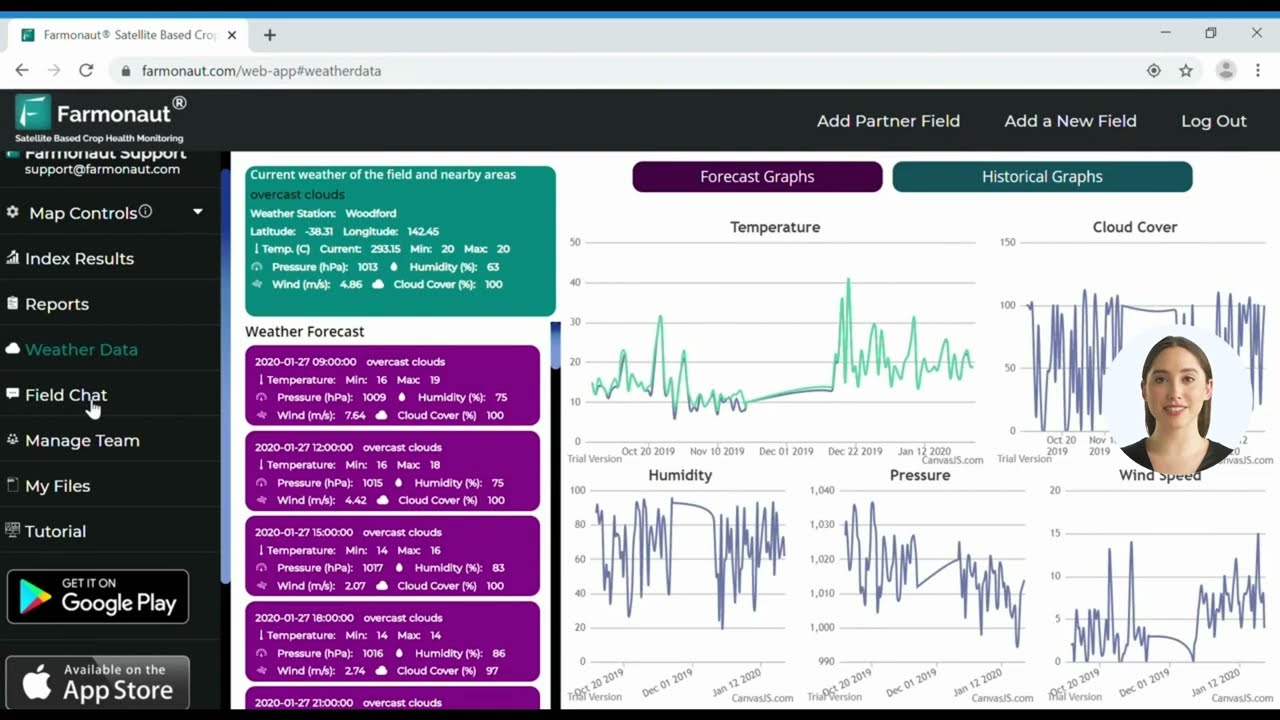
Historical and forecast weather data—temperature, humidity, rainfall, wind patterns—are essential in predicting crop outcomes, pest/disease outbreaks, and financial risks. Such data is harvested from both local weather stations and satellite meteorological sources.
4. Drone & Field Surveillance
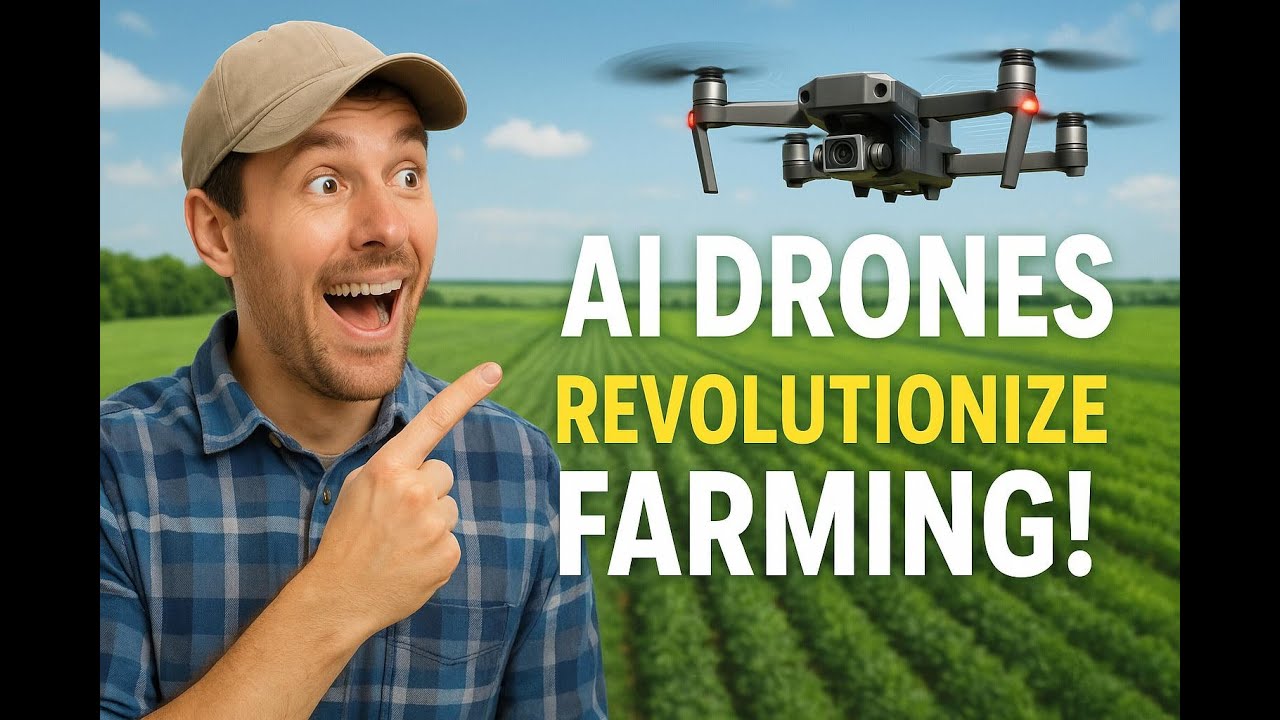
High-resolution drone imagery, combined with manual/visual scouting data, enables extremely precise models for crop growth stage detection, early pest/disease warning, and post-intervention analysis. This supports timely, targeted actions and closes the feedback loop on farm management.
5. Crop, Pest and Disease Datasets
Curated datasets of historical crop yield records, pest/disease images, and outbreak logs are foundational for agronomist training and for building machine learning models that can accurately identify and anticipate biological risks.
6. Farmer-Reported Data
Crowdsourced insights directly from farmers—on interventions, harvest outcomes, and input practices—are now being structured, anonymized, and used to contextualize AI systems for hyper-local adaptation.
Advanced Applications: How AI Models Empower Modern Farming
With AI training data for agriculture, we now build and deploy advanced agricultural models that accelerate outcomes across farm management, environmental sustainability, and agrifinancing. Here’s how:
- Pest and Disease Prediction: AI models, trained on pest/disease incident data, weather patterns, and crop physiology, can predict outbreaks—enabling early intervention and minimized crop losses.
- Precision Irrigation and Fertilization: Using field sensor and satellite data, AI optimizes resource allocation by recommending the best irrigation schedules and fertilization rates—tailored to real-time conditions.
- Yield Forecasting: Machine learning models forecast likely crop yields with high accuracy, supporting both on-farm decision-making and informed commercial planning for input suppliers and offtakers.
- Environmental Impact Tracking: With granular carbon footprinting and sustainability metrics, users can balance productivity gains against environmental risks.
- Financial Modeling for Lending: AI calculates credit risk, customizes loan products and supports fast-tracked digital insurance for all types of farmers, especially in emerging markets.
The result? AI-driven agricultural operations are managed more efficiently, optimized for local and climatic variations, and sustained over the long term, mitigating risks and maximizing returns across the food system.
AI-Enhanced Agronomist Training: Knowledge for the Future
AI training data is not just powering field operations—it’s catalyzing a quantum leap in agronomist training. As the scientists responsible for soil management and crop production, agronomists must now blend field experience with digital dexterity.
The New Agronomist Skillset (2025 & Beyond)
- Ability to analyze massive, complex AI-derived datasets rapidly.
- Interpret outputs from advanced algorithms and simulation models that forecast crop growth, disease risks, and environmental impacts.
- Leverage AI-driven diagnostic tools for precise plant health assessment, tailored intervention, and scenario planning.
- Integrate new digital skills—code literacy, data interpretation, and machine learning model tuning—in traditional agronomy curricula.
Immersive VR & AR Environments in Agronomist Training
Virtual Reality (VR) and Augmented Reality (AR) are now central to agronomist training programs, powered by quality AI training datasets. These “virtual farms” let trainees:
- Diagnose virtual crops and soils under simulated, real-world conditions
- Test and tune interventions—irrigation, treatment, fertilizers—in risk-free environments
- Accelerate learning, disseminate knowledge faster, and adapt training to hyper-local geographies
By 2026, these strategies will continue to minimize training bottlenecks and ensure that agronomists worldwide are equipped with the advanced knowledge and AI tools required for sustainable, efficient, and climate-resilient farming.

"AI-driven agricultural lending models can process 5x more farm loans than traditional manual methods."
Revolutionizing Agricultural Lending with AI Training Data
As agriculture becomes more capital intensive and risk-prone, agricultural lending training has transformed to deploy AI-trained models for more equitable, rapid, and scalable financial solutions. Here’s how lenders, credit institutions, and banks are leveraging this revolution:
How Does AI Support Smart Agricultural Lending in 2025?
- Credit Risk Assessment: Models trained on yield history, weather risks, commodity trends, and field data can predict loan risks with far greater accuracy than collateral-based, manual evaluations.
- Personalizing Loan Products: Different types of farmers (smallholders, commercial farms) receive tailored products, rates, and repayment terms—ensuring financial inclusion for diverse farming communities.
- Expedited Loan Disbursement: Real-time data flows streamline application and approval pipelines, reducing turnaround time and supporting vital cashflow needs during critical farming cycles.
- Insurance & Traceability: Data-driven verification supports digital crop insurance offerings, and robust traceability for lenders seeking secure, transparent transactions.
By enabling data-driven lending, AI models help financial institutions expand rural portfolios, reduce loan defaults, and serve as catalysts for sustainable development within agricultural communities.

Comparative Data Impact Table: Agronomist Training vs Agricultural Lending
Below is a data-driven comparison showcasing how different types of AI training data impact agronomist training and agricultural lending training in farming for the year 2025.
| Type of AI Training Data | Application in Agronomy | Application in Lending | Estimated Yield Improvement (%) | Estimated Credit Approval Rate Increase (%) | Example Use Case |
|---|---|---|---|---|---|
| Satellite Imagery | Precision crop monitoring, soil health mapping, diagnostics | Remote field verification for credit risk, insurance assessment | +12% | +17% | Automated NDVI analysis for fertilizer application & asset verification for loans |
| Soil Sensor Data | Tailored fertilization, pest risk prediction, optimize inputs | Improved loan risk scoring via granular productivity indices | +9% | +11% | Dynamic NPK dosing and smart loan offering by farm zone |
| Weather Data | Growth models, scenario simulations, yield forecasting | Climate risk modeling in loan portfolio management | +6% | +15% | Advising on drought-resistant crops & tailoring micro-loans |
| Crop Disease Images | Enhances diagnostic accuracy, targeted intervention, VR/AR training | Verifies on-field risk for insurance underwriting | +8% | +13% | AI-powered disease detection to support loan/insurance underwriting |
| Yield History Records | Algorithm training for forecasting and rotation strategies | Predicts applicant creditworthiness | +7% | +12% | Historic yield-based risk-adjusted loan pricing |
Farmonaut: Our Approach to Data-Driven Agricultural Intelligence
At Farmonaut, empowering agronomists, farmers, and financial institutions through accessible and affordable satellite intelligence is our mission. Here’s how our advanced platform shapes the future of AI training data for agriculture:
- Real-Time Crop Monitoring: Our system delivers satellite-driven crop health analysis (NDVI) and soil condition mapping direct to mobile, desktop, and via API. Try Farmonaut’s web and mobile apps to access these insights instantly.
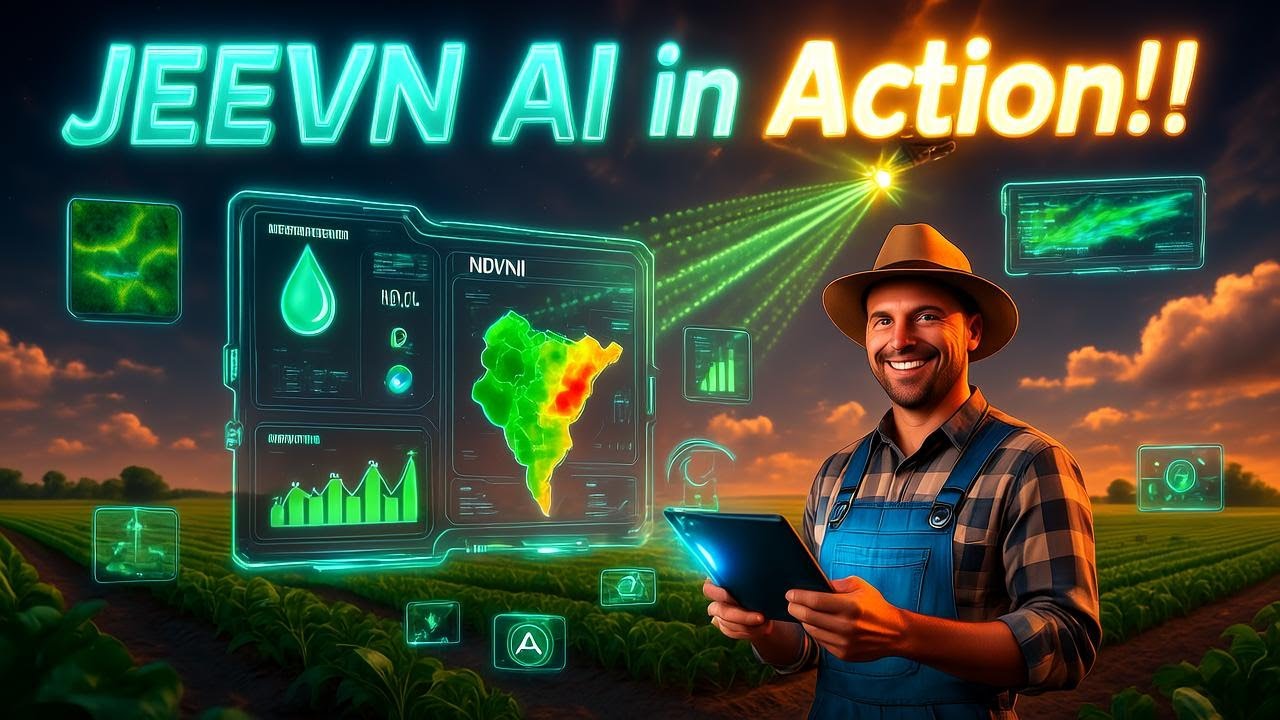
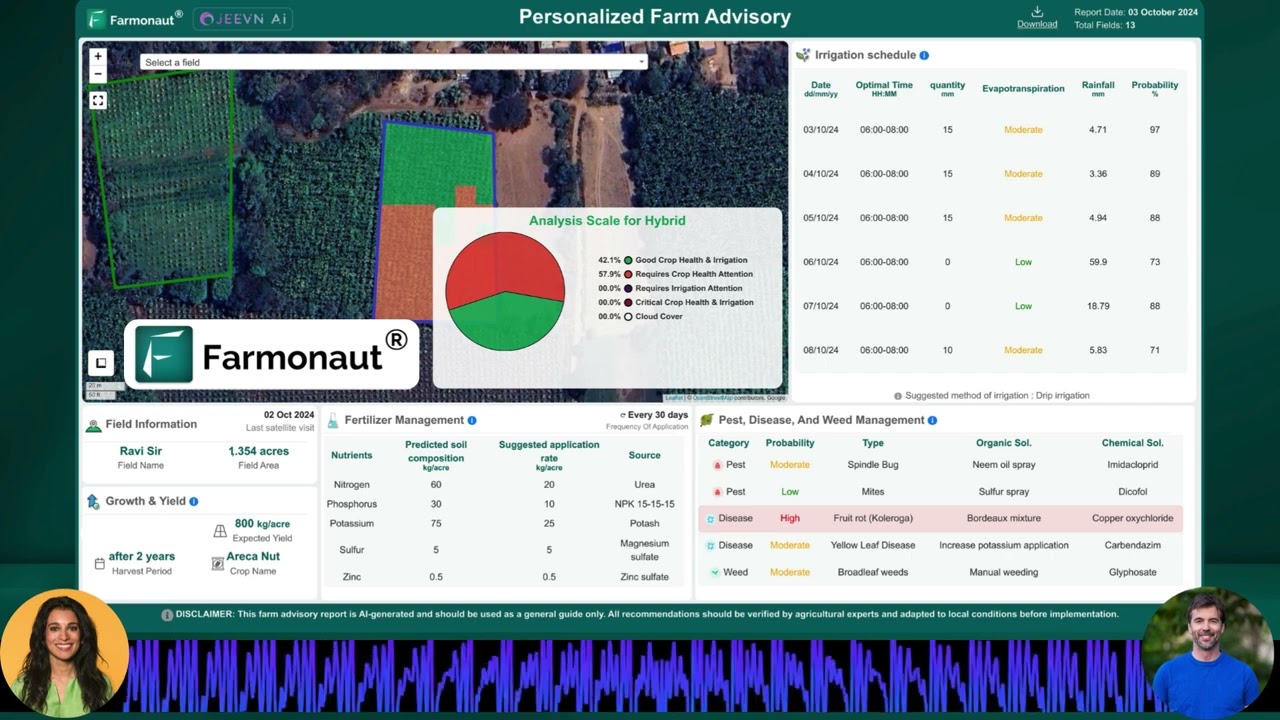
- Jeevn AI Advisory System: This AI-powered tool provides precise weather forecasts, growth recommendations, and yield simulations for diverse crops and regional contexts. This supports better decision-making and maximizes both productivity and environmental stewardship.
- Blockchain-based Traceability: We offer end-to-end traceability solutions, ensuring authenticity and transparency for commodities—boosting trust across the agri-supply chain.
- Resource & Fleet Management: Our fleet management tools help businesses and large-scale farms optimize their operations, minimize resource waste, and enhance logistical efficiency.
- Environmental Impact Tracking: Real-time carbon footprint monitoring supports users in adopting sustainable farming and mining practices, keeping operations compliant and ecologically sound.
For API integration, visit our developer docs. Our scalable solutions adapt to any operation—from smallholders to multi-region enterprises—making high-quality AI datasets an everyday tool for the global agricultural community.
Access the Android App 
or the iOS App  for seamless field and farm management.
Explore our large-scale farm management solutions for enterprise-level agriculture, or get tailored advice with crop plantation and forest advisory services.
Key Challenges: Data Quality, Bias, Ethics & Connectivity
Despite all the benefits, leveraging AI training data for agriculture faces hurdles, especially as we look to 2026 and beyond:
- Data Gaps & Fragmentation: In many regions, data can be outdated, incomplete, or inconsistently structured—impacting algorithm reliability and inclusivity.
- Connectivity: Poor internet and digital infrastructure hinder real-time data uploads and remote training in rural areas—slowing field-to-cloud intelligence cycle times.
- Bias & Representativeness: AI models must be carefully trained on diverse crop, climate, and socio-economic datasets to avoid privileging certain regions or farm types over others.
- Privacy & Security: As data volumes grow, standards for privacy, security, and ethical AI decision-making will become more critical—particularly for financial and identity data.
The solution lies in ongoing digital literacy training, open data standards, and close collaboration between governments, research institutions, and agricultural communities to ensure models remain robust, fair, and locally relevant.
Future Prospects: AI Training Data for Agriculture 2026 and Beyond
As we approach 2026 and beyond, the convergence of AI training data for agriculture, agronomist expertise, and intelligent lending will define a new paradigm in farming. Key trends include:
- Hyperlocal Predictive Analytics: Models will continuously retrain on the latest field data, enabling ultra-tailored recommendations at the sub-field or farm-block level.
- Universal Access: Affordable, mobile-first tools will democratize access for all sizes and types of farms and rural communities worldwide.
- Integrated Traceability & Finance: Blockchain-based crop data and satellite-driven verification will underpin transparent, trusted value chains—unlocking faster, wider credit access.
- Immersive VR and AR Training: The next generation of agronomists will learn and simulate practices in increasingly realistic, AI-powered virtual environments, allowing for complex scenario planning and rapid scaling of expertise.
- Sustainability & Compliance: Automated tools for environmental impact tracking, carbon footprint reporting, and resource optimization will make sustainable farming not just preferable, but mandatory and measurable.
AI systems will become “farm partners”, not just advisory tools—enabling a future where every decision, on- or off-field, is supported by real-time intelligence built on robust, unbiased, and ever-evolving training datasets.
FAQ: AI Training Data in Agriculture – Answers to Key Questions
-
What is AI training data for agriculture?
AI training data for agriculture comprises structured datasets sourced from satellites, sensors, weather stations, drones, and farmers. It enables algorithms to predict crop yields, pest outbreaks, and optimize resources for precise, data-driven farming.
-
How does AI training data help agronomists?
AI training data enables agronomists to run simulations, analyze crop health, anticipate risks, and recommend tailored interventions. They gain skills in interpreting large datasets and using AI-driven tools for efficient management.
-
How is agricultural lending training improved by AI?
AI provides real-time, data-backed risk assessments and supports lenders in personalizing loan products, accelerating approvals, and tailoring financial advice for each farmer based on their unique operation and conditions.
-
Where is Farmonaut’s data-driven platform available?
Our platform is accessible globally via web & mobile app and through API integration for businesses and developers seeking custom solutions.
-
What are the biggest challenges in collecting quality AI training data for agriculture?
Key challenges include lack of connectivity in rural areas, data fragmentation, ensuring unbiased and representative sampling, privacy, and data security.
-
What’s the future of AI training data in agriculture?
By 2026, AI training data will offer real-time, hyperlocal recommendations, power immersive VR/AR training for agronomists, and underpin scalable lending and sustainability tracking across all farm types.
Conclusion: Building Resilient, Data-Driven Agriculture for 2026 and Beyond
As AI training data streams fuel the future of agricultural science, precision lending, and real-world food production, the sector stands on the brink of a renaissance. The integration of satellites, sensors, and expert platforms elevates both human and artificial intelligence—empowering all types of farmers, agronomists, and lenders to make informed, equitable, and sustainable decisions.
At Farmonaut, we are committed to making this advanced intelligence accessible and actionable for everyone, everywhere—bridging the technological divide and enabling agriculture to thrive in the face of today’s and tomorrow’s challenges.
Discussion
Questions, corrections or field experience? Share them below. First-time comments are reviewed before they appear, and your email is never published.
No comments yet. Be the first to add a question or your experience.

 Agreeta Solutions
 Agricultural Credit Policy Council
 BayWa
BayWa MCSOD
MCSOD Marei Nursery
 eKGIS
eKGIS Mostas Tech
 Native Seeds
 Andex
Andex FCF India
 Unifrutti Gulf
 Deluxe Conseil
 TVS Electronics
 WICO
WICO Chimera Innovation
 SkyHarvest
 Licence holder · Niger · Gold
 Licence holder · Nigeria · Gold + lithium










