

Alfalfa Pellets Forecasts & Yield Per Acre 2026: Technology, Trends & Precision in Sustainable Agriculture
Table of Contents
- Alfalfa Pellet Yield Trivia
- Introduction
- Alfalfa Yield Per Acre: Current Status and Influencing Factors
- Technology, Innovations & The Farmonaut Edge
- Alfalfa Production Per Acre: Trends and Challenges
- Alfalfa Pellets: Market Outlook & Usage in 2025 and 2026
- Comparative Forecast Table: Alfalfa Pellet Yields 2025 vs. 2026
- Sustainability, Environmental Impact, and Market Growth
- Precision Practices: Getting More Per Acre in 2025–2026
- Farmonaut Application Links
- Expert Highlights, Pro Tips & Investor Notes
- Key Takeaways & Visual Data Insights
- Frequently Asked Questions
- Conclusion
- Farmonaut Subscription Pricing Table
“Alfalfa pellet yields are projected to reach up to 5.2 tons per acre in 2025 due to advanced seed genetics.”
Introduction: Alfalfa Pellets Forecasts and Yield Trends—A 2025+ Perspective
Alfalfa remains one of the world’s most important forage crops, globally valued for its high protein content and versatile uses in supporting modern livestock production. As we progress into 2025 and look ahead to 2026, it is vital for farmers, feed manufacturers, agribusiness stakeholders, and decision-makers worldwide to understand the intersection of alfalfa yield per acre, the advancing production per acre practices, and the dynamic alfalfa pellets market forecasts shaping sustainable agriculture’s future.
This comprehensive article, packed with actionable insights and technology-driven strategies, explores the core variables and advances influencing alfalfa production per acre, techniques for maximizing yield per acre, and the fast-rising alfalfa pellets market—from the US states of California and Midwest to expanding global regions in Asia, Europe, and the Middle East.
Alfalfa Yield Per Acre: Current Status and Influencing Factors
The alfalfa yield per acre is a critical metric with direct implications for the economic viability and sustainability of cultivating this premium forage crop. Averages can vary significantly depending on geographic location, soil quality, water availability, and key management practices:
- In prime agricultural regions of the United States like California and the Midwest, 2025 alfalfa yields typically range between 5 to 7 tons per acre annually under optimal irrigation and fertilization.
- In arid or drought-prone areas (including parts of the US Southwest, Central Asia, and the Mediterranean), advances in precision irrigation, improved drought-tolerant varieties, and efficient scheduling help maintain yields above 3 tons per acre.
The dynamic interplay of crop genetics, water, soil fertility, and management sets the stage for maximizing alfalfa yield per acre.

Influencing Factors for Yield and Production per Acre:
- ✔️ Geographic Location: Determines available growing season, possible number of cuts (typically 3–5 per season), and exposure to heat or frost.
- ✔️ Soil Quality and Fertility: Soil type, organic matter, and carbon footprint management practices play a significant role in nutrient retention.
- ✔️ Water Availability & Irrigation: Efficient irrigation scheduling and monitoring solutions will increasingly define the capacity to sustain high yields.
- ✔️ Management Practices: Fertilization, pest and disease control, and strategic harvesting impact yield, protein content, and pellet production efficiency.
- ✔️ Weather Variability & Climate: Heatwaves, unexpected frosts, and rainfall timing can reduce overall productivity.
- ✔️ Crop Genetics: The ongoing shift toward improved varieties ensures resistance to pests, diseases, and drought, while enhancing nutrient uptake and yield potential.

Technology & Innovation: Precision Farming Shaping Alfalfa Yield and Pellet Production in 2025–2026
Recent technological advances and precision practices are fundamentally transforming how alfalfa yield per acre is measured, managed, and significantly improved across the global agriculture sector:
- Satellite Imagery & AI Platforms: Real-time, field-level data from satellites, such as NDVI, EVI, soil moisture, and crop monitoring (including our Farmonaut solutions), boost field scouting efficiency, track growth and identify nutrient or pest issues early.
- Blockchain-Based Traceability: Tools like Farmonaut’s product traceability solutions provide secure and transparent supply chains from field to feed and pellet plants, enhancing buyer confidence and market value.
- AI-Powered Advisory Systems: Predict optimal harvesting windows, cutting intervals, and yield trajectories for each field—customizing recommendations to local climate, soil, and crop stage.
- Environmental Impact Tracking: Monitoring tools (such as those available via Farmonaut’s carbon footprinting dashboard) help assess emissions and resource use, making sustainability not just aspirational, but measurable.

Examples of Data-Driven Decisions (2025–2026 Perspective):
- 📊 Field moisture tracking pinpoints irrigation needs, lowering water waste and improving plant stress resilience—vital for alfalfa production per acre in water-limited regions.
- 📊 Yield estimation tools help forecast pellet production per acre well in advance, supporting farm business planning, insurance, and financing.
- 📊 Drone and sensor integration further improve pest and disease detection at a granular level—essential for minimizing yield risk.
Learn more about AI-powered sustainability and precision in large-scale farm management and decision systems.
Alfalfa Production Per Acre: Trends and Key Challenges for 2026
Alfalfa’s overall production per acre encapsulates not just the raw yield, but the ability to extract value through timely harvesting, optimized cutting intervals, and post-harvest processing.
- In optimal conditions, with proper fertilization and irrigation, a well-managed alfalfa field may undergo 3 to 5 harvests (cuts) per growing season.
- Longer growing seasons, especially in moderate climates (such as California’s Central Valley or Spain), allow for extra harvests and significantly increase total production per acre annually.
Yet, in practice, there are critical challenges to maintain or increase yield per acre and pellet production through 2025–2026:
- ⚠ Climate Variability: Heat waves, unexpected rainfall, and early frost can reduce yield and force missed cuts.
- ⚠ Soil Degradation: Over-use or continuous cultivation without rest can deplete soil health and reduce future productivity.
- ⚠ Water Access: As water becomes more limited in many regions, high-value per drop strategies, enabled by satellite API-powered management, will become vital.
- ⚠ Market Price Fluctuations: Variability in cattle, dairy, and export demand can push producers toward new value-added products like pellets.
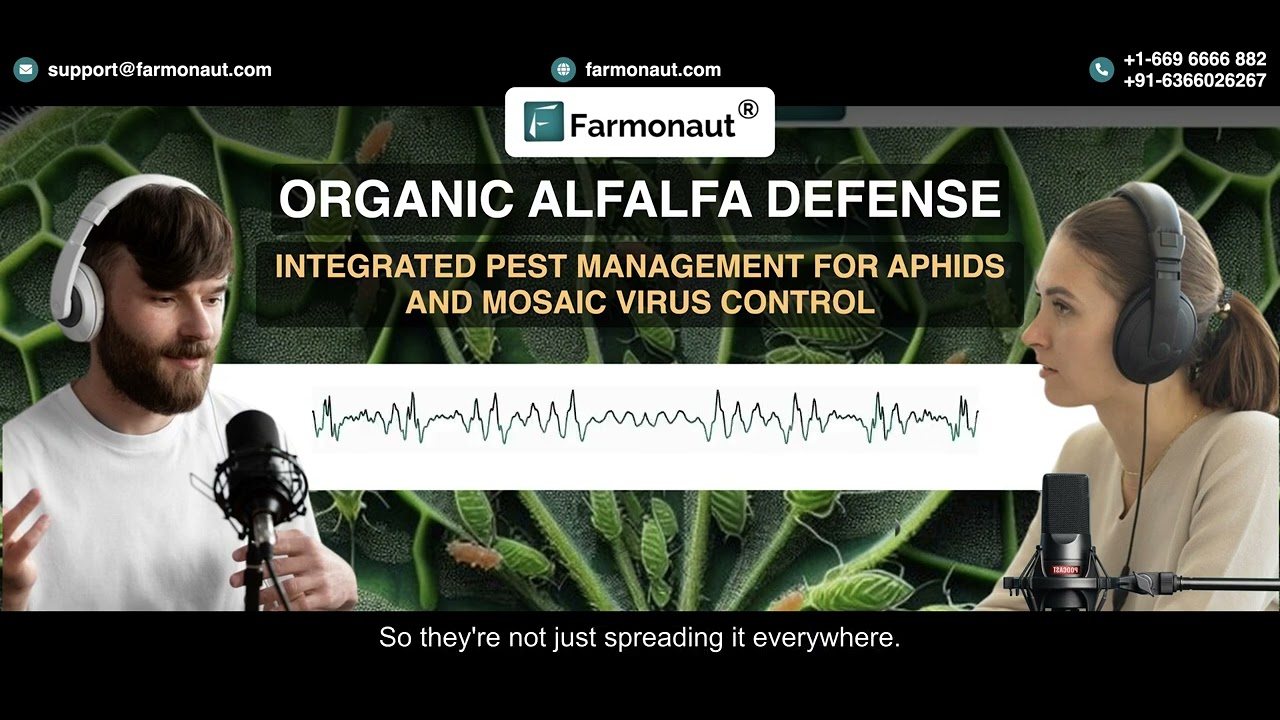
- ⚠ Pest & Disease Risk: Aphid, mosaic virus, and root rot outbreaks challenge both yield per acre and protein content.
Trends for Increasing Alfalfa Production Per Acre:
- ✔️ Improved Varieties: High-yield, disease- and drought-resistant types are now widely available and in adoption.
- ✔️ Advanced Sensing & Farm Management Platforms: Regular satellite monitoring to track field health & identify stress zones for targeted action.
- ✔️ Efficient Rotation & Cover-Cropping: Soil health is boosted by integrating other forage and rotational crops—reducing erosion and nutrient depletion.
- ✔️ Minimal Tillage: Conservation practices maintain soil structure, fertility, and organic content—now mainstream in progressive agricultural regions.
Comparative Forecast Table: Alfalfa Pellets Forecasts, Yields and Innovations (2024–2026)
| Year | Estimated Alfalfa Yield per Acre (tons/acre) |
Projected Pellet Production per Acre (tons) |
Yield Trend (%) from Previous Year | Key Innovations Driving Change |
|---|---|---|---|---|
| 2024 (Baseline) | 4.9 | 3.7 | – | Conventional varieties, basic irrigation, manual scouting |
| 2025 (Current) | 5.2 | 4.1 | +6.1% | Adoption of advanced genetic varieties, AI-driven irrigation, precision satellite monitoring |
| 2026 (Forecasted) | 5.4–5.7 | 4.5–4.8 | +7.1–7.3% | Enhanced drought resistance, blockchain traceability, AI-based advisory, carbon tracking integration |
Alfalfa Pellets: Market Outlook & Usage in 2025, 2026 and Beyond
The alfalfa pellets market forecasts point to a significant expansion in both production and global trade—driven by shifts in livestock feed efficiency, ease of transport, storage, and pellet nutrient integrity.
-
What are Alfalfa Pellets?
- High-protein, compressed forage product made from dried and ground alfalfa; densified into pellet form for streamlined feeding, packaging, and export.
-
Where are Alfalfa Pellets Used?
- Across ruminant livestock operations (dairy, beef, sheep, goats), equine nutrition, and increasingly in aquaculture.
- Expanding uptake in Asia, Middle East, and European feed markets due to ease of handling and year-round quality.
-
Why Are Alfalfa Pellets Forecasts So Optimistic?
- Pellet production systems preserve nutrient content, protein, and digestible fiber; appeal to intensive livestock and export-oriented agribusinesses.
- Enable consistent feed quality, less spoilage, and lower logistics costs (especially for small and remote farms).
- Align with sustainability requirements and carbon footprint reduction in modern livestock supply chains.

Key Trends in Alfalfa Pellets Production and Markets (2025–2026):
- ✔️ Increasing global demand for sustainable, high-protein livestock feed options.
- ✔️ Significant investments in pelletizing and drying facilities in the United States, China, Spain, and Saudi Arabia.
- ✔️ Rapid adoption of nutrient-preserving processing technologies, such as low-temperature drying and pre-pellet micronization.
- ✔️ Trade growth: Pellets are now preferred for containerization/export vs. baled hay.
- ✔️ Growing role of blockchain and satellite traceability for quality/biosecurity assurance in export markets.

Sustainability, Environmental Impact, and Market Growth through 2026
Modern alfalfa cultivation and pellet processing are deeply linked to sustainability goals demanded by governments, consumers, and global markets. The emphasis is now on:
- ✔️ Efficient Land Use: Higher yield per acre means more protein produced using less land—a win for both economics and carbon reduction.
- ✔️ Water Conservation: Satellite-driven soil moisture tracking ensures each drop supports maximum plant growth.
- ✔️ Integrated Pest Management (IPM): By detecting stress, pest, and disease patterns via remote sensing, targeted biological and agronomic interventions can reduce chemical input and preserve ecosystem health.
- ✔️ Renewable Energy & Low-Emission Processing: Next-generation pellet mills increasingly use renewable energy sources to reduce net emissions.
- ✔️ Traceability and Certification: The ability to provide verified, traceable history of each harvest is fundamental to accessing high-value export feed markets.
Precision Practices for Maximizing Alfalfa Yield Per Acre (2025–2026 Focus)
- ✔️ Multispectral Satellite Monitoring: Using platforms such as Farmonaut, growers monitor NDVI, EVI, soil moisture, crop health and react to trends in real time.
- ✔️ Site-Specific Fertilization & Irrigation: Precision VRA (variable-rate application) of water and nutrients; targeting only what each acre requires based on mapped data.
- ✔️ AI-Driven Advisory: Platforms predict optimal harvest and cutting intervals, maximizing tonnage and feed quality.
- ✔️ Drone Integration: In-field drones complement satellite data for close inspection of problem zones.
- ✔️ Modular Fleet Management: Coordinating harvesters, balers, and transport for timed, low-loss harvesting operations (Fleet Management Solutions).
Precision practices are essential for maintaining high alfalfa yield per acre, lowering resource use, and driving upward trends in alfalfa pellet forecasts for 2026.
Farmonaut Satellite & AI Tools: Empowering the Next Leap in Alfalfa Per Acre Productivity
At Farmonaut, our mission is to make affordable satellite-driven insights and AI-based farm management solutions accessible to everyone, from smallholders to major agribusinesses. The Farmonaut platform
delivers:
- Satellite-Based Monitoring: Real-time NDVI, EVI, Soil Moisture, and crop health data
- AI & Blockchain Traceability: Automated yield prediction, rot-proof traceability for insurance and loan verification, and regulatory compliance
- Fleet Management: Optimize harvesting and input application, minimize downtime and losses
- Environmental Impact & Sustainability: Instantly benchmark carbon emissions and resource efficiency per field or operation (details on our carbon-footprinting product)



For automated integration and advanced analytics, see our API (and developer docs).
Expert Highlights & Field Wisdom for Maximizing Alfalfa Pellet Yields
Key Takeaways & Data Insights for Alfalfa Stakeholders
- 📈 Alfalfa pellet yields are set to surpass 5.4 tons per acre for best-managed fields by 2026.
- 📊 Precision irrigation and field monitoring significantly increase water efficiency per ton produced.
- 🔍 AI and satellite advisory optimize cutting windows, ensuring multi-harvest cycles and higher total production.
- 💡 Eco-friendly pellet processing is a new market driver for sustainability-focused export buyers.
- 📉 Soil health tracking using remote sensing and field analytics is proven to reduce yield losses year-on-year.
Yield Growth
+7.2% forecast annual yield growth from 2024–2026
Harvests Per Season
Up to 5 cuts per season in prime regions (California, Midwest)
Blockchain Traceability
Premium pricing & access to regulated export feed markets
Quick Benefits of Satellite-Driven Alfalfa Management
- 🌍 Global scalability for both developed and emerging agriculture zones
- 🔬 Field-level precision in resource input, boosting nutrient use efficiency
- 🔒 Improved risk management and eligibility for crop insurance solutions (read how)
- 💵 Lower production losses and higher ROI on input investment
- ⚡ Instant reporting for regulatory, investor, and customer stakeholders
Frequently Asked Questions: Alfalfa Pellets Forecasts, Production Per Acre & Precision Trends
What is the average alfalfa yield per acre in 2025–2026?
In top producing regions like California and the Midwest, average alfalfa yield per acre in 2025 is between 5 and 7 tons under full irrigation and optimal management. For water-limited areas with advanced varieties and precision irrigation, yields above 3 tons per acre remain common. For 2026, yield trends forecast slight further increases with better genetics and technology adoption.
How many harvests or cuts can I expect per season?
Alfalfa typically undergoes 3 to 5 harvests per year—this depends on temperature, growing season length, irrigation, and rainfall patterns. More consistent weather and longer seasons lead to higher cut frequency.
Are alfalfa pellets better than baled hay for livestock?
Yes, alfalfa pellets provide consistent nutrient density, lower spoilage risk, and easier handling. They are especially suited to mechanized feed operations and export shipping requirements.
What factors drive alfalfa pellet market forecasts through 2026?
Rising demand for sustainable, high-protein feed, better export logistics, adoption of AI/satellite tech for quality and traceability, and expanded processing capacity—all drive robust global pellet market outlooks.
How can I use Farmonaut for managing my alfalfa farm?
With Farmonaut’s web and mobile apps, you get real-time satellite insights, AI-powered crop health and harvest timing recommendations, environmental impact benchmarking, and resource management tools. This enables you to maximize production per acre and sustainability—no matter your farm size or location.
Conclusion: The Alfalfa Pellets Revolution—Precision, Innovation & Sustainable Productivity into 2026
The future of alfalfa—and the alfalfa pellets forecasts shaping global agriculture—is decidedly bright. Rising production per acre, powered by genetics, climate-smart management, and advanced satellite-driven technologies, will pave the way for higher and more consistent yields, even amid climate and market volatility.
As precision platforms such as Farmonaut become standard tools for field monitoring, water management, and traceability, alfalfa growers and agribusinesses can expect to benefit from greater efficiency, faster adaptation, and enhanced market access for sustainable livestock feed and animal protein markets. The shift toward blockchain verified, climate-positive pellets and resilient crop practices will continue through 2026 and beyond—securing export competitiveness, profitability, and food system sustainability.
Farmonaut Subscription Plans: Power Your Alfalfa Acre with Satellite & AI Tools
Experience the advantages of real-time field monitoring, AI-based advisory, and environmental accountability for your alfalfa operation. Flexible plans for individuals, businesses, and governments—start optimizing your yield per acre, processing efficiency, and market readiness for 2026.

 Patrick America
 Red Dog Management
 Liquify Digital
 Ascentya
 CU Foods
 BeyondTech Global
 Rouge VC
 AgroGreen Dynamics
 AgroRisk
 Oath Inc
 Reddane Farming
 Esri North East Africa
 Cresol
 MDCV UK
 Zerella Group
 Etech Consulting Madagascar
 Vestlandsforsking
 Delicio
 WB Dev
 Sama Premium
 Prochecker
 Tres Valles
