

Aqua Farming & Aquaponics: Top 7 Sustainable Trends for 2026
Summary: Aquaponics Fish Farming—The Future of Sustainable Agriculture in 2025 & Beyond
As populations around the globe continue to rise, and arable land becomes increasingly scarce, innovative farming techniques are essential to meet food demand. Among these, aquaponics fish farming stands out as a transformative, sustainable, and efficient answer to challenges in food security, environmental conservation, and production efficiency.
At its core, aquaponics fuses aquaculture (the cultivation of fish in controlled aquatic environments) with hydroponics (soilless plant cultivation). Fish are raised in tanks, and their waste-filled water—high in nitrogenous compounds—circulates through plant beds. Beneficial bacteria convert ammonia from the fish waste into plant-usable nitrates, nourishing the plants without soil. In return, the plants filter and purify the water, which cycles back to the fish tanks. This symbiotic ecosystem maximizes resource use, effectively reducing waste and minimizing environmental impact.
Exclusive to 2025 and beyond, new advancements in aqua sprinklers, intelligent systems, and highly optimized aquaponic designs—such as aqua joe sprinklers and real-time remote monitoring—are further boosting efficiency, resource conservation, and year-round production, especially in regions facing environmental stress.

Understanding Aqua Farming & Aquaponics: A 2026 Perspective
Aqua Farming: A Definition
Aqua farming, or aquafarming, broadly refers to all forms of cultivation of aquatic organisms—including fish, shellfish, and aquatic plants—using controlled water-based methods. By 2026, aqua farming encompasses innovative systems such as integrated aquaponics, recirculating aquaculture, and advanced hydroponic set-ups, all aimed at boosting food supply in an environmentally friendly and sustainable manner.
What Is Aquaponics?
Aquaponics is a refinement within aqua farming. It is a sustainable farming system that combines aquaculture with hydroponics. Fish are raised in tanks where their natural waste accumulates; this water is circulated to hydroponic beds where beneficial bacteria break down toxic ammonia into nitrates, which are then absorbed by plants as a natural fertilizer. The plants in turn purify the water before it is recirculated to the fish tanks—creating a closed-loop, resource-efficient ecosystem.
- Uses up to 90% less water compared to conventional soil-based farming due to continuous recycling within the system.
- Eliminates the need for harsh fertilizers and pesticides, making produce healthier and residues minimal.
- Allows for diverse crop and fish species to be raised in proximity, maximizing land productivity.
- Suitable for urban, arid, and climates with poor soil quality, addressing food production in challenging environments.
The Biological Core of Aquaponics
Aquaponics integrates two complementary biological processes:
- Fish are raised in aquatic tanks—production of waste results in high nitrogen compounds, particularly ammonia.
- Bacteria colonies live in plant beds—they convert ammonia into nitrates, non-toxic and highly nutritive for plants.
- Plants grown without soil—root systems draw nutrients from circulating water, filtering it of toxins for reuse in fish tanks.
2025 & 2026: A Unique Moment for Aquaponics
With global populations continuing to rise and arable land becoming scarce, aquaponics and integrated aqua culture systems are gaining significant traction. The need for innovative techniques is clear. Technologies such as aqua sprinklers, AI-powered controls, and advanced greenhouse setups offer the ability to create resource-maximizing, scalable systems—meaning more food can be produced on less land, with enhanced sustainability.

Why Sustainable Aquaponics Trends Matter in 2025 and Beyond
Aquaponics and advanced aqua farming are not just technological novelties; they are necessary responses to urgent global challenges:
- Climate Change & Water Scarcity: Many regions face dwindling water reserves and unpredictable rainfall. Aquaponics systems—especially those using efficient aqua sprinklers—use a fraction of the water required by traditional farms.
- Increasing Populations & Urbanization: Growing populations and migration into cities mean more food must be produced on less arable land.
- Food Safety & Traceability: Controlled, closed production systems—especially with blockchain-based traceability—ensure food safety and reduce the risk of contamination.
- Environmental Protection: By greatly reducing waste and runoff, aquaponics preserves natural habitats and biodiversity surrounding production areas.
- Economic Opportunity: Offering diverse crop and fish production, aquaponics creates new income streams and enhances resilience for small- and large-scale farmers alike.
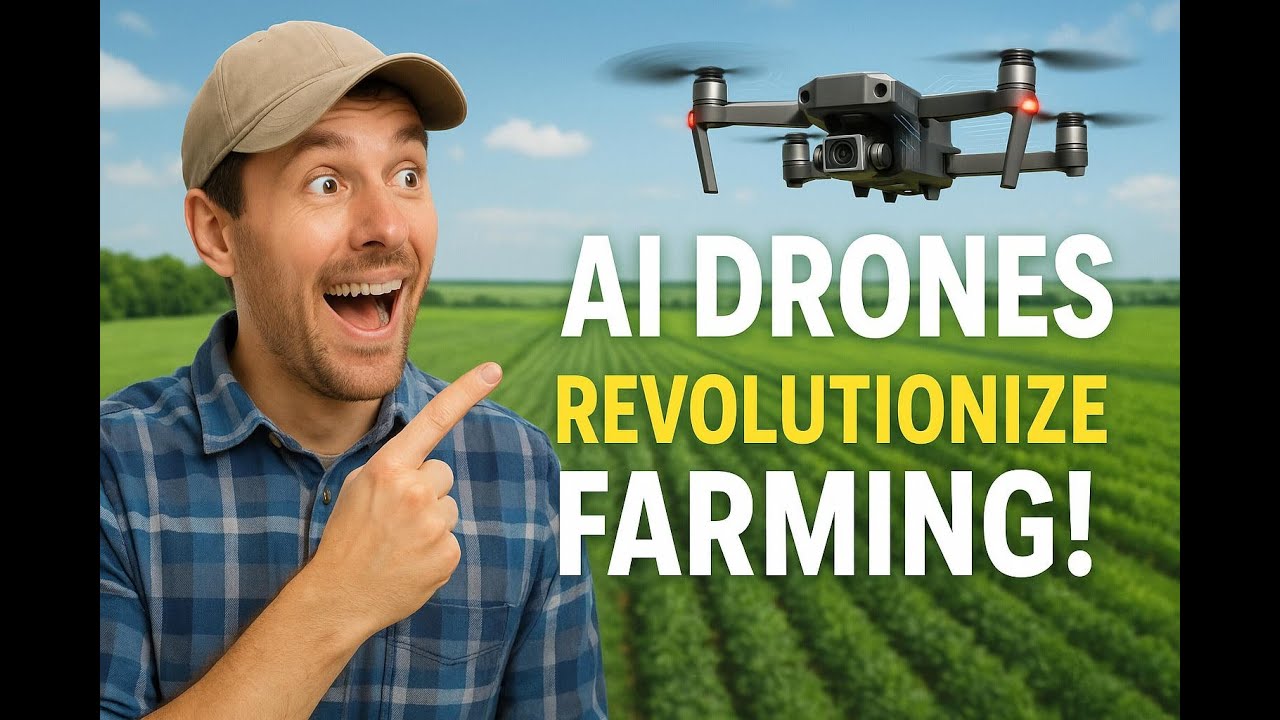
Top 7 Sustainable Trends in Aqua Farming & Aquaponics (2026)
To meet increasing demand for efficient, sustainable food production in 2026, farms worldwide are adopting these seven innovative trends in aqua and aquaponics fish farming:
-
Integrated Recirculating Aquaponics Systems
- Combine recirculating aquaculture with hydroponics, maximizing efficiency while maintaining a balanced aquatic ecosystem.
- Uses real-time control for water quality, fish health, and plant nutrition—all within a closed-loop environment.
- Reduces water consumption by up to 90% compared to conventional methods.
-
Smart Aqua Sprinklers & Precision Irrigation
- Deployment of aqua joe sprinklers and other precision-controlled water delivery systems to minimize loss while maximizing plant hydration and nutrient distribution.
- AI sensors ensure each plant gets optimal water and nutrients, directly addressing water scarcity and crop yield predictability.
-
Urban Vertical Aquaponics Farms
- High-density vertical farming using aquaponics systems in urban centers, transforming rooftops, unused buildings, and greenhouses into vertical food production hubs.
- Localization reduces transport emissions and boosts fresh food security in cities.
-
Multi-Species & Polyculture Aquaponics
- Simultaneous cultivation of multiple aquatic species (e.g., Tilapia, Catfish, Shrimp) and diverse plant crops—including leafy greens, herbs, and fruiting plants—for resilience and income diversity.
- Enables farmers to adapt to changing market needs and environmental conditions.
-
Automation, IoT Sensors & AI Advisory Systems
- Advanced monitoring—via sensors, IoT devices, and AI-powered dashboards—for real-time control of water quality, nutrient flow, and system health.
- Automation reduces labor input while enabling precision interventions; essential for scaling operations affordably.
- Explore Farmonaut’s Large Scale Farm Management solutions for integrating AI data and boosting production efficiency.
-
Blockchain-Enabled Food Traceability
- Ensures end-to-end tracking of fish and crop origins via blockchain, enabling transparency for consumers and regulators.
- Learn more about Farmonaut’s Blockchain-Based Traceability for maintaining trust across the food supply chain.
-
Carbon Footprint & Environmental Impact Monitoring
- Tracking and reducing the carbon footprint, energy consumption, and resource use of aquaponic operations, integrating smart sensors and analytics for compliance and sustainability.
- Farmonaut’s Carbon Footprinting Tools help operators assess and minimize environmental impact effectively.

Sustainable Aquaponics Trends Overview Table
| Trend Name | Description | Est. Water Savings (%) | Est. Yield Increase (%) | Energy Use | Initial Investment Estimate (USD) | Environmental Impact |
|---|---|---|---|---|---|---|
| Integrated Recirculating Aquaponics | Closed-loop fish and plant systems using advanced filtration and continuous water recycling. | 90% | Up to 40% | Medium | $8,000–$20,000 (modular) | Low |
| Smart Aqua Sprinklers & Precision Irrigation | Automated, sensor-driven sprinklers distributing water and nutrients with minimal loss. | 80–90% | 15–25% | Low–Medium | $3,000–$7,000 | Low |
| Urban Vertical Aquaponics | Stacked production of fish and crops in city structures (e.g., rooftops, warehouses). | Up to 95% | 25–50% | Medium–High | $12,000–$30,000 | Medium–Low |
| Multi-Species & Polyculture | Simultaneous cultivation of diverse aquatic and plant species for system resilience. | 75–85% | 30–45% | Medium | $10,000–$15,000 | Low |
| Automation, IoT & AI Systems | Comprehensive system monitoring, automation of water, nutrient, and environmental management. | Up to 90% | 35–60% | Medium | $7,000–$18,000 | Low |
| Blockchain-Enabled Food Traceability | Transparent tracking of crop/fish origin, storage, and handling via blockchain. | 75-85% | 10–18% | Low | $2,500–$8,000 | Low |
| Carbon Footprint & Impact Monitoring | Smart tracking and reduction of emissions, energy, water, and waste output. | Up to 92% | 17–28% | Low–Medium | $4,000–$12,000 | Low |

The Role of Modern Technology in Aquaponics Fish Farming
Aqua Sprinklers: The Backbone of Precision
Smart aqua sprinkler systems (aqua joe sprinkler and advanced variants) have become integral to aquaponics setups. Their main roles include:
- Uniform Water & Nutrient Distribution: Ensuring all plant roots receive adequate hydration and nutrients, regardless of their position in the bed.
- Minimizing Evaporation & Loss: Precision spray patterns and timings lessen evaporation losses, key for systems in arid regions or under high heat conditions.
- Automated Control: Sprinkler systems are frequently controlled by programmable timers and integrated sensors, reacting in real time to crop and weather conditions.
- Systems can operate on renewable energy, further reducing environmental impact and utility costs.
IoT & Automation: Smart Farming for 2026
By 2025–2026, implementation of IoT (Internet of Things) devices in aqua farming is increasingly common:
- Sensors monitor water quality (pH, dissolved oxygen, temperature), fish health, and plant nutrient status 24/7.
- Automated actuators adjust water flow, lighting, feeding, and heating/cooling based on preset or AI-driven thresholds.
- AI-based advisory systems—such as Farmonaut’s Jeevn AI advisory—offer decision support, yield forecasts, and custom recommendations to maximize system productivity and efficiency.

Farmonaut’s Impact on Sustainable Aquaponics & Aqua Farming
At Farmonaut, we recognize that scalable adoption of aqua farming innovations is possible only when supported by affordable, accessible technology. By providing advanced satellite-driven monitoring, AI-powered advisory services, and blockchain-based traceability, we empower farmers and agri-businesses to maximize their system productivity and sustainability.
- Satellite-Based Monitoring: We deliver multispectral imagery and real-time crop health analytics to identify stress factors in aquaponics and open water farms, enhancing resource management and minimizing losses.
- Jeevn AI for Precision Farming: Our AI advisory delivers actionable insights for irrigation scheduling, nutrient supplementation, and disease prediction, driving operational efficiency in controlled aquaponics systems.
- Blockchain Integration for Traceability: Through our robust data and traceability solutions, we support end-to-end system audit, ensuring safe, transparent, and market-ready products.
- Environmental Impact Tracking: Using satellite and IoT data correlations, our carbon footprinting system helps aquaponics operators comply with evolving regulations while achieving sustainability targets.
Our satellite-based resource management tools enable farmers and institutions to optimize large-scale aqua farming systems without the need for costly hardware investments. Combined with AI- and data-driven insights, this democratizes access to advanced agritech tools for all sizes of operations.
Growing Food-Secure Cities & Communities via Urban Aquaponics
The 2026 global trend toward urbanization presents unique opportunities for urban aqua farming and aquaponics:
- Decentralized production: Small- to medium-sized aquaponic units on rooftops, in basements, or even as part of municipal infrastructure, enable cities to produce their own high-value fish and produce without the need for arable land.
- Reduced food miles: Fresh crops and fish are delivered with minimal transport, reducing spoilage and carbon footprint.
- Local employment and education: Urban aquaponics farms often become hubs for education, community-supported agriculture (CSA), and circular local economies—promoting awareness of sustainable techniques among consumers and policy makers.
- Fleet management tools play a vital role in optimizing urban delivery and resource logistics within city-based aquaponic operations.

Future Outlook: What’s Next for Aquafarming in 2026?
The future of aqua farming and aquaponics in 2026 is defined by continued innovation, greater scalability, and heightened integration with digital technologies. Stakeholders can expect:
- Wider adoption of AI- and satellite-enabled monitoring for remote management, yield prediction, and early disease outbreak detection.
- Optimization of polyculture strategies with genomics and biotech, unlocking new fish and plant species combinations for local markets and environments.
- Legislative incentives for aquaponics operations, especially those proven to reduce water use and environmental impact.
- Strengthening of certification systems and consumer awareness for blockchain-based traceability and sustainability markers, boosting trust in aquaponically-grown food.
- Integration with renewable energy systems (solar, biogas, wind), further lowering the carbon footprint of operations.
As resource scarcity and climate change remain urgent issues, the adoption of closed-loop, highly controlled aquaponics systems—driven by data and supported by platforms like those of Farmonaut—will increasingly define the global solution set for food production, environmental stewardship, and economic resilience into 2026 and beyond.
Explore Farmonaut’s Apps & Solutions



Want to integrate advanced satellite data directly into your systems?
Access our robust Farmonaut Satellite & Weather API (Developer Docs) for real-time crop, water and aquaponics system monitoring, powering your farm with up-to-the-minute insights.
Frequently Asked Questions (FAQ)
Q1. What is the major advantage of aquaponics vs traditional soil farming?
Aquaponics systems use up to 90% less water than conventional soil farming, recycle nutrients, and eliminate the need for chemical fertilizers and pesticides. This eco-friendly system also enables higher yield per square foot—particularly useful in regions with limited water and arable land.
Q2. What types of fish and plants can be raised in aquaponic systems?
Common fish include Tilapia, Catfish, Trout, and Shrimp. Leafy greens (lettuce, spinach), herbs (basil, mint), and some fruiting crops (tomatoes, peppers) grow well in aquaponics, as the system is customizable to many species’ needs.
Q3. Are aqua sprinklers and automation cost-effective for small farms?
Yes. Modern aqua sprinkler systems are modular, scalable to a variety of farm sizes, and further lower water and labor costs. Combined with basic automation, even smaller operators benefit from increased efficiency and resilience to climate risks.
Q4. How does blockchain improve food security and traceability in aqua farming?
Tracking systems leveraging blockchain enable tamper-proof records for each batch of fish and crops, creating transparency. End consumers, regulators, and buyers can trace products back to their origin—ensuring food safety and trust in supply chains.
Q5. Do urban aquaponics farms require a lot of energy?
While energy use depends on the size and technology level of the system, new advances in LED lighting, temperature management, and renewable-powered controls are rapidly lowering energy requirements, making urban aquaponics more viable than ever before.
Conclusion: Aquaponics Fish Farming Sets the Standard for Sustainable Agriculture in 2026
As we approach 2026, aquaponics fish farming stands at the frontier of sustainable food production. These innovative systems integrate fish tanks, plant beds, and smart aqua sprinklers with automation and blockchain traceability to provide closed-loop, resilient, and resource-efficient agriculture models suited for every scale—from small urban installations to expansive rural greenhouses.
By recycling up to 90% less water than conventional farming, providing dual yields (fish and plants), and minimizing waste and environmental harm, aquaponics answers the urgent call for climate-smart food security. We at Farmonaut continue to empower this transition by democratizing access to satellite insights, AI advisory, and environmental monitoring, shaping a future that is truly sustainable and scalable for generations to come.
Ready to harness the power of innovative farming? Download our Farmonaut apps above and join us in leading the aqua farming and aquaponics revolution of 2026 and beyond.
Discussion
Questions, corrections or field experience? Share them below. First-time comments are reviewed before they appear, and your email is never published.
No comments yet. Be the first to add a question or your experience.

 SkyHarvest
 Sarvome
 Polaris Digitech
 Teledarbas
 Wild Oak Farm
 SFX
SFX BACF Africa
 Doodlakine
 Exurbia Geospatial
 FieldZero
 Indico Company
 Kubota
 FFBS
FFBS Jontra
 Licence holder · Niger · Gold










