

Aquaponics with Fish, Tower & Training Guide 2025
“Aquaponics systems can reduce water usage by up to 90% compared to traditional farming in 2025, boosting sustainability.”
Aquaponics in 2025: Revolutionizing Sustainable Agriculture with Fish, Towers, and Training
As the global population continues to rise and arable land becomes increasingly scarce, finding innovative agricultural practices is more critical than ever for food security and environmental sustainability. Aquaponics—the integrated system that combines fish farming and plant cultivation without soil—has emerged among the most promising solutions to these challenges, particularly relevant in 2025 and beyond.
By integrating aquaculture (raising fish) with hydroponics (growing plants in water), aquaponics efficiently utilizes water, reduces environmental impact, and maximizes output per square meter. The latest advancements, such as vertical aquaponics towers and comprehensive aquaponics training programs, are transforming how we approach sustainable food production, resource management, and urban agriculture.

In this comprehensive 2025 guide, we’ll explore aquaponics with fish, the role of aquaponics towers, and the increasing importance of aquaponics training. We’ll also discuss the environmental, economic, and practical benefits of these systems, the synergy between fish and plant production, resource efficiency, support from modern technologies like Farmonaut, and the best pathways to adoption. Whether you’re an aspiring urban farmer, an established agriculturalist, or a policy innovator, this guide will arm you with crucial insights into aquaponics for a resilient future.
Understanding Aquaponics with Fish in 2025
What Is Aquaponics?
Aquaponics is a system that integrates aquaculture (fish farming) and hydroponics (growing plants without soil), creating a symbiotic ecosystem. In this closed-loop system, fish produce nutrient-rich waste that is converted by beneficial bacteria into forms usable by plants. The plants absorb these nutrients, which cleanses and recirculates the water back to the fish tanks. This unique cycle ensures that plant production and fish farming coexist, enhancing sustainability and reducing waste.
Key terms:
- Aquaculture: Rearing aquatic animals such as tilapia, catfish, or trout.
- Hydroponics: Growing plants in a water-rich, soil-free medium.
- Beneficial bacteria: Microbes that convert fish waste (ammonia) into nitrates essential for plant growth.
- Recirculated water: Water reused within the system, dramatically conserving resources.
Why is Aquaponics a Critical Practice in 2025?
With growing global population and shrinking arable land, resource-efficient agricultural systems have become critical for food security. Conventional farming methods are increasingly unsustainable due to water wastage and runoff pollution. Aquaponics addresses this by using up to 90% less water than traditional farming, supporting both protein (fish) and vegetable (plants) production with far reduced environmental footprint.

The synergy of aquaponics not only maximizes output with minimal resources but also offers an innovative solution for urban or land-constrained environments. This makes it especially relevant for 2025 and beyond.
The Vertical Revolution: Aquaponics Tower Systems
How Aquaponics Towers Are Transforming Urban Farming
One of the most transformative advancements in aquaponics is the popularization of vertical aquaponics towers. These towers stack multiple layers of grow beds, allowing higher density of plants per square meter and making the most of available minimal space. This is a breakthrough for urban agriculture, where both land and water are precious commodities.
Key benefits:
- Space Efficiency: Towers can increase crop yield per square meter by up to 65% compared to soil-based agriculture.
- Water Conservation: Recirculated water achieves up to 90% savings over conventional farming.
- Higher Productivity: Multiple planting layers and efficient nutrient cycling foster faster, and bigger, plant growth.
- Ease of Maintenance: Vertical structures allow easier access and management, reducing labor costs.
Towers facilitate better light distribution, pest management, and urban integration. By enabling high-density, diversified production in constrained environments, aquaponics towers are ideal for cities, peri-urban zones, schools, and small farms.

These systems are increasingly integrated with smart technologies and training programs to optimize resource use, reduce losses, and empower a new generation of farmers.
“Vertical aquaponics towers can increase crop yield per square meter by 65%, enhancing urban food security and resource efficiency.”
Comparative Overview: Aquaponics Systems Table
| System Type | Fish Used (Estimated Common Species) | Water Savings (% vs. Traditional Agriculture) | Space Efficiency (Plants per sqm, Est.) | Yield Increase (% vs. Soil Farming) | Training Requirement (Hours, Est.) | Estimated Cost (USD per System) |
|---|---|---|---|---|---|---|
| Traditional Aquaponics | Tilapia, Catfish, Trout | 70-80% | 18-24 | 20-35% | 15-30 | $1,500–$4,000 |
| Aquaponics Tower | Tilapia, Catfish | 85–90% | 36–55 | 50–65% | 20–40 | $2,000–$6,500 |
| Aquaponics Tower with Training | Tilapia, Catfish, Trout | 90+% | 50–75 | 65–80% | 40–60 | $3,500–$8,000 |
Insight: Aquaponics towers, especially when paired with professional training programs, offer greater environmental and economic benefits compared to traditional systems, making them a top choice for 2025 sustainable farming.
Integrated Food Production: Fish and Plant Synergy
Fish Selection and Their Role in Aquaponics Systems
Popular fish species for aquaponics include tilapia, catfish, and trout. Each offers unique benefits in terms of hardiness, growth rate, and compatibility with different environmental conditions. Tilapia is appreciated for its rapid growth and tolerance for changing water quality, while catfish and trout provide diverse protein sources and additional income streams for farmers.
The waste produced by these fish is rich in ammonia. Beneficial bacteria in the system convert this waste to nitrates—an essential nutrient that stimulates plant growth. The plants in turn absorb these nutrients, thus cleansing the recirculated water and providing a healthier environment for the fish. This mutually beneficial cycle lies at the heart of aquaponics—one organism’s waste becomes another’s food.

Plants Best Suited to Aquaponics Towers
- Lettuce, kale, spinach (fast-growing leafy greens)
- Herbs: basil, mint, cilantro
- Tomatoes, cucumbers, peppers (use larger towers)
- Strawberries and other fruiting plants with appropriate support
The vertical structure of aquaponics towers facilitates optimal light distribution and microclimate control, resulting in superior growth and enhanced productivity compared to conventional methods.
Aquaponics Training Programs and Capacity Building in 2025
Why Is Training Essential for Aquaponics Success?
While aquaponics offers immense potential, proper training is critical for maximizing outcomes and ensuring long-term success in 2025. New farmers and urban growers need specialized knowledge in areas such as:
- System design and layout planning
- Water quality and resource management
- Fish health and selection
- Plant selection and companion planting
- Pest and disease control within closed-loop systems
- Monitoring, troubleshooting, and maintenance
Professional aquaponics training programs are now widely available, with support from government agencies, schools, and private organizations. Many programs are tailored to diverse skill levels—from beginner to advanced commercial operators—and are delivered in hybrid online and hands-on workshop formats.
Key Elements Covered in 2025 Training Programs:
- System assembly and safe operation
- Real-time water and nutrient monitoring
- Effective resource conservation and efficiency strategies
- Biosecurity and disease prevention techniques
- Productivity optimization and market access for both fish and vegetable crops
By empowering farmers and community operators with robust aquaponics training, these programs ensure the wide-scale, successful adoption of innovative agricultural practices for a resilient, sustainable future.
Smart Technologies in Modern Aquaponics: Monitoring and Management
IoT, AI, and Digital Solutions for 2025
Recent years have seen rapid integration of smart technologies into aquaponics systems—a trend set to accelerate through 2025 and beyond. IoT sensors, AI-based nutrient analysis, and remote monitoring dramatically increase system efficiency, reduce manual intervention, and support decision-making for both small-scale and commercial operators.
- IoT Sensors: Track key parameters such as pH, temperature, dissolved oxygen, and nitrate levels—enabling precise, real-time monitoring.
- AI-Driven Insights: AI algorithms interpret data and automate decisions for optimal production (Jeevn AI Advisory System from Farmonaut supports these tasks with customized recommendations).
- Automated Feeding & Water Management: Timed robotic systems help maintain ideal conditions for both fish and plants.
These technological advancements not only bolster resource use efficiency, but also improve food security, scalability, and resilience for changing environmental conditions.

Advanced resource management tools like those from Farmonaut’s Fleet Management support large farm operations and logistics optimization, further increasing productivity and reducing operational costs. For those managing multiple sites or requiring satellite insights, Farmonaut’s Large Scale Farm Management platform delivers crop health, logistics, and resource analytics seamlessly.
For developers and businesses seeking to automate or scale their aquaponics monitoring, Farmonaut’s API solutions provide direct satellite and weather data access—enabling advanced integration with existing digital systems. Learn more in the API Developer Docs.
Environmental Sustainability and Resource Conservation
Why Aquaponics Is a Game-Changer for the Environment
Aquaponics tackles major environmental concerns by:
- Reducing Water Use: Recirculated water in closed-loop systems uses up to 90% less than traditional agriculture.
- Eliminating Synthetic Fertilizers: Fish waste provides essential nutrients for plants, removing the need for chemical inputs.
- Minimizing Pollution: No soil means no nutrient or pesticide runoff, safeguarding local water bodies.
- Supporting Organic Production: With better control over input sources and reduced pest pressures, aquaponics encourages clean, healthy produce.
Tracking and reducing your operation’s carbon footprint is made easy with dedicated tools. Check out Farmonaut’s Carbon Footprinting service to measure and optimize environmental impact, helping farms align with 2025’s sustainability and regulatory expectations.

Scalability: From Home Setups to Commercial Vertical Farms
The adaptability of aquaponics systems is among their greatest strengths in 2025; you can start small—maybe a single tower on a balcony—or design a multi-tower, commercial-scale food production hub. Many urban and peri-urban environments are now adopting modular vertical aquaponics towers to address local food security.
- Home-scale: Low startup cost, suitable for fresh greens and small fish species.
- Community or school gardens: Flexible systems for education and local food security projects.
- Commercial operations: Multiple towers, advanced monitoring, and integrated training programs for large yields.
The scalability is further enhanced by cloud-based digital tools that handle farm analytics, digital traceability, and resource optimization.
Consumers and regulators demand evident traceability from farm to table. Farmonaut’s Traceability Service leverages blockchain so you can ensure end-to-end authenticity for every batch of fish and vegetables produced, building trust and opening premium market channels.
Farmonaut: Enhancing Aquaponics through Satellite Smart Data
At Farmonaut, we leverage satellite technology and AI-based advisory systems to optimize agricultural production, including cutting-edge practices like aquaponics. Our solutions provide:
- Real-time monitoring of plant health (NDVI), environmental parameters, and water conditions
- Data-driven insights for system management, troubleshooting, and yield improvement
- Resource tracking and environmental compliance through carbon footprinting and blockchain-based traceability
- Remote access and control via Android, iOS, and web apps
We make these advanced insights affordable and accessible to farms and organizations of all scales. Strengthen your operation’s visibility, sustainability, and productivity by integrating our platform with your aquaponics or broader agricultural practices today.



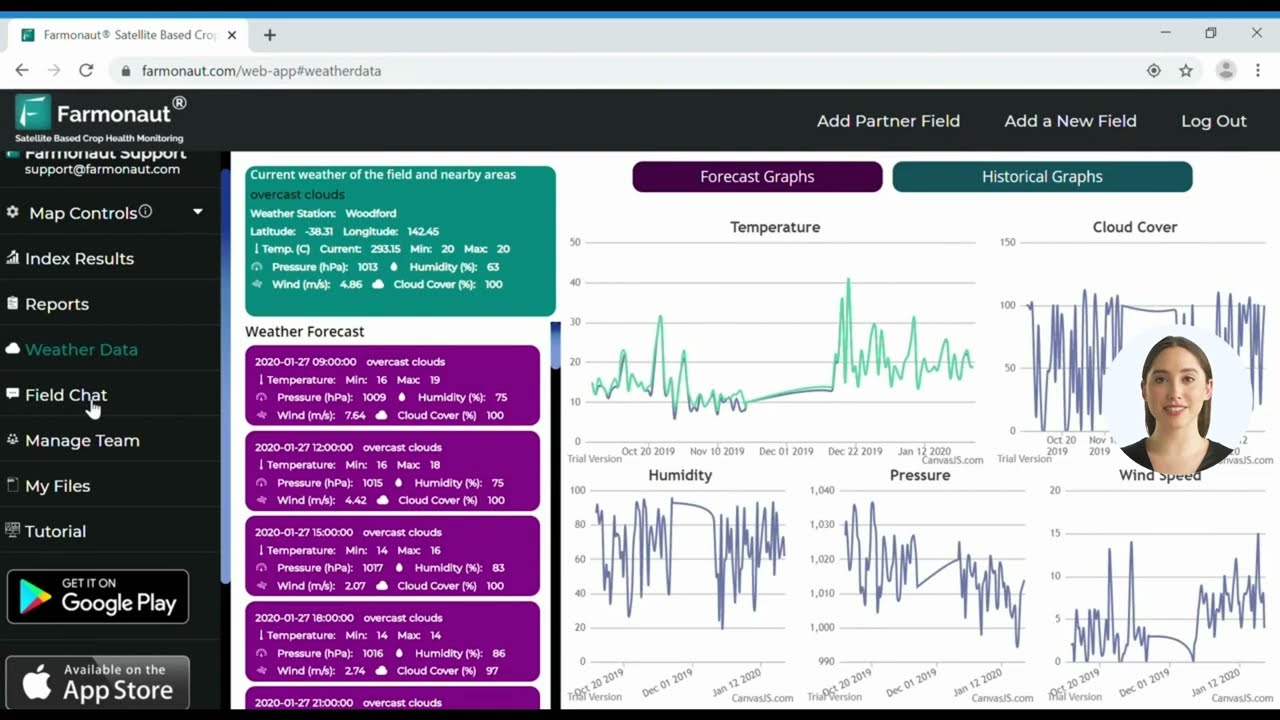
Ready to start or scale your aquaponics tower operation with smarter insights? Try our web and mobile applications for affordable satellite crop and aquaponics monitoring.
Getting Started: Essential Steps for Building an Aquaponics Tower System
Step-by-Step for 2025’s Optimal Aquaponics Setup
-
System Planning
- Determine size, crop type, and fish species (tilapia, catfish, or trout are popular for efficiency and market appeal).
- Estimate resource consumption and yields using digital planning tools.
-
Building the Tower Structure
- Choose high-quality, food-grade tower components for safety and durability.
- Stack multiple growing levels; ensure stability and optimized light distribution.
- Integrate plumbing for efficient water recirculation.
-
Tank and Biofiltration Setup
- Fish tanks selected based on expected biomass and species.
- Install biofilters to foster beneficial bacteria that will convert waste into nutrients.
-
Plant and Fish Stocking
- Introduce plants first to stabilize the system, followed by gradual fish stocking.
- Monitor water quality constantly during the cycle’s initial months.
-
Ongoing Maintenance
- Feed fish a balanced diet; inspect for signs of disease regularly.
- Harvest plants continually for optimal growth rates and to maintain system balance.
-
Leverage Technology and Training
- Use satellite monitoring and IoT solutions for remote management and predictive analytics.
- Participate in certified aquaponics training programs to stay updated on best practices and troubleshooting.
With smart planning, the right training, and support from satellite-driven analytics platforms like Farmonaut, aquaponics becomes an accessible, highly productive, and resource-efficient path to sustainable agriculture for individuals and businesses alike.
Affordable Satellite Solutions for Modern Farming, Aquaponics & More
Frequently Asked Questions (FAQ)
What is the main benefit of aquaponics with fish in 2025?
The main benefit is the integrated production of both protein (fish) and plants in a closed-loop system that saves up to 90% more water and increases yield per square meter significantly, making it the ideal sustainable farming practice as arable land becomes scarce.
Are aquaponics towers suitable for all environments?
Aquaponics towers are designed for flexibility and can operate in urban, peri-urban, or rural settings, as well as constrained indoor environments. Their minimal space and water requirements make them adaptable to nearly any location.
Which fish are best for aquaponics systems?
Tilapia, catfish, and trout are the most commonly used species due to their hardiness and adaptability. Species selection depends on local climate, market demand, and system size.
How do I begin aquaponics training in 2025?
Seek hybrid online and hands-on aquaponics training programs offered by agricultural colleges, extension agencies, and private sector experts. Prioritize courses that cover system design, water quality, fish and plant management, and troubleshooting modern systems.
What support does Farmonaut provide for aquaponics management?
We provide satellite-based crop, resource, and environmental monitoring tools, as well as AI-powered advisory systems, to help users plan, manage, and optimize their aquaponics and other farming systems. Our platform is available on web, Android, and iOS with subscription models for all operation sizes.
Conclusion: The Future of Sustainable Food Production
Aquaponics with fish, tower-based cultivation, and ongoing training represent a revolution in sustainable agriculture for 2025 and beyond. This approach addresses the most pressing challenges of our time—water scarcity, food insecurity, land constraints, and environmental degradation—by creating a synergistic cycle between fish and plant production. The integration of smart technologies, satellite monitoring, traceability, and capacity building ensures aquaponics remains scalable and accessible to everyone, from home growers to commercial producers.
We at Farmonaut believe that affordable, data-driven insights, combined with modern aquaponics practices, offer not only a promising solution but an essential pathway towards a resilient and prosperous agricultural future. By embracing innovation, effective training, and environmental stewardship, we can collectively ensure healthy food security and a sustainable planet for generations to come.
Ready to explore the frontier of modern farming? Try our satellite platform for smarter aquaponics monitoring and management today—on Web, Android, and iOS.
Discussion
Questions, corrections or field experience? Share them below. First-time comments are reviewed before they appear, and your email is never published.
No comments yet. Be the first to add a question or your experience.

 Pulsar Supernova
 Magrifly
 LatConnect 60
 Disease Free Life
 WebsEdge
 Blickwinkel
 Agricultural Credit Policy Council
 BayWa
BayWa MCSOD
MCSOD Marei Nursery
 eKGIS
eKGIS Mostas Tech
 Andex
Andex FCF India
 Unifrutti Gulf
 Deluxe Conseil
 WICO
WICO Chimera Innovation
 Licence holder · Niger · Gold
 Licence holder · Nigeria · Gold + lithium










