

Bacillus thuringiensis: Powering Corn & Pest Control in 2025
“Bacillus thuringiensis-based Bt corn reduced pesticide use by up to 85% in major corn-producing regions by 2025.”
Introduction: Bacillus thuringiensis in Crop Protection
Bacillus thuringiensis (Bt) stands as one of the most pivotal biological agents in the realm of sustainable agriculture, increasingly recognized for its environmentally friendly alternative to traditional chemical pesticides. By 2025, Bacillus thuringiensis is used to control a wide variety of pests across global agricultural landscapes, with a strong emphasis on Bacillus thuringiensis corn (Bt corn) and advanced integrated pest management (IPM) approaches, targeting issues as diverse as aphids, thrips, mosquito larvae, and more.
This naturally occurring soil bacterium produces crystal proteins (toxins) that are specifically toxic to targeted insect larvae. What makes Bacillus thuringiensis invaluable is its ability to kill damaging pests without harming humans, beneficial insects, or wildlife, thus preserving biodiversity and supporting sustainable crop protection.
Moreover, in an era where environmental sustainability is urgent and chemical resistance is rising, Bt technology continues to expand and evolve, offering new solutions for 2025 and beyond. With a strong focus on eco-friendly pest control, let’s delve into how Bacillus thuringiensis corn and its related technologies are shaping the future of global agriculture.



Mechanism and Specificity of Bt Toxins
At the core of Bacillus thuringiensis’s efficacy is its unique way of targeting pests. Bacillus thuringiensis produces crystal proteins (Cry and Cyt toxins) that are toxic to specific insect larvae upon ingestion. When a susceptible insect—such as a lepidopteran (like the European corn borer or corn earworm), dipteran mosquito larva, or certain coleopteran beetles—ingests these toxins, the following occurs:
- Ingestion: The larvae consume plant tissues or water containing Bt spores or Bt-derived proteins.
- Bacterial Activation: In the alkaline gut of the insect, the crystalline toxins dissolve and become active.
- Targeted Destruction: The proteins bind to specific receptors on the insect’s gut cells, forming pores.
- Cell Disruption & Death: The disruption of gut cells causes septicemia and death of the pest larvae.
What sets Bacillus thuringiensis apart is its unparalleled specificity: these toxins target pest insects without harming humans, beneficial organisms, or wildlife. This makes it an integral tool in IPM (Integrated Pest Management) and organic farming practices.
Bt Corn: Revolutionizing Sustainable Agriculture in 2025
Bacillus thuringiensis corn, commonly known as Bt corn, has revolutionized the way pest control integrates with crop production systems. Since the mid-1990s, this genetically modified (GM) variety of corn, which expresses Bacillus thuringiensis crystal proteins, has transformed pest management by providing continuous and season-long protection against destructive lepidopteran pests.
Key Lepidopteran Pests Targeted by Bt Corn:
- European Corn Borer (Ostrinia nubilalis): Once a major yield-limiting pest, now efficiently controlled.
- Corn Earworm (Helicoverpa zea): Significant quality and yield damage mitigated.
- Corn Rootworm (Diabrotica spp.): Newer Bt traits address this economically important pest group.
- Fall Armyworm (Spodoptera frugiperda): Some multi-gene (“stacked”) Bt varieties now provide defense here as well.
In 2025, advances include stacking multiple Bt genes in one plant genome, enhancing the spectrum of pest protection and delaying resistance development. Such advancements guarantee superior durability, efficacy, and help ensure that Bacillus thuringiensis corn remains the cornerstone of sustainable maize production globally.
Bt corn varieties allow farmers to significantly reduce dependency on chemical insecticides, lower application costs, and minimize off-target effects on the environment and human health. In regions like the United States, Brazil, China, and India, Bt corn adoption is central to resilient agricultural systems, particularly as climate volatility increases the pressure from pests.
For growers looking to implement new Bt corn strategies at scale, our Large Scale Farm Management platform provides advanced satellite and AI-driven analytics. These insights help optimize crop rotations, pest risk monitoring, and resource allocation—crucial for managing modern, expansive corn farms sustainably.

How Bt Corn Works: Key Steps
- Incorporation of Bt Genes: Bt genes encoding insecticidal crystal proteins are inserted into the corn genome.
- Expression of Proteins: The corn plant produces Bt toxins throughout its tissues.
- Continuous Pest Protection: Pests feeding on Bt corn ingest the proteins and are selectively targeted.
The success of Bacillus thuringiensis corn is evident in its widespread adoption and its measurable impact:
- Estimated pesticide use reduction: Up to 85% in key Bt corn growing areas by 2025.
- Improved yields: Reduced losses from borers and earworms.
- Environmental sustainability: Less impact on beneficial organisms and soil health.
- Economic benefits: Lower input costs and greater crop consistency.
“Over 200 million hectares globally are projected to use Bt or Bti-based pest control methods by 2025.”
Bt Corn Adoption and Pest Reduction: Estimated Trends to 2025
| Pest Category | Type of Control Method | Estimated Pest Reduction (%) in 2025 | Environmental Impact Score (1–5)* | Sustainability Rating |
|---|---|---|---|---|
| European Corn Borer | Bacillus thuringiensis corn (Bt Corn) | 92% | 5 | High |
| European Corn Borer | Standard Corn + Chemical Insecticides | 88% | 2 | Low |
| Corn Rootworm | Bacillus thuringiensis corn (Stacked Traits) | 90% | 5 | High |
| Corn Rootworm | Bti (Bacillus thuringiensis israelensis) Application | 60% | 4 | Medium |
| Armyworm | Integrated IPM (Bt Corn + Natural Predators) | 85% | 5 | High |
| Armyworm | Standard Corn | 64% | 2 | Low |
*Environmental Impact Score: 1 = High Negative Impact, 5 = Minimal Impact; Data are estimated based on peer-reviewed analyses and 2025 projections.
Advanced Bt Applications: Managing Aphids and Thrips
Bacillus thuringiensis aphids and Bacillus thuringiensis thrips management is an area of active research in 2025. Historically, Bt’s efficacy against aphids and thrips was limited by their sucking, rather than chewing, feeding behavior and the physiological barriers in their digestive systems. Nonetheless, the escalating challenges from these sap-sucking pests—including direct crop damage and viral disease transmission—have fueled innovation in Bt-based and integrative strategies.
Challenges in Aphid and Thrips Control
- Rapid Resistance Development: Conventional chemical insecticides have seen reduced efficacy due to pest adaptation.
- Non-Target Impacts: Chemicals often harm predatory insects, pollinators, and even aquatic ecosystems.
- Pest Mobility and Dispersal: Both aphids and thrips are highly mobile, with some species spreading plant viruses rapidly.
2025 Solutions and Bt Technology Innovations
- Enhanced Bt Formulations: New biopesticide blends combine Bt strains with synergistic biological agents or adjuvants to improve coverage and ingestion by aphids and thrips.
- IPM Integration: Optimal pest control pairs Bt applications with natural predators, parasitoids, and crop rotation strategies for a multi-tiered approach.
- Next-Generation Bt Toxins: Genetic engineering and protein design target unique physiological pathways of sap-sucking insects, broadening Bt’s utility.
- Monitoring & Decision Support: Digital scouting tools and satellite-based crop monitoring (e.g. Farmonaut) enable timely Bt treatments matched to pest population dynamics.

By integrating Bacillus thuringiensis aphids and Bacillus thuringiensis thrips approaches with IPMs, growers can sustainably address both direct and indirect crop threats.

Looking to maximize aphid or thrips management? Our carbon footprinting tools help you ensure your control measures remain environmentally responsible, shedding light on the ecological outcomes of advanced pest management and Bacillus thuringiensis product use.
Advances in traceability solutions now track the deployment and efficacy of biological inputs like Bt across the crop lifecycle, supporting transparency for both food safety and sustainability compliance.


Bti (Bacillus thuringiensis israelensis): Mosquito & Blackfly Control Beyond Agriculture
It’s not just crops that benefit: Bti, or Bacillus thuringiensis israelensis, is a subspecies with a critical role in public health, forestry, and environmental management. Bti produces toxins (esp. Cry4, Cry11, and Cyt toxins) that are highly effective against the larvae of mosquitoes and blackflies—insects responsible for spreading diseases such as malaria, dengue, and Zika.
Bti’s 2025 Applications and Benefits:
- Aquatic Systems: Bti is applied to standing water (ponds, marshes, reservoirs) to control mosquito larvae, reducing disease transmission without harming non-target aquatic species.
- Forestry & Riparian Zones: Waterway and forest pest management programs apply Bti for blackfly control, reducing outbreaks with minimal ecosystem disturbance.
- Public Health Campaigns: Urban and rural vector control initiatives utilize Bti as an eco-friendly alternative to chemical larvicides, supporting community health.
- Product Formulations: Latest innovations in 2025 involve improved delivery matrices (granules, slow-release tablets) and enhanced persistence for longer protection.
These strategies enable vast regions to control vectors without negative environmental impacts—an urgent priority amid rising insecticide resistance and new disease outbreaks.
Ensure the viability of your vector control programs—satellite-based verification from Farmonaut supports eligibility for public funding, loans, or insurance for aquatic and forestry projects implementing sustainable Bti solutions.
Integrated Pest Management (IPM) and Bt: Synergy for the Future
As resistance management challenges and new pest complexes emerge in 2025, the role of Bacillus thuringiensis in IPM strategies becomes even more vital. Modern IPM is dynamic, combining Bacillus thuringiensis applications, host plant resistance, biological control agents, and precision monitoring for holistic, sustainable pest suppression.
Precision monitoring, one piece of that mix, is covered in smart pest monitoring systems for farms.
- Multi-Trait Cultivars: Bt crops are bred (or gene-edited) to express several proteins, increasing both efficacy and resistance durability.
- Biological Synergies: Bt is paired with beneficial nematodes, parasitoids, or fungal pathogens targeting other pest life stages or species.
- Monitor–Act Framework: Decision-making is guided by real-time pest data, often from satellites or in-field sensors, ensuring timely, judicious applications.
- Localized Solutions: Bt strains and delivery methods can be adapted by geography (e.g., Asian rice paddy vs. American maize field).
Such integration directly aligns with Farmonaut’s satellite-based advisory tools, empowering growers globally to optimize every aspect of their pest management programs, drive sustainable production, and reduce environmental risk.
Satellite-driven IPM is the future: With integrated services like carbon footprinting and product traceability, stakeholders can verify the real-world impact of adopting Bacillus thuringiensis technologies and document reductions in chemical usage and greenhouse emissions.
Safety & Environmental Impact of Bt Applications
A central advantage of Bacillus thuringiensis is its environmentally friendly profile. Extensive toxicological studies have demonstrated:
- No known adverse effects on humans, mammals, birds, or fish.
- Preservation of pollinator populations and beneficial predatory insects.
- Rapid degradation in the environment, reducing buildup in ecosystems.
- Minimized likelihood of groundwater contamination, unlike some synthetic pesticides.
Both Bacillus thuringiensis corn and Bti applications thus remain compliant with the world’s strongest food safety and environmental guidelines amid expanding regulatory reviews in 2025.
For operators applying Bt or Bti in broad programs, fleet management and machinery optimization tools simplify logistics, cut operational costs, and ensure that applications are effective, timely, and compliant with evolving sustainability standards.
The Future Outlook: Bt Crop Protection in 2025 & Beyond
Looking ahead, Bacillus thuringiensis is poised to expand and evolve with the help of technological breakthroughs in several domains:
- Artificial Intelligence: Satellite and AI-based advisory systems deliver real-time pest detection and targeted recommendations for Bt use.
- Precision Formulations: Advances in microencapsulation and controlled-release enable longer-lasting, rainfall-resistant protection.
- Gene Editing: Innovations in CRISPR and molecular biology are unlocking new toxin variants with expanded specificity and reduced resistance risk.
- Blockchain Traceability: Full traceability throughout the supply chain from Bt seed/biopesticide source to field application builds trust and market access for sustainable produce.
- Global Outreach: Adoption is expanding in Africa, Southeast Asia, and Latin America, with tailored solutions that match diverse cropping systems.
This convergence promises a new chapter for sustainable crop protection—freeing agriculture from unsustainable chemical dependencies, conserving biodiversity, and securing food for a growing world.
Farmonaut & Satellite-Driven Advancements in Pest Management
At Farmonaut, we believe data-driven solutions are the backbone of modern, sustainable agriculture. We empower users across agriculture, forestry, and public health to optimize pest management strategies and maximize their benefits from Bacillus thuringiensis and Bti technologies. Here’s how our platform supports 2025’s eco-friendly pest control revolution:
- Real-time satellite monitoring: Identify pest and crop stress hotspots, enabling targeted Bt or Bti applications that reduce input waste and environmental exposure.
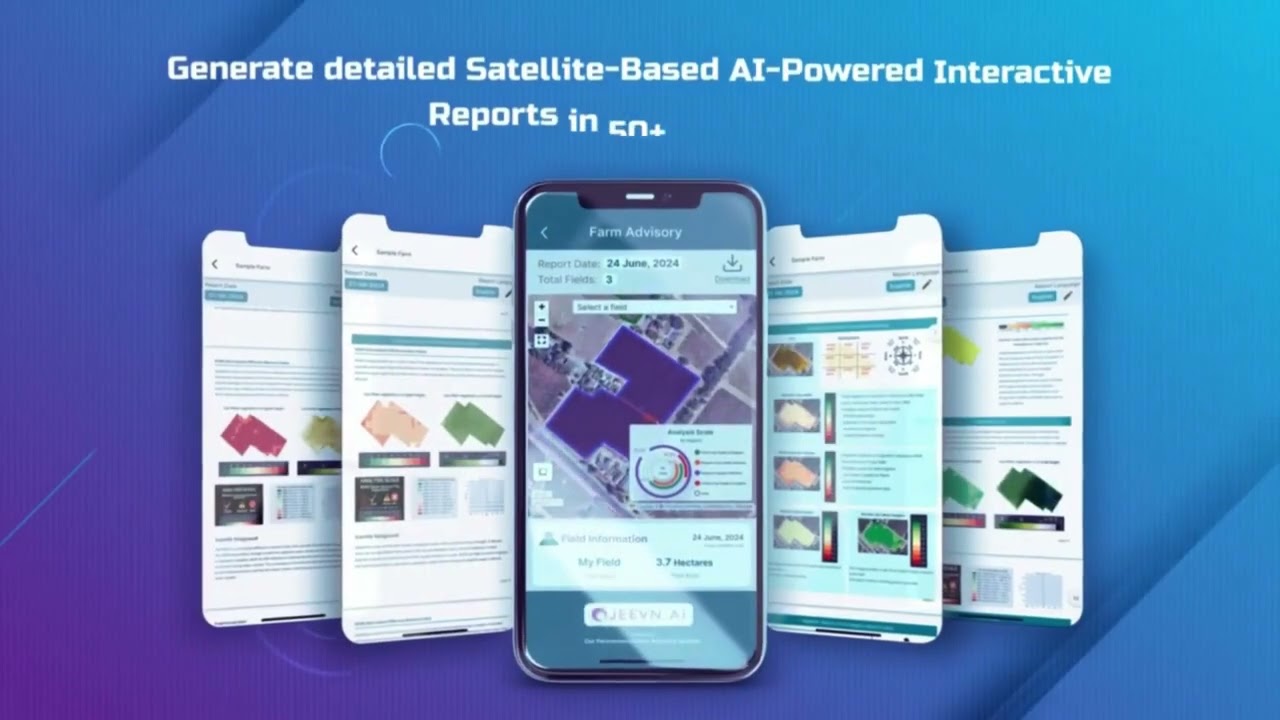
- AI-based advisory (Jeevn): Actionable weather and pest forecasts so users can act promptly, increasing the efficacy of Bt applications and enhancing resistance management.
- Blockchain traceability: Add transparency for supply chains using Bt or Bti, improving market trust for sustainable produce worldwide.
- Environmental footprinting: Document the eco-benefits of lowering chemical pesticide use with Farmonaut’s carbon footprinting analytics.
- Scalable, accessible tools: Whether a farmer, agronomist, or policy-maker, our app, API, and advisory solutions help everyone participate in sustainable pest management.
Related Videos
-
Mastering Aphid Control: From Yellow to Hairy, Indoor to Outdoor – A Comprehensive Guide
-
Soybean Aphid Control: Effective Scouting and Control Strategies for Optimal Crop Yield
-
Thrips Management: Protecting Fruits and Vegetables from Western Flower Thrips Damage
-
Organic Thrips Control: Natural Defence Against S. dorsalis: Eco-Friendly Solutions
-
Organic Thrips Control: Safeguarding Vineyards & Orchards from Harmful Insects
-
Aphid Control on Farms: Grounded Strategies for Sustainable Pest Control
-
Farmonaut – Revolutionizing Farming with Satellite-Based Crop Health Monitoring
-
From Kansas to Alabama: How AI is Revolutionizing Corn Fields Across America
Frequently Asked Questions: Bacillus thuringiensis in 2025
What is Bacillus thuringiensis and how is it used in agriculture?
Bacillus thuringiensis (Bt) is a naturally occurring soil bacterium that produces crystal proteins toxic to specific insect larvae. Bacillus thuringiensis is used to control pests such as borers, rootworms, armyworms, mosquito larvae, aphids, and thrips through either direct application or incorporation of its genes into GM crops like Bt corn.
How does Bt corn differ from traditional corn varieties?
Bt corn is genetically modified to express one or more Bacillus thuringiensis crystal proteins. These make the plant toxic to key lepidopteran pest larvae, providing continuous in-plant protection, reducing the need for chemical insecticides, and supporting sustainable production methods.
Does Bacillus thuringiensis harm beneficial insects or wildlife?
No. Bt and its subspecies like Bti are highly specific. The toxins produced are toxic only to certain insect larvae and do not harm beneficial insects such as pollinators, natural enemies, or wildlife, making them invaluable for integrated pest management and organic agriculture.
How is Bti (Bacillus thuringiensis israelensis) used in public health?
Bti is applied to water bodies to control mosquito and blackfly larvae, reducing the spread of diseases like malaria and dengue without harming aquatic fauna. It is a preferred eco-friendly tool for urban, rural, and forestry vector management in 2025 and beyond.
How can Farmonaut help with Bt or Bti-based pest management?
Farmonaut provides real-time satellite insights, AI-based advisories, environmental tracking, and blockchain traceability to enhance pest monitoring, optimize Bt and Bti applications, and document sustainability progress at global, regional, and farm scales.
Are there any limitations to Bt technology?
While Bt is highly effective, overreliance can lead to pest resistance. IPM strategies—including crop rotation, gene stacking, biological integration, and decision-support technologies—are necessary to preserve long-term efficacy and delay resistance development.
How do I start using Bt or Bti and monitor its impact?
Begin by adopting suitable Bt or Bti products for your pests and environment, integrating them within an IPM approach. Utilize tools like Farmonaut’s platform for satellite-based monitoring, advisory, verification, and reporting for compliance and optimization.
Can smallholders benefit from Bt and Bti-based solutions?
Absolutely. Bt technology is scalable, and with mobile-accessible monitoring and advisory tools, smallholders can also achieve improved pest control, higher yields, and environmental stewardship at an affordable cost.
Get Started with Farmonaut
To explore science-driven, sustainable pest management powered by satellite and AI:
- Use our Web or Mobile Application for real-time crop health, pest, and environmental monitoring.
- Explore the Farmonaut API to integrate satellite-driven pest data into your agtech systems or farm management software.
- Access our API documentation for developers and agri-enterprises.
Conclusion
Bacillus thuringiensis remains a cornerstone of modern, environmentally responsible pest management, powering everything from Bacillus thuringiensis corn production, aphid and thrip reduction, to global mosquito control with Bti. As sustainability and food security come to the fore worldwide, the continued evolution and integration of Bt technologies promise resilient, productive, and eco-friendly farming systems for 2025 and well beyond.
At Farmonaut, we are dedicated to enabling growers, businesses, and governments to adopt the most advanced, verified, and sustainable pest management practices. Embark on your own crop protection revolution with Bacillus thuringiensis—and let our satellite-driven insights guide your journey towards a healthier planet.

 Wild Oak Farm
 KJBN Labs
 SFX
SFX BACF Africa
 Doodlakine
 Exurbia Geospatial
 FieldZero
 Indico Company
 Kubota
 FFBS
FFBS Jontra
 Tucor
Tucor
