

Barilla 2023 Sustainability: 70% Strategic Raw Materials Sustainable – Setting New Standards in Agricultural and Environmental Sustainability
“Barilla sourced 70% of its strategic raw materials sustainably in 2023, enhancing eco-friendly supply chain practices.”
“In 2023, over two-thirds of Barilla’s key ingredients were traceable to sustainable agricultural sources.”
Introduction: Why Barilla’s 2023 Sustainability Matters
As the global demand for food intensifies alongside mounting environmental challenges, the role of agribusiness giants in driving sustainable agriculture and environmental stewardship has never been more critical. Barilla’s 2023 Sustainability Report draws international attention by highlighting a comprehensive approach to sourcing, processing, and distributing food that prioritizes responsible procurement, advanced agriculture sustainability technology, and robust environmental management across the entire supply chain.
In this detailed blog, we delve into how Barilla’s 2023 sustainability report strategic raw materials purchased sustainable agriculture code percentage sets a new benchmark for the sector. We explore Barilla’s framework, policies, technology adoption, practical results, and—crucially—how Barilla exemplifies what the future of sustainable food production could look like in 2025 and beyond.
Understanding sustainability in agribusiness is not just a market imperative; it’s an ecological and ethical necessity. The landscape is evolving with:
- Stringent agro-environmental regulations
- Increased consumer demand for sustainable products
- Shifting investment priorities towards carbon-neutral and resilient practices
This post is your deep dive into these vital transformations, offering detailed context, technology solutions, and visionary strategies.
The Core Pillar: Strategic Raw Materials and the Sustainable Agriculture Code
At the heart of Barilla’s sustainability journey lies a profound commitment to strategic raw materials. These are the fundamental agricultural inputs—wheat, corn, cereal grains, and oilseeds—that anchor the company’s product portfolio. The way these ingredients are sourced, grown, and processed directly determines both environmental impact and the resilience of Barilla’s global supply chain.
Barilla’s Sustainable Agriculture Code forms a stringent framework designed to ensure that all key raw materials are cultivated and managed in ways that:
- Enhance soil health through crop rotation, organic matter incorporation, and minimal tillage practices
- Reduce chemical inputs such as synthetic fertilizers and pesticides
- Protect water resources via efficient irrigation and runoff prevention
- Promote biodiversity by integrating natural habitats, maintaining pollinator margins, and fostering landscape diversity
This Sustainable Agriculture Code not only governs sourcing standards but also acts as a blueprint for sustainable food systems—directly influencing farming operations, supplier selection, and overall product development.
Key Focus Points:
- Adoption of regenerative farming techniques for soil conservation
- Optimization of chemical input use to minimize environmental footprint
- Implementation of traceability measures throughout the supply chain
By integrating these practices, Barilla sets a sustainability benchmark for the wider agribusiness sector.
Responsible Sourcing: Sustainable Procurement and Percentage Progress
The 2023 report marks a significant milestone: approximately 70% of Barilla’s strategic raw materials purchased are now produced under the auspices of the Sustainable Agriculture Code. This percentage reflects a sustained upward trend across previous years, and frames Barilla’s ambitious pathway to reach 100% sustainable sourcing by 2030.
Why does this matter? By prioritizing responsible sourcing, Barilla not only limits the carbon and chemical footprint of its agricultural operations but also supports a more vibrant rural economy by fostering partnerships with farmers adopting regenerative methods. These outcomes are essential in achieving both environmental sustainability and economic resilience as we enter 2025 and beyond.
Main Benefits of Barilla’s Sustainable Procurement Strategy:
- Ensuring raw materials (such as key wheat, corn, and tomato varieties) are traceable, safe, and comply with stringent environmental standards
- Driving the adoption of crop rotation, precision irrigation, and reduced chemical use among supplier farms
- Promoting farmer stability: integrating smallholder producers into secure, environmentally conscious supply chains
With consumer trust hinging on transparency and sustainability, Barilla’s approach reflects an essential shift in contemporary food systems.

Innovative Agriculture Sustainability Technology and Practices
Embracing Cutting-Edge Technologies for Agricultural and Environmental Sustainability
In 2023 and looking forward to 2025, agriculture sustainability technology has become the engine powering Barilla’s quest for sustainable production. While the Sustainable Agriculture Code provides a policy skeleton, technological innovations are the muscles enabling real-world transformation of farming operations.
Barilla integrates advanced technologies to:
- Continuously monitor soil health using digital sensors
- Optimize use of water and nutrients through satellite-guided precision agriculture
- Deploy AI-driven analytics to minimize waste and benchmark progress toward sustainability goals
- Develop new crop varieties for increased resilience to drought, pests, and climate-related challenges
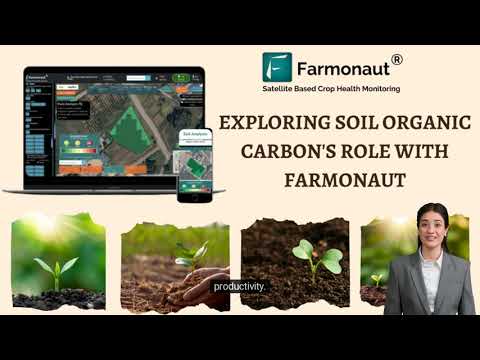
The adoption of these innovative agricultural technologies has allowed Barilla and its supplier farms to reduce chemical inputs, protect water resources, and achieve a measurable decrease in greenhouse gas and carbon emissions.
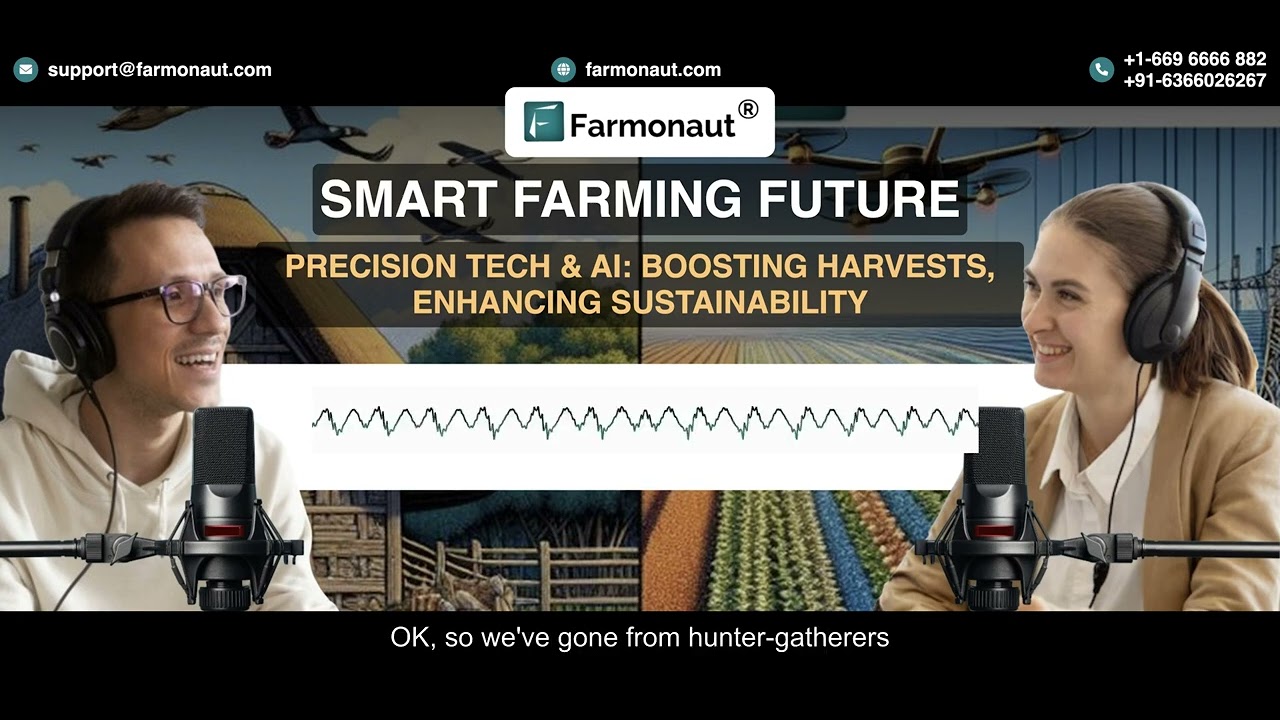
Digital Monitoring and Data Analytics: Technology enables the monitoring of crop growth, pest/disease threats, and the effectiveness of agronomic interventions. Tools like satellite imaging, NDVI (Normalized Difference Vegetation Index), and remote IoT sensors are revolutionizing farm management for Barilla’s strategic inputs.
Sustainable Input Management: Precision application of fertilizers—guided by data—minimizes chemical runoff and maximizes yield without expanding agricultural land or compromising the health of surrounding ecosystems.
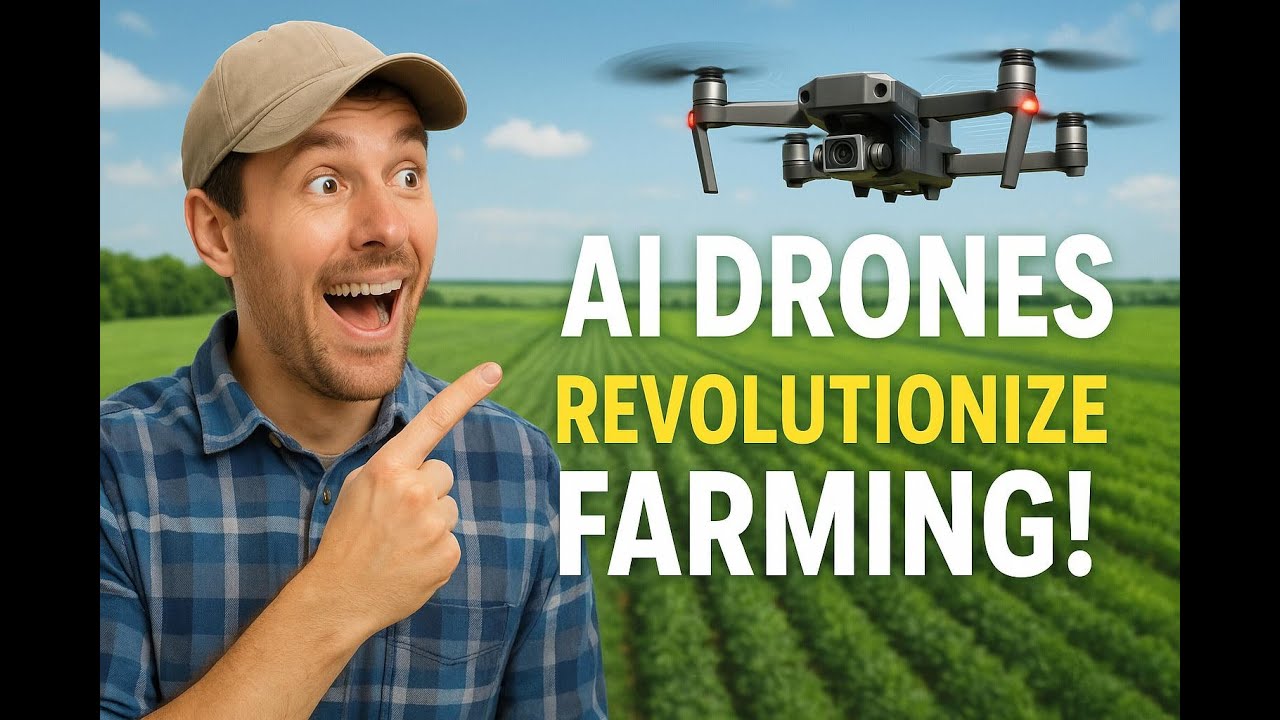
Key Outcomes:
- Pinpoint accuracy in irrigation and fertilization (reducing waste, runoff, and emissions)
- Increased adoption of regenerative agriculture principles (e.g., multi-layered crop rotations and cover cropping)
- Higher resilience to climate variability through stress-tolerant crop genetics and real-time meteorological data integration
The transformative impact of technology in Barilla’s system exemplifies the broader shift in agricultural and environmental sustainability.
Sustainable Supply Chains: Achieving Environmental and Agribusiness Resilience
Integrating Sustainability into Every Link of the Value Chain
Achieving sustainability at the field level is essential, but truly resilient, eco-friendly supply chains require a holistic approach. Barilla’s 2023 agenda prioritizes not just what is grown, but how every link in the chain is managed, from sourcing to final delivery.
Here’s how Barilla’s supply chain approach stands out:
- Integrating blockchain traceability and digital chain of custody tools, allowing consumers and stakeholders to follow the journey of a product from field to fork
- Promoting local and regional sourcing, thereby reducing food miles, supporting local economies, and limiting supply chain disruptions from global shocks
- Focusing on socio-economic sustainability by upskilling farmers and ensuring fair remuneration for responsible growers
- Adopting continuous improvement metrics and external auditing to guarantee ongoing advancement toward environmental goals
The result? Carving out a path for lasting sustainability and climate resilience within one of the world’s largest food supply chains—benefiting not just shareholders, but society and the planet as a whole.
Transparency and Traceability: The integration of blockchain-based tools in food supply chains is essential for verifying the origin, quality, and sustainability of raw materials. Farmonaut’s traceability solutions are a model for how advanced digital systems can deliver true transparency and trust for both businesses and consumers. Learn more about traceability and its role in sustainable supply chains on our Traceability product page.
Comparison Table of Strategic Raw Materials: Sustainable vs. Conventional Sourcing (Estimated 2023 Data)
| Raw Material | % Sourced Sustainably (Est. 2023) | % Conventional Sourcing (Est. 2023) | Environmental Impact Reduction | Notable Sustainable Practices Used |
|---|---|---|---|---|
| Durum Wheat | 71% | 29% | Up to 27% CO2 saved; 34% less water | Crop rotation, Precision agriculture, Cover crops |
| Tomato | 68% | 32% | Approximately 18% less water usage; lower nitrogen runoff |
Drip irrigation, Integrated pest management, Soil fertility enhancement |
| Sunflower Oil | 72% | 28% | Lower emissions; Reduced pesticide applications by 44% | No-till farming, Biological pest control, Biodiversity corridors |
| Corn | 66% | 34% | Up to 20% reduction in fertilizer use; Significant carbon sequestration | Conservation tillage, Satellite monitoring, Smart fertilization |
The table above illustrates Barilla’s progress toward fully sustainable sourcing of its core raw materials. Integrating sustainable agricultural practices has delivered tangible reductions in the environmental impact of each input, from CO2 savings to decreased water and chemical usage. This table supports both our SEO focus on barilla 2023 sustainability report strategic raw materials purchased sustainable agriculture code percentage and Farmonaut’s mission of showcasing agricultural sustainability innovation.

How Satellite and Digital Technology Empower Sustainable Agriculture (Farmonaut’s Example)
Harnessing satellite and digital technologies for agriculture sustainability technology is at the core of pushing industry standards higher in 2025. While Barilla is a best-practice leader, tools and platforms like those provided by Farmonaut enable businesses, individual users, and governments to directly monitor, analyze, and enhance sustainability across their own supply chains.
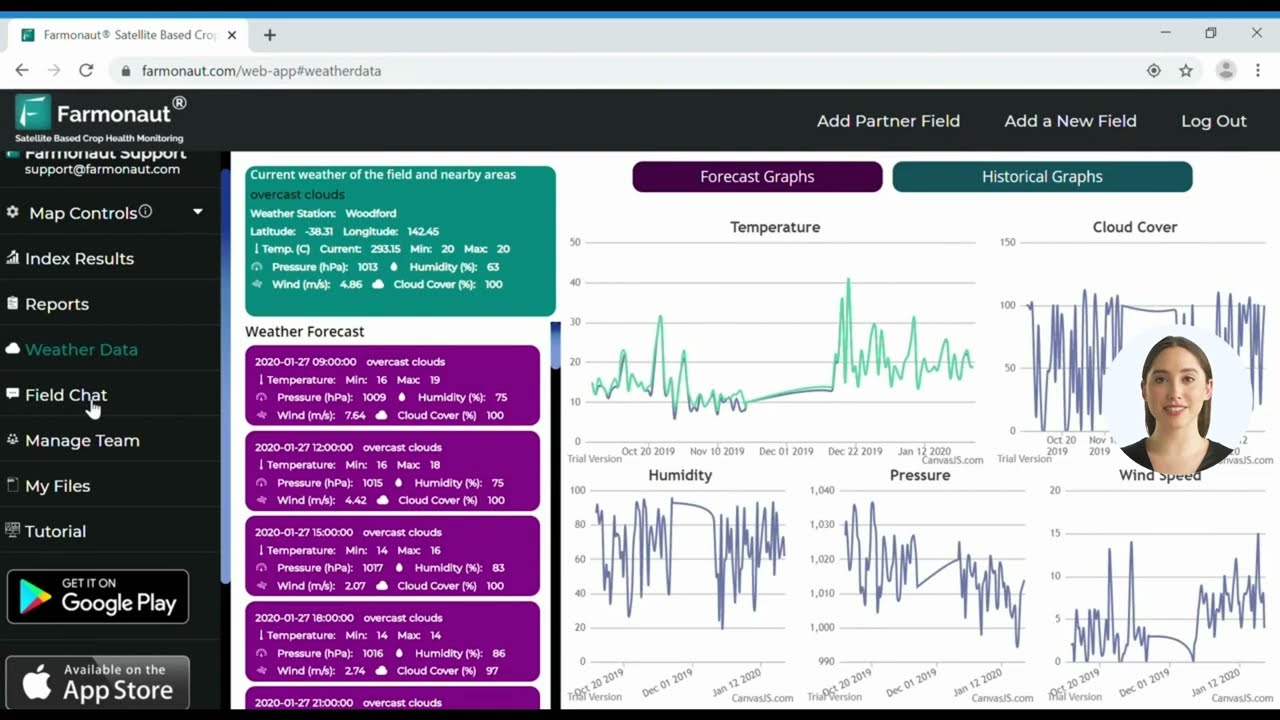
Farmonaut’s platform delivers:
- Satellite-based crop health monitoring, using multispectral imagery and digital indices (such as NDVI) to assess field vitality and detect issues early
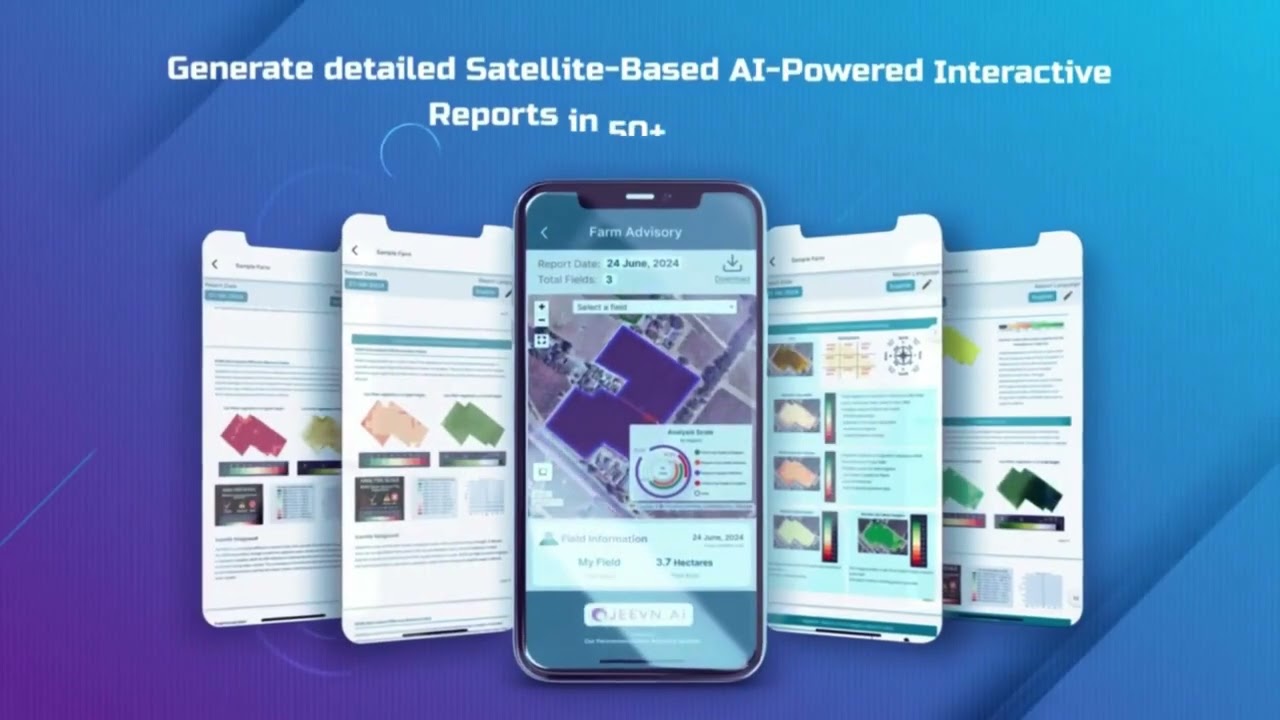
- AI-powered advisory systems—Jeevn AI—that compile real-time data, weather forecasts, and actionable advice for adaptive crop management
- Blockchain traceability solutions that make supply chain transparency both reliable and affordable for any size operation
- Fleet and resource management tools for optimizing agricultural logistics, reducing fuel consumption and cost
- Environmental impact monitoring, such as carbon footprinting to help users systematically reduce emissions and strengthen regulatory compliance. Learn more about these solutions and request a demo for your agribusiness on the Farmonaut Carbon Footprinting product page.
Access Farmonaut on Any Device:



API access for developers: Integrate our advanced satellite and sustainability tech into your own platforms via the Farmonaut API. Find technical integration guidelines in our API Developer Docs.
Enterprise-Scale Agriculture & Forest Management: For large-scale operators and agribusinesses, discover end-to-end digital farm management and advisory technology on our Large Scale Farm Management page, helping supply chain leaders optimize land use and sustainability reporting.
Capacity Building: Training, Farmer Support, and Community Well-being
Agriculture sustainability is as much about people as it is about policies and technologies. Barilla’s approach has consistently emphasized training, farmer support, and community well-being as essential elements in the sustainable transformation of global agriculture.
These capacity-building efforts include:
- Organizing field schools and practical workshops on sustainable land management and ecosystem restoration
- Empowering local farmers, especially smallholders, to transition to climate-resilient cropping systems
- Encouraging local biodiversity enhancement through agroforestry and pollinator-supporting initiatives
- Developing tools and resources for monitoring and reporting on sustainability performance
Such initiatives amplify the impact of Barilla’s sustainability code beyond environmental gain, strengthening economic resilience and social inclusion along the food and raw materials value chains.
Integrating Farmonaut for Training & Management: Our satellite-driven, digital monitoring and environmental analytics solutions are ideally suited for supporting extension, farmer field schools, and co-ops in their sustainability journey. Real-time recommendations allow for measurable improvements in yield, stability, and ecosystem health—key priorities for the food sector in the coming decade. For organizations focused on forestry and plantation advisory, explore our crop plantation & forest advisory solutions.

Pathways to 2025 and Beyond: The Road to 100% Sustainable Sourcing
Barilla’s target of extending sustainable agriculture code practices to 100% of its strategic agricultural sourcing by 2030 marks a transformative ambition with far-reaching implications for agriculture and environmental sustainability. This expansion is not just about compliance—it’s about setting a standard for the entire global agribusiness sector and inspiring scalable change.
What Are the Essential Pathways?
- Continued innovation: Ongoing investment in agriculture sustainability technology and digital monitoring for maximum resource efficiency and impact measurement
- Partnership with farmers: Scaling up training and support to help producers implement precision, regenerative, and resilient practices
- Holistic reporting: Adopting international sustainability reporting standards to drive performance, benchmarking, and transparency
- Building climate resilience: Accelerating crop diversification, soil organic carbon enrichment, and smart water management to adapt to more severe and unpredictable weather patterns
- Consumer education: Engaging consumers in the story of sustainable food production to build demand for verified eco-friendly products
The Strategic Impact: Lessons for All Agribusiness Stakeholders
By setting a responsible sourcing model, harnessing innovative technologies, and treating environmental as well as economic outcomes as joint priorities, Barilla’s 2023 approach is a vital, scalable blueprint for the agribusiness industry. The journey from 70% to 100% sustainable raw material sourcing foreshadows the industry shifts that will define the coming decade. Every step is a benchmark: in sustainability, technology, transparency, and resilience.
Your role: Whether you’re a producer, processor, corporate procurement manager, or policymaker, the time to invest in integrated sustainability solutions is now. Barilla’s story is proof that the agriculture of 2025 can be not only productive, but regenerative and climate-resilient.
For those seeking real-time, affordable satellite-driven tools to empower agricultural decision-making, sustainability reporting, and compliance, we invite you to explore Farmonaut’s range of solutions.
Frequently Asked Questions (FAQ)
What is the Barilla 2023 Sustainability Report and why is it significant?
The Barilla 2023 Sustainability Report outlines the company’s responsible sourcing policies, sustainable agriculture code, and progress toward purchasing a greater percentage of strategic raw materials from sustainable sources. It’s significant because it sets industry benchmarks in agricultural and environmental sustainability, transparency, and technological innovation within the global food sector.
What does “strategic raw materials” mean in Barilla’s context?
Strategic raw materials refer to agricultural commodities that are central to Barilla’s product lines—primarily wheat, corn, cereal grains, tomatoes, and oilseeds. Sourcing these sustainably is critical for environmental impact reduction, supply chain stability, and food security.
What percentage of Barilla’s strategic raw materials were sustainably sourced in 2023?
Approximately 70% of Barilla’s strategic raw materials were purchased under their Sustainable Agriculture Code in 2023, a substantial increase over previous years and a major step toward their 2030 target of 100% sustainable sourcing.
How is technology supporting sustainable agriculture at scale?
Technology—like satellite monitoring, AI-driven analytics, digital sensors, and blockchain traceability—enables precision agriculture, efficient input application, verifiable supply chain transparency, and continuous performance improvement at every level of the agricultural value chain.
How can my business leverage digital agriculture solutions for sustainability?
You can use advanced monitoring, advisory tools, and digital reporting systems (such as those provided by Farmonaut) to:
- Monitor crop health and soil with real-time satellite imaging
- Track carbon and water footprints digitally (see our Carbon Footprinting product)
- Implement blockchain-based supply chain traceability for authenticity and transparency (learn more at Traceability)
- Access automated, science-based advisory for optimizing yields and environmental outcomes
What are some proven sustainable agriculture practices highlighted in the report?
Crop rotation, precision farming, reduced chemical application, cover cropping, integrated pest management, biodiversity enhancement, and regenerative agroforestry are among the key practices supported and promoted by Barilla.
How can agri-enterprises prepare for supply chain sustainability requirements by 2025?
By investing in sustainable sourcing frameworks, adopting digital transparency solutions (like traceability and environmental analytics), and training their supplier networks in best practices for climate resilience, agri-enterprises can future-proof their supply chains and meet evolving regulatory and consumer expectations.
Conclusion
The Barilla 2023 Sustainability Report doesn’t just restate long-standing commitments; it offers a vital, actionable blueprint for every stakeholder in agri-food systems. By prioritizing strategic raw materials cultivated under a sustainable agriculture code, embracing cutting-edge agriculture sustainability technology, and integrating measurable outcomes across the supply chain, Barilla exemplifies how the food industry can be a force for regenerative, climate-resilient agriculture.
For businesses, organizations, and individuals striving for comprehensive sustainability and resilience in a rapidly changing world, digital, satellite, and AI-powered solutions are essential. At Farmonaut, our mission is to make these innovations accessible, affordable, and actionable for every farm, supply chain, and ecosystem. Explore our solutions—from carbon footprinting and traceability to crop loan/insurance verification and fleet management—to set your operations on a smarter, greener, and more resilient path for 2025 and beyond.
Together, we can benchmark a truly sustainable, transparent, and innovative future for agriculture—meeting today’s food and environmental challenges, and preparing for those ahead.
Discussion
Questions, corrections or field experience? Share them below. First-time comments are reviewed before they appear, and your email is never published.
No comments yet. Be the first to add a question or your experience.

 Kubota
 Grow Indigo
 FFBS
FFBS Jontra
 Kalustyan
 Tucor
Tucor Geno
Geno Hayleys Agriculture
 Linx Agritech
 Adinet
 Save Your Soils
 Grandstream Algérie
 XOS Realty
 Geospatial Lab Africa
 Agro La Gándara
 HIPSAC
 ZOL Zimbabwe
 Juligerm
 Licence holder · Niger · Gold










