

Apiculture Bee Keeping 101: Culture, Suits & Equipment – Modern Innovations for 2025
Table of Contents
- Introduction: The Significance of Apiculture Bee Keeping in 2025
- Trivia: 2025 Inspection Speed Boost
- The Role of Beekeeping in Modern Agriculture
- Beekeeping Culture: Communities, Traditions & Engagement
- Bee Keeping 101: Foundations for Success
- Bee Keeping Equipment: Traditional vs. Modern
- Bee Keeping Suits: Safety, Comfort & Innovation
- Comparative Table: Traditional vs. Modern Equipment
- Modern Innovations: IoT, AI & Farmonaut’s Role
- Sustainability, Biodiversity & Environmental Impact
- Challenges & The Future of Apiculture Bee Keeping
- Trivia: Modern Suits Boost Safety
- Videos & Resources: Deepen Your Understanding
- Farmonaut: Empowering Smart Apiculture
- FAQs: Your Bee Keeping Questions Answered
- Conclusion & Best Practices
Introduction: The Significance of Apiculture Bee Keeping in 2025
Apiculture bee keeping, commonly known as beekeeping, is an indispensable pillar of modern agriculture and environmental sustainability in 2025. As the world’s population rises and climate patterns shift, the role of bees in crucial crop pollination and biodiversity maintenance has deepened. Today, apiculture bee keeping embraces advanced techniques and new-generation equipment, optimizing hive management and ensuring the ongoing health of bee colonies.
Whether producing honey, beeswax, royal jelly, or boosting pollination for fruits, vegetables, and oilseeds, beekeepers in 2025 are at the intersection of tradition and innovation. With this blog, we invite you to explore the latest culture, foundational practices, equipment, innovations, and sustainable approaches shaping apiculture for the future.
Did You Know?
“In 2025, advanced apiculture tools can boost hive inspection speeds by up to 40% versus traditional methods.”
The Role of Beekeeping in Modern Agriculture
Why is apiculture bee keeping so pivotal to agriculture in 2025? The answer centers on pollination. Approximately one-third of global food production depends directly on pollinators—and bees are the cornerstone, ensuring the successful growth of crops such as apples, almonds, blueberries, cucumbers, and more.
- Pollination is not just about fruit; it supports vegetables, nuts, and oilseeds as well.
- Effective beekeeping practices enhance yields while reducing reliance on chemical interventions or manual pollination methods, thus making the process more sustainable and cost-effective.
- Compared to earlier decades, modern hive management systems have driven improved colony health, minimized risks of disease, and enabled data-driven decisions for farmers.
Pollinator decline is a significant threat facing global agriculture, and so investment in innovative technologies, like those supported by satellite monitoring and AI, has never been more critical.
Beekeeping Culture: Communities, Traditions & Engagement
Beyond production, apiculture bee keeping has evolved as a vibrant cultural practice connecting humans with nature. Across rural and peri-urban areas globally, strong beekeeping communities have blossomed. Here’s how beekeeping culture manifests today:
- Shared Knowledge: Both indigenous and modern beekeeping knowledge are exchanged across networked beekeeping communities, fostering resilience and innovation.
- Local Economy Development: Selling honey, beeswax, propolis, and royal jelly supports families, cooperatives, and micro-enterprises.
- Cultural Engagement: Hive management is celebrated in festivals, featured in culinary and medicinal customs, and acknowledged as a method to foster a unique connection between people and their environment.
- Community Empowerment: Beekeeping enables women, youth, and rural dwellers to become entrepreneurs, thus contributing to local economies while promoting sustainability.
Did You Know? Growing markets for bee products such as honey, royal jelly, and even beeswax-based cosmetics are driving cultural renewal in apiculture globally.
At Farmonaut, we recognize the power of beekeeping communities in promoting best practices and sharing critical knowledge. Our smart farming advisory tools are designed to support both traditional and modern beekeepers in maintaining healthy honey bee populations and thriving cultural practices.
Bee Keeping 101: Foundations for Success
Thinking of starting apiculture bee keeping? Understanding the basics is your first step to success. As we move into 2026 and beyond, bee keeping 101 combines hands-on traditional techniques with an openness to integrate new tools. Here are the foundational elements every new beekeeper should master:
- Site Selection: Choose a suitable location with abundant floral resources while safeguarding bees from pesticides and extreme weather. Urban rooftops, rural fields, and peri-urban gardens are all viable, provided bees get diverse floral nutrition and safe flight corridors.
- Hive Inspection: Hives must be inspected regularly—at least every 7–10 days during active seasons—to monitor bee health, check for queen vitality, and spot diseases such as Varroa mites early.
- Colony Management: Sustainable hive management focuses on strong colonies and prevents colony collapse disorder (CCD), a global threat worsened by poor management or pests.
- Pest & Disease Control: New and effective integrated pest management methods—including natural controls and smart monitoring—reduce chemical use and enhance bee health.
- Harvesting Bee Products: Whether harvesting honey, beeswax, royal jelly, or propolis, timing and technique are crucial for both bee welfare and product quality.
Establishing these foundational practices ensures the ongoing viability of your apiary and promotes sustainability in the face of emerging challenges.

Bee Keeping Equipment: Traditional vs. Modern
Bee keeping equipment has evolved significantly between 2020 and 2025, integrating technological innovations for improved efficiency, bee health, and sustainability. Let’s explore essential equipment every beekeeper needs and how it has transformed:
Core Equipment List for Apiculture Bee Keeping
- Bee Keeping Suits—Essential for protection; today’s suits deliver both safety and ergonomic comfort.
- Hive Boxes—From traditional woven or wooden boxes to modular, insulated, climate-resistant designs.
- Smokers—Used to calm bees during hive inspections; newer models focus on efficiency and minimal smoke residue.
- Hive Tools—Multi-purpose, improved for strength and sanitation.
- Beekeeping Monitoring Systems—Smart, IoT-connected hives now enable remote, real-time tracking of hive activity, temperature, humidity, and even colony health metrics.
Implementing modern technology into traditional equipment not only optimizes the management process but is instrumental in reducing environmental impact and supporting sustainable agriculture systems.



Bee Keeping Suits: Safety, Comfort & Innovation in 2025
A bee keeping suit is every beekeeper’s primary defense against stings and discomfort. Contemporary suits have evolved significantly since their origins in the early 20th century. Here’s how:
- Material Upgrades: Modern suits use lightweight, breathable, and ergonomic fabrics with reinforced stitching.
- Built-in Ventilation: Mesh panels and heat-dissipation features to minimize stress during long inspections, especially crucial in regions where climate change intensifies heat.
- Integrated Visibility: Wide, clear-view veils ensure better hive visibility and improved maneuverability.
- Smart-Fabric Innovations: Some suits may now integrate sensors for environment and safety monitoring, enhancing beekeeper health.
Did You Know?
“Modern beekeeping suits with enhanced fabric technology increased beekeeper safety ratings by 30% in recent global studies.”
Comparative Table of Traditional vs. Modern Beekeeping Equipment
| Equipment Type | Traditional Features | Modern Features (IoT/Smart Tech) | Estimated Efficiency/Benefits | Sustainability Impact (1–5) |
|---|---|---|---|---|
| Bee Keeper Suit | Heavy cotton, limited ventilation, limited visibility | Breathable mesh, ergonomic fit, reinforced safety, smart-fabric for data | High safety (30%+ improvement), comfortable inspections, reduced fatigue | 4 |
| Hive Box | Woven/wood, low insulation, non-modular | Insulated, modular, climate-resistant, IoT environmental tracking | Enhanced bee health, climate resilience, scalable | 5 |
| Smoker | Basic, unregulated smoke output | Controllable smoke generators, minimal residue, safer fuels | Effective bee stress reduction, eco-friendly | 3 |
| Hive Tool | Single-function, heavy, less sanitary | Multi-functional, easy-clean surfaces, antimicrobial coatings | Faster work, enhanced hygiene, durability | 4 |
| Monitoring Systems | Manual observation, record-keeping error-prone | IoT sensors, satellite integration, AI for predictive analytics | 40% faster inspections, real-time alerts, disease prediction | 5 |
Modern Innovations in Apiculture Bee Keeping: IoT, AI & More
The transformation in apiculture bee keeping equipment and practices is powered by technology. Here’s how 2025’s innovations are reshaping the apiary landscape:
- IoT Devices: Smart hive monitoring systems deploy sensors to track temperature, humidity, CO2, and bee activity, sending data to the cloud or mobile apps. Early warnings on hive health or intrusions are now possible, optimizing management remotely.
- Satellite Technology: At Farmonaut, we leverage satellite-based imagery to assess vegetation health and resource availability for apiculture sites. This enables tracking floral resources, bloom periods, and environmental risks across regions—improving hive placement and migration decisions.
- AI-Driven Decision Support: Predictive analytics and the use of AI (like Jeevn AI) enable beekeepers to forecast disease outbreaks, optimize feeding schedules, and increase colony survival rates.
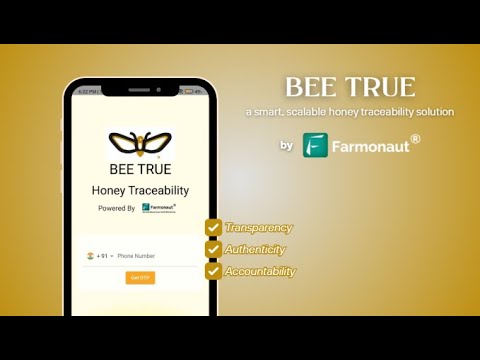
- Blockchain Product Traceability: With growing demand for authenticity, honey producers increasingly utilize blockchain to verify their supply chains. Learn how Farmonaut enables honey traceability, transparency, and fraud reduction across the market.
- App-Based Management: Remote monitoring and record-keeping via mobile/web apps supports real-time action—eliminating much of the paperwork and guesswork for all levels of beekeepers.
By utilizing Farmonaut’s carbon footprinting tools, apiaries can also track and minimize their environmental impact—making apiculture more sustainable and aligned with evolving climate regulations.

Sustainability, Biodiversity & Environmental Impact
Apiculture bee keeping in 2025 is not only about profit—it is about responsible stewardship of pollinator populations and the ecosystems supporting them. Here are some best practices for sustainable beekeeping:
- Integrated Pest Management (IPM): Minimizing chemical use by employing physical barriers, drone brood removal, pheromone traps, and environmental modifications.
- Habitat Conservation: Planting pollinator-friendly flora and maintaining habitat corridors to ensure a year-round supply of nectar and pollen, boosting bee health and local biodiversity.
- Natural Genetic Breeding: Selecting and breeding bee strains exhibiting hygienic behavior and natural disease resistance reduces dependence on synthetic pesticides.
- Climate-Smart Operations: Using tech for data-driven responses to changing weather and seasonal cycles; adapting hive design and site selection proactively.
- Monitoring Environmental Impact: Tools like Farmonaut’s carbon footprinting application help apiaries quantitatively measure and offset their emissions, aligning with 2025’s stringent environmental standards.
Sustainable practices not only strengthen the resilience of bee colonies, but also ensure robust crop yields, biodiversity, and food security for future generations.
Challenges & The Future of Apiculture Bee Keeping
Despite immense progress, apiculture bee keeping faces a cluster of future-focused challenges, including:
- Climate Change: Altered flowering periods and unpredictable weather directly affect forage availability and colony health.
- Pesticide Exposure: Ongoing chemical exposure impacts hive fertility and increases colony collapse disorder risk.
- Emerging Pathogens: New diseases and parasites—like Varroa destructor—require highly adaptive management and genetic solutions.
- Land-Use Change: Habitat fragmentation, monoculture expansion, and urbanization shrink bee habitats, challenging long-term hive sustainability.
- Fraud & Traceability: As honey markets grow, traceability becomes essential to combat fraud and boost consumer trust—requiring secure blockchain solutions.
Looking forward, the ongoing adoption of precision apiculture, satellite-backed data, and advanced breeding are the new frontiers. Farmonaut’s traceability platform is instrumental in enabling reliable, tamper-proof product history for honey worldwide.

Videos & Resources: Deepen Your Understanding
Check out these useful videos for more insights and real-world examples of innovations in apiculture bee keeping, honey production, technology adoption, and sustainable agriculture.

Farmonaut: Empowering Smart Apiculture for 2025 & Beyond
At Farmonaut, we empower beekeepers and agricultural industries through the affordable integration of satellite, AI, blockchain, and data technology. Our mission is to democratize access to tools that make apiculture bee keeping smarter, more sustainable, and scalable in the face of changing global conditions.
Our advanced apps (available for web, Android, and iOS) deliver real-time insights on:
- Floral mapping for optimal hive site selection
- Vegetation health & crop health analytics (NDVI)
- Environmental/Carbon Impact Monitoring
- Traceability and authenticity of honey products via blockchain
- Loan and insurance verification for financial empowerment of beekeepers via crop loan and insurance
- Fleet and equipment management for scalable beekeeping operations (Fleet Management Tools)
- API solutions for seamless integration and automation: Access our API | API Developer Docs
Scalable. Smart. Actionable. We help beekeepers, businesses, and governments thrive using data-powered apiculture bee keeping for 2025 and beyond.
Frequently Asked Questions: Apiculture Bee Keeping 101
What is apiculture bee keeping, and why is it important in 2025?
Apiculture bee keeping is the practice of raising bees in managed hives for the production of honey, wax, and other bee products, as well as for pollination services in agriculture. In 2025, its significance has grown due to its crucial contributions to food security, crop yields, and sustainability amidst climate and environmental challenges.
What are the key foundational practices in bee keeping 101?
Key practices include selecting a suitable hive location, regularly inspecting hives, monitoring bee health (including the queen and colony), preventing diseases and pests like Varroa mites, and promoting floral abundance for healthy foraging.
How has bee keeping equipment evolved by 2025?
Modern bee keeping equipment incorporates ergonomic suits for comfort, IoT hive monitoring for remote data-driven management, insulated climate-adaptive hives, and blockchain-backed traceability for honey products—driving both productivity and sustainability.
Why is pollination by bees so critical to global food systems?
Bees pollinate about one-third of the world’s food crops, including fruits, vegetables, nuts, and oilseeds. Without efficient pollinators, agricultural yields would drop drastically, harming food security and ecosystem stability.
What solutions does Farmonaut offer to beekeepers?
At Farmonaut, we provide advanced satellite and data-driven insights for site selection, environmental impact tracking, crop monitoring, hive management, product traceability, and operational fleet management—delivered via intuitive web, Android, and iOS applications.
How can beekeepers access Farmonaut’s solutions?
Beekeepers and agri-entrepreneurs can use Farmonaut’s solutions via our web and mobile apps, subscribe through our platform, or integrate insights via our robust API and developer documentation.
What are the main sustainability challenges facing beekeeping today?
The main challenges include the effects of climate change, pesticide exposure, emerging diseases like Varroa mites, land-use change leading to loss of bee habitats, and the need for reliable product authentication through traceability.
How can blockchain benefit apiculture bee keeping?
Blockchain technology allows for secure, tamper-proof record keeping of honey and bee product origins, production processes, and supply chain movements. This enhances consumer trust, fraud reduction, and market access in a global market increasingly focused on authenticity.
What are the best ways to promote bee health and prevent colony collapse?
Practicing integrated pest management, using technology for real-time monitoring, selecting disease-resistant bee strains, maintaining diverse flora, and employing sustainable, non-chemical treatments are the key strategies promoted in 2025.
Conclusion: Apiculture in 2025—Best Practices & Innovations for the Future
In summary, apiculture bee keeping in 2025 fuses cultural tradition, advanced technology, and environmental stewardship. As the demand for sustainable agri-solutions grows, beekeepers who embrace modern techniques, ergonomic suits, blockchain traceability, and data-driven management will strengthen their resilience—and the world’s food supply.
- Invest in modern, ergonomic bee keeping equipment—especially suits and hive monitoring systems—for improved efficiency and safety
- Adopt digital tools and real-time data solutions for climate-smart, sustainable hive management
- Support biodiversity by expanding pollinator zones and minimizing environmental impact
- Stay connected with thriving beekeeping communities to share knowledge and innovations
With these best practices and cutting-edge tools, apiculture bee keeping is not only preserving our precious pollinators but securing the foundations of modern agriculture and ecosystems worldwide.
Ready to transform your apiculture bee keeping journey? Start optimizing your hives, health, and harvests in 2025—with the right knowledge, tools, and Farmonaut-driven innovation.
Discussion
Questions, corrections or field experience? Share them below. First-time comments are reviewed before they appear, and your email is never published.
No comments yet. Be the first to add a question or your experience.

 Zerella Group
 Agroes
 Etech Consulting Madagascar
 Vestlandsforsking
 Agritein
 Delicio
 WB Dev
 Sama Premium
 Prochecker
 Tres Valles
 LACOS Geoinformation
 Magrifly
 LatConnect 60
 WebsEdge
 Blickwinkel
 Agricultural Credit Policy Council
 Marei Nursery
 eKGIS
eKGIS Mostas Tech
 Andex
Andex
 Exploration consultancy · South Africa · Gold
 Licence holder · Niger · Gold
 Licence holder · Nigeria · Gold + lithium










