

Best Compost Tumbler 2026: Small, Large & Metal Options
“The average compost tumbler reduces kitchen waste by up to 75% in just 8 weeks.”



In the fast-evolving landscape of sustainable agriculture and organic farming in 2026, the compost tumbler stands out as an increasingly vital solution. As farmers, gardeners, and small-scale food producers strive for eco-friendly soil enrichment, compost tumblers offer the means to efficiently transform organic waste into high-quality compost, supporting vital circular farming practices and reducing chemical inputs.
This comprehensive guide explores the best compost tumbler options for 2026—including small, large, and metal compost tumbler models. It will help you choose the right compostumbler for your farm, community garden, or backyard operation, enhancing efficiency, soil health, and the sustainability of your farming efforts.
Table of Contents
- What Is a Compost Tumbler?
- Why Choose a Compost Tumbler?
- Small Compost Tumblers: Urban and Small-Scale Solutions
- Large Compost Tumblers: Commercial & Community Advantage
- Material Matters: Metal vs. Plastic Compost Tumblers
- Selecting the Best Compost Tumbler in 2026
- Feature Comparison Table: Best Compost Tumblers 2026
- Technology & Data in Sustainable Composting (Farmonaut)
- Video: Composting, Soil, & Sustainable Agriculture Insights
- The Future of Compost Tumblers in Agriculture & Food Systems
- FAQ: Compost Tumblers & Sustainable Composting
- Farmonaut Subscription Options
What Is a Compost Tumbler?
A compost tumbler is a specially designed container that significantly streamlines the composting process. It facilitates efficient aeration and mixing of organic waste, allowing users to easily rotate the contents. This delivers optimal conditions for microbial action and speeds up decomposition.
Unlike traditional compost heaps, which require manual labor for turning and can attract pests, the compostumbler offers an enclosed and oxygenated environment. This not only accelerates biodegradation—reducing composting time from months to weeks—but also enhances odor control and prevents unwanted animals from accessing the compost.
- Designed for convenience and manageable composting.
- Allows easy rotation (mixing), maintaining uniform microbial action.
- Ensures consistent aeration for faster decomposition.
- Suitable for urban and rural farms, backyard gardens, and commercial farms.

Why Choose a Compost Tumbler? Efficient Composting for Modern Agriculture
- Faster Composting: The enclosed environment of the compost tumbler retains heat and moisture, accelerating microbial activity. As a result, compost is typically ready in 4-8 weeks rather than several months, making it an essential solution for modern farming and gardening.
- Odor and Pest Control: The design reduces odors and keeps unwanted animals and pests at bay. This is a major benefit in rural, urban, and community settings.
- Space Efficiency: Compost tumblers are compact, ideal for limited land or small farms where large piles aren’t possible.
- Ease of Use: The rotating mechanism makes turning easy and reduces manual labor. The enclosed setup encourages consistent maintenance for better results.
- Consistent Quality Compost: Uniform mixing leads to consistently matured compost that’s safe for enhancing soil across various crops and farming uses.
- Suitable for All Scales: From small homesteaders to large commercial farms, there’s a compostumbler for every size and need.
“Metal compost tumblers can handle up to 300 liters of organic waste per cycle, perfect for larger farms in 2026.”
Small Compost Tumblers: Urban Agriculture & Small Farms
Small compost tumblers—usually between 20 and 60 gallons—are ideal for urban farmers, homesteaders, and those with limited space in backyard gardens or rooftop plots. Their compact size heats up quickly, delivering the hot composting effect that destroys pathogens and weed seeds rapidly.
- Fits smaller spaces: Great for urban agriculture, city gardens, and household food waste.
- Quick composting: Generates hot compost more rapidly than larger options due to faster heat buildup.
- Easy maintenance: Light weight allows easy rotation and loading.
- Safer output: High temperatures destroy harmful bacteria, seeds, making it safe for all crops.
For small farms, a compact plastic compost tumbler can be a cost-effective and efficient solution. Choose models with sturdy handles for easy turning and well-ventilated chambers for uniform aeration.

Large Compost Tumblers: Commercial & Community Use
Large compost tumblers, generally starting from 100 gallons and above, are engineered for commercial farms, community gardens, and operations that generate high volumes of organic waste. Their capacity enables processing of diverse feedstocks (crop residues, manure, packaging waste) at scale.
- Handles higher volumes: Suitable for large farms, food producers, educational gardens, and cooperative composting settings.
- Features for efficiency: Look for dual-drums or internal mixing paddles that enhance rotation and even distribution of heat and microbes.
- Efficient for all waste types: Able to incorporate bulkier organic waste and green manure with ease.
- Quick output on larger scale: Maintains optimal composting temperatures consistently, supporting efficiency in commercial agriculture.
- Sustainable material options: Both metal and premium plastic models are available for tough outdoor conditions.

Material Matters: Metal Compost Tumblers vs. Plastic Models
The choice of material—metal or plastic—affects durability, heat retention, and lifespan of your compost tumbler.
Benefits of Metal Compost Tumblers
- Superior heat retention: Metal compost tumblers absorb and hold heat more efficiently, ensuring faster composting even in cooler months.
- Durability and longevity: Steel or galvanized metal is highly resistant to UV radiation, extreme weather, and animal damage.
- High capacity: Often comes in larger sizes (up to 300 liters/80 gallons or more), ideal for commercial farming and community-scale composting.
Considerations With Metal Composters
- They may need coatings to prevent rust—especially for outdoor installations in rainy regions.
- Heavier than most plastics, so ensure placement is planned and stable.
- Higher upfront investment, yet lower replacement costs due to durability.
Plastic Compost Tumbler Advantages
- Lightweight and easy to move.
- More affordable and commonly available in smaller sizes—perfect for urban, backyard, and starting growers.
- Many models use recycled or recyclable plastics, adding an eco-friendly touch.
- Quick to assemble and easier for new users or small-scale gardeners.

Choosing the Best Compost Tumbler in 2026: Key Selection Criteria
- Assess Capacity: Choose a small compost tumbler (20-60 gallons) for household or garden waste; opt for a large compost tumbler (100+ gallons) for high-volume, commercial or community use.
- Material Durability: For long-term outdoor settings, metal compost tumblers offer better resistance and lifespan. For lightweight, easy use (urban or rooftop), consider plastic models.
- Rotation Ease: Look for sturdy handles and ergonomic design to facilitate frequent mixing.
- Ventilation & Drainage: Ensure proper airflow with many vents and the ability to drain excess moisture, supporting healthy decomposition.
- Accessibility: Models with wide openings make it much easier to load and remove compost.
- Eco-Friendly Features: Recycled materials, insulation, double chambers, or solar heat aids are pluses for sustainable practices.
- Maintenance Needs: Consider your willingness for regular cleaning, greasing, or repairs—stainless steel and powder-coated metal require less attention.
Proprietary satellite-data insights, such as those provided by Farmonaut, can further optimize composting practices. Our tools can help monitor environmental conditions (carbon footprinting), maximizing efficiency and minimizing emissions by efficiently tracking and analyzing composting site data.
Feature Comparison Table: Best Compost Tumblers for 2026
| Brand/Model Name | Capacity (Gallons/Liters) | Material | Dimensions (in/cm) | Est. Composting Time (days) | Price Range (USD) | Eco-Friendly Features | Suitability |
|---|---|---|---|---|---|---|---|
| Envirocycle Mini | 17 gal / 64 L | Recycled Plastic | 25x21x27 in / 64x53x69 cm | 28-35 | $160-$190 | Recyclable, BPA-free, compact | Small gardens, urban, rooftops |
| Jora JK270 | 70 gal / 270 L | Galvanized Metal | 44x29x52 in / 112x74x132 cm | 14-21 | $550-$670 | Insulated walls, dual chamber | Large gardens, community, small farms |
| FCMP Dual Body Tumbler | 37 gal / 140 L | Polyethylene (Recycled) | 36x30x28 in / 91x76x71 cm | 21-28 | $110-$135 | Recycled plastic, dual chamber | Backyard, medium farms |
| Yimby IM4000 | 37 gal / 140 L | Plastic (UV-Resistant) | 36x30x28 in / 91x76x71 cm | 20-30 | $85-$120 | UV-protected, BPA-free | Urban, household, small garden |
| Miracle-Gro Dual Chamber | 55 gal / 208 L | Recycled Plastic | 28x26x37 in / 71x66x94 cm | 21-28 | $145-$170 | Dual chamber, eco-friendly build | Household, raised beds, educational gardens |
| Jora Big JK400 | 106 gal / 400 L | Insulated Metal | 48x31x52 in / 122x79x132 cm | 14-21 | $800-$1000 | Heavy insulation, rust-coating | Commercial, large farms, communities |
| VIVOSUN Outdoor Tumbler | 43 gal / 163 L | Galvanized Metal & PP | 32x24x23 in / 81x61x58 cm | 21-28 | $95-$150 | Non-toxic, weather-resistant | Home, urban, mid-sized gardens |
| Mantis Compact | 88 gal / 332 L | Powder-Coated Metal Drum | 38x27x51 in / 97x68x130 cm | 25-28 | $480-$600 | Easy-turn, rust-resistant | Medium-large gardens, mid-sized farms |
Technology & Data-Driven Composting — A Farmonaut Perspective
As the push for sustainable agriculture accelerates, technological innovation is reshaping how composting integrates into farm management. Our platform at Farmonaut makes advanced satellite-driven insights accessible to farmers, food producers, and communities around the world. By leveraging real-time monitoring, AI-based advisory, and API access, we help agricultural stakeholders make better decisions with compost site management.
- Monitor Compost Sites Remotely: Our platform’s satellite imagery and multispectral analysis enable users to track crop health, field conditions, and even the placement of composting operations for high productivity and minimal waste.
- Track Carbon Footprinting: Composting practices tied to soil carbon and nutrient recycling can be monitored for impact, supporting carbon sequestration and regenerative farming. Learn more about Farmonaut’s carbon footprinting services.
- Supply Chain Traceability: Ensure compost inputs are documented with advanced traceability technology using blockchain, securing transparency in organic matter sourcing.
- Resource and Fleet Management: Optimize on-farm logistics, compost pickup, and transport with our fleet management solutions and large scale farm management suite.
Ready to integrate technology into your sustainable composting practices? Explore our web, Android, and iOS apps and accelerate your journey to smarter farming today.
Video: Composting, Soil, & Sustainable Agriculture Insights


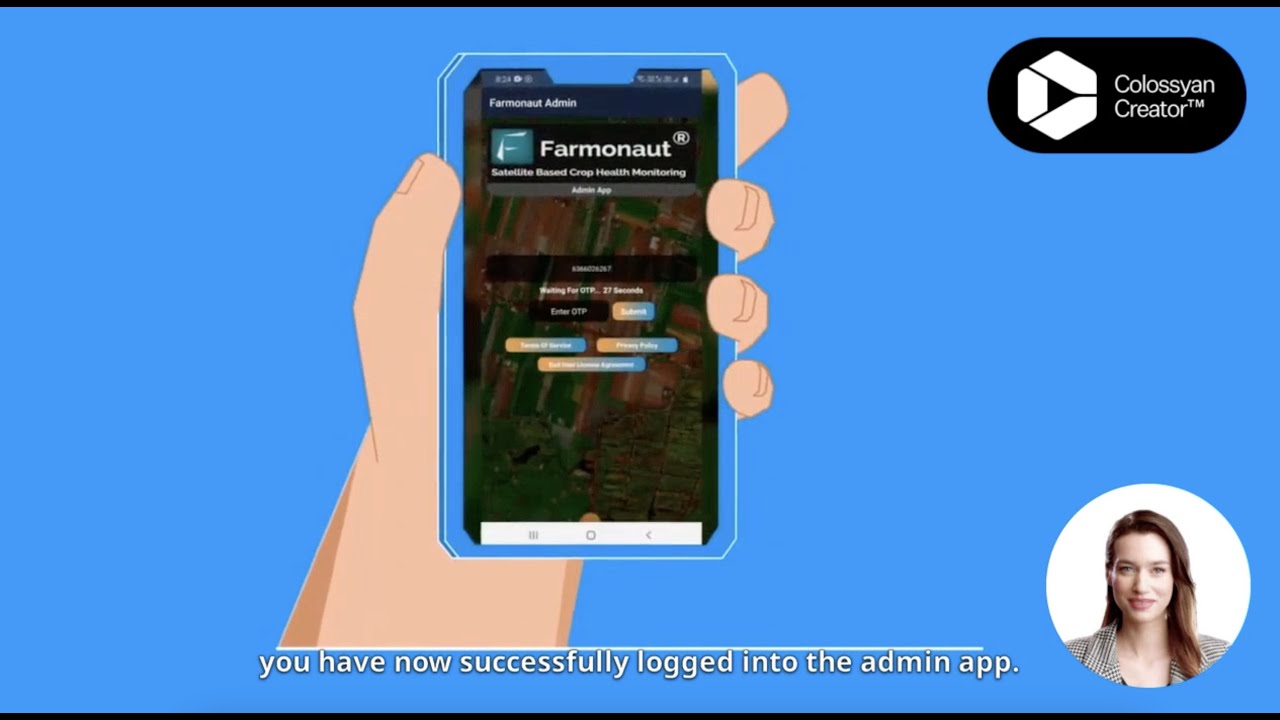
The Future of Compost Tumblers & Regenerative Agriculture
Looking toward 2026 and beyond, compost tumblers will continue to play a pivotal role within climate-smart agriculture, food production, and circular economy systems. Their enclosed design, efficiency, and ease of use offer a manageable solution for converting organic waste into nutrient-rich compost.
Integration of technology—including remote monitoring and traceability—will make composting even more efficient, measurable, and eco-friendly. Farm operators and gardeners will benefit from enhanced data collection on-site and in real-time, promoting regenerative farming and reducing chemical inputs.
- Urban agriculture will rely heavily on small compost tumblers to enrich soil and close the food waste loop.
- Commercial farms and large-scale producers will turn to large and metal compost tumblers to process vast amounts of organic matter efficiently.
- Technological advancements will further drive circular farming practices and help monitor composting’s impact on carbon sequestration and overall farm resilience.
We can conclude that, whether you’re an urban homesteader or a large-scale grower, investing in the right compost tumbler delivers measurable benefits—increased soil health, reduced waste, economic savings, and a vital step toward sustainable food systems for the coming years.
FAQ: Compost Tumblers & Sustainable Composting
What is a compost tumbler and how does it work?
A compost tumbler is a container specifically designed to facilitate and speed up the process of composting by allowing easy rotation and aeration of organic waste. The tumbling action ensures even decomposition, higher temperatures, and the rapid destruction of pathogens, especially compared to traditional heaps.
Is a compost tumbler better than a compost heap?
For most urban or resource-conscious settings: yes. Compost tumblers offer faster composting, better odor control, pest prevention, and require less manual labor for mixing. Heaps are more suitable where land and time are abundant.
How do I choose between a small, large, or metal compost tumbler?
Small compost tumblers (20–60 gallons) fit limited spaces and small waste volumes, ideal for urban and backyard use. Large compost tumblers (100+ gallons) fit high-volume, commercial, or community needs. Metal compost tumblers offer better durability and heat retention for frequent, large-scale composting. Assess your waste volume, available space, and preferred lifespan to decide.
How often should I rotate my compost tumbler?
For best results, rotate your compost tumbler 2–3 times per week, allowing new material to mix with older decomposing matter, maintain heat, and maximize oxygen exposure.
Is compost from a tumbler safe for all plants and crops?
Yes—if managed properly. The hot composting achieved in a well-ventilated tumbler will destroy pathogens and weed seeds, resulting in a safe, nutrient-dense soil amendment.
Are there sustainable or recycled options available?
Absolutely. Many compost tumbler models for 2026 are crafted from recycled plastics or metals, reducing environmental impact and adding long-term value to your farm or garden operation.
How can I monitor the environmental impact of my composting practices?
Consider integrating real-time monitoring such as Farmonaut’s platform, which offers carbon footprint tracking and traceability tools to assess and reduce your composting emissions, enhancing transparency and the overall sustainability of your operation.
Farmonaut Subscription Options
Optimize your farm’s sustainable future with Farmonaut’s advanced satellite, AI, and environmental monitoring tools. Flexible subscriptions are available for individuals, businesses, and institutions wanting to integrate technology-driven insights into daily operations.
Conclusion: Compost Tumblers as a Foundation for Sustainable Agriculture in 2026
As composting technology advances, compost tumblers—from small plastic units to large metal systems—will become foundational tools for regenerative agriculture. They offer efficiency, ease of use, and superior waste management, enabling farmers and gardeners to quickly convert organic waste into rich compost, improve soil health, and support a truly sustainable food system.
Whether you’re a household gardener seeking a small compost tumbler or a commercial producer ready for a large metal compost tumbler, the right solution for 2026 is out there—and integrating new technologies through platforms like Farmonaut will help maximize your sustainable farming journey.
Take the next step: Access Farmonaut’s web, Android, or iOS apps for smart agri and composting support.
Developers: Explore Farmonaut API and developer docs for seamless platform integration.
Start composting. Start regenerating. Start sustaining—the future of food is in your hands.
Discussion
Questions, corrections or field experience? Share them below. First-time comments are reviewed before they appear, and your email is never published.
No comments yet. Be the first to add a question or your experience.

 XOS Realty
 Geospatial Lab Africa
 KhetiBuddy
 Agro La Gándara
 Global Agrifood
 HIPSAC
 ZOL Zimbabwe
 Juligerm
 AdBio
AdBio MISE Maroc
 NWNS
NWNS Red August Group
 Farm Inc
 WeMe Global
 Agrotoken
 Blue BearX
 Insignito
 Croptimum
 DnCubed
 Field Capacity
 Indosistim Teknologi
