

What Climate Is Best for Agriculture? 7 Hot Solutions
“Optimal crop yields occur between 18°C and 24°C, but some heat-tolerant varieties thrive above 30°C with proper irrigation.”
Introduction: The Global Challenge of Hot Climate Agriculture
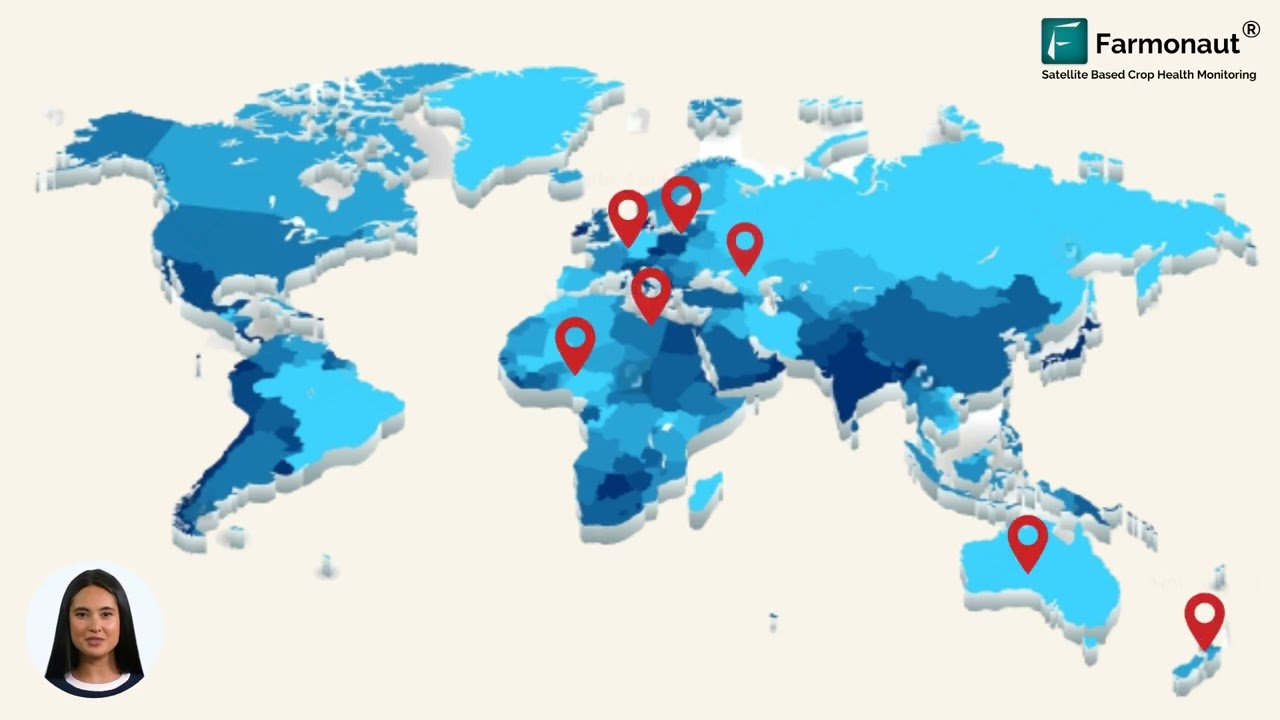
Hot climates pose unique challenges and opportunities for agriculture, especially as climate change intensifies heat waves and alters precipitation patterns worldwide. Regions such as parts of Africa, South Asia, the Middle East, and Australia often experience prolonged high temperatures affecting crop growth, water availability, and soil health. As we approach 2025, understanding what climate is best for agriculture becomes even more critical for sustainable farming practices and the resilience of food supply systems.
This blog offers a comprehensive look at ideal climate conditions, sustainable crop selection, the management of agricultural diseases like tomato rot, and the most efficient irrigation technologies and pumps suited for these demanding environments.
What Climate Is Best for Agriculture?
The best climate for agriculture typically consists of moderate temperatures, reliable rainfall, and fertile soils. Crops generally thrive in distinct yet not extreme seasons—where neither heat nor cold is excessive, and moisture levels align with the crop’s needs.
However, in hot climates—such as those in Africa, South Asia, the Middle East, and Australia—agriculture often faces:
- Prolonged periods of high temperatures (frequently exceeding 30°C/86°F)
- Unpredictable and reduced precipitation
- Higher rates of water evaporation
- Soil degradation and salinity
In such environments, the critical question is not just what climate is best for agriculture, but how to adapt agriculture for hot climates for sustainable food production in 2025 and beyond.

Best Crop Choices for Hot Climates
Deciding on the best crops for agriculture in hot climates is key to maximizing yield and ensuring sustainability. Crop tolerance to heat and drought varies widely, so it’s essential to select varieties that can withstand temperature extremes as well as water scarcity.
Heat-Tolerant Crops and Varieties
- Cereals: Millet and Sorghum are highly evolved for dry, hot conditions.
- Pulses: Chickpeas and Cowpeas are both drought- and heat-resistant.
- Vegetables: Varieties of Tomato, Okra, and Amaranth have been bred for heat tolerance.
- Industrial Crops: Cotton and Groundnut perform well in hot, arid environments.
- Tubers: Sweet Potato and Cassava are widely grown in tropical, high-temperature areas.
Successful agriculture for hot climates also requires matching irrigation and soil management practices to crop requirements. Access to real-time climate and soil data via APIs allows more efficient and sustainable crop selection.
7 Hot Solutions for Sustainable Agriculture in High Temperature Regions
Pragmatic and innovative strategies can help optimize agriculture for hot climates. Here are 7 hot solutions for success, resilience, and efficiency, directly addressing the question: What climate is best for agriculture from a solutions perspective?
-
Crop Selection & Breeding for Heat Resilience
- Emphasis is increasingly on developing, breeding, and selecting varieties with heat and drought tolerance.
- For Tomatoes: Breeding tomato strains that resist temperature-induced diseases like tomato rot is a priority.
-
Mulching & Soil Management
- Mulching retains soil moisture, reduces surface temperature, and slows water evaporation.
- Regular addition of organic matter (like compost) enhances the soil’s water-holding capacity and promotes healthier crops.
-
Efficient Irrigation: Drip & Smart Scheduling
- Drip irrigation delivers water directly to the root zone, maximizing efficiency and minimizing wastage.
- Smart irrigation scheduling based on soil moisture data ensures optimal timing, thus enhancing water-use efficiency.
-
Improving Soil Health and Salinity Management
- In hot climates, soil salinity can rise due to evaporation. Integrating organic soil amendments and regular monitoring are critical steps toward maintaining productivity.
- Farmonaut’s real-time monitoring (for those using our platform) can help track vegetation health (NDVI) and soil conditions, allowing for data-driven interventions.
- Carbon footprinting tools now support sustainable agriculture by tracking and reducing emissions linked to soil degradation.
-
Integrated Pest and Disease Management
- Disease risk (like tomato rot) increases at higher temperatures and humidity levels.
- Sustainable IPM (Integrated Pest Management) combines biological, cultural, and chemical control for resilience.
- Sanitation (removing infected debris), crop rotation, and careful use of fungicides are standard best practices.
-
Smart Pump Selection for Efficient Water Delivery
-
For irrigation in hot climates, choosing the best pump for agriculture is vital for reducing energy costs and optimizing water use:
- Solar-powered pumps: Leverage abundant sunlight in hot regions, reducing grid dependence.
- Centrifugal pumps: Widely used for field irrigation where reliability is required.
- Submersible pumps: Best for groundwater extraction, especially where surface evaporation is high.
- See more in the section “Selecting the Best Pump for Agriculture“.
-
For irrigation in hot climates, choosing the best pump for agriculture is vital for reducing energy costs and optimizing water use:
-
Data-Driven Decision Making: Leveraging Technology
- Satellite monitoring, AI-based advisory, and blockchain are transforming how we understand and manage hot-climate agriculture with actionable, affordable insights.
- Our Farmonaut app enables real-time monitoring and AI-based recommendations to help small and large producers optimize irrigation, crop health, and resource allocation.
-
Download the Farmonaut platform from the



“Switching to drip irrigation can reduce water use by up to 60% in hot climates, boosting sustainability and crop health.”

Understanding & Managing Tomato Rot in Hot Climates
One of the most devastating issues in tomato cultivation in hot climates is tomato rot. But what is tomato rot?
What is Tomato Rot?
Tomato rot refers to several fungal and bacterial diseases that cause fruits or plant tissue to soften, discolor, and ultimately degrade. Common pathogens include:
- Phytophthora species: Cause water-soaked lesions and rapid rot, especially after rainfall or irrigation in hot weather
- Alternaria: Responsible for dark, sunken spots with concentric rings on leaves and fruit
- Botrytis: Grey mold thrives in hot and humid conditions
- Bacterial pathogens (e.g., Clavibacter): Cause cankers and wilting in hot climates
Tomato Rot: Symptoms and Impact
Symptoms may start as soft, dark or sunken spots on the fruits which rapidly spread in hot, sometimes humid, conditions. Left unchecked, rot will destroy individual fruits and can seriously compromise entire crops and yields.
Why Do Hot Climates Increase Tomato Rot?
- High temperature stress weakens plant defenses
- Large swings in moisture (irrigation followed by drying) help pathogens penetrate the fruits and tissue
- Intense sunlight can damage fruit skin and allow infections to enter

Traceability is crucial in food systems affected by climate and disease. Farmonaut’s blockchain-based product traceability helps ensure transparent tracking of agricultural produce integrity—reducing risk from outbreaks and boosting consumer trust.
Best Practices for Addressing Tomato Rot
- Rotate tomatoes with non-solanaceous crops (avoid planting tomatoes, potatoes, or peppers in the same place each year)
- Sanitize by removing all plant debris after harvest
- Mulching to keep water off leaves and maintain consistent soil moisture
- Optimize irrigation to avoid wetting leaves and minimize over-irrigation
- Use resistant varieties bred for hot climates (consult extension resources or local seed banks)
- Monitor regularly using digital and visual tools; Farmonaut’s monitoring platform can provide geospatial disease risk maps
- Apply fungicides only when necessary, and always according to best practice to avoid resistance


Selecting the Best Pump for Agriculture: Irrigation Technology for Hot Climates
In hot regions, irrigation is not just important—it’s essential for sustaining crop health. The choice of pump technology determines both the efficiency and the sustainability of agricultural water management.
Which is the Best Pump for Agriculture in Hot Climates?
- Solar-Powered Pumps: Most sustainable and cost-effective due to abundant sunshine (especially in Africa, South Asia, the Middle East, and Australia). These pumps run directly on photovoltaic energy, reducing dependency on fossil fuels or unreliable grid electricity.
- Centrifugal Pumps: Widely deployed due to simplicity and reliability, particularly for open field and surface irrigation.
- Submersible Pumps: These can operate completely underwater, making them ideal for extraction of groundwater in deep wells. They avoid many of the cavitation issues faced by surface pumps in hot, dry regions.
Integrating pumps with IoT sensors enables smart irrigation—whereby real-time soil moisture data ensures water is only delivered when and where it is needed, minimizing wastage and reducing the risk of both salinity build-up and crop stress.
Our Farmonaut platform enables users to remotely monitor fields, optimize irrigation scheduling, and obtain AI-based irrigation recommendations. To integrate satellite insights with farm or pump management systems, see our Fleet Management tools.
Drip irrigation (see Table below) is generally the best match with solar or submersible pumps, especially in fragile, arid environments where water savings and targeting are paramount.
Optimal Climate Conditions and Solutions for Key Crops in Hot Regions
| Crop | Ideal Temperature Range (°C) | Water Needs (Liters/Day) | Susceptibility to Heat Stress | Best Sustainable Practices | Recommended Irrigation/Pump System |
|---|---|---|---|---|---|
| Tomato | 21 – 27 | 3–6 /m² | Medium–High; fruit rot in extreme heat | Mulching, drip irrigation, disease monitoring | Solar/Submersible + Drip System |
| Maize | 20 – 32 | ~6 /m² | Medium; watch for salinity | Crop rotation, organic amendment, controlled irrigation | Centrifugal/Solar + Sprinkler or Drip |
| Sorghum | 25 – 35 | 2–4 /m² | Low; highly heat- and drought-tolerant | Conservation tillage, drought-resistant varieties | Drip/Solar/Centrifugal |
| Millet | 24 – 34 | 1.5–3 /m² | Very low; ideal for extreme heat | Direct seeding, mulching, minimal till | Solar, Manual or Drip |
| Cotton | 25 – 35 | 3.5–5 /m² | Medium-High; risk of boll drop | Mulching, pheromone traps, regulated irrigation | Submersible/Centrifugal + Drip |
This table supports efficient planning for crop selection and irrigation in hot climates. For more on satellite-based field management, explore our Large Scale Farm Management system.
Role of Technology and Satellite Insights in Agricultural Sustainability
Modern agriculture for hot climates in 2025 requires insights that go beyond tradition. That’s why integrating satellite monitoring, AI, and blockchain is transforming how producers respond to climate challenges.
- Satellite Technology: Enables monitoring of vegetation health, water stress, and soil conditions across large areas, proactively alerting farmers to risk of disease, drought, or yield loss.
- AI and Machine Learning: Used to analyze weather and soil data, providing real-time recommendations for irrigation scheduling and input management.
- Blockchain Traceability: Guarantees authenticity and transparency in produce supply chains, which is especially crucial as climate-induced disease risks grow.
- Fleet Management: Farmonaut’s platform offers fleet management tools that help optimize logistics and reduce resources wastage in remote, hot regions.
Digital APIs for farm management integration enable accurate, cost-effective access to critical data on water needs, soil salinity, and pest risk—empowering smallholders and agribusinesses alike in even the hottest climates.

Our mission at Farmonaut is to democratize satellite-driven insights, making advanced technology affordable to every farmer, business, and government worldwide. Whether for NDVI crop health monitoring, water stress alerts, or environmental impact analysis, we’re committed to advancing sustainable agriculture for hot climates.
Want to harness satellite technology and AI-driven agriculture? Try Farmonaut’s affordable subscription plans:
Conclusion: Thriving with Technology and Sustainable Practices in 2025
Addressing the question—what climate is best for agriculture—requires a pragmatic approach: embracing resilient crop varieties, efficient irrigation and pump systems, integrated disease management for conditions like tomato rot, and the thoughtful adoption of technology.
From remote-village smallholders in Africa, South Asia, the Middle East, and Australia to agribusinesses tackling hot, arid climates worldwide, the same lessons apply: focus on crops and irrigation adapted for high temperatures, leverage real-time monitoring and data, and put sustainability at the heart of every management decision.
By 2025 and beyond, it is the combination of traditional wisdom and modern solutions—including the use of satellite-driven insights and advanced irrigation technology—that will secure food and livelihoods under the relentless heat of a changing planet.
Frequently Asked Questions: What Climate Is Best for Agriculture & Hot Climate Solutions
Q1: What is the best climate for agriculture?
Generally, moderate climates with temperatures between 18°C and 24°C, reliable rainfall, and fertile soils are ideal. However, with the right adaptations, agriculture can thrive even in hot climates exceeding 30°C.
Q2: Which crops are most suitable for hot climates?
Heat- and drought-tolerant crops such as millet, sorghum, chickpeas, cowpeas, okra, and heat-resistant tomato varieties perform best. Always consult local extension sources for the most resilient cultivars.
Q3: What is tomato rot and how can I prevent it?
Tomato rot is a disease caused by fungal or bacterial pathogens. Key prevention methods include crop rotation, mulching, using resistant varieties, and optimal irrigation scheduling.
Q4: What is the best pump for agriculture in hot regions?
Solar-powered, submersible, and centrifugal pumps are excellent options for hot climates. Solar pumps are most sustainable, while submersible pumps excel in deep-well applications.
Q5: How can satellite technology support hot-climate farming?
Satellite monitoring offers efficient solutions for tracking vegetation health, soil conditions, and water stress. With platforms like Farmonaut, farmers receive real-time recommendations to optimize water usage and crop management.
Ready to take your farm management and crop yield to the next level? Try our cutting-edge, satellite-powered insights:
For everything from sustainable farming in hot climates to environmental impact and supply chain management, explore our advanced product suite—carbon footprinting, traceability, crop loan and insurance, fleet management, large scale management, and forest/crop/plantation advisory.
Discussion
Questions, corrections or field experience? Share them below. First-time comments are reviewed before they appear, and your email is never published.
No comments yet. Be the first to add a question or your experience.

 Kalustyan
 Tucor
Tucor Saraswati Agro
 Geno
Geno Hayleys Agriculture
 Linx Agritech
 Adinet
 Save Your Soils
 Grandstream Algérie
 XOS Realty
 Geospatial Lab Africa
 Agro La Gándara
 HIPSAC
 ZOL Zimbabwe
 Juligerm
 MISE Maroc
 NWNS
NWNS
