

Best Online Horticulture Programs 2026 to Study Online: A Comprehensive Guide
“Over 150 accredited online horticulture programs are expected worldwide by 2026.”
Introduction: Horticulture in the Digital Era
In 2026 and beyond, online horticulture programs have become central to reshaping agricultural learning. Advances in technology, the rapid impact of climate change, new environmental regulations, and a growing global population all combine to drive the immense need for accessible, flexible, and comprehensive horticultural education. As the landscape of agriculture online evolves, so too does the importance of empowering farmers, agronomists, and agricultural enthusiasts with up-to-date knowledge and specialized skills.
These challenges, from soil degradation to constantly evolving pest management requirements, can be daunting. Fortunately, online horticulture programs provide an effective solution, opening new pathways for career development, fostering sustainable practices, and driving innovation in the agricultural community.
Digital access to horticulture courses allows busy professionals and aspiring farmers to balance learning with practical farm duties, making advanced education more attainable than ever before.
The Rise of Online Horticulture Programs: Trends in 2026
Online horticulture programs now cover a diverse range of topics such as soil science, plant physiology, crop management, pest control, landscape design, and post-harvest technologies. The convenience of online learning enables individuals to build essential skills for modern farming—whether you’re running a farm business, aspiring to a management role, or simply passionate about sustainable horticulture.
Major universities worldwide are increasingly offering degree and certification programs in horticulture online. These are often delivered through interactive platforms featuring expert video lectures, virtual labs, and forums for peer discussion.

Participation in these programs can be fully virtual, making them highly accessible for working professionals, small-scale farmers, and learners from both rural and urban areas — regardless of geographical location.
📚 Most Popular Topics Covered in Online Horticulture Programs
- 🌱 Plant Physiology: Understanding how plants grow and respond to the environment
- 🦠 Pest & Disease Management: Innovative tools and techniques to control crop threats
- 🪨 Soil Science: Insights into soil health, fertility, and conservation
- 🖥️ Precision Agriculture: Integrated data-driven management for resource optimization
- 🌺 Landscape Design: Combining art and science to create sustainable outdoor spaces
When searching for “horticulture programs near me”, look for those aligned with your local crops and climatic conditions to maximize practical, region-specific expertise.
“In 2025, digital agriculture courses saw a 35% enrollment spike among career-focused learners.”
Comparison: Top Online Horticulture Programs 2026
Below, we’ve compiled a detailed comparison of leading online horticulture programs around the world. This table presents key features, estimated costs, and program outcomes to help you make an informed decision about where to study horticulture online.
| Program Name | Institution | Duration (Estimated) | Tuition Fees (Estimated) | Key Features | Accreditation | Career Outcomes |
|---|---|---|---|---|---|---|
| Advanced Diploma in Horticulture (Online) | RMIT University (Australia) | 18 months | $8,600 USD | Virtual labs, sustainable agriculture focus, industry projects | AQF, International | Farm Manager, Sustainable Landscapes Consultant |
| Bachelor of Science in Plant Science: Horticulture Emphasis | Oregon State University (USA) | 4 years | $29,000 USD | Integrated pest management, practical workshops, extension services | NWCCU | Agronomist, Extension Specialist |
| Certificate in Sustainable Urban Horticulture | University of London (UK) | 9 months | $4,500 USD | Local urban focus, online design studios, expert lectures | QAA | Urban Landscaper, Horticultural Technician |
| Professional Certificate in Horticulture Science | University of Guelph (Canada) | 12 months | $6,200 USD | Crop monitoring, climate change adaptation, interactive forums | OUAC, International | Greenhouse Manager, Crop Advisor |
| Postgraduate Diploma in Precision Agriculture and Horticulture | Wageningen University (Netherlands) | 2 years | $12,400 USD | AI-integrated analysis, precision tech, international peer exchange | NVAO | Precision Agriculture Specialist |
| Diploma in Organic Horticulture (Online) | Cornell University (USA) | 15 months | $7,950 USD | Organic practices focus, real-world instructor feedback | MSCHE | Organic Farm Manager, Sustainability Coordinator |
Note: Tuition and program duration are indicative—please refer to each institution for the most recent details.
Choosing a program solely based on cost or duration can limit your learning outcomes. Always compare key features and career placements before making your decision!
Key Benefits of Studying Horticulture Online in 2026
Online horticulture programs offer more than just flexibility — they empower individuals to access world-class agricultural education tailored for modern challenges. Whether you reside in a rural village or urban city, the following benefits ensure that study horticulture online remains a vital tool for continuous development.
- ✔ Flexible Scheduling: Learn at your own pace, balancing farm duties or work commitments.
- 🌐 Global Access: Join courses from top institutions worldwide without relocating.
- 💡 Hands-on Learning: Many programs offer virtual labs and local practical components.
- 📈 Career Growth: Gain industry-recognized certifications for job advancement or specialization.
- 🌱 Sustainable Focus: Courses often include environmental practices and climate change mitigation modules.
The shift toward online horticulture education fuels demand for emerging ag-tech tools—like satellite crop monitoring—accelerating digitization across the global agri-food landscape.
📊 Advantages of Modern Horticulture Online Programs
- 🥇 Accredited Certification: Recognized by government and industry bodies
- 🤝 Peer Networking: Exchange ideas with learners from varied geographical backgrounds
- 🔬 Access to Research: Up-to-date, science-backed course material
- 💻 Technology Integration: Training on digital farm management tools
- 🌎 Sustainable Impact: Courses on carbon farming and environmental best practices (learn more about carbon footprinting with Farmonaut for sustainability insights)
Certification tracks in precision ag, pest management, and resource monitoring are increasingly sought after by professionals aiming to future-proof their careers in sustainable agriculture.
Developing Practical Agricultural Skills Remotely
Worried that online horticulture programs are too theoretical? Many top programs bridge the theory-practice divide with virtual labs, detailed simulations, and assignments that translate directly to real-world farm management. Some offer hybrid models, including optional local field visits or workshops through extension services.
This hands-on approach ensures that students and professionals alike gain practical expertise in everything from crop selection and soil health assessment to advanced pest management strategies. For example, tools like Farmonaut’s resource management dashboard (see our Large Scale Farm Management App) make these skills actionable on your own operation—helping users become more efficient and data-driven.
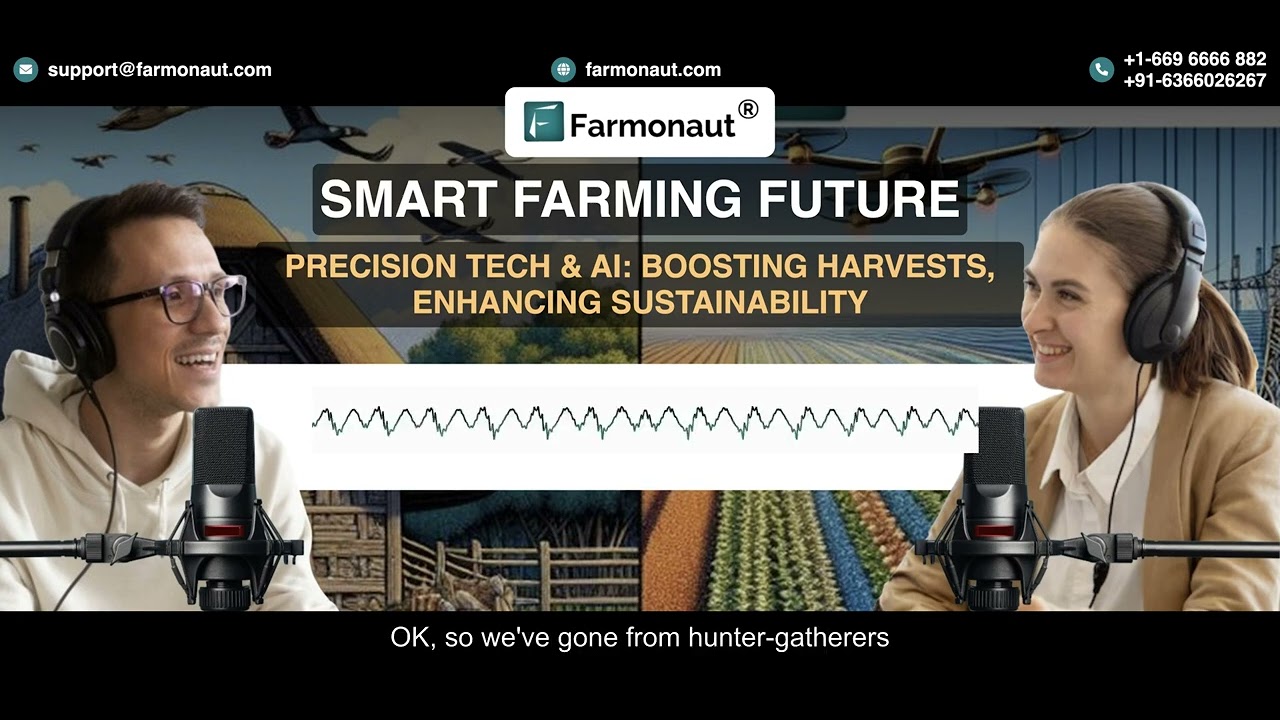



If you want to monitor crops with AI and satellite technology, use the Farmonaut app/web platform—not just for data insights but for real-time field management and environmental tracking.
Connecting Local and Global Learners: “Horticulture Programs Near Me”
Despite the global accessibility of horticulture online courses, many learners specifically seek “horticulture programs near me” due to the relevance of local crop types, soil properties, pest species, and unique environmental conditions. Leading programs customize their content by:
- 🌍 Embedding region-specific modules: Focus on endemic crops and climate-responsive farming.
- 🚜 Offering local field experience: Opportunities for hands-on workshops through nearby agriculture universities or extension centers.
- 🔗 Connecting with local networks: Peer forums that facilitate knowledge exchange among farmers and agronomists facing similar challenges.
This blended mode (“hybrid model”) bridges digital and physical learning, supporting precision agriculture and sustainable practices adapted to your unique context.
Precision agriculture—powered by localized knowledge and satellite data—will be a crucial trend by 2026. Programs that combine online learning with local expertise offer the best of both worlds.

- ✔ Regionally relevant content for targeted learning
- ✔ Opportunities for seasonal internships or co-ops
- ✔ Direct input from local extension agents and universities
- ✔ Adaptive pest and disease management modules
- ✔ Timely updates on emerging environmental issues
Pair global learning platforms with local networks or extension services to maximize both theoretical knowledge and practical application.
Integrated Technologies in Online Horticulture Courses
One of the biggest advancements in online horticulture education is the seamless integration of emerging technologies: from AI-driven advisory systems and remote sensing to blockchain-based supply chain traceability and mobile-based farm monitoring apps.
Access to these digital resources in the learning environment prepares learners for modern agricultural challenges, such as:
- ⚡ Climate variability and adaptation planning
- 🌡️ Real-time pest and disease surveillance
- 🌊 Water conservation management
- 💾 Data-driven resource optimization
- 🔗 Supply chain transparency (see Blockchain Traceability)
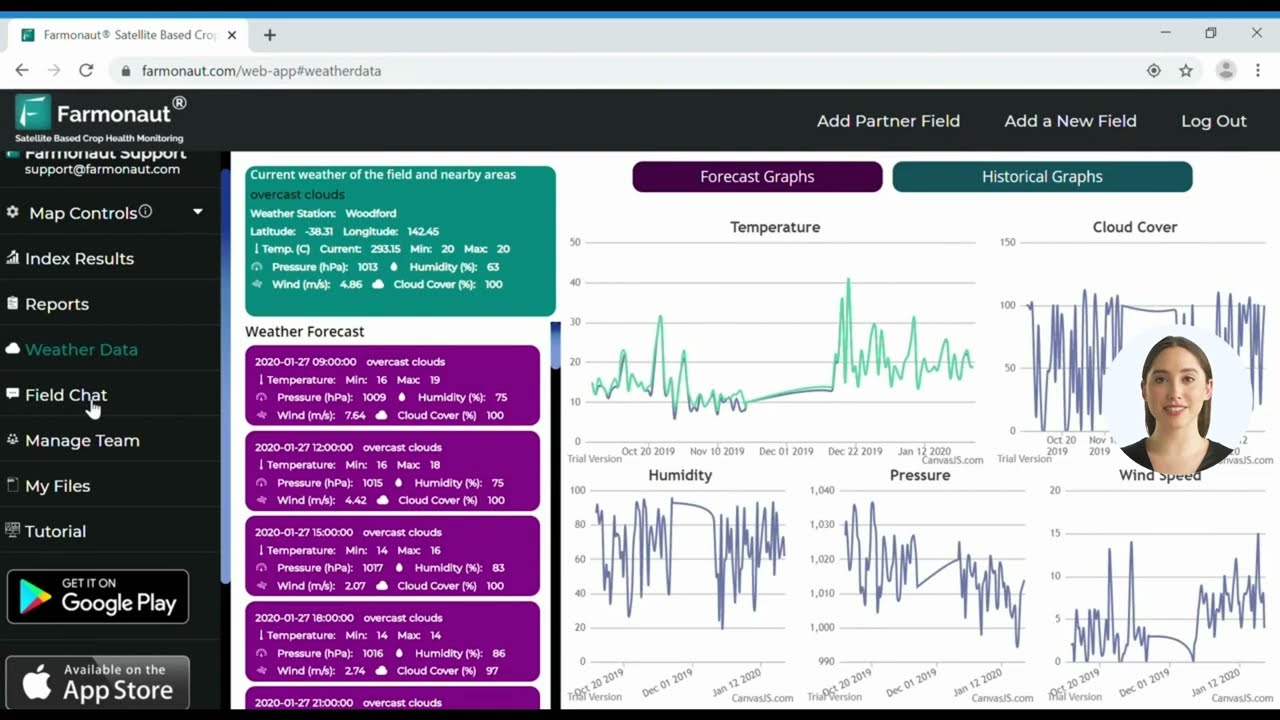
Interactive tools like the Farmonaut web and mobile apps give learners the opportunity to practice crop health monitoring, study precision agriculture, and understand real-time environmental impact tracking. If you’re a developer or agri-business, you can even integrate such solutions via Farmonaut’s Satellite and Weather API and read more in the API Developer Docs.
Furthermore, integrated fleet and resource management tools—like those offered by Farmonaut’s Fleet Management System—are becoming an indispensable asset for agricultural professionals, improving operational efficiency and safety.
Learning to apply digital tools is essential for future-proofing your agricultural career. Choose programs that provide practical training on these platforms.
Career Outcomes & Future Outlook for Online Horticulture Graduates
In 2026 and beyond, global concerns around food security, environmental protection, and sustainable rural development will only intensify. Online horticulture programs address this growing demand by preparing graduates for high-impact roles, from precision ag specialist and crop advisor to green infrastructure consultant.
- 🎓 Career Paths: Farm/Greenhouse Manager, Sustainable Agriculture Consultant, Horticultural Scientist, Crop Insurance Analyst
- 🏙️ Sectors: Commercial and organic farming, urban landscape firms, agro-tech enterprises, environmental NGOs, forestry management
- 🌏 Regional demand: Asia-Pacific is seeing rapid growth, while aging workforces in Western countries open new opportunities for young professionals
- ⚡ Emerging areas: Carbon farming, AI-based advisory, digital extension advisory, resource traceability
- 📈 Job outlook: Projected job growth in sustainable ag/forestry sectors: +18% (2026-2030)
Neglecting to pursue recognized certification or industry-aligned programs can limit your job prospects, especially in technical or government positions.
With the expansion of digital extension services and traceability requirements, graduates with skills in AI, blockchain, and digital monitoring are in high demand across agriculture, supply chain management, and regulatory bodies.
How Farmonaut Empowers Online Horticulture Learning
We at Farmonaut believe that the next decade of horticulture education is deeply intertwined with technology adoption, data-driven insights, and sustainable practices.
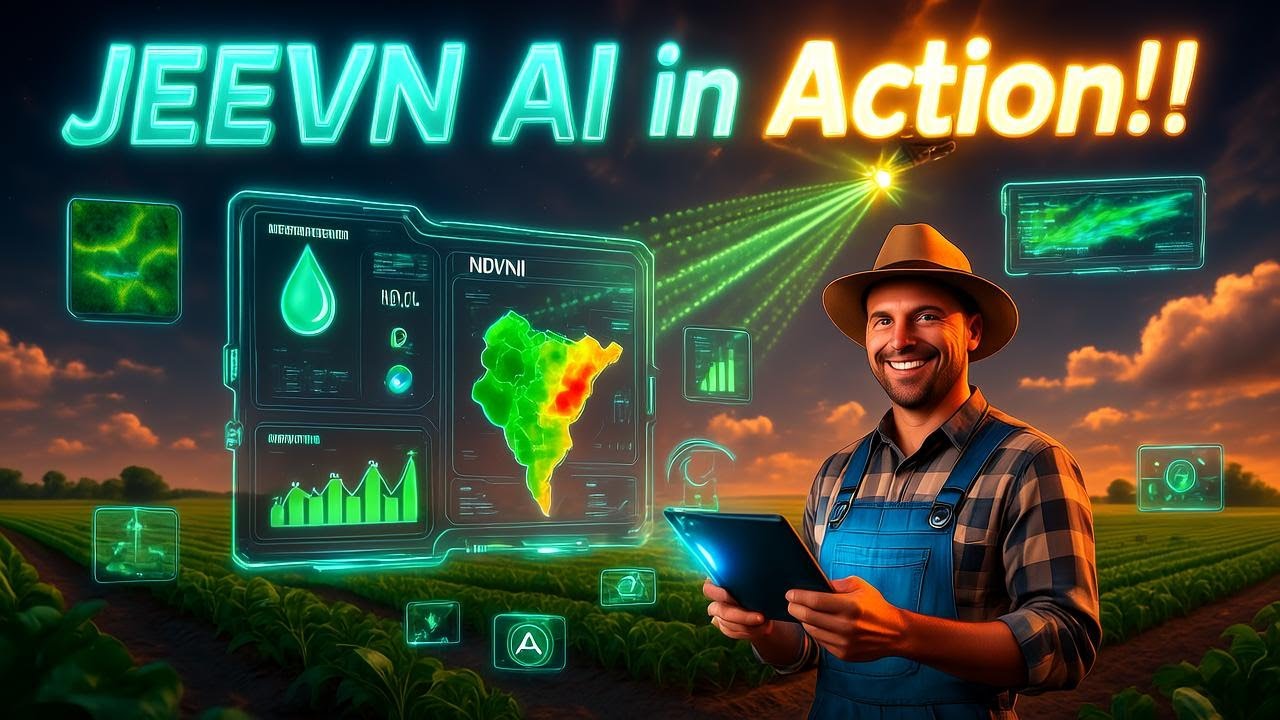
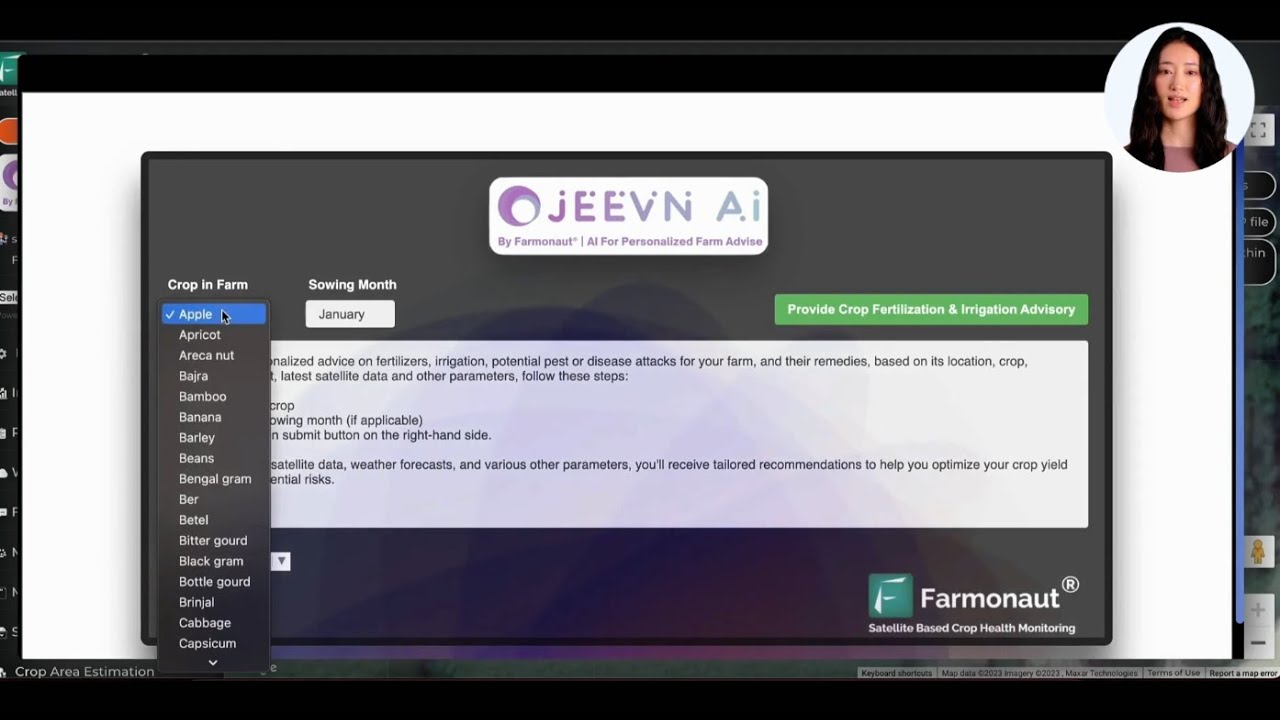
Our integrated platform uses real-time satellite imagery, AI-powered advisory (Jeevn AI), and blockchain traceability for a spectrum of agricultural and forestry use cases. With web, mobile apps, and APIs, we make advanced insights affordable, accessible, and actionable for farmers, agronomists, businesses, and governments worldwide.
- ✔ Satellite-driven crop monitoring for resource efficiency and early pest risk alerting
- ✔ Jeevn AI Advisory for region-specific cultivation advice and real-time weather forecasting
- ✔ Blockchain-based traceability for supply chain transparency—vital for certifications and export markets
- ✔ Fleet and resource management for optimizing machinery usage and logistics (see: Farmonaut Fleet Management)
- ✔ Environmental impact tracking (carbon footprinting, emission monitoring, compliance solutions)
All of these features help users align their practical learning with market and regulatory demands. They are also increasingly included in online horticulture programs worldwide—preparing learners not just for today, but for the future of sustainable agriculture.
Farmonaut platforms and tools are accessible as apps and via API integration, allowing students and professionals to apply theoretical course content directly to field analysis and resource management.
We are committed to ensuring that digital horticulture education is not only relevant and comprehensive, but empowers individuals and communities to grow, adapt, and thrive in an ever-evolving agricultural landscape.
Use the Farmonaut platform to simulate crop scenarios and test climate resilience strategies in virtual labs—a powerful complement to formal online horticulture learning!
| Benefit/Feature | Description | How Farmonaut Supports |
|---|---|---|
| Global Community | Connect with peers from 100+ countries | Interactive apps, real-time collaboration |
| Localized Learning | Region/crop-specific modules and workshops | Custom advisory via Jeevn AI |
| Sustainability | Focus on organic, climate-smart, and regenerative farming | Environmental impact and carbon tracking (read more) |
| Traceability | Blockchain for transparent supply chains | Blockchain-based product traceability (read more) |
| Resource Management | Fleet, crop, water, and input optimization | Fleet/resource management tools (learn more) |
Farmonaut’s satellite crop loan & insurance verification solutions are transforming access to financing in agriculture—an essential consideration for up-and-coming horticulture professionals and agri-business owners.
Frequently Asked Questions (FAQ): Online Horticulture Programs
1. What are online horticulture programs?
Online horticulture programs are structured courses provided via web-based platforms, allowing learners to expand their knowledge in horticulture, agriculture, and related sciences remotely. They can include degrees, diplomas, and professional certifications.
2. How do I choose the best program to study horticulture online?
Compare key factors—accreditation, curriculum relevance, faculty expertise, practical components (like virtual labs), tuition cost, and career outcomes. Refer to our comparison table above.
3. Are these online programs recognized by employers and industry?
Yes! Leading programs are accredited by government or international bodies. Check for institutional or sector accreditation before enrolling.
4. Can I combine online horticulture learning with fieldwork?
Many programs offer hybrid models. You can also apply learning directly to your farm or join local extension workshops for hands-on experience.
5. What kinds of jobs can I pursue after completing an online horticulture course?
Career options range from farm manager, extension officer, and horticulture advisor to roles in research, agribusiness, climate-smart agriculture, agri-insurance, and tech development.
Conclusion: Moving Agriculture Forward through Online Horticulture Programs
In the era of climate change, food security, and rapid technological advancement, online horticulture programs will remain at the core of inclusive, modern, and sustainable agricultural education. These courses not only empower learners with essential skills in plant science, pest management, and crop design but also equip them for the digital demands of tomorrow’s agriculture.
Whether you’re searching for “horticulture programs near me,” hoping to access world-class education from anywhere, or looking to complement your practical experience with cutting-edge theoretical knowledge, there’s never been a better time to study horticulture online. Embrace the flexibility, innovation, and global connections these programs offer—and become part of the movement that will define sustainable farming for generations to come.
If you’re ready to leverage advanced tools for crop health monitoring, resource management, or digital farm planning, we encourage you to explore Farmonaut’s apps, API solutions, and farm management platforms.
Together, let’s grow smarter, more resilient, and more connected—today, in 2026, and beyond.
Discussion
Questions, corrections or field experience? Share them below. First-time comments are reviewed before they appear, and your email is never published.
No comments yet. Be the first to add a question or your experience.

 Global Launch Base
 Elders
 Agritein
 Delicio
 WB Dev
 Sama Premium
 Prochecker
 Tres Valles
 LACOS Geoinformation
 Magrifly
 LatConnect 60
 WebsEdge
 Blickwinkel
 Agricultural Credit Policy Council
 Marei Nursery
 eKGIS
eKGIS Mostas Tech
 Andex
Andex FCF India
 Exploration consultancy · South Africa · Gold
 Licence holder · Niger · Gold
 Licence holder · Nigeria · Gold + lithium










