

Biotechnology in Agriculture: Top 10 2026 Breakthroughs
Table of Contents
- Introduction: The Current Significance and Future Prospects of Biotechnology in Agriculture
- Trivia Highlights
- Key Applications: How Biotechnology and Agriculture Merge
- Top 10 Breakthroughs in Biotechnology for Agriculture, 2026
- Comparative Innovations Table: 2026 Breakthroughs Compared
- Benefits and Opportunities in Modern Agriculture Biotechnology
- Key Challenges and Considerations
- Farmonaut: Enhancing Precision Agriculture with Satellite Technology
- Infrastructure and Policy Needs for 2025–2026
- FAQ: Biotechnology and Agriculture
- Conclusion: Towards a Resilient and Sustainable Future
Introduction: The Current Significance and Future Prospects of Biotechnology in Agriculture
Agriculture biotechnology is rapidly transforming how we produce, monitor, and manage crops, livestock, and entire agricultural systems. With the world facing critical challenges such as climate change, resource constraints, food insecurity, and evolving consumer demands, the uses of biotechnology in agriculture are more prevalent and impactful than ever. In 2025 and beyond, the role of biotechnology and agriculture is pivotal—spanning from gene-edited, high-yield crops, to precision-guided microbial inoculants, to advanced genomic selection for livestock health.
Biotechnology refers to applying biological techniques to improve all facets of agriculture: crop development, animal health, soil stewardship, and sustainable resource use. This innovation is anchored by a commitment to environmental safety, regulatory compliance, and consumer acceptance, ensuring that science thoughtfully addresses both global needs and public trust.



Key Applications: How Biotechnology and Agriculture Merge
Biotechnology used in agriculture drives innovation across a variety of sectors. Here’s where its application is most crucial:
- Crop Improvement: Modern breeding techniques—such as genomic selection, gene editing (e.g., CRISPR/Cas), and transgenic technologies—rapidly develop resilient varieties that offer higher yield, superior nutritional profiles, and robust disease resistance.
- Microbials & Biofertilizers: Use of rhizobacteria, mycorrhizal fungi, and related biologicals boosts nutrient efficiency, supporting soil health and reducing synthetic fertilizer use.
- Livestock Biotechnology: Advances include rapid diagnostics, precision nutrition, and enhanced reproductive technologies for improved productivity and animal health.
- Forestry and Agroforestry: Biotechnological tree species with faster growth and disease resistance support reforestation, timber quality, and climate adaptation strategies.
- Postharvest Biology: Shelf life extension, spoilage prevention, and biocontrol agents improve food quality and reduce waste.
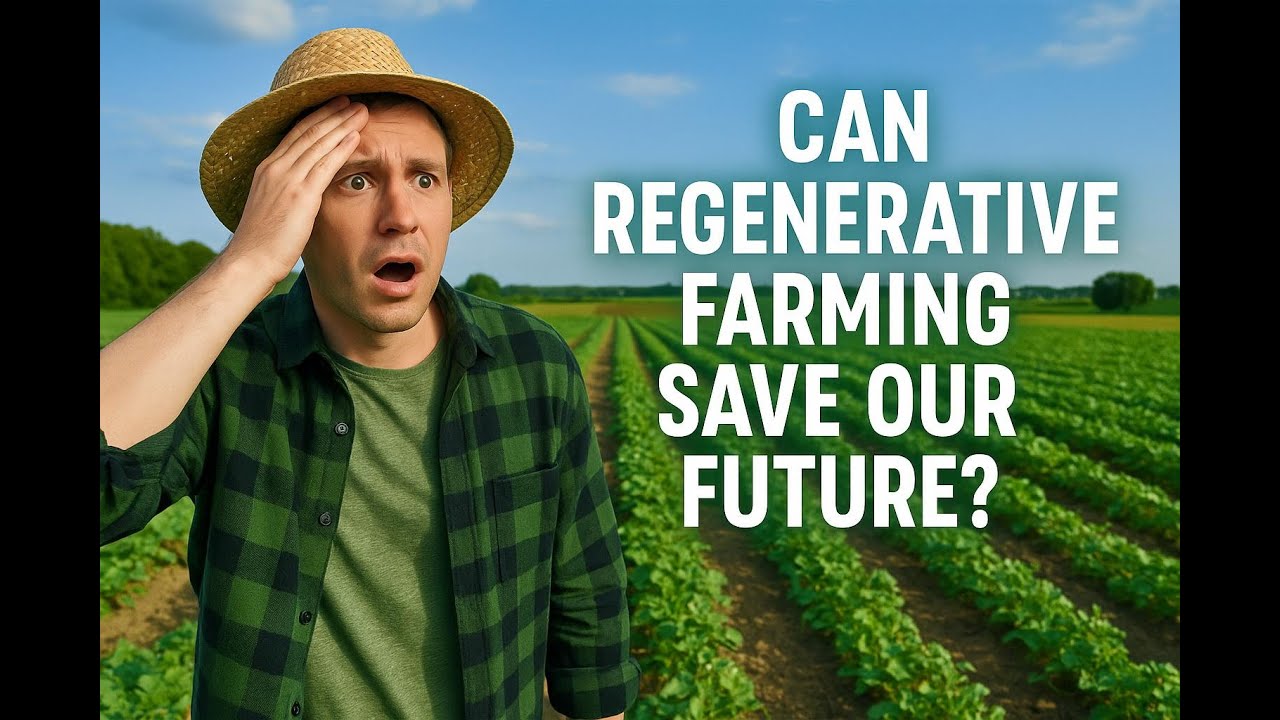
Biotechnology for agriculture is not just about higher production—it’s integral to climate-smart, sustainable food systems and future-proofing global food supply chains.

Top 10 Breakthroughs in Biotechnology for Agriculture, 2026
The coming years herald transformative advances in agriculture biotechnology. The top 10 breakthroughs anticipated for 2026 are poised to improve yield, resilience, and sustainability across crops, livestock, forestry, and postharvest biology. Let’s explore each in detail:
-
CRISPR/Cas Precision Gene Editing
- Enables targeted modification of endogenous genes without introducing foreign DNA—a regulatory game-changer.
- Applications: Disease, drought, heat, and salinity tolerance in staple crops.
-
Next-Gen Biofertilizers & Microbial Inoculants
- Engineered rhizobacteria and mycorrhizal fungi dramatically enhance nitrogen, phosphorus, and micronutrient uptake.
- Applications: Nutrient-efficient cereals, legumes, and vegetables.
-
RNA Interference Pest & Virus Control Biopesticides
- RNAi-based sprays or transgenic traits block pest/disease pathways with high specificity, reducing broad-spectrum pesticide use.
- Applications: Cotton bollworm, beetles, aphids, viral vectors in fruits and vegetables.
-
Biofortified Crops via Gene Editing
- Endogenous pathway tweaking to enrich iron, zinc, provitamin A, and key micronutrients.
- Applications: Rice, wheat, maize, and root vegetables addressing malnutrition.
-
Transgenic Disease-Resistant Tree Species for Forestry & Agroforestry
- Incorporating resistance genes enhances reforestation success and timber quality.
- Applications: Eucalyptus, teak, poplar, and fruit trees coping with new disease threats amid climate change.
-
Advanced Genomic Selection in Livestock
- AI-driven selection for higher productivity, disease resistance, and environmental efficiency.
- Applications: Dairy, beef, poultry, and aquaculture breeds globally.
-
Biostimulants Derived from Microbial Metabolites
- Biotechnologically produced phytohormones and metabolites stimulate root growth and stress tolerance.
- Applications: Broad-acre crops facing unpredictable weather stress.
-
Postharvest Biocontrol Agents
- Microbial and plant-derived solutions that safely suppress shelf life-limiting microbes—reducing food waste.
- Applications: Horticultural crops, grains, tubers.
-
DNA-Based Disease Diagnostics and Early Warning Tools
- Rapid, field-deployable kits using CRISPR-based DNA/RNA detection for instant, in-field decision-making.
- Applications: Real-time crop surveillance and livestock management.
-
Climate-Resilient Assisted Migration in Forestry
- Molecular screening guides tree selection for future climate zones, supporting sustainable reforestation and ecosystem stability.
- Applications: Agroforestry, conservation, timber, carbon sequestration projects.
- CRISPR/Cas Gene Editing: Directly modifies crop/livestock genomes for improved traits
- Microbial Biofertilizers: Applies beneficial microbes to soil/crops
- Biopesticides & Biocontrol: Reduces synthetic pesticide use and impacts
- Postharvest Enzyme Engineering: Extends shelf life and reduces waste
- Marker-Assisted & Genomic Selection: AI-optimized breeding decisions
Comparative Innovations Table: 2026 Breakthroughs Compared
| Breakthrough Name | Brief Description | Target Crop/Area | Est. Yield Improvement (%) | Environmental Impact | 2026 Est. Adoption Rate (%) |
|---|---|---|---|---|---|
| CRISPR/Cas Precision Gene Editing | Editing native crop genes for resilience and yield without foreign DNA insertion. | Wheat, Maize, Rice | 20–25% | Low input, reduced chemical need, minimal off-target effects | 25% |
| Next-Gen Microbial Biofertilizers | Microbials engineered for superior nutrient uptake and soil health. | Cereals, Legumes, Horticulture | 10–18% | Lower fertilizer runoff, enhanced biodiversity | 45% |
| RNAi-Based Biopesticides | Targeted, non-toxic biopesticide sprays/traits disrupt pest genes. | Cotton, Potato, Tomato | 12–17% | Reduces chemical pesticide use | 28% |
| Biofortified Crops | Genetic enhancement of micronutrient profiles. | Rice, Wheat, Maize | 7–12% | Improved nutrition, lower health impact risk | 37% |
| Disease-Resistant Trees | Transgenic/edited trees withstand pathogens and pests. | Eucalyptus, Timber, Fruit Trees | 15–22% | Reduces loss, enhances reforestation | 18% |
| AI-Driven Livestock Genomic Selection | Machine learning refines breeding for disease and productivity. | Dairy, Beef, Poultry | 18–25% | Resource efficiency, lower emissions | 23% |
| Microbial Biostimulants | Metabolite-based root and stress support products. | All field crops | 6–10% | Soil structure, less water/fertilizer used | 40% |
| Postharvest Biocontrol Agents | Safely extends shelf life of perishables with biologicals. | Fruits, Tubers, Grains | 8–15% | Waste reduction, food security benefits | 31% |
| DNA/RNA Disease Diagnostics | Rapid field diagnostics for proactive interventions. | All crops/livestock | 5–8% | Reduces losses, optimizes inputs | 44% |
| Climate-Resilient Assisted Migration | Molecular-guided selection of trees suited to future climates. | Forests, Timber, Carbon Projects | 7–13% | Enhances long-term sustainability | 15% |
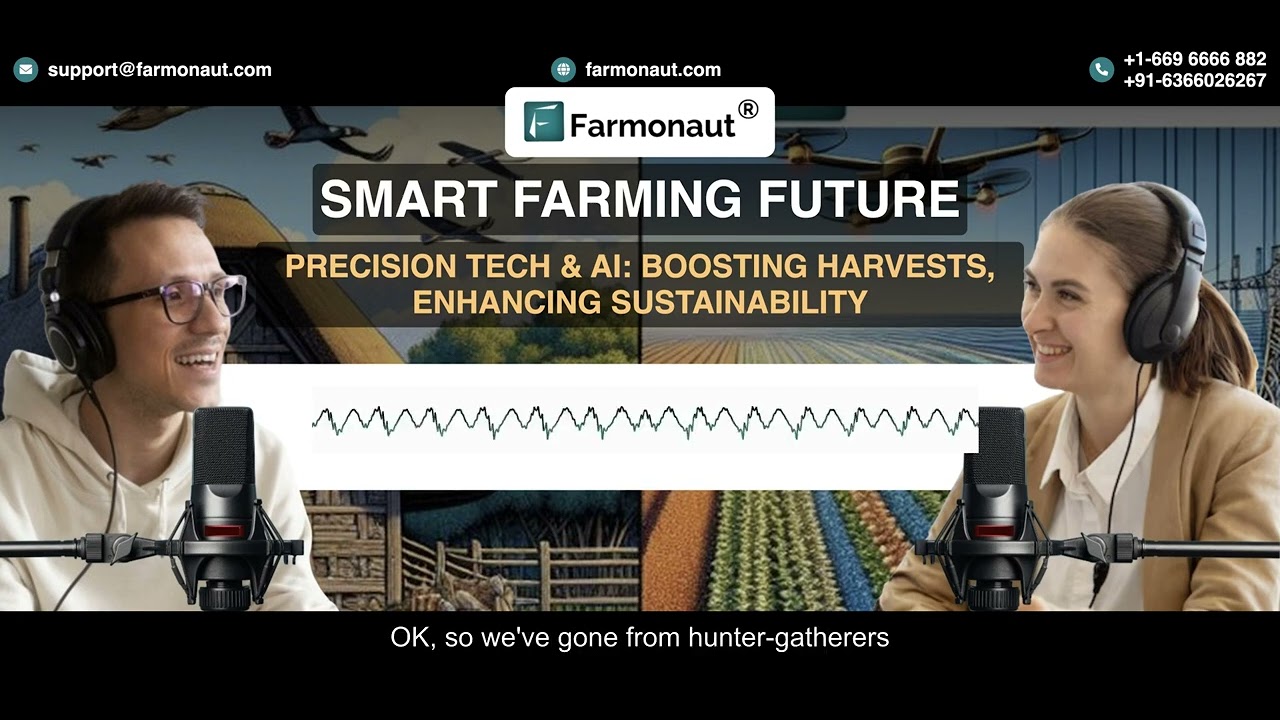
Biotechnology breakthroughs in agriculture are enabling new markets in bio-inputs, traceability, and data-driven monitoring tools—a prime prospect for venture investment and carbon footprinting services.
Benefits and Opportunities in Modern Agriculture Biotechnology
The benefits of biotechnology for agriculture carry far beyond the farm gate. From stable food supplies to healthier soils and inclusive economic growth, these breakthroughs offer multi-layered value.
- Greater yield stability and climate resilience
- Enhanced nutrient use efficiency, reducing excessive fertilizer application
- Improved nutritional profiles in staple crops
- Reduced environmental footprints across farming, livestock, and forestry systems
- Affordability and increased access for smallholder farmers when extension and licensing are inclusive
- ✔ Environmental stewardship: Biocontrol and reduced agrochemicals for ecosystem health
- 📊 Data-driven selection: Genomic tools integrate with blockchain-based traceability for transparent, secure supply chains
- ⚠ Lower input costs: Use of biofertilizers and biostimulants means less synthetic fertilizer demand
- ⏳ Longer shelf life: Biotech extends postharvest window—less waste, more marketable produce
- 🔗 Resilient value chains: Livestock and crop improvements cushion supply shocks

Combine advanced biotechnology for agriculture with digital tools like Farmonaut’s Large Scale Farm Management system for holistic, data-driven decision-making and superior resource management.
Key Challenges and Considerations
While the uses of biotechnology in agriculture promise significant transformation, their full impact depends on precision-managed risks and inclusive deployment. These aspects include:
- ⚖ Regulation and Safety: Navigating the regulatory landscape (especially for gene-edited, transgenic crops) demands clear risk assessments, transparent field trials, and accessible post-release monitoring data.
- 🦋 Biodiversity Preservation: (Avoiding adverse effects on non-target organisms and maintaining genetic diversity, especially in staple crops and associated soil microbiomes.)
- 💵 Access & Equity: Smallholders must be included via affordable technologies, education, and extension services to prevent a digital/biotech divide.
- 🤝 Consumer Acceptance: Public trust requires transparent labeling, demonstrated safety, and consumer-visible benefits like lower costs or improved nutrition.
- ⏰ Adoption Lag: Even scalable biotech innovations face slow adoption in diverse, resource-limited agricultural systems without proper outreach.

Failing to integrate robust, transparent risk assessment and regulatory compliance can lead to consumer backlash or commercial delays within biotechnology and agriculture value chains.
Farmonaut: Enhancing Precision Agriculture with Satellite Technology
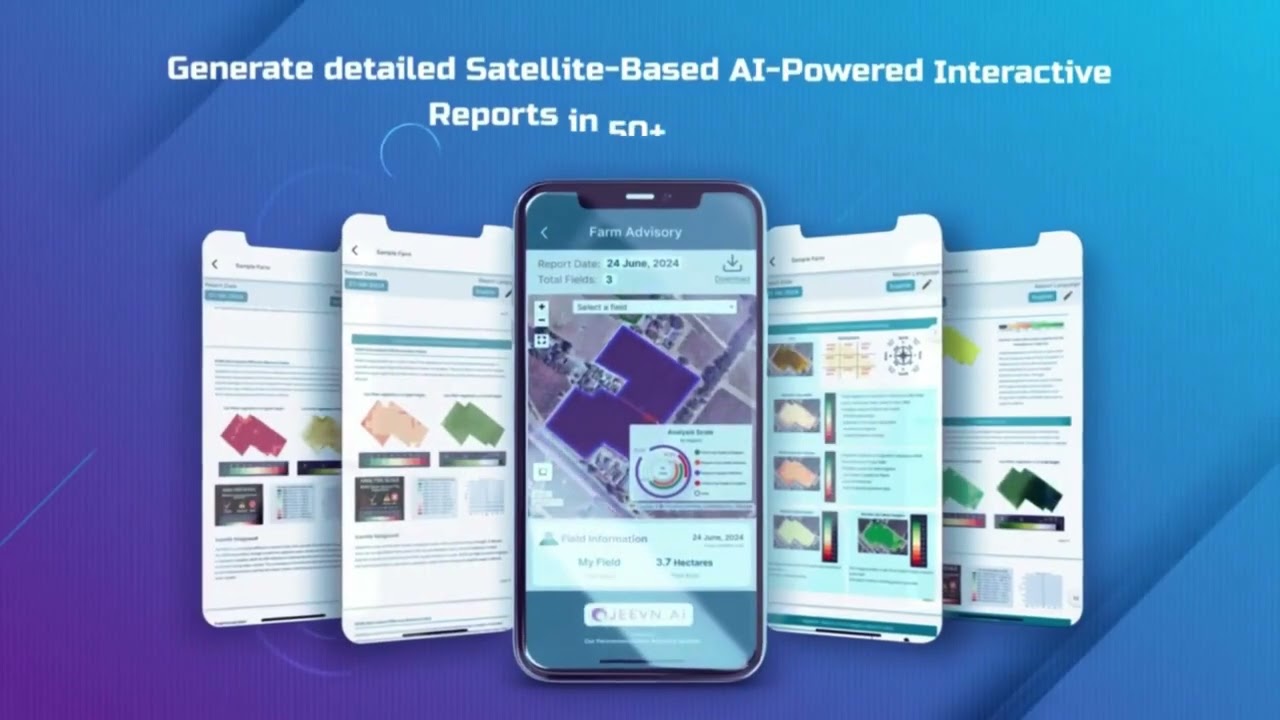
As biotechnology for agriculture advances, so must our ability to monitor and adapt in real-time. At Farmonaut, we integrate affordable, cutting-edge satellite-based crop monitoring, AI advisory systems, and blockchain traceability into robust farming and resource management tools.
Our key solutions include:
- Multispectral Satellite Monitoring: Delivers NDVI-based crop health data, soil condition mapping, and stress detection for timely interventions.
- Jeevn AI Advisory: AI-powered insights on weather, crop, and resource status—enabling precision farming decisions.
- Blockchain Traceability in Agriculture: Ensures transparent, secure product traceability for chains like inputs, produce, and timber.
- Fleet & Resource Management: Optimize logistics for agricultural inputs, produce delivery, and vehicle tracking.
- Environmental Impact Insights: Detailed monitoring for carbon footprint and resource use—a key part of any sustainable strategy.
See our API documentation for easy platform integration:
Farmonaut Weather & Satellite Data API |
Developer Docs
For reforestation and tree plantation projects leveraging biotechnology, our Forest Plantation and Advisory module provides remote monitoring and traceability.
Real-time monitoring and remote sensing are essential for validating the performance of biotech-based agriculture systems, tracking crop health, and supporting insurance or carbon credit claims.

Infrastructure and Policy Needs for 2025–2026
Widespread adoption of biotechnology in agriculture depends not only on cutting-edge science, but also robust regulatory frameworks, inclusive extension services, and sustainable digital infrastructure. Key priorities include:
- Biosafety and Regulatory Clarity: Harmonized global and regional frameworks assure safety and consumer trust.
- Public-Private Research Investment: Combining public science and private innovation tailors biotech solutions for regional farming systems.
- Data-Driven Agriculture: Genomics, satellite imaging, and AI pave the way for precise trait selection, risk alerts, and improved resource stewardship.
- Sustainable Intensification: Integrating biotechnology with conservation tillage, soil health, and climate-smart rotation practices reduces overall footprints and protects biodiversity.
- Transparent Extension & Farmer Training: Building capacity for farmers, especially smallholders, ensures equitable benefit-sharing and smooth technology transfer.
The union of state-of-the-art biotechnology with platforms like Farmonaut’s precision APIs guarantees accessibility and actionability at scale—vital for both individual farmers and agri-corporate clients.
FAQ: Biotechnology and Agriculture
What is the primary goal of biotechnology in agriculture?
Biotechnology in agriculture refers to enhancing crop yield, resilience, resource use, and quality by applying biological techniques and genomic tools for sustainable, data-driven food systems.
How do gene editing and transgenic methods differ?
Gene editing (e.g., CRISPR/Cas) modifies endogenous genes without introducing foreign DNA, often subject to lighter regulation. Transgenic methods introduce genes from other species—requiring more rigorous risk assessments.
Are biotechnology-based crops safe for the environment?
When developed and deployed with strict biosafety standards and transparent field trials, biotech crops can lower environmental impacts by reducing pesticide/fertilizer use and supporting soil and ecological health.
What are the main benefits for smallholder farmers?
Biotechnology applications can boost yield, reduce input costs, and enable climate-resilient farming—provided affordable access and extension training are prioritized.
How does biotechnology complement digital and satellite agriculture?
Remote sensing, AI diagnostics, and data-driven APIs (such as those offered by Farmonaut) provide real-time validation of biotech performance, resource status, and risk monitoring—critical for integrating innovation with everyday farming practices.
Conclusion: Towards a Resilient and Sustainable Future
Biotechnology in agriculture is advancing at an unprecedented pace. By 2026, its integration into crop improvement, livestock management, forestry, and postharvest solutions will dramatically improve not just productivity, but also the resilience and sustainability of entire food systems. With robust regulatory compliance, transparent communication, and inclusive, affordable deployment models, it is possible to unlock lasting benefits for farmers, businesses, and consumers worldwide.
At Farmonaut, we believe that merging the best of advanced biotechnology and digital monitoring will empower agriculture to thrive—whatever the climate or market throws at us. As we move toward 2026 and beyond, these tools, strategies, and innovations are not just optional—they are essential for a secure, equitable, and sustainable food future.
Ready to explore more? Try our satellite-based advisory and monitoring apps or connect your systems through our open API. Join us—and shape the future of agriculture, today.
Discussion
Questions, corrections or field experience? Share them below. First-time comments are reviewed before they appear, and your email is never published.
No comments yet. Be the first to add a question or your experience.

 Raketla
 Polaris Digitech
 Teledarbas
 Wild Oak Farm
 SFX
SFX BACF Africa
 Doodlakine
 Exurbia Geospatial
 FieldZero
 Indico Company
 Kubota
 FFBS
FFBS Jontra
 Tucor
Tucor
 Licence holder · Niger · Gold










