

Agriculture Biotechnology Examples: Top 10 Innovations
Agriculture Biotechnology Examples: Top 10 Innovations 2026
- Table of Contents
- Summary: Agricultural Biotechnology in 2025
- Introduction: Revolutionizing Agriculture
- Top 10 Agriculture Biotechnology Innovations (2026)
- Top 10 Agriculture Biotechnology Innovations (2026): Features & Impact
- Precision Farming: The Future is Here
- Farmonaut Satellite Technology: Enhancing Agricultural Biotechnology
- Frequently Asked Questions
- Conclusion: The Future of Farming with Biotechnology
- Table of Contents
- Summary: Agricultural Biotechnology in 2025
- Introduction: Revolutionizing Agriculture
- Top 10 Agriculture Biotechnology Innovations (2026)
- Top 10 Agriculture Biotechnology Innovations (2026): Features & Impact
- Precision Farming: The Future is Here
- Farmonaut Satellite Technology: Enhancing Agricultural Biotechnology
- Frequently Asked Questions
- Conclusion: The Future of Farming with Biotechnology
Agricultural Biotechnology in 2025: Transforming Farming through Innovation
Agricultural biotechnology stands as an essential pillar of modern agriculture in 2025 and beyond, constantly revolutionizing the way crops are grown, protected, and harvested. By leveraging advanced biotechnology tools, farmers can now achieve higher yields, improved environmental sustainability, and increased food security. Key agriculture biotechnology examples—from genetically engineered crops to microbial applications—enable targeted responses to pest outbreaks, drought stress, and nutritional deficiencies. Integrating biotechnology with traditional practices allows for enhanced crop quality and resilience, directly addressing challenges such as climate change and global population growth.
Notably, innovations like Bt cotton, herbicide-tolerant soybeans, and gene-edited rice varieties underscore biotechnology’s potential to reduce pesticide use, increase productivity, and improve sustainability. CRISPR technology, precision agriculture, and biosensor tools further elevate agricultural biotechnology into a data-driven, adaptive industry set to meet future demands. Below, we explore the top 10 agriculture biotechnology innovations shaping 2026 and the future of farming.
Our explainer on what agricultural biotechnology means gives a plain definition of the field and notes where it is most often applied.
Introduction: Revolutionizing Agriculture in 2025 with Biotechnology
The challenges facing global agriculture in 2025 require bold, innovative solutions. Biotechnology—the application of scientific advancements to living organisms—has emerged as the cornerstone of sustainable farming. With a rising demand for high-quality food and increasing environmental stresses due to climate change, agriculture biotechnology examples are crucial for enhancing yields, improving crop resilience, and reducing the environmental impact of farmers’ practices.
Let’s dive into what makes agricultural and biotechnology examples pivotal to our collective future, discover how technology is transforming agriculture, and see which top 10 innovations you need to know about as we advance into 2026.
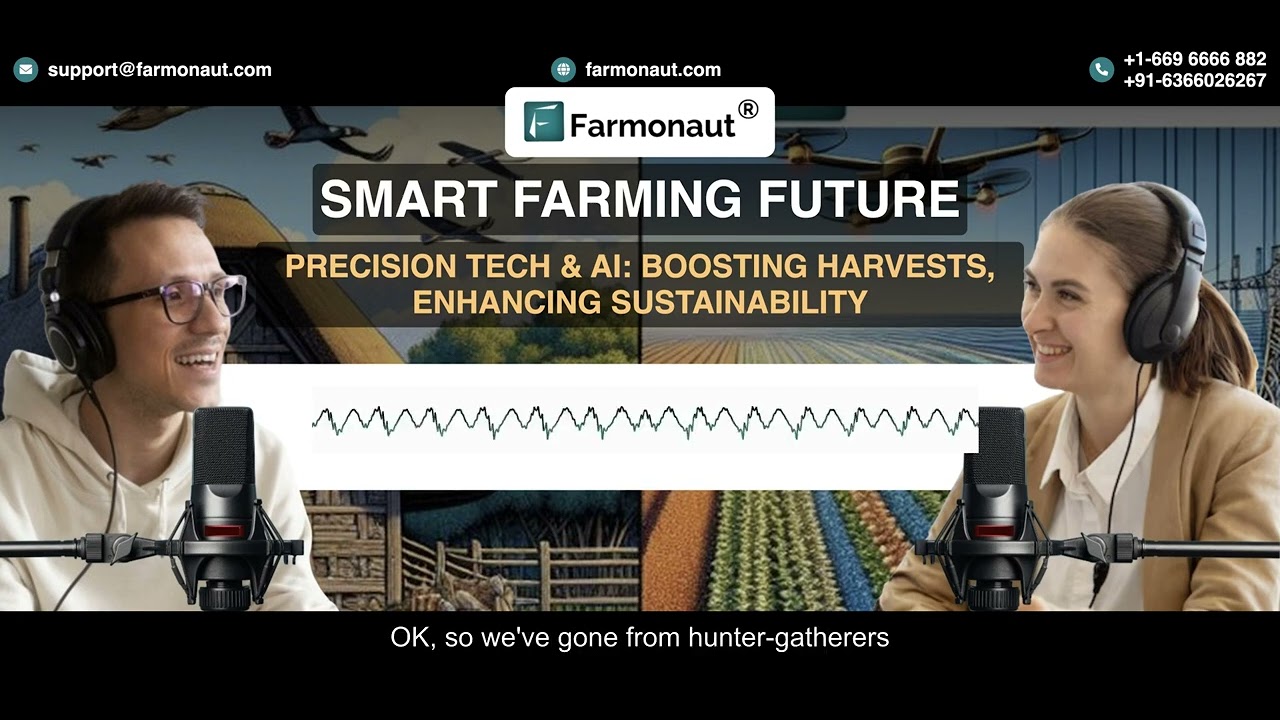
Top 10 Agriculture Biotechnology Examples Revolutionizing Modern Farming in 2026
-
CRISPR-Cas9 and Advanced Gene Editing
Gene editing with tools like CRISPR-Cas9 represents a quantum leap in the development of improved crops. Unlike conventional GMOs, CRISPR enables precise modifications within a crop’s existing DNA without introducing foreign genes, making this approach faster and often more publicly acceptable. CRISPR-edited crops show increased drought tolerance, enhanced nutrition, and even allergen reduction. Gene-edited varieties of rice, maize and wheat are in development, and regulators in several countries now treat some edits differently from conventional GMOs. Applications range from developing low-phytate cereal grains (biofortification) to engineering pest-resistant varieties, reducing reliance on pesticides and fertilizers.
-
Genetically Modified (GM) Pest-Resistant Crops
Since the introduction of Bt cotton and Bt corn, pest-resistant GMOs have been a cornerstone agricultural technology example. These crops express proteins—derived from Bacillus thuringiensis (Bt)—that are toxic to specific pests, but safe for humans. Such innovations reduce pesticide use, lower production costs, and increase yields. In 2025, 87% of US corn acres and 91% of US cotton acres were planted to Bt varieties, according to USDA ERS.
-
Herbicide-Tolerant Crops
Herbicide-tolerant soybeans and canola are among the most prominent agricultural and biotechnology examples. These engineered crops allow farmers to apply herbicides for effective weed control without damaging their crops, streamlining field management and reducing soil erosion from repeated tilling. By simplifying weed management, these innovations boost farm productivity, conserve labor, and contribute to sustainable farming practices.
-
Biofortification for Enhanced Nutritional Quality
Biofortification involves genetic modification or advanced breeding to increase the concentration of essential nutrients such as iron, zinc, and vitamin A in staple crops. Golden rice—engineered to contain provitamin A—and iron-rich beans exemplify biofortification’s impact. These innovations are game-changers for combating malnutrition and improving food quality, especially in vulnerable populations.
-
Drought-Resistant and Climate-Resilient Varieties
In response to climate change and erratic rainfall, developing crops with enhanced drought, heat, and saline tolerance remains pivotal. Genetic technologies and biotechnology approaches—such as transferring stress-tolerant traits—produce seeds that maintain yields under environmental stresses. These crops offer crucial security for farmers in arid and semi-arid regions.
-
Microbial Inoculants and Biofertilizers
Microbial biotechnology is transforming soil health management. Beneficial microorganisms and biofertilizers are designed to reduce synthetic fertilizer needs, promote nutrient uptake, and improve plant resilience to disease. For example, Pivot Bio sells gene-edited microbes for corn that fix atmospheric nitrogen at the root, supplying part of the crop’s nitrogen (Pivot Bio).
-
Microbial Biopesticides
Biopesticides derived from naturally occurring microorganisms, such as bacteria and fungi, offer eco-friendly pest control. These solutions selectively target harmful pests while safeguarding beneficial insects and the environment, empowering farmers to minimize chemical pesticide use.
-
RNA Interference (RNAi) Technologies
RNAi-based pest control uses gene-silencing mechanisms to suppress specific pest genes, offering targeted defense against insects and viruses. The first sprayable RNAi insecticide, ledprona, was registered by the EPA in December 2023 for Colorado potato beetle.
-
Smart Biosensors and Digital Diagnostic Tools
Biosensors and digital tools are now at the forefront of precision agriculture, enabling real-time monitoring of crop health, soil condition, and pathogen presence. DNA-based field sensors and handheld devices alert farmers to disease outbreaks ahead of time, supporting timely interventions and more effective management practices.
-
Biotechnology for Sustainable Forestry and Bioleaching in Mining
The forestry and mining sectors benefit from biotechnology through genetically engineered trees with fast growth rates, disease resistance, and wood quality enhancements. In mining, bioleaching uses microorganisms to sustainably extract metals, replacing harsh chemical processes and reducing environmental harm—expanding the reach of agricultural biotechnology across industries.
Examples of biotechnology in agriculture you can buy or grow now
These are named, commercial examples rather than research projects, with the technique behind each.
| Example | Crop | Technique | Status |
|---|---|---|---|
| Bt corn | Corn | Genetic engineering: Bacillus thuringiensis gene makes an insect-killing protein | 87% of US corn acres in 2025 (USDA ERS) |
| Herbicide-tolerant soybeans | Soybeans | Genetic engineering for herbicide tolerance | 96% of US soybean acres in 2025 (USDA ERS) |
| Bt cotton | Cotton | Genetic engineering for insect resistance | 91% of US cotton acres in 2025 (USDA ERS) |
| Arctic apple | Apple | Genetic engineering to stop the flesh browning when cut | FDA consultation completed 2015 (overview) |
| Ledprona (Calantha) | Potato | Sprayable RNA interference against Colorado potato beetle | Registered by EPA on December 22, 2023, the first sprayable dsRNA pesticide (EPA) |
| Pivot Bio PROVEN 40 | Corn | Gene-edited soil microbes that fix nitrogen at the root | Sold in the US (Pivot Bio) |
Types of agricultural biotechnology. The examples fall into four groups: genetic engineering (moving a gene between species, as in Bt crops), gene editing (changing a plant’s own DNA, as with CRISPR), RNA interference (silencing a specific pest gene), and microbial biotechnology (inoculants, biofertilizers and biopesticides). Tissue culture and marker-assisted breeding are older biotech tools still used to multiply plants and speed up conventional breeding.
Top 10 Agriculture Biotechnology Innovations (2026): Features & Impact

Precision Farming: Integrating Biotechnology with Digital Innovations
Modern agricultural biotechnology goes far beyond genetic modification—it also encompasses digital precision tools and data analytics to intensify the impact of traditional and biotech solutions. Precision agriculture leverages satellite monitoring, AI-based analytics, smart biosensors, and mobile technologies to optimize farm management, resource allocation, and risk monitoring.

-
Remote Sensing for Crop and Soil Health: High-resolution multispectral satellite images analyze vegetation health, soil conditions, and identify early stress signals in crops. This supports early interventions and minimizes losses.
Try for satellite-driven crop health analytics.
-
AI-Powered Advisory Systems: Artificial intelligence interprets vast layers of satellite data, weather patterns, and historical yields for tailored field recommendations.
Explore our API platform and in-depth developer documentation to integrate precision analytics into your agri-tech solutions! - Blockchain-Based Traceability: Ensures supply chain transparency for agricultural biotechnology products, verifying quality from seed to shelf.
- Environmental Impact and Carbon Footprint Monitoring: Tracks emissions, resource use, and field-level sustainability. Our carbon footprinting platform enables sustainable planning for both agriculture and mining operations.
- Institutional Verification: Supports certification and crop loan/insurance processing with satellite data verification, reducing fraud risk for lenders and insurance firms.
- Fleet and Resource Management: Provides insights for fleet optimization and logistics in large-scale agri and mining operations.

How Satellite Technology Amplifies Agricultural Biotechnology Examples
As we move into 2026, the integration of data-driven precision tools with biotechnology will accelerate gains in crop yield, sustainability, and risk mitigation. Satellite data enables real-time monitoring of biotechnological interventions’ effectiveness, supports adaptive management, and ensures that the right biotechnology solution reaches the right place and time for optimal results.
Our team at Farmonaut is dedicated to making advanced satellite intelligence accessible to every farmer, agribusiness, and policymaker worldwide—enabling smarter, more sustainable agriculture technology example for a rapidly changing planet.


To further optimize harvests and streamline biotechnology adoption for modern farmers, our Large Scale Farm Management platform brings remote, AI-driven operations management for fields of any size.
“Gene-edited crops are projected to increase global yields by 20% by 2025, thanks to cutting-edge biotechnology innovations.”

FAQ: Agriculture Biotechnology Examples & Future Farming
Q1. What are the main benefits of agriculture biotechnology examples in 2026?
- Enhanced crop yields and nutritional quality
- Improved pest and disease resistance
- Reduced use of synthetic pesticides and fertilizers
- Greater resilience to environmental stresses and climate change
- Support for food security and sustainable resource management
Q2. How are gene-edited crops different from traditional GMOs?
Gene-edited crops are developed through targeted edits in the plant’s own DNA, typically without introducing foreign genes. This differs from traditional GMOs that incorporate genes from other species. Gene editing—especially with tools like CRISPR—is faster, more precise, and often considered more acceptable to the public.
Q3. Will agricultural biotechnology replace traditional farming practices?
No, the aim is to integrate biotechnology with traditional practices for enhanced results. The combination ensures that farmers can achieve greater productivity and sustainability while respecting conventional knowledge and environmental stewardship.
Q4. What role does satellite technology play in biotechnology adoption?
Satellite technology provides real-time data on crop health, soil quality, and environmental factors, supporting evidence-based decision making and verifying the effectiveness of biotech interventions. It also aids in resource optimization and risk management.
Q5. Can biotechnology help small and medium-scale farmers?
Absolutely. Many agriculture biotechnology examples are actively being developed with scalability and cost-effectiveness in mind. Platforms like Farmonaut offer affordable insights and management tools to empower smallholder farmers.
Q6. How does biotechnology contribute to sustainability?
- Reduces reliance on chemical inputs and water
- Enables targeted interventions that conserve resources
- Lowers greenhouse gas emissions via carbon footprint monitoring
- Promotes soil health with microbial solutions and biofertilizers
Conclusion: The Future of Farming with Agriculture Biotechnology Examples
The next era of modern agriculture is being written through the fusion of biotechnology, precision tools, and data-driven management. The top agriculture biotechnology examples empower farmers to meet the dual demands of increased productivity and sustainability. As biotechnology technologies advance—from CRISPR-driven gene editing to innovative biosensors and robust bioformulated solutions—the sector is poised to deliver on the promise of food security, enhanced resilience, and climate-smart agriculture for 2026 and beyond.
For an actionable, technology-forward approach to agricultural management, explore our platform’s satellite-based monitoring, AI-driven advisory services, blockchain-enabled traceability, and real-time environmental monitoring. These innovations empower both individual users and institutions to benefit from the latest agricultural technology examples.
Ready to modernize your farming operations or agricultural research? Deploy Farmonaut’s intelligent web and mobile platforms and leverage the future of biotechnology for better yields, smarter inputs, and a more resilient planet.

Discover satellite-powered insight and management for everything from forest advisory to climate-smart carbon tracking—all on a smart, accessible, and scalable platform built for the future of agricultural biotechnology.

Try out Farmonaut today and empower your agricultural journey with cutting-edge biotechnology monitoring and management—optimized for 2026 and beyond!
Discussion
Questions, corrections or field experience? Share them below. First-time comments are reviewed before they appear, and your email is never published.
No comments yet. Be the first to add a question or your experience.

 Indico Company
 Byju’s
 Kubota
 FFBS
FFBS Jontra
 Kalustyan
 Tucor
Tucor Geno
Geno Hayleys Agriculture
 Linx Agritech
 Adinet
 Save Your Soils
 Grandstream Algérie
 XOS Realty
 Licence holder · Niger · Gold










