

Table of Contents
- Introduction: Bloomberg Agriculture Index, Soil Health & Global Indices
- Bloomberg Agriculture Index & Soil Health Facts
- A Holistic View: How Agriculture & Forestry Indices Drive Value
- The Bloomberg Agriculture Index: Market Signals for Crop & Soil Health
- The World Soil Health Index: Measuring the Foundational Asset
- S&P Global Timber & Forestry Index: Resilient Forest and Timberland Assets
- Comparative Indices Overview Table
- Soil Health, Supply Chains & Resilient Primary Sectors
- Sustainable Management & Key Benefits
- How Farmonaut Solutions Support Sustainable Agriculture & Forestry
- Practical Implications for Investors, Policymakers & Practitioners
- Callout & Highlight Boxes
- Frequently Asked Questions
- Conclusion: Alignment for Sustainable Growth
Bloomberg Agriculture Index, Soil Health & 3 Top Indices: Mapping Value across Agriculture, Forestry, and Global Supply Chains
Soil health, sustainable resource use, and productive landscapes form the foundation of our global food, fiber, and forest economy. As agriculture and forestry face the twin pressures of rising demand and environmental stress, market participants and practitioners alike are turning to robust indices—such as the Bloomberg Agriculture Index, S&P Global Timber & Forestry Index, and World Soil Health Index—to navigate opportunities and risks across primary sectors.
These indices do not exist in isolation. Instead, they map the intertwining health of soil, crops, and supply chains, offering a comprehensive view of how land management, yield, climate resilience, and sustainable practices are shaping tomorrow’s economies.
A Holistic View: How Agriculture & Forestry Indices Drive Value
In today’s interconnected global economy, primary sectors—such as agriculture and forestry—are increasingly evaluated by multi-dimensional indices. These indices illuminate more than just price trends; they offer stakeholders a window into soil vitality, forest productivity, yield stability, and resilient supply chains across markets.
- Bloomberg Agriculture Index: Focuses on price signals and volume within staple and cash crops, illuminating commodity and input dynamics across grains, oilseeds, and fibers.
- S&P Global Timber & Forestry Index: Maps equity exposure and growth potential across forest, timber, pulp, and paper companies.
- World Soil Health Index: Measures soil vitality—encompassing nutrient cycling, organic matter, water retention, and more—providing a science-backed lens for sustainable land management.
By combining agronomic, forestry, and economic data, these indices help frame a holistic view: What powers sustainable yields and resilient production? The answer, often, begins below our feet—with healthy soils.
Soil health is the most critical—but least visible—resource governing the sustainability, productivity, and resilience of our agriculture and forest landscapes. Investing in soil is investing in the future of global food and ecological security.
Bloomberg Agriculture Index: Market Signals for Crop & Soil Health
The Bloomberg Agriculture Index stands as a leading benchmark for tracking the price, supply, and demand of major agriculture commodities. Covering a broad array, including grains, oilseeds, soft commodities, and fibers, this index provides daily insights relevant to producers, traders, investors, and policymakers.

What Does the Bloomberg Agriculture Index Track?
- ☑️ Crops Tracked: Corn, wheat, soybeans, cotton, sugar, coffee, and more
- 🏷️ Inputs & Feedstocks: Fertilizers, oilseeds, and related agricultural inputs
- 📈 Market Dynamics: Real-time movements in price, supply, volumes, and volatility
- 🌍 Global Scope: Tracks international commodity flows, aiding risk management and forecasts
- ⚠️ Climate Signals: Impact of weather, drought, and soil moisture on expected harvests and quality
Why Is the Bloomberg Agriculture Index Central?
As a composite index, the Bloomberg Agriculture Index delivers timely signals on supply chain resilience. Participants can quickly assess:
- Forecasted yields and storage requirements
- Potential disruptions from climatic extremes (droughts, floods, etc.)
- Price surges tied to crop disease or fertile land scarcity
Volatility in the Bloomberg Agriculture Index is often a lagging indicator of soil health decline and climatic stress. Smart investors and agri-businesses monitor both weather models and composite soil indices to anticipate turning points in commodity supply and agricultural asset value.
For stakeholders looking to reduce uncertainty and manage input costs, integrating soil health indicators with market indices is an essential risk management strategy.

World Soil Health Index: Measuring the Foundational Asset in Agriculture
The World Soil Health Index functions as a comprehensive composite gauge of the most critical features driving productivity and sustainability in both agriculture and forestry. Rather than solely charting topsoil chemical composition, this index captures a suite of biological, physical, and chemical parameters influencing the vitality and resilience of land-based systems.
- 🔬 Key Metrics: Organic matter, microbial activity, physical structure, compaction, salinity, pH
- 🌱 Biological Health: Mycorrhizal associations, earthworm activity, and biological cycling
- 🚜 Land Use: Highlights suitability for continuous farming, restoration, forestry, or other economic activities
- 💧 Water Retention: Directly correlates with drought resilience and infiltration rates
- 🛡️ Resilience: Indicates capacity to buffer crops and forests against climate-induced stress
How Does the World Soil Health Index Inform Practice?
For farmers, land managers, and mining-adjacent operations, the World Soil Health Index becomes an indispensable tool for:
- Guiding site selection for new crops, plantations, or mining-rehabilitation zones
- Forecasting long-term productivity and restoration potential
- Optimizing input use (fertilizer, water, amendments) and reducing costs
- Building economic value through carbon sequestration and enhanced supply chain resilience
In essence, a high soil health index score signals a robust, fertile, and sustained asset base—the “bottom line” for modern agriculture and forestry.

Overlooking biological soil properties (microbes, organic matter) leads to underestimating land’s long-term yield and ecosystem functions. A full-spectrum soil health index is essential for accurate farm and forest management decisions.
S&P Global Timber & Forestry Index: Resilient Forest & Timberland Assets
Forestry is not just about trees—it encompasses carbon sequestration, ecosystem services, seedling establishment, and timber production. The S&P Global Timber & Forestry Index is a key measure of publicly listed companies engaged in timberland ownership, paper & pulp production, forest management, and wood-based product processing.
- 🌲 Companies: Timberlands, pulp and paper, forestry services, and global wood product suppliers
- 💡 Management Practices: Tracks influence of sustainable forest management, soil protection, and ecosystem stewardship on equity value
- 🌧️ Climate & Soil Resilience: Soil moisture, erosion control, and mycorrhizal health directly affect timber yields and asset longevity
- 📄 Supply Chain: Indicator for reliability in timber, fiber, construction, and packaging materials
High-performing timber assets in this index are typically underpinned by sound soil management and resilient forest cover—demonstrating the interconnectedness between biology and business outcomes.

Timber & Forest Index: Economic-Ecological Alignment
By blending environmental stewardship with market forces, the S&P Global Timber & Forestry Index helps direct capital toward assets rated high for supply chain resilience, carbon sequestration, and sustainable growth. The index is increasingly used by:
- 📈 Investors: Seeking stable, certified environmental assets
- 🌳 Forest Managers: Benchmarking yield, disease risk, and restoration progress
- 🏭 Industry Buyers: Ensuring steady fiber inputs for processing and production
- 🔗 Certification Bodies: Validating land management practices for environmental compliance

Comparative Indices Overview Table: Yield, Soil, Forestry & Sustainability
Understanding the similarities and distinctions between top agricultural and environmental indices is vital for decision-makers looking to optimize yield, forest productivity, management efficacy, and supply chain resilience.
Soil Health, Supply Chains & Resilient Primary Sectors
Soil health sits at the very core of sustainable agriculture, forestry, and supply chain resilience across commodities. Whether managing rainfed landscapes in India, intensive cropping across the U.S. Midwest, or reforesting Pacific Northwest timberlands, the principles remain constant:
- Sustained Soil Vitality Underpins Yield: Healthy soils = higher crop yields, reduced input costs, and fortifying farmer margins.
- Abiotic Stress & Resilience: Robust soils buffer against drought, salinity, waterlogging, and temperature swings.
- Nutrient Cycling: Efficient cycling means less need for synthetic fertilizers and lower environmental footprint.
- Long-term Land Productivity: Soil structure and organic matter predict how land will fare—long after snapshots of commodity or forest prices fluctuate.
- Resilient Supply Chains: Regions with high soil health index scores deliver stable output to feed mills, processors, and export terminals—reducing risks for all stakeholders.
Soil health isn’t static—use remote sensing and satellite-driven analytics to continuously monitor soil vitality, crop cycle forecasts, and climate signals. Farmonaut’s platform excels at providing real-time, cost-effective insights for agricultural, mining, and environmental operators.
Sustainable Management Practices & Key Benefits
Top 5 Sustainable Practices for Enhancing Soil Health & Asset Value
- 🌱 Cover Cropping: Improves organic matter and protects against erosion. Crucial for both farmers and forestry operators seeking to stabilize landscapes.
- ⚡ Reduced Tillage: Preserves soil biota, boosts water retention, and prevents rapid carbon loss.
- 🟢 Organic Amendments: Applying compost or biochar increases nutrient cycling efficiency and resilience.
- 🔍 Precision Input Use: Optimizes fertilizer and water, reduces cost, and limits environmental externalities—supported by platforms like Farmonaut’s AI Advisory.
- 🌿 Integrated Crop-Forest Systems: Agro-forestry and silvopasture maximize carbon sequestration and output from marginal land.
Visual List: Top 5 Benefits of Optimized Soil Health Metrics
- ✔ Higher crop and forest productivity
- ✔ Reduced input costs (fertilizer, water, labor)
- ✔ Improved supply chain reliability
- ✔ Enhanced environmental compliance (carbon, water, pollution)
- ✔ Increased asset and equity valuations
Bullet Points: 📊 Data Insights & Key Terms
- 📊 Yield Increases: Regions scoring high on the World Soil Health Index can see up to 58% higher yield—vital for feeding expanding populations.
- 🔄 Nutrient Cycling Efficiency: Soil biomes recycle 95%+ of organic inputs, slashing reliance on petroleum-based fertilizers.
- ⚠ Risk Mitigation: Volatility in commodity indices maps closely to drops in soil health metrics.
- 🛡 Pest and Disease Resistance: Healthy soils = reduced disease susceptibility in both crops and forest seedlings.
- 💧 Water Efficiency: Every 1% increase in soil organic matter improves water retention by up to 25,000 gallons per acre.

Visual List: 🌏 Ecosystem and Business Impact of Tracking These Indices
- 🌏 Enables adaptive management in response to climate stress
- 📦 Aligns resource use with market volatility signals
- 🧑🌾 Builds social license to operate via transparent indices use
- 🧮 Improves creditworthiness for farmers leveraging indices-backed analytics
- 🔗 Strengthens integration and traceability within global supply chains
How Farmonaut Solutions Support Sustainable Agriculture & Forestry
At Farmonaut, we empower farmers, foresters, land managers, and allied industries with affordable, real-time satellite-based insights. Our platform delivers crucial intelligence on soil health, crop vitality, water cycles, and land condition to optimize inputs, boost yield, and achieve transparent supply chains.



Our platform’s modular approach means individual users, businesses, and government agencies can choose subscription packages tailored to their digital monitoring needs. Whether via web or mobile, powerful APIs and intelligence dashboards put satellite tech within reach for all.
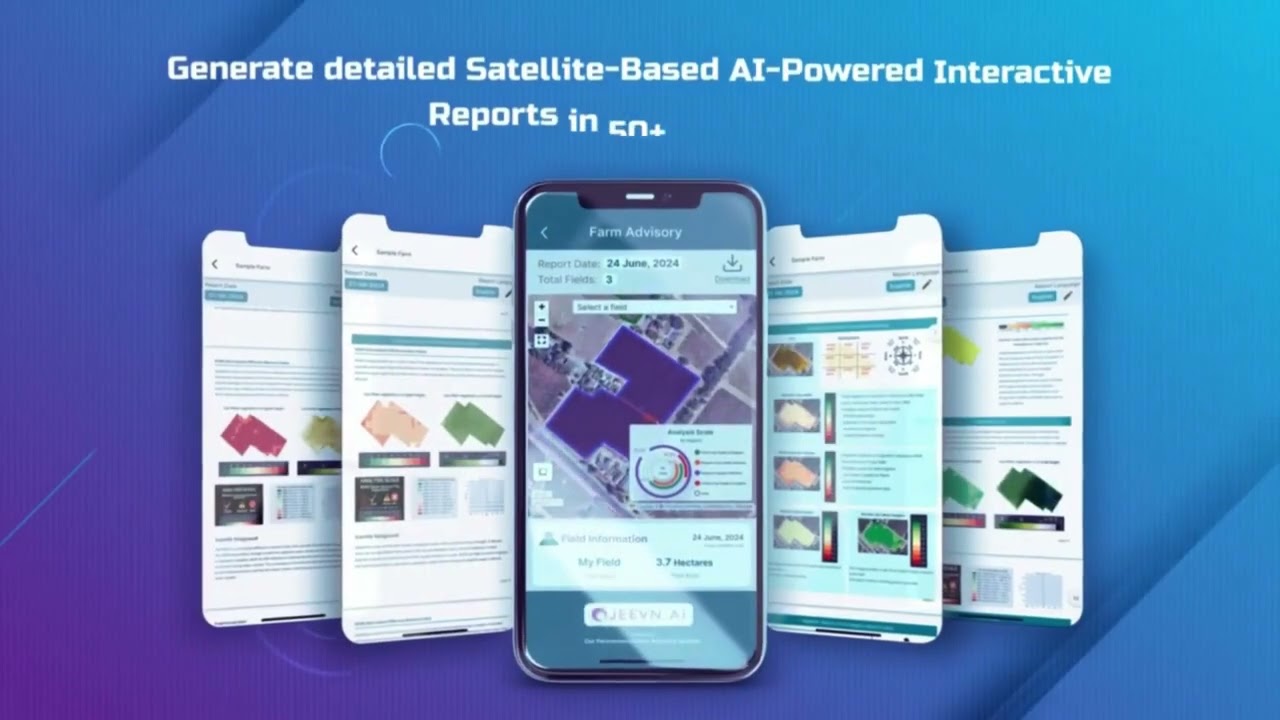
Farmonaut’s Satellite, AI & Blockchain Offerings in Agriculture, Forestry & Mining
- 📡 NDVI Crop Health Monitoring: Large Scale Farm Management for growers and businesses by leveraging real-time satellite imagery, allowing assessment of crop health, water stress, and disease/deficiency signals across thousands of hectares.
- 🔗 Blockchain Traceability: Supply Chain Product Traceability for agricultural and forest produce, ensuring transparent, tamper-proof histories for buyers, regulators, and consumers.
- 🌿 Carbon Footprint & Environmental Tracking: Carbon Footprinting dashboards quantify emissions across farms and forestry operations, supporting certifications and ecosystem service claims.
- 🌲 Crop Plantation & Forest Advisory: Tailored advisories for planting, harvesting, and restoration via Farmonaut’s web, Android, and iOS applications.
- 🛡 Fleet Management: Fleet and Resource Tools help reduce operational costs and improve efficiency for agricultural and mining equipment logistics.
- 💰 Crop Loan & Insurance Verification: Crop Loan and Insurance Verification powered by satellite analytics, streamlining financing access and fraud reduction.
Beyond agriculture and forestry, our satellite-based solutions address mining oversight, infrastructure monitoring, and carbon tracking—helping businesses, users, and governments realize economic value while supporting global sustainability goals.

Sample Use Cases of Farmonaut’s Satellite Insights
- 🌾 Farmers: Increase yields, monitor crop and soil health, respond rapidly to adverse weather, and lower input costs by optimizing when and where to irrigate or fertilize.
- 🌳 Foresters: Track forest health, seedling establishment, carbon sequestration, and manage risk of pests and fires.
- 🏦 Financial Institutions: Obtain reliable, satellite-based verification of crop health before releasing loans or insurance payouts.
- 🌐 Supply Chain Managers: Achieve transparent, traceable movement of goods from field or forest to market using blockchain-backed systems.
The integration of AI-driven satellite analytics with real-time market and soil indices can forecast up to 85% of yield risks across cropping and forestry cycles, dramatically reducing uncertainty for growers, processors, and investors.
Practical Implications for Investors, Policymakers & Practitioners
- 📈 Investment Flows: Capital increasingly targets land, timber, and supply chain assets scoring high on sustainability metrics and indices.
- ⚖ Policy Alignment: Soil, crop, and forestry indices inform land-use planning, climate adaptation, water governance, and input subsidy/taxation frameworks.
- ⚒ Mining Rehabilitation: Soil health indices guide post-mining land uses and restoration benchmarks, transforming liabilities into productive economic assets.
- 🛡 Risk Management: Direct tracking of soil, water, and crop indices bolsters supply chain assurance and loss-prevention strategies for sustainable agribusiness.
- 👨🌾 On-Ground Practice: Adoption of data-driven stewardship (tillage reduction, cover cropping, precision input use) increases land value and resilience for the next generation.
Highlight & Callout Boxes
Agricultural and forestry indices, when tethered to on-ground soil health data, provide the most reliable early-warning system for predicting disruptions in food and fiber supply chains.
For asset managers, pairing composite indices like the Bloomberg Agriculture Index with real-time soil and water monitoring delivers a “whole-landscape” view that outperforms historical data alone.
Ignoring micro-level soil metrics until after major commodity price shifts can result in missed mitigation opportunities and lower equity returns.
Regions with a “robust” World Soil Health Index are best poised to attract new food and timber investments—as risk is inherently lower and returns more resilient.
Diversify commodity and equity exposures using multiple indices—including soil, forest, and crop—for a layered, sustainable portfolio approach.
Frequently Asked Questions (FAQ)
What is the Bloomberg Agriculture Index?
The Bloomberg Agriculture Index is a benchmark tracking the price, volume, and volatility of over 20 key agriculture commodities. It helps market participants monitor supply-demand dynamics, assess risk, and forecast trends in the global food and fiber markets.
Why is soil health important for agriculture and forestry?
Soil health underpins productivity, climate resilience, nutrient cycling, and supply chain reliability for both agricultural and forest systems. Healthy soils boost yields, reduce input needs, improve water retention, and decrease environmental impact, making them foundational assets in the primary sectors.
How does the World Soil Health Index work?
The World Soil Health Index aggregates biological, chemical, and physical data—such as organic matter, microbial activity, structure, compaction, and salinity—into a single indicator that informs land suitability, productivity, and risk management across sectors.
What is the S&P Global Timber & Forestry Index?
The S&P Global Timber & Forestry Index tracks the performance of global companies involved in timberland ownership, pulp, paper, and commercial forestry activities. It provides insights into equity value, asset longevity, supply chain reliability, and environmental stewardship.
How can Farmonaut help in sustainable land management?
Farmonaut makes satellite-driven insights accessible and affordable via its web, Android, and iOS apps. Our platform provides real-time monitoring, environmental impact tracking, blockchain-based traceability, crop and forest health advisory, and resource management—empowering sustainable decisions and optimizing yield across agriculture, forestry, and mining.
Explore our crop loan & insurance verification, fleet management, and large-scale farm management solutions for more details.
Where can developers access Farmonaut’s API?
Developers and businesses interested in building custom solutions or integrating soil health, satellite, and commodity analytics can access the Farmonaut API and API Developer Docs.
Conclusion: Alignment for Sustainable Growth
The Bloomberg Agriculture Index, S&P Global Timber & Forestry Index, and World Soil Health Index together offer a comprehensive, data-driven framework for ensuring sustainable and resilient growth in global agriculture, forestry, and primary sectors. They illuminate the holistic and intertwined relationship between soil, yields, and environmental stewardship, strengthening economic alignment with ecological goals.
As we move forward in a world facing climate volatility and food security challenges, embedding soil health, forest vitality, and supply chain transparency at the very heart of decision-making is no longer optional—it is essential for stakeholders across farming, forestry, mining, and infrastructure. The value of healthy land and robust indices is clear: They are the pillars upon which tomorrow’s resilient, equitable, and sustainable economies will be built.
Ready to step into data-driven, sustainable agriculture, forestry, or resource management?
Start your journey with Farmonaut today!

 Patrick America
 Red Dog Management
 Liquify Digital
 Ascentya
 CU Foods
 BeyondTech Global
 Rouge VC
 AgroGreen Dynamics
 AgroRisk
 Oath Inc
 Reddane Farming
 Esri North East Africa
 Cresol
 MDCV UK
 Zerella Group
 Etech Consulting Madagascar
 Vestlandsforsking
 Delicio
 WB Dev
 Sama Premium
 Prochecker
 Tres Valles
