

Citrus Fruit Fly Chemical Control: AI Pest Control & Polyphenols (2026)
Table of Contents
- Overview & Introduction: The Citrus Fruit Fly Challenge in 2026
- The Evolution of Citrus Fruit Fly Chemical Control
- Fruit Polyphenols as a Natural Solution for Citrus Pest Control
- AI Integration Services Revolutionizing Pest Management
- Comparative Table: Chemical vs AI vs Polyphenols
- Strategic Solutions: Sustainable Practices for Citrus Pest Management (2026 & Beyond)
- Farmonaut: Satellite & AI Monitoring for Citrus Fruit Fly Management
- Practical Tips & Pro Insights for Effective Citrus Fruit Fly Control
- FAQs: Citrus Fruit Fly Chemical Control, AI & Polyphenols
- Farmonaut Subscription Plans
- Conclusion: The Future of Citrus Fruit Fly Chemical Control
Overview & Introduction: The Citrus Fruit Fly Challenge in 2026
Citrus farming remains one of the most persistent challenges in agriculture worldwide, with the notorious citrus fruit fly (Ceratitis capitata, Mediterranean fruit fly, and related species) significantly affecting yield quality and economic returns. These flies cause substantial damage by laying eggs inside citrus fruits, inevitably leading to spoilage, loss, and reduced cultivation effectiveness.
As scientists and farmers intensify their aim for sustainable, effective pest management solutions, 2025 marks a pivotal year for the development and leveraging of advanced technologies, natural compounds, and intelligent systems. This article explores the latest advancements in citrus fruit fly chemical control, introduces fruit polyphenols as promising natural agents, and highlights the transformative role of AI integration services in optimizing interventions for integrated, ecological, and sustainable agricultural management in 2026 and beyond.
- 🍊 Yield Reduction: Up to 50% loss in severely infested orchards.
- 💸 Economic Impact: Billions in revenue lost worldwide annually.
- 🔄 Persistent Issue: Flies adapt rapidly, making control challenges continuous.
The Evolution of Citrus Fruit Fly Chemical Control
Historical Context: From Traditional Chemicals to Targeted Solutions
Conventional chemical control for citrus fruit flies has long relied on organophosphates and pyrethroids. Although these pesticides have been historically dominant and provided effective initial management, the overuse and dependency have had declining efficacy, increased the risk of pest resistance, and posed significant environmental and health concerns due to residue accumulation in fruits and surrounding ecosystems.
Regulatory bodies in regions like the Mediterranean, the Americas, and Asia have imposed increased restrictions globally on many broad-spectrum insecticides, reflecting growing consumer and ecological priorities. Traditional approaches alone are no longer considered sustainable or future-safe in the face of shifting climate, pest adaptation, and market demands.
- ⚠ Pest resistance is rising due to repeated use of the same chemical agents.
- 🌱 Regulatory pressure limits certain chemicals to reduce environmental and health impacts.
- 💡 Innovations in synthesis are leading to novel, target-specific insecticides with lower toxicity for non-target organisms.
- 🔄 Integrated management recommends reduced dosages and precision application techniques (e.g., bait stations, drone application).
- 🌍 Ecological safety and consumer health drive industry trends for safer and residue-free control options.
Fruit Polyphenols as a Natural Solution for Citrus Pest Control
Citrus polyphenols are naturally occurring compounds in fruits, known for potent antioxidant and antimicrobial properties. In recent years, academic and field research has revealed their potential as deterrents, disruptors, and even toxicants to fruit flies. These bioactive agents interfere with fly feeding behavior and reproduction, reducing infestation rates and supporting sustainable pest control.
As a biopesticide solution, incorporation of polyphenol extracts into sprays and bait formulations offers an effective, natural alternative for farmers seeking organic methods and residue-free fruits. Polyphenols strengthen the crop’s intrinsic defenses while also directly damaging pest life cycles, reducing both primary and secondary infections.
Key Mechanisms of Polyphenol Pest Control:
- 🍃 Feeding Deterrence: Deters female flies from laying eggs inside citrus fruits
- 🧬 Toxic Metabolite Accumulation: Disrupts larval development inside fruit
- 🌱 Strengthening Plant Immune Response: Induces phytochemical signaling for natural pest defense
- 🌏 Low Environmental Impact: Biodegradable; leaves no harmful chemical residues in fruits or soil
Spinach Peptide Bio-Pesticide 2025 | Ends Citrus Greening & Zebra Chip—Texas Yield Skyrockets!
These characteristics make polyphenols key agents in the integration of sustainable pest management strategies — the central theme of any advanced “pest control” fruit polyphenols article for 2025 and beyond.
AI Integration Services Revolutionizing Pest Management
Advances in artificial intelligence across agriculture and ai integration services citrus mark a paradigm shift in pest control by enabling real-time, site-specific, and highly effective interventions. From monitoring systems and population forecasts to smart spray schedules and digital agronomy advisories, AI is central for optimizing chemical and natural methods—maximizing efficacy while minimizing environmental footprint.

Smart Plant Solutions: AI – Driven Pest Detection for Intelligent Agriculture
- 🖥️ Remote Sensing Traps: Deploy automated, image-recognition traps for real-time detection of fruit flies.
- 📈 Pest Population Forecast: AI systems model fly activity using crop health, climate, and previous infestation records.
- 🛰️ Spatial Analysis: Predict infestation hotspots and schedule interventions based on satellite and sensor data.
- 🧑🔬 Formulation Optimization: Tailor biopesticide or chemical concentrations using AI-driven efficacy models for safer and more targeted outcomes.
- 🚜 Smart Application: Guide drones, sprayers, and manual teams for precise, need-based chemical or polyphenol application.

Farmonaut Web System Tutorial: Monitor Crops via Satellite & AI
Comparative Table: Chemical vs AI-Powered vs Polyphenol Approaches
Comparison of control methods for citrus fruit fly chemical control: effectiveness, cost, environmental, and technological requirements as of 2026.

Smart Crop Solutions : AI-Powered Field Scouting for Enhanced Productivity
Strategic Solutions: Sustainable Practices for Citrus Pest Management (2026 & Beyond)
With climate unpredictability, growing regulatory oversight, and the persistent challenge of resistance, the only reliable path forward is Integrated Pest Management (IPM). This means blending chemical controls with natural polyphenol agents and reliance on AI-powered decision support systems for maximum system-wide efficacy and safety.
- ✔ Regular Monitoring: Use satellite and sensor-based systems for early infestation detection.
- ✔ AI Decision Support: Combine field data with AI integration services citrus for targeted intervention.
- ✔ Precision Chemical & Polyphenol Use: Only where/when truly needed, and in rotating cycles.
- ✔ Resistant Variety Selection: Adopt citrus varieties with natural polyphenol enhancement.
- ✔ Capacity Building: Educate farmers on advanced technologies and proper protocols.

JEEVN AI: Smart Farming with Satellite & AI Insights
Farmonaut: Satellite & AI Monitoring for Citrus Fruit Fly Management
At Farmonaut, we understand the need for cost-effective, real-time crop intelligence to optimize infestation control and boost yield quality. Farmonaut’s AI-based advisory systems and satellite-based monitoring provide agricultural businesses and farmers with:
- 🛰️ Crop Health Insights: Leverage multispectral data to assess fruit and citrus crop conditions for timely interventions
- ⚡ Pest Outbreak Alerts: Real-time alerts using satellite and field observations
- 📊 AI Modeling: Predict future citrus pest infestations to guide control strategies
- 🔗 Platform Access: Android, iOS, Web, and API integration for seamless workflow
- 🔒 Blockchain Traceability: Full transparency with traceability of produce health and treatment history
Want to experience precision citrus crop and fruit fly monitoring?



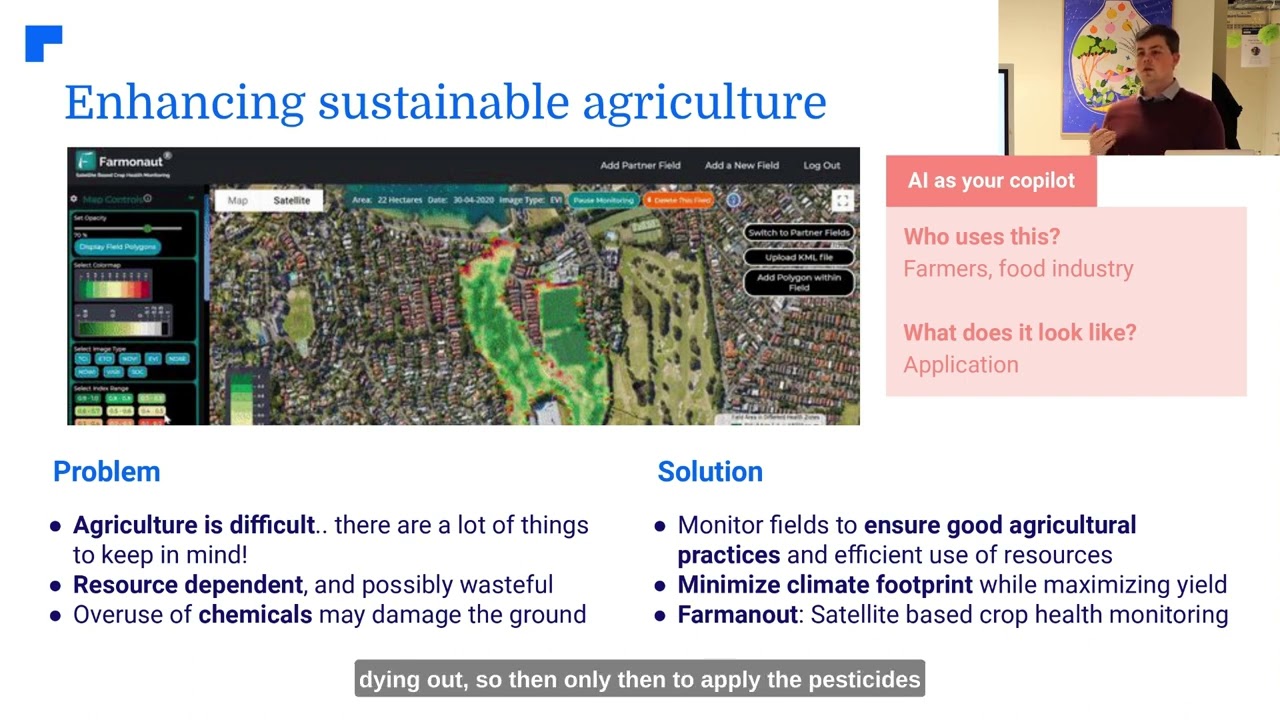
Farmonaut Covered By Radix AI: Leveraging Remote Sensing and Machine Learning
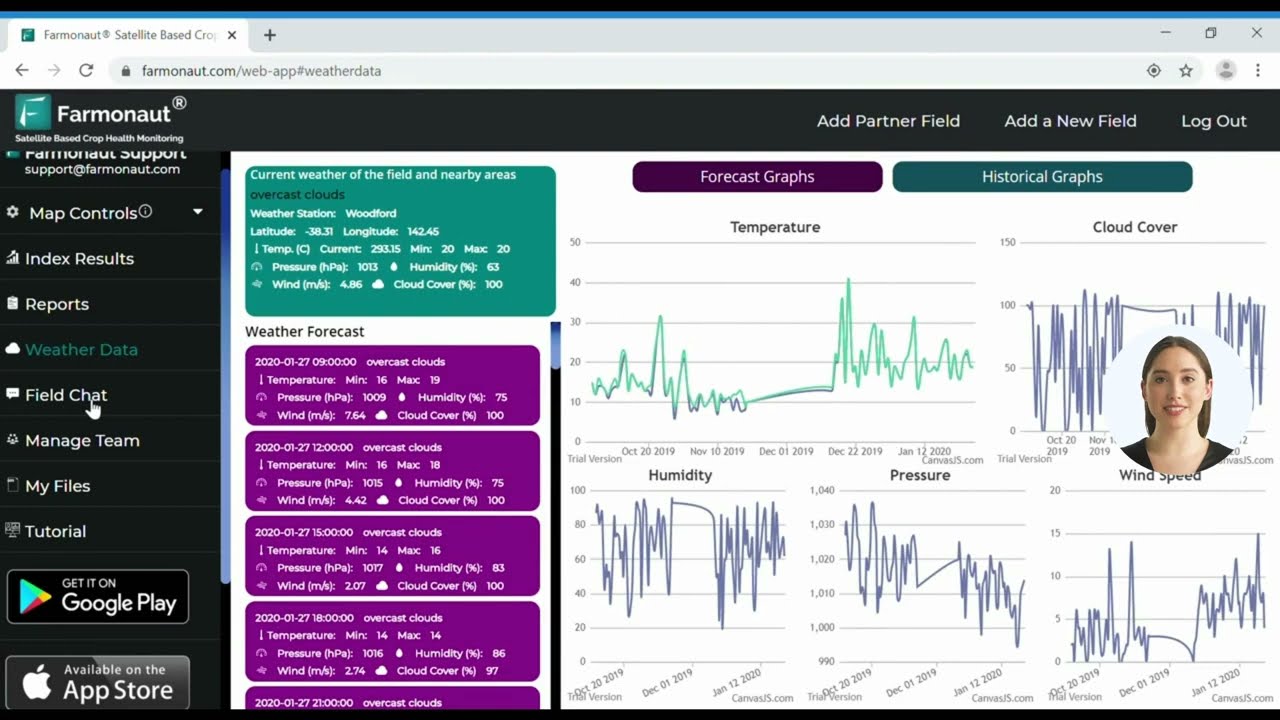
Farmonaut Web app | Satellite Based Crop monitoring
For those managing estates or corporate citrus orchards, Farmonaut’s large-scale farm management tools empower teams to coordinate fruit fly control activities across thousands of hectares in real-time.
To further streamline logistics and application efficiency, do explore our
fleet management module
for hassle-free equipment and agri-input movement tracking.
FAQs: Citrus Fruit Fly Chemical Control, AI & Polyphenols
Q1: What is the most effective way to control citrus fruit flies in 2026?
The most effective approach is an integrated method—combining AI-powered monitoring, targeted chemical control (minimized dosage), and natural polyphenol-based formulations. This minimizes resistance, enhances efficacy, and protects environmental health.
Q2: Do polyphenols leave residue on fruits?
No, polyphenol-based biopesticides are biodegradable and do not leave harmful residues on fruits, making them suitable for both organic and export-grade production.
Q3: How does AI integration improve chemical pest control?
AI integration improves timing, targeting, and selection of treatments—reducing chemical overuse while maintaining or boosting pest suppression rates. This data-driven optimization minimizes environmental and health risks.
Q4: Is remote monitoring accessible to small farmers?
Yes! Solutions like Farmonaut’s satellite & AI-powered app deliver affordable, user-friendly monitoring and pest advisory regardless of farm size.
Q5: Where can I learn more about satellite APIs for pest management?
Visit our API page and access developer docs for seamless integration of pest and crop data with your decision support platforms.
Practical Tips & Pro Insights for Effective Citrus Fruit Fly Control
- ✔ Monitor orchards weekly using a combination of field scouting and digital platforms for early pest detection.
- ✔ Use AI-based alerts and predictive models to time applications right before or at the peak of fly emergence.
- ✔ Rotate control agents—alternate chemical classes and integrate polyphenol-based interventions to thwart resistance patterns.
- ✔ Maintain buffer zones: Prevent pest migration from adjoining wild hosts or abandoned orchards using natural and synthetic barriers.
- ✔ Keep records: Document infestation trends, actions, and outcomes to support data-driven decision making.
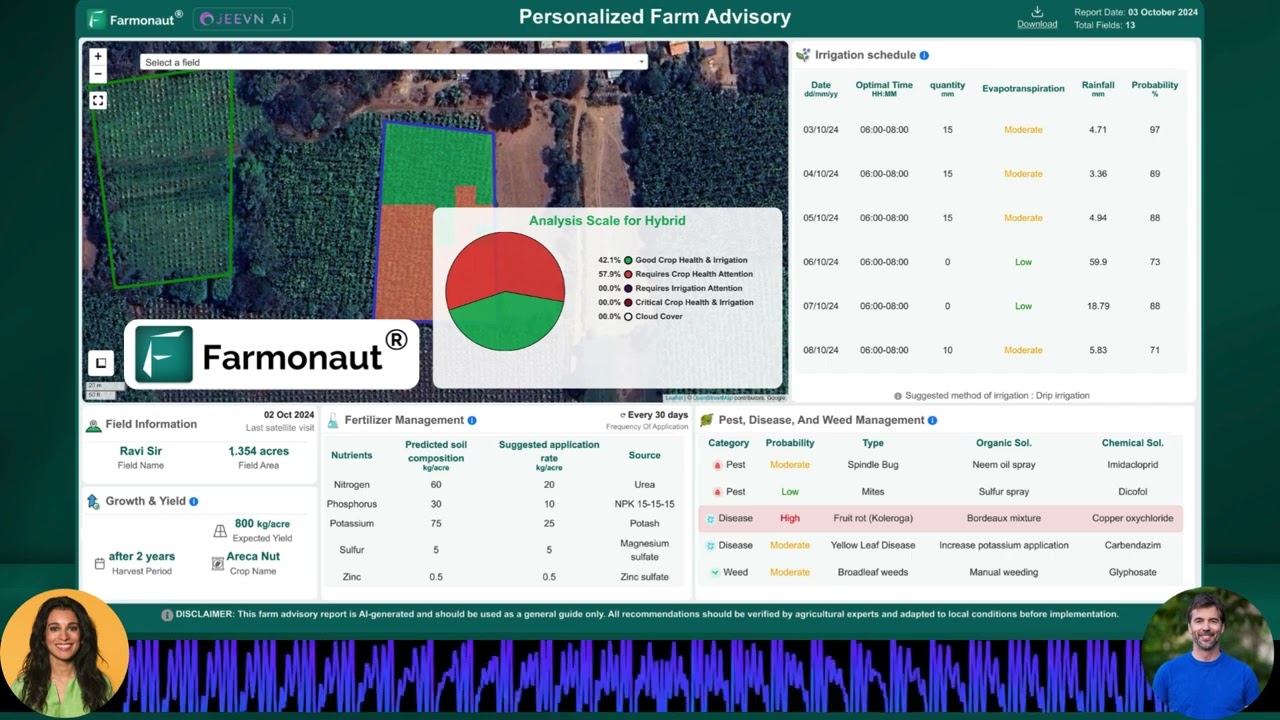
AI Revolution in Farming: How Personalized Reports Are Changing Agriculture
Farmonaut Subscription Plans
Access real-time pest, crop, and environment analytics tailored for your citrus orchard. Flexible, scalable plans for growers, businesses, and institutional users:
Conclusion: The Future of Citrus Fruit Fly Chemical Control
As 2026 approaches, integrating advanced chemical controls, natural polyphenol agents, and AI-powered pest management systems offers the most balanced and sustainable solution for the persistent challenge of citrus fruit fly infestation. This convergence of technology and nature empowers farmers, secures yield quality and economic returns, and addresses global consumer concerns for food safety and sustainability.
By fostering continuous learning, innovation, and the adoption of data-driven, ecological approaches, we are set to transform citrus production and set universal benchmarks for future-ready, climate-resilient, and profitable agriculture worldwide.
Citrus fruit fly infestation continues to threaten global food security and profits. In 2026, “pest control” fruit polyphenols articles and advanced AI integration services for citrus mark a pivotal shift towards sustainable crop protection. Farmers and agricultural scientists benefit from targeted chemical controls, polyphenol-based biopesticides, and AI-driven intervention systems to optimize outcomes. Farmonaut remains committed to enabling precision monitoring and empowering the next generation of digital agriculture through accessible satellite and artificial intelligence solutions worldwide.

 Blickwinkel
 Agreeta Solutions
 Agricultural Credit Policy Council
 BayWa
BayWa MCSOD
MCSOD Marei Nursery
 eKGIS
eKGIS Mostas Tech
 Native Seeds
 Andex
Andex FCF India
 Unifrutti Gulf
 Deluxe Conseil
 TVS Electronics
 WICO
WICO Chimera Innovation
 SkyHarvest
