

Coastal Agro 2025: Unlocking Sustainable Farming Solutions
Meta Description: Coastal agro practices in 2025 reshape sustainable agriculture, tackling climate and environmental challenges, boosting food security, and protecting coastlines.
“By 2025, sustainable coastal agriculture could increase food production by up to 40% in vulnerable shoreline regions worldwide.”
Introduction: What Is Coastal Agro?
Coastal agro—also known as coastal agriculture—refers to the practice of cultivating crops and managing farming systems in coastal regions where the land meets the sea. These distinct areas are uniquely positioned to offer abundant resources, benefit from alluvial soils, and provide livelihoods to millions. However, their proximity to marine ecosystems also comes with immense challenges. As climate change accelerates and sea levels rise, finding sustainable solutions for coastal farming is more urgent than ever in 2025 and beyond.
This comprehensive guide explores how coastal agro transforms agriculture in 2025 through innovative practices, resilient systems, and a commitment to sustainability. Our journey covers everything from smart farming technologies and mangrove agroforestry to policy, environmental conservation, and the game-changing impact of Farmonaut’s satellite-based solutions.
The Importance of Coastal Agro in 2025
Coastal zones currently occupy just about 10% of our planet’s total land area but host over 40% of the global population—making these regions both vital hubs for agriculture and ecosystem services. Coastal agro lands often benefit from fertile alluvial soils, abundant water resources, and favorable climates. This makes them suitable for growing a diverse range of crops—including rice, vegetables, fruits, and even aquaculture integration.
In 2025, as urbanization and population pressures rise, coastal agro plays a vital role in enhancing food production close to high-demand centers. This reduces transportation costs and carbon footprints, directly contributing to more sustainable food systems for both regional and global food security.
- Provides livelihoods to millions in coastal lands.
- Supports ecosystem services (carbon sequestration, biodiversity, storm protection).
- Integrates innovative resource management practices for resilient agriculture.
- Plays a key role in feeding growing populations and buffering against food insecurity.

“Innovative coastal agro techniques may reduce agricultural water usage by 30% in salt-prone environments by 2025.”
Key Challenges for Coastal Agro in 2025
While coastal agro presents tremendous opportunities for sustainable agriculture and food security, it also faces a unique set of pressing concerns:
-
Climate Change & Sea-Level Rise:
Rising sea levels, increased flooding, and more frequent weather extremes cause saltwater intrusion and soil degradation—directly threatening traditional farming practices. -
Land Use Conflicts and Urbanization:
As urbanization, tourism, and industrial pressures grow, coastal agricultural lands are often lost or fragmented—making sustainable management and conservation especially challenging. -
Soil Salinity and Water Quality:
Increasing salinity due to saltwater intrusion and overuse renders soils less fertile—while contamination from upstream industries degrades freshwater supplies. -
Biodiversity Loss and Ecosystem Impact:
Intensive agriculture without proper conservation strategies can impair biodiversity and disrupt ecosystem services essential for long-term sustainability.
Challenge Highlights at a Glance:
- Saltwater intrusion (threatening both crops and drinking water supplies).
- Loss of fertile soils, particularly due to climate change and rising sea levels.
- Urgent need for resilient, sustainable farming systems.
- Greater pressure on carbon footprint management as local and global climate policies demand tracking and transparency.

Sustainable Practices and Innovations in Coastal Agro (2025)
In 2025, modern coastal agro combines traditional knowledge with innovative technologies to enhance productivity and ensure sustainability in the face of distinct challenges.
1. Saline Agriculture: Harnessing Resilience in Soils and Crops
With rising sea levels and increased saltwater intrusion threatening freshwater supplies and fertility, coastal regions are turning to saline agriculture:
- Salt-tolerant crop varieties (halophytes): Such as Salicornia and improved rice strains. Biotechnology advances in 2025 enable genetic enhancement of these crops for better yields in saline soils.
- Improved land management: Innovative irrigation and drainage systems now help remove excess salt and preserve fertile lands near the sea.

2. Integrated Farming Systems: Synergy Across Land and Water
Coastal agro systems sustainably integrate crops with aquaculture and sometimes livestock. For example:
- Rice-fish farming: Growing rice in waterlogged fields while simultaneously farming fish. Fish feed on pests/leftover grains, and their movement oxygenates the water and mobilizes nutrients—improving both yield and soil fertility.
- Combining vegetables or fruits in buffer zones alongside aquaculture ponds to maximize space and resources.
This integrated approach diversifies incomes, reduces chemical inputs, and supports ecosystem resilience.

3. Smart and Precision Farming: Leveraging Technology for Sustainability
2025 is the era of smart farming. The implementation of IoT sensors, drones, and AI-driven tools enables coastal agro farmers to:
- Monitor soil salinity, moisture, and nutrient levels in real-time.
- Respond quickly to rising salt levels or impending weather threats, reducing crop losses due to flooding or salinity.
- Enhance water management via app-based irrigation and predictive analytics, especially critical in regions prone to both drought and flooding.
- Improve yields, lower costs, and boost long-term resilience.
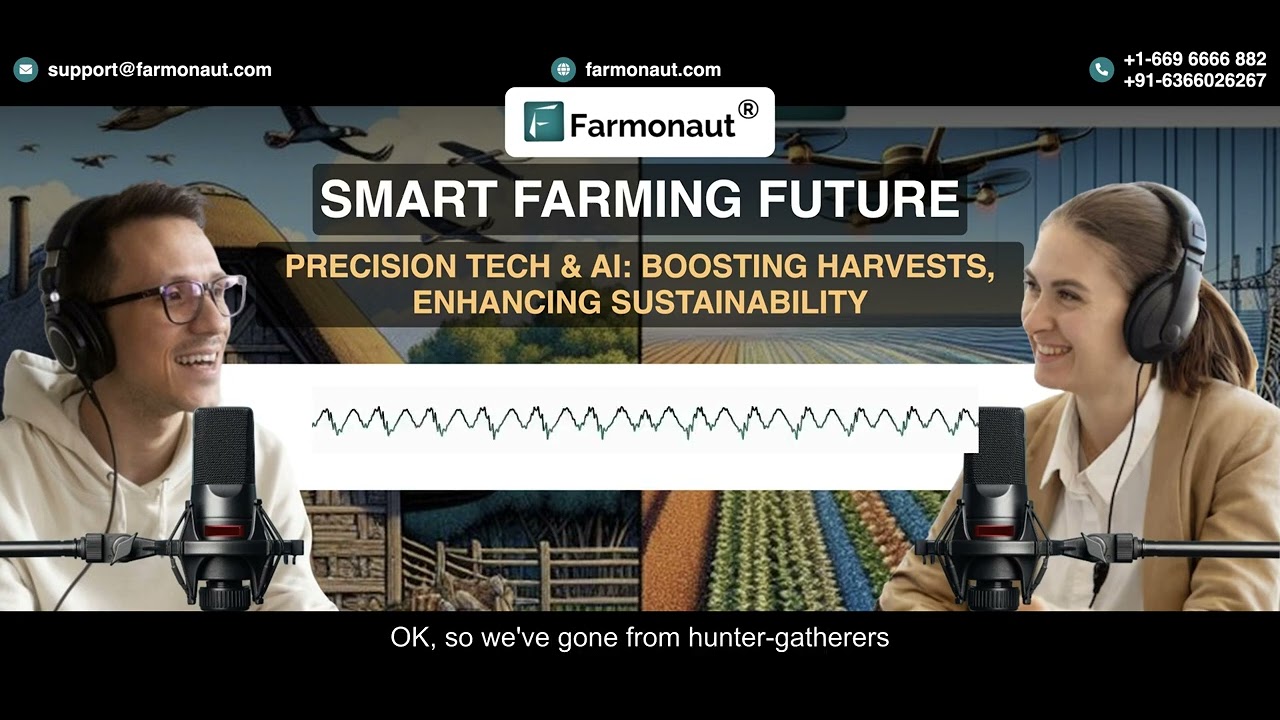
Interested in leveraging precision farming and GIS-driven monitoring at scale?
Check out our Large Scale Farm Management Solution – a platform designed to track field health, optimize water use and make yield-boosting decisions easier for both farmers and farm administrators in coastal agro zones.
4. Mangrove Agroforestry: Buffering the Coast, Boosting Biodiversity
Mangrove agroforestry is the strategic combination of mangrove conservation with agricultural land use:
- Planting mangroves alongside agricultural zones (particularly in delta regions) creates a natural buffer that reduces soil erosion, improves fertility, and absorbs carbon.
- These systems support marine biodiversity while providing resources (timber, honey, fish nursery areas) for local communities.
With climate change impacts escalating in 2025, mangrove-based agroforestry is crucial to both adaptation and mitigation efforts.

5. Rainwater Harvesting & Buffer Zones: Water Security in a Changing Climate
- Coastal agro depends on secure access to freshwater. Rainwater harvesting systems—now more widespread & automated in 2025—capture and store seasonal rain, providing a critical buffer during drought or saltwater incursion.
- Establishing vegetative buffer zones along the boundaries of farms and water bodies reduces runoff, slows saltwater intrusion, and improves soil health.
6. Blockchain Traceability for Coastal Agro Products
Traceability is more critical than ever in coastal agriculture, especially for exporters and those growing high-value crops in vulnerable regions. By harnessing blockchain, it is now possible to:
- Ensure authenticity of coastal agro outputs (like premium seafood or salt-tolerant rice).
- Build consumer confidence and open access to global sustainability-driven markets.
- Reduce fraud and support eco-certifications via immutable digital records.
For easy integration, see our platform for Agro Product Traceability by Farmonaut.
Comparative Practices Impact Table (2025)
This table compares high-impact sustainable coastal agro practices in 2025, outlining their estimated yield improvements, resource savings, environmental impact, and adaptation feasibility. These methods contribute directly to food security, climate adaptation, and resilient agricultural systems in vulnerable zones.
| Practice | Estimated Yield Increase (%) | Estimated Resource Savings (%) | Environmental Impact | Adaptation Feasibility |
|---|---|---|---|---|
| Salt-tolerant Crops (Halophytes, Enhanced Rice Strains) | 30–40 | 25–35 (water, fertilizer) | Reduces soil degradation, supports cultivation in saline environments | Easy–Moderate |
| Rainwater Harvesting Systems | 15–20 | 30–45 (water) | Improves water security, reduces salinity stress & flooding impact | Easy |
| Integrated Rice-Fish-Aquaculture Systems | 25–35 | 40–50 (pesticides, fertilizer) | Enhances biodiversity, improves soil fertility, reduces chemical runoff | Moderate |
| Smart Farming (IoT, Drones, AI) | 15–28 | 20–40 (input reduction) | Enables precise irrigation, rapid response to threats, reduces footprints | Advanced |
| Mangrove Agroforestry Buffers | 10–18 | 10–20 (erosion, water protection) | Restores coastlines, increases carbon sequestration & biodiversity | Moderate |
| Integrated Pest Management (IPM) | 8–15 | 20–35 (pesticides) | Reduces pollution, promotes ecosystem health | Easy–Moderate |
| Buffer Zones (Vegetative, Wetland) | 7–12 | 25–30 (runoff, pollution) | Curbs land degradation, enhances water quality, provides habitat | Easy |
Building Resilient Coastal Agro Systems in 2025
Resilience is at the heart of modern coastal agro strategy:
- Enhancing soil health with organic inputs and minimum tillage—protects against extreme weather and improves yields.
- Flexible cropping patterns—permits quick shifts between crops as climate and salinity vary every season.
- Smart use of satellite data and real-time insights—helps farmers monitor changing water, salinity, and crop health remotely.
- Adopting mixed cropping and agroecological practices—reduces risk, improves soils, and builds long-term sustainability against environmental challenges.



Environmental Conservation and Coastal Agro
In 2025, integrating conservation into coastal agriculture is no longer optional:
- Biodiversity restoration: Adopting buffer zones, planting native vegetation, and encouraging mixed-crop systems attract pollinators and increase coastal biodiversity.
- Wetland protection: Preserving or restoring wetlands provides crucial ecosystem services—like water filtration, flood management, and supporting marine life.
- Carbon footprint monitoring: Coastal agro systems have a major role in carbon sequestration and emission reduction. Tracking, reporting, and optimizing carbon footprints is essential for regulatory compliance and accessing carbon markets.
Key Practices:
- Agroforestry integration with native trees and plants.
- Water-efficient techniques: drip irrigation, moisture sensors, salt-tolerant cover crops.
- Organic pest management and minimal use of chemical fertilizers.

The Role of Policy, Technology, and Governance in Coastal Agro
Sustainability in coastal agro 2025 relies on the alignment of policy, innovative technology, and community engagement:
-
Forward-thinking policies:
Governments implement regulations safeguarding agricultural land, incentivizing climate-resilient crops, and enforcing resource-efficient practices.
Land zoning, pollution control, and disaster preparedness are now integral to coastal zone policy in most countries. -
Microfinance and Extension Support:
Access to credit and expert advice enables smallholders to transition toward sustainable practices, adopt technology, and buffer economic shocks. -
Technology-driven transformation:
Farmonaut’s crop loan and insurance solution enables institutions to use satellite-based verification, reducing risks and improving financial access for farmers operating in high-risk coastal regions. -
Community participation:
Sustainable agro hinges on building local stewardship—engaging coastal communities in land management, conservation, disaster planning, and even blockchain-based traceability and reporting.
Why High-Tech Monitoring & Reporting Matters:
- Measurable outcomes for environmental impact reporting—essential for both local compliance and access to global markets.
- Enhanced transparency across land use, water management, and carbon sequestration via digital tools and platforms.
Need to build custom coastal agro monitoring or reporting into your own systems? Explore our Farmonaut Satellite Agro API and API Developer Docs for seamless weather, vegetation, carbon, and land-use insights integration.
How We at Farmonaut Empower Coastal Agro in 2025
As a satellite technology company innovating in 2025, we at Farmonaut are dedicated to making advanced, satellite-driven insights accessible and affordable for coastal agro operations worldwide.
-
Real-Time Coastal Monitoring via Satellite Imagery
Our platform delivers multispectral crop health monitoring, NDVI analysis, and precise soil condition mapping for coastal lands, empowering farmers, researchers, and governments to make data-driven agricultural decisions. -
AI and Blockchain Solutions for Coastal Agro
Our Jeevn AI advisory system analyzes dynamic satellite data to provide smart, tailored recommendations—from real-time weather risk assessment to crop rotation and salinity alerts. Blockchain traceability adds transparency, compliance, and market advantage for coastal agro products. -
Resource and Fleet Management
Through advanced tools, we help businesses and cooperatives optimize the logistics of coastal farming operations—minimizing waste and reducing environmental footprints. -
Environmental Impact & Regulatory Reporting
Our environmental impact monitoring solutions, including carbon footprint tracking, enable compliance, reporting, and access to climate finance and carbon markets. -
Accessible via Mobile, Web, and API
All Farmonaut services are accessible on web & mobile apps for individual farmers, and API for businesses and developers.
Our mission is to democratize satellite insights—bringing powerful technology, environmental stewardship, and scalable digital tools to enable sustainable growth for all stakeholders in coastal agro.
Ready to elevate your coastal farming operations in 2025? Learn more, subscribe, and explore our platform today!
Future Trends and Directions Beyond 2025
As the climate crisis and food security concerns intensify, the evolution of coastal agro practices continues apace.
-
Enhanced Genomics and Synthetic Biology:
Development of custom-designed salt-tolerant crops and microbiomes using gene editing and synthetic biology promises major advances in sustainable production by 2030. -
Decentralized Water Purification and Desalination:
On-site solar desalination and eco-engineered wetlands are expected to reduce freshwater dependency and further curb saltwater intrusion. -
Greater Integration of Blockchain and Traceability:
By 2030, traceability will be standard for most coastal agro exports, enhancing transparency, sustainability certifications, and financing. -
Carbon Sequestration Credits:
Coastal agroforestry and mangrove systems could soon be core contributors to emerging blue carbon markets—providing new income for coastal communities. -
Community-Led Digital Extension Ecosystems:
Digital extension services powered by AI and AR will directly support local adaptation and resilience at scale, bridging knowledge and resource gaps for millions.
FAQ: Coastal Agro 2025
What is coastal agro and why is it important in 2025?
Coastal agro refers to the practice of agriculture in regions where land meets the sea. In 2025, with rapidly changing climate and rising sea levels, it is vital for supporting food security, protecting coastal ecosystems, and sustaining millions of livelihoods.
How do salt-tolerant crops benefit coastal farming?
Salt-tolerant crops (halophytes and special rice strains) allow cultivation even in saline-impacted soils, maintaining yields and making previously unproductive land fertile in the face of saltwater intrusion.
What are the main challenges facing coastal agriculture?
The biggest challenges are sea-level rise, increased soil salinity, land-use conflicts from urbanization, water scarcity, biodiversity loss, and the impacts of extreme weather events.
How does smart and precision farming support coastal agro?
Smart farming technologies (IoT sensors, drones, satellite imagery, AI) help monitor and respond to risks—improving water use, optimizing inputs, and reducing crop failure. This leads to higher efficiency and sustainability for coastal farmers.
What are the key sustainable practices in coastal agro in 2025?
Key practices include saline agriculture, integrated rice-fish systems, mangrove agroforestry, rainwater harvesting, buffer zones, organic soil management, and blockchain-enabled traceability for transparency.
How does Farmonaut support sustainable coastal agriculture?
We at Farmonaut provide real-time satellite-based monitoring, AI-driven advisory, blockchain traceability, and environmental impact solutions—empowering users in coastal agro to make informed, sustainable choices.
What role does policy play in promoting sustainable coastal agro?
Progressive policy is crucial. It includes coastal land protection, incentives for sustainable crops and technology adoption, regulation for traceability, and microfinance access—helping secure coastal resources for future generations.
Conclusion: Harnessing the Potential of Coastal Agro for Sustainable Development in 2025
Coastal agro is at the crossroads of agriculture, environmental conservation, and climate adaptation in 2025. By leveraging innovations in saline agriculture, integrated farming systems, smart technologies, and robust policies, coastal regions can overcome mounting challenges and unlock new levels of sustainability and resilience.
Productivity, environmental stewardship, and food security depend on a holistic approach: blending traditions, new science, and responsible land management. Each stakeholder—from policymakers and scientists to farmers and technology providers—has a role in crafting this coastal agricultural future.
For anyone involved in coastal agro—the future lies in smart, sustainable development that not only feeds the world, but also protects our planet’s fragile shorelines for generations to come.
Join us on this journey. Leverage the latest tools, monitor with accuracy, and #HarnessThePotential of coastal agriculture 2025 and beyond.

 Godrej Agrovet
 Hayleys Agriculture
 Linx Agritech
 Adinet
 Save Your Soils
 GalaxEye Space
 Grandstream Algérie
 XOS Realty
 Geospatial Lab Africa
 Agro La Gándara
 HIPSAC
 ZOL Zimbabwe
 Juligerm
 AdBio
AdBio MISE Maroc
 NWNS
NWNS Red August Group
 Farm Inc
 WeMe Global
 Agrotoken
 Blue BearX
 Insignito
 DnCubed
 Indosistim Teknologi
 Liquify Digital
 CU Foods
 BeyondTech Global
 Rouge VC
 AgroRisk
 Oath Inc
 Esri North East Africa
 MDCV UK
 Etech Consulting Madagascar
 Vestlandsforsking
 WB Dev
 Sama Premium
 Tres Valles
 Blickwinkel
 Agricultural Credit Policy Council
 eKGIS
eKGIS Mostas Tech
 Andex
Andex Deluxe Conseil
 WICO
WICO Chimera Innovation
 SkyHarvest
 Teledarbas
 Exurbia Geospatial
 FieldZero
