

Cost of Agricultural Land 2025: Essential Price & Rent
“In 2025, irrigated farmland rents often command 15–35% premiums over comparable dryland due to water reliability.”
The cost of agricultural land in 2025 is not a single number. It is a profile of risks, services, and future earning capacity. The agricultural land cost and rent of agricultural land reflect how water, soil, climate, policy, technology, and financing interact to shape price, viability, and net returns. Buyers, tenants, lenders, and policymakers must weigh multiple interacting factors when assessing the cost, rent, and investment decisions for any land of agriculture. In 2025 and beyond, we see market dynamics influenced by location, rights to water, zoning and title clarity, infrastructure access, proximity to processors and cold storage, irrigation security, labor pools, technology readiness, and environmental policies such as carbon sequestration credits and conservation easements.
At the same time, rent levels and valuation methods continue to blend comparable sales, discounted income (capitalizing expected net farm returns), and residual land value based on development potential. Climate risk increasingly re-prices lands: areas prone to drought, flooding, or emerging pests lose value relative to resilient soils, reliable groundwater, and microclimate advantages. Leasing remains essential, with cash rent, crop-share, and flexible contracts coexisting. Contract length and tenure security materially affect rent levels and investment willingness, while inflation, interest rate pressure, and supply-chain disruption all influence 2025 decisions.



As an industry, agricultural land sits at the nexus of food security, rural economies, environmental services, and private investment. The aim of this analysis is to provide an informed, neutral, and educational overview of the price and rent of agricultural land in 2025, offering practical guidance for buyers, tenants, and policymakers.
Table of Contents
- Cost of Agricultural Land in 2025: Determinants, Price, and Rent
- Valuation Methods and Market Dynamics in 2025
- Water, Soil, Climate, and Environmental Services
- Technology, Productivity, and Farmonaut Tools
- 2025 Agricultural Land Price & Rent Benchmark Matrix
- Actions for Buyers, Tenants, and Policymakers
- Regional Outlook 2025–2030
- FAQs: Cost, Rent, and Returns
- Conclusion
Cost of Agricultural Land in 2025: Determinants, Price, and Rent
The cost of agricultural land depends on a blend of natural capital, legal status, and market access. In 2025, the key determinants include location, soil quality, water availability and rights, climate suitability, infrastructure, and legal clarity. These fundamentals shape the price, rent of agricultural land, and investment willingness, ultimately influencing productivity and income stability.
Key determinants that shape agricultural land cost and rent
- Location and proximity: Access to processors, cold storage, roads, and labor pools increases value. Peri-urban fringe lands may carry development potential that can raise price beyond farm returns.
- Soil quality and suitability: Texture, organic matter, drainage, salinity, and depth drive yield potential. Consistent soils, minimal erosion, and balanced nutrient-holding capacity support higher rent and price.
- Water availability and rights: Reliable irrigation and groundwater therefore command premiums. Water rights (where applicable) that are transparent and secure reduce risk and elevate value.
- Climate risk and microclimates: Drought, flooding, and emerging pests influence long-run returns. Resilient microclimates can confer a relative advantage and stabilize net returns.
- Infrastructure and market access: Roads, storage, logistics, and digital connectivity matter. Better access reduces transport costs and post-harvest losses, improving net income.
- Legal title, zoning, and easements: Clean title, compatible zoning, and known easements minimize legal risks. Transparent rights and tenure security materially affect rent levels and valuations.
- Development potential: In some corridors, residual land value based on development prospects can outstrip farm-use value, raising price and complicating rent calculations.
How determinants translate into rent and net returns
The rent of agricultural land reflects expected net returns, risk adjustments, and alternatives. A field with secure irrigation, fertile soil, and low climate risk supports higher cash rent or more favorable revenue-share terms. Conversely, volatile yields, uncertain title or water rights, and poor infrastructure reduce rent, as tenants price in risk and the cost of farming. Contract length also affects levels: longer tenure and clear renewal options can justify higher rent because tenants can invest in practices and technology that raise productivity.
Watch: Land Classification and Its Impact on Value

Watch: Why Soil Quality Drives the Cost of Agricultural Land

Valuation Methods and Market Dynamics in 2025
Valuation in 2025 continues to blend multiple methods to capture both current income and future potential. Agricultural land cost is typically informed by comparable sales, discounted income, and residual methods. Rising or falling interest rates alter capitalization rates and the willingness of buyers to pay, while input inflation and supply-chain disruption change expected net cash flows. Sustained investor interest in farmland as a real asset has supported prices since the pandemic, but market restructuring and consolidation of holdings continue to redistribute where the premiums accrue.
Valuation methods that buyers and lenders commonly use
- Comparable sales (market approach): Recent sales of similar lands with similar soils, water access, and zoning are adjusted to estimate price. This method reflects current demand but can lag shifts in input costs or climate risk.
- Discounted income / capitalization method: Expected net income from the farm is capitalized at an appropriate rate. When interest rates and perceived risks rise, capitalization rates increase, pushing price lower for the same net returns.
- Residual land value (development-based): In peri-urban or corridor zones, residual value comes from non-agricultural development potential. This can drive price beyond agricultural fundamentals, complicating rent-to-price yield comparisons.
Leasing in 2025: cash, share, and flexible contracts
Leasing remains essential for efficient land use. In 2025, cash rent, crop-share, and flexible contracts coexist. Flexible leases may tie rent to realized yields, market prices, or input savings from technology adoption. Tenure security and contract length materially affect levels: longer terms (with aligned maintenance obligations) can justify higher rent because tenants can invest in soil health, irrigation upgrades, and storage improvements that raise productivity and resilience. Where uncertainty is high—because of climate risk, water law shifts, or zoning—shorter tenures and flex provisions help both sides manage volatility.
Market dynamics shaping agricultural land price in 2025
- Interest rate pressure: Higher financing costs reduce buyers’ willingness to pay and can cap price growth, even where long-run fundamentals are strong.
- Inflation and inputs: Ongoing input inflation and supply-chain disruption compress margins, influencing rent negotiation and cap rates.
- Farmland as a low-volatility real asset: Sustained investor interest continues; portfolio diversification and inflation-hedging roles remain intact.
- Legacy consolidation: Older operators consolidate holdings or exit, creating localized supply and price dynamics that differ across regions.
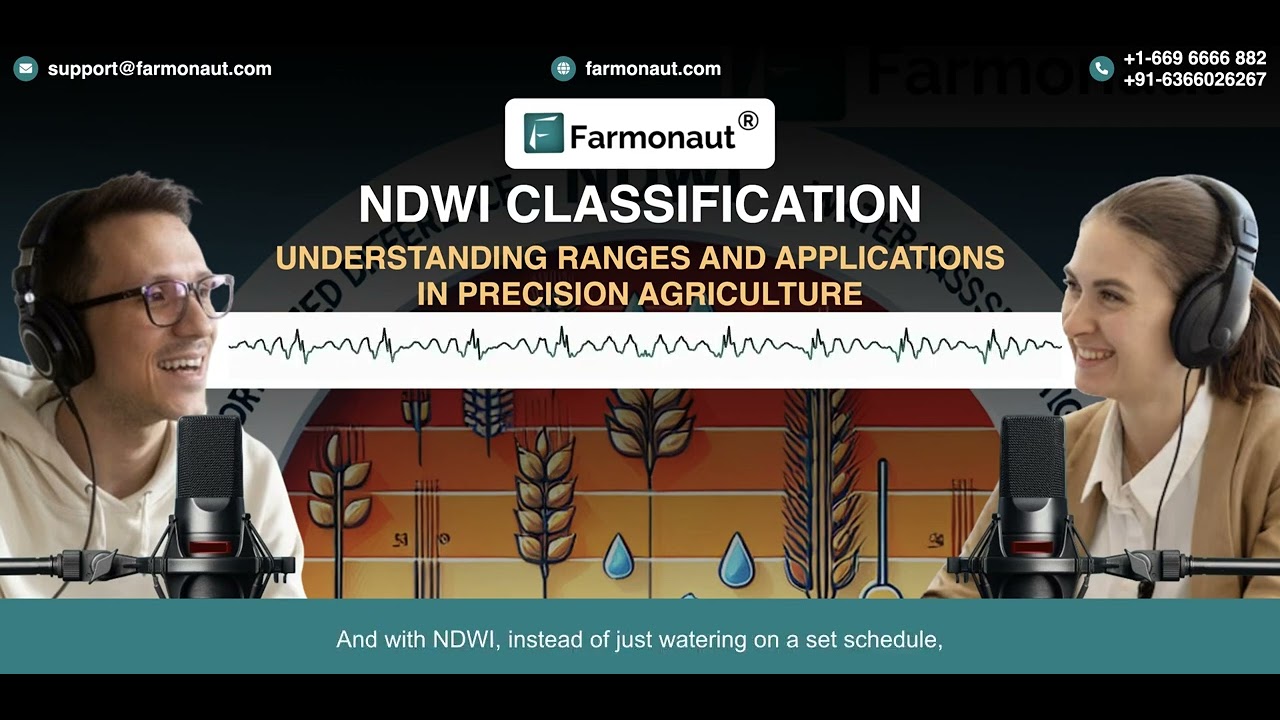
Watch: Water Management and NDWI—A Key Driver of Price and Rent
Water, Soil, Climate, and Environmental Services
Water reliability, soil fertility, and climate suitability jointly determine productivity, stability, and therefore price and rent. In 2025, climate risk raises the importance of resilient soils, irrigation efficiency, and water storage. Environmental services—carbon sequestration, biodiversity corridors, and nutrient management—are becoming material to income and valuation patterns via credits, incentives, and subsidies.
Water availability and rights: the core premium
- Irrigation and groundwater: Secure irrigation and reliable groundwater therefore command premiums. Water rights systems that are transparent, legally enforceable, and tradable can reduce risk and improve valuation multiples.
- Storage: On-farm water storage and regional reservoirs smooth the variability of rainfall and increase productivity, supporting higher rent levels.
- Quality and timing: Salinity, contamination, and delivery timing affect suitability and yields. These factors directly influence expected net returns and the cost of farming.
Soil quality: fertility, structure, and resilience
- Fertility score and structure: Soils with balanced nutrients, good aggregation, and adequate depth support intensive rotations and reduced risk.
- Erosion and drainage: Well-drained fields with low erosion loss stabilize yields, reducing risk premiums in both rent and price.
- Regenerative practices: Cover cropping, reduced tillage, and organic amendments can raise resilience and potentially unlock environmental payments.
Climate risk: drought, flooding, and emerging pests
Areas prone to drought, flooding, or emerging pests lose relative value; resilient microclimates gain advantage. Lands with heat-tolerant crop options, access to water storage, and flexible crop mixes can maintain net returns. Insurance availability and public investments in infrastructure also influence outcomes. In 2025, more buyers and tenants model multi-scenario yields to test resilience before setting a price or signing a long lease.
Environmental services and conservation easements
- Carbon and biodiversity: Policies and payments for carbon sequestration credits, biodiversity incentives, and nutrient management subsidies can supplement income and alter value patterns.
- Conservation easements: Easements can lower development potential but increase long-term stability for agricultural uses, affecting rent-to-price yields.
- Nutrient management: Practices that cut runoff and improve water quality may qualify for incentives and reduce regulatory risk.
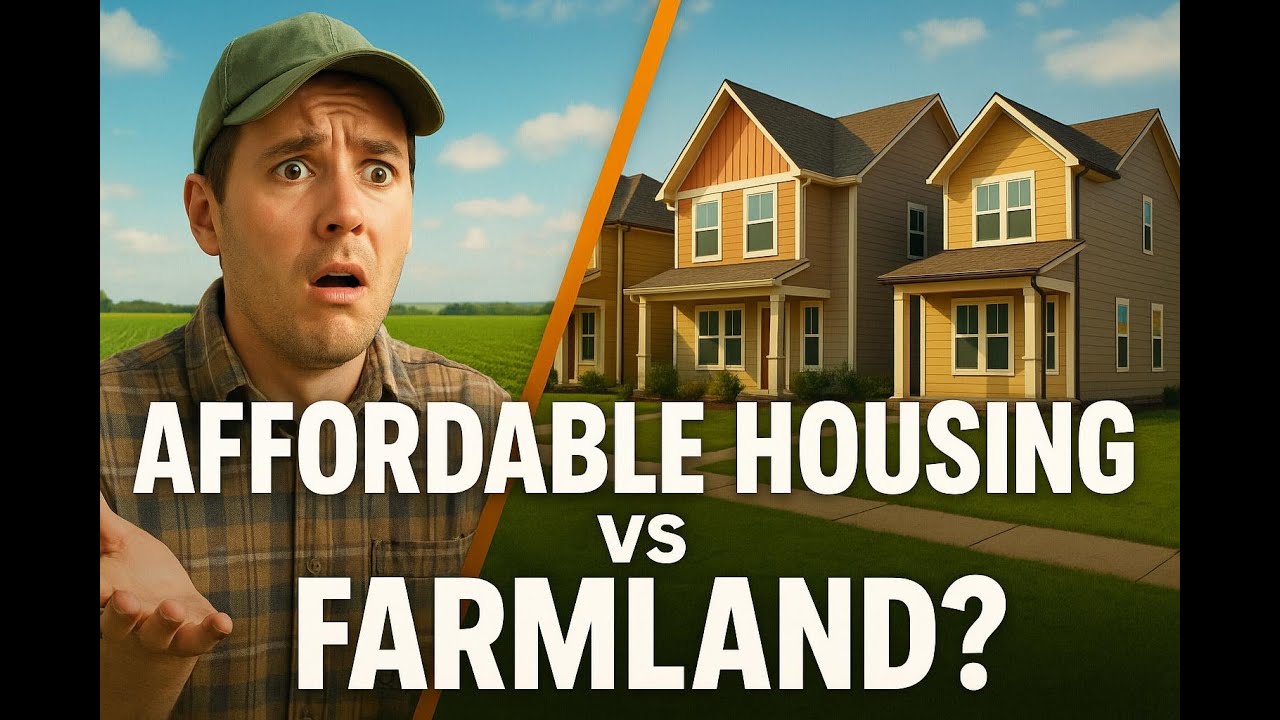
Watch: Zoning, Housing Pressure, and Farmland Protection (PEI)
Watch: Regenerative Agriculture and Climate-Smart Returns

“Policy shifts in 2025 can move land prices ±5–15% within months in subsidy-sensitive markets.”
Technology, Productivity, and Farmonaut Tools
Technology raises per-acre productivity and influences the agricultural land cost where adoption is feasible and labor shortages are acute. Precision application, sensors, drones, remote sensing, and autonomous machinery can reduce input costs and stabilize net returns. Regions with high technology readiness and good digital infrastructure can sustain higher rent and price levels because productivity and risk management improve.
We provide satellite-based monitoring, AI advisory, and blockchain traceability to help stakeholders make informed decisions about land, water, and crop management. Our platform offers real-time monitoring, AI-based advisory systems, blockchain-based traceability, and resource management tools accessible on Android, iOS, web apps, and API. By lowering cost barriers to satellite-driven insights, we help businesses, users, and governments integrate data into everyday decisions across agriculture, mining, and infrastructure.
- Satellite-based monitoring: Multispectral imagery for vegetation health (NDVI), crop stress, and soil condition indicators supports irrigation planning and nutrient management.
- Jeevn AI advisory: Real-time, location-aware guidance on weather, agronomy, and resource optimization that can improve productivity and reduce guesswork.
- Blockchain traceability: End-to-end transparency for supply chains, which can support premium markets and reduce fraud.
- Fleet and resource management: Tools to optimize logistics, enhance safety, and reduce operational costs.
- Environmental impact tracking: Monitoring of footprints to align with regulations and incentives for sustainable practices.
Developers and enterprises can integrate these capabilities via the Farmonaut API and API Developer Docs. This enables scalable adoption of satellite and AI-driven insights, improving the consistency of farm decisions and the transparency of reporting.
To support practical adoption in 2025:
- Carbon Footprinting: Measure and monitor emissions performance to align with carbon sequestration credits and environmental policies. This can supplement farm income and influence valuation by adding verifiable environmental services.
- Traceability: Use blockchain-based traceability to prove origin, quality, and compliance—useful where premium markets reward transparent practices.
- Crop Loan & Insurance: Satellite-based verification can streamline finance and insurance processes by improving monitoring, reducing fraud, and supporting access to capital.
- Fleet Management: Track and optimize vehicles and equipment to cut fuel and time costs in hauling produce to processors or cold storage.
- Large-Scale Farm Management: Manage multi-farm operations with centralized oversight and field-level insights for uniform practices, audits, and compliance.
- Crop Plantation & Forest Advisory: Access remote monitoring and advisory support for tree crops or forestry-related projects requiring long-duration planning and risk management.
Watch: How Satellite Technology Improves Land Use Decisions

Watch: Irrigation Investment and Market Dynamics (Peru 2025)

Watch: Property Taxes and Budget Signals (Linn County 2026)

2025 Agricultural Land Price & Rent Benchmark Matrix
The following benchmark matrix links land fundamentals—water security, soils, climate risk, policy, and technology readiness—to estimated 2025 price and rent outcomes. These ranges are indicative and intended to support high-level screening and decisions by buyers, tenants, and lenders. Units are consistent ($/acre; %).
| Region/Agro-climatic Zone | Water Security | Soil Fertility Score (1–5) | Climate Risk | Estimated Land Price Range 2025 ($/acre) | Estimated Annual Rent Range 2025 ($/acre) | Rent-to-Price Yield (%) | 5-Year Price CAGR (est. %) | Policy Impact 2025 (+/0/–) | Tech Adoption Readiness (1–5) | Primary Crop Mix | Notes/Drivers |
|---|---|---|---|---|---|---|---|---|---|---|---|
| Irrigated Plains | High | 5 | Low | 8,000–20,000 | 320–900 | 3.5–5.5 | 3–5 | + | 4 | Cereals, oilseeds, vegetables | Reliable groundwater/irrigation; strong infrastructure and processor proximity; premium soils. |
| Rainfed Plateau | Medium | 4 | Medium | 3,000–8,000 | 120–320 | 3.5–4.5 | 2–4 | 0 | 3 | Pulses, oilseeds, coarse grains | Yield variability; modest infrastructure; flexible leases common. |
| Coastal Delta | High | 4 | Medium | 6,000–15,000 | 260–700 | 3.8–5.0 | 3–6 | + | 4 | Rice, aquaculture-adjacent, horticulture | Abundant water; flooding risk managed with storage; export channels. |
| Arid Zone | Low | 2 | High | 2,000–5,000 | 80–180 | 3.5–4.0 | 2–3 | 0 | 2 | Fodder, drought-tolerant grains | Scarce water; high climate risk; targeted subsidies matter. |
| Hilly/Horticulture | Medium | 4 | Medium | 5,000–12,000 | 180–480 | 3.0–4.5 | 3–5 | + | 3 | Fruits, tea/coffee, spices | Microclimates; quality premiums; labor constraints; niche exports. |
| Peri-urban Fringe | Medium | 3 | Medium | 10,000–35,000 | 250–900 | 2.5–4.0 | 4–7 | – | 4 | Vegetables, flowers, mixed farms | Development pressure inflates price; rent yields compressed. |
| Corn-Belt Equivalent | High | 5 | Low | 9,000–22,000 | 360–1,000 | 3.5–5.0 | 3–5 | 0 | 5 | Corn/maize, soybeans | Highly productive soils; strong markets; tech adoption high. |
| Rice–Wheat System | High | 4 | Medium | 6,000–14,000 | 240–650 | 3.5–4.6 | 3–4 | + | 4 | Rice, wheat | Dependence on irrigation; policy incentives affect margins. |
| Plantation/Perennial Zone | Medium | 3 | Medium | 4,000–11,000 | 120–380 | 3.0–4.0 | 3–5 | + | 3 | Tree nuts, coffee, cocoa | Long-duration crops; climate sensitivity; carbon opportunities. |
| Pastoral Rangeland | Low | 2 | High | 1,500–4,000 | 50–150 | 2.5–4.0 | 2–3 | 0 | 2 | Grazing, fodder | Rainfall variability; low stocking flexibility; low capex. |
| High-Altitude Valleys | Medium | 4 | Medium | 3,500–9,000 | 110–300 | 3.0–4.0 | 3–4 | 0 | 3 | Potatoes, barley, niche horticulture | Short seasons; premium niches; logistics constraints. |
| Emerging Irrigation Frontier | High | 3 | Medium | 3,200–8,500 | 120–340 | 3.5–4.5 | 4–6 | + | 3 | Cereals, oilseeds, pulses | New storage/irrigation projects; volatility during build-out. |
| Coastal Dryland Fringe | Medium | 3 | High | 2,200–6,000 | 80–220 | 3.0–4.0 | 2–3 | – | 3 | Mixed dryland crops | Salinity risk; storm/flood exposure; insurance availability varies. |
Methodology note: Estimates blend typical rent-to-price yields (3–6%) and observed ranges across comparable zones globally as of 2025. Ranges are indicative and for educational screening; local soils, water rights, zoning, title, and infrastructure can move outcomes materially. Always perform parcel-level due diligence and cash-flow modeling.
Actions for Buyers, Tenants, and Policymakers
Short checklist for buyers and tenants
- Obtain a soil and water audit, including irrigation capacity, groundwater levels, and quality.
- Confirm title, easements, and zoning. Seek transparent, secure rights documentation.
- Run five-year cashflow and stress tests under input-cost and yield shocks.
- Negotiate rent sharing tied to yields or input savings via technology and improved practices.
- Evaluate climate resilience measures: cover cropping, water storage, diversified enterprises.
Financing and interest rates: structuring the deal
- Cap rate alignment: Align price to realistic net returns at current interest rates. Rising rates imply higher cap rates and lower acceptable price for the same income.
- Flexible leases: For tenants, flex provisions tied to commodity prices, realized yields, or input cost indices can balance risk.
- Amortizing improvements: Where tenants invest in irrigation or storage, document cost-sharing and depreciation schedules in the lease.
- Tax awareness: Consider local agricultural tax treatment, reassessment rules, and conservation easement implications.
Risk management and due diligence
- Title & legal: Confirm ownership, liens, encumbrances, and easements. Ensure zoning permits intended agricultural uses.
- Water law and rights: Verify allocations, transferability, and historical use requirements where applicable.
- Environmental liabilities: Assess contamination risks and nutrient runoff exposure; consider environmental audits.
- Climate stress tests: Model drought/flood scenarios, pest pressure shifts, and market disruptions.
- Operational resilience: Evaluate access to labor pools, input suppliers, processors, and cold storage.
We support parcel-level monitoring and planning with satellite data, AI advisory, and traceability tools that help inform leases, investment decisions, and compliance reporting. Our subscription-based access through the app and API makes it feasible to integrate satellite-driven insights into everyday farm decisions in 2025.
Regional Outlook 2025–2030
Outlook themes through 2030 reflect an increasingly direct link between resilience and value. Regions investing in irrigation efficiency, water storage, and transparent land governance are likely to retain or gain value. Lands with resilient soils, access to microclimates, and adoption of precise, data-driven practices will command comparatively higher rent and price. Conversely, marginal lands lacking water security, infrastructure, or legal clarity may face downward pressure.
- Irrigation megaprojects: As seen in the 2025 irrigation build-outs highlighted in global news, new water infrastructure can raise land value in adjacent corridors but may introduce short-term volatility during construction and allocation phases.
- Peri-urban zones: Where development pressure grows, price outpaces rent, compressing rent-to-price yields. Zoning and farmland protection debates—like those in coastal and island economies—can reprice land in months.
- Tax shifts: Local tax policy changes, reassessment rules, and budget shifts, even when levy rates fall, can lead to higher absolute tax bills—affecting net farm returns and rent negotiations.
- Climate gradients: The relative advantage migrates toward cooler microclimates, dependable rainfall bands, and areas with reliable groundwater. Dryland zones without adaptation investment remain under pressure.
- Environmental markets: Carbon, biodiversity, and nutrient credits will increasingly influence cropping patterns and lease structures where measurement and verification are standardized.
FAQs: Cost, Rent, and Returns in 2025
What is the most important factor in the cost of agricultural land in 2025?
Water availability and rights are the most persistent premium. Reliable irrigation and groundwater access stabilize productivity and net returns. This, combined with soil quality and infrastructure, drives the highest rent and price levels.
How do interest rates affect price and rent?
Higher interest rates lift capitalization rates and reduce buyers’ willingness to pay for a given net income. Rent can lag the adjustment; over time, leases may include flexible terms to share risk from price and cost swings.
Which leases dominate in 2025?
Cash rent, crop-share, and flexible contracts coexist. Flex leases—tying rent to yields, market prices, or input savings—are increasingly common in volatile climates and markets, improving alignment between tenants and owners.
How are climate risks priced?
Areas prone to drought, flooding, or emerging pests lose relative value, while fields with storage, resilient soils, and microclimate advantages gain. Climate scenario modeling is now routine prior to purchase or lease.
Do environmental services really change valuation?
Yes. Carbon sequestration credits, biodiversity incentives, nutrient management subsidies, and conservation easements can supplement farm income. Where policies are stable and measurement is transparent, they alter rent and price patterns.
How does technology influence rent levels?
Technology raises productivity and reduces input waste. Where adoption readiness is high, tenants can pay more stable rent because net returns become more predictable. Regions with strong digital infrastructure tend to command a technology premium.
What should tenants do before signing a lease?
Obtain soil and water audits, confirm title and easements, run five-year stress-tested cashflows, and negotiate flexible provisions that share upside from productivity gains or savings from improved practices.
What are typical rent-to-price yields in 2025?
Benchmark yields often range between 3% and 6% depending on water security, soils, location, and policy. Peri-urban zones with development pressure can see compressed yields due to elevated prices.
Conclusion: From Cost to Resilience-Adjusted Value
The cost of agricultural land in 2025 is shaped by converging forces: water reliability, soil quality, climate risk, infrastructure access, legal clarity, and technology readiness. Leasing structures—cash rent, crop-share, and flexible contracts—adapt to these realities, while policies and environmental services increasingly influence net income and valuation. Investor interest in farmland remains steady as a low-volatility real asset, yet higher interest rates, input inflation, and supply-chain disruption place a ceiling on price growth in some regions.
For buyers and tenants, best practices are straightforward: focus on soils and water first; model realistic net returns under climate scenarios; structure leases that share upside from productivity gains; and use conservation programs to de-risk margins. Policymakers can improve outcomes by ensuring secure water rights, accessible finance for sustainable practices, and spatial planning that balances food production with conservation and infrastructure needs.
Ultimately, agricultural land cost in 2025 reflects measurable resilience and ecosystem services. Regions that invest in irrigation efficiency, technology access, and transparent land governance will retain or gain value. Marginal lands lacking these attributes face downward pressure. Informed stakeholders who weigh multiple interacting factors—soil, water, climate, rights, and markets—are best positioned to make sound decisions about purchasing, renting, or conserving land in the years ahead.
Discussion
Questions, corrections or field experience? Share them below. First-time comments are reviewed before they appear, and your email is never published.
No comments yet. Be the first to add a question or your experience.

 Deepak Fertilisers & Petrochemicals
 Sapoznick Farms
 Agrotoken
 Blue BearX
 Insignito
 Croptimum
 DnCubed
 Field Capacity
 Indosistim Teknologi
 Liquify Digital
 CU Foods
 BeyondTech Global
 Rouge VC
 AgroGreen Dynamics
 AgroRisk
 Oath Inc
 Reddane Farming
 Esri North East Africa
 Licence holder · Niger · Gold










