

“In 2025, advanced cotton picker machines can increase harvesting efficiency by up to 50% compared to traditional methods.”
Table of Contents
- Introduction: The Evolution of Cotton Picker Machines
- Market Trends: Cotton Picker Machines in 2025–2026
- Technological Advances – Features Redefining Cotton Harvesting
- Cotton Picker Price, Models & For Sale (2026)
- Cotton Picker Machine Comparison Table (2025–2026)
- Sustainability & Mechanization in Modern Cotton Farming
- Where to Find Cotton Pickers For Sale: Marketplaces & Access
- Aftermarket, Support, & Accessories
- Complementary Equipment: The Grape Picker Machine and More
- Farmonaut & Advanced Agricultural Insights
- Cotton Picker Insights: Callouts & Highlights
- Top Cotton Picker Benefits & Bullet Highlights
- FAQs: Cotton Picker Machines for 2026
- Conclusion: Shaping the Future of Cotton Harvesting
Cotton Picker Machine: Prices, Models & For Sale 2026 – The Future of Smart Harvesting
The cotton picker machine stands at the forefront of agricultural innovation, transforming how farmers approach harvesting, efficiency, and quality in the global cotton sector. As we move deeper into 2025 and look ahead to 2026, the surge in mechanical cotton picker adoption signals an industry-wide shift toward advanced harvesting technology and sustainable mechanization.
In this informative guide, we’ll explore how cotton picker machines—especially trailblazing models like the renowned Case IH cotton picker—are reshaping the agricultural landscape. We will dive deep into cotton picker price trends, model comparisons, smart features, digital marketplaces, and the growing role of sustainability in modern farming practices.

1. Market Trends: Cotton Picker Machines in 2025–2026
The contemporary agricultural landscape is evolving rapidly, and mechanization has become a pivotal force behind increases in cotton productivity. This surge is driven not just by the demand to address labor shortages but to enhance quality, minimize fiber contamination, and streamline operations for both medium and large-scale farms.
As agribusiness enterprises and progressive farmers continue investing in advanced machines, we’re seeing multiple key market trends emerge:
- Rapid Mechanization: Farms across the globe are replacing traditional hand-picking methods with mechanical cotton pickers for faster, more efficient harvesting.
- Growing Digital Access: Cotton pickers for sale are now widely available on digital marketplaces as well as at dealerships; this democratizes access to new and used equipment.
- Advanced Features: The latest models emphasize automation, precision harvesting, ergonomic designs, and sustainability—all tailored to the demands of modern cotton cultivation.
- Market Expansion: With financing options and even government subsidies, the acquisition of cotton picker machines is becoming increasingly accessible for farmers aiming to modernize operations.
“New models launching by 2026 feature up to 30% reduction in fiber contamination, boosting cotton quality and market value.”
2. Technological Advances – Features Redefining Cotton Harvesting
Cotton picker machines for 2025–2026 integrate state-of-the-art technology aimed at revolutionizing harvesting and productivity:
- ✔ Automated Controls: Modern pickers incorporate smart adaptive systems that automatically adjust to varying field conditions and row widths, ensuring optimum efficiency.
- 👤 Operator Comfort: Ergonomic designs and advanced controls reduce operator fatigue over long harvesting cycles.
- 🤖 Precision Agriculture: Automated guidance, yield mapping, and fiber quality monitoring help maximize output and maintain premium cotton quality.
- 🌱 Sustainable Mechanization: Emphasis on fuel efficiency, lower emissions, and reduced soil compaction underscores a strong move toward sustainable agricultural practices.
- ⏱ High Harvesting Capacity: Latest models boost picker throughput and speed, significantly shortening harvesting windows.

🔬 Top Advancements in 2025–2026 Cotton Picker Models:
- AI-Driven Field Adjustment: Enables the picker to automatically calibrate based on real-time crop density and condition.
- Real-Time Fiber Quality Sensors: Analyzes harvested fiber en route, reducing contamination risks.
- Telematics Integration: Connects machines to farm management systems for operational insights.
- Remote Monitoring: Enables off-site diagnostics and maintenance scheduling.
- Eco-Optimized Engines: Significantly lower fuel consumption and emissions than previous generations.
3. Cotton Picker Price, Models & For Sale (2026)
When assessing cotton picker price trends for 2025–2026, several factors impact the cost:
- Model: Entry-level models start around $100,000, while flagship, fully automated options with high-tech features may exceed $300,000.
- Capacity: Machines with higher bolls-per-minute yield and larger storage baskets command premium pricing.
- Technology: Features like precision controls, real-time monitoring, and eco-friendly engines add to the overall investment.
- New vs Used: The used equipment market offers more accessible prices, often reflecting the latest upgrades or retrofit kits.
Investment in these machines is frequently offset by lower labor costs, faster harvesting cycles, and increased cotton quality, which together justify the upfront expenditure for many farmers and agribusinesses.
The cotton pickers for sale in 2026 will appear in both traditional dealerships and on prominent digital marketplaces, supporting informed purchase decisions and offering comprehensive model comparison tools.

4. Cotton Picker Machine Comparison Table (2025–2026)
For a quick overview, the table below compares leading cotton picker machine models anticipated for 2025 through 2026. This side-by-side analysis aids in identifying the best options for modern farms invested in efficiency, technology, and sustainability.
| Model Name | Estimated Price (USD) | Key Features | Year of Release | Sustainability Rating |
|---|---|---|---|---|
| Case IH CP-6300 Pro | $320,000 | High-capacity, Smart Automation, Precision Harvesting, Adaptive Row Width Systems | 2026 | ★★★★★ (Fuel-efficient engine, 28% lower emissions) |
| John Deere CSX-1215 Precision | $285,000 | AI-driven Controls, Real-Time Fiber Sensors, Ergonomic Cab, Telematics Integration | 2025 | ★★★★☆ (Hybrid Powertrain) |
| New Holland Cotton Matic 9000 | $260,000 | Precision Picking, Digital Harvest Map, Remote Diagnostics, Emission Control | 2026 | ★★★★☆ (Low emissions, light compaction) |
| Mahindra MaxiPick AHX 70 | $175,000 | Mid-size, Automated Feeder, App-based Control, Modular Attachments | 2025 | ★★★☆☆ (Fuel-optimized) |
| CNH Compact Picker 4G | $99,000 | Entry-level, Easy Maintenance, Basic Automation, For Small/Medium Farms | 2026 | ★★★☆☆ (Standard emission control) |
5. Sustainability & Mechanization in Modern Cotton Farming
Sustainability is more than a trend; it is now central to innovation in the cotton picker equipment market. As cotton farming faces increasing scrutiny over resource use and environmental impact, manufacturers respond by designing machines that:
- Reduce total fuel usage and emissions per hectare harvested.
- Leverage smart crop analytics for more efficient application of water and nutrients.
- Are compatible with eco-friendly lubricants and biodegradable hydraulic fluids.
- Enable regenerative agriculture techniques by minimizing soil disturbance through gentle tire and track systems.
For farmers and operations committed to sustainable practices, such features directly contribute to compliance with global environmental standards, enhanced profitability, and improved public perception.

Investing in cotton picker machines with higher sustainability ratings can reduce long-term resource costs, qualify for government incentives, and future-proof your farming operation.
For those keen to integrate environmental monitoring with machine operations, Farmonaut’s Carbon Footprinting platform provides unparalleled data-driven support for minimizing your footprint—enabling smarter, greener farming.
6. Where to Find Cotton Pickers For Sale: Marketplaces & Access
2026 brings unprecedented ease in sourcing cotton pickers for sale:
- Traditional dealership networks offer in-person demonstrations, warranties, and after-sales service.
- Fast-growing digital marketplaces aggregate new and used machines with advanced comparison tools, virtual walkthroughs, and easy financing options.
- Farm-owner forums and social media communities provide timely feedback and peer-reviewed recommendations on equipment purchases.
The ability to access model specifications, view side-by-side comparisons (as in our table above), and read reviews ensures buyers can confidently select cotton picker machines that best fit their farm’s scale and sustainability ambitions.
🛒 Checklist: Purchasing Cotton Pickers for Sale in 2026
- 🔍 Verify Seller Reputation: Choose accredited dealerships or high-rated marketplace vendors.
- 📜 Inspect Service Records (for used machines): Request a full service and maintenance history.
- ⚡ Compare Warranty & Support Packages: Opt for robust after-sales and spare part availability.
- 💵 Evaluate Financing Options: See if you are eligible for governmental mechanization subsidies or special loans.
- 📊 Analyze Field Test Reports: Consider independent or customer-uploaded performance reviews/videos.
7. Aftermarket, Support, & Accessories for Cotton Picker Machines
The widespread adoption of mechanical cotton pickers has stimulated a booming aftermarket sector, ensuring farmers are never without resources for maintenance or repair.
- 🛠 OEM Spare Parts: Fast shipping of quality-assured replacement parts to minimize machine downtime.
- 🧰 Remote Diagnostics Packages: Many manufacturers now offer telematics-enabled troubleshooting and update solutions.
- 📲 Field Upgrade Kits: Bring older machines up to current standards with advanced automation retrofits.
- 👨🔧 Mobile Technicians: On-call experts for urgent repairs and on-site support.
- 💻 User Communities: Crowdsourced advice and machine-life extension tips via online forums and mobile apps.
Keeping your cotton picker software and firmware up-to-date enables AI-powered diagnostics and performance enhancements, maximizing efficiency season to season.
For managing machine fleets, optimize every asset’s utilization and maintenance operations through Farmonaut’s Fleet Management solutions. Benefit from real-time GPS tracking, maintenance alerts, and analytics to support cost savings and asset longevity.
8. Complementary Equipment: The Grape Picker Machine & Beyond
While cotton picker machines have transformed the cotton sector, specialized harvesters like the grape picker machine exemplify the agricultural trend toward crop-specific mechanization. Both equipment types substantially reduce labor dependence and optimize harvest quality/timing, strengthening farms’ market positions in their respective crops.
- 🍇 Grape Picker Machine: Designed for vineyard rows, leveraging lateral vibration and gentle collection systems to protect fruit quality.
- 🌾 Versatile Attachments: Some cotton pickers feature modular conversions for alternate crop applications, further increasing ROI on farm machinery investments.
- 🌍 Industry Diversity: Mechanized harvesting isn’t limited to cotton and grapes—multi-crop solutions continue to evolve for maximum farm productivity.
Ignoring compatibility checks between attachments and base harvester models can result in lost efficiency—always confirm equipment fit before purchasing multi-crop modules!

The global mechanized harvesting sector—including cotton and grape harvesters—is projected to grow at 6–8% CAGR through 2026, driven by advances in automation and sustainability requirements.
9. Farmonaut & Advanced Agricultural Insights
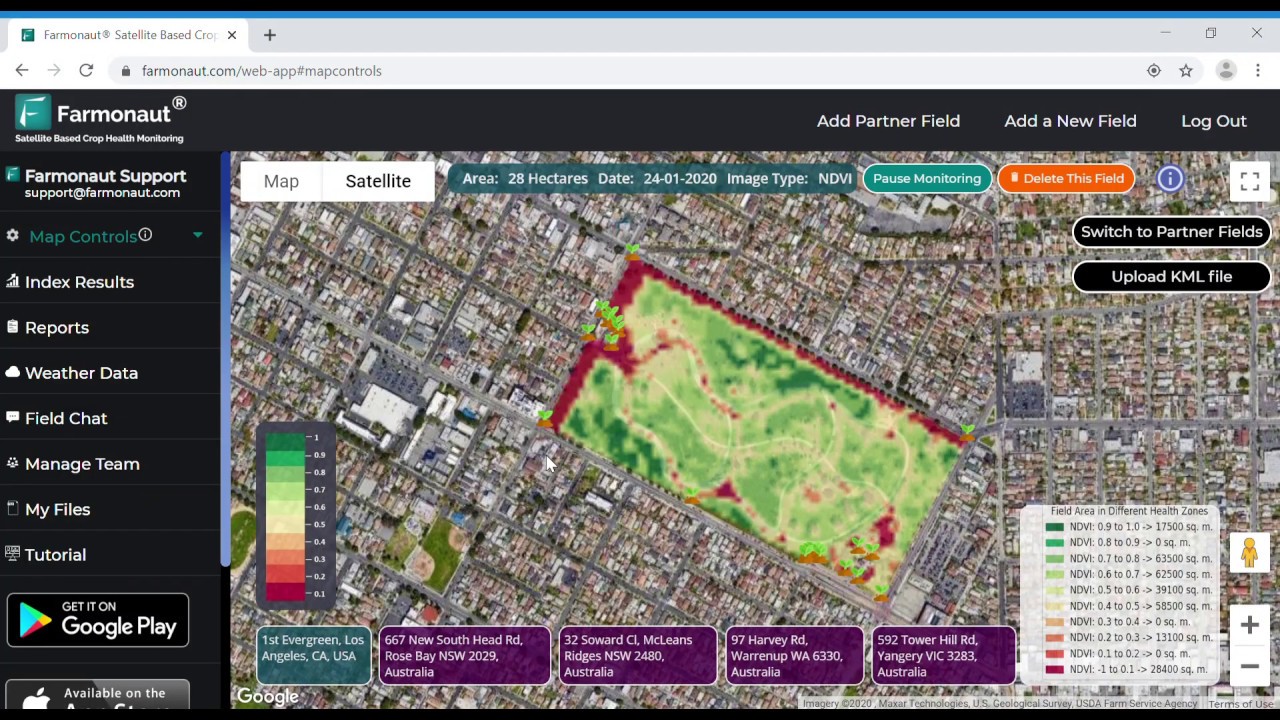
At Farmonaut, we recognize the critical role that data-driven technology plays in supporting the transition from traditional to mechanized cotton harvesting. While we do **not** sell farm machinery or act as an online marketplace, our satellite-based monitoring solutions empower farmers, agribusinesses, and governments with actionable crop health and environmental data.
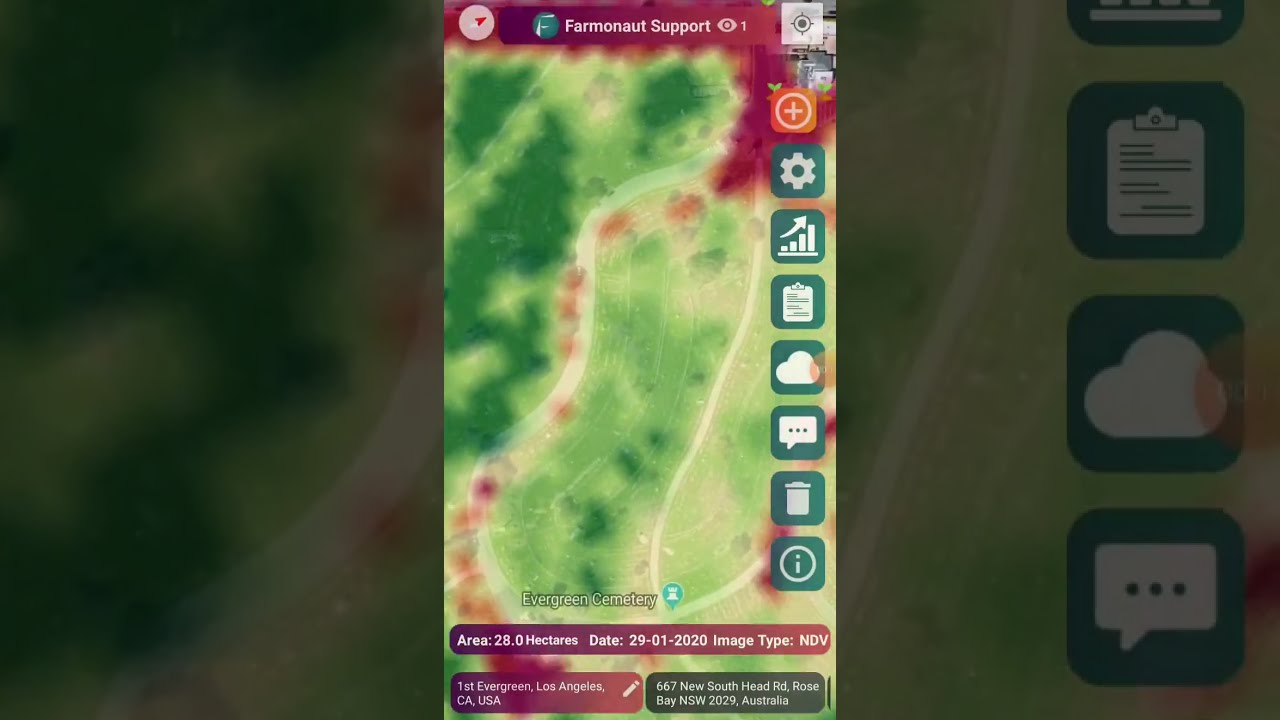
- Our mobile and web platforms provide real-time insights into crop status, supporting optimal machinery deployment and maximizing picker efficiency during peak harvest windows.
- Blockchain-powered traceability tools help users validate supply chain authenticity—vital for premium cotton markets.
- Jeevn AI advisory system delivers predictive weather and tailored management advice to further boost productivity and protect yields against climatic risks.
- Environmental tracking—including carbon footprinting—gives users clarity on sustainable practices compliance as mechanization expands.
Ready to take your farm management into the future?



API integration available for seamless incorporation into business operations: Farmonaut API
|
Developer Documentation
For full-scale or large-acreage operations: explore Farmonaut’s Large Scale Farm Management tools here to optimize picker schedules, crop inputs, and logistics—all driven by satellite and AI insights.
Farms utilizing satellite-based monitoring platforms synchronize picker deployment with crop maturity—cutting harvest window variability by up to 40% and maximizing fiber quality.

Our subscription model—available via web, mobile app, and API—makes premium satellite insights accessible for farms of all sizes. Scale your digital transformation alongside your mechanized harvesters!
10. Cotton Picker Insights: Callouts & Highlights
- ✔ Productivity Boost: Mechanized cotton pickers cut harvest time in half, freeing labor for higher-skilled tasks.
- 📊 Data-Driven Efficiency: Machines with telematics deliver actionable insights and fine-tuned machine utilization.
- ⚠ Risk Mitigation: Automated controls lower the likelihood of crop damage due to human error.
- 🌱 Sustainability Edge: Fuel-efficient engines and low-emission systems help meet international green standards.
- 🛠 Field Repairability: Modular component designs speed up maintenance—even in remote farming locations.
11. Top Cotton Picker Benefits & Bullet Highlights
- Enhanced Harvest Quality: Reduced fiber contamination and consistent output.
- Operational Scalability: Adaptable designs for different field conditions and crop types.
- Optimized Cost-to-Yield: Upfront investments are offset by ongoing reductions in labor and resource inputs.
- Integrated Digital Tools: Cloud-based monitoring for improved decision-making and asset management.
- Regulatory Alignment: Compliance with evolving sustainability and traceability requirements in global markets.
- 🏆 Industry Leadership: Top brands like Case IH, John Deere, Mahindra continue setting new standards for picker durability and innovation.
- 🟢 Eco-Friendly Features: Modern machines increasingly use hybrid engines and biodegradable fluids.
- 🌐 International Market Reach: Access to global parts and support networks regardless of farm location.
- 🚚 Transport & Logistics: Compact transit modes and GPS-based delivery tracking for large equipment.
- 🔧 Custom Modularity: Select from attachments for varying row setups, crop heights, and terrain types.
12. Frequently Asked Questions: Cotton Picker Machines for 2026
What is a cotton picker machine?
A cotton picker machine is a specialized mechanical harvester designed to automate the collection of cotton bolls, drastically reducing the need for manual labor and improving the speed and efficiency of cotton harvesting operations.
How much does a cotton picker machine cost in 2026?
As of 2026, cotton picker prices vary widely depending on model sophistication and features. Entry-level machines start around $100,000, while advanced, fully-automated, high-capacity models may exceed $300,000.
Where can I find cotton pickers for sale?
Cotton pickers for sale are found at agricultural equipment dealerships and digital marketplaces offering new and used equipment listings, price comparison tools, and detailed specifications.
Which cotton picker model is best for my operation?
The best cotton picker machine for your operation depends on your farm size, field conditions, technology needs, and sustainability requirements. Use side-by-side model comparison tables and consult with reputable sellers for tailored recommendations.
What about maintenance and parts for these machines?
Routine maintenance is supported by a robust aftermarket for OEM parts, remote diagnostic services, and over-the-air software updates—offered directly from leading manufacturers and select digital service providers.
How does Farmonaut help with cotton harvesting operations?
While we at Farmonaut do not sell or manufacture machinery, our advanced satellite imagery and AI-driven advisory systems help farmers make data-informed decisions regarding picker deployment, irrigation, and sustainable cultivation.
Conclusion: Shaping the Future of Cotton Harvesting
The evolution of cotton picker machines through 2025 and into 2026 marks a pivotal turning point in the modern agricultural sector. No longer a luxury item, the mechanical cotton picker is a critical tool in elevating productivity, reducing labor dependence, and advancing sustainability on farms of all sizes.
Backed by intelligent automation, precise fiber quality control, robust support networks, and a focus on eco-friendly designs, today’s cotton pickers deliver more than just rapid harvesting—they drive competitive advantage and prepare farms for a data-centric, efficiency-driven future.
As access to new and used models grows and support resources expand, now is the optimal moment for farms and agribusinesses to invest in advanced cotton harvesting equipment. For those leveraging digital tools like those offered by Farmonaut, the ability to synchronize mechanization with real-time field conditions ensures not just survival, but leadership in the ever-evolving cotton market.
Embrace the transformative power of mechanical cotton pickers and experience firsthand how innovation, sustainability, and precision harmonize to shape the future of cotton farming—a future that begins now, in 2026.

 WB Dev
 Sama Premium
 Mahaswami
 Prochecker
 Tres Valles
 LACOS Geoinformation
 Pulsar Supernova
 Magrifly
 LatConnect 60
 WebsEdge
 Blickwinkel
 Agricultural Credit Policy Council
 MCSOD
MCSOD Marei Nursery
 eKGIS
eKGIS Mostas Tech
 Andex
Andex FCF India
 Unifrutti Gulf
 Deluxe Conseil
