

When Is Cotton Harvested: 5 Key Yield Factors



- Introduction: The Significance of Cotton Harvest Timing
- Regional Harvesting Timelines Across the US
- Cotton Harvesting Methods: Strippers vs. Spindles
- 5 Key Cotton Yield Factors
- Cotton Storage and the Modern Ginning Process
- Influence of Weather and Climate on Cotton Harvest
- Cotton Pest Management Strategies
- Regional Cotton Harvesting Overview Table
- Economic Factors in Cotton Production
- Farmonaut: Enhancing Cotton Harvest Efficiency
- Frequently Asked Questions (FAQ)
- Conclusion: Optimizing Cotton Yield and Profitability
Introduction: The Significance of Cotton Harvest Timing
Cotton harvesting is a critical phase in the agricultural cycle, directly influencing both the yield and the quality of the cotton produced. The timing of harvest varies significantly across the United States, primarily determined by shifting climates, planting schedules, and the specific varieties cultivated in each region. Properly understanding when is cotton harvested—and why that moment matters—offers valuable insight into the fabric of American agriculture, influencing prices, economic trends, and the sustainability of farming operations.
As industry trends continue to evolve alongside modern harvesting methods and innovative farm management, both new and established producers require clear and actionable knowledge on the best cotton harvest season for their location.
Below are regional timelines, core yield factors, mechanization strategies, and the influence of weather on cotton harvest—all crucial to maximizing profitability and ensuring top-tier cotton fiber quality for today’s demanding global market.
Regional Harvesting Timelines Across the US
To answer when is cotton harvested, it’s critical to consider regional timelines. The expansive geography of the United States means cotton harvest timing is highly variable—from the South Texas fields that ripen first, to the Texas High Plains, where picking can run into January.
Here’s a regional breakdown:
- South Texas: Harvest starts in July, earlier than anywhere else in the US, according to the National Cotton Council. Fields here are among the nation’s first to be harvested each year.
- Central and Northern Texas: Harvest comes much later. On the Rolling Plains and in the Panhandle most picking starts in November, per Texas A&M AgriLife, and Texas usually finishes around January 11 (USDA NASS).
- Southeastern States (Georgia, Alabama, Carolinas): In these regions, cotton harvest usually runs from September into December (USDA NASS lists Georgia at September 23 to December 18), with the season often defined by summer rainfall and hurricane risks.
- California and Arizona: USDA NASS lists Arizona at September 15 to December 25 and California at October 5 to November 20 (source). Drier, milder climates and specific varieties cultivated push the timing late into the year.
Each region’s timelines are shaped by unique combinations of climate, varieties, and agricultural practices. These differences not only affect the timing of harvest, but also influence fiber quality, yield factors, and ultimately market prices.
Cotton Harvesting Methods: Strippers vs. Spindle Pickers
The method of harvesting is intimately linked to regional practices and the types of equipment available in each area. Cotton harvesting methods not only affect efficiency but also impact fiber quality and yield.
- Stripper Harvesters:
- Predominantly used in Texas and Oklahoma.
- These machines employ rollers or mechanical brushes to remove the entire boll from the plant at once.
- Best suited for regions prone to early frosts or where plants have been defoliated.
- Spindle Pickers:
- Common in the rest of the Cotton Belt.
- Utilize revolving barbed spindles to pull cotton fiber from open bolls, entwining fiber before releasing it after separation.
- Preferred where longer harvesting seasons and high fiber quality are desired.
The specific cotton harvesting methods chosen will affect harvest timing, costs, and ultimately returns for producers in each region.
How long cotton picking season lasts
Nationally, cotton picking season runs about five to six months: from the first South Texas fields in July to the last Texas High Plains fields around mid-January. Within one state it is shorter. Using the USDA NASS usual dates, the gap between 5 percent and 95 percent harvested is:
- About 8 weeks in Louisiana and Mississippi.
- About 10 to 12 weeks in Alabama, Georgia and the Carolinas.
- About 12 weeks in Oklahoma and 14 weeks in Arizona.
- About five months in Texas.
When is cotton harvested in Alabama? Alabama growers usually start picking in early September, do most of the work between September 20 and October 20, and finish by about December 1. A wet autumn or a late hurricane can push the finish later.
A field is picked once the bolls have opened and the leaves have been removed with a harvest aid, so the exact week depends on planting date, variety and weather that year, not just the calendar.
Cotton harvest dates by state
US cotton is picked from late summer to early winter. The dates below are the usual harvest windows from the USDA National Agricultural Statistics Service handbook of planting and harvesting dates. “Begins” is when about 5 percent of the crop is harvested; “ends” is when about 95 percent is done.
| State | Harvest begins | Most active | Harvest ends |
|---|---|---|---|
| Texas | Aug 10 | Sep 13 – Dec 21 | Jan 11 |
| Alabama | Sep 5 | Sep 20 – Oct 20 | Dec 1 |
| Louisiana | Sep 14 | Sep 23 – Oct 23 | Nov 6 |
| Mississippi | Sep 15 | Sep 27 – Oct 29 | Nov 12 |
| Arizona | Sep 15 | Oct 10 – Nov 10 | Dec 25 |
| Arkansas | Sep 20 | Sep 29 – Nov 6 | Nov 20 |
| Tennessee | Sep 20 | Sep 30 – Nov 10 | Nov 25 |
| Georgia | Sep 23 | Oct 10 – Dec 2 | Dec 18 |
| South Carolina | Sep 23 | Oct 15 – Nov 13 | Dec 5 |
| North Carolina | Sep 30 | Oct 10 – Nov 15 | Dec 15 |
| Oklahoma | Oct 4 | Oct 15 – Dec 9 | Dec 24 |
| California | Oct 5 | Oct 10 – Nov 1 | Nov 20 |
Texas has the longest season because it spans two very different areas. Picking starts in July in South Texas, according to the National Cotton Council, while on the Rolling Plains and in the Panhandle most harvest starts in November, per Texas A&M AgriLife. Each year’s actual progress shows up in USDA’s weekly Crop Progress report, which lists the percent of cotton harvested by state.
5 Key Cotton Yield Factors
Cotton yield factors are the core elements every grower and industry expert must evaluate. These determine not only the amount harvested per acre, but also the fiber quality, market value, and long-term sustainability of the harvest.
-
Harvest Timing:
- Early harvesting can secure higher prices, but harvesting too soon risks immature fibers with reduced quality.
- Delayed harvest increases the risk of weather damage (rainfall, frost) and fiber degradation.
- The optimal cotton harvest timing balances maturity, weather conditions, and market dynamics.
-
Climate and Weather Conditions:
- Consistent warmth allows bolls to mature fully, while sudden cold snaps can damage crops.
- Rainfall before or during harvest delays the process and can stain or degrade fiber quality.
- Hurricanes in the Southeastern states (especially September–October) may flatten plants, dramatically reducing yields.
-
Pest Management:
- Effective cotton pest management strategies (including integrated pest management, or IPM) minimize yield losses caused by threats such as the boll weevil.
- Pests can attack developing bolls, leaving fields with reduced and lower-quality yields if left unmanaged.
-
Cotton Varieties and Planting Schedules:
- Specific varieties cultivated (such as early-maturing or drought-resistant strains) impact harvest timing and potential yield per acre.
- Proper alignment of planting schedules with climatic windows ensures bolls mature in favorable conditions.
-
Harvesting Methods and Technology:
- The type of harvesters and equipment available (stripper vs. spindle) directly impacts the amount of usable fiber collected and overall efficiency.
- Modern machines (including precision ag and real-time monitoring) reduce labor costs and maximize returns.
Cotton Storage and the Modern Ginning Process
After harvesting, cotton embarks on a journey through storage and processing before it ever reaches the market or the consumer. Each step is crucial in protecting fiber quality and maximizing ultimate returns. Here’s how it works:
-
Module Formation:
- Freshly harvested cotton is compressed into modules—large, loaf-shaped units that hold 13 to 15 bales each, according to the National Cotton Council.
- Modules facilitate efficient storage, ease of transport, and protection of fiber prior to ginning.
-
Ginning:
- During this modern cotton ginning process, cotton seeds are separated from fibers via rotating cylinders and saws.
-
Classing:
- After ginning, cotton fibers are classed based on length, strength, and maturity to determine market value and end-use suitability.
The efficiency and care with which cotton moves through these steps profoundly influences fiber quality and the market price received by producers.

Influence of Weather and Climate on Cotton Harvest
Among the most significant cotton yield factors are the influence of weather on cotton harvest and the impact of climate on cotton yield. Managing around unpredictable conditions is a constant challenge across all regions.
-
Temperature:
- Cotton plants require consistent warmth.
- Sudden frosts—especially in Texas and the Southeast—can damage bolls and drastically diminish yields if the harvest is not completed in time.
-
Rainfall:
- Heavy rainfall during or just before harvest delays picking operations.
- Prolonged wet conditions can lead to weathering of fibers, reducing market quality.
- Drought, on the other hand, can result in smaller bolls and reduced yield.
-
Hurricanes and Storms:
- In Southeastern states, hurricanes are a unique hazard. Major storms just ahead of harvest can flatten fields, lower yield, and destroy fiber quality.
- Producers must be responsive to weather forecasts to minimize risk to their crops.
Cotton Pest Management Strategies
Successful cotton harvesting relies on robust pest management strategies. Unchecked infestations can cause significant economic damage and reduce both quality and yield.
-
Boll Weevil:
- The boll weevil was once the nation’s most destructive cotton pest. Through rigorous eradication programs (especially in the Southeastern and Southwest states), its threat has been significantly reduced.
-
Integrated Pest Management (IPM):
- Modern IPM involves a combination of biological controls, cultural practices, targeted pesticides, and real-time monitoring—minimizing both pest outbreaks and chemical use.
- IPM enables smarter, cost-effective decisions, helping optimize yield while supporting ecological sustainability.
As producers adopt more sophisticated cotton pest management strategies, yield reliability improves, and regions can support higher-value markets.
Regional Cotton Harvesting Overview Table
Understanding regional variations is crucial in optimizing cotton harvesting strategies. Usual start, peak and finish dates for each state are in the USDA table earlier in this article.

Economic Factors in Cotton Production
The economic factors in cotton production are inextricably tied to harvest timing, quality, and operational efficiency. Let’s break down three key ways economics shapes modern cotton farming:
-
Labor Costs:
- Early harvesting ensures labor is available before demand spikes for other crops. This reduces costs and minimizes bottlenecks during peak harvest windows.
-
Market Prices:
- Cotton prices are highly seasonal. Early entries to the market may capture higher prices, while delays can lead to market saturation and lower returns.
-
Quality and Yield:
- Only a timely, optimal cotton harvest produces premium-grade fiber that earns top market value.
In sum, every decision made in the field—when and how to harvest, which pest management and weather risk strategies to employ—is directly reflected in the operation’s bottom line.
Farmonaut: Enhancing Cotton Harvest Efficiency
As technology continues to transform agriculture, precision and efficiency are vital. At Farmonaut, we are committed to making advanced, satellite-driven farm management accessible and affordable to all cotton producers.
- Real-Time Crop Health Monitoring: Our platform delivers satellite-based NDVI and soil moisture analysis, enabling growers to monitor crop vigor, schedule irrigation, and spot stress before it reduces yield.
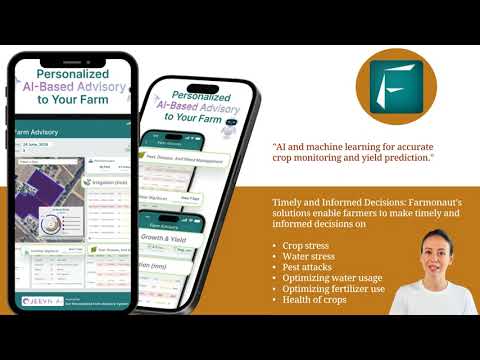
- AI-Based Advisory: Through Jeevn AI, users receive real-time, field-specific recommendations for crop care, pest management, and harvest timing to boost fiber quality and profitability.
- Blockchain Traceability: Our blockchain solutions ensure every stage of the cotton supply chain is tracked for transparency and authenticity.
- Resource & Fleet Management: Advanced tools optimize agricultural machinery and transport logistics, reducing operational costs—essential during the rushed cotton harvest season.
- API Access: For agribusinesses and developers, our satellite and weather data APIs enable direct integration into their existing farm management systems. Read the API developer docs to explore advanced capabilities.
Farmonaut’s modular platform is designed for scalability, serving everyone from individual cotton farmers to large agribusinesses and government extension projects.
Want to try Farmonaut’s advanced precision agriculture tools? Get started now via Android, iOS, or browser.
Frequently Asked Questions (FAQ)
Conclusion: Optimizing Cotton Yield and Profitability
When is cotton harvested? The answer is complex and deeply regional, shaped by climate, technology, economics, and evolving agricultural practices. By understanding and optimizing the five key yield factors—timing, climate, pest management, variety selection, and harvest methods—producers and professionals can achieve superior results in terms of both fiber quality and profitability.
Leveraging modern technologies and data-driven insights—such as those offered by Farmonaut—has never been more essential. Real-time monitoring, advanced advisories, supply chain traceability, and smart logistics dramatically improve the efficiency and sustainability of cotton harvesting.
As the industry progresses, the ability to adapt quickly to shifting conditions and market demands will distinguish leading producers. We encourage cotton stakeholders to continually educate themselves on local and regional best practices, keep abreast of the latest technology, and place value on timely, informed decision-making at every phase of the harvest cycle.
Whether you’re planning for the harvest season in Texas, Georgia, California, or beyond—remember: the right knowledge and tools are your key to achieving optimal cotton yield and thriving in the marketplace.

 Qzense Labs
 Kubota
 FFBS
FFBS Jontra
 Kalustyan
 Tucor
Tucor Geno
Geno Hayleys Agriculture
 Linx Agritech
 Adinet
 Save Your Soils
 Grandstream Algérie
 XOS Realty
 Geospatial Lab Africa
 Agro La Gándara
