

Curly Willow Branches: 7 Sustainable Farming Uses for 2026 and Beyond
Summary: Curly Willow Branches as a Versatile Resource in Modern Agriculture and Horticulture
Curly willow branches, derived from the Salix matsudana ‘Tortuosa’ and Salix babylonica species, are gaining prominence as a vital multipurpose resource within modern agriculture and horticulture for 2026 and beyond. Once admired solely for their distinctive twisted appearance and role in ornamental design, these branches are now recognized for their far-reaching applications in sustainable systems—from soil conservation to natural trellising, erosion control, and beyond.
Their versatility, rapid growth, and unique physical properties make curly willow a leading solution for eco-friendly farming practices, land rehabilitation, and the integration of renewable resources in the global shift toward sustainable agricultural industries.



Botanical Characteristics and Cultivation of Curly Willow in Agriculture
The curly willow tree stands out within the Salix genus for its unique, gnarled, and spiraled branches. Botanically, Salix matsudana ‘Tortuosa’ and Salix babylonica are renowned for their:
- ✔ Rapid growth rates: Achieving mature height in just 3-5 years.
- ✔ Resilience: Withstanding floods, poor soils, and temperature swings common in temperate zones worldwide.
- ✔ Adaptability: Thriving in marginal lands often overlooked by conventional farming, and aiding in the rehabilitation of degraded fields.
- ✔ Distinctive physical properties: Their naturally twisted, spiral shapes create both decorative and practical branches ideal for sustainable systems.
- ✔ Straightforward propagation: Rooted cuttings mature rapidly, making cultivation easy even for smallholders and new farmers.
How Curly Willow Is Grown and Managed on Modern Farms
Curly willow can be established with cuttings taken during dormant seasons:
- Cuttings (20–40cm long) are harvested from healthy trees.
- Stakes are planted directly into moist soil at the start of spring.
- The rapid rooting rate ensures vigorous growth and high survival.
- Once established, the branches are harvested annually or biannually without harming the tree, offering farmers steady additional income streams.
This low-input cultivation method is scalable within agroforestry systems, where curly willow is integrated alongside traditional crops, enhancing overall farm biodiversity, resilience, and environmental performance.
Curly willow can be rooted in virtually any soil type, making it ideal for agricultural regions in Asia, Europe, and North America struggling with soil degradation.
Curly Willow Branches: 7 Sustainable Farming Applications in 2026
Let’s explore the seven most impactful and sustainable uses of curly willow branches within agriculture and horticulture. These uses highlight curly willow’s versatility, its role in supporting environmental aims, and the direct benefits—environmental, economic, and practical—available to modern farmers and land managers.
- Soil Conservation & Erosion Control
- Natural Trellising Systems
- Ornamental and Horticultural Applications
- Windbreaks & Buffer Strips
- Composting & Soil Amendment
- Habitat Creation & Biodiversity Enhancement
- Bioenergy & Renewable Biomass Production
1. Soil Conservation & Erosion Control
Curly willow branches are integral to soil conservation strategies. When planted along waterways, field borders, or sloped landscapes, the robust root systems and dense, interconnected branches:
- ✔ Stabilize soil on banks and slopes, preventing erosion and nutrient loss.
- ✔ Filter agricultural runoff, improving water quality downstream.
- ✔ Support conservation agriculture by tackling soil degradation common in intensive farming areas.
Their rapid growth and ability to thrive in marginal lands mean curly willow can quickly rehabilitate degraded areas overlooked by conventional restoration practices.

2. Natural Trellising Systems
Traditionally, vineyards and orchards relied on synthetic stakes and trellises, leading to increased plastic waste. In 2026, curly willow branches are often used to create natural trellising systems that:
- ✔ Biodegrade naturally, eliminating persistent plastic waste from the field.
- ✔ Offer unique flexibility and durability for supporting grape vines, tomatoes, beans, and climbing vegetables.
- ✔ Reduce costs as willow stakes are harvested and reused seasonally, and do not require expensive processing.
- ✔ Support organic & regenerative certification by using 100% natural materials.
These qualities make curly willow trellising ideal for vines, orchards, and vegetable gardens, promoting more sustainable growing practices.

Stakes and woven willow trellises should be replaced every 2–3 years for optimal plant support and sustainability in modern horticulture.
3. Ornamental and Horticultural Applications
Curly willow’s distinctive twisted and gnarled appearance makes it a staple in the ornamental industry:
- ✔ Highly favored by florists for floral design and arrangement.
- ✔ Sculptural and landscape design; branches serve as components of visually striking garden features.
- ✔ Used in living structures like arbours, gazebos, and green fences within gardens.
- ✔ Woven art and crafts: Essential for artisan products and decorative arrangements.
Nurseries and garden centers worldwide stock curly willow cuttings during each pruning season to meet soaring ornamental demand.

4. Windbreaks & Buffer Strips
The rapid growth and dense branching of curly willow make it an ideal living windbreak. Strategically planted rows:
- ✔ Protect fields from wind erosion and moisture loss.
- ✔ Act as buffer strips for field borders, filtering dust and pollutants.
- ✔ Enhance microclimate, resulting in improved crop yields in exposed agricultural zones.
Windbreak systems are especially valuable in rural and marginal lands where conventional wind fencing is ineffective or cost-prohibitive.

5. Composting & Soil Amendment
When branches or pruned material become surplus, they are a valuable input for on-farm composting. Willow biomass:
- ✔ Improves compost structure due to its high carbon-to-nitrogen ratio.
- ✔ Adds phytonutrients that boost soil microbial health.
- ✔ Stimulates rooting in cuttings and new plantings due to the natural auxins in willow tissue.
Integrating curly willow prunings into farm compost supports the closed-loop nutrient cycling crucial for sustainability in organic and regenerative agriculture.
Over-chipping willow branches can lead to excessively fine compost; mix with coarser material for proper aeration and faster decomposition.
6. Habitat Creation & Biodiversity Enhancement
Curly willow supports biodiversity as its dense canopies and moist rooting zones offer habitats vital to:
- ✔ Beneficial insects including pollinators and natural pest predators.
- ✔ Birds and amphibians nesting or sheltering in riparian strips.
- ✔ Microbial diversity required for healthy soil ecosystems.
Planting hedges, thickets, and buffer corridors using willow cultivars enriches the ecological value of farms while also enhancing pollination for adjacent crops.

7. Bioenergy & Renewable Biomass Production
Curly willow is a leading candidate for bioenergy and biomass projects aiming to deliver clean, renewable fuel:
- ✔ Branches are harvested yearly for chipping and direct combustion or conversion to biofuel.
- ✔ Short rotation coppice systems maximize the carbon sequestration and economic returns per hectare.
- ✔ Residents in rural zones use willow wood for heating and small-scale bioenergy plants, reducing fossil fuel dependency.
The integration of curly willow biomass into rural energy strategies aligns with global goals for renewable energy, carbon reduction, and sustainable land management.

Comparative Benefits Table: Curly Willow Branches in Modern Sustainable Agriculture
| Use / Application | Estimated Sustainability Impact | Annual Cost Savings (USD) | Environmental Benefit | Implementation Difficulty | Potential Yield Improvement (%) |
|---|---|---|---|---|---|
| Soil Conservation & Erosion Control | High | $140–$350/ha | ↓15% erosion | ↑25% soil moisture retention | Easy | 5–12% |
| Natural Trellising Systems | High | $200–$600/ha | ↓75% plastic waste | Medium | 8–15% |
| Ornamental & Horticultural Applications | Moderate | Varies (Sales +$500 annually for smallholders) | Supports ecosystem aesthetics and pollinators | Easy | N/A |
| Windbreaks & Buffer Strips | High | $120–$260/ha | ↑ 18% field moisture | ↓ wind speeds | Medium | 2–5% |
| Composting & Soil Amendment | Moderate | $60–$180/ha | ↑ organic matter | ↑ microbial diversity | Easy | 3–7% |
| Habitat Creation & Biodiversity Enhancement | High | Indirect | ↑ beneficial insects & wildlife | Easy | N/A |
| Bioenergy & Renewable Biomass | High | $250–$700/ha | ↓ fossil fuel use | ↑ on-farm energy independence | Medium | N/A |
Branches harvested from Salix matsudana ‘Tortuosa’ can yield both seasonal bioenergy feedstock and valuable ornamental exports, diversifying revenue streams for rural communities.
🌱 Sustainability Benefits of Curly Willow Branches:
- 🌎 Reduces synthetic & plastic waste in modern agriculture
- 💧 Enhances soil moisture and prevents erosion in contaminated or degraded fields
- 🔄 Supports renewable cycles with annual branch harvesting
- 🌾 Integrates seamlessly in agroforestry for diversified farming
- 🐦 Promotes biodiversity by providing complex habitats within farmlands
Environmental and Economic Benefits of Curly Willow in Sustainable Farming Systems
Adoption of curly willow branches in agricultural systems is not just environmentally friendly—it’s economically rational. Here’s why curly willow continues to gain ground:
- ✔ Environmental Impact: Rapid biomass production sequesters carbon, oxygenates microenvironments, and benefits soil microbial health.
- ✔ Economic Value: Annual harvesting enables a perpetual supply of marketable branches for florists, crafts, and construction.
- ✔ Agroecological Integration: Fits within traditional, regenerative, and modern precision agriculture paradigms—offering resilience and risk mitigation in a changing climate landscape.
Farmers globally are now leveraging new platforms to manage, monitor, and monetize their willow resources. For example:
- ✔ Blockchain traceability services can verify the sustainable sourcing of curly willow, supporting consumer trust in the ornamental and horticultural markets.
Learn about Farmonaut’s traceability platform here. - ✔ Carbon footprinting tools assign value to carbon credits earned through willow’s rapid sequestration.
Monitor your carbon impact with Farmonaut’s crop carbon footprinting system. - ✔ Remote monitoring & resource management apps allow real-time soil and crop health assessment in willow plantations, right from a smartphone or PC.
Explore our large-scale farm management solutions.
Integrating curly willow in diversified agroforestry systems has been shown to reduce input costs by up to 11% annually while increasing landscape resilience to climate shocks.
💵 Key Economic Streams from Curly Willow:
- 🌳 Sale of cut branches to florists and garden centers
- 🔥 Supply to local bioenergy facilities or rural homes
- 🛡️ Fee for ecosystem services (carbon credits, water purification)
- 🪵 Craft and construction materials (woven fences, art pieces)
- 🛒 Market premiums for certified sustainable materials
Challenges, Future Perspectives & Sustainable Innovation in Curly Willow Systems
Despite the versatility and wide-ranging benefits of curly willow branches, widespread adoption in agriculture faces a set of challenges:
- ⚠ Pest and Disease Management: Susceptibility to willow beetles and fungal cankers can reduce vigor; integrated pest management (IPM) and disease-resistant cultivars are needed for sustained productivity.
- ⚠ Waterlogging Sensitivity: While resilient, some soils may foster root rot; site assessment remains crucial.
- ⚠ Market Volatility: Demand for ornamental branches may fluctuate; diversification with energy and ecological service markets balances risk.
Planting willow varieties in arid climates without supplementary irrigation can result in poor establishment and reduced survival rates. Always match species to local climate!
Looking beyond 2026, technological innovation and ongoing research will refine the use of curly willow biomass in sustainable agriculture. Approaches such as precision monitoring, selective breeding for disease tolerance, and the expansion of blockchain-backed traceability will continue to increase the value and impact of willow systems.
For farmers and land managers, embracing curly willow as a key resource is now easier than ever. With a diverse array of tools and intelligence platforms at our disposal, we can now actively monitor the health of willow stands, assess soil and watershed impacts, and calculate sustainability returns.
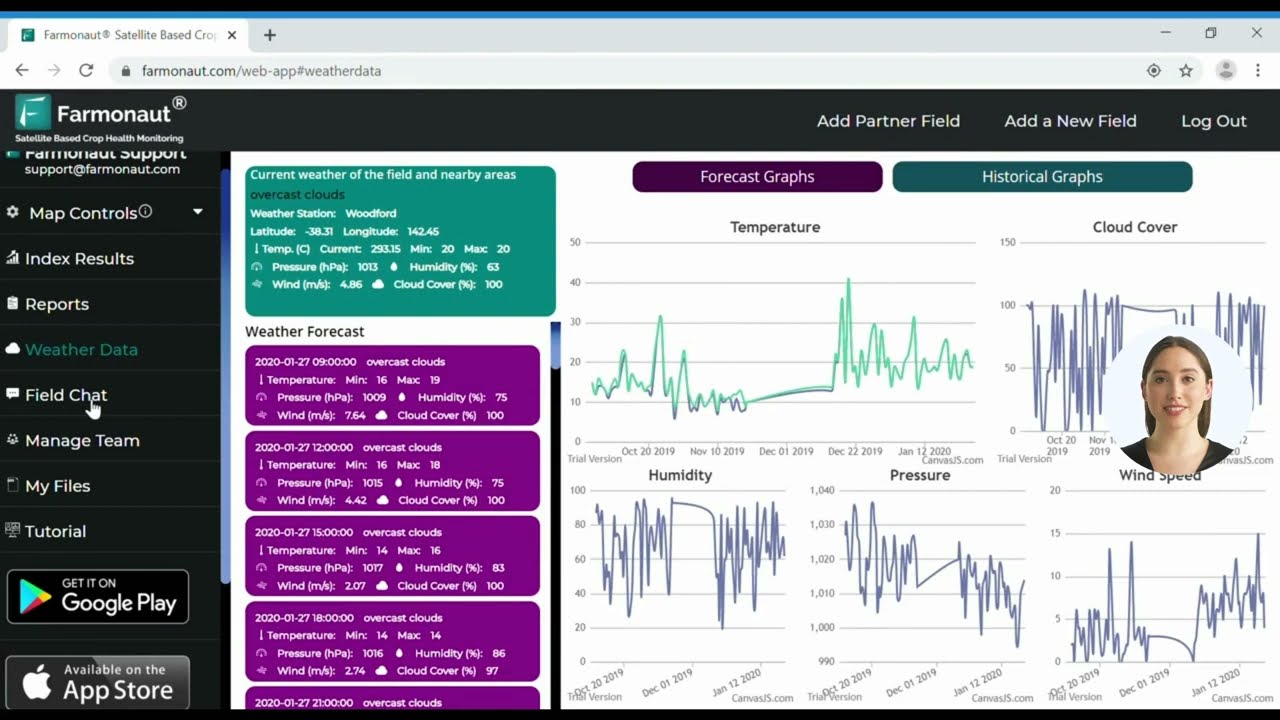
How Farmonaut Empowers Sustainable Willow Branch Integration
At Farmonaut, we recognize that integrating curly willow branches and other renewable resources in agriculture is fundamental to the future of food security and environmental stewardship. Our satellite monitoring and AI-based solutions uniquely support:
- ✔ Real-time soil health and biomass assessment: Monitor willow plantation vigor, soil moisture, and carbon content from your mobile or web dashboard.
- ✔ AI-driven land management advice: Receive tailored guidance for species selection, pest alerts, and yield optimization powered by advanced machine learning.
- ✔ Blockchain traceability for market value: Verify and document the sustainability credentials of willow-derived products in supply chains.
Understand product traceability with Farmonaut here. - ✔ Environmental impact tracking: Quantify carbon footprint mitigation and ecosystem service benefits from willow system adoption.
Calculate your farm’s carbon footprint. - ✔ Fleet management and resource tracking for large estates, ensuring efficient branch harvesting and logistics.
See how our fleet management optimizes operations.
Our real-time satellite monitoring solutions can pinpoint both willow stand vigor and land areas most susceptible to erosion, empowering data-driven conservation planning for your farm.
Want to integrate willow intelligence into your agribusiness?
Access satellite data, resource maps, and blockchain records via our public API or review our API developer documentation.
Five Key Takeaways About Curly Willow Branches for Sustainable Farmers:
- ✔ Low-input, rapid-growth crop for diversified income in 2026 and beyond.
- 🌎 Direct reduction in plastic use and on-farm carbon footprint.
- 🌿 Exceptional for land rehabilitation and supporting biodiversity.
- 🔒 Enables traceable, eco-certified products for emerging green markets.
- 📈 Compatible with digital and precision agriculture technologies for all farm sizes.
Many governments are now incentivizing the use of willow-based erosion control and rural bioenergy as part of climate change adaptation strategies. Explore funding options for willow system expansion in your region.
🌿 Most Common Real-World Uses for Curly Willow Branches
- ✔ Natural trellising in organic vineyards, reducing plastic infrastructure needs
- ✔ On-farm compost enrichment for improved soil fertility
- ✔ Ornamental materials for florists and designers globally
- ✔ Windbreak planting along field borders to protect open cropland
- ✔ Biomass harvest as a renewable heating and energy source
Willow buffer strips are increasingly required in riparian zones to retain nutrients and reduce agricultural pollution. Check compliance guidelines in your locale before planting.
Frequently Asked Questions (FAQ)
-
Q: What makes curly willow branches more sustainable than synthetic materials?
A: Curly willow branches grow rapidly, are harvested renewably, and biodegrade naturally—eliminating long-term pollution and supporting closed-loop farming systems. -
Q: Can curly willow be grown alongside traditional farm crops?
A: Yes. Through agroforestry, willow trees integrate with grains and vegetables to reduce wind stress, aid soil conservation, and provide additional revenue streams. -
Q: Are curly willow branches suitable for ornamental use year-round?
A: Yes! Their unique appearance is prized in floristry through all seasons, and well-managed plantations provide regular harvests regardless of climate zone. -
Q: What digital tools can I use to monitor willow plantations for sustainability?
A: You can use Farmonaut’s satellite monitoring platform for real-time soil health, biomass assessment, and environmental compliance tracking—available on all major devices. -
Q: How do curly willow branches contribute to biodiversity?
A: Their dense foliage and moisture-rich roots create ideal habitats for beneficial organisms, support pollinators, and enhance overall farm ecosystem health. -
Q: Is professional support available for integrating willow in large-scale farm management?
A: Yes. Farmonaut’s large-scale farm management solutions provide advisory tools, fleet and resource management, and environmental reporting: Read more here.
Willow cuttings root best when planted early spring in moist, well-aerated soils—ensure regular watering during the establishment phase for maximum survival rates!
Conclusion: Curly Willow Branches Anchoring Sustainable Agriculture for the Future
In 2026 and beyond, curly willow branches have solidified their status as an invaluable, versatile resource—encompassing soil conservation, natural support structures, land rehabilitation, renewable energy feedstock, and added ornamental value within farming and horticultural landscapes. Their rapid growth, unique properties, and innate sustainability meet the most pressing environmental and economic needs facing the global agriculture sector.
Leveraging advanced agroforestry and digital intelligence tools unlocks even greater potential for willow’s contribution to resilience, profitability, and ecosystem stewardship. With innovative monitoring platforms, farm managers and growers can confidently integrate willow in ways that drive positive sustainability outcomes for the planet, rural communities, and generations to come.

 KhetiBuddy
 Agro La Gándara
 Global Agrifood
 HIPSAC
 ZOL Zimbabwe
 Juligerm
 AdBio
AdBio MISE Maroc
 NWNS
NWNS Red August Group
 Farm Inc
 WeMe Global
 Agrotoken
 Blue BearX
 Insignito
 Croptimum
 DnCubed
 Field Capacity
 Indosistim Teknologi
