

Hickory Trees: Vital Sustainable Forestry Benefits for 2026
Table of Contents
- Hickory Trees in Modern Forestry & Agriculture (Overview)
- Trivia: Vital Data on Hickory Forests
- Ecological Significance and Habitat
- Comparative Benefits Table: Hickory vs. Other Forestry Trees
- Sustainable Forestry with Hickory Trees
- Hickory in Agriculture and Agroforestry Systems
- Economic and Industrial Uses of Hickory
- Challenges and Conservation Efforts
- Future Outlook: Hickory’s Role in 2026 and Beyond
- Satellite and Data Tools for Sustainable Forestry
- Frequently Asked Questions
- Conclusion: Hickory’s Vital Legacy
“Hickory forests can sequester up to 8 tons of CO2 per hectare annually, supporting climate targets for 2026.”
Hickory Trees in Modern Forestry & Agriculture: An Overview
Hickory trees, belonging to the genus Carya, hold a significant place in contemporary forestry and agriculture due to their ecological, economic, and cultural value. As we approach 2026 and the world’s demand for sustainable solutions grows, these resilient hardwood species continue to prove pivotal in sustainable forestry management, agroforestry systems, and the creation of specialty products. Their ability to align with the increasing emphasis on renewable and locally sourced materials make them a cornerstone of modern land management and forest stewardship.
From their deep roots that stabilize soil and prevent erosion to their role in providing food and habitat for wildlife, hickory trees exemplify the integrated approach we must take for climate resilience, carbon sequestration, and sustainable resource use. Their unique combination of hardwood durability and contribution to carbon sinks position hickory as both environmentally significant and economically valuable.
With climate-smart forestry practices on the rise, integrating hickory into management plans boosts both sustainability and resilience — vital for 2026 and beyond.

Ecological Significance and Habitat of Hickory Trees
Hickory trees primarily thrive in the temperate regions of North America and parts of East Asia, flourishing in mixed hardwood forests. Their deep root systems help stabilize soil and play a crucial function in preventing erosion—contributing to maintaining watershed health and soil fertility.
The ecological value of the genus Carya extends beyond soil stabilization. These trees also contribute to biodiversity by providing habitat and food sources for numerous wildlife species. In particular, their nutrient-rich nuts are a vital food source for squirrels, birds, and mammals, playing a key role in temperate forest food webs.
- 🌳 Soil stabilization: Deep roots prevent erosion and maintain fertility
- 🦉 Biodiversity support: Provide crucial habitat for over 200 wildlife species
- 🌰 Nutrition: Nuts serve as a food source for squirrels and birds
- 🌲 Mixed forests: Flourish alongside oaks and maples, enhancing diversity
- 💧 Watershed protection: Help maintain healthy water cycles in forest systems
“Over 200 wildlife species depend on hickory trees, greatly enhancing biodiversity in sustainable forestry systems.”
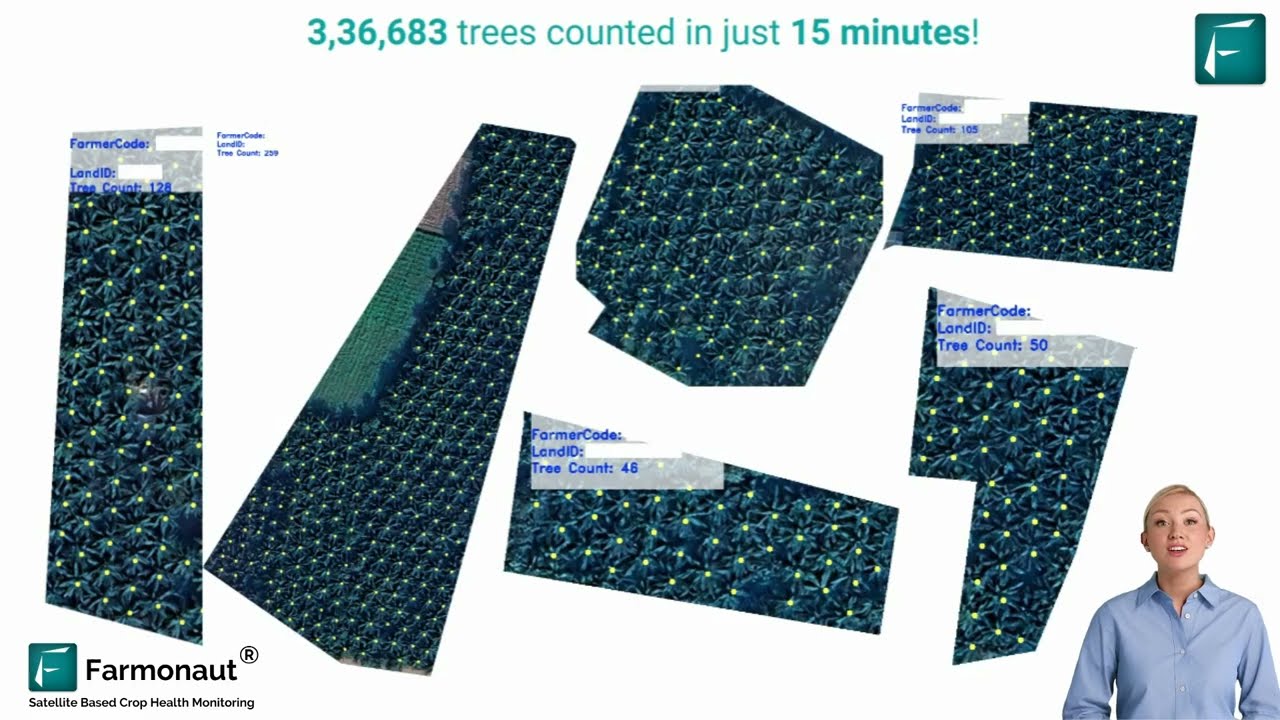
Hickory trees in North America are ranked among the top five native trees for supporting forest food webs and biodiversity, crucial for resilient ecosystems in 2026 and beyond.
When planning mixed forests or agroforestry in the temperate regions of North America, consider the integrated roles hickory trees play—supporting both wildlife and long-term soil health.
Comparative Benefits Table: Hickory vs. Other Forestry Trees
| Tree Species | Carbon Sequestration (tons CO₂/acre/year, est.) |
Biodiversity Supported (species count, est.) |
Lifespan (years) | Contribution to Renewable Resources |
|---|---|---|---|---|
| Hickory (Carya spp.) | 3.5–4.2 | 200+ | 200–300 | High |
| Oak (Quercus spp.) | 2.7–3.8 | 300+ | 150–250 | High |
| Pine (Pinus spp.) | 1.4–2.1 | 100+ | 70–150 | Medium |
Note: Estimated values presented above are based on recent forestry research and projections for sustainable forestry trees comparison in the context of 2026. Lifespan may vary by species and local conditions.
Hickory’s high renewable resource rating and long lifespan make it a strategic asset for sustainable timber investment, providing stable returns in an era where climate regulation shapes markets.
- ✔️ High carbon sequestration: Supports climate goals
- 🌱 Biodiversity enhancer: Backbone of mixed hardwood forests
- 🌾 Renewable material supply: Durable and local hardwood
- ⚡ Versatile applications: Agriculture, infrastructure, and specialty products
- 🔒 Long lifespan: Maximizes ecosystem and economic output

Sustainable Forestry with Hickory Trees: Management for 2026 & Beyond
As 2026 draws near, forestry management is increasingly emphasizing the selective harvesting and regeneration of hardwoods like hickory to balance economic output with ecosystem preservation. Due to their slow growth and dense hardwood, hickories are durable and ideal for long-term management plans that prioritize sustainability and carbon sequestration.
The inherent natural resistance to decay exhibited by hickory wood positions these trees as valuable components in emerging, green infrastructure projects. Their use in outdoor decking, fencing, and playground equipment capitalizes on their longevity without requiring reliance on chemical treatments. This perfectly aligns with the growing demand for renewable, locally sourced materials, enhancing both environmental health and community resilience.
- 🌎 Sustainable yield: Selective harvesting preserves age diversity in forests
- 📈 Regeneration focus: Promotes resiliency and continual output
- 🔥 Wildfire resistance: Deep roots and hardwood minimize post-fire erosion
- 🚜 Minimal intervention: Reduces cost and mechanization requirements
- 💼 Value chain integration: Supports green infrastructure markets
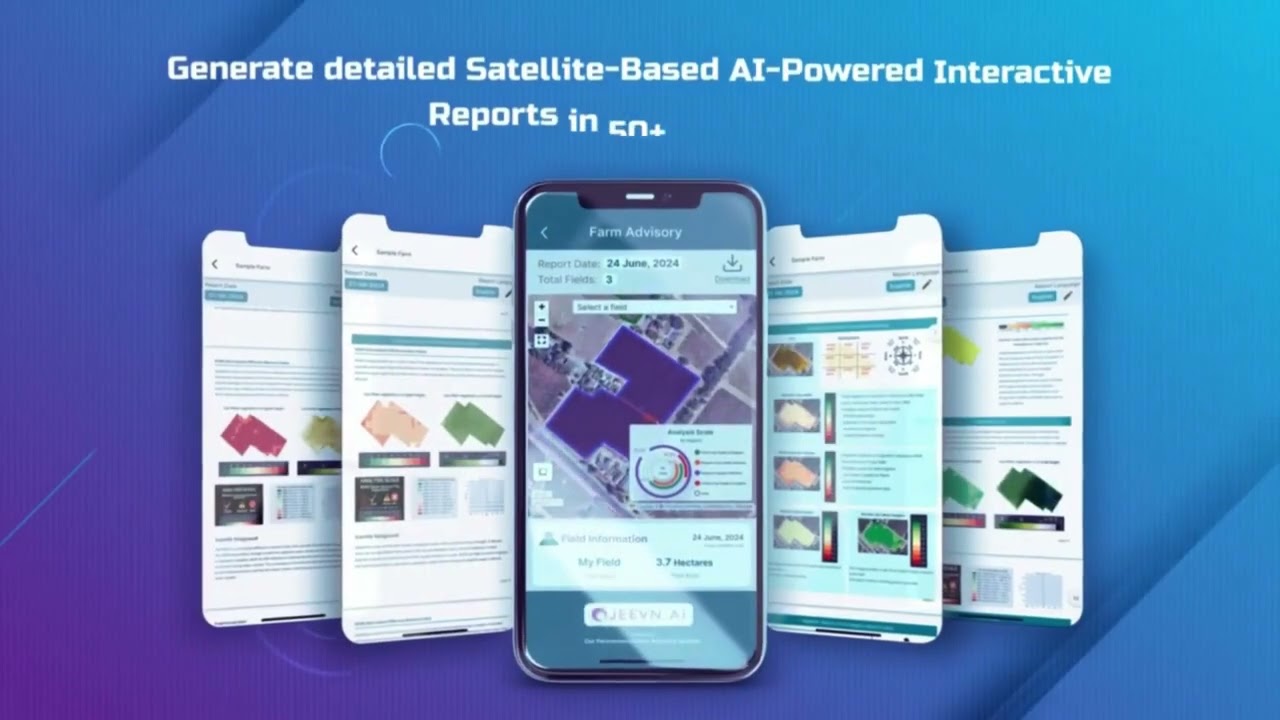
Neglecting soil and climate variation within hickory forests can hinder regeneration. Use adaptive management—monitoring soil, climate, and tree health with precision technology.
Hickory in Agriculture and Agroforestry Systems
The integration of hickory trees into agroforestry systems—where tree cultivation is combined with crops or livestock—is growing rapidly by 2026. Hickory’s mast (nuts) acts as a high-energy, supplemental feed for free-range pigs and poultry, supporting organic and regenerative agricultural models. Trees offer shade and windbreak benefits, improving microclimates for sensitive crops, reducing soil moisture loss, and protecting livestock. This kind of integrated land use maximizes land productivity and biodiversity while contributing to overall farm resilience against climate variability.
Agroforestry with hickory trees provides a unique opportunity for product diversification, even enabling the collection of nuts for specialty food markets and artisanal products.
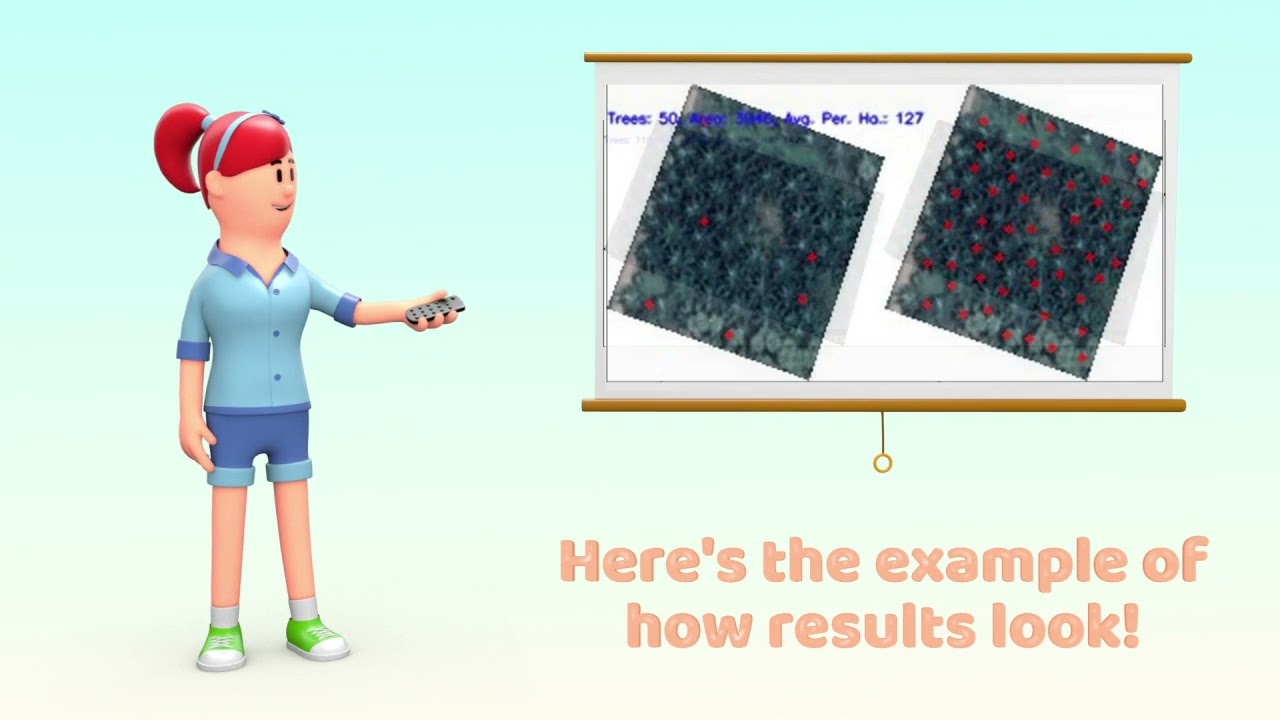
Incorporating hickory into agroforestry enhances carbon sequestration, boosts soil health, and diversifies income—for a truly sustainable and resilient farming future.
- 🐖 Supplemental livestock feed: Nuts for pigs, poultry, wildlife
- 🌤️ Microclimate moderation: Shade regulates temperature and moisture
- 💨 Windbreak effect: Protects crops and livestock from extremes
- 🥜 Specialty food opportunities: Edible nuts for gourmet markets
- 🌳 Soil enrichment: Supports regeneration and natural fertility



Try advanced agroforestry management with our Farmonaut platform—available on web, Android, and iOS—to monitor tree health, soil conditions, and carbon sequestration in real-time.

Economic and Industrial Uses of Hickory Trees
Hickory’s hardwood is renowned for its strength, hardness, and shock resistance, making it highly sought-after in various industrial and specialty product sectors. Strategic forestry management focuses on the domestic production of hickory timber, especially relevant as global supply chains become less predictable. The unique properties of hickory wood make it ideal for the manufacture of:
- 🛠️ Tool handles – for exceptional durability and shock absorption
- 🏠 Flooring & cabinetry – highly valued in premium construction
- 🏏 Sporting goods – notably baseball bats and golf club shafts
- 🔥 Fuel for smoking & grilling – slow-burning, flavorful hardwood for the food industry
- 🧩 Artisanal products – locally sourced, culturally significant wood crafts
The longevity and natural resistance of hickory wood allow manufacturers to avoid chemical treatments, aligning with eco-friendly markets and consumer preferences. As 2026 approaches, locally sourced renewable materials are set to command higher premiums, and hickory is poised as a vital resource in this shift towards sustainability and provenance.
Economic value is also realized through specialty byproducts like wood chips for barbecue smoking, and nuts for high-value food and oil products, deepening the income stream from both timber and non-timber forest products.
- 💲 Increasing timber demand for high-quality, domestic hardwood
- 📦 Resilient supply chains through local sourcing
- 🌟 Specialty food market for gourmet nuts and oils
- 🛡️ Green infrastructure projects preferring decay-resistant wood
- 🪵 Artisan woodworking sustaining cultural crafts
For green certifications or specialty export markets, ensure traceability of your hickory wood products using tools like Farmonaut’s Satellite-Enabled Product Traceability System.
Challenges and Conservation Efforts: Managing Hickory Species for Sustainability
Maintaining sustainable populations of hickory faces multiple challenges. Habitat fragmentation, invasive pests like the hickory bark beetle, and diseases exacerbated by climate change threaten both the health and genetic diversity of genus Carya. With environment-driven threats intensifying through the decade, sustainable management is critical for ongoing preservation.
Recent advances in silvicultural practices and breeding programs focus on developing pest-resistant hickory strains. Meanwhile, active reforestation initiatives and integrated landscape restoration aim to recover hickory populations in degraded habitats. Technology now plays a crucial part, with satellite-based monitoring and AI analytics available for forestry stakeholders who need real-time data on threats and recovery progress.
- 🔬 Pest-resistant breeding programs
- 🌲 Reforestation in historical habitats
- 🛰️ Satellite-driven landscape monitoring
- 🧬 Genetic diversity mapping
- 💧 Watershed restoration alignment

Utilize advanced carbon footprint monitoring to track sequestration rates, enabling adaptive management for long-term hickory health.
Future Outlook: Hickory’s Expanding Role in Resilient Land Systems (2026+)
As the global priority shifts to more sustainable and regenerative land use, hickory trees are expected to play an even greater role in shaping resilient, productive forests and agricultural systems by 2026 and beyond. Their capacity for carbon sequestration fits directly with climate mitigation goals, while their inherent versatility supports robust multi-strata land use approaches. Ongoing research in wood processing technologies and agroforestry techniques will further expand the applications and economic viability of hickory, ensuring its status as a cornerstone species for integrated management strategies.
Renewable materials markets will increasingly value traceable, locally sourced, and durable hardwoods. Sustainable forestry policies and advanced digital solutions—such as real-time monitoring, AI-based advisories, and blockchain-based verification—are becoming central to stewardship and investment, empowering land managers to make data-driven decisions that support both the environment and rural economies.
Farmonaut’s satellite-based solutions deliver impactful insights for these new land stewardship models, enabling adaptive management and supporting resource resilience.
In 2026, stakeholders in forestry and agriculture will benefit the most from blending traditional knowledge with satellite, AI, and blockchain-backed tools—championing resilient, productive hickory forests.
Satellite and Data Tools for Sustainable Forestry: How Farmonaut Enhances Hickory Management
With the modern push toward regenerative agriculture and sustainable forestry management, leveraging advanced monitoring and analytical platforms is more vital than ever. At Farmonaut, we empower stakeholders in agriculture, forestry, and land management to make smarter decisions using cost-effective, satellite-driven technology.
Key Farmonaut capabilities for hickory forestry and agroforestry:
- 🛰️ Satellite-Based Monitoring: Real-time insights on forest condition, soil moisture, erosion risks, and regenerative progress
- 🤖 AI-Powered Advisory with Jeevn AI: Custom guidance for planting, harvesting, and habitat enrichment—vital for hickory sustainability
- 🔗 Blockchain Traceability: Verified supply chains for high-value timber and specialty hickory food products (Explore: Farmonaut Traceability)
- 📈 Carbon Sequestration Tracking: Monitor, measure, and report carbon storage for compliance and sustainability goals (Farmonaut Carbon Footprinting Solutions)
- 🛡️ Risk & Resource Management: Environmental alerts, pest and disease monitoring, and resource optimization for maximized productivity
Our subscription options are tailored for everyone from individual landowners to large-scale forestry managers and government agencies. Deploy satellite-based technology to monitor tree crop health, detect stress, and quantify carbon benefits across your land holdings—affordably and at scale.
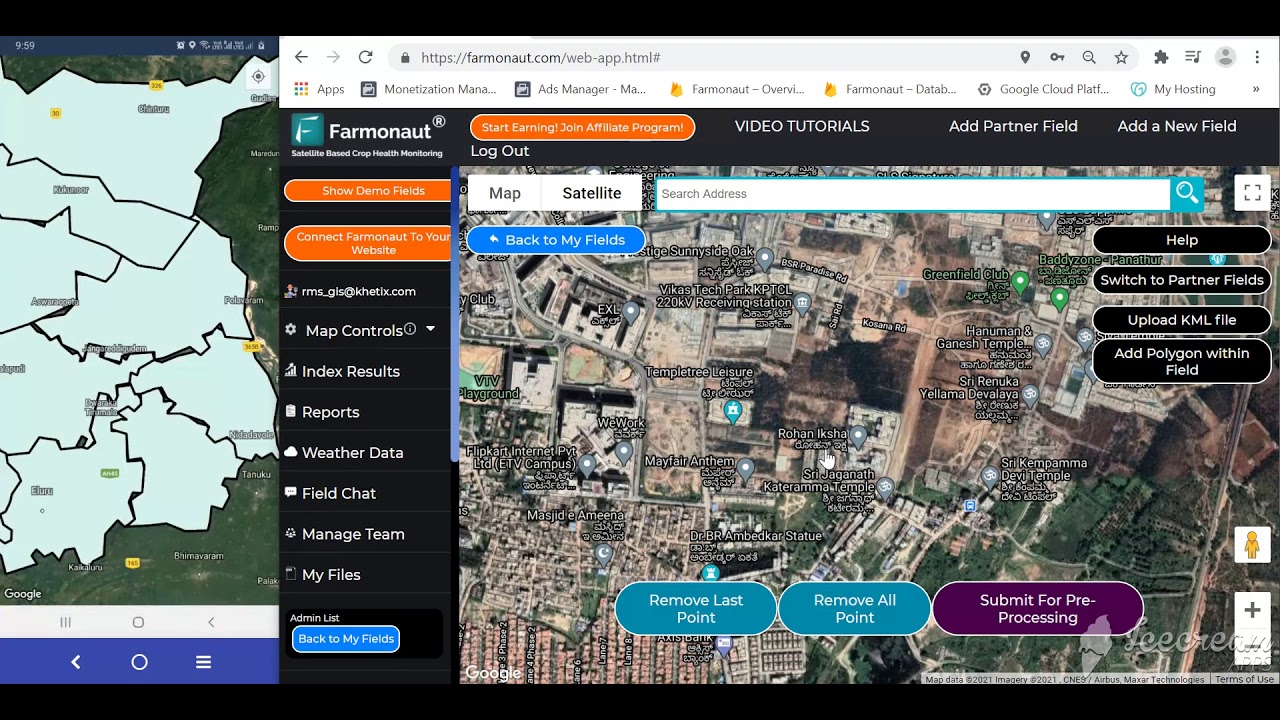
Want to automate large-scale farm and forestry management? Explore our solutions at Farmonaut Large Scale Farm Management for integrated monitoring, fleet tracking, and compliance.
For comprehensive data integration, developers and businesses can access our robust API (with documentation at API Developer Docs) so farm and forestry insights can plug directly into custom dashboards or enterprise systems.
Farmonaut empowers you to:
- 🚀 Boost traceability for specialty hickory food and wood products
- 📑 Simplify insurance & loan verification: Use our Crop Loan & Insurance Platform for rapid, real-time risk assessment
- 🌳 Optimize plantation projects: Harness our Crop Plantation & Forest Advisory App
- 🚚 Streamline forestry logistics: Our Fleet & Resource Management tool enhances operational efficiency
Farmonaut’s platform integrates AI-driven tree detection and health scoring so you can map, track, and optimize hickory stands—even for investors, insurers, or conservation planning.
Frequently Asked Questions
What makes hickory trees so vital for sustainable forestry?
Hickory trees blend exceptional carbon sequestration, soil stabilization, and biodiversity support. Their durable hardwood and resistance to decay position them as top candidates for renewable, local forestry materials—crucial for sustainability by 2026.
How do hickory trees compare to oaks or pines?
Hickories typically offer higher lifespan, robust biodiversity support, and stronger, denser wood compared to pines, and are comparable to oaks for carbon sequestration and renewable materials, though oaks may edge ahead in total species supported.
How can landowners monitor hickory forests more effectively?
Satellite-based platforms like Farmonaut allow users to monitor forest health, soil moisture, and regeneration progress in real-time—minimizing risk and amplifying outcomes in forestry management.
What are the main threats to hickory’s ecological role?
The main threats are habitat loss, climate change-induced stress, pests (like the hickory bark beetle), and genetic erosion. Conservation programs and digital monitoring help address these issues strategically.
Is hickory suitable for agroforestry and regenerative agriculture?
Absolutely. Hickory integrates well with crops and livestock, enhances soil health, provides shade, and generates valuable products (nuts and wood), making it highly relevant in regenerative and sustainable agricultural systems.
Conclusion: Hickory’s Vital Legacy for Modern Land Management
Hickory trees are more than just another species in the forest—they are a vital natural resource for sustainable forestry, agriculture, and local economies. By delivering robust carbon sequestration, enhancing biodiversity, providing habitat and food sources, and supplying durable, renewable hardwood, hickory stands at the center of contemporary sustainability efforts.
As our focus shifts to climate resilience, renewable materials, and regenerative systems in 2026 and beyond, integrating the strengths of hickory trees into both forestry and agroforestry is critical. Harnessing advanced digital tools, like those we offer at Farmonaut, ensures these iconic trees continue to play a pivotal role in land management strategies—yielding both immediate economic value and long-term ecological stability.
Let’s make hickory’s legacy one of resilience, resourcefulness, and regeneration for the forests and farms of tomorrow.
- ✅ Hickory trees excel in carbon sequestration, critical for future climate goals.
- 🐿️ They underpin biodiversity, supporting over 200 wildlife species.
- 🌾 Integration in agroforestry systems enhances productivity and resilience.
- 🪵 Durable, renewable hardwood serves sustainable industry needs.
- 📡 Platforms like Farmonaut make sustainable management accessible and data-driven.

 Doodlakine
 Nale Network
 Exurbia Geospatial
 FieldZero
 Indico Company
 Kubota
 FFBS
FFBS Jontra
 Kalustyan
 Tucor
Tucor Geno
Geno Hayleys Agriculture
 Linx Agritech
 Adinet
