

Dairy Farming Challenges and Solutions: Top 7 Strategies for 2025 & Beyond
“By 2025, precision nutrition can boost dairy herd productivity by up to 15% through data-driven feed management.”



Dairy farming stands at a crossroads. As we move into 2025 and beyond, dairy farming challenges and solutions evolve rapidly—demanding smarter, technology-driven, and integrated approaches to manage complex issues across nutrition, herd health, sustainability, and economics. Modern dairy farming is not just about maximizing milk output, but about efficiently managing labor, minimizing waste, ensuring animal welfare, navigating volatile markets, and mitigating environmental impacts. This comprehensive guide uncovers the top 7 strategies to overcome the converging set of challenges in dairy farming, delivering practical, future-ready solutions for producers and stakeholders in the ever-evolving dairy industry.
Summary: The New Era of Dairy Farming Challenges and Solutions
In the world of dairy farming, success is more complex than ever. Feed and nutrition sit at the core, where rising costs, volatile forage quality, and the need for precision test both finances and performance. Milk yield is no longer the sole metric; sustainable production, high-quality milk components, and animal welfare now matter most. The health of dairy cows, measured in reproductive efficiency, metabolic stability, and lifetime productivity, is under constant stress from heat, disease, and market pressures. Disease management, biosecurity protocols, and herd monitoring must be robust and proactive. The demanding intersection of environmental stewardship and economic viability makes innovation in automation, data, and resource management not just desirable—but essential.
We see this period as a transformative opportunity: Integrated strategies must leverage precision technologies, real-time data, and sustainable practices to empower farmers for 2026 and beyond. The following seven strategies provide the blueprint.

Dairy Farming Challenges and Solutions: The Landscape for 2025
Dairy farming challenges in 2025 are both dynamic and multifactorial, including:
- Volatile input costs and market pressures
- Persistent labor shortages amplifying the demand for automation
- Rising environmental regulations targeting emissions, nutrient management, and water use
- Increasing consumer expectations for milk quality, animal welfare, and traceability
- Challenges in maintaining optimal herd health, reproduction, and long-term productivity
- Necessity of robust biosecurity protocols to counter disease risks
- Growing necessity to leverage precise, data-driven solutions for sustainable growth
Each challenge is paired with practical, technology-driven interventions designed to maximize productivity, profitability, and efficiency while ensuring holistic welfare and sustainability.
- ✔ Precision Nutrition to combat volatile feed quality and maximize output
- ⚠ Robust Systems for real-time herd and disease monitoring
- 📊 Data Insights to guide reproductive interventions and reduce metabolic disorders
- 🔄 Automation to reduce labor dependency and improve consistency
- 🌱 Sustainable Practices for environmental stewardship and regulatory compliance
Strategy 1: Data-Driven Feed & Precision Nutrition
At the core of the dairy farming challenges and solutions discussion lies feed and nutrition. Not only is feed the single largest expense (accounting for up to 60% of total dairy operation costs), it is also the most powerful lever for improving output, health, and sustainability. In 2025, optimizing this area requires a precision nutrition mindset—leveraging on-farm data, forage analytics, and automated ration formulation to maximize energy efficiency, reduce waste and sharpen profit margins.
Key Dairy Farming Challenges
- Rising input costs (especially protein, energy, and mineral supplements) that strain budgets
- Volatile forage quality across different harvests, growing seasons, and silage preservation methods
- Imprecise rations increasing metabolic disorder risk (ketosis, acidosis) and diminishing milk components
- Feed waste through spoilage or overfeeding, harming both economics and environmental sustainability
Precision Nutrition Solutions
- Adopt forage testing regimes—using near-IR or laboratory analysis for protein, fiber, and mineral content
- Implement precision feed mixers and automated feeders to deliver consistent rations
- Utilize smart supplements and targeted additives (like buffers, anti-bloat agents, or probiotics) to reduce disorder risks
- Preserve silage and haylage at optimal moisture levels using modern inoculants, sealing methods, and rapid ensiling
- Use AI platforms for dynamic ration balancing, accounting for real-time milk production data
Need advanced, real-time crop monitoring for your on-farm forage optimization? Check out Farmonaut’s API for integrating satellite-based insights into your feed management systems.

Strategy 2: Enhanced Milk Quality & Udder Health
Quality milk yields better prices—however, securing consistent quality means managing udder health, reducing mastitis risk, and keeping somatic cell counts (SCC) low. Managing equipment hygiene, milking protocols, and integrating sensor-driven data platforms are the foundation of future-proofed milk quality management.
Key Dairy Farming Challenges
- Elevated mastitis rates due to suboptimal udder hygiene or inadequate maintenance routines
- High somatic cell counts reflecting underlying health and production problems
- Inconsistent milking schedules leading to stress and reduced yield
- Poor milking machine function contributing to teat damage and bacterial loading
Actionable Solutions for Improved Milk Output
- Upgrade to automated milking systems for consistency, reduced labor, and records on milking sessions
- Enforce strict pre- and post-dip protocols to prevent infection and control SCC
- Perform routine equipment maintenance and calibration to safeguard against machine-induced mastitis
- Adopt real-time SCC monitoring technologies that alert managers to early warning signs
- Work with veterinarians on herd health plans that combine regular screening, culling strategies, and antibiotic stewardship


Key Factors Impacting Milk Quality
- Somatic cell count (SCC) monitoring for disease detection
- Hygienic milking equipment and routines
- Mastitis prevention protocols
- Genomic selection for disease resistance
- Proactive health interventions based on real-time data
Strategy 3: Robust Herd Reproduction & Fertility Management
Herd fertility is a major driver of economic productivity and determines the long-term viability of any dairy farm. Challenges in dairy farming such as declining conception rates, seasonal calving variability, and reproductive disorders sharply impact output, replacement rates, and profitability. A data-integrated, systematic reproduction strategy is crucial for future success.
Key Dairy Farming Challenges
- Suboptimal conception rates and extended calving intervals that reduce overall herd efficiency
- Detecting estrus in large herds, especially during heat stress or seasonal peaks
- Nutritional imbalances causing poor reproductive performance or extended ‘open’ days
- Heat stress causing reproductive failure in warm climates
Data-Driven Fertility Solutions
- Integrate AI-powered estrus monitoring systems (using rumination, activity, or temperature sensors)
- Utilize genomic selection and careful sire choice to breed for improved fertility traits and metabolic efficiency
- Upgrade barn ventilation with shade, misters, and fans to mitigate thermal stress and boost conception
- Optimize pre- and post-breeding nutrition to support reproductive performance during critical windows
- Utilize timed AI and reproductive hormones, under veterinary supervision, for strategic breeding windows
Fertility Essentials for Sustainable Dairy
- Robust estrus detection using wearable sensors
- Heat stress mitigation infrastructure
- Optimized nutritional protocols for breeding windows
- Genomic sire selection for improved herd fertility
- Integrated herd management systems for reproductive scheduling
Strategy 4: Animal Welfare, Biosecurity & Labor Efficiency
Animal welfare is now both a consumer expectation and a regulatory necessity. In world-class dairy farming, welfare practices support productivity, reduce disease risk, and foster a positive workplace for skilled labor. Biosecurity, training and automation fill the gap left by rising labor costs and growing herd sizes.
Key Dairy Farming Challenges
- Maintaining cow comfort amid larger herd populations and smaller labor pools
- Preventing disease outbreaks (mastitis, respiratory disease) in a cost-effective, scalable way
- Inconsistent milking routines due to staff shortages or high turnover
- ✔ Staff training on protocols and animal handling is essential for successful, sustainable dairy
- ⚠ Automation adoption eases labor strain and improves routine task consistency
- 📊 Remote monitoring platforms support smaller teams and enable round-the-clock observations
- 🔄 Strict biosecurity and vaccination reduces risk posed by herd expansion
“Automation in dairy farms is projected to reduce labor costs by 30% while improving herd health monitoring accuracy.”
Biosecurity & Labor Solutions
- Design facilities for easy cleaning, safe cow movement, and comfortable lying times
- Deploy automated milking and remote health monitoring systems to supplement labor
- Establish and routinely audit biosecurity protocols for equipment, visitors, and incoming stock
- Specialize teams for high-risk tasks such as calving, to minimize disease introduction
- Standardize operating procedures (SOPs) to deliver consistent animal care regardless of staff experience

Strategy 5: Sustainable Practices & Environmental Stewardship
Dairy farming challenges in 2025 increasingly revolve around environmental sustainability. Emissions, nutrient runoff, and water usage attract regulatory scrutiny. Sustainable practices—supported by technology—can lower your farm’s footprint while improving efficiency and market access.
Key Dairy Farming Challenges
- Managing methane and greenhouse gas emissions under stricter regional caps
- Nutrient budgeting to minimize loss of nitrogen and phosphorus to the environment
- Water usage optimization in the face of recurrent droughts or supply restrictions
- Cost-ineffective or non-compliant waste management systems
Sustainability Solutions
- Adopt precision manure application and nutrient budgeting tools to match crop and soil requirements
- Select forage crops and feed supplements engineered for higher digestibility and lower methane output
- Implement anaerobic digestion systems for biogas energy recovery from manure
- Utilize renewable energy installations (See how Farmonaut’s Carbon Footprinting tool can help) to power barns, milking parlors, and cooling
- Incorporate real-time water monitoring to quickly detect leaks, waste, or overuse
Want to track your farm’s carbon and environmental impact for compliance and branding?
Explore Farmonaut’s Carbon Footprinting Tool—ideal for both farmers and agribusiness managers focused on sustainability.

Strategy 6: Economic Resilience in Volatile Markets
The challenges of farming are compounded by market volatility in both milk prices and input costs. Flexible business planning, shrewd risk management, and investment in adaptive technology create a buffer against uncertainty as we approach 2026.
Key Dairy Farming Challenges
- Frequent milk price fluctuations and unpredictable contract terms
- Rising costs for feed, labor, energy, and compliance investments
- Lack of access to short-term financing or fair insurance premiums
- Lack of data for precise and timely business decisions
Economic Solutions
- Develop robust budgeting and risk management systems, utilizing real-time data to guide spending and investments
- Diversify revenue streams (offer value-added milk products, agritourism, or renewable energy sales)
- Invest in infrastructure (modern cooling, better storage, automation) to reduce per-unit costs and improve negotiation power
- Utilize co-operatives and collective bargaining to access premium markets and share resources
- Harness credit and financial products powered by satellite-based verification (learn about Farmonaut’s Crop Loan and Insurance Solutions) to reduce fraud and improve your financial standing
For those managing large land portfolios or integrated agribusinesses, Farmonaut offers powerful Large Scale Farm Management Tools. These help optimize logistics, workforce, and on-ground resource allocation through satellite tracking and analytics.
Strategy 7: Embracing Automation, Data & Technology
Automation and digitalization are reshaping dairy farming challenges and solutions as we move into 2026. Farms adopting remote monitoring, AI-integrated decision systems, and robotic milking/feeders are reporting higher consistency, reduced labor costs, and greater adaptability in the face of adverse events.
Key Dairy Farming Challenges
- High up-front investment for technology adoption (automation, data platforms, robotics)
- Lack of digital skills or adequate training among staff
- Fragmented, non-integrated data hampering actionable decisions
Smart Farm Technology Solutions
- Implement AI-enabled herd management platforms to centralize and act upon multi-source data (milk yield, rumination, temperature, SCC, etc.)
- Upgrade to robotic milking and feeding systems to improve precision and free up labor for high value tasks
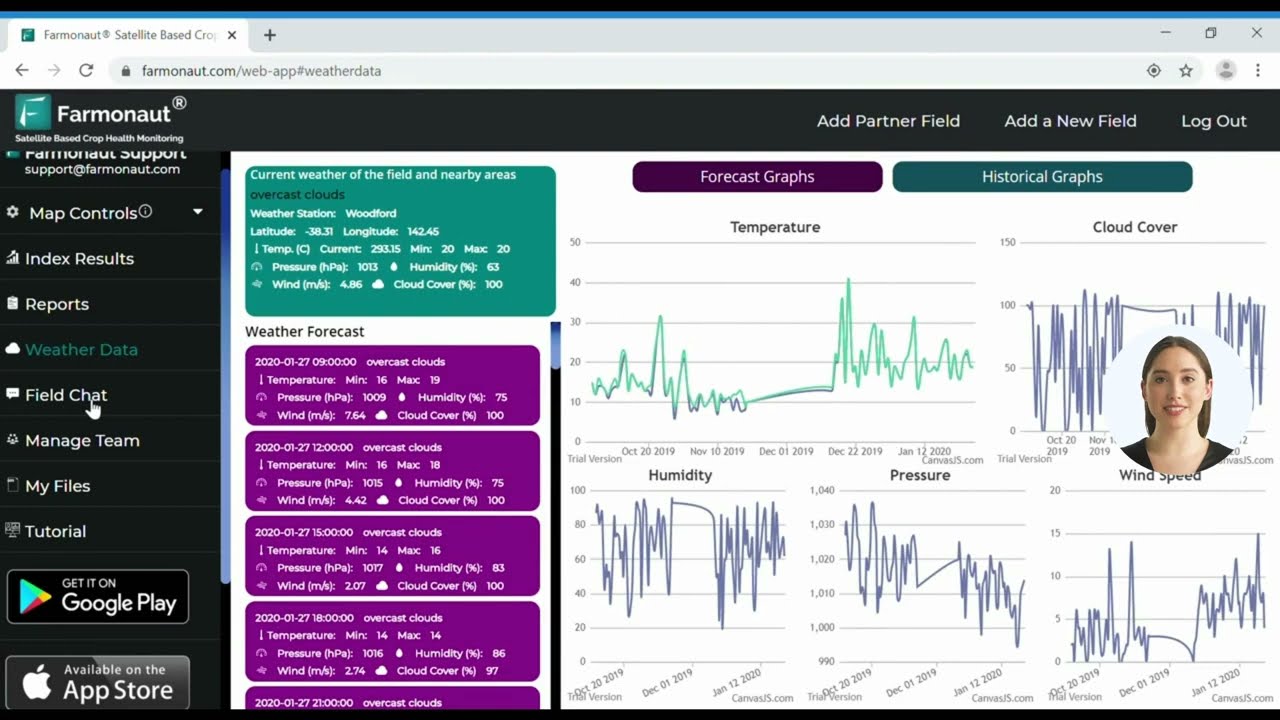
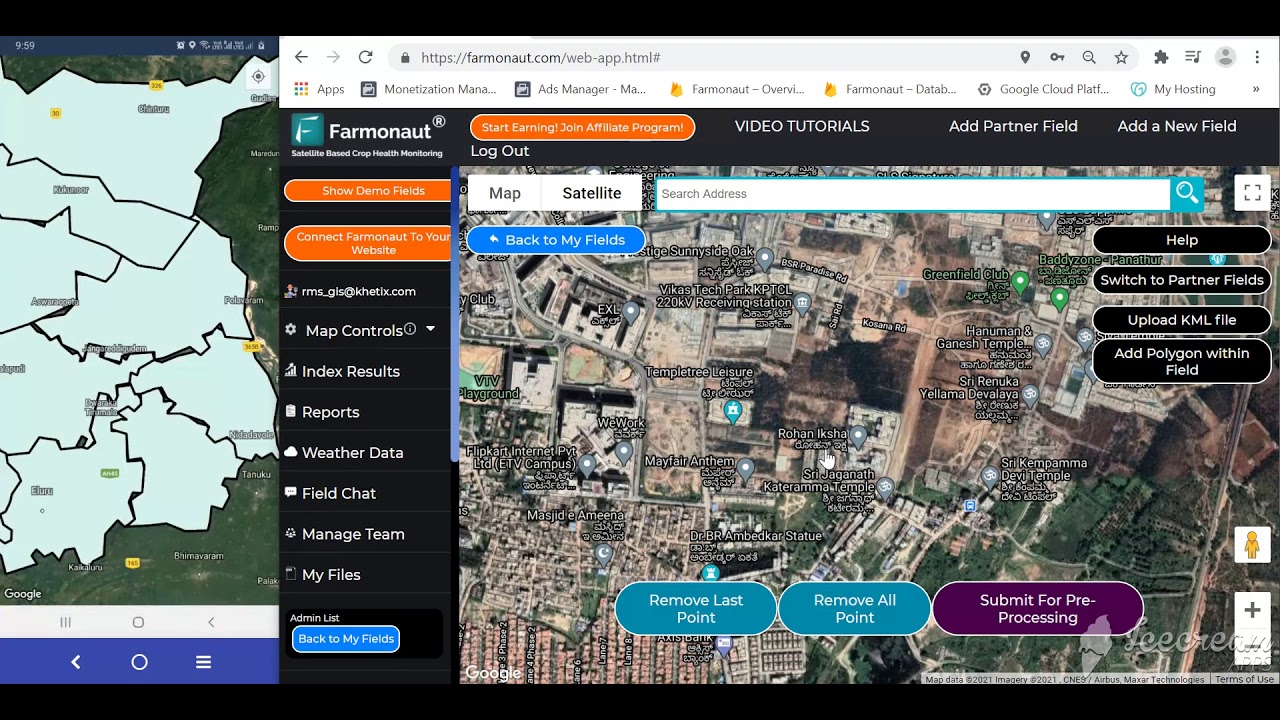
- Adopt remote satellite monitoring for ongoing pasture, crop, and infrastructure oversight
- Participate in extension services and peer learning networks to accelerate digital knowledge transfer
- Utilize APIs (Farmonaut’s Fleet & Resource Management) to link production and logistics data for holistic farm management
Developers and agri-data companies can directly leverage Farmonaut’s API Developer Docs for seamless integration of geospatial, weather, and crop insights into their workflow.
Challenges vs. Solutions with Impact Estimates Table (2025 & Beyond)
| Challenge | Data-Driven/Tech Solution | Estimated Implementation Cost (USD) | Anticipated Improvement (%) | Sustainability Impact |
|---|---|---|---|---|
| Feed Efficiency | Precision feed mixers, automated ration systems, AI-based nutrient analytics | $10,000–$50,000 (scalable by farm size) | 10–18% | High |
| Disease Management | Real-time SCC monitoring, AI health platforms, vaccination protocols | $5,000–$30,000 | 30–50% reduction in clinical mastitis | Medium |
| Labor Shortages | Automated milking, robotic feeders, remote animal monitoring | $50,000–$250,000 | 20–35% reduction in labor costs | Medium |
| Environmental Sustainability | Carbon tracking, precision manure application, anaerobic digestion, renewable energy | $15,000–$100,000 | 15–30% reduced GHG emissions & nutrient loss | High |
| Milk Yield Optimization | Wearable sensors, precision breeding, automated monitoring | $5,000–$50,000 | 8–15% higher sustainable yield | Medium |
| Waste Management | Automated flushing, precision nutrient budgets, eco-digesters | $10,000–$80,000 | 15–40% waste use reduction | High |
| Cost Control | API-integrated financial platforms, route/energy optimization, farm data dashboards | $3,000–$20,000 | 5–12% improved EBITDA margin | Medium |
Satellite-Powered Insights: Farmonaut’s Role in Smart Dairy Management
At Farmonaut, we enable dairy and crop producers around the globe to leverage advanced satellite-based technologies for seamless, data-driven transformation. Through our multifunctional platform (available as an app, API, and large farm interface), we deliver affordable and scalable insights for challenges across farming, mining, infrastructure, and beyond.
- 🌍 Satellite-Based Monitoring: Get actionable, real-time data on vegetation health, soil, forage growth, and crop cycles, supporting on-farm feed and input optimization, and early risk detection.
- 🤖 Jeevn AI Advisory: Transform raw satellite data into bespoke recommendations for nutrition management, resource allocation, and even threat alerts—directly in your hands.
- 🔗 Blockchain Traceability: Enhance transparency and build trust using blockchain-driven records at every stage of your dairy or crop production supply chain.
- 🚜 Fleet and Resource Management: Optimize vehicle, staff, and equipment utilization for robust cost savings and operational control.
- ♻️ Environmental Impact Tracking: Monitor carbon, water, and waste footprints in near real-time to ensure regulatory compliance and sustainability branding.
Our mission: To make satellite-driven insights accessible, actionable, and affordable for every farm, business, or institution aiming to thrive in a technology-enhanced, sustainable dairy ecosystem.
Frequently Asked Questions in Dairy Farming (2026 Edition)
Q: What is the most impactful way to improve milk output in dairy cows?
A: The highest impact comes from precision nutrition, including regular forage testing and feeding consistent, tailored rations based on data—directly increasing milk yield and quality while reducing disorders.
Q: How can automation help tackle labor shortages in dairy farming?
A: Automation (robotic milking, AI health monitoring, automated feeders) reduces dependence on skilled labor, ensures consistent routines, and frees remaining staff for higher-value, decision-focused work.
Q: Is it possible to reduce both environmental impact and input costs at the same time?
A: Absolutely. By implementing precision manure application, renewable energy systems, and real-time water/nutrient monitoring, farms can cut waste, lower GHG emissions, and achieve cost savings.
Q: What role does technology play in modern dairy herd health?
A: Tech platforms centralize data from milking, sensors, genomic testing, and environment, enabling proactive health plans, reducing SCC and mastitis, and informing reproduction scheduling.
Q: Can Farmonaut support my dairy operation if I’m not a large agribusiness?
A: Yes! Farmonaut’s platform is scalable and affordable, designed to provide actionable insights for both smallholder and large-scale producers via mobile, desktop, and API solutions.
Quick Recap – Top 5 Strategies to Embrace (2025–2026):
- ✔ Implement AI-enabled feed and nutrition management for rapid ROI and herd health.
- ✔ Prioritize udder health and milk quality with strict protocols and real-time SCC monitoring.
- ✔ Integrate automated reproductive and calving management to maximize lifetime productivity.
- ✔ Adopt satellite-powered, data-driven platforms for environmental monitoring and risk mitigation.
- ✔ Upgrade to automation for labor efficiency, consistent routines, and scalable animal care.

 Payagri
 WB Dev
 Sama Premium
 Prochecker
 Tres Valles
 LACOS Geoinformation
 Pulsar Supernova
 Magrifly
 LatConnect 60
 WebsEdge
 Blickwinkel
 Agricultural Credit Policy Council
 MCSOD
MCSOD Marei Nursery
 eKGIS
eKGIS Mostas Tech
 Andex
Andex FCF India
 Unifrutti Gulf
 Deluxe Conseil
