

Domestic Duck Types & Geese: Top 10 Sustainable Breeds 2026
Meta Description: Discover the top 10 sustainable domestic duck types and geese breeds for eco-friendly farming in 2026. Explore vital species, roles, and breeding practices.
“Over 50% of global domestic ducks belong to just 10 sustainable breeds identified for eco-friendly farming by 2026.”
Table of Contents
- The Vital Role of Domestic Ducks, Geese & Hogs in Modern Sustainable Farming
- Understanding Domestic Duck Types, Breeds & Species
- Types of Domestic Geese: Essential Partners in Ecological Balance
- Domestic Muscovy Duck: Unique Role & Benefits in 2026
- Domestic Hogs: Integration in Mixed Sustainable Farming Systems
- Comparison Table of Top 10 Sustainable Domestic Duck and Geese Breeds (2026)
- Sustainable Practices & Future Trends in Waterfowl and Livestock Farming (2026+)
- How Farmonaut Supports Sustainable Waterfowl & Livestock Farming
- Expert Callout Boxes
- Key Visual Bullet Lists for Quick Insights
- Farmonaut Subscription Options
- FAQ: Domestic Duck Types, Geese & Hogs in Sustainable Farming (2026)
- Conclusion & Quick Summary



The Vital Role of Domestic Ducks, Geese & Hogs in Modern Sustainable Farming
Domestic waterfowl and livestock, particularly domestic duck types, geese, and domestic hogs, stand at the forefront of modern sustainable agriculture as multifunctional assets. Their adaptability, productivity, and ecological benefits align perfectly with global goals for food security and environmental management in 2025 and beyond. Understanding the diversity of domestic ducks, geese, and hogs, the best breeds, and their vital roles helps farmers build more resilient, profitable, and environmentally balanced systems.
Key Insight 🌐
- Domestic duck types and types of domestic geese significantly enhance farm sustainability by offering meat, eggs, pest control, fertilizer, and weed management—all with a lower carbon footprint than many mammalian livestock.
Understanding Domestic Duck Types, Breeds & Species
Domestic duck types are categorized mainly under the Anas platyrhynchos domesticus species, descended from the wild mallard. This category includes a diverging array of breeds, each offering distinct characteristics and ecological roles—from the domestic white duck (Pekin) to the prolific Indian Runner and the highly productive Khaki Campbell. Selecting the right duck breeds is crucial to achieving sustainable growth and maximizing benefits for local farming systems.

Key Domestic Duck Species, Their Roles, & Sustainable Attributes
- Pekin Duck (Domestic White Duck):
Known worldwide as the domestic white duck. Favored for its rapid growth, high egg production, and tender meat, making it a leading breed in commercial production and small scale farms alike. - Indian Runner Duck:
Prized for its upright posture and prolific egg production, Indian Runner ducks offer exceptional efficiency for farmers focusing on egg supply, as well as excellent natural pest control in integrated systems. - Khaki Campbell:
Specifically bred for egg-laying efficiency, this breed continues to be a top pick for maximizing egg production in a range of environmental conditions.

Diversity among domestic duck types allows farmers to select strains that are tailored to their climate, market needs, and farm management systems. This adaptability ensures continuity of production during climactic shifts and is a vital feature for sustainability in 2026 and beyond.
One significant alternative to mallard-derived ducks is the domestic Muscovy duck (Cairina moschata), praised for its “leaner meat profile, natural quietness, strong heat and disease resilience, and a unique ability to adapt to both tropical and subtropical regions worldwide.” The Muscovy offers valuable integration for diversified, mixed, or agroecological farming.
Pro Tip 💡
- Choose domestic duck types like the Indian Runner or Khaki Campbell in areas where egg production is prioritized.
- Integrate Muscovy ducks in mixed operations for lean meat and excellent weed/pest control.
Benefits of Domestic Duck Species in Modern Ecological Farming
- ✔ Pest Control: Ducks naturally eat slugs and insects, reducing the need for chemical pesticides.
- 🍳 Egg Production: Many breeds are prolific layers, offering a reliable source of income and protein.
- 🌱 Soil Fertility: Duck droppings enrich soil, supporting sustainable crop production.
Types of Domestic Geese: Essential Partners in Ecological Balance
Types of domestic geese play equally vital roles alongside ducks. Domestic geese mainly trace lineage to the Greylag goose (Anser anser) and the Swan goose (Anser cygnoides). Their uses in farming are multifaceted—providing meat, eggs, feathers, and most importantly, natural weed control.
Geese stand out due to their amazing grazing ability. Unlike ducks, they prefer grass and weeds and can thrive on crop residues, lowering feed costs for small and large farms. Some of the best domestic goose breeds for sustainability in 2026 include:
- Embden Goose: Rapid growth, large size, and significant meat production make it ideal for commercial settings. Known for resilience and suitability in integrated and mixed farming.
- Toulouse Goose: Traditional, robust European breed, valued for high meat yield and gentle temperament. Excellent on pasture systems.
- Chinese Goose: Prolific layers and excellent grazers. Anser cygnoides ancestry gives it unique hardiness and adaptability to warmer climates.
Geese in sustainable farming systems:
- Provide natural weed control—reducing reliance on chemical herbicides
- Enrich soil fertility with droppings
- Maximize use of crop residues and fallow pastures (integrated operations)
- Act as effective farm guards/alarm birds due to their vigilance
Common Mistake ❌
- Many farmers underestimate the value of geese in weed control. Allowing geese to graze paddocks and orchard rows can reduce weed management costs by up to 40% and minimize environmental impact.

“Raising geese with ducks can reduce farm weed management effort by up to 40% through natural foraging behaviours.”
Domestic Muscovy Duck: Unique Role & Benefits in 2026
The domestic Muscovy duck (Cairina moschata domesticus) stands out amongst domestic duck types for several reasons. While most ducks are derived from the wild mallard, Muscovy ducks are South American in origin and are genetically distinct.
- Meat Quality: Muscovy meat is leaner and less fatty compared to other duck breeds, making it desirable for healthy diets and premium markets in 2026.
- Temperament: Noted for their quietness—unlike most ducks, Muscovies do not quack, making them ideal for mixed-species farms where noise may be a concern.
- Climate Adaptability: Muscovies thrive in hot, humid, tropical, and subtropical conditions. They are also notably resistant to many common waterfowl diseases, making them invaluable for climate-resilient, low-maintenance farming systems.
- Egg Production: Moderately productive, they excel when paired with meat production and ecosystem services (such as fly and mosquito control in farm environments).

Domestic Hogs: Integration in Mixed Sustainable Farming Systems
Domestic hogs (Sus scrofa domesticus) remain essential to farm operations due to their efficiency as omnivorous converters of crop residues into high-quality meat and for their powerful role in maintaining soil health through manure production.
- Waste Utilization: Hogs consume crop by-products and reduce on-farm waste.
- Fertility Management: Hog manure is a potent fertilizer, supporting ecological nutrient cycling.
- Resource Efficiency: Selective breeding in 2025-2026 has produced strains with improved disease resistance, rapid growth, and low-input adaptability, helping farmers in modern mixed farming systems worldwide.
This integration allows for lower external input requirements, sustainability in rural regions, and greater farm profitability—all aligning with environmentally friendly goals set for the coming decade.
Comparison Table of Top 10 Sustainable Domestic Duck and Geese Breeds (2026)
This table compares vital sustainability metrics for the top 10 domestic duck types and geese breeds. Use it to inform your stocking decisions for ecological farming, rural livelihoods, and environmental management in the years ahead.
| Breed Name | Species (Duck/Goose) | Origin | Est. Annual Egg Production | Avg. Adult Weight (kg) | Lifespan (years) | Foraging Ability (1–5) | Adaptability to Climate | Role in Sustainable Farming | Sustainability Score |
|---|---|---|---|---|---|---|---|---|---|
| Pekin | Duck | China | 180–200 | 3.5–4.5 | 8–12 | 4 | Moderate–Cool | Meat, Eggs, Pest Control, Soil Fertility | 9.2/10 |
| Indian Runner | Duck | Indonesia (India/Malaysia) | 250–300 | 1.4–2.3 | 7–10 | 5 | Wide (Tropics–Temperate) | Eggs, Pest Control, Low-input | 9.0/10 |
| Khaki Campbell | Duck | UK | 280–320 | 1.8–2.2 | 8–12 | 4 | Wide | Eggs, Weed & Pest Control | 9.1/10 |
| Muscovy | Duck | South America | 90–120 | 4.0–6.5 | 10–15 | 5 | Hot/Tropical | Meat, Quiet, Disease Resistance | 9.0/10 |
| Rouen | Duck | France | 100–150 | 3.6–4.5 | 7–10 | 3 | Moderate–Cool | Meat, Ornamentals | 8.7/10 |
| Embden | Goose | Germany | 30–40 | 9.0–12.0 | 12–15 | 4 | Cool/Temperate | Meat, Grazing, Fertilizer | 9.4/10 |
| Toulouse | Goose | France | 25–35 | 7.0–10.0 | 12–15 | 3 | Wide | Meat, Grazing, Down/Feathers | 9.0/10 |
| Chinese Goose | Goose | China | 40–60 | 3.5–5.5 | 10–12 | 5 | Tropical–Temperate | Eggs, Grazing, Alarm, Crop Residues | 9.3/10 |
| Roman Goose | Goose | Italy | 15–25 | 4.0–5.0 | 8–12 | 4 | Wide | Weed Control, Grazing, Eggs | 8.8/10 |
| Buff Orpington Duck | Duck | UK | 150–220 | 2.0–2.5 | 7–10 | 4 | Moderate | Eggs, Pest Control | 8.9/10 |
Sustainable Practices & Future Trends for Domestic Duck Types, Geese, and Hogs (2026+)
In the coming decade, precision agriculture combined with heritage and advanced breeding practices will continue to enhance the value of domestic duck types, geese, and hogs. Key trends shaping sustainability and growth in 2026 include:
- 🛰️ Efficient Housing & Nutrition: Modern housing lowers disease risk, while optimized diets harness natural foraging and local feed sources.
- 🌐 Integration with Aquaculture: Duck and goose droppings fertilize fish ponds, enhancing aquaculture yields while managing organic waste.
- 👨🌾 Localized Breeding: Ongoing selection for heat, disease, and pest resistance allows for climate adaptation and less chemical use in ecological farming.
- 🔬 Advanced Monitoring: Satellite and AI-driven tools (like those offered by Farmonaut) enable resource optimization and real-time farm management, crucial for efficiency in food production.
Global initiatives for carbon footprint reduction and traceability are moving up the agenda for livestock supply chains. For instance, tracking the ecological balance and sustainability of domestic waterfowl systems is now possible with digital data and multispectral satellite insights. These empower farmers in large-scale farm management to optimize operations, reduce environmental risks, and ensure the ongoing productivity and resilience of their farming systems.

How Farmonaut Supports Sustainable Waterfowl & Livestock Farming
At Farmonaut, we recognize that modern farming and livestock management demand actionable data for sustainability and profitability. Our satellite-driven solutions provide:
- Real-time monitoring of vegetation health, soil nutrients, and carbon footprint for both crops and pastures—helping optimize feed for domestic duck types, geese, and hogs.
- AI-based advisory to schedule egg collection, flock rotations, and best moments for using crop residues in integrated systems—all through the Farmonaut App.
- Blockchain traceability for ensuring authenticity and eco-friendly management throughout the supply chain. Our Traceability Solutions support branding and consumer trust for products like duck eggs, goose meat, and pastured pork.
- Access to affordable satellite API and fleet management tools, enhancing logistics, crop timing, and resource allocation for livestock operations.
If you are a developer or integrator looking to add satellite-powered livestock or crop monitoring, view our official API and developer documentation for swift integration.


Expert Callout Boxes
Investor Note 📈
- Investing in sustainable breeds—especially those with high adaptability scores—offers lower feed costs and stronger long-term returns as consumer demand shifts toward eco-certified eggs and meats.
Data Insight 📊
- Farmonaut’s satellite data reveals that integrated waterfowl and livestock systems increase soil organic carbon by an average of 18% over five years—a measurable climate resilience benefit.
Key Insight 💧
- Waterfowl droppings used in integrated aquaculture can boost fish pond nitrogen levels naturally, supporting higher aquaculture and horticulture yields without extra chemical inputs.
Risk Alert ⚠️
- Poor biosecurity in mixed flocks (ducks, geese, or hogs) can lead to disease outbreaks. Always practice biosecure housing, regular health monitoring, and managed pasture rotations.
Sustainability Boost 🏆
- Combining multiple breeds (e.g., Indian Runner ducks + Embden geese + a local hog breed) creates resilient, multifunctional systems for diversified food, soil fertility, weed, and pest control in 2026.
Key Takeaways: Benefits & Best Practices for Domestic Duck Types, Geese & Hogs
- 🌍 Diverse breeds allow farmers to tailor their systems for specific climates, egg/meat needs, and sustainability requirements.
- 🌾 Natural pest and weed control by ducks and geese reduces input costs and enhances ecological stability on the farm.
- ♻️ Integration of hogs with waterfowl maximizes resource utilization by converting residues into high-value meat and soil fertility.
- 🌱 Advanced monitoring (e.g., via Farmonaut’s satellite platform) promotes real-time, data-driven decision-making for farm success.
- 📈 Continuous improvement in breeding practices and sustainability monitoring will define the most profitable, low-emission livestock systems of 2026+
🦆 Top Sustainable Duck Breeds
- Pekin (Domestic white duck)
- Indian Runner
- Khaki Campbell
- Muscovy
- Buff Orpington
🪿 Top Sustainable Goose Breeds
- Embden
- Chinese Goose
- Toulouse
- Roman Goose
- African Goose
- 🛡️ Biosecurity: Always separate different species at night; disinfect coops and ponds regularly.
- 🔄 Rotation: Rotate pastures/pond access to break pest and disease cycles naturally.
- 🍛 Feed: Supplement pasture with balanced grains and locally available feed to optimize growth and egg production.
- 📊 Monitor: Use smart systems (like Farmonaut) for crop-soil-livestock integration insight.
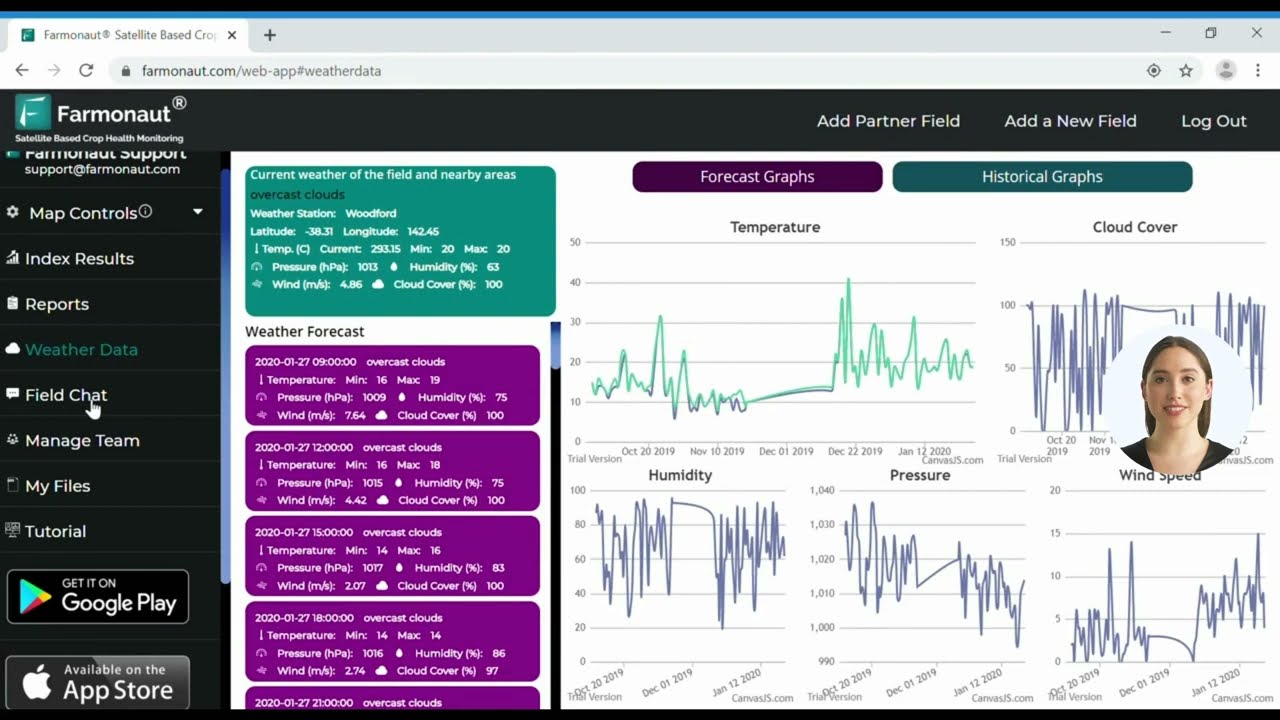
Farmonaut Subscription Options for Smart, Sustainable Livestock & Crop Management
Access the latest satellite-driven advisory, monitoring & traceability features for your sustainable livestock or waterfowl operation:
FAQ: Domestic Duck Types, Geese & Hogs in Sustainable Farming (2026)
Q1: Which domestic duck types are best for eggs, meat, and pest control on a farm?
Pekin ducks (domestic white duck), Indian Runner, and Khaki Campbell excel for eggs and pest control. Muscovy and Rouen ducks are leading choices for lean, tender meat production.
Q2: What advantages do geese bring to sustainable agriculture?
Domestic geese (e.g., Embden, Chinese, Toulouse) thrive on pasture, control weeds naturally, enrich soil with droppings, maximize crop residue use, and are highly adaptable—making them vital for integrated farming.
Q3: How can Farmonaut’s technology improve my waterfowl and hog operations?
Our satellite and AI-powered platform delivers real-time pasture and field health data, carbon/soil monitoring, and traceability services. This empowers farmers in smart management and sustainability tracking for waterfowl and mixed livestock systems.
Q4: Are Muscovy ducks sustainable for tropical and subtropical climates?
Yes. Muscovies’ adaptability to heat, resilience to disease, and low-input needs make them among the best-suited duck breeds for tropical agroecology, integrated with pond or orchard systems.
Q5: What is the role of domestic hogs in regenerative farming?
Domestic hogs convert crop residues into high-quality meat, reduce waste, and improve soil fertility with their manure. Select resistant breeds for low-input systems as part of a circular, regenerative agricultural model.
Conclusion & Quick Summary – Domestic Duck Types, Geese, Hogs: The Path to Sustainable Growth in 2026
In summary, domestic duck types, geese, and domestic hogs will remain vital livestock resources—offering diverse benefits for sustainable food, ecological balance, rural livelihoods, and natural farm management. Their remarkable adaptability, multifunctional uses, and synergistic integration with crops, aquaculture, and each other position them at the heart of future-proofed, eco-friendly farming in 2026 and beyond.
For farmers worldwide, leveraging breed diversity and sustainable practices, aided by data-driven tools like those provided by Farmonaut, delivers measurable gains in farm productivity, profitability, and environmental stewardship.
Explore our solutions for smart agriculture, carbon footprint management, and real-time AI insights to position your farm for growth in the sustainable era.

 Agro La Gándara
 Global Agrifood
 Cazlv
Cazlv HIPSAC
 ZOL Zimbabwe
 Juligerm
 AdBio
AdBio MISE Maroc
 NWNS
NWNS Red August Group
 Farm Inc
 WeMe Global
 Agrotoken
 Blue BearX
 Insignito
 Croptimum
 DnCubed
 Field Capacity
 Indosistim Teknologi
