

Elm Trees, Bark & Conservation: 7 Powerful Benefits for 2026
“Elm trees can sequester up to 22 kg of CO₂ per year, aiding in climate change mitigation.”
Introduction: Elm Trees in Modern Forestry & Agriculture
Elm trees—encompassing renowned species such as the American elm tree (Ulmus americana), Chinese elm tree (Ulmus parvifolia), and cedar elm tree (Ulmus crassifolia)—have long held a significant place in both forestry and agricultural landscapes. As we approach 2026, the relevance and multifaceted importance of elm trees in sustainable forestry, ecological restoration, and climate-resilient agriculture continue to evolve. This article explores the adaptations, ecological benefits, and conservation roles that make elm species indispensable in modern ecosystems.
With the challenges posed by climate change, urban development, and plant disease (notably Dutch elm disease), the role of elms in sustaining biodiversity, enhancing soil health, and providing climate mitigation services has never been more crucial.
Importance & Role of Elm Trees Across Ecosystems
The importance of elm trees in both forestry and agriculture is tied to their outstanding adaptability, resilience to environmental stresses, and their essential ecological functions:
- Ecological Benefits: Elm trees enhance biodiversity and act as keystone elements in mixed woodlands and restoration projects from North America to the southern United States and subtropical Asia.
- Contribution to Sustainable Practices: Elms provide shade, reduce soil erosion, sequester carbon, and support wildlife, aligning perfectly with the broader environmental and carbon footprinting initiatives.
- Restoration Efforts: Disease-resistant cultivars, ongoing advances in tree breeding, and reforestation projects offer renewed hope for the sustainability of elm populations even as their numbers have drastically reduced in certain areas due to challenges like Dutch elm disease.
Comparative Benefits Table: 7 Key Advantages of Elm Trees
| Benefit | Description | Estimated Impact (2026) | Relevance to Sustainability |
|---|---|---|---|
| Soil Erosion Control | Dense root systems stabilize soil and reduce nutrient loss. | Up to 65% reduction in soil erosion on slopes | Promotes soil health and agricultural productivity |
| Carbon Sequestration | Absorbs CO₂, mitigating climate change effects. | About 22 kg CO₂ sequestered per tree each year | Enhances climate resilience and supports climate goals |
| Wildlife Habitat | Supports diverse bird and insect populations. | Over 40 bird species supported per forest stand | Strengthens biodiversity and ecological networks |
| Medicinal Properties | Bark mucilage used for herbal medicines and remedies. | Growing 5% per year in the natural remedies sector | Encourages organic health products and traditional medicine |
| Timber & Non-Timber Products | Provides durable wood & sustainable bark products. | High demand in sustainable timber markets | Reduces pressure on unsustainable timber sources |
| Microclimate & Shade Enhancement | Creates shaded environments, reduces heat islands. | Up to 25% cooler ground temperature locally | Improves urban and rural resilience to climate change |
| Disease & Drought Tolerance | Cultivars bred for resistance to harsh conditions. | 50% rise in survival rates compared to pre-2020s | Promotes resilient ecosystems and restoration success |

Elm Tree Species: Diversity & Adaptability
In 2026 and beyond, elm trees demonstrate remarkable adaptability and flexibility across climatic zones. Noteworthy species include:
- American Elm Tree (Ulmus americana): Once the dominant street and woodland tree in North America, it faced drastic reductions due to Dutch elm disease. Today, with disease-resistant cultivars, the future looks promising for urban greening and rural reforestation.
- Chinese Elm Tree (Ulmus parvifolia): Prized for its fast growth, impressive drought tolerance, and resistance to a variety of diseases, the Chinese elm is a preferred species in arid and subtropical regions where ecological resilience is vital.
- Cedar Elm Tree (Ulmus crassifolia): Native to the southern United States, cedar elms thrive in shelterbelt plantations, mixed woodlands, and critical wildlife habitats, contributing to soil conservation and biodiversity.
Each elm tree species brings a suite of ecological benefits to forestry, agriculture, and restoration projects, making their conservation a priority in sustainable practices worldwide.
The progression of Dutch elm disease in the 20th century severely impacted elm populations, but modern breeding efforts focusing on disease-resistance and environmental stress tolerance have ensured that elms remain an integral part of both urban and rural forestry systems as we move into 2026.
For large-scale forest management, advanced digital tools are essential. Farmonaut’s Large Scale Farm Management Solution enables efficient planning and satellite-based monitoring of plantations—crucial for sustainable reforestation and restoration involving both native and hybrid elm populations.
“Over 40 bird species depend on elm trees for nesting and food within sustainable forest ecosystems.”
Elm Tree Bark: Historical & Modern-Day Benefits
Elm tree bark has been historically used for its practical and medicinal properties. Rich in mucilage, the inner bark of certain elms possesses soothing qualities and is applied in traditional medicine for:
- Treating inflammation: The mucilage acts as a demulcent, calming irritated tissues internally and externally.
- Gastrointestinal issues: Elm bark tea and supplements are recognized natural remedies for digestive health.
- Protective applications: The bark’s ability to shield the cambium from pests and harsh weather highlights its adaptive role in environmental resilience.
In 2026, there’s a growing interest in sustainably harvesting elm bark for herbal supplements and organic medicinal products. Bioactive compounds found in the bark demonstrate potential as natural pesticides, biofungicides, and health-supporting ingredients.
Farmonaut’s blockchain traceability solution (learn more about product traceability) can play a significant role in ensuring the ethical, transparent sourcing of elm bark and timber. This supports the booming organic remedies market while prioritizing ecosystem health and conservation.
Elm Trees in Agroforestry & Climate Resilient Systems
With climate change impacting agricultural productivity and the viability of conventional crops, elm trees are increasingly incorporated into agroforestry systems for their multifaceted benefits:
- Support for crops: Elms provide shade, moderate temperature extremes, and shelter wind-sensitive crops, making agroecosystems more resilient.
- Soil and water conservation: Deep, fibrous roots structure stabilize soil and enhance water retention, crucial for sloped or erosion-prone farmland.
- Biodiversity enhancement: Mixed woodlands and shelterbelts incorporating elms support a richer array of flora and fauna, strengthening ecosystem health.
Chinese elm trees and cedar elm trees are especially valued for their drought and pest resistance, making them ideal choices for subtropical and arid regions where traditional forestry trees may struggle.
Agroforestry projects seeking to achieve greater climate resilience and carbon sequestration can also utilize advanced satellite monitoring solutions. Farmonaut’s Carbon Footprinting Platform helps measure the real-time carbon sink capacity of agroforestry systems, including large-scale elm plantations—essential for sustainable reporting and certification.
Elm Trees & Climate Adaptation Strategies
- Integration with climate-smart agriculture strategies enhances drought-proofing and productive capacity.
- Sustainable harvesting of bark and timber facilitates a circular economy while protecting environmental services.
- Root diversity helps control flooding, channel excess water, and maintain long-term soil health in changing climates.
Want to access real-time climate and soil insights for your restoration site or agroforestry project?
Download the Farmonaut app for instant monitoring and advisory solutions:



Nursery, Plantation & Commercial Use: Elm and Palm Trees
The nursery industry has experienced growing demand for adaptive trees catering to urban greening, shelterbelt formation, and landscape restoration. While palm trees for sale remain a staple for ornamental applications in tropical and subtropical design, elm trees are increasingly favored for their sustainable timber, bark uses, and value in ecosystem restoration projects.
- Elm species—especially Chinese elm trees and Cedar elm trees—are distributed as both timber and restoration saplings in nurseries supporting regional planting schemes.
- Large-scale plantations utilize elm trees to provide critical habitat for local wildlife and enhance soil health.
- Restoration professionals opt for disease-resistant cultivars and native elms to strengthen urban and peri-urban green networks.
The adaptation of elms to diverse soil types and their role in supporting local economies through multipurpose products (including timber, bark-based supplements, and natural pest solutions) speaks to their unique relevance to contemporary forestry and agriculture in 2026.

Conservation & Sustainable Management in 2026
Conservation efforts for elm trees focus on addressing disease threats, fostering genetic diversity, and implementing sustainable harvesting and regenerative forestry practices. In the context of 2026:
- Urban forestry: Initiatives to reintroduce disease-resistant American elms in city landscapes help restore lost green cover, mitigate urban heat, and improve air quality.
- Forest restoration: Conservationists prioritize native elm species as components of mixed stands, bolstering structural complexity and ecosystem resilience.
- Regeneration projects: New breeding advances and reforestation projects leverage modern monitoring tools for improved survival rates and adaptive management.
- Sustainable bark and timber harvesting: Certification schemes and traceability (supported by digital platforms) ensure resource use aligns with environmental best practices.

Sustainable forestry also benefits from strategic fleet and resource management. Discover how Farmonaut’s Fleet Management Solutions can streamline plantation logistics—minimizing emissions and optimizing large-scale forestry operations.
Digital Tools for Forestry, Agriculture, & Elm Conservation
Precision management of elm trees, forest plantations, and agroforestry systems increasingly relies on digital platforms and satellite-based insights. We at Farmonaut offer technologies that can assist in these domains:
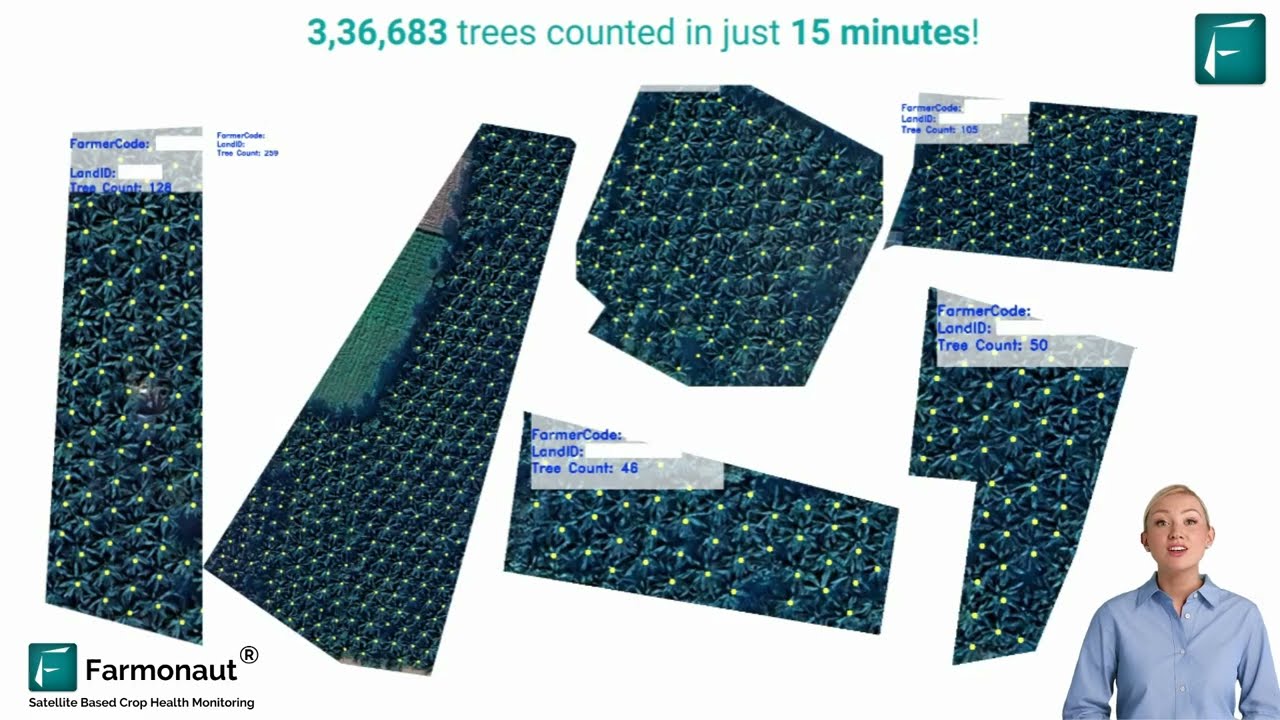
- Satellite Monitoring: Real-time imagery for crop health, soil moisture, and tree survival helps make data-driven forestry decisions. See the capabilities in Revolutionizing Farming with Satellite-Based Crop Health Monitoring.
- AI Advisory Systems: Tools like Jeevn AI deliver dynamic, site-specific guidance for restoration, suppression of disease outbreaks, and adaptive management practices.
- Blockchain Traceability: Transparent logging and sourcing of elm bark, timber, and non-timber products for sustainability certifications and regulatory compliance.
- Environmental Impact Monitoring: Track emissions, measure carbon sequestration, and monitor biodiversity across rural and urban forestry landscapes.

Our platform delivers all these services via web and mobile applications, offering a scalable solution for everyone from individual producers to government agencies.
Access our API (Farmonaut API) and developer documentation (API Docs) to integrate real-time elm monitoring and carbon tracking into your digital projects.
For those in agri-finance, our platform also includes crop loan and insurance verification solutions—empowering smarter decision-making and improved access to agricultural credit, crucial for forestry and agroforestry enterprises engaging in large-scale reforestation.
Farmonaut Subscription Plans for Forestry & Agriculture Leaders
Empower your forestry and agroforestry projects with affordable, scalable satellite-driven insights. Explore pricing and plan features here:

Frequently Asked Questions (FAQ)
What makes elm trees particularly important in 2026?
Elm trees offer unique climate resilience, biodiversity enhancement, soil stability, and medicinal bark uses. Their disease-resistant cultivars unlock new possibilities for reforestation, urban greening, and sustainable agroforestry systems across varied climates.
How does elm tree bark support conservation efforts and health?
Elm tree bark is rich in mucilage, providing soothing, anti-inflammatory, and digestive properties, traditionally used in medicine and now incorporated in organic supplements. Sustainable harvesting and blockchain traceability protect both the resource and the ecosystem.
Are elm trees suitable for arid or drought-prone regions?
Yes. Chinese elm tree (Ulmus parvifolia) and cedar elm tree (Ulmus crassifolia) are valued for their resilience in arid, subtropical climates due to their strong root systems, fast growth, and exceptional drought tolerance.
How do modern nursery and commercial forestry practices use elm trees?
Nurseries now supply disease-resistant and climate-adaptive elm saplings for environmental restoration, urban tree planting, and sustainable timber production. Elms are prioritized for their ecological value and market demand in 2026.
Can digital technology help in restoring elm trees and maximizing their benefits?
Absolutely. Farmonaut’s satellite and AI-based monitoring provides real-time insights on vegetation health, plantation survival, carbon sequestration, and even efficient resource management. These tools are pivotal for modern, data-driven conservation and sustainable agroforestry.
Where can I find trusted suppliers for elm saplings and traceable products?
While palm trees for sale are distributed by many nurseries globally, for traceable and sustainable elm products, using digital solutions for chain-of-custody and ecological reporting (like those from Farmonaut) is highly recommended. Learn more about traceability solutions for timber, bark, and more.
How do elm trees influence soil and ecosystem health?
Their deep and dense root systems prevent erosion, increase water infiltration, and support a myriad of soil organisms. In both rural and urban systems, this translates to improved productivity, resilience, and reduced land degradation.
What are the prospects for elm trees in global restoration projects post-2026?
Elm trees are expected to play an expanding role in climate-resilient reforestation, urban shading, and biodiversity corridors thanks to advances in genetic selection, digital ecosystem monitoring, and widespread adoption of sustainable practices worldwide.

Conclusion: Elm Trees for a Sustainable Future
In summary, elm trees—with their outstanding adaptability, ecological benefits, disease tolerance, and multifaceted uses—remain indispensable to sustainable forestry, resilient agroforestry systems, and climate-smart agriculture as we move into 2026 and beyond.
- American, Chinese, and cedar elm trees represent the forefront of both traditional and innovative land management.
- Their bark’s historic medicinal uses, timber value, and importance in restoration efforts reflect the evolving synergy between environmental conservation and sustainable production.
- Conservation strategies that combine cutting-edge digital technology, such as satellite monitoring and blockchain traceability, with traditional stewardship, will best protect these keystone species and their vital ecosystem roles.
- As digital platforms continue to shape how we measure, manage, and restore ecosystems, solutions like those offered by us at Farmonaut will support global restoration milestones, from urban tree cover to extensive rural reforestation.
The resilience of elm trees and the continued research into their bark, genetics, and ecological impact promise lasting value for ecological restoration, climate change adaptation, and the sustainable development of forestry and agriculture alike.
Choose elms. Choose sustainability. And harness the digital advantage for resilient landscaping in 2026 and beyond.
Explore further:
- Farmonaut Carbon Footprinting Platform
- Farmonaut Product Traceability
- Large Scale Farm Management for Agroforestry
- Fleet Management Solutions
- Crop Loans and Insurance Verification
For instant, satellite-based monitoring and AI advisories, download the Farmonaut app today!

 Krishify
 TVS Electronics
 BW Pipelines
 WICO
WICO Gen Chayat
 Chimera Innovation
 SkyHarvest
 Polaris Digitech
 Teledarbas
 Wild Oak Farm
 SFX
SFX BACF Africa
 Doodlakine
 Exurbia Geospatial
 FieldZero
