

Sustainable Reforestation: Benefits for Agriculture 2025
Sustainable Reforestation: A Cornerstone for Sustainable Agriculture and Environmental Resilience in 2025
Introduction: Why Reforestation Matters for 2025
As we move forward into 2025, sustainable reforestation stands at the intersection of climate, agriculture, and environmental conservation. With the global population past 8 billion since November 2022 (UN), the resulting surge in land and resource demand pushes ecosystems to their limits. Deforestation, biodiversity loss, and soil degradation threaten not just the environment but also the very foundation of food security and socioeconomic stability. Amid these challenges, sustainable reforestation has emerged as a critical strategy—one capable of restoring forest ecosystems, enhancing agricultural productivity, and delivering greater climate resilience.
This comprehensive guide explores the benefits sustainable agriculture derives from reforestation, the impact of agriculture and deforestation, and how integrated approaches will define the landscape of 2025 and beyond.

Understanding Sustainable Reforestation
Sustainable reforestation involves the planned, ecologically sound restoration of tree cover on degraded lands or deforested areas—all while using native species and management practices that prioritize ecological balance. Unlike conventional reforestation—which may prioritize fast-growing monocultures for timber or short-term economic returns—sustainable reforestation emphasizes biodiversity, soil health, water cycle regulation, and long-term viability.
One large-scale example is described in how Amazon reforestation works on the ground.
- Restores ecosystems by reviving natural habitats for fauna and flora
- Supports carbon sequestration, reducing atmospheric CO2
- Promotes resilience against climate shocks and weather variability
- Enhances water regulation and soil stabilization, reducing erosion risks
- Improves quality and productivity of agricultural lands via ecological services
The difference between conventional and sustainable reforestation is fundamental: the former may lead to monocultures with minimal ecological support, while the latter aims to build resilient, multi-functional landscapes.
How to Do Sustainable Reforestation: The Ten Golden Rules
Planting trees badly can make things worse. A 2021 paper led by scientists at the Royal Botanic Gardens, Kew, in Global Change Biology (Di Sacco et al.) warned that poorly planned planting can raise CO₂ emissions and harm biodiversity and livelihoods. It set out ten rules for reforestation that stores carbon, brings back wildlife and supports local incomes:
- Protect existing forest first.
- Work together with everyone who has a stake in the land.
- Aim to maximise biodiversity recovery to meet several goals at once.
- Select appropriate areas for restoration.
- Use natural regeneration wherever possible.
- Select species to maximise biodiversity.
- Use resilient plant material with suitable genetic variety and origin.
- Plan ahead for infrastructure, capacity and seed supply.
- Learn by doing, and adjust as results come in.
- Make it pay, so the project is economically sustainable.
Rule 5 matters most for farmers. Letting trees regrow from surviving roots is cheaper than planting. In Niger, farmers have regrown more than 200 million trees on about 5 million hectares this way since 1985 (World Agroforestry). At global scale, the Bonn Challenge aims to bring 350 million hectares of degraded and deforested land into restoration by 2030.
Comparative Impact Table: Sustainable Reforestation and Agricultural Benefits
The Link Between Agriculture and Deforestation
Globally, agricultural expansion drives almost 90% of deforestation, according to a 2021 FAO remote sensing survey. The expansion of croplands and pastures often occurs at the expense of forests, as forests are cleared for immediate economic gains. This act:
- Leads to habitat loss and biodiversity decline
- Reduces carbon sinks—the world’s primary natural defenses against climate change
- Increases soil erosion, reducing long-term land productivity
- Destabilizes local climates, making farming riskier
For instance, in many tropical regions, practices like shifting cultivation or unsustainable slash-and-burn farming further degrade the land and diminish ecosystem services. Over time, the repeated cycle of forest clearing for agriculture and subsequent land degradation creates a negative feedback loop: declining soils reduce crop yields, so farmers clear more forests seeking fertile land, compounding the problem.
Conversely, about sustainable agriculture: truly sustainable farming seeks to minimize environmental impact and resource use. It maintains ecosystem services vital for productive, resilient agriculture—the very foundation for long-term food security. Integrating sustainable reforestation with agricultural practices offers a pathway to reconcile these objectives, reducing the adverse effects of deforestation and promoting soil and water health.

Benefits of Sustainable Reforestation for Agriculture
Restoring forests through sustainable reforestation transforms degraded lands into productive, resilient, and biodiverse landscapes. Let’s delve into the primary ways in which this strategy supports, improves, and sustains agriculture for the future:
1. Soil Protection and Improvement
- Trees stabilize soil structure, significantly reducing wind and water erosion
- Leaf litter and complex root systems enhance the soil’s organic carbon content and improve its structure
- Improved soil health increases fertility, directly benefiting crop yields and reducing the reliance on synthetic fertilizers
2. Water Regulation and Conservation
- Forests enhance water infiltration rates, increasing groundwater recharge
- Tree canopies reduce rain impact and surface runoff, lowering flood risk
- Sustainable reforestation ensures a more predictable water cycle, vital for irrigation and crop success
3. Microclimate Stabilization
- Forest cover reduces temperature extremes and raises humidity
- Creates optimal conditions for crop growth and livestock well-being
- Enhances resilience to climate change, such as heat waves or drought
4. Biodiversity Support and Natural Pest Control
- Reforested areas provide habitats for pollinators, pest predators, and beneficial microorganisms
- Reduces the need for chemical pesticides, promoting a healthier ecosystem
- Biodiversity within and around farms boosts ecosystem services crucial for agriculture
5. Carbon Sequestration and Climate Mitigation
- Trees act as natural carbon sinks, capturing and storing CO2
- Mitigates climate impacts that would otherwise threaten farm productivity
- Enables participation in carbon markets and carbon-footprinting initiatives, further incentivizing climate-smart agriculture
6. Socioeconomic Benefits
- Restored landscapes often yield non-timber forest products (NTFPs) such as fruits, nuts, honey, and medicinal plants
- Increases rural income streams, improves food security, and fosters community-based enterprises
- Encourages participation in sustainable reforestation and agricultural enhancement projects
Approaches and Innovations in Sustainable Reforestation 2025
A variety of innovative approaches shape the practice of sustainable reforestation in 2025.
- Agroforestry systems: Integrated management where trees coexist with crops or livestock, optimizing land use and supporting the cycle of nutrients
- Use of native species to promote ecosystem viability and resilience
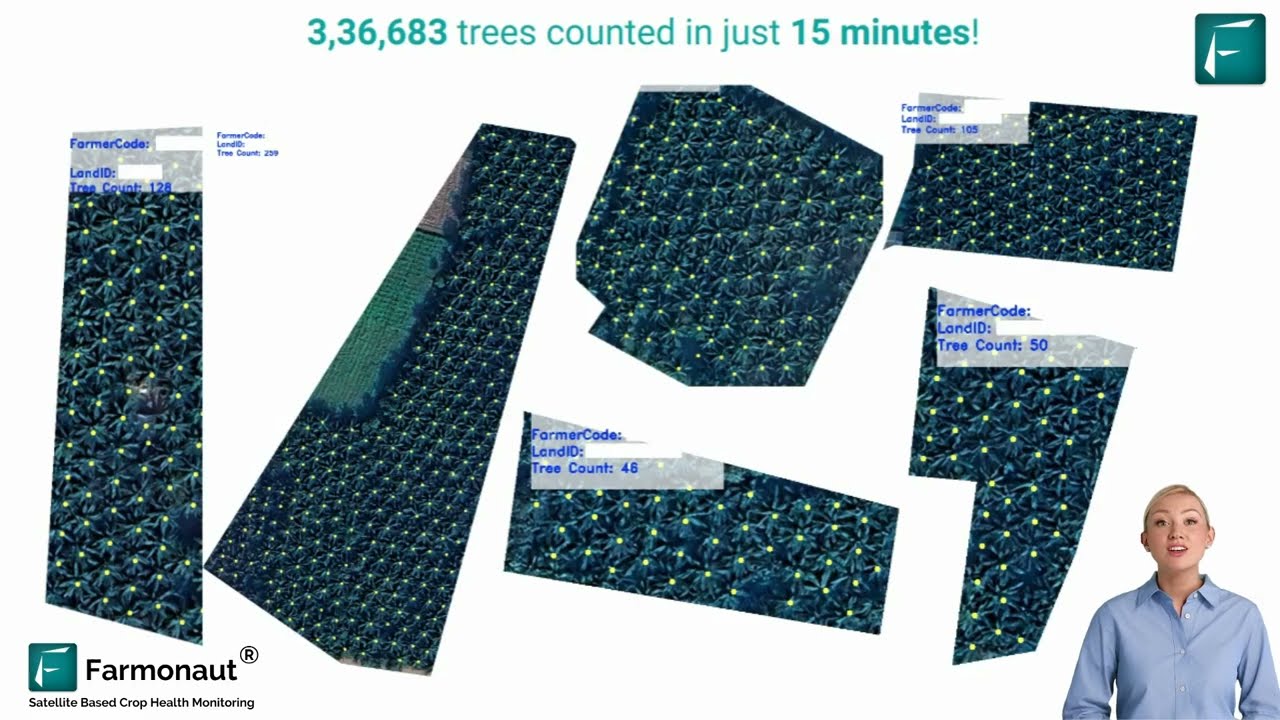
- Precision planning aided by remote sensing, satellite imagery, and GIS mapping to monitor degraded areas and track restoration success
- Community-driven models that empower local stakeholders ensure long-term sustainability
These approaches offer a pathway to reconcile competing objectives—balancing productive agriculture with ecological conservation and reducing pressure on natural forests.
Technological Innovations: The Satellite and AI Revolution
Advanced satellite technology and artificial intelligence (AI) are revolutionizing sustainable reforestation. Remote sensing platforms facilitate the high-resolution monitoring of restoration projects, from initial planning stages to ongoing assessment of tree growth, health, and carbon sequestration. AI powers advisory systems for strategic species selection, site prioritization, and risk management (such as drought, disease, or wildfire).

Sustainable reforestation in 2025 isn’t just about planting trees—it’s about using integrated data, technology, and inclusive management practices to achieve long-term resilience for both people and the planet.
Farmonaut’s Role in Sustainable Reforestation
At Farmonaut, we believe that satellite-driven insights and AI-powered resource management are essential for the future of sustainable reforestation and agriculture. Our platform is designed to make advanced satellite monitoring and advisory systems accessible and affordable for farmers, businesses, and governments worldwide, empowering users to:
- Monitor soil, vegetation, and water health in real-time, strengthening both reforestation and farming practices
- Receive AI-based recommendations—such as optimal locations, timing, and species—for reforestation and farm resilience
- Track progress and environmental impact with blockchain-based traceability to ensure transparency and reduce fraud (see how Farmonaut’s Traceability Platform ensures transparency in agricultural and forestry supply chains)
- Comply with environmental regulations and qualify for incentives by documenting carbon sequestration and resource use (learn more about Farmonaut’s carbon-footprinting solutions)
- Integrate real-time weather forecasts and climate risk management strategies sent via our AI advisory system
Our Large Scale Farm Management platform offers precision monitoring for expansive lands—whether for agriculture or forest restoration. Leveraging our app and API, users can access easy-to-interpret dashboards and integrate these insights with their own systems. Developers can access our API for customized integrations, and detailed docs are available on our Developer site.




Practical Applications: Tools & Platforms for Sustainable Reforestation
The tools and platforms enabling sustainable reforestation in 2025 have never been more advanced or accessible. At Farmonaut, we empower users to connect their lands with satellite insights in minutes and make data-driven decisions for both agriculture and forest restoration.
- Satellite Remote Sensing: Track vegetation health, monitor changes in tree cover, and assess water and soil dynamics over vast or remote areas
- AI-based Advisory Systems: Receive real-time, tailored strategies for reforestation project planning, risk management, and measuring outcomes (explore our Crop Plantation & Forest Advisory)
- Blockchain-based Traceability: Guarantee full transparency in the agricultural and forestry supply chain (from seedlings to harvest); verify practices and certifications with Farmonaut Traceability
- Carbon Footprinting and Environmental Compliance: Monitor and report carbon sequestration and environmental impacts for compliance and carbon markets with our Farmonaut Carbon Footprinting solution
- Resource & Fleet Management: Optimize operations and lower costs in agricultural or plantation logistics with Farmonaut Fleet Management
- Crop Loan & Insurance Verification: Use satellite validation for faster, fraud-resistant access to financing for both forestry and agriculture (see Farmonaut Crop Loan & Insurance verifications)

Connecting Farms and Forests with Satellite Data
Remote monitoring tools and APIs provide stakeholders—farmers, businesses, and government agencies—with timely, actionable information on the health of their agricultural and reforestation lands. This data-driven approach enhances accountability, strategic planning, and investment in sustainability.


Policy, Community Engagement, and Socioeconomic Impacts
Thriving reforestation projects hinge on supportive policies, engaged communities, and fair socioeconomic frameworks. In 2025, governments and institutions recognize the need to create enabling environments for sustainable land management, including:
- Incentives & Subsidies: Carbon credits, tax breaks, and direct payments to farmers and landowners who implement sustainable reforestation and land stewardship practices
- Technical Support: Training, extension services, and technology transfer—making it easier for rural communities to access the tools and knowledge required for successful projects
- Community Ownership: Participatory planning, implementation, and benefit sharing—fostering stewardship, accountability, and long-term viability
At the same time, socioeconomic benefits—from the creation of green jobs to diversified income via NTFPs—ensure the gains from reforestation are distributed fairly. This not only builds rural resilience but supports broader environmental sustainability and national food security objectives.
Frequently Asked Questions: Sustainable Reforestation & Agriculture 2025
1. What is sustainable reforestation and how does it differ from traditional reforestation?
Sustainable reforestation means restoring tree cover using methods and native species that support long-term ecological balance, carbon sequestration, and biodiversity. Traditional efforts may use monocultures or focus only on short-term economic yields, often failing to regenerate the full spectrum of ecosystem services needed for sustainable agriculture.
2. What are the direct benefits sustainable agriculture can expect from reforestation by 2025?
Key benefits include improved soil health, more consistent water supply, microclimate stabilization, enhanced biodiversity (which supports natural pollinators and pest controllers), carbon sequestration, and long-term food security.
3. How does technology enhance sustainable reforestation efforts?
Technology, such as satellite monitoring and AI-based advisory tools, increases efficiency and precision in planning, monitoring, and managing reforestation projects, ensuring restoration efforts are more impactful and sustainable. Farmonaut’s solutions reduce costs, increase transparency, and enable data-driven management.
4. Can farmers get financial benefits or credits for practicing sustainable reforestation?
Yes, many policies and market incentives exist (and are expanding in 2025) to reward carbon sequestration and eco-friendly farming through carbon credits, tax incentives, and subsidies for ecosystem restoration. Tools like Farmonaut’s Carbon Footprinting support this verification process.
5. How does reforestation make agriculture more resilient?
By improving soil and water health, stabilizing local climates, and supporting ecosystem services (like pollination and pest control), reforestation protects farms from climate shocks, drought, and disease, ensuring productivity into the future.
Conclusion: The Future of Agriculture & Reforestation
As we confront the escalating challenges of climate change, land degradation, and food security, sustainable reforestation is no longer optional. It is a cornerstone for a resilient agricultural future, blending modern technology, ecological wisdom, and inclusive community action.
By integrating reforestation with sustainable agricultural practices, we not only restore vital forest ecosystems but also balance productivity with conservation, and enhance the resilience and wellbeing of farming communities around the globe.
Together, leveraging tools like satellite monitoring, AI advisory, and transparent traceability, we can restore degraded lands, protect our environment, and secure food and climate futures—for 2025 and beyond.
Begin your journey in sustainable reforestation and advanced agricultural management—
try Farmonaut’s Crop Plantation and Forest Advisory suite today

 Dextrago
 Kubota
 FFBS
FFBS Jontra
 Kalustyan
 Tucor
Tucor Geno
Geno Hayleys Agriculture
 Linx Agritech
 Adinet
 Save Your Soils
 Grandstream Algérie
 XOS Realty
 Geospatial Lab Africa
