

ESG Reporting for Agribusinesses: 7 Profit Steps
“Over 70% of agribusiness investors consider ESG metrics crucial for decision-making, driving sustainable growth and transparency.”
The landscape of agribusiness is undergoing profound changes. Environmental, Social, and Governance (ESG) concerns are emerging at the forefront of operational strategy, regulatory demands, and investor expectations. For entities ranging from those on the list of agribusinesses in developed markets to emerging companies in diverse geographies, ESG reporting for agribusinesses is no longer optional—it’s a strategic imperative that unlocks profitability, stakeholder trust, and long-term resilience.
In this comprehensive guide, we explore actionable steps for ESG reporting in agribusiness, detailing how robust metrics, management practices, traceability, transparency, and stakeholder engagement not only boost sustainability but also enhance profit margins and global market access.
Table of Contents
- Introduction: Why ESG Reporting for Agribusinesses?
- Understanding the Essentials of ESG in Agribusiness
- The 7 Profit Steps: ESG Reporting for Agribusinesses
- Comparison Table: Profit, Sustainability & Stakeholder Impact
- How ESG Reporting Drives Profitability in Agribusiness
- Farmonaut: Satellite-Driven ESG Solutions for Agribusiness
- Practical Metrics and Examples for Robust ESG Reporting
- Building Trust: Data Quality, Assurance & Comparability
- FAQs: ESG Reporting for Agribusinesses
- Conclusion: ESG as a Strategic Advantage
Introduction: Why ESG Reporting for Agribusinesses?
Agribusinesses operate at the convergence of food security, natural resource stewardship, community livelihoods, and economic value creation. This multidimensional impact makes ESG—Environmental, Social, and Governance—reporting essential for:
- Boosting transparency and stakeholder trust
- Meeting investor and lender requirements
- Aligning with regulatory standards and maintaining a license to operate
- Documenting sustainability and resource management achievements
A growing list of agribusinesses are transparently disclosing metrics—emissions, water use, labor standards—to illustrate compliance and foster robust relationships with both consumers and institutional investors.

Understanding the Essentials of ESG in Agribusiness
ESG reporting for agribusinesses offers a holistic view of how companies manage risk, drive profitability, and build sustainability across the full value chain. Let’s look at the three dimensions:
Environmental Dimension
- Resource Stewardship: Track water use efficiency, soil health indicators, fertilizer and pesticide input per unit yield. Quantify reductions in withdrawal, runoff, and erosion over time.
- Biodiversity & Land Use: Outline commitments to conserve habitats, rotate crops, adopt agroforestry practices, and establish buffer zones. Reports help illustrate ecosystem coexistence and compliance with standards.
- Climate Resilience: Document emissions intensity (Scope 1/2/3), adoption of renewables, switch in energy sources, climate adaptation measures like drought-resistant crop varieties, and demonstration of effective emissions reduction pathways.
- Supply Chain Sustainability: Evaluate upstream and downstream sourcing, supplier audits, and third-party certifications. Ensures transparency in product traceability and reduces compliance risk.
Social Dimension
- Labor Practices: Report on safety, fair wages, training programs, and protections against child/forced labor. Metrics include incident rates and coverage of employee benefits.
- Community Impact: Assess engagement with farmer communities, local investment, and contributions to rural development.
- Inclusive Partnerships: Provide data on contract fairness, pricing transparency, and access to credit/inputs for farmers. Demonstrates inclusive growth and supply chain resilience.
- Food Security: Outline compliance with food quality and safety standards. Highlight contributions to nutrition and local economies.
Governance Dimension
- Board Oversight: Clear disclosure of ESG risk management, supply chain oversight, and ethical governance.
- Assurance & Compliance: Regular audits, data quality controls, and independent reviews to ensure ESG disclosures meet regulatory and market standards.
- Stakeholder Engagement: Document outreach to farmers, lenders, local communities, and policymakers. Feedback mechanisms inform proactive improvements.
Agribusinesses demonstrating leadership in ESG—whether in major grain-producing regions, forestry hubs, or emerging sprout agribusiness networks and university programs like NDSU Agribusiness—are increasingly attractive to both investors and supply chain partners.

“Companies with strong ESG reporting can see up to 10% higher profitability through improved risk management and supply chain efficiency.”
7 Profit Steps: ESG Reporting for Agribusinesses
For those exploring how do agribusinesses profit from farmers?, the answer increasingly relies on responsible value generation, transparent supply chains, and risk mitigation. The following steps outline a path to high-impact ESG reporting.
-
Conduct a Materiality Assessment
Identify material ESG topics aligned with business model, stakeholders, and regulatory landscape.
Focus on what directly affects profitability and reputation, such as water use, carbon intensity, labor standards, and supply chain traceability.- ✔ Key benefit: Sharper focus on relevant issues—reduces reporting fatigue
- 📊 Data insight: Customized metrics for soil, emissions, and local impact
- 💡 Enhancement: Continually update assessment as regulations and markets evolve
-
Embed Quantifiable Metrics & Targets
Establish clear KPIs for resource use, emissions, diversity, safety, and supplier audit pass rates.
Track progress with short-, medium-, and long-term targets—making progress both measurable and actionable.- ✔ Key benefit: Tangible proof of efficiency gains and environmental responsibility
- 📊 Data insight: Year-over-year reductions in water withdrawal or fertilizer runoff
- 💡 Enhancement: Use digital tools and AI-powered platforms for real-time metric tracking
-
Map & Disclose Supply Chain Traceability
Provide transparent records from input sourcing, farm production, to end product.
Publicly share certification status and elimination efforts of unsustainable or illegal sourcing.- ✔ Key benefit: Builds trust with customers and regulators
- 📊 Data insight: Digital traceability allows rapid audits and status checks
- 💡 Enhancement: Integrate blockchain solutions for immutable record-keeping and anti-fraud measures
-
Strengthen Risk Management & Compliance
Systematically evaluate and mitigate risks related to environmental regulations, labor laws, land tenure, and climate impacts.
Regular internal and external audits boost credibility and help prevent costly disruptions.- ✔ Key benefit: Reduces insurance costs and legal liabilities
- 📊 Data insight: Track incident rates and mitigation plan effectiveness
- ⚠ Risk or limitation: Ignoring risk management can erode stakeholder trust rapidly
-
Foster Stakeholder Engagement & Value Sharing
Engage farmers, workers, local communities, and investors in meaningful dialogue.
Inclusion in decision-making and transparent value sharing (fair pricing, access to finance, training) encourages loyalty and supply chain resilience.- ✔ Key benefit: Builds long-term supplier and customer relationships
- 📊 Data insight: Stakeholder feedback informs investment and policy decisions
- 💡 Enhancement: Conduct regular surveys or forums to capture stakeholder perspectives
-
Ensure Transparency, Data Assurance & Comparability
Use recognized ESG frameworks (GRI, SASB, or TCFD), disclose methodologies, and get third-party data assurance.
Enables benchmarking across the industry.- ✔ Key benefit: Builds investor confidence and improves access to capital
- 📊 Data insight: Consistent data supports trend analysis and market comparisons
- 💡 Enhancement: Publish annual ESG impact reports and open data dashboards
-
Promote Continuous Improvement & Innovation
Leverage new technology—like satellite monitoring, AI, blockchain, and digital extension programs—to drive continual ESG improvements.
Regularly review and update ESG goals as markets and technologies evolve.- ✔ Key benefit: Maintains competitive edge and ensures ongoing compliance
- 📊 Data insight: Track degree of innovation adoption and corresponding yield/resource gains
- 💡 Enhancement: Collaborate with agritech innovators, education hubs, and advisory programs for best practices

Comparison Table: ESG Profit Steps, Sustainability, and Stakeholder Impact
| Step # / Name | Description | Estimated Profit Impact (%) | Sustainability Benefit | Impact on Stakeholder Trust |
|---|---|---|---|---|
| 1. Materiality Assessment | Focuses ESG efforts on critical areas | 2–3% | More efficient resource use | High |
| 2. Metrics & Targets | Sets clear, measurable sustainability goals | 2–4% | Reduced emissions, resource waste | Medium–High |
| 3. Supply Chain Traceability | Enables full transparency and responsible sourcing | 1–2% | Higher product authenticity | High |
| 4. Risk Management & Compliance | Minimizes risk of fines, disruptions | 2–5% | Lower incidents, improved resilience | High |
| 5. Stakeholder Engagement | Drives partnership and contract stability | 1–3% | Inclusive value creation | Medium–High |
| 6. Transparency & Assurance | Investors/lenders assured by third-party reviews | 1–2% | Comparable, reliable disclosures | High |
| 7. Continuous Improvement | Leverages technology for adaptive ESG strategy | 2–4% | Ongoing efficiency, market leadership | Medium–High |

How ESG Reporting Drives Profitability in Agribusiness
Direct Profit Pathways via ESG Reporting
- Efficiency gains: Adoption of precision farming, satellite monitoring, and optimized nutrient management lowers input costs and raises per-acre yields.
- Risk mitigation: Proactive climate, water, and labor management reduces insurance costs and prevents costly disruptions in the value chain.
- Market Access and Premiums: Verified sustainable practices and traceable supply attract major retailers, institutional buyers, and consumer loyalty—unlocking higher margins.
- Financing ease: Transparent, auditable ESG data improves access to attractive loan and insurance terms as lenders de-risk their portfolios.

Farmonaut: Satellite-Driven ESG Reporting Solutions for Agribusiness
At Farmonaut, we empower agribusinesses with the tools and data required for robust ESG reporting, supply chain traceability, and sustainability:
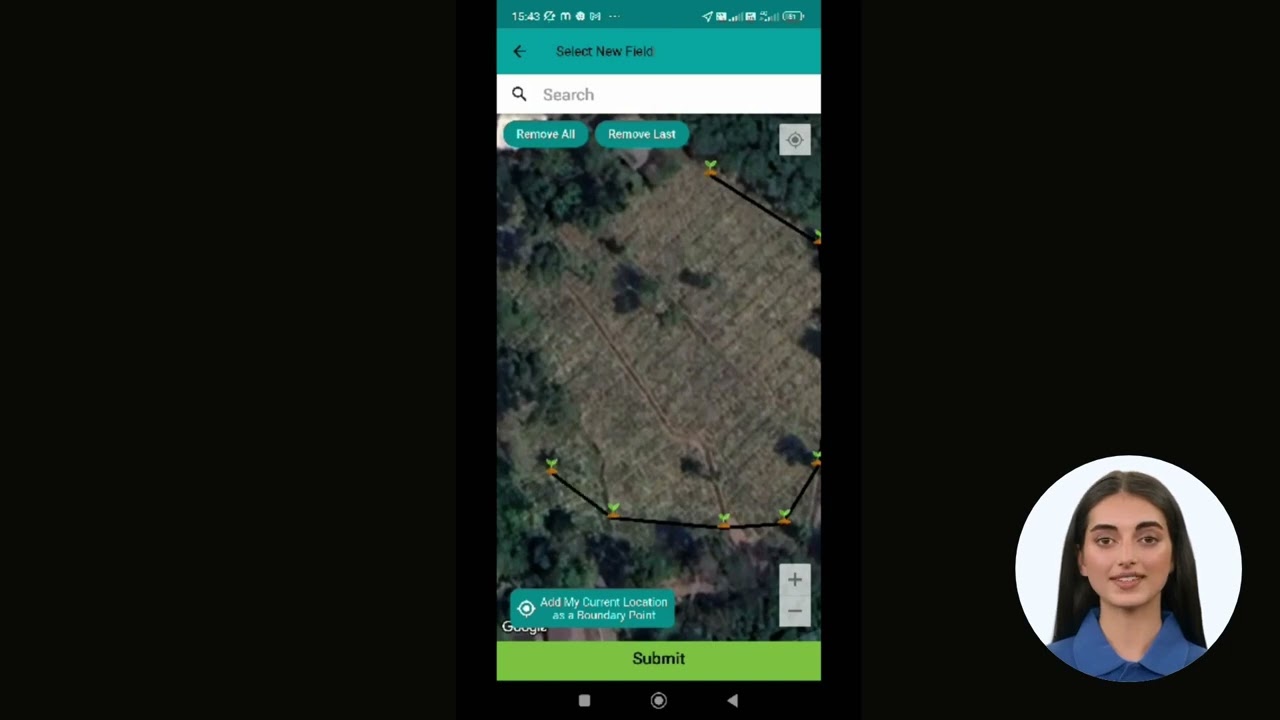
- Satellite-Based Monitoring: Our platform provides real-time, multispectral satellite insights for crop, soil, and environmental health. This supports resource stewardship, efficient input use, and compliance with regulatory requirements.
- AI & Blockchain-Powered Traceability: Leveraging blockchain traceability solutions, businesses can confidently map product journeys and document responsible sourcing from farm to shelf.
- Carbon Footprint Monitoring: Through our carbon footprinting system, companies can set meaningful emissions targets and report GHG reductions across Scope 1, 2, and 3—attracting climate-conscious investors.
- Environmental Impact Analytics: Our platform evaluates resource use across water, soil, energy, and nutrient management, making sustainability reporting both transparent and actionable.
- Fleet & Resource Management: With fleet management tools, operational efficiency is increased, costs are lowered, and vehicle/machinery impacts are tracked for ESG documentation.
- APIs for ESG Integration: Easily integrate powerful satellite analytics and reporting features into your own systems with our API and developer documentation.



Our commitment is to make data-driven sustainability affordable and scalable—supporting both smallholders and large enterprises in the agriculture, forestry, and mining-related supply chains.
Start with Farmonaut Subscriptions
For agribusinesses and individual users seeking enhanced monitoring, reporting, and compliance, we offer flexible subscription plans:
Practical Metrics and Examples for Robust ESG Reporting
A successful ESG reporting strategy hinges on clear, comparable, and actionable metrics. Below are examples of priority indicators for agribusinesses operating across sectors:
- Water Use Efficiency: Liters of water per unit yield or per crop cycle
- Soil Health: Changes in soil organic matter, erosion rates, and nutrient balance
- Climate: Emissions intensity (tons CO2-e per output unit), share of renewables in energy use
- Fertilizer & Pesticide Use: Input per unit output; tracking reductions in runoff
- Supply Chain Traceability: % of suppliers passing sustainability audits; % of output traceable to farm source
- Labor & Social: Safety incident rates, hours worked, share of workforce receiving training
- Governance: Board presence of ESG oversight roles; number of internal/external audits completed

- 🌍 Environmental: Reduce water withdrawal, nutrient runoff, and GHG emissions across all operations.
- 👷 Social: Commit to zero forced or child labor, ensure fair contracts for partner farmers, and invest in local education & health programs.
- 🏢 Governance: Regular board-level ESG reviews, full transparency in disclosures, annual independent audits.
Building Trust: Data Quality, Assurance & Comparability
Investors, lenders, and customers demand reliable, standardized ESG data. Here’s how to build credibility:
- Assurance: Adopt international disclosure frameworks (GRI, SASB, TCFD). Obtain third-party verification to demonstrate accuracy and completeness.
- Methodology Disclosure: Be transparent about metrics, data sources, and calculation methods.
- Benchmarking: Enable comparability by publishing data in industry-accepted formats and units.
- Open Dashboards: Use digital dashboards that are accessible to all stakeholders—including farmers, investors, and the local community—for transparency and accountability.

FAQs: ESG Reporting for Agribusinesses
ESG reporting for agribusinesses is the systematic disclosure of data and initiatives across environmental (resource use, emissions, biodiversity), social (labor, community, food safety), and governance (leadership, risk management) dimensions. It demonstrates responsible practices, attracts investment, and ensures compliance.
Q2: How do agribusinesses profit from farmers while embracing ESG?
By fostering lasting partnerships, sharing value fairly, ensuring transparent pricing, providing access to credit and technology, and supporting efficient operations, agribusinesses and farmers both benefit. ESG alignment ensures resilience, higher yield, and premium market access.
Q3: Which ESG metrics are most important for agribusinesses?
Key ESG metrics include water and energy use per unit, soil health changes, GHG emissions (Scope 1, 2, 3), labor incident rates, share of certified sustainable suppliers, and frequency of ESG board reviews.
Q4: What are the regulatory requirements for ESG in agriculture and related sectors?
Requirements vary by market but generally involve environmental resource documentation (water, emissions), labor standards, food safety compliance, and anti-corruption. Staying ahead of regulatory changes is critical for global market access and stakeholder trust.
Q5: How can technology—like Farmonaut—accelerate ESG reporting?
Tools like Farmonaut’s satellite-driven platform provide near real-time, accurate data on crop, soil, water, and emission indicators while blockchain traceability enables robust, transparent supply chain disclosures—making ESG reporting fast, affordable, and trusted.
Conclusion: ESG as a Strategic Advantage for Agribusinesses
In an era where resource stewardship, value chain transparency, and sustainability are defining market access, ESG reporting for agribusinesses stands out as a vital profit lever and a foundation for stakeholder trust.
- ✔ Key benefit: ESG reporting aligns your operational realities with investor and regulatory expectations, amplifying competitive advantage.
- 📊 Data insight: Transparent tracking of emissions, resource use, and supplier status enhances both market reputation and financial performance.
- 💼 Investor confidence: Lenders and investors prefer ESG-compliant businesses for long-term resilience and growth.
- 🛡 Risk mitigation: Robust ESG governance reduces exposure across labor, environmental, and compliance risk dimensions.
- 🌱 Sustainability leadership: Adoption of satellite and AI-based monitoring, blockchain traceability, and continuous improvement programs set the standard for ethical, efficient, and sustainable agribusiness.
Whether you are a traditional farm operator, agrifood processor, forestry company, or a leader within the sprout agribusiness or ndsu agribusiness academic network, robust ESG reporting is your guide to profitability, impact, and enduring trust.
Start today with action-oriented ESG steps—integrating advanced, digital tools and transparent reporting. Explore Farmonaut’s platform to experience real-time monitoring, traceability, and sustainability analytics for your business:
Take the next step
- Carbon Footprinting—Quantify and reduce enterprise-level emissions for regulatory compliance and market positioning.
- Traceability Platform—Document every step from seed to market with blockchain-enabled transparency and anti-fraud safeguards.
- Fleet & Resource Management—Monitor equipment, optimize vehicle use, and report on environmental impacts for efficient ESG documentation.
- Crop Loan and Insurance Verification—Leverage satellite verification to boost access to capital while assuring lenders of operational integrity.
- Large Scale Farm Management—Gain complete oversight and compliance reporting capability for expansive operations.
For ongoing learning, advanced reporting, and sustainability leadership—Farmonaut provides affordable, scalable, and actionable ESG solutions. Make your vision of sustainable, profitable, and transparent agribusiness a reality starting now.
ESG reporting for agribusinesses—your pathway to sustainable profit, reputation, and resilience.

 Contec Global
 ASQI
ASQI Teledarbas
 Wild Oak Farm
 SFX
SFX BACF Africa
 Doodlakine
 Exurbia Geospatial
 FieldZero
 Indico Company
 Kubota
 FFBS
FFBS Jontra
 Tucor
Tucor
