

“In 2025, farm management systems can boost crop yield forecasting accuracy by up to 30%.”
“Over 60% of ranches are expected to adopt digital crop manager software by 2026.”
Farm Manager 2026: Crop Manager & Ranch Management System
The Evolution of Farm Management Systems in 2025: Empowering Ranch and Crop Managers for Sustainable Agriculture
In the dynamic landscape of agriculture, 2025 stands as a transformative year. The management of farms, ranches, and agricultural ecosystems has evolved from traditional manual oversight to a data-driven, technology-powered, and strategically integrated domain. The very role of the farm manager is being fundamentally reshaped—today’s manager is not just a supervisor but an ecosystem orchestrator who combines agronomic knowledge, business acumen, and technology literacy to optimize resource allocation, sustainability, and yield quality.
This comprehensive article explores the current and future approaches of farm manager 2026, focusing on crop manager software, digital farm management systems, and the importance of sustainable pond practices to maximize productivity and ensure resilient food systems.
Integrating advanced farm management systems in 2026 means moving beyond spreadsheets and manual logs toward real-time data, AI-driven recommendations, and centralized digital platforms—enabling smarter, quicker, and more sustainable decisions across entire operations.

The Role of the Farm Manager in 2026: Dynamic, Data-Driven Leadership
Farm managers in 2026 are at the center of a technological revolution in agriculture. No longer limited to traditional manual oversight, they now oversee entire farm ecosystems using integrated platforms that unify crop manager software, ranch management tools, and environmental monitoring. This shift enables managers to act as both leaders and analysts: monitoring soil conditions and weather forecasting while strategically coordinating labor, resource allocation, and input optimization.
A Farm Manager’s Strategic Responsibilities
- ✔ Comprehensive oversight of crop, livestock, labor, and water operations
- ✔ Utilizing sensors, satellite imagery, and AI for real-time monitoring
- ✔ Implementing advanced software for precision planning and tracking
- ✔ Ensuring sustainability and compliance with environmental regulations
- ✔ Leveraging market data and forecasts to maximize yield and profitability
Ranch Managers: Unique Challenges and Digital Solutions
In ranching, automation and data represent a leap from 2021-era methods. Ranch managers face unique challenges—grazing management, animal welfare, and land stewardship—on top of dynamic weather and market volatility. By 2026, the best ranch managers will leverage precision agriculture platforms, combining satellite imagery with soil sensors and livestock tracking to optimize pasture usage and secure sustainable forage availability all year round.
- 📊 Data Insight: Modern ranch management systems can reduce waste by up to 28% through targeted resource optimization.
Harnessing weather forecasting and satellite data for real-time field maps is a game-changer for scheduling irrigation, pasture rotation, and early detection of crop health issues.

Farm Management System: The Core of Modern Agriculture
At the heart of modernization lies the farm management system (FMS)—a digital platform designed to streamline operations, increase productivity, and promote sustainability across farms and ranches. By 2026, these systems are modular and customizable, integrating everything from inventory and input cost tracking to environmental monitoring and compliance reporting.
Key Functionalities of Advanced Farm Management Systems
- ✔ Soil condition monitoring using sensors and satellite imagery
- ✔ Irrigation scheduling based on real-time weather and soil data
- ✔ Livestock health tracking to ensure optimal welfare
- ✔ Compliance management for environmental and financial regulations
- ✔ Market price integration for dynamic decision-making
- ✔ Automated reporting for resource allocation and yield analysis
- ⚠️ Risk or limitation: Over-reliance on automated recommendations without expert agronomic review may lead to sub-optimal practices—regular data auditing is essential.
The FMS Evolution: From 2021 to 2026
- 2021: Standalone software often limited to crop planning or financial tracking.
- 2025-2026: Modular digital platforms integrating real-time monitoring, AI, blockchain, satellite data, and seamless user interfaces—creating a truly connected digital farm.
With advanced farm management systems, farm managers track everything—from soil moisture to labor productivity, environmental impact to financial performance.

Modular farm management systems are attracting investor attention because they deliver measurable efficiency gains, cost reductions, and environmental metrics, aligning perfectly with ESG (Environmental, Social, Governance) investment goals in ag-tech.

Visual List: What Today’s Farm Management Systems Offer
- 🌍 Global farm monitoring via satellite
- 🔗 Blockhain-based traceability and transparency in supply chains
- 📑 Integrated financial analysis
- 🛰️ Automated compliance with real-time environmental impact reports
- 🤖 AI-driven recommendations for yield and sustainability



Farmonaut empowers agribusinesses, individual farmers, and even governments through satellite-backed APIs that integrate directly into proprietary farm management systems:
- 🧑💻 Developers & system integrators: Leverage the Farmonaut API for real-time satellite foods and operational insights.
- 🔗 Access detailed developer guidance with the Farmonaut API Developer Docs.
Crop Manager Software: Precision, Integration, and Next-Level Productivity
Modern crop manager software in 2026 plays a pivotal role in crop health monitoring, precision input allocation, financial tracking, and yield maximization. These tools leverage satellite data, drone imagery, sensors, and real-time weather feeds to empower managers with actionable insights.
How Crop Manager Software Has Evolved Since 2021
- 2021: Stand-alone software with limited application: crop scheduling or basic financial logs.
- 2025–2026: Modular, integrated crop management platforms unifying AI-driven crop diagnostics, real-time input optimization, and blockchain-based traceability.
- 📊 Data Insight: AI analysis in modern crop manager software can predict pest outbreaks up to three weeks in advance, allowing for precise and timely intervention.
- Utilization of satellite imagery and soil sensors for health monitoring
- Automated irrigation and input optimization (fertilizer, pesticides) via AI
- Powerful financial modules: track actual input cost vs. projections
- Harvest scheduling and logistics integration
Visual List: Benefits of Modern Crop Manager Software
- ✅ Real-time diagnostics for every field sector
- 💡 Automated tasks and labor management
- 🌦 Integrated weather forecasting for risk reduction
- ⚡ Yield prediction and dynamic resource planning
- 🔒 Blockchain-based traceability: verify every step from seed to sale (Learn more about traceability features)
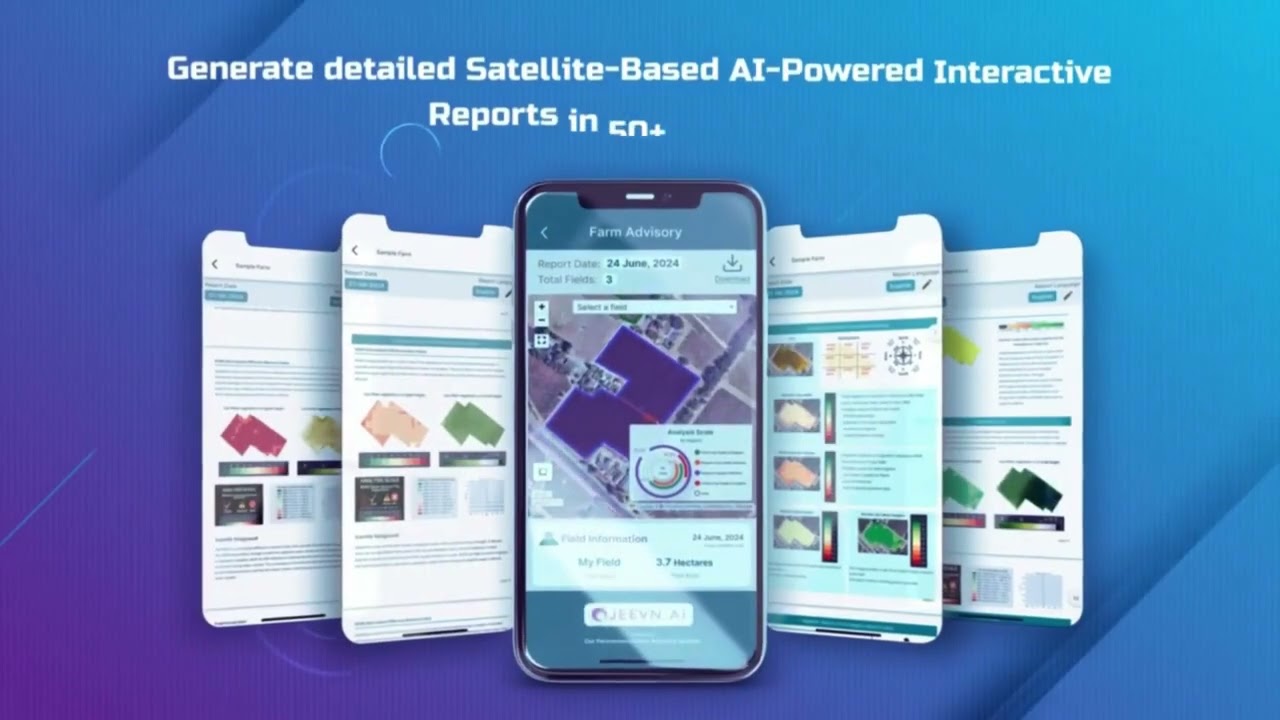
Ignoring the financial tracking modules in your crop manager software can lead to budget overruns and inefficient allocation of inputs—always balance agronomic recommendations with your financial projections.
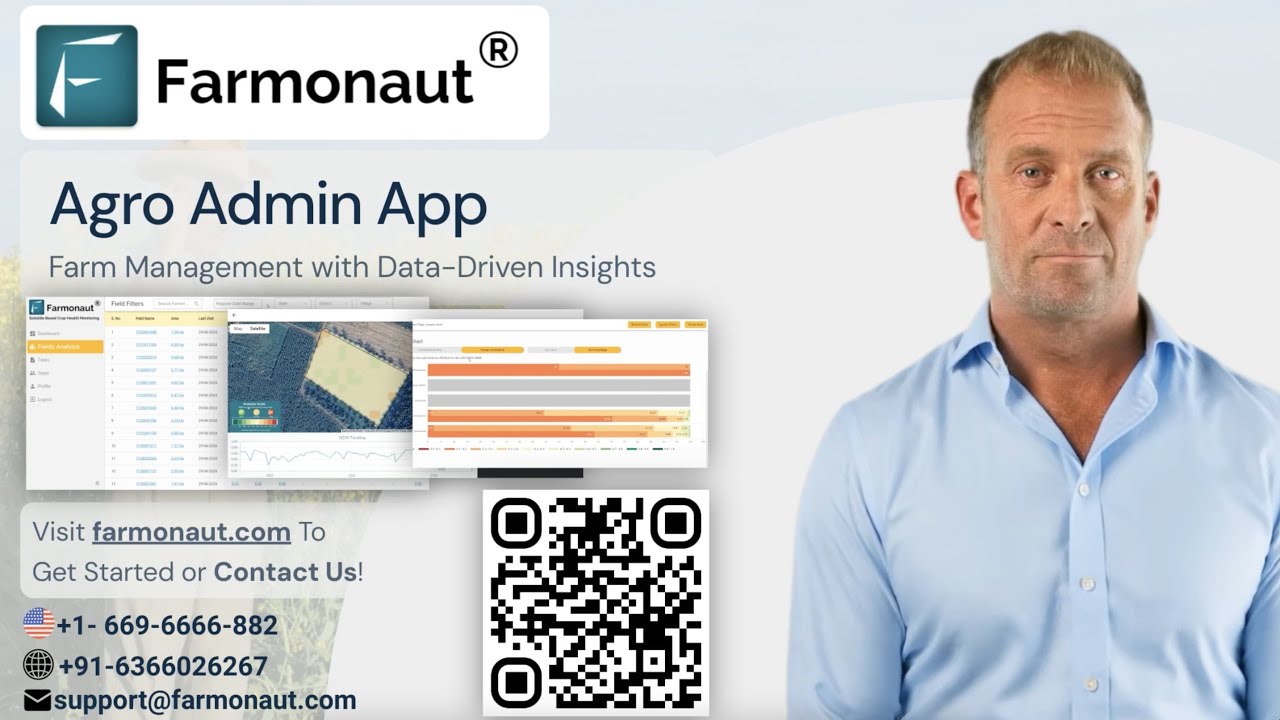
For modern, large-scale operations, Farmonaut Agro Admin App offers robust tools for tracking farm teams, monitoring multiple field locations remotely, and undertaking large-scale planting or harvesting operations. It’s ideal for agribusinesses seeking to scale with seamless digital oversight.
Ranch Managers and Automation: Livestock, Land, and Environmental Stewardship
Automation, remote monitoring, and AI-driven livestock health tracking have transformed the capabilities of ranch managers in 2026. Combining advanced sensors, satellite imagery, and blockchain-based record-keeping, modern ranch management is built on a foundation of data-driven land stewardship and animal welfare.
Key Technologies in Automated Ranch Management
- ✔ Pasture usage optimization via satellite-driven ground cover analytics
- ✔ Grazing patterns tracked using IoT and livestock wearables
- ✔ Resource allocation for water, feed, and pasture rotation
- ✔ Health monitoring with integrated alert systems for early detection
- ✔ Blockchain record for full lifecycle traceability and compliance
Environmental Compliance and Sustainable Practices
- 🌱 Emission tracking and carbon footprinting support net-zero initiatives (Read about carbon tracking benefits).
- 💧 Smart water management for drought resilience and regulatory compliance
- 🌿 Automated updating on land use for insurance and reporting (Explore how satellite-based verification speeds loans and reduces fraud).

“In 2025, farm management systems can boost crop yield forecasting accuracy by up to 30%.”
“Over 60% of ranches are expected to adopt digital crop manager software by 2026.”
Farm Pond Management: Advanced Water Resource Strategies for Sustainability
Water scarcity and security are among the greatest challenges in agriculture. Cutting-edge farm pond management strategies are thus essential for ensuring farm resilience, sustainability, and operational productivity.
Key Features of Sustainable Farm Pond Management (2025-2026)
- 💧 Automated water level tracking with IoT and remote sensing
- 🔬 Contamination detection using real-time sensors and AI-driven alerts
- 🌊 Catchment area management to maximize runoff and groundwater recharge
- 🌦 Weather-linked replenishment to optimize irrigation backup
- 🐟 Integration with aquaculture and livestock support
Benefits of Modern Pond Management
- ✔ Minimizes risk of drought through efficient water storage and allocation
- ✔ Improves farm ecosystem health (biodiversity, microclimate)
- ✔ Supports sustainable aquaculture and livestock water needs
- ⚠ Limitation: Requires periodic calibration and expert *review to avoid ecosystem imbalances or over-extraction.
- 🔁 Links with overall environmental compliance and carbon reduction goals
Discover how fleet management tools can ensure equipment and water resources are used most efficiently across multiple farm or ranch operations.
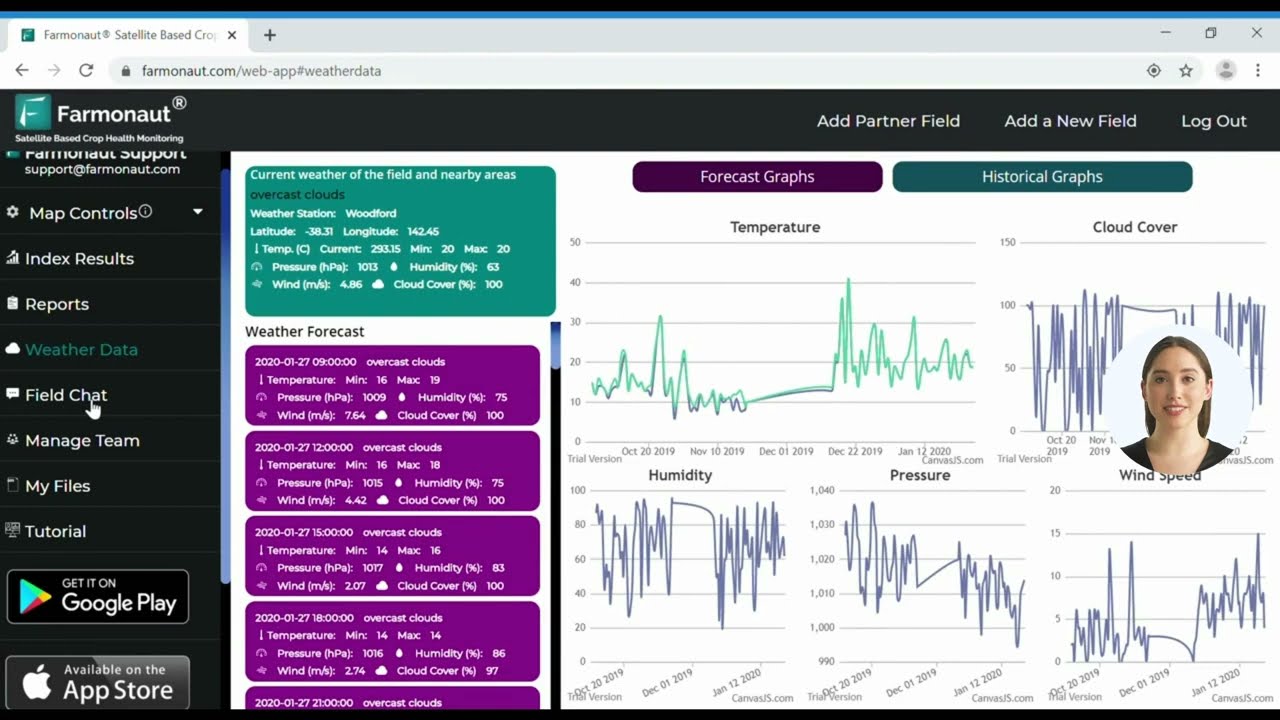
Automated farm pond management not only reduces risks from weather extremes but also enhances farm sustainability—linking hydrology, biodiversity, and annual yield in a holistic resource management approach.
Feature Comparison Table: Key Technologies in Farm Management System 2026
| System/Feature | Description | Estimated Yield Improvement (%) | Resource Savings (Estimated %) | Environmental Impact (Estimated CO₂ Reduction, kg/year) |
|---|---|---|---|---|
| Precision Crop Monitoring | Satellite/AI-based health monitoring; actionable input and yield predictions | 18–32% | 25–35% | Up to 1200 |
| Automated Ranch Management | Livestock health tracking, pasture optimization, IoT wearables, blockchain traceability | 12–22% | 18–28% | Up to 950 |
| Sustainable Pond Practices | Water level monitoring, contamination alerts, AI-driven catchment management | 10–16% | 22–33% | Up to 850 |
| Integrated Financial Tracking | Automated expense, input vs yield, and forecast/profit modules | N/A | 12–22% | Indirect |
| Environmental Impact Monitoring | Carbon tracking, compliance reporting, adaptive irrigation and input management | Indirect | 10–18% | Up to 1800 |
Empowering Agriculture with Farmonaut: Advanced Satellite Solutions
As leaders in satellite-driven insights, we at Farmonaut are dedicated to delivering cutting-edge crop manager software, farm management systems, and resource optimization platforms to empower the global agricultural community. Our solutions integrate satellite imagery, AI advisory, blockchain traceability, and real-time environmental monitoring to offer a comprehensive digital agriculture toolkit for emerging 2026 management needs.
- 🌱 AI-driven crop health monitoring for small and large farm operators
- 🌐 Blockchain-based product traceability to ensure supply chain transparency and compliance
- 🚜 Resource management modules optimizing water, labor, and equipment usage
- 💼 Financial institutions use our platform for satellite-based loan and insurance verification
- 📲 Accessible via Android, iOS, web apps, and API integration for maximum reach
Our platform empowers agriculture, mining, and infrastructure users through real-time satellite data, operational insights, and cost-effective management solutions—from field-level decision support to policy-making.
To explore the power of carbon tracking, review our Carbon Footprint Platform. For rapid resource compliance, learn more about traceability tools and satellite-based crop insurance verification.
Adopting a Modern Farm Management System: Best Practices & Strategies
- ✔ Align digital tools with strategic goals: Select modular systems that integrate seamlessly with existing operations and scale as you grow.
- ✔ Invest in training: Ensure all managers and teams are proficient in the use of new software and hardware platforms.
- ✔ Implement data validation protocols: Regularly audit, calibrate, or ground-truth remote sensing and sensor data to maximize decision accuracy.
- ✔ Leverage interoperability: Choose systems and APIs that can cross-communicate with other management tools (see all Farmonaut app modules).
- ✔ Plan for end-to-end digital traceability: From field to fork, use blockchain and digital records to enhance compliance, marketability, and consumer trust.
The Future of Farm and Ranch Management (2026 & Beyond)
The trajectory for farm manager systems in 2026 is clear: further integration of AI, robotics, blockchain, and ecosystem-level monitoring, delivering substantial gains in efficiency, profitability, and sustainability.
Sustainability remains a fundamental pillar—pushing adoption of advanced farm pond management, regenerative agricultural practices, and precise carbon tracking (see how your farm can improve its ESG profile).
Emerging innovations such as automated drone scouting, AI-powered livestock condition scoring, and augmented reality overlays for training and field operations will further reduce labor intensity and operational risk, while improving accuracy and resilience in the face of climate change.
Top 5 Key Points for Modern Farm and Ranch Operators
- ✔ Centralized management improves productivity and saves time.
- ✔ Precision data and AI recommendations translate into higher yields and resource efficiency.
- ✔ Integrated compliance & traceability protects against regulatory and market risk.
- ✔ Continuous platform upgrades ensure future-readiness.
- ✔ Enhanced environmental sustainability metrics win the trust of markets and consumers.
Frequently Asked Questions – Farm Manager 2026, Crop Manager Software & Sustainable Practices
- What is a farm management system (FMS)?
- A farm management system is an integrated, digital platform designed to help farm managers oversee crop, resources, labor, and financial operations. Modern FMS solutions include features like real-time monitoring, AI recommendations, compliance reporting, and modular integration with other tools.
- How does crop manager software improve productivity?
- Crop manager software leverages satellite imagery, sensors, and AI to help managers track crop health, optimize inputs, schedule harvests, and monitor expenses—resulting in higher yields and less resource waste.
- Why is farm pond management crucial for modern operations?
- Water is a limiting factor in many regions. Farm pond management provides backup irrigation, stabilizes farm microclimates, supports livestock/aquaculture, and ensures sustainability even during droughts or excess rain.
- Can small farms benefit from advanced farm management technologies?
- Absolutely! Platforms like Farmonaut offer scalable solutions, including affordable APIs and mobile apps, making advanced monitoring and optimization accessible to all farm sizes.
- What is the role of satellite technology in farm management?
- Satellite technology enables large-scale, remote monitoring of crops, soil, water, and infrastructure. Real-time data helps managers make informed decisions quickly and with greater accuracy.
- Are automated systems fully replacing manual labor?
- No. Automation reduces repetitive labor and inefficiency but strategic oversight, agronomic expertise, and adaptability remain essential—managers use digital platforms to enhance, not replace, their leadership.
Conclusion: A New Era of Smart, Sustainable Agriculture
The evolution of farm manager systems and crop manager software—together with advanced farm pond management—is fundamentally reshaping how farms and ranches operate. As 2026 approaches, the hallmark of a successful manager will be their ability to integrate technology, data, and sustainable practices across the entire operational ecosystem.
By leveraging modular, interoperable systems—supported by real-time satellite data, AI, and blockchain—today’s agricultural leaders are increasing yield, reducing waste, and building resilient, high-quality food systems that can thrive even in a changing global environment.
We at Farmonaut remain committed to empowering farms of all sizes through satellite-based monitoring, resource management, and sustainable digital solutions. Explore the next generation of farm management—and join us in building a brighter, more sustainable future for agriculture.
Ready to transform your operation? Try the leading farm management system, experience satellite-powered precision, and unlock new efficiency for 2026 and beyond!

 Pixxel
 Sapoznick Farms
 Agrotoken
 Blue BearX
 Insignito
 Croptimum
 DnCubed
 Field Capacity
 Indosistim Teknologi
 Liquify Digital
 CU Foods
 BeyondTech Global
 Rouge VC
 AgroGreen Dynamics
 AgroRisk
 Oath Inc
 Reddane Farming
 Esri North East Africa
