

Small Composter & Smart Composter: 7 Top Innovations Revolutionizing Sustainable Farming in 2025 & Beyond
Small composter and smart composter technologies are rapidly transforming modern farming and sustainable resource management in 2025 and beyond, empowering smallholder farmers, urban gardeners, and niche agricultural enterprises worldwide.
“By 2025, smart composters can reduce organic waste by up to 60% in small-scale farms worldwide.”
Table of Contents
- Introduction: The New Age of Small-Scale Composting & Harvesting
- Why Small Composters Matter in 2025 Agriculture
- Top 7 Innovations in Small Composter and Smart Composter Technology
- Feature Comparison Table: Small Composter, Smart Composter & Small Harvester
- Key Benefits of Small Composters, Smart Composters & Small Harvesters
- Smart Composter Evolution: IoT & AI for Sustainable Composting
- Small Compost Bags: Flexible Solutions for Modern Organic Waste Management
- Mechanized Small Harvesters & Combines: Sustainable Adoption
- Synergy in Sustainability: How Composting & Small Harvesters Work Together
- The Role of Farmonaut in Enabling Smarter, Sustainable Agriculture
- Emerging Trends: What to Expect in 2026 & Beyond
- Frequently Asked Questions (FAQ)
- Conclusion & Next Steps



Introduction: The New Age of Small-Scale Composting & Harvesting
In 2025, the drive for sustainability in agriculture has never been stronger. Small-scale composting units, along with smart composting technologies and innovative compact harvesting machinery, are revolutionizing how farmers, agroforestry managers, and urban gardeners manage organic waste, enhance soil health, and nurture crop productivity.
Amidst rising concerns about chemical fertilizer dependence, soil depletion, and environmental pollution, these innovations prove vital. Small composter units, smart composter technologies, and small compost bags are now more accessible and effective, contributing to a greener, more productive future.

Why Small Composters Matter in 2025 Agriculture
Small composters have become the cornerstone of sustainable farming and forestry. Unlike their larger, industrial counterparts, these compact units are designed for ease of use and are ideal for small farms, community gardens, and agroforestry plots. They transform organic residues, animal manure, and crop waste into nutrient-rich compost directly at the source.
- ✔ Quick Composting Cycle: Small-scale units optimize decomposition, generating fresh compost in weeks.
- ✔ Resource Management: Enable localized production, minimizing input costs for fertilizers.
- ✔ Environmental Stewardship: Reduce chemical runoff, lower pollution, and support climate-smart practices.
- ✔ Accessibility: Designed for smallholder farmers, urban gardeners, and niche enterprises with limited land and labor.
- ✔ Scalability: Easily deployed in peri-urban and remote community settings.
These innovations have enabled greater productivity and sustainability, especially for those previously underserved by large-scale systems.
“Over 75% of new small harvesters integrate resource-saving technology, boosting sustainability in modern agriculture.”
The fast-paced adoption of small composter units is closing the gap between large-scale commercial and smallholder farming, empowering all producers to contribute to global soil health and sustainability in agriculture.
Top 7 Innovations in Small Composter & Smart Composter Technology
In 2025, several advancements and technologies are reshaping how farmers, agro-entrepreneurs, and local communities engage in sustainable composting and crop harvesting practices. Here are the seven most notable innovations:
-
Portable Small Composters:
Compact, movable containers designed to handle organic residues and convert them into high-quality compost, even in restricted land areas. -
Smart Composters with IoT Integration:
Utilizing sensors, AI, and the Internet of Things for real-time monitoring of temperature, moisture, pH, and oxygen—delivering optimized decomposition cycles tailored to specific waste types. -
Small Compost Bags:
Flexible, breathable bags allowing easy collection, fermentation, and storage of organic waste for subsequent processing or direct soil application. -
AI-Driven Compost Management Systems:
Systems using artificial intelligence to suggest, automate, and optimize each stage of composting for different waste compositions, climate conditions, and farm types. -
Mechanized Small Harvesters:
Advanced, compact harvesting machinery that minimizes fuel consumption and labor while maximizing crop yield with tailored automation features. -
Smart Combine Technologies:
Small, high-tech combines engineered for precise grain separation, cutting, and harvest, leveraging embedded sensors for real-time adjustment and efficiency. -
Integrated Resource Management Platforms:
Digital platforms (like those offered by Farmonaut’s Fleet Management Tools) help coordinate machinery, labor, and scheduling for all composting and harvesting activities efficiently.

When selecting a small composter or smart composter, consider automation features, connectivity (IoT compatibility), and the ability to handle your predominant waste types. Tailored capacity ensures maximum efficiency while minimizing downtime.
Feature Comparison Table: Small Composter, Smart Composter, and Small Harvester Innovations
| Innovation Type | Estimated Cost (USD) | Capacity (Liters/Kg) | Automation Level | Energy Consumption (kWh/month) | Resource Savings (%) | Eco-friendliness Rating (1–5) |
|---|---|---|---|---|---|---|
| Portable Small Composter | $120–$400 | 60–240 L / 20–80 kg | Low | 2–5 | 30–45% | ★★★★☆ |
| Smart Composter (IoT-enabled) | $400–$1,200 | 90–400 L / 35–150 kg | High | 10–18 | 50–70% | ★★★★★ |
| Small Compost Bags | $0.50–$5 (per bag) | 5–50 L / 2–20 kg | Low | 0 | 20–35% | ★★★★☆ |
| Mechanized Small Harvester | $3,500–$12,000 | 500–1,200 kg/hr | Medium | 30–75 | 25–45% | ★★★☆☆ |
| Smart Combine Harvester | $9,000–$22,000 | 800–2,500 kg/hr | High | 80–150 | 45–55% | ★★★★☆ |
📦 Small Composting Innovations: At a Glance
- ✅ Portable Units: Quick setup and relocation for dynamic farms
- ✅ Smart Sensors: Real-time composting data for optimal cycles
- ✅ Eco-Designed Bags: Lightweight, durable, and breathable material
- ✅ AI-Driven Insight: Adaptive decomposition across waste types
- ✅ Integration: Linked with digital platforms for end-to-end management
Resource-saving innovations—especially smart composters and small harvesters—are experiencing robust growth, driven by mainstream demand for sustainable systems and IoT integration in agriculture for 2025 and beyond.
Key Benefits of Small Composters, Smart Composters & Small Harvesters
- 🌱 Boosts Soil Fertility: Transforms organic waste into nutrient-rich compost for sustainable soil health.
- 💸 Reduces Input Costs: Minimizes dependency on chemical fertilizers, lowering operational expense.
- ♻ Promotes Environmental Sustainability: Reduces chemical runoff, conserves water, and lowers carbon emissions.
- 🔄 Enables Circular Resource Management: Accelerates recycling of crop residues and animal manure on-site.
- 🛠 Minimizes Labor Requirements: Especially true for smart units and compact mechanical harvesters with automation features.
Many overlook regular monitoring of composting parameters. For best results, leverage smart composters or IoT sensors to actively track and adjust temperature, moisture, pH, and oxygen levels.
Smart Composter Evolution: IoT & AI for Sustainable Composting
The smart composter represents the pinnacle of composting technology in 2025. These units seamlessly integrate sensors and IoT technology, revolutionizing organic waste management within compact spaces.
What Sets Smart Composters Apart?
- 🟢 Live Parameter Monitoring: Built-in sensors track temperature, moisture, pH, and oxygen 24/7.
- 🟢 Automated Optimization: Onboard intelligence adjusts compost cycles, air flow, and mixing for efficient decomposition.
- 🟢 App Connectivity: Connect via smartphone or web dashboard for notifications, insights, and automated controls.
- 🟢 Precision Composting: Customizes decomposition cycles based on waste type and local climatic conditions.
- 🟢 Advanced Data Logging: Stores historical compost data, providing actionable insights for sustainable management.
Through adaptive intelligence, smart composters help farmers and communities optimize compost cycles, accelerate waste reduction, and contribute to sustainability goals.

Smart composters can reduce organic waste by 50%–70% and accelerate mature compost production by up to 2× compared to basic static piles or traditional small-scale methods.
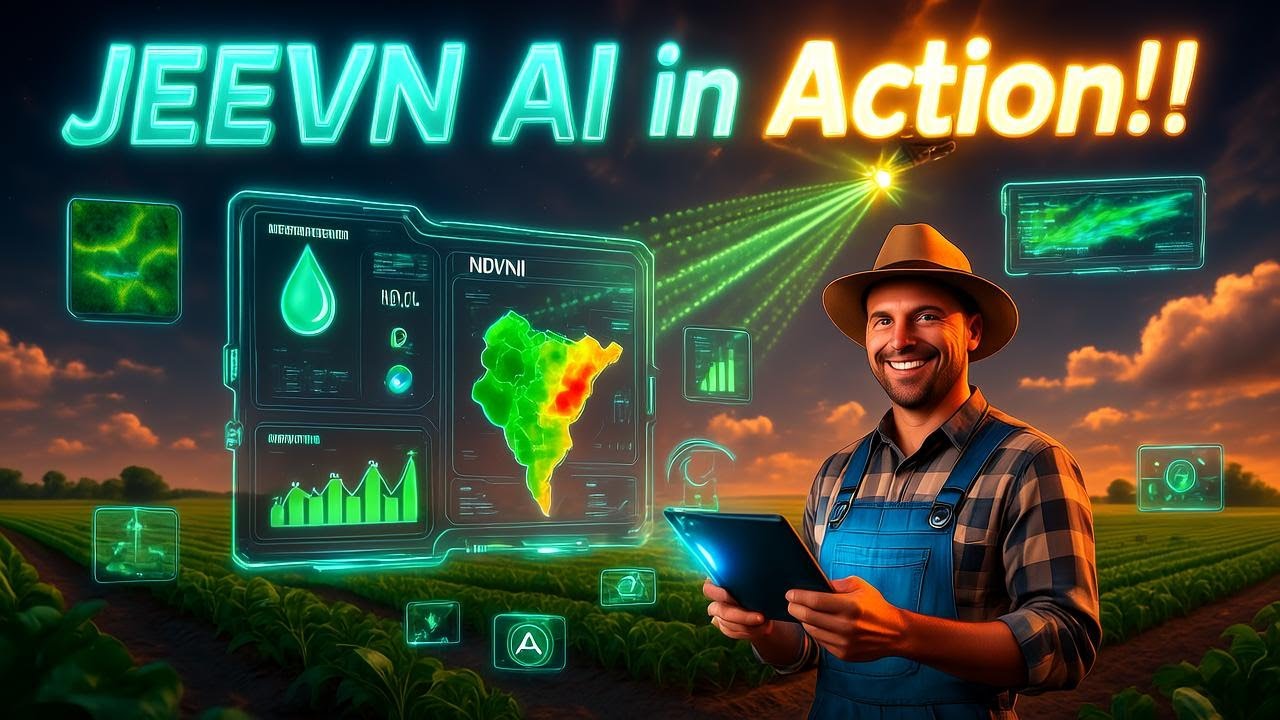
Our platform assists users by delivering granular satellite-based insights on vegetation health (NDVI) and soil conditions. Integrating this data with smart composter monitoring, farmers can optimize resource allocation and boost overall farm health. Access it via Farmonaut’s Web and Mobile Apps, making precision agriculture and smart composting more accessible.
Small Compost Bags: Flexible Solutions for Modern Organic Waste Management
Small compost bags are an increasingly popular innovation among urban gardeners, forestry workers, and smallholder farmers. Their breathable, lightweight, and durable design enables efficient collection and processing of organic residues, food scraps, and animal manure.
- 👜 Segregation: Simple source segregation for customized composting cycles.
- 👜 Fermentation: Promotes optimal aeration for smaller volumes of waste.
- 👜 Mobility: Lightweight for easy transportation and integration within remote plots or distributed setups.
- 👜 Zero Waste: Encourages more frequent and widespread adoption of composting in community and peri-urban areas.

Adoption of small compost bags reduces landfill loads and greenhouse gas emissions by enabling decentralized waste processing and soil enhancement—even in urban settings.
🌍 Real-World Applications for Small Compost Bags
- 🏡 Kitchen Gardens: Effortless composting of daily organic waste
- 🏢 Urban Communities: Rapid rollouts in housing societies & municipal programs
- 🌲 Forestry/Farm Plots: Easy transport for litter and woody debris management
- 🚜 Smallholder Farms: Seasonal residue collection and soil enhancer production
Mechanized Small Harvesters & Smart Combines: Innovation Driving Sustainable Crop Collection
Parallel to the advancement of composters, the mechanization of harvesting has transformed small and medium farms across the globe. Small harvesters and smart combines are now compact, fuel-efficient, and embedded with automation features to optimize every stage of the harvest process.
- ✔ Reduced Labor: Mitigates impact of labor shortages and increases operational flexibility.
- ✔ Enhanced Efficiency: Precision cutting and grain separation with minimal crop loss.
- ✔ Lower Fuel & Input Costs: Units are designed for minimal resource consumption, supporting environmental goals.
- ✔ Soil Health Conservation: Lightweight build traditionally results in less soil compaction than larger harvesters.
- ✔ Digital Integration: Some models provide real-time data on yield, moisture, and actionable advisories.

Synergy in Sustainability: How Composting & Small Harvesters Work Together
In today’s era of climate change, fragmented land holdings, and limited human resources, integrating small composting systems with mechanized harvesting equipment optimizes crop production and soil fertility on every scale.
How does the synergy work?
- Harvest Residues: Small combines leave manageable quantities of crop waste—ideal input for small composters.
- Closed Loop: Compost produced on-site from residues returns to enrich the same land’s soil health.
- Resilience: This model mitigates dependence on external inputs, crucial for areas prone to supply disruptions.
- Data-Driven Optimization: Satellite-based platforms, such as Farmonaut’s Carbon Footprinting Service, can help monitor real-time environmental impact and carbon reductions from integrated composting and harvesting.
Develop a rotation plan for residue management and compost production based on your crop calendar. Schedule regular soil health monitoring with satellite-based platforms to optimize fertility enhancement and productivity.
The Role of Farmonaut in Enabling Smarter, Sustainable Agriculture
As a pioneering satellite technology company, we at Farmonaut are dedicated to making data-driven insights accessible for all levels of agriculture, forestry, and resource management.
- Satellite-Based Monitoring: Our large-scale farm management platform provides real-time, multispectral data, including health indices (NDVI), for ongoing crop and soil monitoring.
- Jeevn AI Advisory System: Our AI-driven advisor delivers hyper-local guidance on weather, crop cycles, and optimal resource usage.
- Blockchain Traceability: Ensure authenticity and reduce fraud in crop production and sustainable sourcing—features available on our Traceability Platform.
- Resource Optimization: From fertilizer management to smart fleet routing, our fleet & resource management tools streamline agricultural and allied sector operations.
- Environmental Tracking: Use our carbon foot-printing features to monitor sustainability progress (learn more).
All our services are accessible via web, Android, and iOS, ensuring on-the-go access to the most advanced resource management data in the sector.
Interested in affordable, scalable monitoring solutions for agriculture or allied sectors?
Emerging Trends: What to Expect in 2026 & Beyond
- Wider IoT Adoption: Next-generation smart composters will feature edge AI and greater self-optimization across more crop types.
- Carbon-Neutral Operations: Integration of renewable energy and real-time carbon monitoring for equipment and composting units.
- Blockchain for Micro-Traceability: Expansion of traceability to granular levels—including batch-wise compost tracking for certifying sustainable practices.
- Interconnected Resource Platforms: APIs and digital ecosystems (see Farmonaut API and Developer Docs) that link compost, harvester, and farm data into one dashboard.
- Faster ROI for Smallholder Investments: Lower entry costs and rising demand will drive mass-market adoption and returns for eco-friendly machinery and composters.
By integrating smart composters, carbon footprinting, and mechanized small harvesters with digital traceability, the future of agriculture will be interconnected, data-driven, and focused on maximizing soil health and low-carbon food production—even in the smallest land areas.
Frequently Asked Questions (FAQ)
-
What is a small composter, and why is it important for sustainability?
A small composter is a compact, often portable unit designed to decompose organic waste efficiently on-site. It supports sustainability by reducing chemical input needs, improving soil health, and minimizing waste disposal costs. -
How does a smart composter work?
Smart composters use sensors and IoT technology to monitor and automatically adjust temperature, moisture, pH, and oxygen inside the compost pile, ensuring a faster and more controlled decomposition process. -
What types of waste can I process with small composters and smart composters?
These units are ideal for organic residues, crop waste, food scraps, animal manure, and even select woody debris, depending on design and usage guidelines. -
Are small compost bags reusable?
Some are, but most are designed for single or several uses, depending on material. Look for eco-friendly, biodegradable options. -
Can I connect my small composter or harvester data with digital farm management tools?
Many smart composters and harvesters offer app or API integrations, enabling seamless data-driven farm management. Explore platforms like Farmonaut with built-in support for such integrations. -
How can I track the environmental impact of my composting and harvesting practices?
Use Farmonaut’s carbon footprinting tools to monitor, quantify, and report reductions in greenhouse gas emissions and enhanced soil health. -
What is the estimated payback period for investing in smart composters or small harvesters?
Most units, with efficient management, see returns within 1–3 crop cycles via reduced input costs, higher yields, and environmental compliance benefits. -
Can small and smart composters help me achieve organic certification?
Yes, by enabling closed-loop nutrient cycling and traceability, these systems support meeting organic farming requirements and demonstrating sustainable practices.
Conclusion & Next Steps
In a world rapidly shifting toward sustainability and data-driven agriculture, the rise of small composter and smart composter technology represents a transformative leap. These systems, along with compact harvesters and flexible compost bags, are making regenerative, efficient, and climate-smart agricultural practices available to all—from village plots and suburban gardens to mechanized smallholder farms.
We invite you to explore these innovations, leverage digital tools and platforms like those offered by Farmonaut, and embrace the synergy between smart composting, resource-efficient harvesting, and advanced digital resource management. Together, these advancements will support not only higher yields and healthier soil but also a brighter, more sustainable future for agriculture and forestry in 2026 and beyond.
Ready to optimize your sustainable farming journey?
- Download our App or use the Web Platform for on-the-go satellite-powered insights and management.
- Explore API integrations—visit our Farmonaut API page and developer documentation.
- Learn more about carbon tracking and traceability:
- Monitor and reduce agricultural emissions with our Carbon Footprinting solutions.
- Achieve transparent, certified resource management with our traceability platform.
- Join the community of modern, climate-smart farmers adopting the future of agriculture—today!
Stay tuned for more updates on smart farming and composting advancements—or empower your operations with satellite insights from Farmonaut.
*Farmonaut is a satellite technology provider for agriculture and allied sectors, offering powerful data-driven insights for smarter, more sustainable management. Farmonaut does not manufacture, sell, or regulate physical composting or harvesting products. All technical insights are provided to support informed adoption of innovation by farmers and agri-businesses.*
Discussion
Questions, corrections or field experience? Share them below. First-time comments are reviewed before they appear, and your email is never published.
No comments yet. Be the first to add a question or your experience.

 Gator Blueberries
 Liquify Digital
 Ascentya
 CU Foods
 BeyondTech Global
 Rouge VC
 AgroGreen Dynamics
 AgroRisk
 Oath Inc
 Reddane Farming
 Esri North East Africa
 Cresol
 Atur Kuliner
 MDCV UK
 Zerella Group
 Etech Consulting Madagascar
 Vestlandsforsking
 Delicio
 WB Dev
 Sama Premium
 Prochecker
 Tres Valles
 LACOS Geoinformation
 Exploration consultancy · South Africa · Gold
 Licence holder · Niger · Gold










