

Farm to Market: Market Garden Farm Trends 2026 — Shaping Sustainable and Resilient Food Systems
“By 2026, market garden farms are expected to supply 35% more fresh produce to local farmers markets than in 2023.”
Introduction: The Evolving Farm to Market Landscape, 2026
In 2025 and looking ahead to 2026, the farm to market concept continues to be a pivotal element in shaping efficient, resilient, and sustainable agricultural supply chains. The revival of local market garden farms, an upsurge in co op farmers market and the transformation of venues like the market square farmers market and haymarket farmers market, are driving unprecedented changes across global food systems. As consumers’ demand for fresh, locally sourced produce intensifies, our approach to integrating innovative technologies, eco-friendly practices, and digital solutions is rapidly evolving.
This comprehensive blog post explores the major trends and transformations in farm-to-market systems — especially through the lens of market garden farms, farmers markets, and the digital, cooperative, and sustainable revolutions powering these networks. From smaller-scale, intensive vegetable, fruit, and herb production near urban centers to regenerative agriculture and digital payments, join us in uncovering how these shifts are fostering food security, community resilience, and environmental stewardship in 2026 and beyond.
“Over 60% of farm-to-market operations in 2025 will adopt eco-friendly practices to enhance community food resilience.”
What Is Farm to Market? Redefining Supply Chains
The farm to market concept refers to the various systems and processes that move fresh produce—from efficient, localized farms—directly to local markets, retailers, and consumers. Unlike traditional agricultural supply chains that rely heavily on intermediaries and global distribution networks, modern farm to market models focus on sourcing produce locally, reducing distances between farms and tables, and empowering rural and urban communities alike.
- Direct Sales: Farmers can sell produce directly to consumers, bypassing middlemen and ensuring fair prices.
- Farmers Markets: Vibrant venues such as market square farmers market, haymarket farmers market, co op farmers market, and marina farmers market act as critical hubs for producers and consumers to connect.
- Digital Integration: The increasing role of digital platforms—online marketplaces, pre-ordering, contactless payments, and real-time inventory—blends traditional food access with modern convenience.
- Shorter Supply Chains: Limiting food miles and enhancing traceability through blockchain technologies and digital tracking systems.
This reshaping of agricultural supply chains is especially relevant within the context of urban and peri-urban areas, where proximity to cities enables quicker harvest-to-market cycles and fresher food with less spoilage.
Market Garden Farm Revolution: Diversity, Soil Health & Resilience
At the heart of the new farm to market movement are market garden farms—typically smaller-scale but highly efficient operations focused on intensive production of vegetables, fruit, and herbs. Unlike large monoculture operations relying on single-crop systems, market garden farms emphasize crop diversity, soil health, and sustainable farming techniques.
- Diversity: Growing a wide variety of crops increases resilience against pests, climate shocks, and market fluctuations.
- Soil Health: Practices such as composting, cover cropping, reduced tillage, and mulching preserve soil fertility, prevent erosion, and support carbon sequestration—building long-term sustainability.
- Localized Supply: The proximity of market garden farms to urban markets means shorter distribution chains, reducing post-harvest losses and ensuring consumers get fresher, nutritious food.
- Labor-Intensive Practices: These farms rely more on skilled labor than on heavy machinery, supporting local employment and community-based food systems.
In 2025 and 2026, market garden farms are central to the resurgence of localized food economies, integrating principles of sustainability and community empowerment.

Eco-friendly Technologies & Precision Tools in 2025–2026
Technological innovation is redefining what it means to run an efficient and sustainable market garden farm in 2026. From the use of solar-powered irrigation to precision agriculture tools, farmers are leveraging technology to boost productivity and minimize resource waste.
- Solar-Powered Irrigation: Replacing fossil fuels with solar energy drastically reduces carbon emissions during food production. This technology also ensures a steady water supply in off-grid rural areas and mitigates the impact of climate variability.
- Precision Agriculture: Modern tools use sensors, satellite data (see Farmonaut solutions), and mobile apps to monitor soil health, crop growth, and disease. This leads to enhanced resource efficiency, reduced input costs, and higher yields.
- Resource Management Platforms: Apps and software, including Farmonaut’s large scale farm management tools, help farmers and cooperatives monitor fields, track irrigation, and optimize harvesting cycles with actionable insights.
- Digital Traceability: Blockchain-based solutions provide secure, tamper-proof tracking for produce from farm to market, building transparency and consumer trust (explore Farmonaut traceability solutions).
The adoption of such innovative systems is especially evident in cutting-edge venues like the marina farmers market, where real-time inventory and digital ordering support both producers and consumers.




Farmers Markets as Community Hubs: Square, Haymarket, Co-op, and Marina Markets
Farmers markets have become vital social, economic, and cultural hubs for cities and communities of all sizes. Iconic venues such as the market square farmers market, haymarket farmers market, co op farmers market, and marina farmers market lead the way in reimagining food distribution systems.
- Role as Connectors: Farmers markets allow producers and consumers to connect directly, fostering transparency about food origins, production methods, and nutritional value.
- Fresh, Local Variety: These markets offer abundant, seasonal diversity, promoting consumer awareness about fresh, locally sourced produce.
- Fair Prices for Farmers: By cutting out intermediaries, farmers obtain fair prices and retain greater control over their products.
- Social & Cultural Value: Markets serve as community gathering spots, hosting events, workshops, and education sessions about sustainable agriculture and climate resilience.
The ongoing transformation of farmers markets involves not just physical venues, but an embracing of technology—from digital pre-ordering platforms to contactless payment options.

Digital Integration & Modern Infrastructure: Linking Farm to Market Faster
The integration of digital technologies and infrastructure improvements is redefining both urban and rural food systems in 2025 and beyond.
- Online Platforms & Apps: These allow customers to browse seasonal inventories, place pre-orders, and make contactless payments—bridging the gap between traditional and modern food distribution.
- Blockchain Traceability: Blockchain solutions, like those available via Farmonaut Traceability, protect product authenticity and support transparent food supply chains.
- Refrigerated Logistics: Investments in cold storage, eco-friendly packaging, and temperature-controlled transport maintain quality standards and reduce post-harvest losses.
- Government Initiatives: “Farm-to-market corridors” are emerging—in partnership with local communities—to streamline logistics, boost food access, and cut carbon emissions in distribution.
As technology continues to shape agricultural supply chains, these innovations become essential for achieving sustainability, resilience, and efficient food systems.

Cooperative Market Models: Empowering Producers and Consumers Alike
Cooperative models are taking center stage in farm-to-market systems by pooling resources, decreasing costs, and amplifying community benefits:
- Shared Infrastructure: Co operatives invest in shared cold storage, loading docks, and distribution centers, making food distribution more reliable and efficient—a common feature in advanced co op farmers market operations.
- Collective Marketing: Farmers combine marketing efforts and negotiate better deals, ensuring fair prices and greater reach within local markets.
- Joint Investments: Pooling funds for technological and environmental improvements—from renewable energy adoption to digital monitoring tools.
- Community Reinvestment: Profits flow back into the community, supporting sustainability projects, education, and public health initiatives.
The rise of cooperative markets supports not just economic resilience for producers, but also community empowerment and climate-conscious food systems.
Regenerative Agriculture & Carbon Reduction: Sustainability in Practice
Addressing environmental concerns is now at the core of farm-to-market planning:
- Regenerative Agriculture: Farmers embrace soil restoration, cover crops, and no-till methods to boost soil health and sequester carbon.
- Biodiversity: Diverse crop rotations encourage healthy ecosystems and reduce the use of synthetic inputs—essential for sustainable market garden farm operations.
- Emissions Monitoring: Tracking and reducing carbon footprint has become more accessible using digital tools and platforms such as Farmonaut Carbon Footprinting.
- Eco-Friendly Packaging: Sustainable, biodegradable, or compostable materials are now standard in packaging at many marina and urban farmers markets.
These environmental practices align with growing consumer demand for climate-conscious, traceable, and sustainable food systems.

Infrastructure & Logistics: Building Resilient Food Distribution Networks
Investment in infrastructure and logistics is critical to resilient farm-to-market systems:
- Roadways & Corridors: Efficient, dedicated routes known as farm-to-market corridors ensure rapid food movement, limit spoilage, and connect rural farms with urban markets.
- Cold Chain Logistics: Farmers markets benefit from communal cold storage, refrigeration, and coordinated pickup schedules, maintaining product quality and reducing waste.
- Eco Transport: Electric or low-carbon vehicles support sustainable distribution and will play a growing role by 2026.
- Rural Digitalization: Connectivity investments make it easier for farmers to access digital tools for inventory, orders, and financial management.
These combined investments in physical and digital infrastructure form the backbone of resilient, modern farm-to-market systems for the next decade.
Comparative Trends Table: Farm-to-Market Sustainability Indicators, 2025–2026
| Practice/Indicator | Farm-to-Market System (Est. 2025/2026) | Market Garden Farm (Est. 2025/2026) | Farmers Market (Est. 2025/2026) | Environmental Impact (Est.) |
|---|---|---|---|---|
| Crop Diversity (%) | 65% / 70% | 80% / 90% | Varied, 70%+ local variety | Higher biodiversity, ecosystem resilience |
| Use of Eco-Friendly Technologies (% adoption) | 60% / 75% | 70% / 85% | 50% / 65% | Lower carbon footprint, less chemical runoff |
| Local Food Sales Growth (%) | +15% / +20% | +27% / +35% | +20% / +28% | Strengthens local economies, reduces food miles |
| Carbon Footprint Reduction (%) | -12% / -18% | -16% / -22% | -8% / -12% | Major step towards climate goals |
| Community Participation (# stakeholders) | 2,000+ / 3,200+ | 1,050+ / 1,800+ | 3,200+ / 5,100+ | Increased social capital and local engagement |
Looking Forward: Key Farm-to-Market and Market Garden Farm Trends for 2026
As we approach 2026, several transformative farm to market and market garden farm trends are set to redefine agricultural supply chains and community-driven food systems:
- Integration of Data-Driven Farming: Satellite analytics and AI tools play an increasingly essential part in monitoring soil health, irrigation efficiency, and harvest timing for market garden farms.
- Wider Adoption of Blockchain Traceability: Consumers want to verify food origins, supporting food safety and supply chain transparency.
- Rapid Digitalization: Enhanced e-commerce integration with farmers markets brings more options for direct sales, community-supported agriculture, and subscription fresh produce boxes.
- Climate-Adaptive Cropping: Breeding and adopting crops better suited to changing climate patterns ensures year-round yields.
- Sustainable Finance: Expansion of satellite-assisted crop loan and insurance solutions allows farmers to invest in regenerative practices with reduced risk.
- Infrastructure for Resilience: Investments in distributed cold storage, rural electrification, and climate-resilient roadways remain vital.
These trends will not only boost the economic vitality of local farmers and communities but also secure our food future in the face of global uncertainties.

Farmonaut Satellite Technologies Supporting Sustainable Food Systems
As a pioneering satellite technology company, we at Farmonaut are dedicated to powering the next wave of sustainable agriculture and resilient farm-to-market systems through advanced technology. Our mission is to democratize access to satellite-driven insights—making them affordable and accessible for farmers, businesses, and governments around the world. Here’s how our platform is transforming agriculture:
Real-Time Satellite Monitoring & AI-Based Advisory
- Multispectral Imaging: We use satellite images to monitor vegetation health (NDVI), soil moisture, and crop conditions—maximizing productivity and resource efficiency for market garden farms and large-scale agricultural operations.
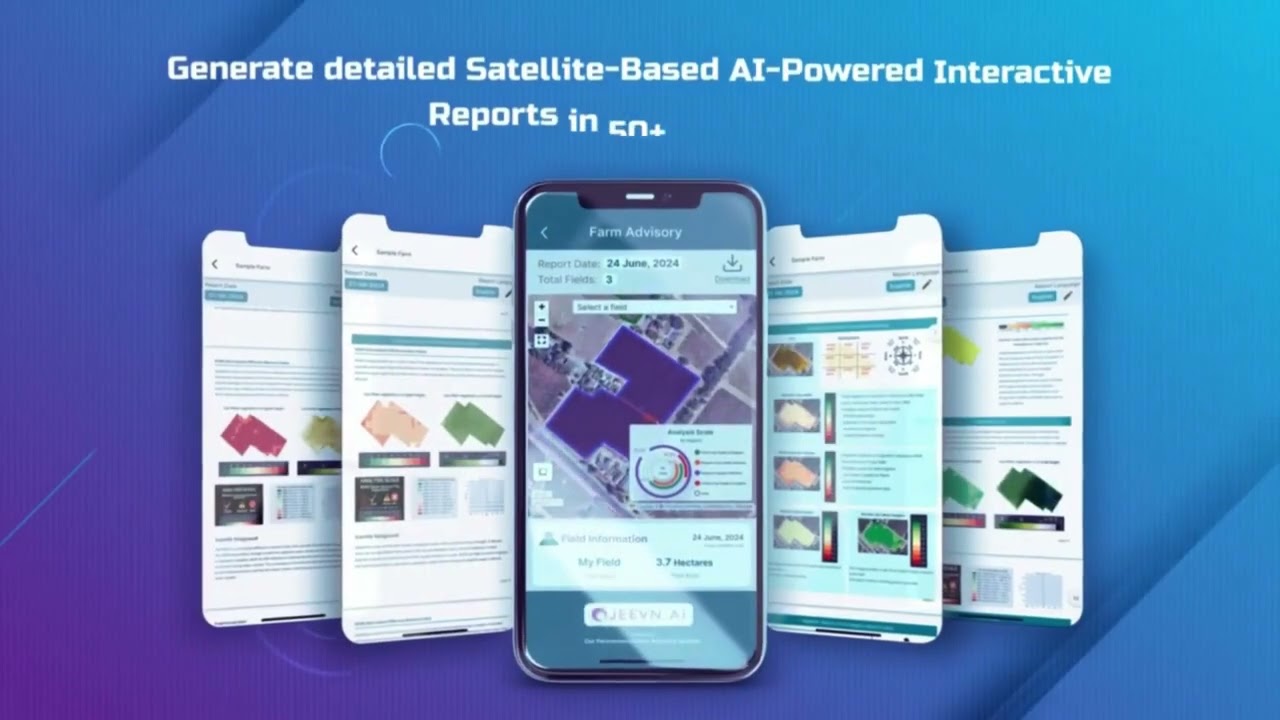
- Jeevn AI: Our AI-driven advisory system delivers tailored, actionable strategies—from predicting optimal irrigation times to identifying disease outbreaks.
Blockchain-Based Traceability
- Traceable Supply Chains: We enable secure, transparent, and tamper-proof traceability for produce via blockchain—building consumer trust and reducing fraud.
Fleet and Resource Optimization
- Fleet Management: Our platform enables efficient vehicle tracking, scheduling, and resource management for food distribution—drive efficiency with Farmonaut Fleet Management.
Environmental Impact & Carbon Footprint Monitoring
- Carbon Footprint Tools: We offer digital tools for tracking on-farm and market-level emissions—promoting eco-friendly practices in food supply chains. Explore details at Farmonaut Carbon Footprinting.
Subscription Solutions & APIs
- Businesses and developers can access our satellite and AI insights via Farmonaut API and API Developer Docs—providing unique data integrations for agricultural optimization.
- Our modular platform scales—from small farms to large agribusinesses and governments—with affordable, tailored subscriptions.
Want to experience real-time crop, environmental, and distribution monitoring for your farm or market?
For detailed, scalable farm management, check our Large Scale Farm Management App and Forest Advisory Tools for plantation projects.
Farmonaut Solutions & Subscriptions
Choose from flexible subscription plans to access advanced satellite-driven insights, real-time monitoring, and advisory tools on your farm, at your market garden farm, or within your food distribution network.
Frequently Asked Questions (FAQ)
What is the farm to market concept and why is it gaining importance?
Farm to market refers to systems and strategies that move fresh produce from local farms directly to markets or consumers, reducing intermediaries and shortening the food supply chain. Its importance is growing due to the need for sustainability, transparency, local food security, and community empowerment.
How does a market garden farm differ from a large-scale monoculture farm?
Market garden farms are typically smaller operations focused on intensive production of diverse vegetables, fruits, and herbs. Unlike monoculture farms, they emphasize crop diversity, soil health, sustainable farming techniques, and are often located close to urban markets.
What are the benefits of farmers markets for consumers and producers?
Farmers markets allow direct interaction, offering fair prices to producers and quality, transparency, and seasonal variety to consumers. They also foster community engagement, education, and culture.
How are digital solutions transforming farm-to-market systems?
Digital platforms allow pre-ordering, contactless payments, real-time inventory management, and blockchain-based traceability, increasing efficiency, reducing food wastage, and promoting transparency in food distribution.
How does Farmonaut contribute to sustainable and resilient agriculture?
We at Farmonaut offer satellite monitoring, AI-driven advisory, carbon footprint tracking, and blockchain traceability. These tools empower farmers, cooperatives, and businesses to maximize yields, conserve resources, and ensure transparency—all essential for sustainable food systems.
Where can I get started with Farmonaut’s monitoring and management apps?
You can access Farmonaut’s platform via
Web App,
Android App,
and iOS App.
Conclusion: Why Farm to Market Is Essential for 2026 and Beyond
The farm to market concept—anchored by dynamic market garden farms, co op and marina farmers markets, advanced technology adoption, and robust community infrastructure—is emerging as the foundation of sustainable, resilient, and efficient agricultural supply chains. As consumer demand for locally sourced, fresh food intensifies, the integration of eco-friendly technologies, precision tools, and digital platforms will empower both producers and consumers alike.
Market garden farms are central to a resilient, climate-smart agriculture future. Their focus on crop diversity, soil health, and community connection ensures a sustainable food system less vulnerable to global disruptions. Meanwhile, cooperative business models in markets like haymarket farmers market and market square farmers market will continue to foster fairness, transparency, and local investment.
Digital transformation and infrastructure investments—combined with environmental stewardship—promise greater food security, economic empowerment, and a healing of the urban-rural divide. We at Farmonaut remain committed to equipping farmers, market organizers, and governments with advanced satellite technology, real-time AI insights, and transparency tools, all designed to foster a healthier, more sustainable world.
Join this evolution—embrace the farm to market renaissance—and be part of a resilient, climate-smart food future for 2026 and beyond!

 Grow Indigo
 FFBS
FFBS Jontra
 Kalustyan
 Tucor
Tucor Geno
Geno Hayleys Agriculture
 Linx Agritech
 Adinet
 Save Your Soils
 Grandstream Algérie
 XOS Realty
 Geospatial Lab Africa
 Agro La Gándara
 HIPSAC
 ZOL Zimbabwe
 Juligerm
