

Global Village Farming: Sustainable Village Agriculture Tips
Global village farming sits at the intersection of tradition and practicality, where villages use local knowledge, community resources, and sustainable practices to cultivate land, support diverse livelihoods, and secure the future of their ecosystems. These smallholder and villager farming communities form the backbone of global food systems, conserving heritage, and adapting with resilience in the face of modern challenges.
This guide explores proven methods, innovative approaches, and practical tips for sustainable village farming—from water management and soil health, to community-based cropping systems, market access, and appropriate technology. Whether you’re seeking insights into water conservation, improving soil and nutrient cycling, or boosting the transfer of traditional knowledge across generations, you’ll find valuable strategies here.
Key Concepts in Sustainable Village Agriculture
- Intersection of Heritage & Practicality: Village agriculture is where tradition meets pragmatism. Practices adapt to local realities and resources.
- Community & Social Dynamics: Labor and knowledge transfer within families and communities are central to resilience.
- Diversification for Risk Management: Mixed farming systems combine crops and livestock, providing multiple income streams and food security.
- Resource Efficiency: Compact plots, marginal soils, and rain-fed systems drive creativity and maximized use of limited resources.
- Environmental Stewardship: Conservation and sustainable practices help preserve ecosystem function, protecting both nature and livelihoods.
How Village Farming Systems Work: Context, Community, and Ecosystem Adaptation
Sustainable village farming sits at the intersection of heritage and modern adaptation, often characterized by:
- Land parceled into compact plots to maximize use.
- Use of marginal soils and diverse microclimates—sometimes as the only available fertile ground.
- Reliance on family labor and the transfer of actionable knowledge across generations.
- Emphasis on social activity: shared maintenance, village decision-making, and community resource management.
- Frequent adaptation to limited access to outside inputs, capital, or distant markets.
The result? A living, adaptive system where villagers cultivate the land for food, income, and regional resilience. Local climate and ecosystems shape decision-making, from when to plant to how to conserve water and nutrients.

Many sustainable methods, such as crop rotation and mixed cropping, don’t just improve yields—they also strengthen a village’s ability to weather climate variability and market shocks.
Crops and Cropping Systems: Matching Plots to Local Needs in Global Village Farming
Staple, Seasonal, and Diverse Crop Selection
Village farmers emphasize crops that fit local climates and needs:
- Staple grains (e.g., rice, maize, millet, sorghum) for energy and basic nourishment.
- Seasonal vegetables and legumes (beans, peas) to enrich household nutrition and soil fertility.
- Perennials—like fruit trees in agroforestry—offering food, fodder, and additional income.
The flexibility and diversity in cropping are designed to provide multiple sources of food and income. Mixed cropping also helps to hedge risk against climate variability and market shocks.

Crop rotation is fundamental to sustainable village agriculture. Farmers rotate families of crops to:
- Disrupt pest and disease cycles, reducing need for chemical interventions
- Balance nutrient demands in soils, especially by including legumes
- Prevent erosion and soil loss
When introducing a new crop to your village plot, consult neighbors and extension officers about local varieties with a proven track record in your microclimate.
Mixed Farming: Livestock, Poultry & Diversification Strategies
A hallmark of villager farming is mixed farming—integrating livestock, poultry, and crops for improved cycling of nutrients and greater resilience. Key benefits include:
- Livestock produce manure, boosting soil health and crop yields.
- Poultry manage pests in field and home gardens, reducing risk.
- Diversification generates multiple income streams and provides protein-rich food for the household.
- If one product or activity faces difficulty (e.g., crop disease), others may compensate, keeping the system viable.

Village plots are compact and often carved from marginal land, so every resource—from crop residues to animal bedding—becomes valuable for cycling nutrients and reducing outside inputs.
Water Management: A Cornerstone of Successful Village Agriculture
Traditional Irrigation and Community-Based Approaches
Water is the foundation for all crops and livestock in village farming. Farmers around the world employ:
- Canals & Small Dams: Diverting seasonal flows for controlled irrigation
- Terraced Fields: Creating level growing areas to slow water runoff and conserve soils
- Furrow & Drip Irrigation: Using simple, scalable technologies where feasible to minimize water waste
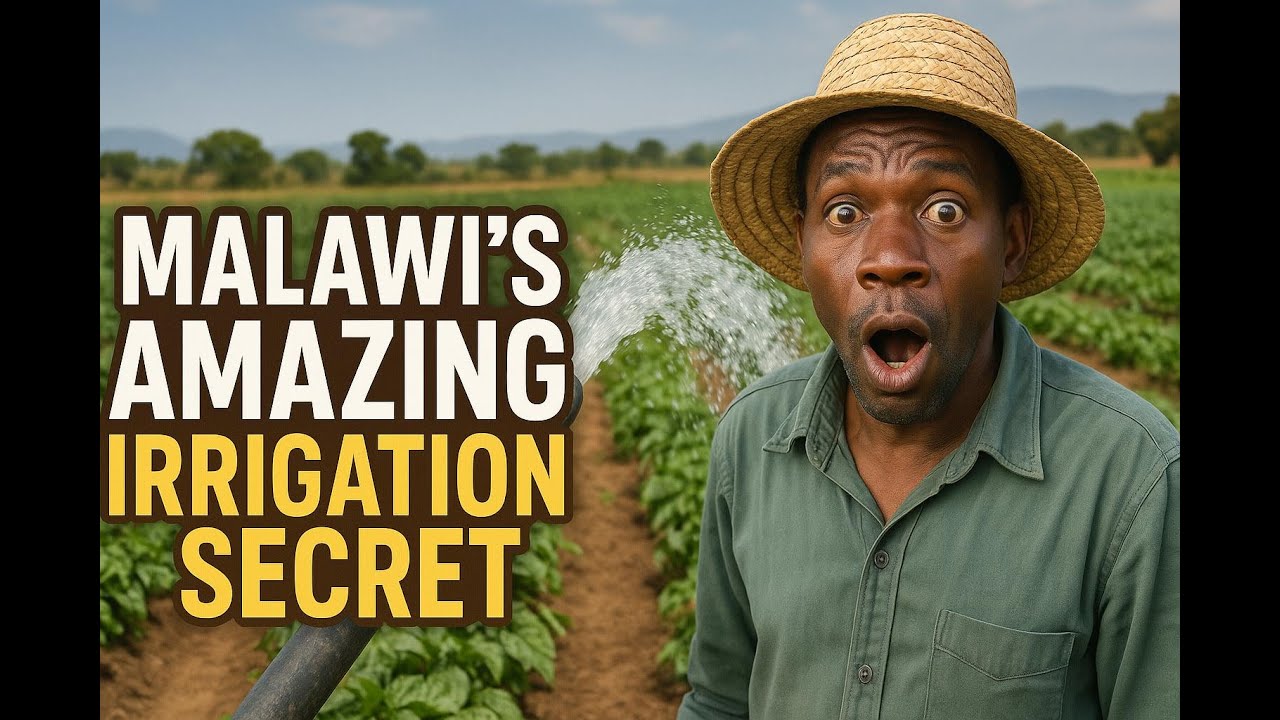
Community governance is central: farmers often pool resources and share water rights for fair access, jointly maintaining canals and small dams. In times of drought, rainwater harvesting, mulching, and soil moisture conservation become critical.
- Mulching and cover crops slow evaporation, protecting fragile soils from erosion and nutrient loss during dry spells.
- Agroforestry, where trees are integrated with crops, helps maintain moisture and improves microclimates.
- Use of locally-managed reservoirs or tanks makes water supply more reliable throughout the season.
Over-irrigation not only wastes precious water, but also increases soil erosion and nutrient runoff. Monitor moisture and irrigate only when necessary!

Soil Health, Nutrient Cycling & Conservation in Village Agriculture
Healthy soils are essential for sustainable farming. Village farmers draw from a deep well of practical knowledge to maintain soil fertility and structure. Practices include:
- Crop Rotation & Legume Intercropping: Fix atmospheric nitrogen, reducing dependence on fertilizers
- Compost & Farmyard Manure: Build organic matter, enhance structure, and retain moisture
- Green Manures: Planted specifically to enrich the soil during fallow periods
- Conservation Tillage: Protect soil surface and reduce erosion

Farmers in villages use their plots as living laboratories, testing what works in their context. Seed-saving traditions keep diversity alive to withstand changing conditions and pest pressures.
Community Knowledge Transfer & Traditional Methods
Village agriculture is grounded in daily work, observation, and family collaboration. Knowledge is shared across generations through drawings, storytelling, and field demonstration.
- Village agriculture drawings and agriculture village farmer drawing document techniques, pests, seasonal cycles, and best practices for conservation and soil health.
- Simple media—like village farming video—helps spread new methods and connect communities.
- Knowledge transfer extends beyond the family, fostering a resilient, adaptive network across the region.

Appropriate Technology in Village Agriculture: Making Innovation Practical
In most village contexts, technology adoption prioritizes simple, low-cost solutions—rarely expensive machinery or advanced automation. Instead, we see:
- Strong emphasis on improved local seeds that adapt to marginal soils and climate variability
- Community-led services, like shared farm tools or storage facilities
- Mobile-based weather updates and market price information for better planning
- Farmer field schools and demonstration plots for hands-on skill building
- Educational materials—such as illustrated drawings of farmers and fieldwork—for inter-generational learning



Village Livelihoods, Markets & Food Security
Sustainable village farming is tightly linked with food sovereignty, livelihoods, and market resilience:
- Home gardens and surplus produce mean better household nutrition and small-scale sales or barter at nearby markets.
- Producer associations enable villagers to access better (inputs, loans), and improve their bargaining power.
- Gender inclusion: Women are often central to seed selection, postharvest work, and knowledge transfer—strengthening food security across generations.
- Local markets allow communities to keep value in the region and reinforce cultural foodways.
Access to financial services in remote settings can be a challenge. Satellite-driven verification for crop loans and insurance is enabling more farmers to access credit at a lower risk for lenders, using data on crop health and land status.
Investing in sustainable village agriculture offers not just long-term economic returns, but also positive regional environmental impact and supply chain transparency.
Environmental Stewardship in Village Ecosystems
Villages practicing sustainable farming play a pivotal role in:
- Preserving watershed health—reducing runoff, maintaining springs, and preventing siltation.
- Protecting pollinator habitats and maintaining biodiversity through hedgerows and fallows.
- Reducing deforestation by integrating fuelwood, fruit trees, and shade systems in plots.
- Minimizing agrochemical overuse, helping to maintain ecosystem services and soil health.
- Enhancing long-term regional resilience and yield stability.
Environmental impact monitoring is increasingly digital as well. Tools for carbon footprinting and satellite-driven environmental tracking can help villages both prove and improve their sustainability record.
Biodiversity—at the edge and within village fields—not only supports sustainability but can help boost pollination and natural pest control, leading to higher, more stable yields.
Comparative Practices Table: Sustainable Farming Methods
| Farming Practice | Estimated Yield Increase (%) | Water Saved per Acre (liters) | Soil Health Improvement (1-5) | Community Impact |
|---|---|---|---|---|
| Crop Rotation | 10–15% | 500–2,000 | 4 | Less pest pressure, higher food security |
| Drip Irrigation | 15–25% | 15,000–30,000 | 5 | Freed-up labor, water security |
| Mulching | 7–12% | 3,000–10,000 | 4 | Better drought resilience |
| Agroforestry | 8–18% | 6,000–20,000 | 5 | Diverse income, microclimate benefits |
| Composting | 5–10% | 1,500–7,000 | 5 | Local job creation, soil resilience |
| Furrow Irrigation (optimised) | 8–14% | 6,000–15,000 | 3 | Labor sharing, food access |
Farmonaut Solutions for Village Agriculture
At Farmonaut, we are committed to empowering farmers, communities, and institutions with advanced satellite-driven solutions that are both affordable and accessible. Our platform translates practical planetary data into daily guidance, supporting village farming at every scale.
- Satellite-based Monitoring: View multispectral images to assess crop health, soil status, and plot productivity in real time.
- Weather and AI Advisory: Our Jeevn AI Advisory System delivers weather forecasts and actionable tips for inputs, soil care, and water management.
- Environmental Impact Tracking: With carbon footprint monitoring, villages can certify sustainable practices and directly access green markets.
- Blockchain Traceability: Trace products from plot to market, building trust and value around village produce in global supply chains.
- Fleet and Resource Management: Optimize equipment & vehicles with fleet management tools, reducing costs while ensuring timely planting and harvesting.
- API Access: Developers and agri-innovators can integrate with our Farmonaut APIs and developer documentation for custom ag-tech applications.
- Large Scale Agro-Admin App: For leaders or cooperatives managing community land, our Agro-Admin App streamlines monitoring and advisory at scale.
Spotlight: Tips, Insights & Common Mistakes
Soil organic matter is a “living bank”—the more you invest with manure/compost, the more resilient and productive your plots become, especially in marginal conditions.
Bullet Points & Visual Lists: Takeaways from Global Village Farming
- ✔ Diversified systems in village farming reduce risk and increase resilience to shocks.
- 🌱 Sustainable water management and soil conservation are critical to long-term productivity.
- 📰 Knowledge transfer—through daily work, drawings, and village farming video—inspires next-generation farmers.
- 📊 Appropriate technology (e.g., drip irrigation, mobile services) increases productivity without financial strain.
- 💡 Environmental monitoring boosts regional standing and helps preserve local and global ecosystems.
🌾 Most Effective Sustainable Practices
- 🌻 Crop Rotation: Reduces pest cycles, improves soil health
- 🌴 Agroforestry: Stabilizes soils, creates microclimates, increases income streams
- 💧 Drip Irrigation: Saves water, improves yield, reduces weed growth
- 🌿 Cover Cropping: Prevents erosion, fixes nutrients, maintains ground cover
- 🪱 Composting: Boosts organic matter, reduces input costs, recycles local waste
🌟 Top 5 Results of Embracing Global Village Farming
- 🌍 Enhanced regional resilience to economic and environmental shocks
- 🍽 Improved household nutrition and food security
- 📈 Stronger market access and new income opportunities
- 👩🌾 Sustained cultural heritage and intergenerational knowledge transfer
- 🌱 Ecosystem health for future generations
FAQ: Global Village Farming
What is global village farming?
Global village farming refers to traditional and sustainable farming practices carried out by rural communities around the world. It emphasizes smallholder agriculture, mixed systems, and region-specific methods that maximize available resources and ensure resilience.
How do villages preserve soil and water resources sustainably?
By integrating crop rotation, mulching, composting, and water-saving irrigation (e.g., drip, furrow, terracing), villages maintain soil structure, boost nutrient cycling, and significantly conserve water even in marginal land and dry climates.
What technology is relevant for village farmers?
The best technologies are affordable and scalable—including improved local seeds, mobile advisory services, community tools, and satellite-based monitoring like those offered by Farmonaut for real-time crop and environmental insights.
Why is diversification important in village farming?
Diversification (using multiple crops, livestock, and agroforestry) reduces vulnerability to climate variability, market shocks, and pest incidents, ensuring greater livelihood stability and nutrition.
How can Farmonaut add value to sustainable village agriculture?
Our satellite-based monitoring, advisory, and traceability solutions provide actionable data for managing land, water, and crop health in village and smallholder contexts—supporting sustainability and improved access to markets and financial services.
Conclusion: Resilient, Sustainable, and Community-driven Agriculture
Global village farming demonstrates how village communities, grounded in tradition and guided by practical adaptation, cultivate their land sustainably—preserving soil, conserving water, and cycling nutrients with ingenuity. These practices don’t just feed families—they build resilience against climate and market volatility, sustain regional heritage, and support global food security.
Adaptable, resourceful, and closely tied to their ecosystem, global villager farming communities highlight what’s possible when old wisdom meets appropriate innovation. In this context, Farmonaut’s commitment is to provide technology that amplifies local knowledge, keeping village agriculture productive and future-fit—without losing sight of tradition or sustainability.
The future of sustainable agriculture centers on social activity, collaboration, and the power of communities—which, together, can transform even the most marginal land into fertile ground for generations ahead.

 Progenseed
 SkyHarvest
 Sarvome
 Polaris Digitech
 Teledarbas
 Wild Oak Farm
 SFX
SFX BACF Africa
 Doodlakine
 Exurbia Geospatial
 FieldZero
 Indico Company
 Kubota
 FFBS
FFBS Jontra
