

Herding Cattle, Cross Breeding & Starting a Cattle Farm: Best Practices & Innovations for 2025

Launch the Farmonaut App for farm and cattle insights now
Contents
- Trivia: The Power of Crossbreeding & Automation
- Introduction: The Future of Cattle Farming – 2025 & Beyond
- Starting a Cattle Farm: Foundations for Success in 2025
- Herding Cattle: Modern Practices & Technology Integration
- Cross Breeding Cattle: Boosting Genetics and Hybrid Vigor
- Cattle Rearing: Health, Nutrition, and Welfare Excellence
- Cattle Feed Bins & Storage: Innovations in Nutrition Management
- Milking Innovations: From Traditional Methods to Robotics
- Sustainable Cattle Farming: Stewardship for the Future
- Cattle Farming Innovations Comparison Table: 2025
- Farmonaut Technologies: Satellite Insights for Cattle & Resource Management
- FAQs: Cattle Herding, Crossbreeding, and Smart Farm Management
- Conclusion: Combining Tradition, Technology & Sustainability
“Crossbreeding can boost average calf weight by up to 20% compared to single-breed herds using 2025 innovation.”
Introduction: The Future of Cattle Farming – 2025 & Beyond
Cattle farming remains a cornerstone of agriculture worldwide, providing not just meat, dairy, leather, and other essential products, but also economic livelihood for millions of farmers. As global demands for superior beef and dairy products increase, it’s imperative to adopt comprehensive farming approaches that integrate traditional methods with the latest technology, innovations, and sustainable practices.
The cattle industry in 2026 and beyond is rapidly reshaping, driven by evolving market needs, stricter environmental requirements, and emerging technologies that promise quality, efficiency, and profitability. Whether you’re interested in starting a cattle farm, seeking to improve herding efficiency, or aiming for advanced crossbreeding and milking systems, a forward-oriented strategy is crucial.
To thrive in 2025 and beyond, cattle producers must blend precision technologies, robust management systems, and sustainable herding practices for the best results and long-term viability.

Starting a Cattle Farm: Foundations for Success in 2025
Launching a cattle farm in 2025 requires careful planning, optimal land selection, wise breed choice, smart infrastructure development, and resourceful resource management. Let’s explore each essential component to give your new venture a rock-solid foundation:
Land Selection & Preparation: Matching Geography to Production Goals
- ✔ Adequate Pasture: Opt for land with healthy soil and diverse grasses, supporting sustainable grazing and optimal animal nutrition.
- ✔ Clean Water Access: Fresh, easily available water is critical for cattle health and milk yield.
- ✔ Suitable Topography: Rolling hills for drainage and flat areas for facilities prevent adverse weather damage and facilitate movement.
- ✔ Protection from Adverse Weather: Natural tree cover or constructed windbreaks and shelters safeguard herds against extreme conditions.
For holistic and resourceful planning,

Download Farmonaut for Android to assess your farmland conditions
Infrastructure: Building Blocks for a Modern Cattle Operation
- 📦 Cattle Feed Bins: The latest bins are designed to prevent contamination, spoilage, and pilferage—protecting your high-value feed investments.
- 🚰 Automated Watering Systems: Reduce labor and ensure consistent hydration—both for beef and dairy herds.
- 🏠 Shelters & Windbreaks: Maintain animal welfare by providing protection from adverse weather and extremes.
- 🔄 Cattle Handling Facilities: Well-planned working pens, crushes, and weighing stations enhance herd management and safety.
- 🏗️ Biosecurity Infrastructure: Physical barriers, disinfectant pads, and visitor controls reduce disease risks.
Breed Selection: Aligning Cattle Genetics with Market Demands
- 🐂 Common Beef Breeds: Angus, Hereford—valued for meat quality and growth rate.
- 🐄 Popular Dairy Breeds: Holstein—renowned for milk yield and efficiency.
- ➕ Crossbreeding: Integrate hybrid vigor, climate adaptability, disease resistance, and specific traits based on production priorities (meat vs. dairy).
For region-specific breed selection and pasture suitability, use satellite vegetation and soil analysis tools from Farmonaut Large Scale Farm Management Solutions.
Bullet Points: Essentials for Starting a Cattle Farm in 2025
- ⚡ Modern cattle feed bins improve feed efficiency and shelf life.
- 🎯 Breed selection—Match genetics to climate, market, and production goals.
- 🛡️ Biosecurity and robust facilities prevent disease spread.
- 🔗 Infrastructure investment enhances animal welfare and lowers long-term costs.
- 🌍 Sustainable systems balance productivity with environmental stewardship.

Herding Cattle: Modern Practices & Technology Integration
Herding cattle remains a fundamental operation in cattle farming, but the 2025-2026 era amplifies efficiency with advanced monitoring systems, precision grazing management, and automated tools. The focus is on maximizing pasture use, ensuring animal welfare, and minimizing labor and environmental impact.
- 📡 GPS Collars & IoT Sensors: Enable real-time herd location and behavioral monitoring—detecting health changes early and optimizing grazing patterns.
- 🚁 Drone Surveillance: Visually monitor herd distribution over vast tracts—detect escapees or injured animals quickly.
- 🔄 Rotational & Regenerative Grazing: Move herds across subdivided pastures to prevent overgrazing, support soil regeneration, and boost forage nutrition.
Well-planned herding and rotational systems can increase pasture productivity by 25% and animal weight gain by 15% yearly.
Technological Tools for Herding Cattle in 2025
- 📲 Mobile Apps to log animal movement and grazing schedules.
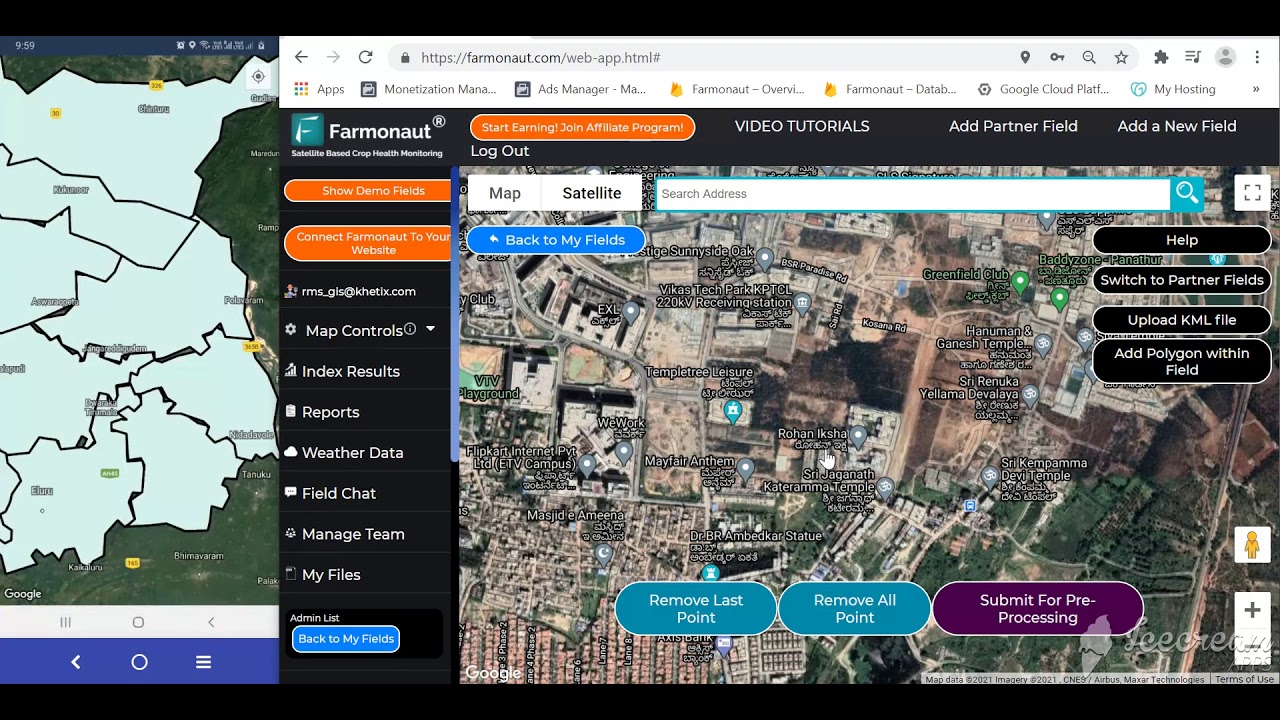
- 🌐 Satellite-based monitoring via Farmonaut: Assess pasture health, water points, and detect grazing value with carbon footprint tracking for sustainability.
- 🔔 Automated alerts flag herd anomalies — e.g., illness, low water, or breach of boundaries, ensuring swift management action.
Ignoring the value of technology in herding can lead to hidden labor costs, undetected health problems, and pasture degradation despite increased investments in grazing resources.

Cross Breeding Cattle: Boosting Genetics and Hybrid Vigor
Crossbreeding cattle is a widely adopted strategy for 2025, unlocking hybrid vigor (heterosis)—resulting in offspring that outperform either parent breed for specific traits like growth rates, disease resistance, fertility, milk yield, and adaptability.
Hybrid systems—like combining Holstein cows for milk production with robust indigenous breeds—strike a balance between productivity and climate resilience. With genomic selection tools and AI-powered analytics, farmers in 2025 can identify superior genetic lines faster than ever before.

Core Benefits of Crossbreeding Strategies
- 💪 Superior calf weights (up to 20% higher—see trivia above!) and accelerated growth.
- 🦠 Improved disease resistance in harsh climates, reduced herd loss.
- 📈 Enhanced fertility—shorter calving cycles, higher conception rates.
- 🥛 Milk and meat yield improvement, targeting diverse market demands.
- 🌡️ Climate adaptability—hybrid vigor helps manage temperature swings, drought, and environmental stress.
The global marketplace increasingly values crossbred cattle for their proven economic performance and sustainability in 2025 and upcoming years.
Key Tools for Genetic Improvement and Crossbreeding
- 🧬 Genomic testing of candidates for breeding—use AI analytics for marker selection.
- 🧪 Artificial Insemination (AI): Introduce superior genetics without maintaining large bull populations—lowering costs and boosting farm safety.
- 💡 Performance tracking platforms—monitor progenty performance, health, and adaptability.
🔗 To ensure component traceability in your breeding programs, see Farmonaut’s Blockchain-Based Product Traceability solutions.
“Automated milking technologies in 2025 reduce daily labor by 60% on advanced cattle farms worldwide.”
Cattle Rearing: Health, Nutrition, and Welfare Excellence
Excellence in cattle rearing remains central to aligning productivity gains with animal welfare and environmental stewardship. The core of successful management in 2025 lies in precise nutrition, preventative health care, and smart monitoring systems:
- 🔬 Health Management: Early detection of illness (bovine respiratory, mastitis) and routine vaccinations safeguard herd longevity.
- 📱 Monitoring Tools: IoT wearables and satellite monitoring (e.g., Farmonaut Carbon Footprinting) identify changes in activity, eating, and herd patterns—enabling real-time interventions.
- 🥗 Precision Feeding Systems: Data-driven cattle feed bins optimize portion control based on age, production goal, and physiology.
- 🧑🔬 Reproductive Management: Track cycles, fertility, and performance for tighter calving spreads and genetically superior calves.
Implementing a strict herd health protocol with early detection, regular testing, and preventative care is proven to reduce losses and boost yield on cattle farms in all climates.
Cattle Feed Bins & Storage: Innovations in Nutrition Management
In the era of precision nutrition, modern cattle feed bins are designed to prevent contamination, spoilage, and theft—safeguarding your farm’s feed investments. Automated systems use sensors to deliver the right ration at the right time, aligned with the needs of each animal. Here’s how it changes the management of cattle rearing in 2025:
- ⚙️ Smart Feed Bins: Monitor tank levels, schedule auto-refills, and track usage trends via mobile dashboard.
- 🗝 Feed Access Control: Tag-based systems allow only specific herds or age groups to access certain rations, improving nutrition precision and reducing waste.
- 💡 Integration with Satellite & IoT: Know when to supplement pasture grazing—by reading forage mass via Farmonaut’s large-scale satellite farm monitoring.
🔗 For cost optimization and reducing wastage in large operations, check out Farmonaut Fleet Management tools for feed logistics.

Visual List: Cattle Feed Bin Innovations
- 🌱 Contamination-resistant design ensures healthy feed storage.
- 🤖 Automated portion control boosts feed conversion efficiency.
- 📊 Sensor data integrated into centralized farm management dashboards.
- ☎️ Remote alerts reduce emergency downtime and last-minute purchases.
- 🌀 Real-time inventory tracking simplifies procurement planning and cost management.
Milking Innovations: From Traditional Methods to Robotics
The evolution from hand-milking and mechanical systems to automated robotic milking machines marks a revolution in dairy cattle management for 2025-2026.
Top-tier cattle milker setups reduce labor, boost milk yield and improve overall hygiene. Let’s see how advanced milking systems create value:
- 🤖 Robotic Milking Machines: Cows are milked on demand—reducing stress and increasing yield (+10-15% in many farms worldwide).
- 💧 Automated Teat Sanitizers: Prevent mastitis and improve milk quality, minimizing contaminants in the dairy supply chain.
- 🔬 Real-Time Milk Analysis: Embedded sensors detect disease early, such as subclinical mastitis or bacterial contamination.
- 📉 Labor Reduction: As per trivia, advanced systems reduce daily labor by up to 60%—translating to substantial annual cost savings.
- 🌡️ Data-Driven Dairy Management: Integrate milking metrics, cow activity, and health into centralized farm software for actionable insights.
Underestimating the return on investment of robotic or automated cattle milker systems can slow down efficiency gains and risk falling behind market competitors.

Sustainable Cattle Farming: Stewardship for the Future
With increased attention on environmental impact and climate stewardship, sustainable cattle farming in 2025 centers on reducing greenhouse gas emissions, improving land use efficiency, and transparency from farm to consumer.
Key practices include:
- 🌳 Regenerative Grazing: Integrate pasture rotation with agroforestry—enhancing biodiversity, preserving soil health, and sequestering carbon.
- 💩 Sustainable Waste Management: Modern manure management systems convert waste to bioenergy or fertilizer, reducing environmental impact.
- 🌍 Carbon Footprint Monitoring: Utilize Farmonaut’s Carbon Footprinting solutions for full-stack impact monitoring.
- 🔗 Blockchain Traceability: Ensure ethically produced beef and dairy—building consumer trust and market premium. (Learn more.)
- 🛰️ Satellite-driven Monitoring: Track resource use, grazing coverage, and environmental compliance at scale.

Farmonaut for iOS
Satellites provide macro perspective—get seasonal drought predictions and grazing pasture recovery insights with data-driven tools from Farmonaut Crop Plantation and Forest Advisory.
Cattle Farming Innovations Comparison Table: 2025
| Technology/Practice | Description | Estimated Cost (USD) | Expected Yield Improvement (%) | Environmental Impact | Adaption in 2025 |
|---|---|---|---|---|---|
| Automated Herding Systems | GPS collars, IoT sensors, drones for efficient movement and welfare monitoring | $7,000–$35,000 (per 100 cattle) | +15% (labor reduction), +20% (weight gain) | Enables better grazing management, reduces overgrazing | High |
| Genomic Crossbreeding | Breeding strategies using genetic testing & AI for trait optimization | $50–$200 per sample | +20% average calf weight, +10% herd fertility | Increases climate resilience, reduces disease loss | High |
| Smart Cattle Feed Bins | Automated, sensor-driven bins prevent spoilage and optimize feeding | $1,200–$3,000 each | +12% feed conversion, -20% feed waste | Reduces feed wastage, limits resource depletion | Medium |
| Robotic Milking Machines | Automated milking for improved hygiene, lower labor, and higher yield | $150,000–$250,000 | +15% milk yield, -60% labor required | Enables cleaner operations, reduces energy use | High |
| Sustainable Waste Management | Anaerobic digesters convert manure to bioenergy & reduce pollution | $400,000–$600,000 (large farm) | N/A (environmental benefit) | Significantly lowers methane emissions | Medium |
Investing in the right blend of innovations is an effective way to achieve sustainable growth and resilience in a competitive, resource-constrained world.
Farmonaut Technologies: Satellite Insights for Cattle & Resource Management
To support cattle farmers in making data-driven decisions, we at Farmonaut leverage satellite-based monitoring, AI, and blockchain for holistic resource management, environmental compliance, and operational excellence.
- 🛰️ Satellite-Based Pasture Monitoring: Track biomass, vigor, and drought stress—optimize grazing rotations for long-term success.
- 🤖 Jeevn AI for Farm Advisory: Real-time weather forecasts and insights integrate with farm activities, improving planning accuracy.
- 🔗 Blockchain-Based Traceability: Prove ethical sourcing from cattle to consumer—essential for premium dairy and meat brands worldwide. Learn more about our transparency offerings.
- 🔧 Fleet & Feed Logistics: Optimize feed delivery—reducing operational costs using Fleet Management solutions.
- 🌱 Environmental Impact Monitoring: Get actionable insights for regulatory compliance and carbon reduction goals using Farmonaut Carbon Footprinting.
API integrations enable seamless use of our data solutions in any farm management platform: Explore our API here | Developer Docs
Satellite and remote-sensing systems represent a cost-effective approach to scaling cattle farming—especially as land holdings expand or diversify in 2025 and beyond.
FAQs: Cattle Herding, Crossbreeding, and Smart Farm Management
What are the best breeds for crossbreeding cattle in 2025?
Angus, Hereford, and Holstein are popular baseline breeds. They can be paired with indigenous or climate-adapted breeds for optimum growth, disease resistance, and market adaptability.
How can precision tools improve cattle rearing and herding?
Precision tools such as GPS collars, IoT sensors, and satellite monitoring improve herding efficiency, monitor health, and integrate feed and watering schedules, supporting overall productivity.
Why invest in smart cattle feed bins?
Smart cattle feed bins reduce feed spoilage, optimize nutrition delivery, and prevent contamination, ultimately contributing to higher animal yield and lower operational costs.
How do robotic milking machines boost efficiency?
Robotic milking machines automate milking, increase milking frequency, improve milk yield, and reduce labor costs by as much as 60% on advanced cattle farms.
What are the main sustainable practices in cattle farming for 2025?
Regenerative grazing methods, carbon footprint tracking, waste-to-bioenergy systems, blockchain-based traceability, and satellite resource monitoring are leading solutions for sustainability.
Can satellite-driven insights help with regulatory compliance and loan applications?
Yes. We at Farmonaut provide satellite-based verification tools to support loan and insurance applications—reducing fraud and streamlining access to agricultural finance.
Conclusion: Combining Tradition, Technology & Sustainability in Cattle Farming for 2025 and Beyond
The path to a successful and sustainable cattle farm in 2025-2026 is built on merging traditional practices like robust herding and cattle rearing with cutting-edge innovations in cross-breeding, feed management, milking technologies, and environmental stewardship.
From precision cattle feed bins and automated herd monitoring to genomic selection and robotic milkers, the latest tools bring efficiency gains, cost savings, and quality improvements, meeting global demands for ethical and sustainable meat and dairy.
We at Farmonaut empower farmers to harness the power of satellite data, AI insights, and blockchain traceability—transforming every aspect of cattle farming for a more resilient, profitable, and environmentally conscious future.
Embrace a comprehensive, technology-integrated, and sustainability-focused approach to ensure longevity, market relevance, and responsible stewardship in your cattle operation—today and in the future.
Ready to innovate your cattle farm?
Try Farmonaut’s satellite-driven smart farm solutions for 2025 and beyond!

 LACOS Geoinformation
 Pulsar Supernova
 Magrifly
 LatConnect 60
 Disease Free Life
 WebsEdge
 Blickwinkel
 Agricultural Credit Policy Council
 MCSOD
MCSOD Marei Nursery
 eKGIS
eKGIS Mostas Tech
 Andex
Andex FCF India
 Unifrutti Gulf
 Deluxe Conseil
 WICO
WICO
