

Highland Cow Farming 2026: Sustainable Dairy & Milk Trends
“By 2026, sustainable highland cow farms could reduce greenhouse gas emissions by up to 34% compared to conventional dairy farms.”
Introduction: Highland Cow Farming 2025 and Beyond
The highland cow, with its distinctive long horns and thick woolly coat, continues to gain prominence in the agricultural sector in 2026. Originating from the rugged Scottish Highlands, this famous highland cow breed is celebrated worldwide for its adaptability, hardiness, and potential for sustainable farming practices.
As regions across Europe, North America, and beyond face climate challenges, farmers are turning to the highland cow for its ability to thrive where other cattle breeds might fail. New advances in breeding, technology, and dairy production are remaking how we look at highland cow farms—not only as a nod to traditional pastoral methods but as part of the vanguard of environmentally responsible agriculture. This blog takes a comprehensive look at the emerging trends, sustainable systems, market opportunities, and the role of technology in highland cow farming as we move into 2026.

Highland Cow Breed Characteristics & Adaptability
Distinctive Traits of the Highland Cow Breed
Highland cows are uniquely suited for challenging climates and terrains. The thick, woolly double coat provides outstanding insulation against harsh weather, whether mountainous snow or blustering wind. This means highland cows can remain outdoors year-round, with minimal need for shelter or heating—a significant reduction in environmental and financial costs in comparison to many conventional cattle breeds.
- Long, sweeping horns: Help protect against predators and aid in foraging through snow and rough terrain.
- Dense double coat: Outer hair repels rain and snow, while the undercoat keeps the animal warm.
- Robust immune system: Selective breeding ensures high resistance to common cattle diseases.
- Efficient digestion: Their unique digestive system enables conversion of low-quality vegetation on marginal lands into energy.
By 2026, new highland cow breeds continue to emerge from selective breeding programs that seek to amplify productivity—boosting growth rates, feed conversion efficiency, and healthy milk yields. Such characteristics make the highland cow farm ideal for regions that would otherwise be unsuitable for mainstream dairy and beef production.
Adaptability in a Changing Climate
Highland cows are increasingly recognized for their resilience and ability to cope with the unpredictable swings in weather associated with climate change. Their physical and genetic traits support farming models that minimize reliance on intensive infrastructure, fertilizers, and veterinary inputs. This results in not only cost savings but also a lower carbon and environmental footprint.
The breed’s ability to utilize marginal lands helps maintain agricultural biodiversity and maximizes the usable land resources—critical as global pressures on productive soil continue to intensify.

Emerging Trends in Highland Cow Farming 2026
- Selective Breeding for Sustainability: Genetic programs focused on enhancing hardiness while also improving dairy yields without compromising the breed’s traditional strength.
- Diversified Products: Refreshing interest in premium beef, highland cow milk, cheese, yogurt, and even sustainable leather goods is fueling income diversification for rural communities.
- Carbon and Environmental Impact Monitoring: Widespread adoption of carbon footprinting tools and resource use analytics, enabling farmers to measure and reduce their environmental impact in real time.
- Artisanal & Traceable Dairy: With growing consumer demand for welfare-oriented dairy and transparency, traceability systems are critical for establishing product provenance.
- Mixed-Use Farming Practices: Highland cows are now key elements in regenerative, circular, and climate-smart farm designs.
All these trends highlight why highland cows are increasingly at the forefront of sustainable, economically viable, and environmentally responsible agriculture in 2026.

Sustainable Farming Systems: Highland Cows Lead the Way
Highland Cows on Marginal Lands & Biodiversity Protection
One notable advantage of the highland cow breed is its natural ability to graze on marginal lands—those hills, moors, and rugged fields that other cattle might find unsuitable. This grazing capacity:
- Preserves fertile soil: By using lands not suited for crops, highland cows help prevent the overgrazing and over-farming of the most productive areas, supporting biodiversity and soil health.
- Reduces reliance on chemical fertilizers: Natural manure inputs from highland cow farms enhance soil fertility and structure, reducing the need for artificial inputs.
- Promotes carbon sequestration: Maintenance of grasslands thanks to sustainable grazing practices enables these ecosystems to act as crucial carbon sinks.
The Regenerative Agriculture Model and Highland Cows
In 2026, the integration of highland cows in regenerative agricultural systems is a significant trend reshaping rural regions across Europe and beyond. By supporting a circular model, crops provide feed while livestock enrich the land. This synergy leads to:
- Improved resource use efficiency
- Healthier, more resilient pastures
- Reduced greenhouse gas emissions
- Enhanced rural income diversification
This climate-smart transformation is visible on leading highland cow farms around the world in 2025 and is accelerating toward 2026.

Comparative Sustainability Impact Table: Highland Cow vs. Other Dairy Breeds
The sustainable edge of the highland cow breed becomes clear when we compare it to traditional dairy breeds used globally. Below, we chart estimated data on milk yields, feed conversion, methane emissions, land requirements, lifespan, and net sustainability score for Highland, Holstein, and Jersey breeds.
| Cow Breed | Avg. Milk Yield (liters/year, est.) |
Feed Conversion Efficiency |
Methane Emission (kg CO₂e/year, est.) |
Land Requirement (hectares/cow, est.) |
Typical Lifespan (years) |
Sustainability Score (1-10) |
|---|---|---|---|---|---|---|
| Highland Cow | 2,200 | High (efficient on marginal feed) | 92 | 0.6 | 18-22 | 9 |
| Holstein | 8,000 | Moderate | 120 | 0.8 | 6-10 | 5 |
| Jersey | 6,000 | High | 100 | 0.7 | 10-14 | 7 |
| Brown Swiss | 7,000 | Moderate | 110 | 0.8 | 11-13 | 6 |
The highland cow stands out for its extended useful life, low methane emissions, minimal land use, and superior sustainability relative to its productivity. When managed with modern systems, the “low production, high premium” model is steadily gaining market traction.

Highland Cow Milk: Premium Dairy Market Trends
Nutritional Value & Consumer Demand
While the focus traditionally rested on beef, 2026 is undeniably shaping up to be the year of highland cow milk. The value proposition:
- Richer milk profile: Highland cows produce milk with higher butterfat (often 5-6%) and greater levels of beneficial omega-3 fatty acids compared to standard dairy breeds.
- Unique taste & creaminess: Artisanal cheesemakers and creameries in Europe are already promoting highland cow dairy items in high-end markets.
- Perceived health & welfare benefits: Consumers are increasingly seeking products with traceable, grass-fed, and animal welfare credentials.
- Premium price advantage: Because of limited yields and exceptional quality, highland cow milk and related dairy products earn a premium on supermarket shelves.
Tech-Forward, Small Batch Dairy: Modern dairy technology enables even small farms to monitor herd health, optimize milking, and retain traditional robustness.
Blockchain traceability solutions are crucial for these premium brands—consumers demand to know the origin, sustainability, and ethics behind their purchases.
Artisanal Highland Cow Products Emerge
Cheeses, yogurts, and ice creams from highland cow milk now thrive in farmer’s markets and luxury food stores across the UK, Germany, Scandinavia, and increasingly, North America. Expect these products to set “premium sustainable dairy” trends through 2026 and beyond.
“Highland cows produce 30% richer milk, supporting the premium dairy trend and sustainable agriculture across Europe in 2025.”
Integrating Highland Cows Into Diverse Farming Systems
The shift from specialized, intensive dairy farming to more integrated, resilient systems places the highland cow at the center of innovation. Here’s why:
- Mixed Crop-Livestock Operations: Highland cows thrive on crop residues and imperfect pastures—turning potential waste into high-value products. Their manure naturally enhances soil quality.
- Climate Adaptation: As climates grow more unpredictable, the highland cow breed’s hardiness provides a buffer against drought, flooding, and cold snaps.
- Support for Rural Resilience: Diversification through cattle, meat, dairy, agri-tourism, and value-added products helps stabilize rural economies.
- Reduced Input Reliance: Lower fertilizer, pesticide, and supplement needs due to innate adaptability.
- Enabling the Circular Economy: Highland cows facilitate environmental, social, and economic sustainability by closing resource loops—critical for climate-smart agricultural sectors.
The trend is clear: highland cow farms will be models for environmentally conscious agriculture by 2026.
Highland Cows in Rural Economies & Culture
The economic and cultural significance of the highland cow breed extends well beyond the farm gate:
- Agritourism: Highland cows, with their distinctive appearance (long horns and thick woolly coat), are iconic draws for visitors—increasingly central to farm stays, educational tours, and rural tourism events.
- Income Diversification: Beyond beef and milk, highland cow farms offer products such as sustainable hides, artisanal cheeses, and even genetic stock for emerging markets.
- Cultural Preservation: The highland cow remains symbolic of heritage, tradition, and a sustainable future for many rural Scottish communities as well as farms globally.
- Market Position: As sustainability grows more important, the highland cow is becoming a brand in itself—synonymous with responsible, high-quality, and climate-aware agriculture.
Empowering Modern Farms: Technology Enablement and Mobile Solutions
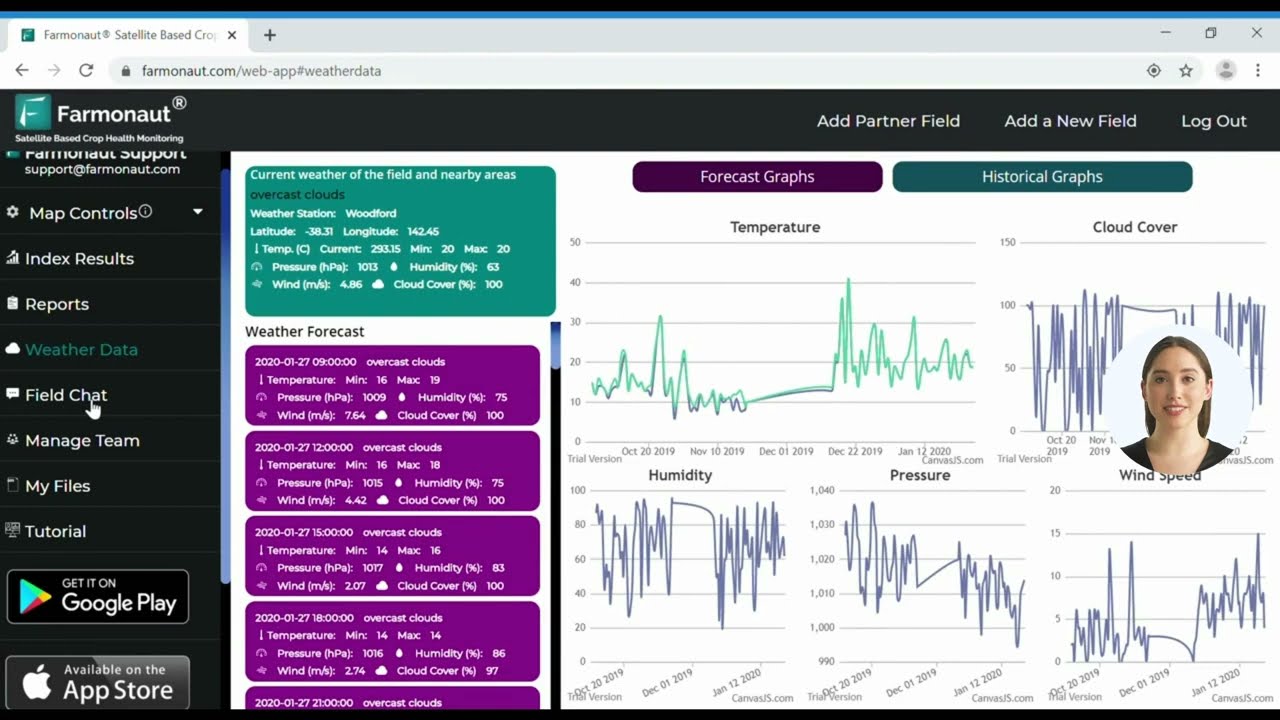
Precision, transparency, and real-time decision support are now essential for sustainable highland cow farm operations. At Farmonaut, we enable agricultural stakeholders with affordable satellite-based insights, AI advisory, and blockchain traceability systems to maximize both productivity and sustainability—across cattle, crops, and resource management:



- Satellite-based crop and pasture monitoring identifies optimal grazing areas, tracks biomass, and flags vegetation stress—ideal for highland cows’ marginal land management.
- Our carbon footprint monitoring lets farmers accurately assess and report their greenhouse gas emissions reductions—key for securing green finance and meeting new sustainability standards.
- Blockchain traceability systems ensure transparent, tamper-proof product histories for premium highland cow dairy lines.
- Crop loan and insurance verification tools use satellite imagery to streamline risk assessments, improving farmers’ access to financing.
- Fleet management optimizes vehicle and equipment use on large or diversified properties—cutting operational costs while improving logistical efficiency.
- Large-scale farm management solutions support enterprise-level operations with integrated monitoring, alerts, and reporting capabilities.
- Developers and tech-forward farms can access Farmonaut’s API: sat.farmonaut.com/api (API developer docs) to incorporate real-time data into custom dashboards or on-farm smart systems.
Farmonaut Subscription Plans
For hassle-free access to all our satellite, AI, and carbon reporting tools, explore our flexible subscription options below.
Technological Enablers & Our Role at Farmonaut
At Farmonaut, we believe all agricultural producers, whether managing a modern highland cow farm or diversified mixed-livestock operation, deserve access to affordable, actionable, and scalable data. Our technology is designed with sustainability and user empowerment at its foundation:
- Satellite crop and grazing analytics ensure marginal lands are used efficiently for both highland cows and crops.
- The Jeevn AI Advisory System delivers local weather, resource, and sustainability recommendations directly to decision-makers’ phones.
- Blockchain-based traceability builds consumer trust around premium, welfare-certified highland cow milk and meat.
- Real-time environmental tracking supports climate compliance and enhances the brand value of highland cow products.
- Our web and mobile apps make these insights accessible to all sizes of operations, whether in rural Scotland, alpine Germany, or the American Midwest.
The push for environmental reporting and sustainable marketing is only increasing. With scalable, app-based solutions, our platform prepares highland cow farmers for the regulatory, market, and operational demands just over the 2026 horizon.
FAQs: Highland Cow Farming 2026
Q: What makes highland cows more sustainable for dairy?
Highland cows excel on marginal lands, require fewer inputs, and produce naturally rich milk with fewer environmental impacts. Their long lifespan and robustness further lower the lifecycle emissions associated with dairy production.
Q: Is highland cow milk really in demand?
Yes. Purveyors of artisanal dairy products across Europe and North America are actively promoting highland cow milk for its creaminess, nutrition, traceability, and animal welfare credentials.
Q: Can highland cows replace mainstream dairy breeds?
While not as productive in total volume, their market is premium and rapidly expanding, especially where high-welfare and low-carbon dairy command higher prices.
Q: What kind of land is suitable for highland cows?
They thrive on hilly, rocky, or less fertile soils—exactly where conventional breeds may underperform or accelerate land degradation.
Q: How can technology (like Farmonaut) improve highland cow farming?
Satellite and AI tools identify the best areas for grazing, help avoid overuse, track pasture conditions, and report on sustainability—essential for balancing yields with environmental goals.
Q: What about methane and other emissions?
Highland cows’ efficient digestion and use of marginal feed generally reduce net methane per unit of output compared to higher-production, higher-input breeds.
Conclusion: Highland Cow Farming as a Model for Sustainable Agriculture
The highland cow farm stands at the intersection of heritage and innovation. In 2026, this distinctive Scottish breed is leading global sustainable agricultural trends—delivering climate resilience, market advantages, and carbon reductions across the dairy and beef sectors. The shift toward:
- low-input, circular grazing systems,
- artisanal, premium-value dairy,
- and transparent, tech-enabled supply chains
is creating new economic opportunities for both rural communities and the wider agricultural sector.
Whether you are a farmer, advisor, or agrifood entrepreneur, the future of sustainable dairy will be built on innovative genetics, environmental stewardship, and data-driven farm management. Highland cow farming is showing the way forward—offering a meaningful, profitable, and responsible choice for agriculture in 2026 and beyond.
To support your highland cow farm in optimizing land, tracking environmental impacts, and building consumer trust for your milk and meat, consider modern management apps, real-time AI, and blockchain traceability. Explore how we at Farmonaut can help you level up your farm’s digital sustainability and prepare for the regenerative revolution in livestock farming!
Discussion
Questions, corrections or field experience? Share them below. First-time comments are reviewed before they appear, and your email is never published.
No comments yet. Be the first to add a question or your experience.

 Sama Premium
 Mahaswami
 Prochecker
 Tres Valles
 LACOS Geoinformation
 Pulsar Supernova
 Magrifly
 LatConnect 60
 WebsEdge
 Blickwinkel
 Agricultural Credit Policy Council
 MCSOD
MCSOD Marei Nursery
 eKGIS
eKGIS Mostas Tech
 Andex
Andex FCF India
 Unifrutti Gulf
 Deluxe Conseil
