

Highland Cow Calf Price, Types & Micro Breeds 2026: A Comprehensive Guide to Value, Breeds, and Sustainability
“In 2025, micro Highland calves are expected to cost 10–20% more than standard breeds due to rising demand.”
Table of Contents
- Introduction: Highland Cows – Their Role in 2026 and Beyond
- Understanding Highland Cows: Distinctive Traits & History
- Types of Highland Cows and Calves in 2026
- Highland Cow Calf Price Trends for 2026
- Comparative Table: Highland Cow Calf Types and Estimated Prices
- Economic Value in Farming and Breeding Highland Cattle
- Highland Cows in Sustainable & Ecological Land Management
- Micro Highland Cow for Sale: Niche Variants & 2026 Market Trends
- Technological Support for Sustainability: How Farmonaut Empowers Highland Cattle Management
- FAQs: Highland Cows Price, Types, and Sustainability 2026
- Conclusion: Highland Cow Calves—Economics, Types, and Sustainable Value in 2026



Introduction: Highland Cows – Their Role in 2026 and Beyond
The Highland cow calf is a symbol of both tradition and the future of sustainable agriculture. Recognized for their distinctive long horns and shaggy coats, Highland cows are increasingly popular among farmers, ranchers, and agroforestry practitioners worldwide. As we approach 2026, understanding the cost of Highland cow, their evolving types, and the economic and ecological role they play in modern agriculture is fundamental to making informed decisions in a rapidly changing sector.
This comprehensive guide covers everything you need to know about Highland cow calves—from breed variants and micro Highland cow for sale opportunities to price trends, sustainability practices, and how emerging technologies like satellite-driven insights support their management and traceability.

Understanding Highland Cows: Distinctive Traits & History
What Makes Highland Cows Unique?
Highland cows, also known as Bò Ghàidhealach in Gaelic, are one of the world’s oldest cattle breeds, famous for their striking appearance and robust constitution. Their key characteristics include:
- Distinctive long horns: Serving as protection and a visual trademark, these horns are used for foraging in rugged terrains.
- Thick, shaggy coats: Dual-layered fur provides insulation against harsh weather, making them especially suitable for cooler climates and upland operations.
- Variety in color: While reddish-brown is common, Highland cows also appear in black, yellow, dun, and silver shades, a factor considered when differentiating types.
- Hardiness and adaptability: They thrive where other breeds might struggle, proving resilient to low temperatures, rough land, and sparse pastures.
A Heritage with Modern Relevance
Highland cows originated from the Scottish Highlands and islands, evolving their unique traits to survive and flourish in challenging environments. Today, these cattle have become increasingly popular not only for their historical roots but for their alignment with sustainable agriculture practices and ecological land management.
Their role is expanding globally, with farmers in Europe, North America, and even parts of Australasia recognizing the value of these breeds for premium beef production, grazing efficiency, and biodiversity benefits.

“Over 60% of ecological farms in Scotland plan to use Highland cows for sustainable land management by 2026.”
Types of Highland Cows and Calves in 2026
Key Types of Highland Cows & Their Uses
There are several types of Highland cows, primarily differentiated by size, color, and lineage. Let’s break down the most notable types and how farmers can leverage them:
- Standard Highland Cows: The classic breed, typically reddish-brown or black, occasionally yellow or silver. These animals grow large, suitable for traditional beef production and ecosystem grazing.
- Micro Highland Cows: Bred as smaller variants (pet-sized highland cows) for hobby farms, smaller land parcels, and easy handling. Despite being reduced in size, their resilience and foraging efficiency remain intact.
- Black Highland Cattle: A color variant prized for both their looks and traditional symbolism. High adaptability mirrors the standard breed.
- Silver and Yellow Highland Cattle: Less common but rising in demand among hobbyists and enthusiasts for unique genetics and market appeal.
With 2026 seeing greater emphasis on land management, the use of Highland calves—whether standard or micro—is predicted to increase. Their suitability for both small-scale operations and large, rugged terrains adds to their economic potential.
How Modern Breeding Shapes New Highland Cow Types
Breeding practices now focus on traits like smaller size for micro Highland cows, hardiness, coat thickness, and genetic diversity. Innovations in animal husbandry and traceability—bolstered by technologies like those from Farmonaut—help ensure superior cattle management and sustainability:
- Emphasis on sustainable grazing and low-input farming
- Preference for docility in micro breeds for easier handling
- High foraging efficiency and resilience, reducing dependence on external feeds
Color Variants & Their Niche Appeal
Color can affect calf price, especially in markets seeking premium specimens. Unique colors—like silver or dun—often command higher prices due to rarity and lineage.
Highland Cow Calf Price Trends for 2026
What’s the Cost of Highland Cow in 2026?
With the increased demand for both standard and micro Highland cow for sale, calf prices in 2026 are anticipated to reflect premium values, especially for certified and superior genetic lines.
-
Standard Highland cow calf:
- Estimated price range: $1,350 – $2,200 (2026), depending on pedigree, coat color, and breeder reputation.
-
Micro Highland cow calf:
- Estimated price range: $1,500 – $2,600 (2026), due to rising market demand and breeding challenges.
-
Highland cow bull (breeding quality):
- Expected bull price: $2,700 – $5,300+ (2026), especially for those with superior genetics and breeding certifications.
Bulls and calves from reputable lines can fetch markedly higher prices, particularly for micro breeds due to their current niche status. Keep in mind, extraordinary coat color, proven resilience, and eco-certifications contribute to commanding prices as well.
Comparative Table: Highland Cow Calf Types and Estimated Prices
| Highland Cow Type | Estimated Calf Price (2026) | Micro Breed (Yes/No) |
Avg. Weight at Maturity (kg) | Sustainability Features |
|---|---|---|---|---|
| Standard Highland (Red/Brown) | $1,350 – $2,200 | No | 500 – 650 | Low Input Grazing, High Biodiversity Benefit, Medium Carbon Sequestration |
| Micro Highland Cow | $1,500 – $2,600 | Yes | 270 – 400 | Efficient Resource Use, Suited for Small Farms, High Biodiversity Impact |
| Black Highland | $1,400 – $2,250 | No | 500 – 650 | Adaptable to Rugged Terrains, Improved Grazing Efficiency |
| Yellow/Silver Highland | $1,550 – $2,400 | No | 500 – 650 | Rare Genotype, Ecological Grazing, High Biodiversity Value |
| Highland Bull (Standard) | $2,700 – $5,300+ | No | 700 – 800 | Genetic Diversity Maintenance, Essential for Breeding, Carbon Sequestration |

Economic Value in Farming and Breeding Highland Cattle
Why Are Highland Cows a Valuable Choice?
The economic potential of Highland cows in 2026 stems from several factors:
- Low maintenance: Thanks to their adaptability, these cows require less supplementary feeding, thriving even on rough pasture.
- Premium beef production: Highland cattle offer lean, flavorful beef with naturally lower fat content, allowing farmers to command higher prices for premium cuts in niche markets.
- Multiple revenue streams: Bulls and calves with superior pedigree can be sold for commanding prices, and micro breeds address the growing “hobby farm” segment.
- Reduced input costs: Their foraging skills and efficient resource use minimize feed and veterinary expenses, making them profitable for small and large farms.
As global interest in ecological and sustainable agriculture accelerates, Highland cows set themselves apart, serving both mainstream and niche farming ventures.
Optimize logistics and asset use in your Highland cow and cattle operations with Farmonaut’s Fleet Management platform. Efficiently track vehicles and equipment, optimize schedules, and reduce operational costs—all powered by satellite insights.

Highland Cows in Sustainable & Ecological Land Management
The Role of Highland Cattle in Ecological Sustainability
One of the most profound contributions of Highland cows is their ability to support biodiversity and sustainable land management:
- Grazing efficiency: Their foraging patterns help maintain wildflower meadows by keeping invasive species in check.
- Carbon sequestration: The pastures where Highland cattle graze act as carbon sinks, contributing to climate-smart agriculture strategies.
- Wildfire prevention: By controlling scrub and brush, these cows reduce fire risks in upland and forest-edge areas.
- Soil health: Light-footed and less destructive to soil than many heavy cattle breeds, making them ideal for agroforestry integration.
Over 60% of Scottish ecological farms plan to increase their herds of Highland cows by 2026 for these very reasons.
Plan your sustainability strategies and assess farm carbon impacts using Farmonaut’s Carbon Footprinting solution. Track emissions, optimize carbon sequestration, and promote climate-friendly cattle farming practices.
Agroforestry and Integration with Other Sustainable Practices
Highland cows are well-known for their compatibility with agroforestry and permaculture systems. They create mosaic habitats by:
- Dispersing seeds, fostering wild plant regeneration
- Creating micro-climates under tree cover for other livestock
- Enhancing soil fertility through natural manure cycling
As a result, the ongoing integration of Highland cattle into these systems is fundamental for future-focused ecological farm management.
For end-to-end advice on integrating livestock into forestry plantations, check Farmonaut’s Crop Plantation Forest Advisory solutions for sustainable land use optimization.
Micro Highland Cow for Sale: Niche Variants & 2026 Market Trends
Why Are Micro Highland Cows in High Demand?
As urban agriculture, hobby farms, and small-scale sustainable operations rise, so does the demand for micro Highland cow for sale. Their advantages include:
- Smaller size: Easily managed and less demanding on limited acreage or resources.
- Docile temperament: Ideal for new farmers, families, or agritourism ventures.
- Resilient genetics: Retain hardiness and grazing efficiency similar to their standard-sized relatives.
- Premium pricing: Selling for 10–20% higher prices compared to standard Highland calves.
These factors mean micro Highland cow calves will continue to command a market premium in 2026—whether purchased for breeding, land management, or specialized beef production.
Buying & Selling: What to Look For in a Micro Highland Cow Calf
When considering a micro Highland cow for sale, farmers should prioritize:
- Verified pedigree: High-demand micro variants should have confirmed lineage for health and breed standards.
- Breeding certifications: Calves with official documentation can be sold at a premium.
- Ethical breeding practices: Look for breeders with a focus on animal welfare and sustainable herd management.
These micro variants are changing the face of modern smallholder farming, bringing distinctive Highland traits to new environments beyond their Scottish roots.
Enhance the transparency of your micro Highland herd and beef production by adopting Farmonaut’s Product Traceability solutions. Leverage blockchain and satellite data for end-to-end supply and certification visibility.
Technological Support for Sustainability: How Farmonaut Empowers Highland Cattle Management
We at Farmonaut are committed to supporting sustainable and data-driven agriculture. Our satellite imagery, AI advisory, and blockchain traceability platforms empower both large and small farmers to maximize the economic and ecological impact of Highland cattle operations.
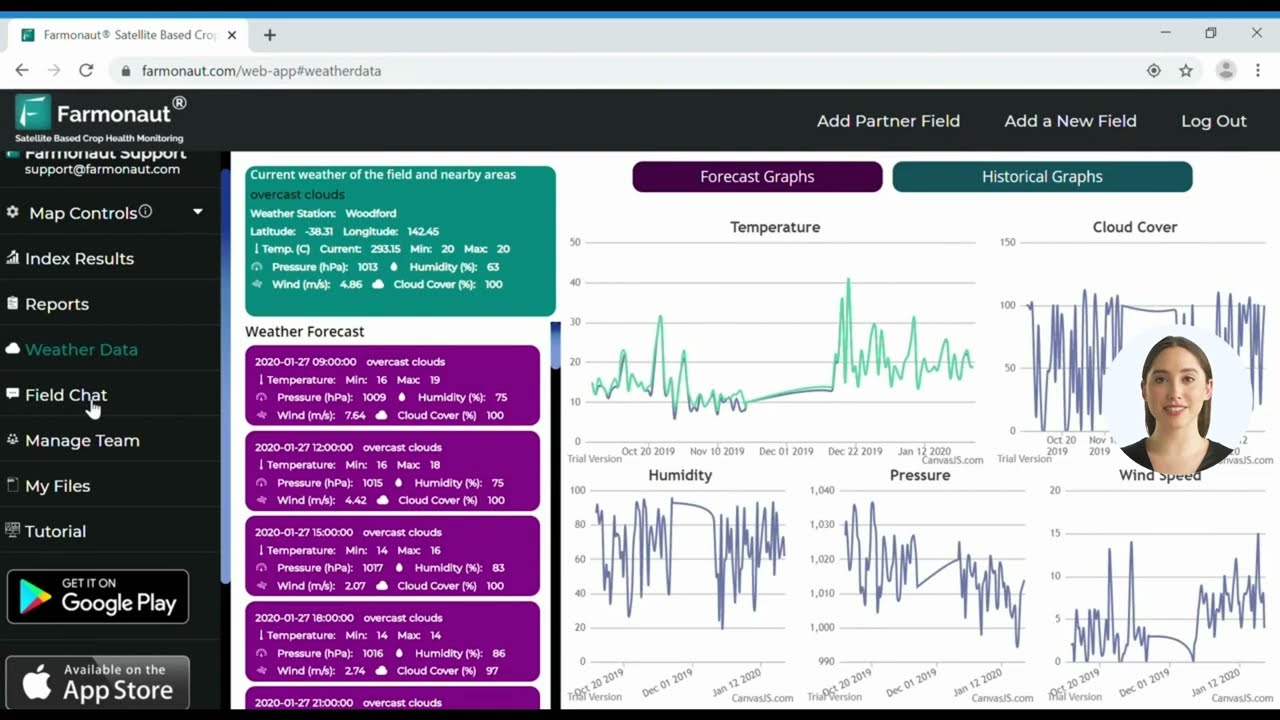
- Satellite Crop & Pasture Monitoring: Our platform delivers real-time insights on pasture health, ideal for optimizing grazing allocations for Highland cattle herds. This ensures sustainable land management and higher grazing efficiency. Explore our satellite monitoring on Large Scale Farm Management platform.
- AI-Driven Advisory: The Jeevn AI system supports users with custom weather forecasts and productivity tips, enhancing all aspects of Highland cattle management.
- Blockchain Traceability: Ensuring every highland cow calf, micro breed, and related beef product is transparently tracked from origin to consumer.
For developers and advanced users:
- Integrate Farmonaut’s real-time weather, pasture, or cattle analytics into your farm management systems using our powerful API and API Developer Docs.

FAQs: Highland Cows Price, Types, and Sustainability 2026
What is the average Highland cow calf price in 2026?
The average price for a standard Highland cow calf in 2026 ranges from $1,350 to $2,200, while micro Highland calves may fetch $1,500 to $2,600 due to high demand. Key factors include pedigree, color, market trends, and breeder credibility.
Why are micro Highland cows more expensive?
Micro Highland cow calves are a niche product. Their prices are 10–20% higher than standard variants as a result of breeding difficulty, novelty appeal, and strong demand from small/hobby farms.
Which types of Highland cows are best for sustainable land management?
All Highland cow types offer strong sustainability benefits due to their low input grazing and adaptability, but smaller or micro breeds are especially suited to limited land resources or urban farms.
How do Highland cows help improve biodiversity?
Through natural grazing, Highland cattle keep invasive plant species in check, maintain wildflower and grassland habitats, and promote native species regeneration—critical for healthy, biodiverse farms.
Is technology useful for Highland cow herd management?
Yes! Satellite monitoring, AI-driven weather and pasture analytics, and blockchain traceability (as provided by Farmonaut) streamline herd management, ensure transparency, and optimize sustainability practices.
What is the economic benefit of choosing Highland cows for beef?
Highland beef is premium, often grass-fed and lean, meeting modern consumer demand. Farmers can sell beef and calves at higher prices, plus save costs via low input requirements and resilient animals.
Conclusion: Highland Cow Calves—Economics, Types, and Sustainable Value in 2026
The Highland cow calf will remain a powerful asset for modern, sustainable agriculture well beyond 2026. Whether you are seeking traditional or micro Highland cow for sale, prioritizing breeding for resilience, or looking to enhance land management with ecologically impactful cattle, this comprehensive guide showcases how cost, price trends, and genetics combine with sustainability and technological advances to influence the future of Highland cows.
For farmers, ranchers, and agricultural planners, investing in Highland cattle isn’t just about economics—it’s a strategic move towards biodiversity, climate resilience, and responsible stewardship of the land. Utilizing smart tools and real-time insights empowers more efficient, transparent, and climate-smart livestock management.
Whether for their premium beef, unique breed history, or vital ecological roles, Highland cattle are a rare example of tradition and modernity aligned. As you consider your 2026 farming strategy, let Highland cows—standard, black, yellow, silver, or micro—lead the way to a more sustainable and profitable agricultural future!
Discussion
Questions, corrections or field experience? Share them below. First-time comments are reviewed before they appear, and your email is never published.
No comments yet. Be the first to add a question or your experience.

 Farmo
Farmo Kubota
 FFBS
FFBS Jontra
 Kalustyan
 Tucor
Tucor Geno
Geno Hayleys Agriculture
 Linx Agritech
 Adinet
 Save Your Soils
 Grandstream Algérie
 XOS Realty
 Geospatial Lab Africa
 Agro La Gándara
 HIPSAC
 Licence holder · Niger · Gold










